Liveaboards · Thailand
Smiling Seahorse — a purpose-built Thai liveaboard for serious diving and cameras
What makes this boat unique
- Built for divers rather than converted from a fishing vessel, the Smiling Seahorse combines a spacious dive platform with dedicated camera facilities.
- The boat carries up to 16 guests in eight air-conditioned cabins, with private bathrooms and cabin categories ranging from Standard to Master.
- Dive groups are limited to four divers per guide, with individual briefings covering the current, entry and dive plan.
- Trips run from Ranong through the North and South Andaman, with recorded itineraries lasting from 7 days and 6 nights to 9 days and 8 nights.
- Nitrox is available as an optional extra, and non-divers can join selected cruises.
For subtitles in English: start the video firstthen click the gearat the top right of the video, select “Subtitles/CC”, then “Auto-translate” and choose “English”.
The invitation
The Smiling Seahorse is for divers who want the boat arranged around the diving, not a converted fishing vessel with a tank rack added afterwards. Its spacious platform, shaded working area and dedicated camera room make sense over several days of repeated entries, especially when every dive brings another camera change, battery charge or rinse. The boat reaches the Similan and Surin Islands, Richelieu Rock, the southern Andaman and, on recorded departures, the Mergui Archipelago and Burma Banks. That gives the trip a wider purpose than ticking off one famous reef. There is room for photographers, sidemount divers, students continuing their training and non-divers who would rather snorkel, kayak or swim. The reason to choose it is simple: the vessel gives diving and the people around it more attention than decoration.
Boarding
From the dock, the Smiling Seahorse looks like a modern working dive boat: clean lines, a steel hull and open decks rather than the patched-together feel of an old fishing conversion. The steel cuts through waves more efficiently than wood, while the two main engines give the boat the range to reach less visited sites. Inside, the layout is spread across four decks, so guests are not all forced into one narrow saloon after a dive. The upper deck gathers the briefing and dining area, with tables, bars, cushions, a marine-life library and a large couch at the stern. Above it, the rooftop provides shade, mats and sunbeds. It feels designed around movement: gear below, briefings and food above, open air whenever the surface interval allows.
The atmosphere on board
The atmosphere is relaxed without becoming loose. Four instructors keep the dive groups small, while the crew handles the repeated practical work that makes a liveaboard easy to live on: moving gear, looking after cameras, keeping cabins clean and putting food out between dives. Guests tend to meet quickly because the boat carries only a small group, but there is enough deck space to disappear for an hour when conversation is not wanted. Evenings stay quiet until the last dive is finished; then the bar, food and the day's sightings take over. The crew's role is more personal than formal. They help a photographer avoid damaging an expensive housing, adapt meals for different diets and guide divers with different aims without turning the trip into a classroom. The result is a friendly, professional boat with food and diving doing most of the talking.
The sites you’ll dive
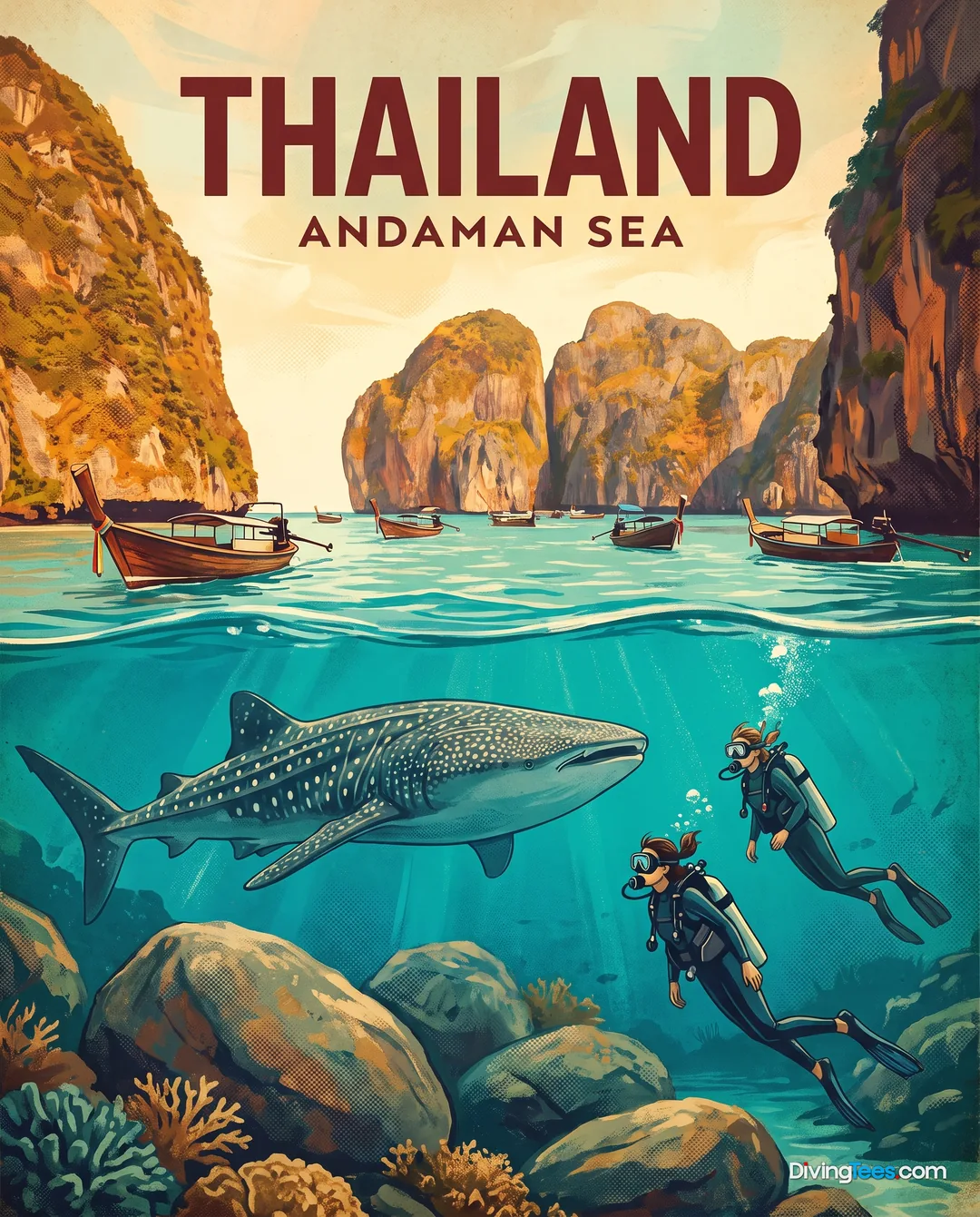
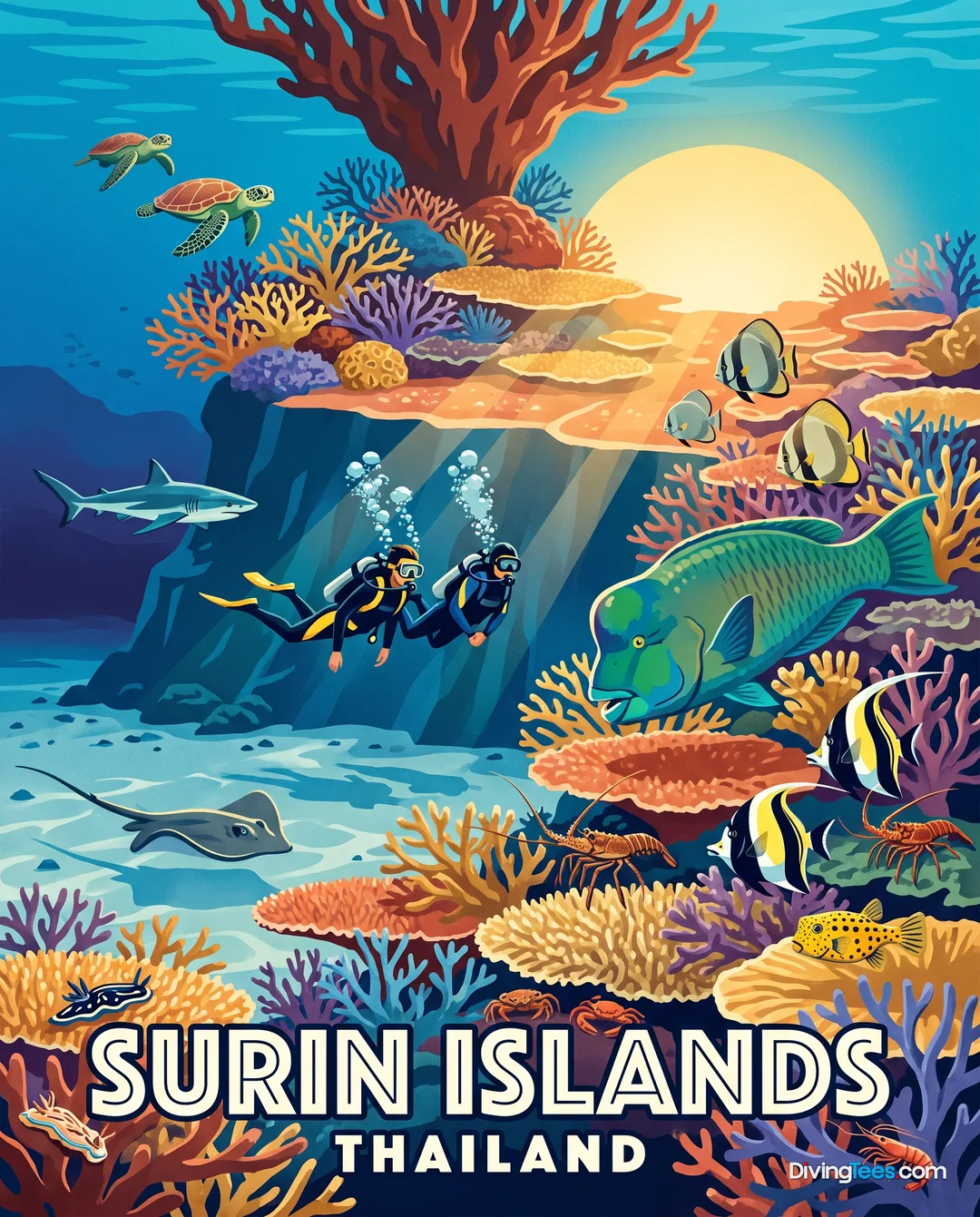
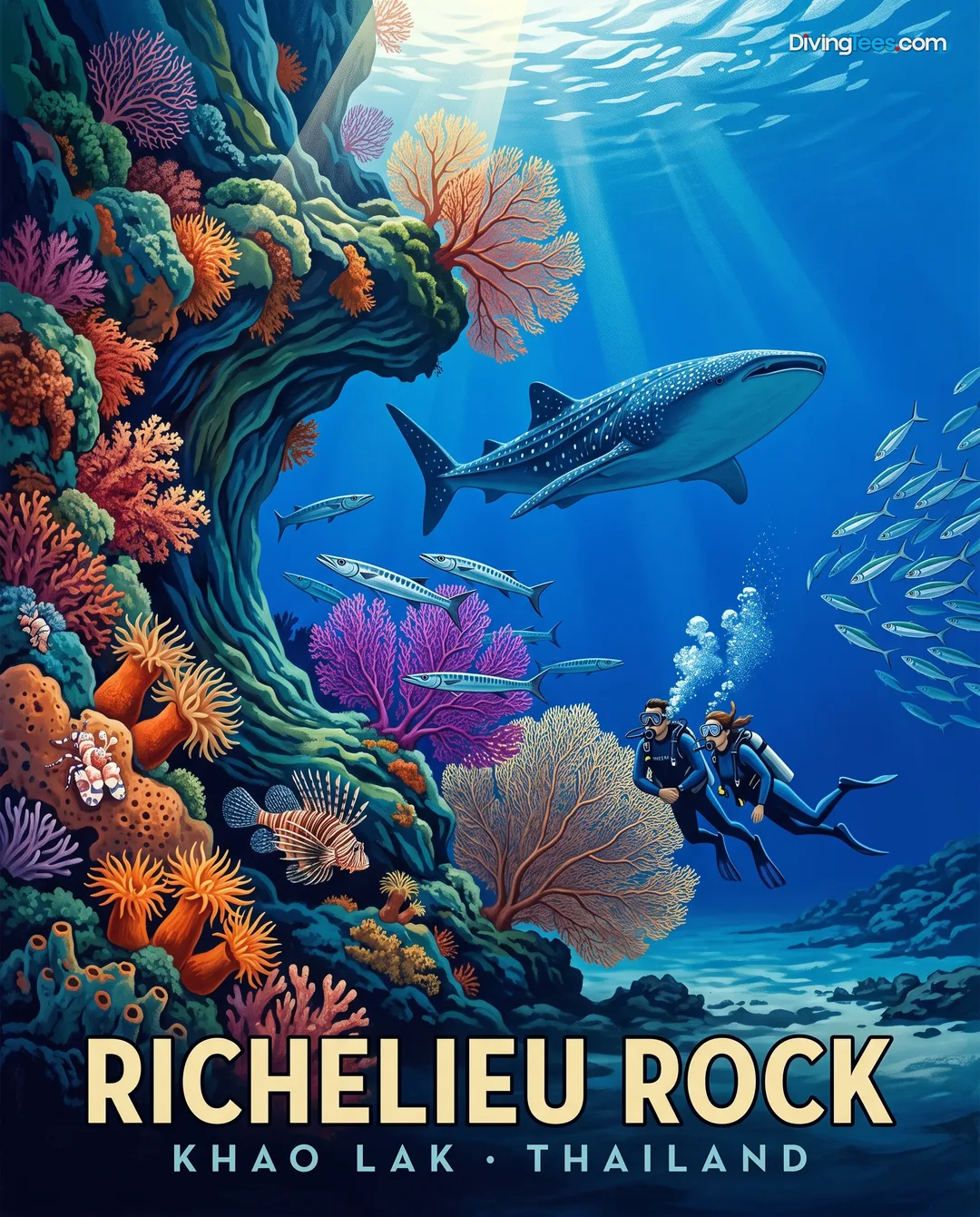
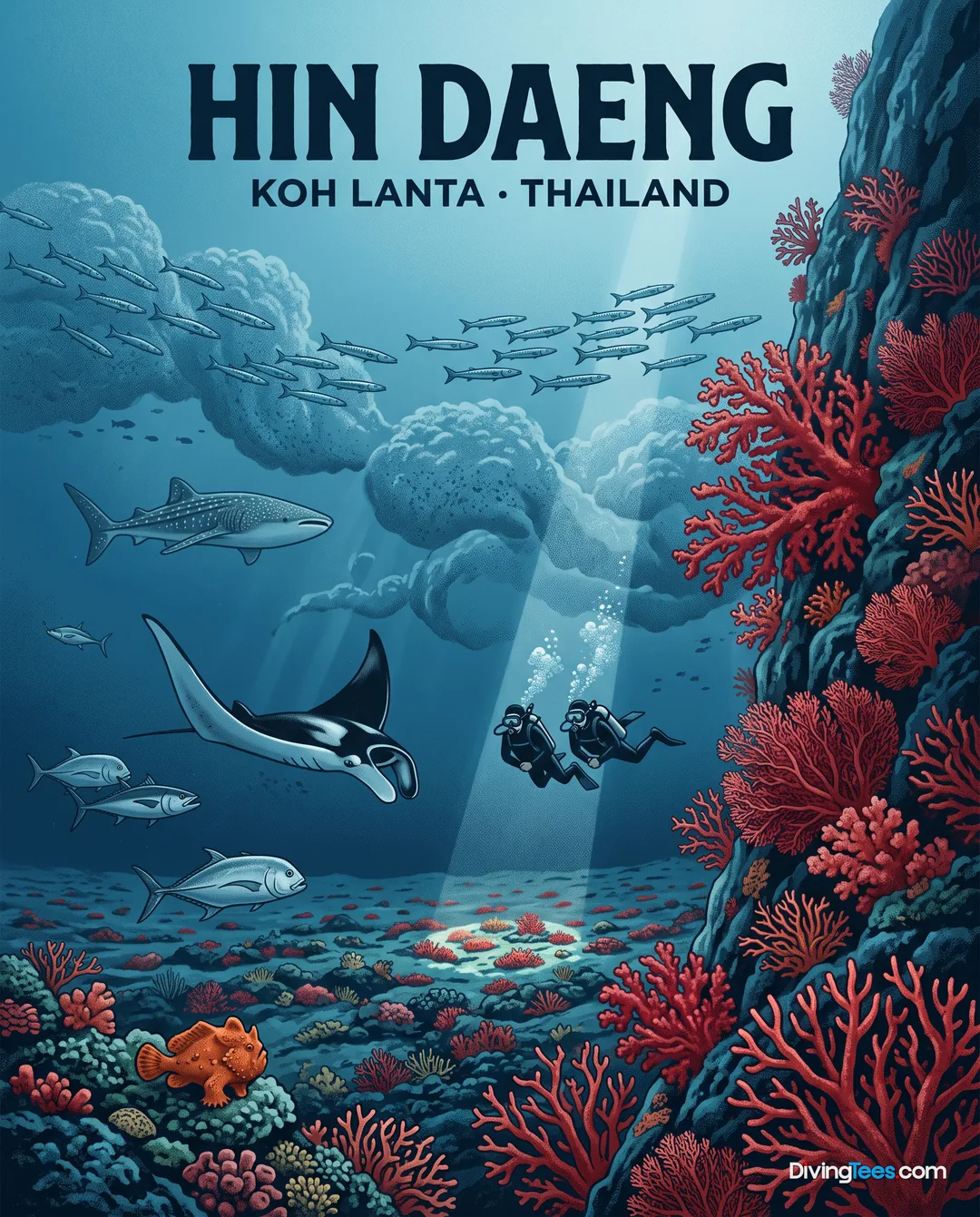
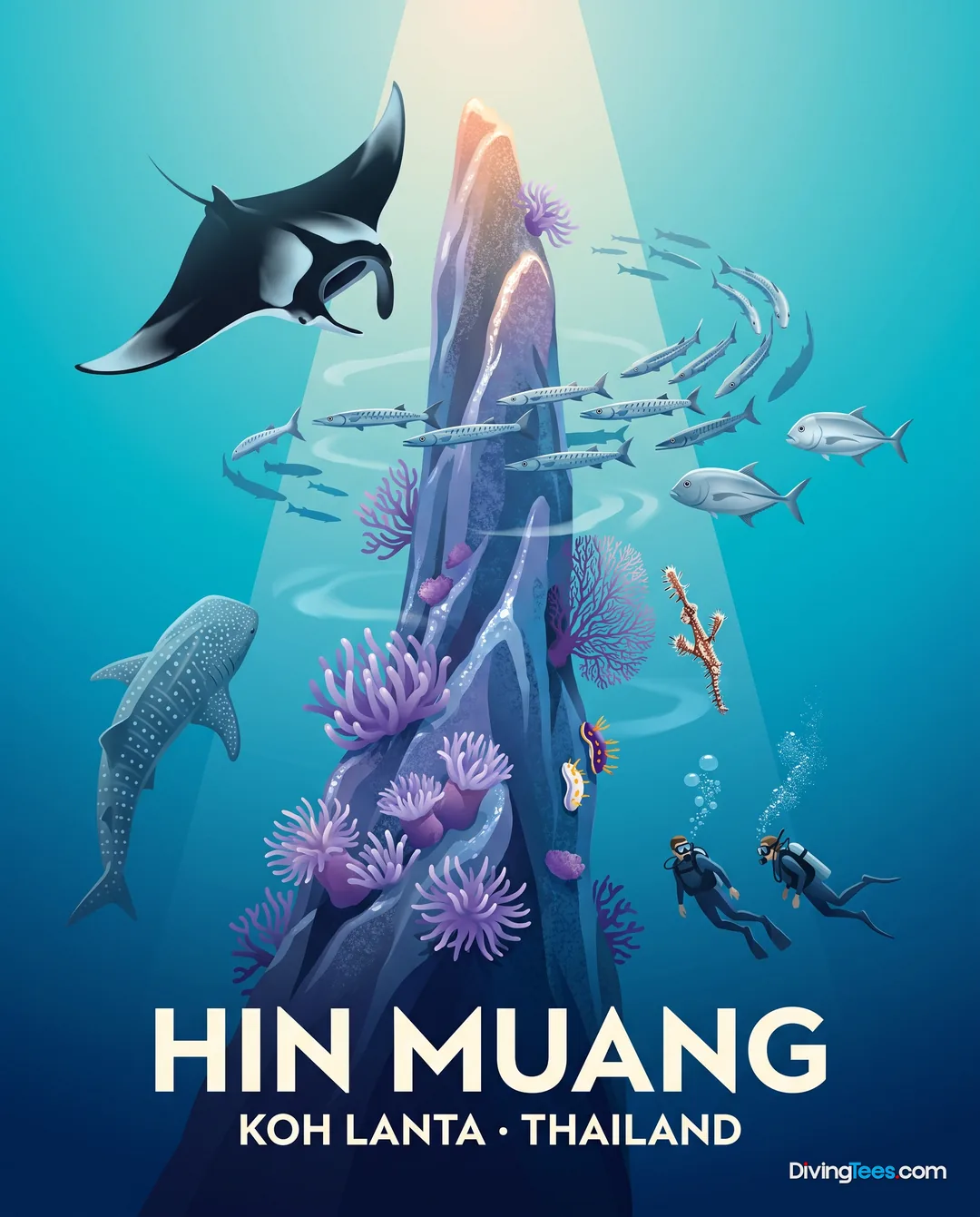
The route choices cover a large section of the Andaman Sea. Recorded departures from Ranong include the North Andaman for 8 days and 7 nights, the Mergui Archipelago for 8 days and 7 nights, Mergui combined with Burma Banks for 9 days and 8 nights, and a Mergui week of 7 days and 6 nights; some Mergui trips add blackwater diving. In Thailand, the boat works from the Similan and Surin Islands through Richelieu Rock, and on southern itineraries reaches Koh Lanta National Park, Hin Daeng, Hin Muang, Koh Lipe and Tarutao National Park. Richelieu Rock is the large-animal and macro centrepiece: soft coral, current and a pinnacle too extensive for a single dive. Hin Daeng and Hin Muang bring steep submerged rock, walls, soft coral and stronger current. Stonehenge in Tarutao offers a coral-covered pinnacle with shelter among the rocks. The exact selection follows the cruise.
Itineraries, dates and prices
Prices per person. Each month shows its lowest price: click a month, or pick an itinerary.
Next departures · 21 departuresfrom £827$1,106€988
November 2026
December 2026
January 2027
March 2027
See dates and prices
If you click these links and make a purchase on the partner site, DivingDeal may earn a commission, at no extra cost to you.
Dates and prices taken from liveaboard.com, updated 24 October 2026
What you’ll meet underwater
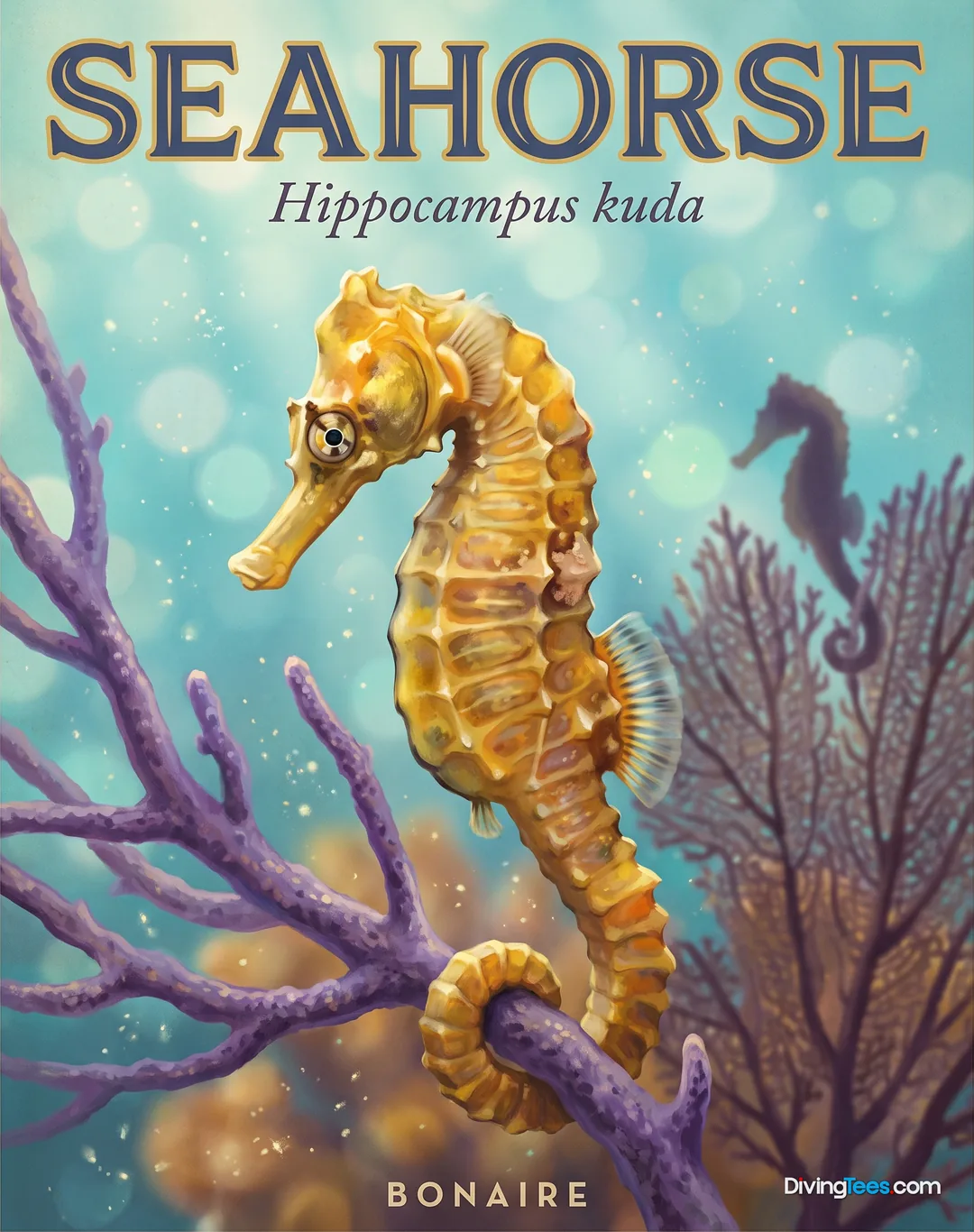
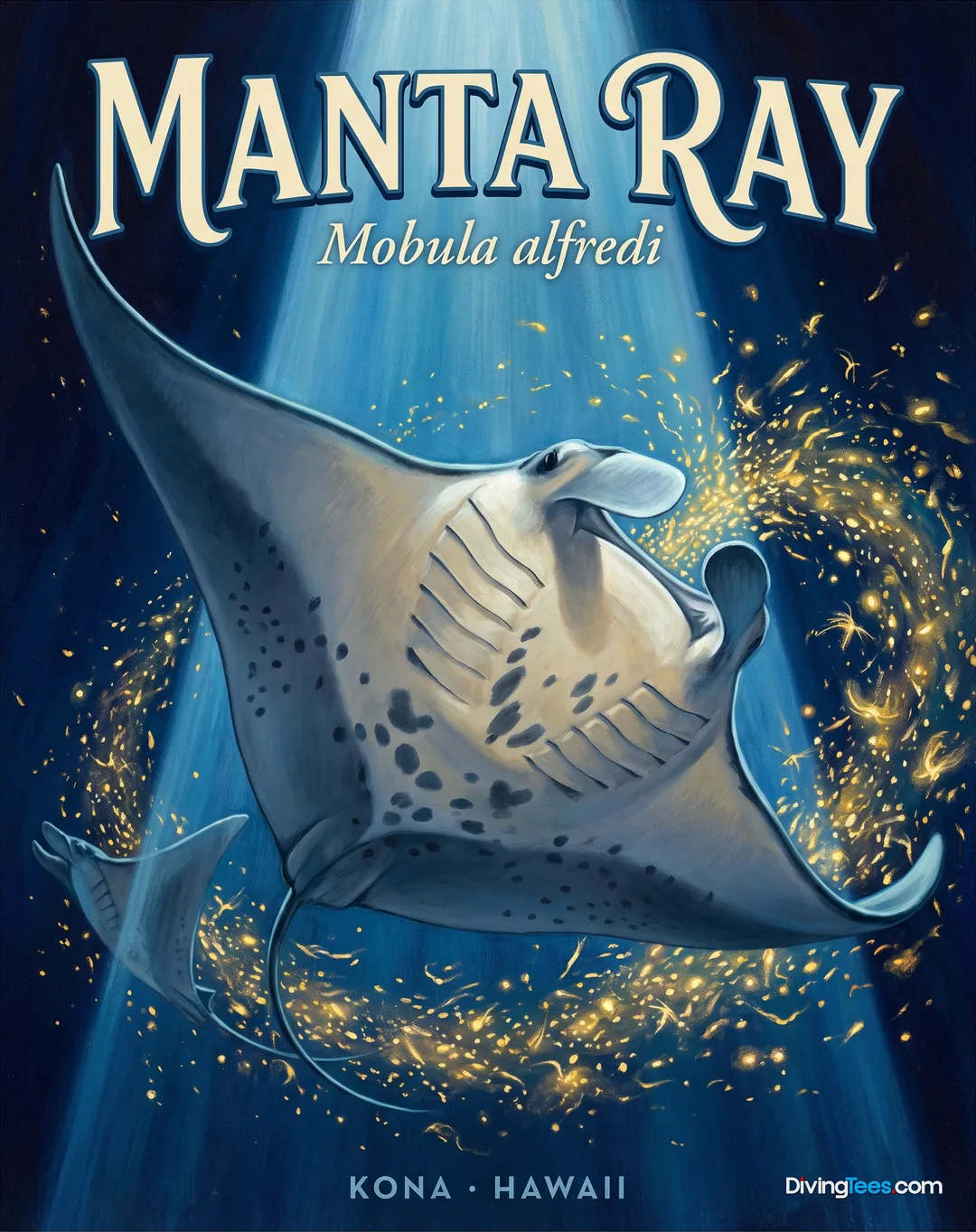
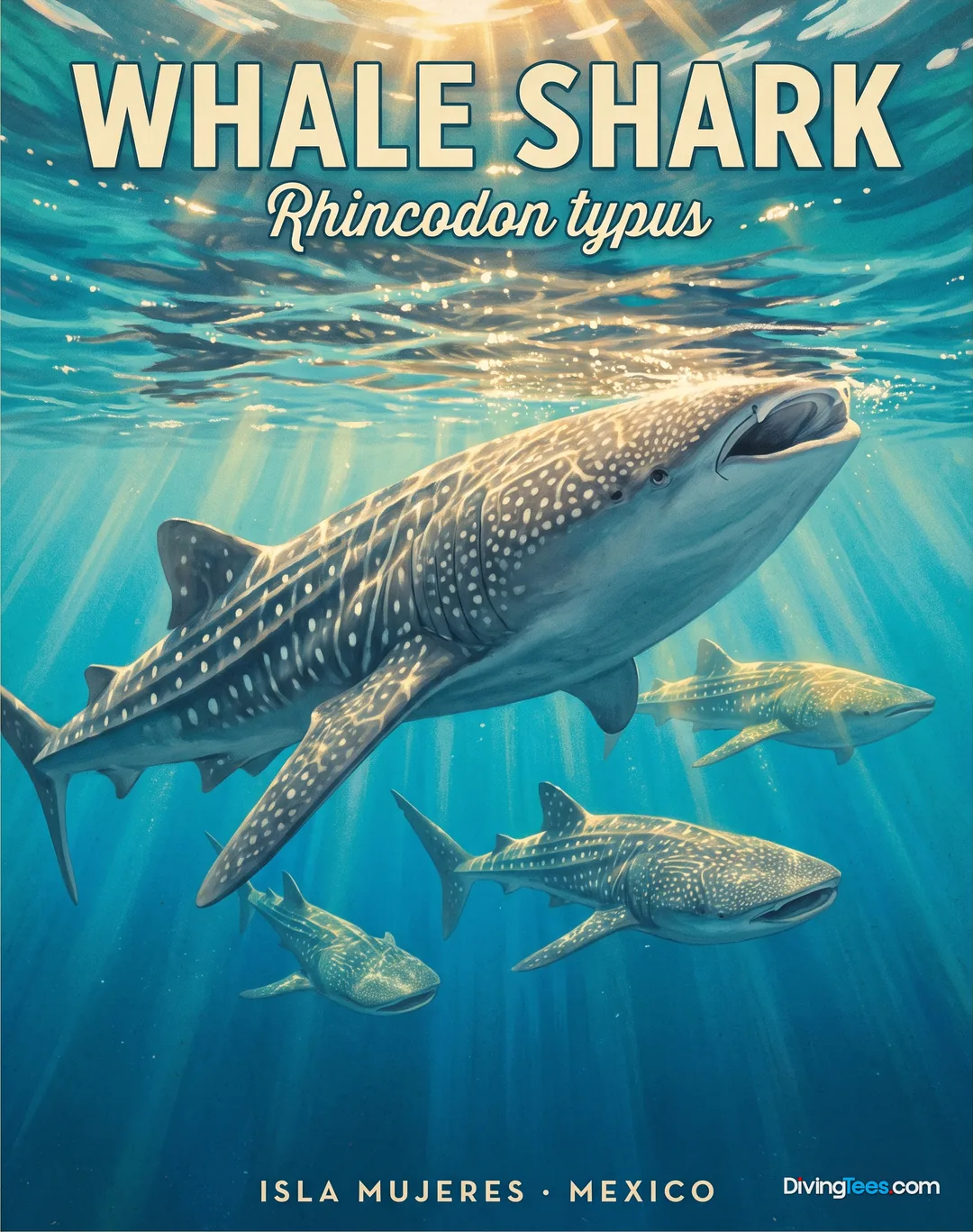
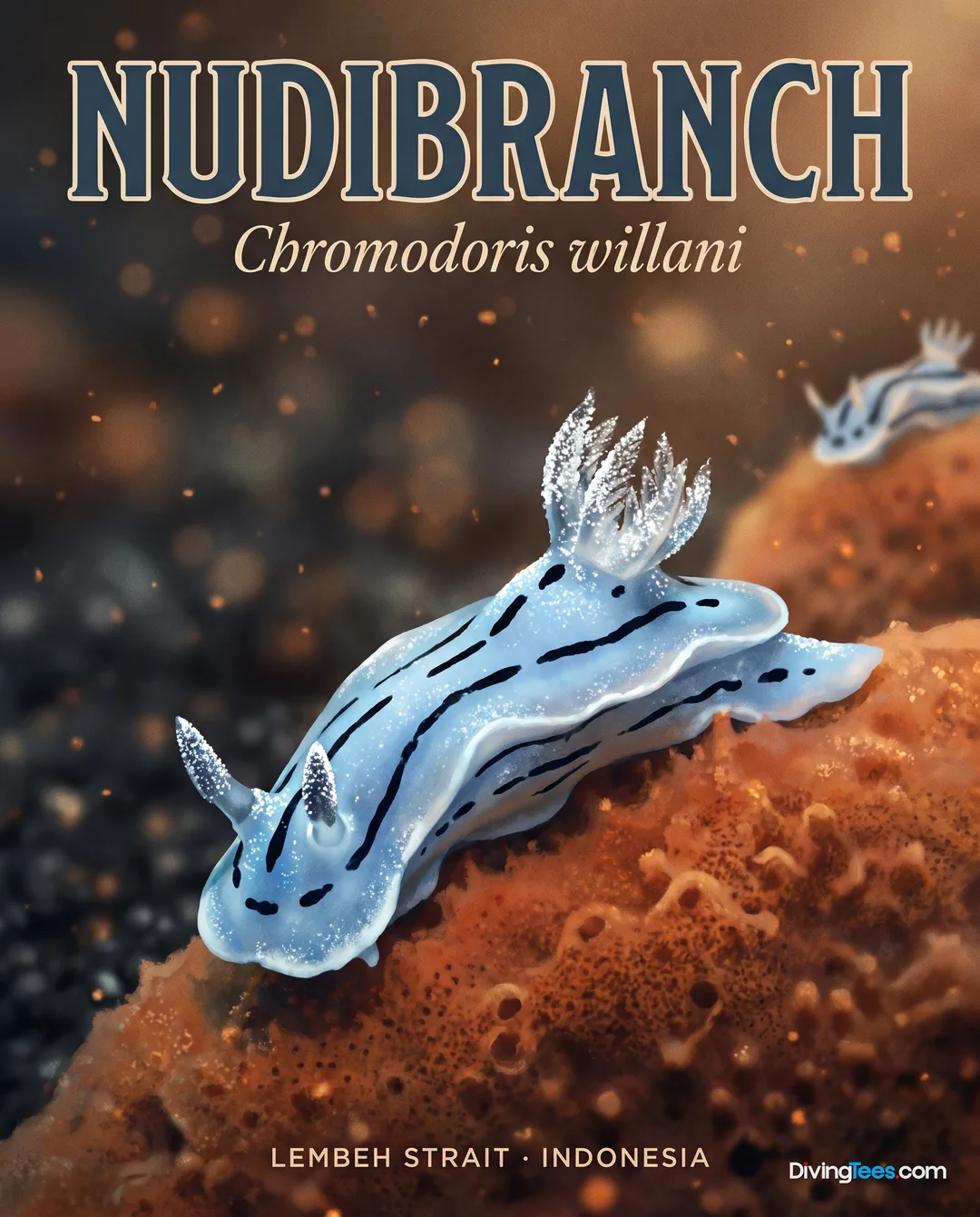
The Andaman diving is built around contrast: large animals in the blue, then a slow search through soft coral for a creature small enough to miss on the first pass. Manta rays and leopard sharks are among the encounters that draw divers to the southern sites, while Richelieu Rock can produce whale sharks, oceanic mantas, barracuda, reef sharks and potato groupers when conditions and timing come together. Its sheltered sides and current-swept soft coral also suit macro work, with seahorses, pipefish, ghost pipefish, harlequin shrimp, frogfish and nudibranchs among the possibilities. Manta rays and whale sharks are more often sought from February to April around the southern Andaman, but no encounter is guaranteed. On blackwater departures, the subject changes completely: larval fish, tiny cephalopods, shrimp, crabs and other open-water animals rise towards the lights at night. That is why photographers return to the boat's camera room between dives.
Who puts you in the water
Four instructors work aboard, allowing dive groups of no more than four divers per guide. English, French and Spanish are spoken. Before the first dive, the team gives a general procedure briefing; before each descent, the guide discusses the current, entry method and plan with the group, then adjusts the briefing to the individual diver's ability and expectations. The Smiling Seahorse is not intended for a complete beginner's Open Water course in Thailand's national parks, so guests should arrive already certified; the operator can help arrange that training on land before the cruise. Advanced Open Water, Rescue Diver, specialties and Divemaster training can be undertaken aboard. Divemaster candidates need Advanced and Rescue qualifications, current EFR and at least 20 logged dives, and must join a minimum of three cruises. Oxygen, first-aid kits and other emergency equipment are carried on board.
The dive deck and the gear
The spacious, shaded dive deck is built for repeated use, with tanks handled from the platform and storage for divers’ equipment. A dedicated camera room provides charging stations and workspace, while a separate rinse tank protects camera gear. DIN adaptors are available, and the boat supports sidemount diving and rebreathers. Nitrox is available as an optional extra. Divers enter from the platform, and tenders collect them away from the boat when the dive plan or current requires it. Rental equipment is also available as an optional extra.
Between dives
Between dives, the Smiling Seahorse gives guests several ways to come down from the last descent. The shaded rooftop has an outdoor living area, sunbeds, Thai cushions and mats; the uncovered bow is there for those who want direct sun. On the upper deck, the marine-life library, board games and cushioned couch fill the quieter gaps, while the sea passes at the edge of the dining area. A kayak can take guests towards a beach or around the islands, and swimming and snorkeling are available when conditions allow. Photographers have a dedicated room in which to rinse, charge and sort equipment instead of spreading housings across the communal tables. Some cruises also include time ashore, including a beach barbecue. The best interval may still be the simple one: a nap in the cabin or hammock before gearing up again.
A day on board
A full diving day starts before the first descent, with coffee and a light bite before the first dive at 7am. Breakfast follows around 8am, giving divers time to eat properly, nap or sort equipment before the second dive at 11am. Lunch lands at 12pm, then the boat and its guests settle into another surface interval before the third dive at 3pm. An afternoon snack appears around 4pm. The final dive is made at sunset or at night, followed by dinner and the first drink of the day for those who want one. Between these fixed points, the details are practical: rinse the camera, check the next gas, read up on a creature, swim, kayak or sleep. Four dives leave little room for wasted motion. The last briefing ends, dinner begins, and the boat starts again the following day.
What you eat aboard
The galley is run by Choui, who combines Thai cooking with French and international dishes. The first meal follows the first dive: eggs, toast, fruit, cereals, yoghurt, homemade jam, coffee, tea and juice. Lunch comes after the second dive and may be Thai fried rice, pad thai or potato salad with meat and vegetarian alternatives such as homemade falafels. After the third dive, banana fritters, crêpes or spring rolls appear before dinner. The evening meal ranges from curries, salads and soup to a barbecue on every trip, with Thai, Western, vegetarian and vegan choices. Special diets and allergies can be handled when noted in advance. Alcohol waits until the last dive is over; beer and wine are available separately. Four dives make food part of the working rhythm, not an afterthought.
Nights at sea
The cabins sit forward on the upper deck, where a standard window gives each room a view of the sea rather than a blank interior wall. Standard, Deluxe and Master cabins are available, and all are air-conditioned with private bathrooms; selected cabins also have balconies. The boat's smart bedding can be configured for couples or for divers travelling with a friend, while storage cubbies keep wet bags and clothing from taking over the room. At night, the useful detail is the separation between sleeping space and the social decks: guests can stay outside under the rooftop shade or retreat forward when the day is done. The sea remains close through the window, but the cabin is not presented as a luxury hotel room. It is a compact place to dry out, sleep and be ready for the next dive.
Master Cabins
Deluxe Cabins
Standard Cabins
What to know before boarding
Cruises depart from and return to Ranong, Thailand. Airport and hotel transfers can be arranged as optional extras and are not included by default. Guests should plan to reach Ranong the night before departure rather than relying on a same-day connection. Transfer arrangements are communicated as part of the trip planning.
What the boat does for the ocean
The Smiling Seahorse uses refillable bottles to reduce single-use plastic and provides organic, reef-safe soap, shampoo and conditioner. The boat follows reduce, reuse and recycle practices and uses an eco-friendly waste and recycling system. Its conservation work includes supporting marine-science research and cleanup projects, while its operator is part of the Manta Trust Operator Wall of Fame. These measures are modest and concrete: less disposable plastic on board, reef-safe products in the bathrooms and direct involvement in conservation initiatives.
- Year built
- 2018
- Length
- 25 m
- Maximum number of passengers
- 16
- Number of cabins
- 8
- Number of bathrooms
- 8
- Website
- thesmilingseahorse.com ↗
Hello, I'm Marina, DivingDeal.com's AI assistant. I answer in detail about hotels, dive centres and liveaboards.
Thinking about the whole trip and the flights? Talk it over with Edith →
Marina is an AI. Some links are affiliate links: DivingDeal may earn a commission, at no extra cost to you. Bookings are made with the partner.