
Rand’eau Évasion
Google 5/5 (242 reviews)
2.4 km away as the crow flies
Nice · France · Mediterranean
Max. depth · 60 mA series of parallel rocky drop-offs that transition from shallow plateaus to deep walls covered in gorgonians.
For subtitles in English: start the video firstthen click the gearat the top right of the video, select “Subtitles/CC”, then “Auto-translate” and choose “English”.
The Cap de Nice is defined by its complex topography consisting of several parallel rocky drop-offs. This structure begins with a shallower section, often referred to as Le Petit Tombant, where the seabed descends from approximately 6 to 10 metres down to 30 metres. As you move further from the coastline, the topography changes significantly, leading into the Grand Tombant which reaches depths of roughly 40 metres. This stepped structure provides various niches for marine life, ranging from shallow rocky plateaus to vertical walls.
Beyond the main drop-offs, the site extends into deeper waters where isolated rocks and smaller pinnacles emerge. In these deeper zones, the seabed reaches down to 60 metres, creating a vast area for those looking for more challenging profiles. The seabed in these outlying areas is characterized by large rock formations and extensive gorgonian growth. This extension provides a stark contrast to the shallower sections, offering a diverse range of habitats within a single dive site.
As you descend along the walls, the verticality of the site becomes the most prominent feature. The transition from the shallow rocky zones to the steep drop-offs allows for a varied dive profile. You will notice the substrate shifting from lighter rock surfaces to walls densely covered in various gorgonians. This change in depth and slope is what defines the site's character, providing distinct zones for different species to inhabit.
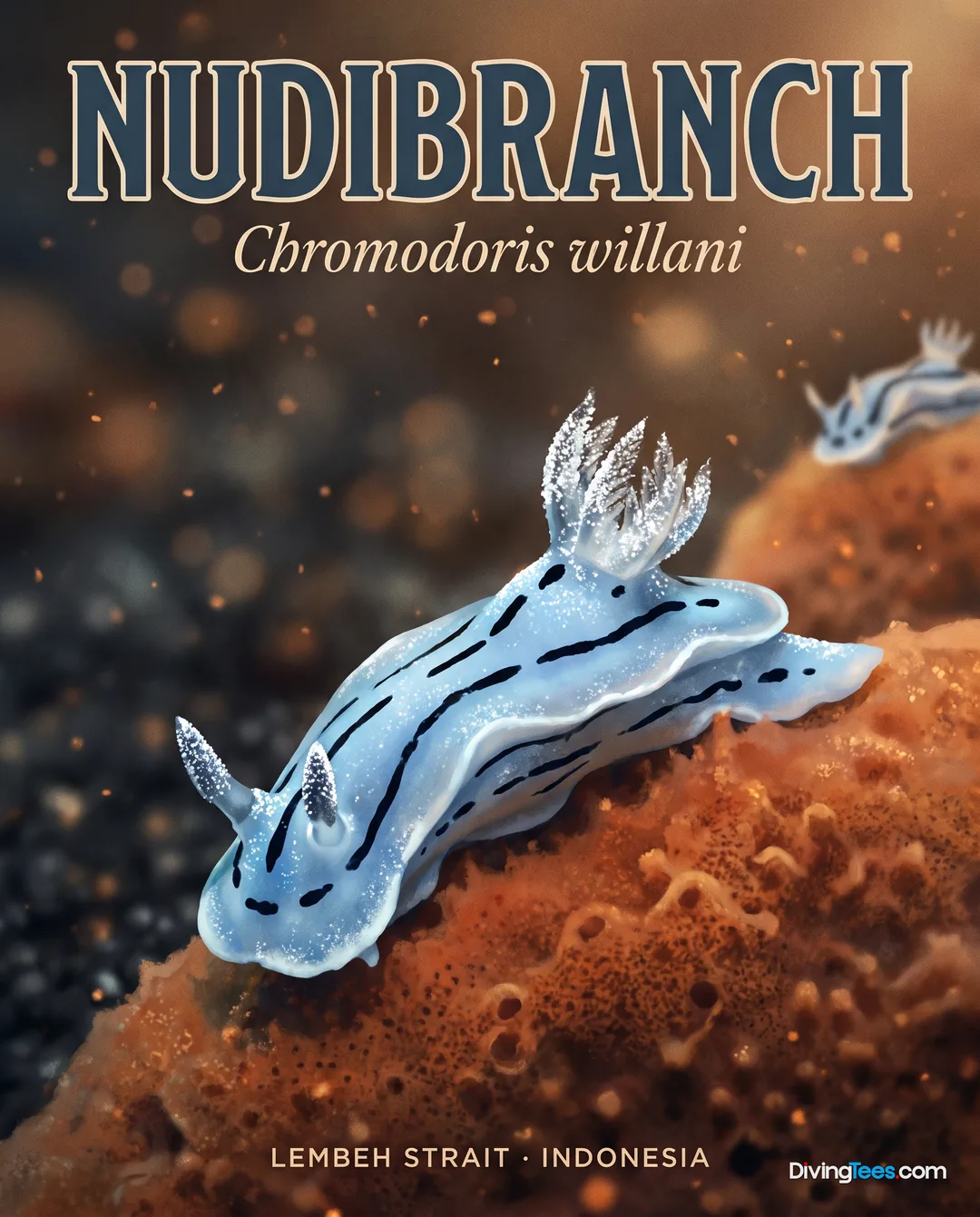
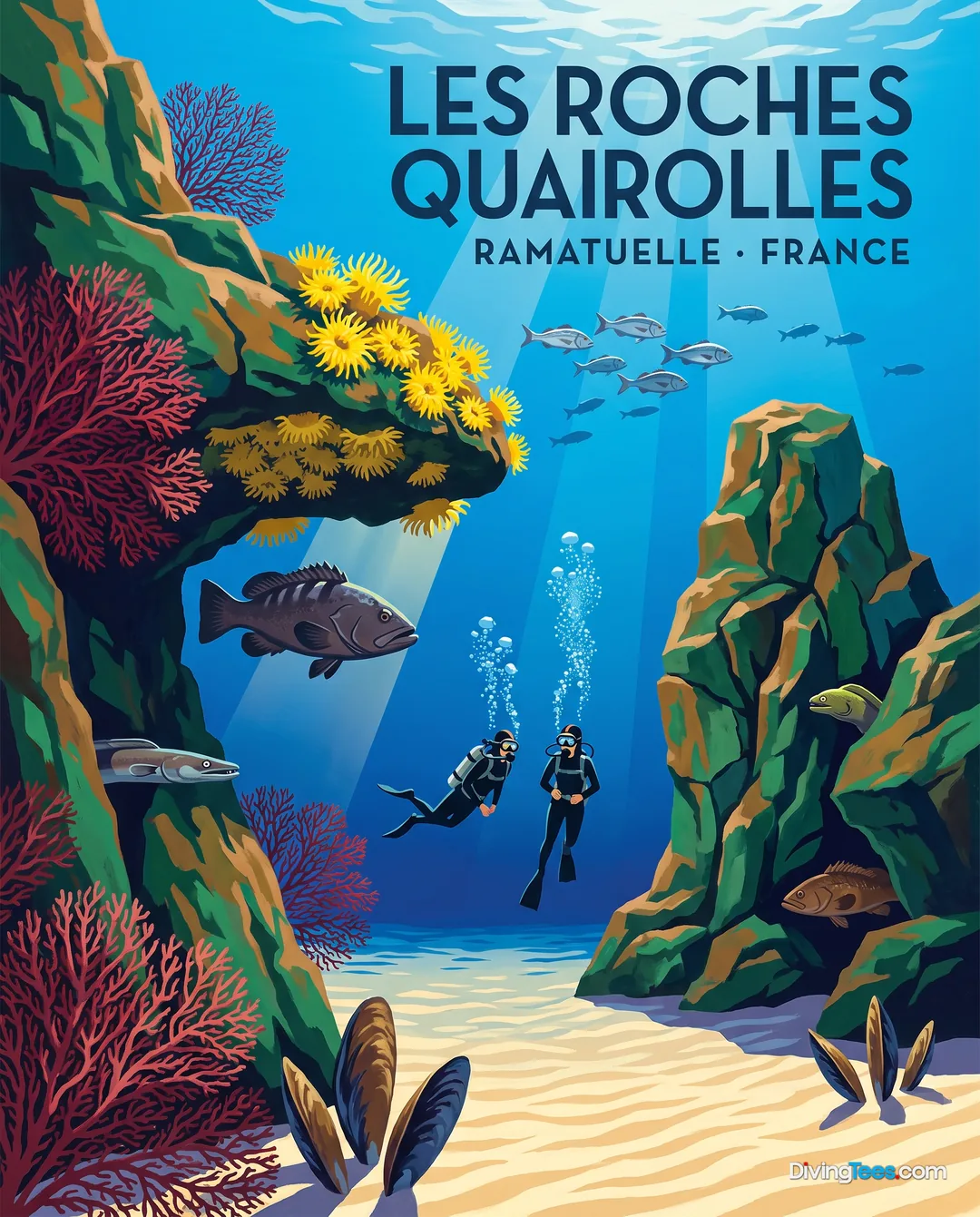
The marine life at Cap de Nice is closely tied to this vertical and rocky structure. You can find large gorgonian colonies, including red and orange varieties, that drape over the rock faces. These structures provide shelter for several resident species such as scorpionfish and moray eels. The crevices and overhangs along the walls are ideal spots for spotting spiny lobsters and various nudibranchs hiding in the reef structure.
In the deeper sections and along the open walls, you may encounter larger predatory species. European barracuda and common dentex are known to patrol these depths, often moving along the edges of the drop-offs. You might also see dusky grouper patrolling the rocky crevices or white seabream swimming through the water column. The presence of these larger fish is a direct result of the varied habitat and the abundance of prey provided by the reef.
Water clarity at the site is typically high, often reaching 20 metres or more, which is essential for seeing the detail on the deeper walls. The visibility allows for long-range views of the descending drop-offs and the movement of larger fish in the open water. However, this clarity is highly dependent on the sea state and time of day. For the best experience, diving in the morning when the water is most calm is generally recommended.
Current conditions at Cap de Nice are notably variable and require careful management. The area around the rocky promontories can experience strong currents, particularly depending on the sea state and the movement of the tide. These currents can change the effort required to maintain position along the walls. It is essential to monitor your direction of travel to avoid being pushed too far from the rocky structure.
Accessing the site is typically done via boat from the port of Nice, which is only a few minutes away. While some sections might be accessible from the shore, the swell can make shore entries difficult and unpredictable. Most divers prefer the stability of a boat to navigate the different sections of the walls accurately. The ease of access makes it a practical site for those looking to dive the various drop-offs in a single session.
Depth: 6 to 60 metres. Advanced level required for the deeper sections due to variable currents and topography. Visibility: 20 metres or more. Best during the morning and between May and October. The current can be strong around rocky protrusions and varies with sea conditions.
You can dive Cap De Nice throughout the year, but morning dives between May and October are preferred. Morning conditions are generally calmer, supporting clearer views along the rocky drop-offs and walls. Visibility is often twenty metres or more, although clarity depends on the sea state and time of day.
Cap De Nice ranges from six to sixty metres, with shallow rocky sections, vertical drop-offs, isolated rocks and pinnacles. The deeper sections require an advanced level because of variable currents and complex topography. Le Petit Tombant descends to thirty metres, while the Grand Tombant reaches roughly forty metres.
At Cap De Nice, currents vary with sea conditions and the movement of the tide. They can become strong around rocky protrusions and promontories, changing the effort needed to hold position along the walls. You should monitor your direction of travel carefully to avoid being pushed away from the rocky structure.
At Cap De Nice, you can explore parallel rocky drop-offs, vertical walls, plateaus, crevices and overhangs covered with red and orange gorgonians. Marine life may include dusky grouper, barracuda, common dentex, scorpionfish, moray eels, spiny lobsters, nudibranchs and white seabream across the site's varied depths.