photo coming soon

Dune Marseille
★ 4.9/5 (1,823 reviews)
less than 1 km away as the crow flies
France · Mediterranean
Marseille puts limestone tunnels, gorgonian walls, red coral and steel wrecks within a day-boat journey from a working French port.
For subtitles in English: start the video firstthen click the gearat the top right of the video, select “Subtitles/CC”, then “Auto-translate” and choose “English”.
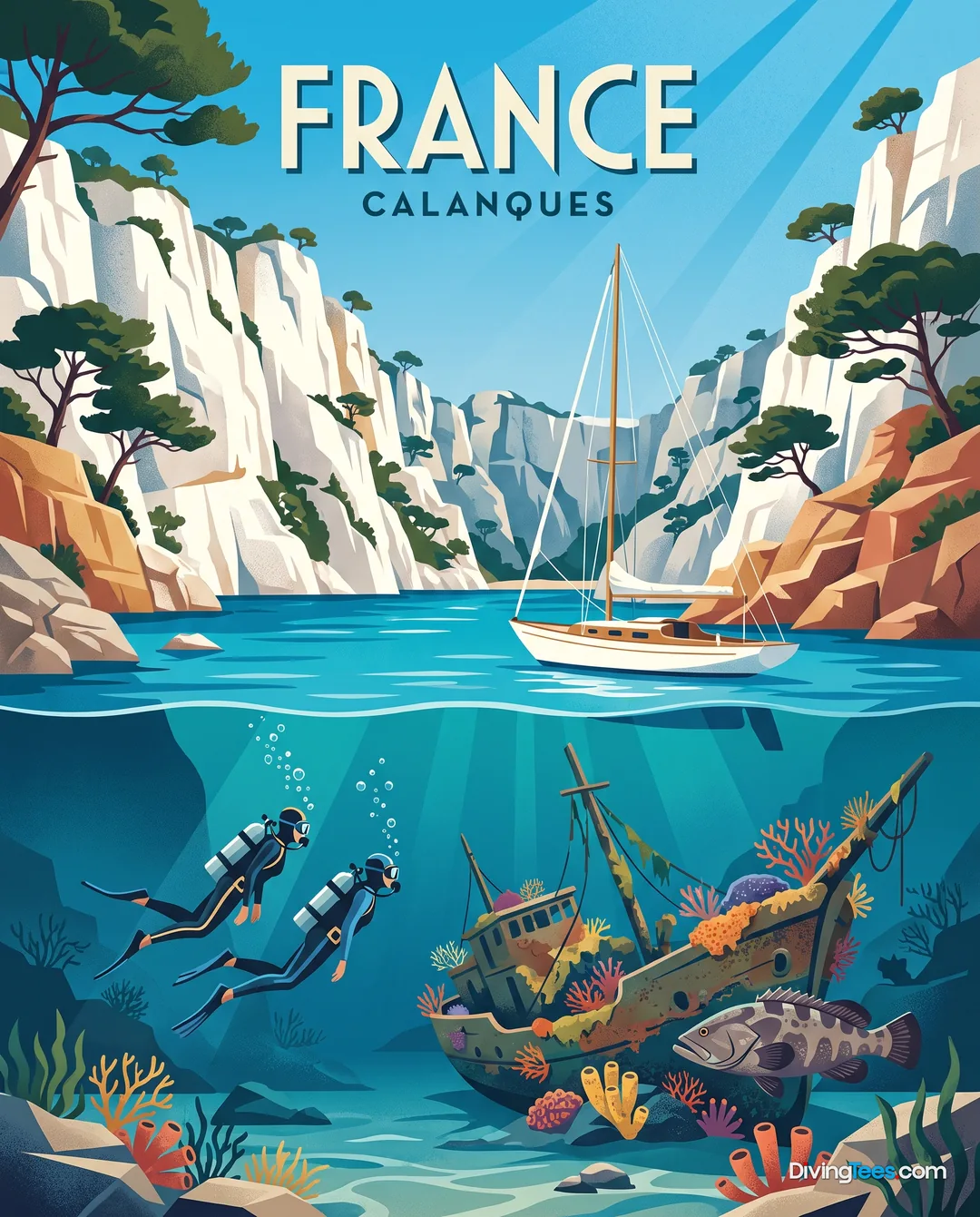
Marseille is a shore-based Mediterranean diving holiday built around daily boat trips, not an easy-going shore-diving resort. The Frioul Islands, the Calanques and exposed sites beyond the city offer limestone walls, arches, tunnels and wrecks, with the Parc National des Calanques providing an important protected setting. A diver might spend one day tracing the hull of Le Saint-Dominique and another moving through Tunnel De La Moyade. Between dives, Marseille supplies a substantial city and coastline for non-divers.
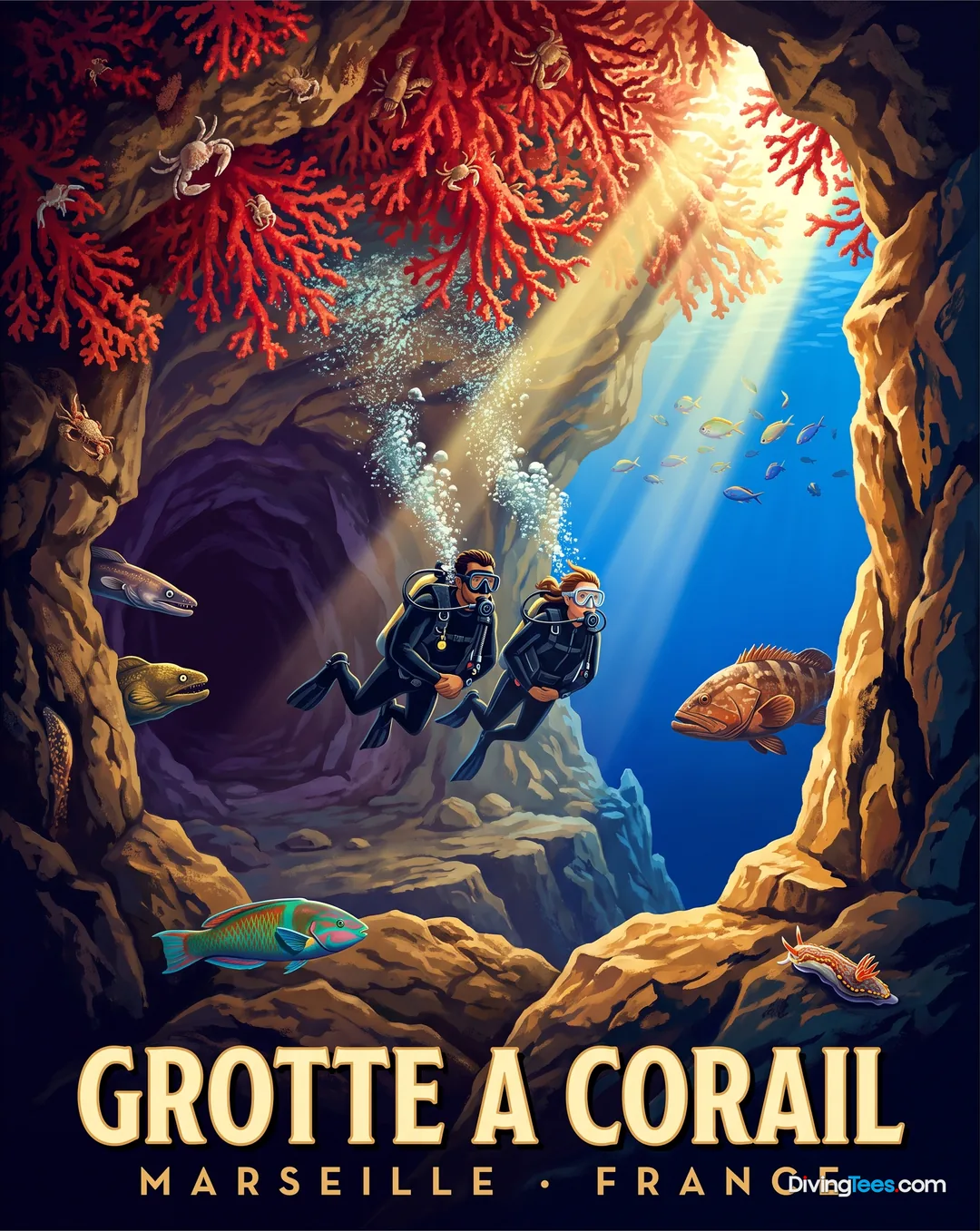
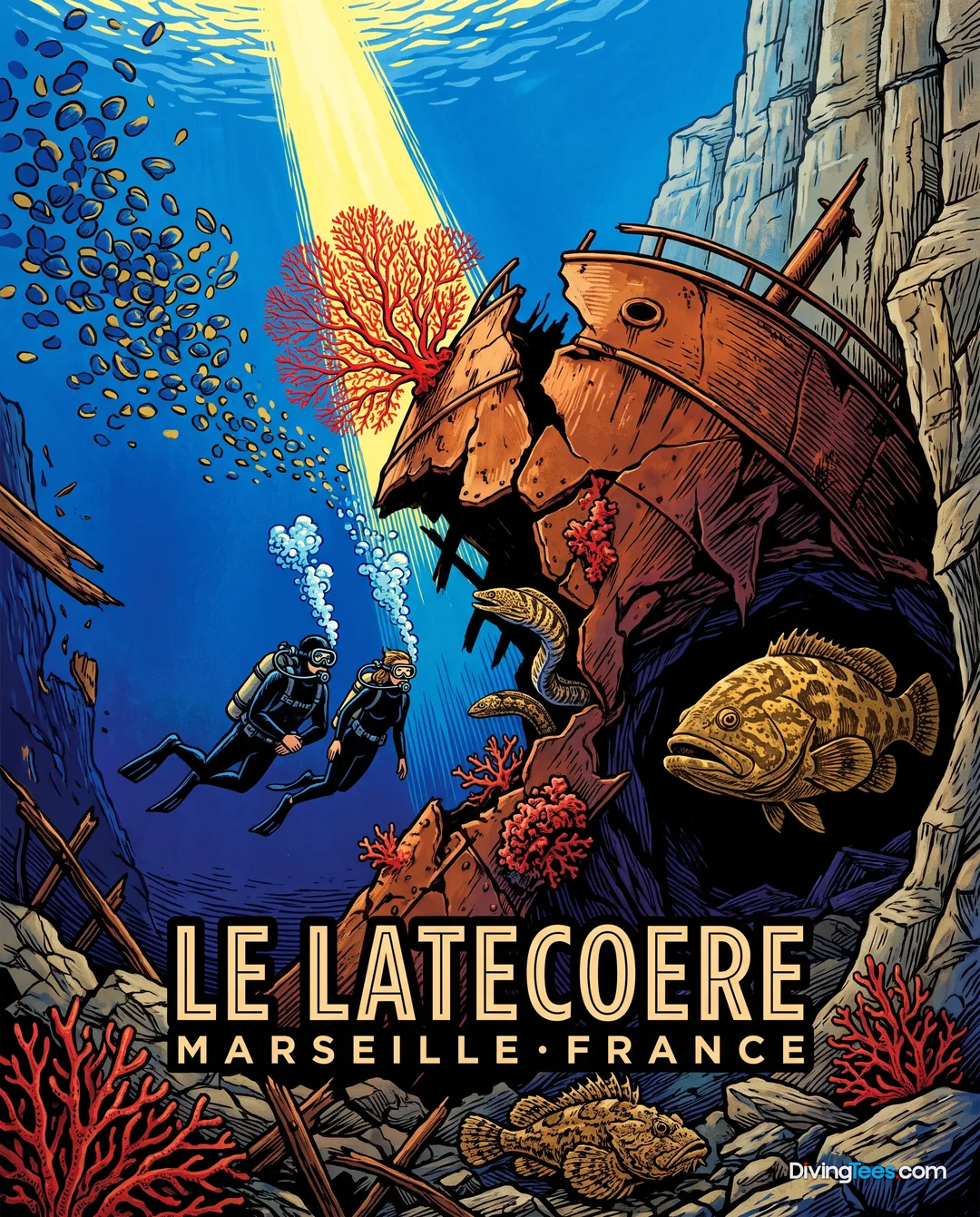
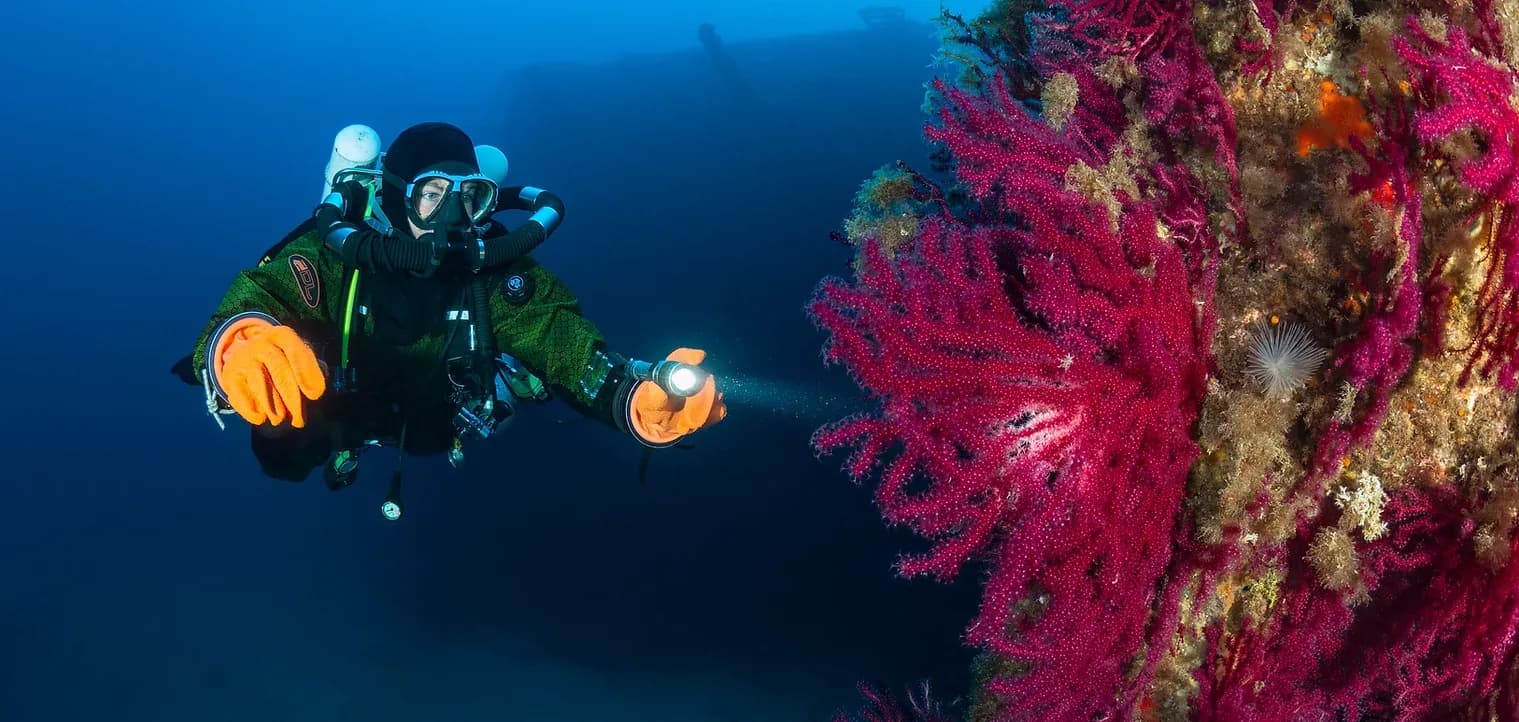
The diving is shaped by rock. Walls drop into blue water, narrow faults and swim-throughs interrupt the limestone, and caves add a darker, more deliberate element to sites such as Grotte A Corail and Tunnels Et Failles Du Tiboulen De Maire. Tunnel De La Moyade combines a wall with a natural tunnel and reaches 45 metres; Le Latécoère moves from a wreck at 25 metres to cliff terrain at 40 metres. Wrecks range from the 25–33-metre Le Saint-Dominique to the technical 50–54-metre Le Junker. Current is variable rather than uniformly strong, with exposure, wind and sea state changing the character of a site. Visibility can be very good: around 25–30 metres at Tunnel De La Moyade, about 20 metres at Le Latécoère, and 10–20 metres around Tiboulen. Most diving is organised from boats, with sheltered sites alongside open-water departures.
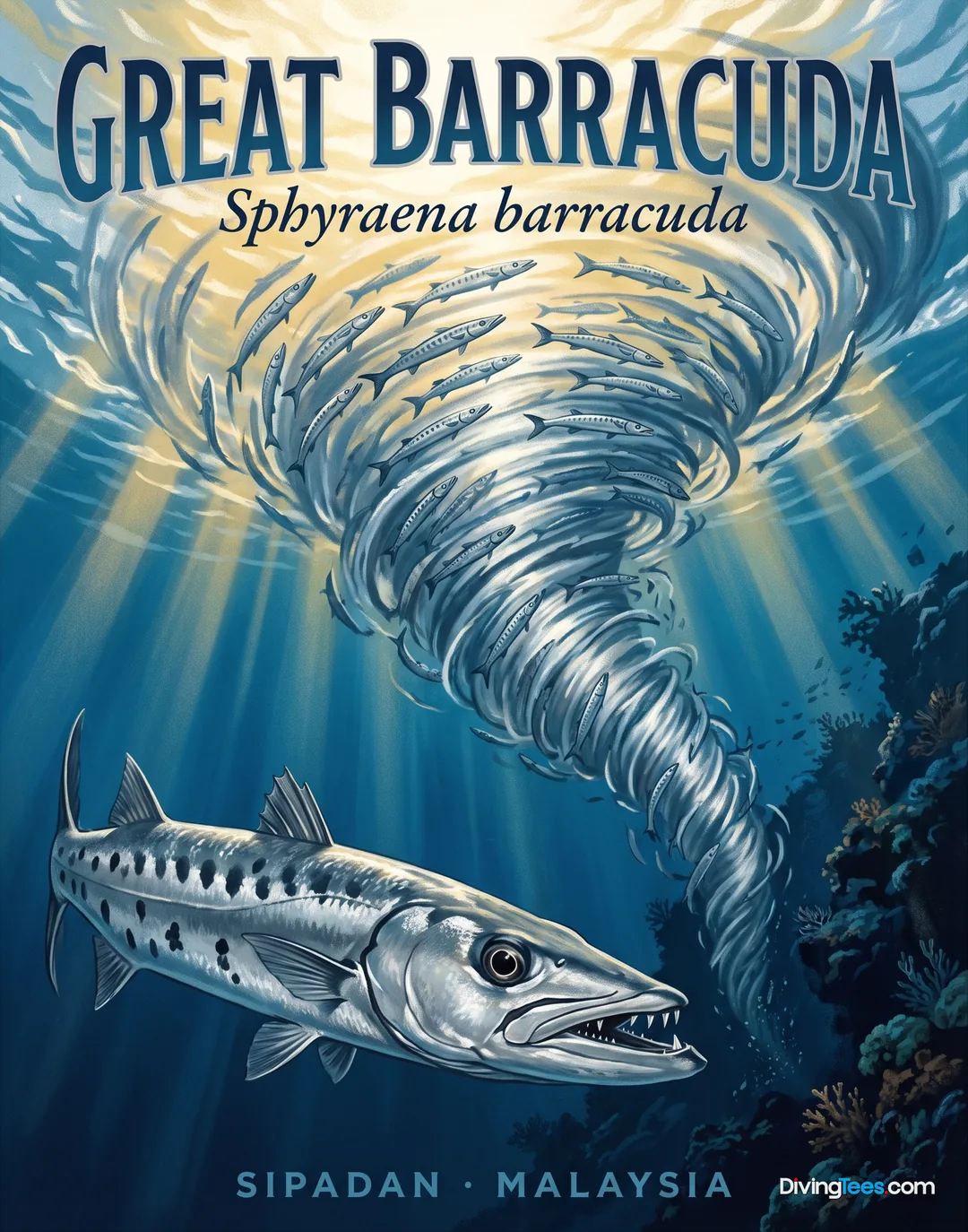
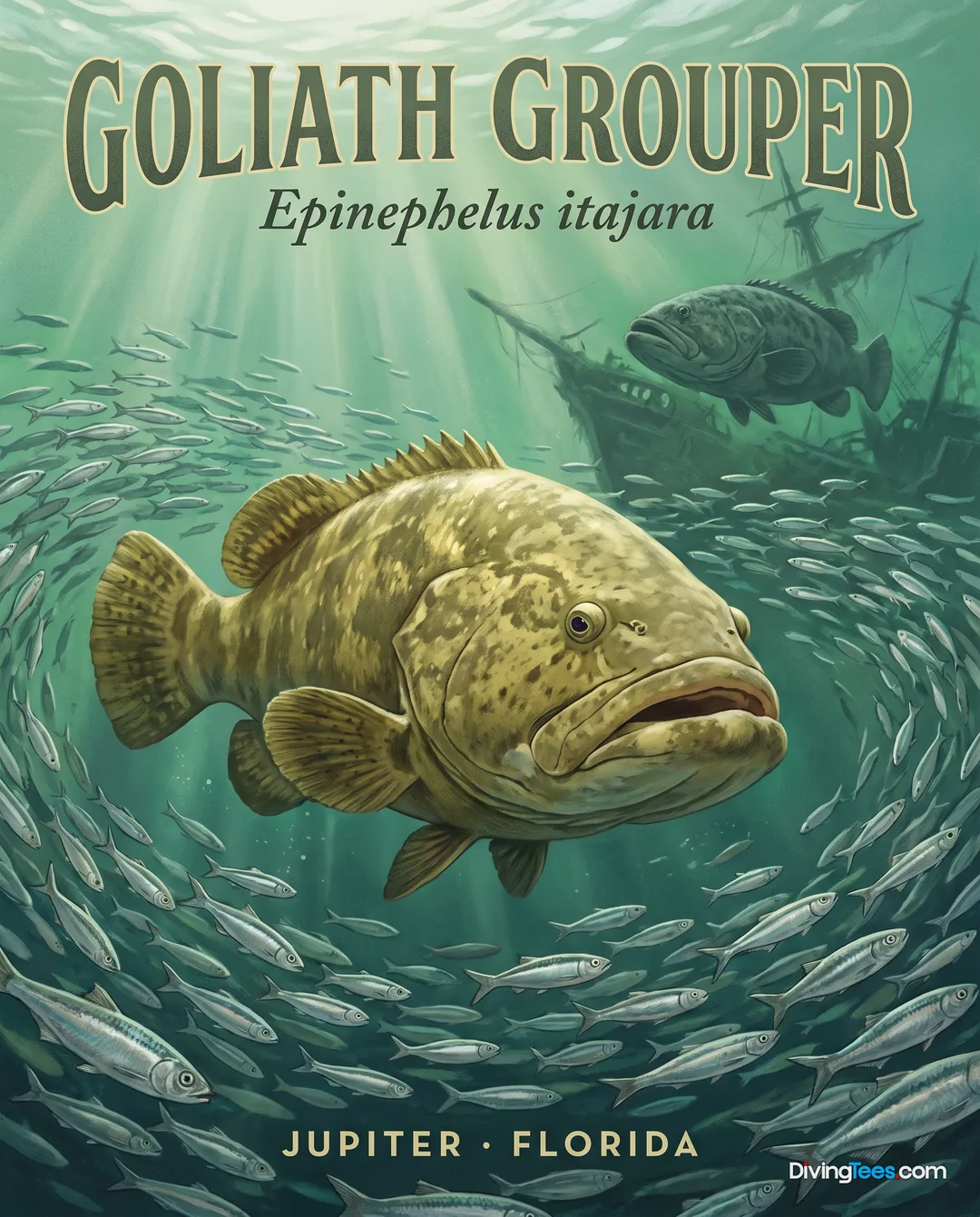
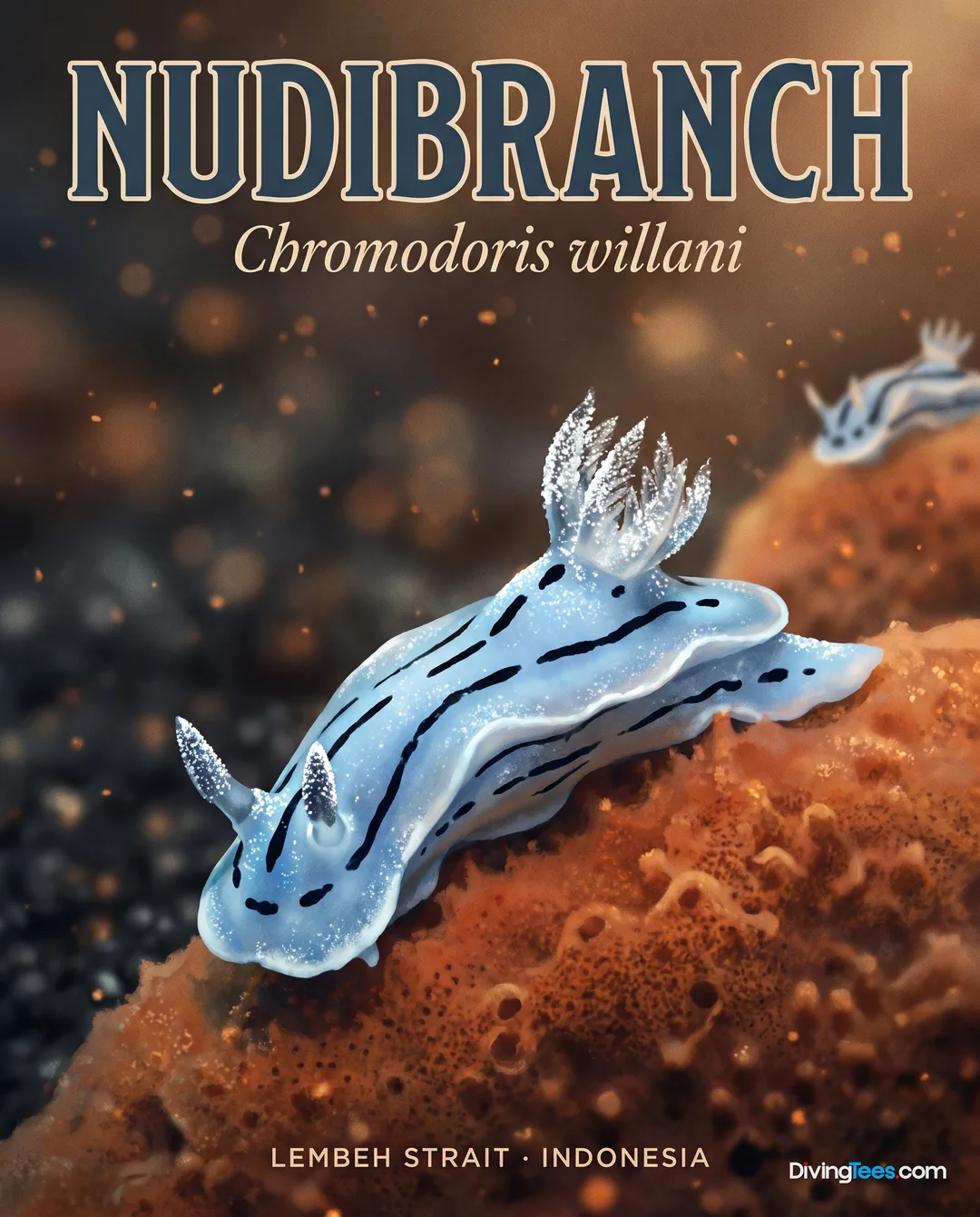
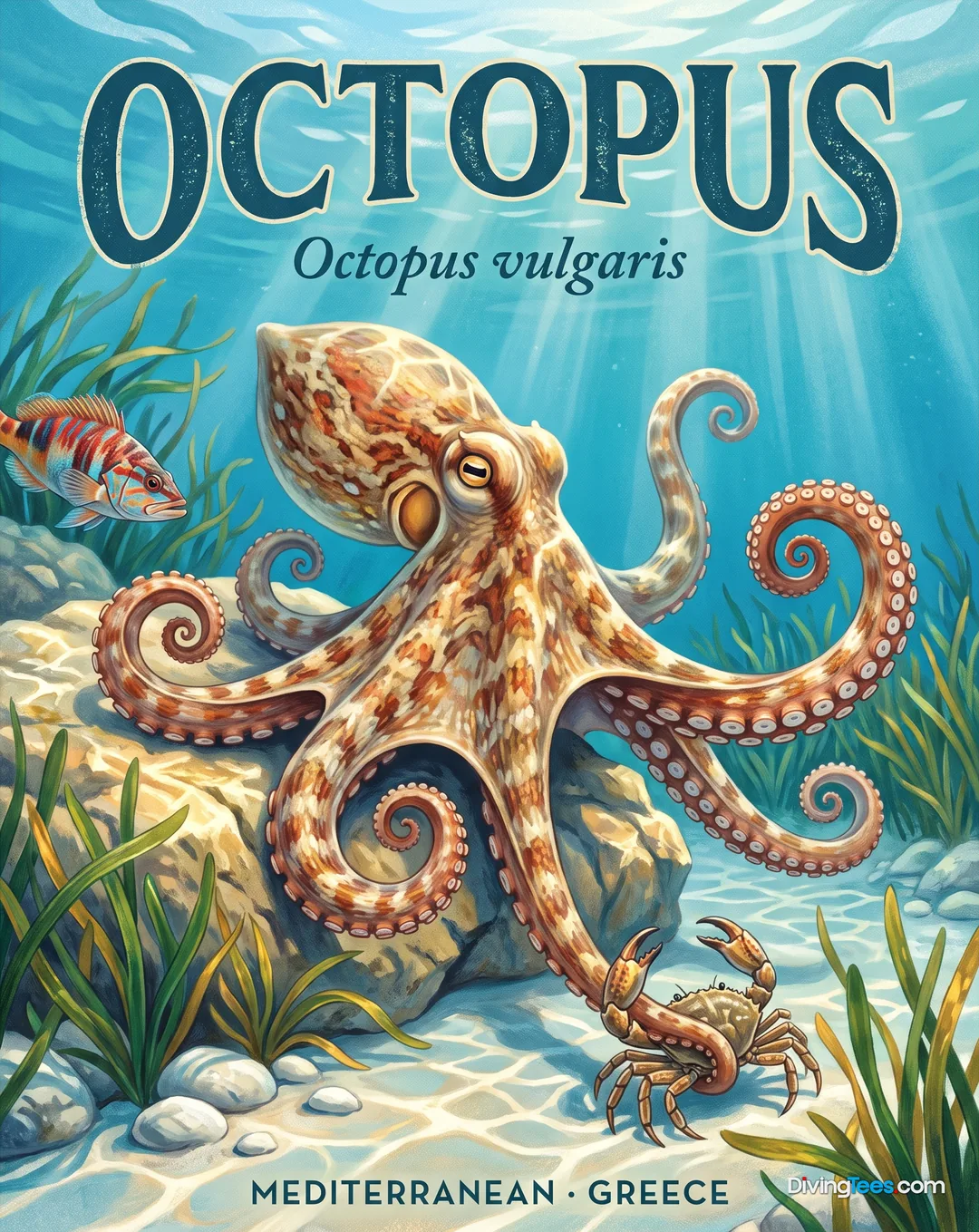
The reward is recognisably Mediterranean rather than tropical: anthias flicker over rock, damselfish and white seabream work the shallows, while grouper, corb, moray eel and conger eel occupy cracks and wreck structure. Spiny lobster, scorpionfish, squid and nudibranchs add interest for slower inspection of the walls and rubble. Gorgonians are a recurring feature, particularly on deeper rock, and Grotte A Corail is noted for its red coral. Great barracuda are an occasional summer encounter rather than a reason to build the whole trip around one sighting. Grouper and corb are present throughout the year, so spring and autumn diving still has plenty to look for when the port and island approaches are less busy.
The measured calmest period runs from April to September, with the lowest rainfall from April to August. For a diving holiday, May, June, September and October are the more comfortable choices: spring and autumn usually bring a less crowded city, fewer competing boats and a better chance of a relaxed launch. July and August can offer good water conditions, but the port, islands and calanques are at their busiest, making a boat-based schedule less forgiving. April to September also gives the best general window for settled sea conditions, while October remains useful if the forecast allows some flexibility.
Marseille can suit all levels, but not every boat trip or wreck suits a new diver. Sheltered sections of the Parc National des Calanques and Pierre A Joseph, at 16 metres, offer a gentler introduction. Advanced Open Water, BSAC Advanced Diver or equivalent experience is useful for deeper walls, variable current and exposed boat sites. Wreck divers should match their certification to the profile: Le Saint-Dominique reaches 33 metres, while Le Junker requires appropriate deep and technical training. Nitrox is useful where the planned profile and operator arrangements support it.
From London or Manchester, the practical route is a flight to Marseille followed by ground travel to the relevant port and dive centre; the complete journey is roughly two to five hours door to door depending on the departure and connections. There is no resort transfer pattern to rely on. Once in Marseille, the important question is where that day's boat leaves, since centres operate around different urban and coastal harbours. Accommodation near the departure point can make early starts simpler, while other districts may require a tram, bus or taxi. Regular maritime services also connect the city with the Frioul Islands and parts of the coast, but these are not a substitute for arranging the actual dive boat. Arrive ahead of departure: port traffic and urban connections can otherwise cut into the morning.
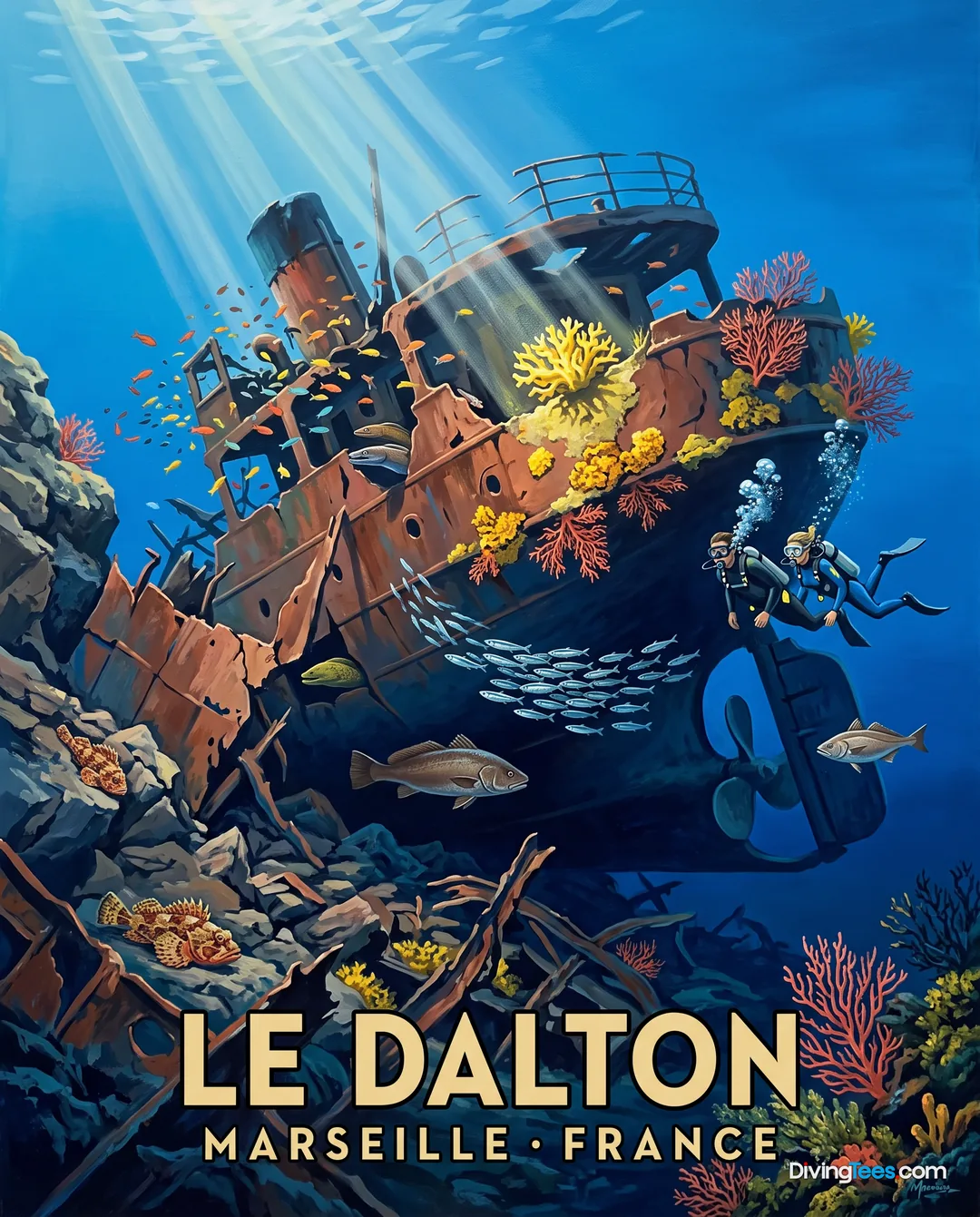
Treat Marseille as a boat timetable with a city attached. Book the first departure of the day when possible: the water is often calmer early, and open sites around the islands and caps are less likely to become uncomfortable as the day develops. For a short summer visit, plan the marine logistics before arriving; crowded roads, harbours and boats can turn an apparently simple outing into a rushed one. Ask for the exact site, not merely a wreck or reef day, because depth, exposure and certification requirements vary sharply between nearby locations. If the target is Le Dalton, confirm whether the plan includes its deeper stern at 33 metres or only the shallower bow. Bring a dive light for Tunnels Et Failles Du Tiboulen De Maire and take overhead passages seriously at Grotte A Corail. Do not assume Marseille means easy shore diving. In the Parc National des Calanques, leave the seabed alone, take nothing, and do not anchor on the bottom; protection and mooring rules matter here.
Four to six days works well for a land-based stay, allowing several daily boat outings while keeping a spare day for weather. A sensible rhythm mixes sheltered rock sites with a wreck or deeper wall, rather than treating every day as an identical profile. Marseille also works for mixed groups: a non-diver can use a no-dive day for the calanques, the historic districts, the waterfront or a short trip towards the Frioul Islands. Keeping some flexibility is worthwhile because exposed departures depend on the sea state.
Hello, I'm Marina, DivingDeal.com's AI assistant. I guide you through destinations, areas and countries.

Thinking about the whole trip and the flights? Talk it over with Edith →
Marina is an AI. Some links are affiliate links: DivingDeal may earn a commission, at no extra cost to you. Bookings are made with the partner.
★ 4.9/5 (1,823 reviews)
less than 1 km away as the crow flies
★ 4.9/5 (1,776 reviews)
less than 1 km away as the crow flies

★ 5/5 (367 reviews)
less than 1 km away as the crow flies
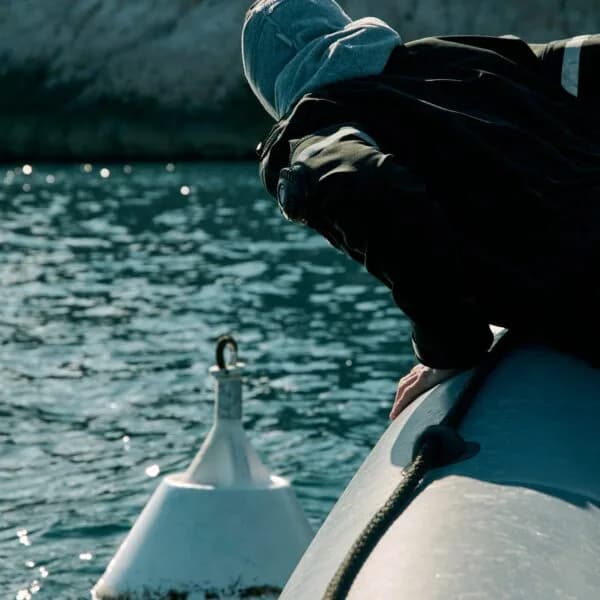
★ 5/5 (167 reviews)
less than 1 km away as the crow flies
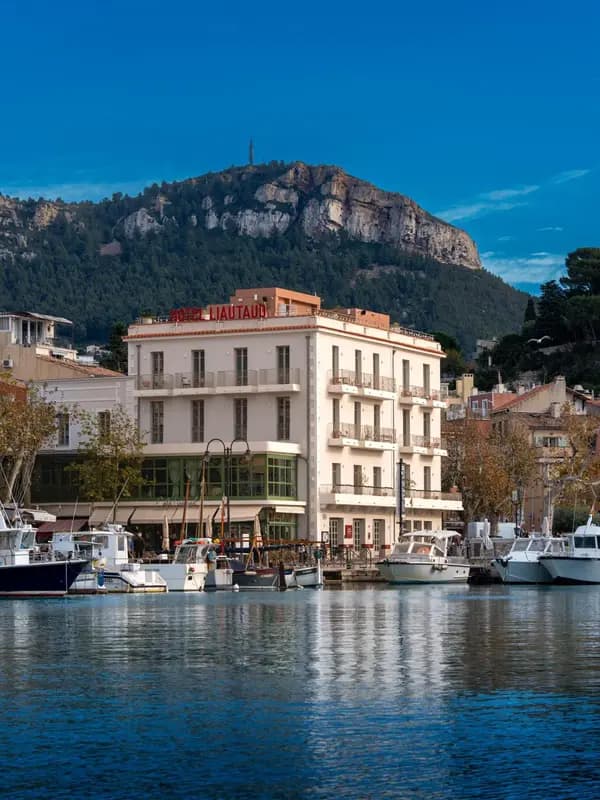
★★★★
★ 8.9/10 (574 reviews)
14 km away as the crow flies
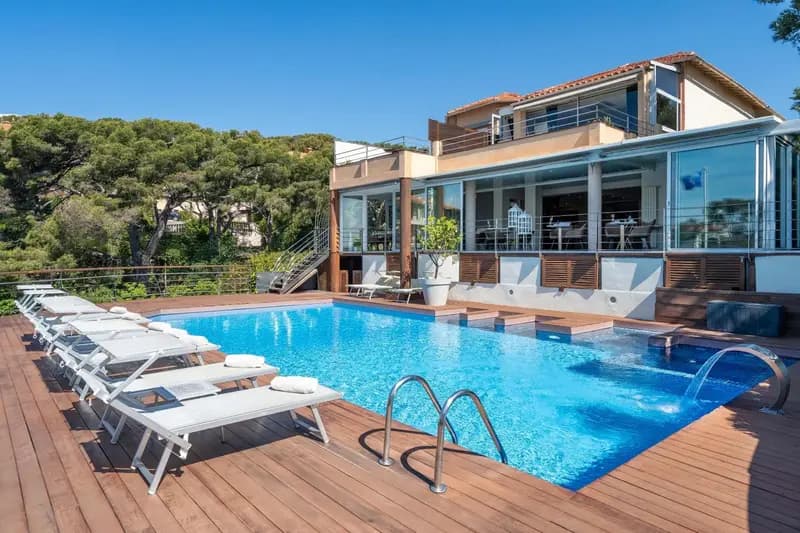
★★★
★ 8.8/10 (882 reviews)
14 km away as the crow flies
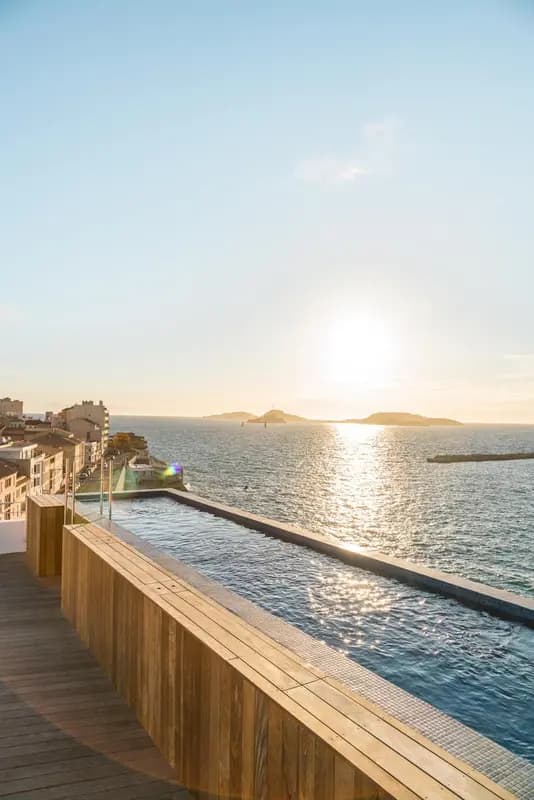
★★★★
★ 9.1/10 (238 reviews)
5.2 km away as the crow flies
★★★★
★ 8.6/10 (2,917 reviews)
5.5 km away as the crow flies
Your last day stays dry: no diving in the 18-24 hours before a flight the perfect window to see the destination from another angle.

⏱ 8 h · ★ 5.0 (49 reviews)
from €165
see on Viator ↗
 Culture
⏱ 3 h · ★ 5.0 (31 reviews)
from €25
see on Viator ↗
 Culture
⏱ 3 h · ★ 5.0 (18 reviews)
from €50
see on Viator ↗
 City
City⏱ 8 h · ★ 5.0 (18 reviews)
from €1,025
see on Viator ↗
Ratings and reviews collected by Viator and Tripadvisor.