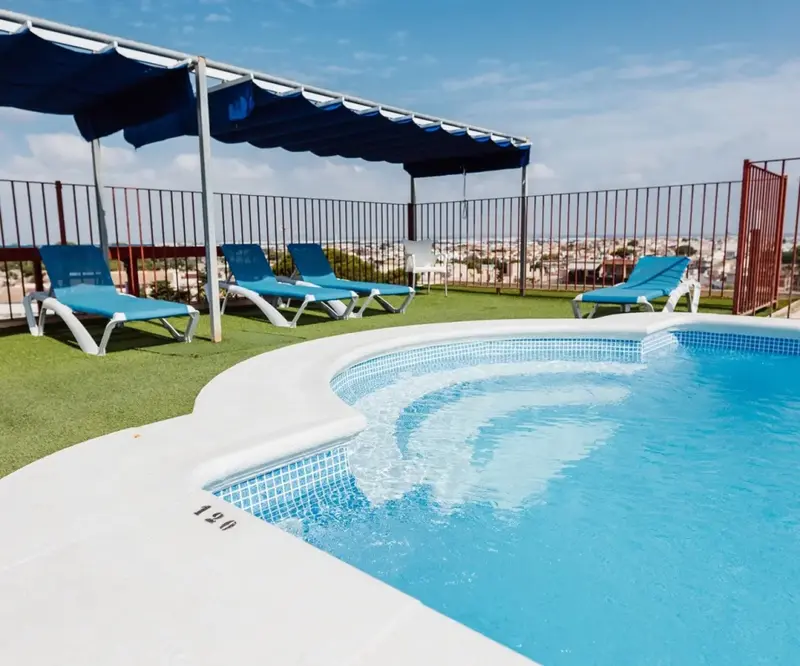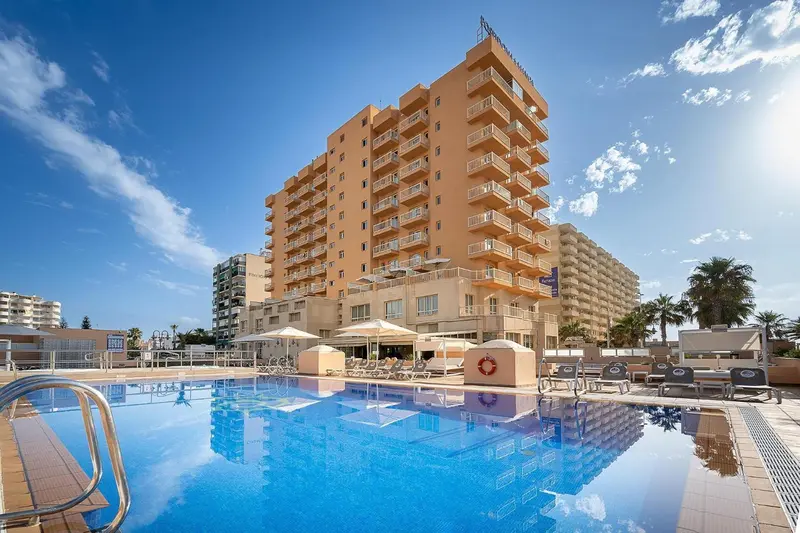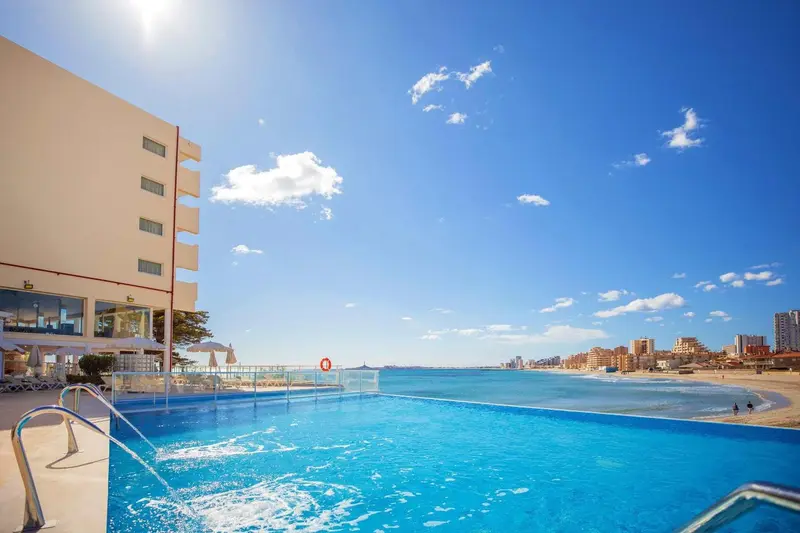

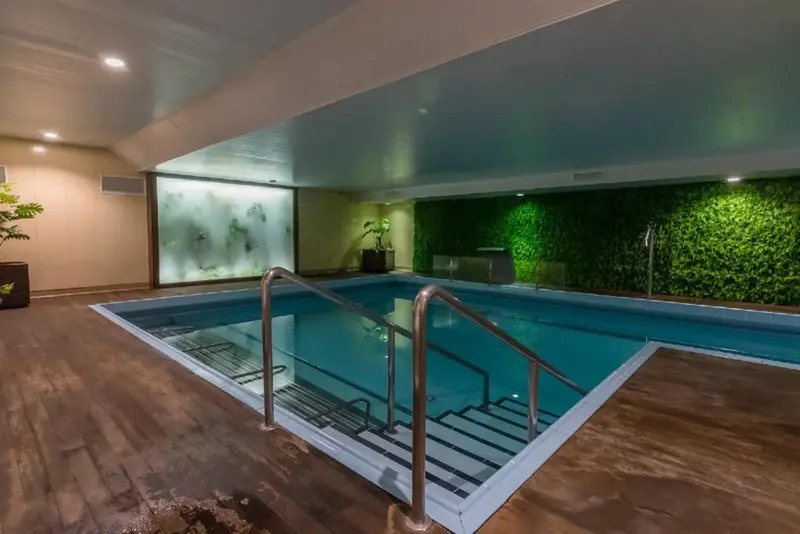
Hotel Lodomar Spa & Talasoterapia
★★★★
Google 4.1/5 (2,441 reviews)
1.9 km away as the crow flies
Dive centre · Cabo de Palos · Spain
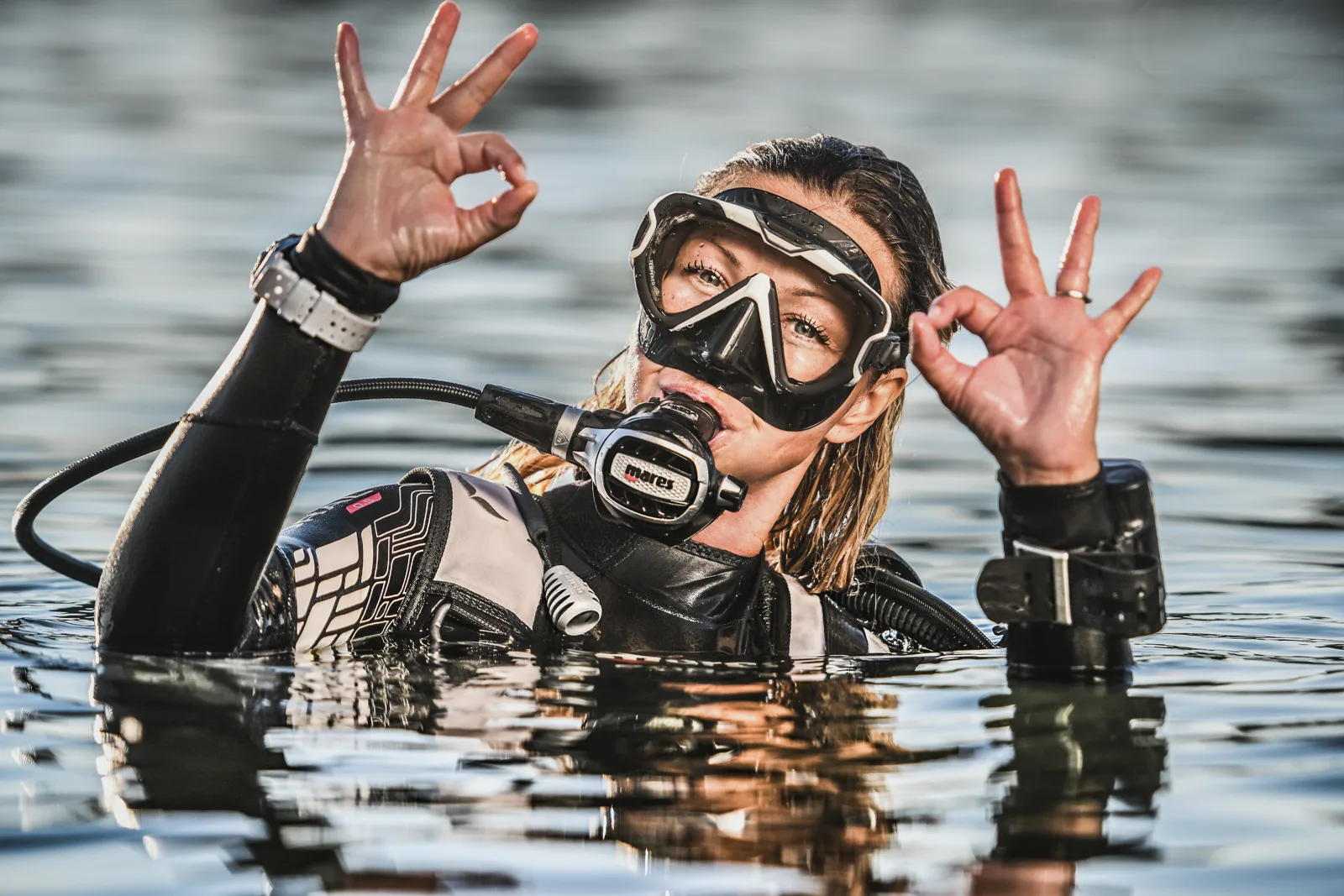
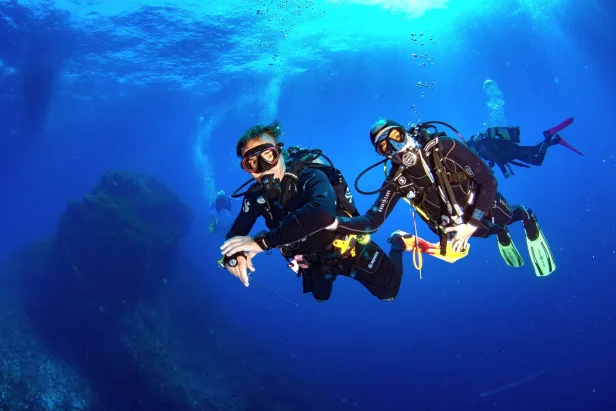
5.0391 Google reviewsExplore the deep wrecks of Cabo Palos and the rugged walls of Isla Grosa with a team specialising in everything from Open Water to advanced Trimix and rebreather diving.
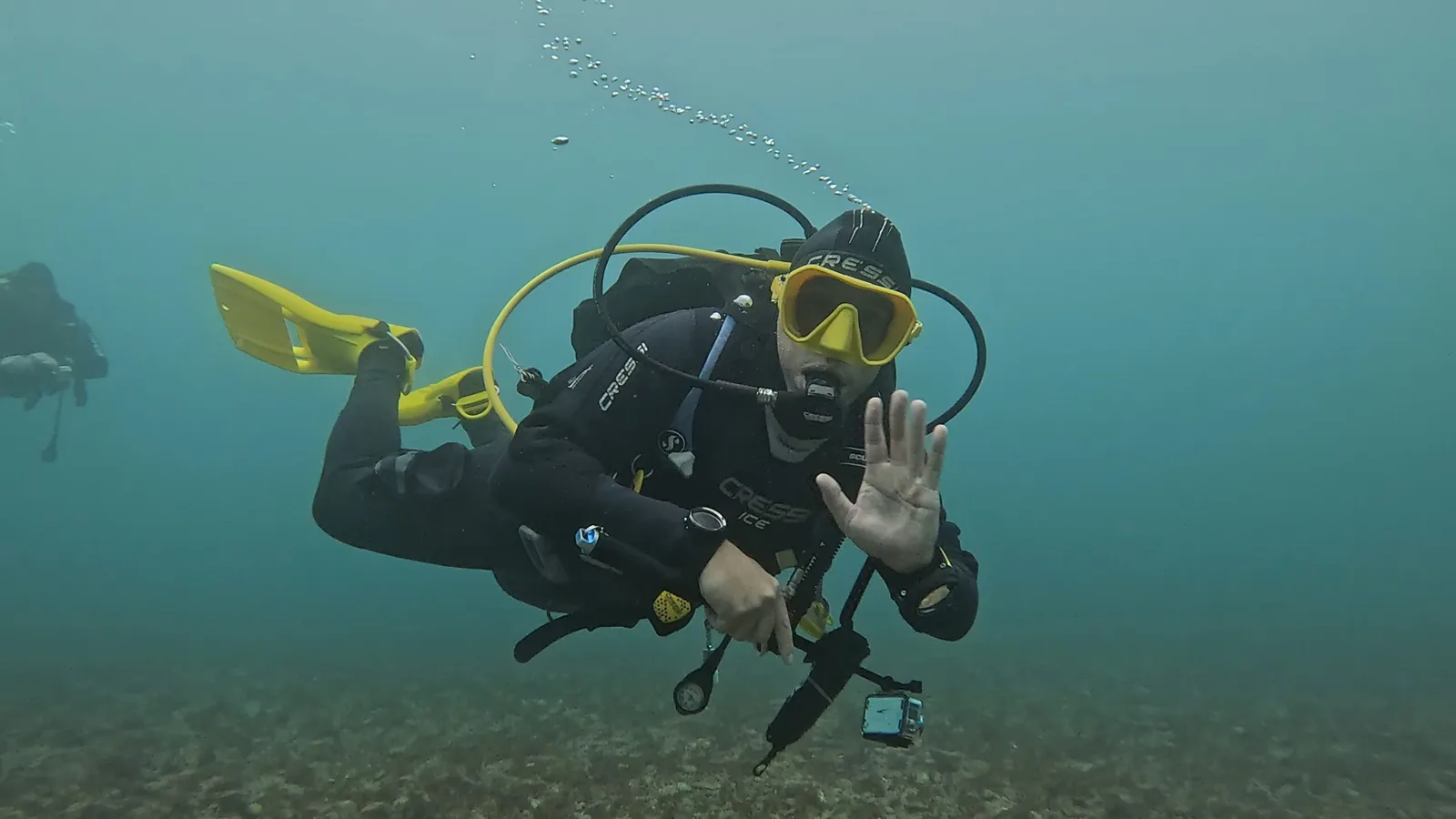
Moondive Center operates out of San Pedro del Pinatar, serving as a gateway to the diverse marine environments of La Manga and Cabo Palos. The centre is positioned to support a wide spectrum of divers, ranging from those completing their first Discover Scuba Diving sessions to technical divers pushing boundaries in cave and deep environments.
The local area is defined by its geological variety, offering everything from the sheltered reef flats of the Murcia coast to the dramatic, current-swept walls of Isla Grosa. Whether you are looking for a relaxed drift dive or a technical wreck penetration, the centre's location allows for efficient access to the Mediterranean's most significant underwater landmarks.
The centre is affiliated with PADI, TDI, and SDI, ensuring a broad range of certification standards are met for both recreational and technical divers. The team is composed of certified instructors dedicated to a high standard of safety and personalised support, catering to small groups to ensure attentive guidance.
Beyond local training, the centre maintains an active diving community through organised international trips. These expeditions take divers to remote locations such as the Galapagos, the Philippines, and the Maldives, providing a structured way to explore global dive sites with a familiar team.
The course catalogue is extensive, covering the full progression of PADI and technical training. Beginners can start with Discover Scuba Diving or work through Scuba Diver and Open Water Diver certifications. Advanced divers can further their skills with Adventure Diver, Advanced Open Water Diver, and various specialty courses including Deep Diver, Navigation, Wreck Diver, and Night Diver.
For those moving into the technical realm, Moondive Center offers a robust curriculum including Intro to Tech, Decompression Procedures, Nitrox Advanced, Extended Range Diver, Helitrox, and Trimix Diver, leading up to Advanced Trimix. They also provide specialised training in Tec Sidemount, Full Cave Diver, and the use of Diver Propulsion Vehicles (DPV).
The centre provides a full range of rental kit for those not travelling with their own equipment. This includes regulators, wetsuits, drysuits, fins, and torches for night diving, ensuring you have the necessary kit for any scheduled immersion.
On-site facilities support technical diving requirements, with Nitrox and Trimix available for divers. The centre's commitment to maintenance is reflected in their regular equipment servicing protocols, ensuring reliability for every dive.
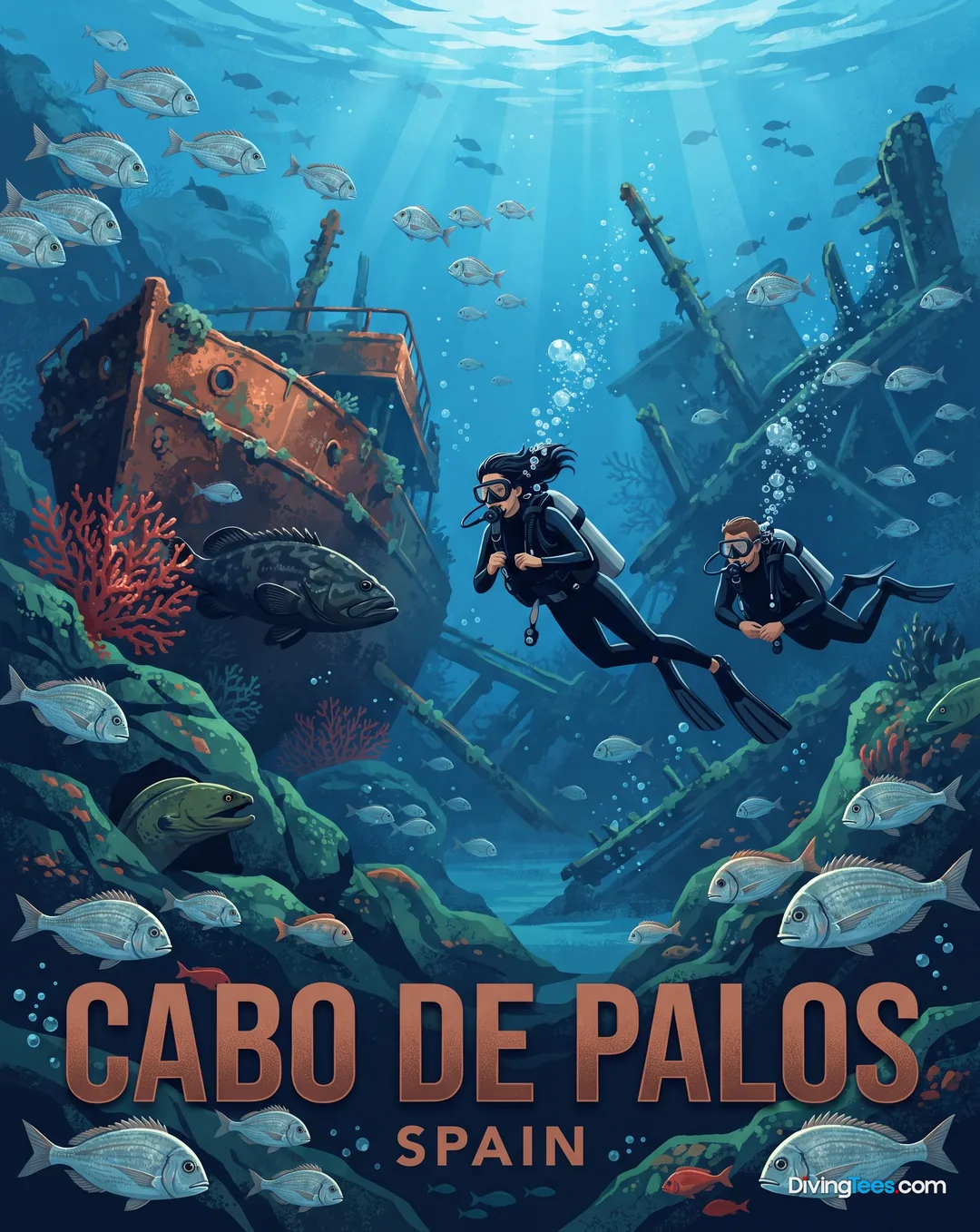
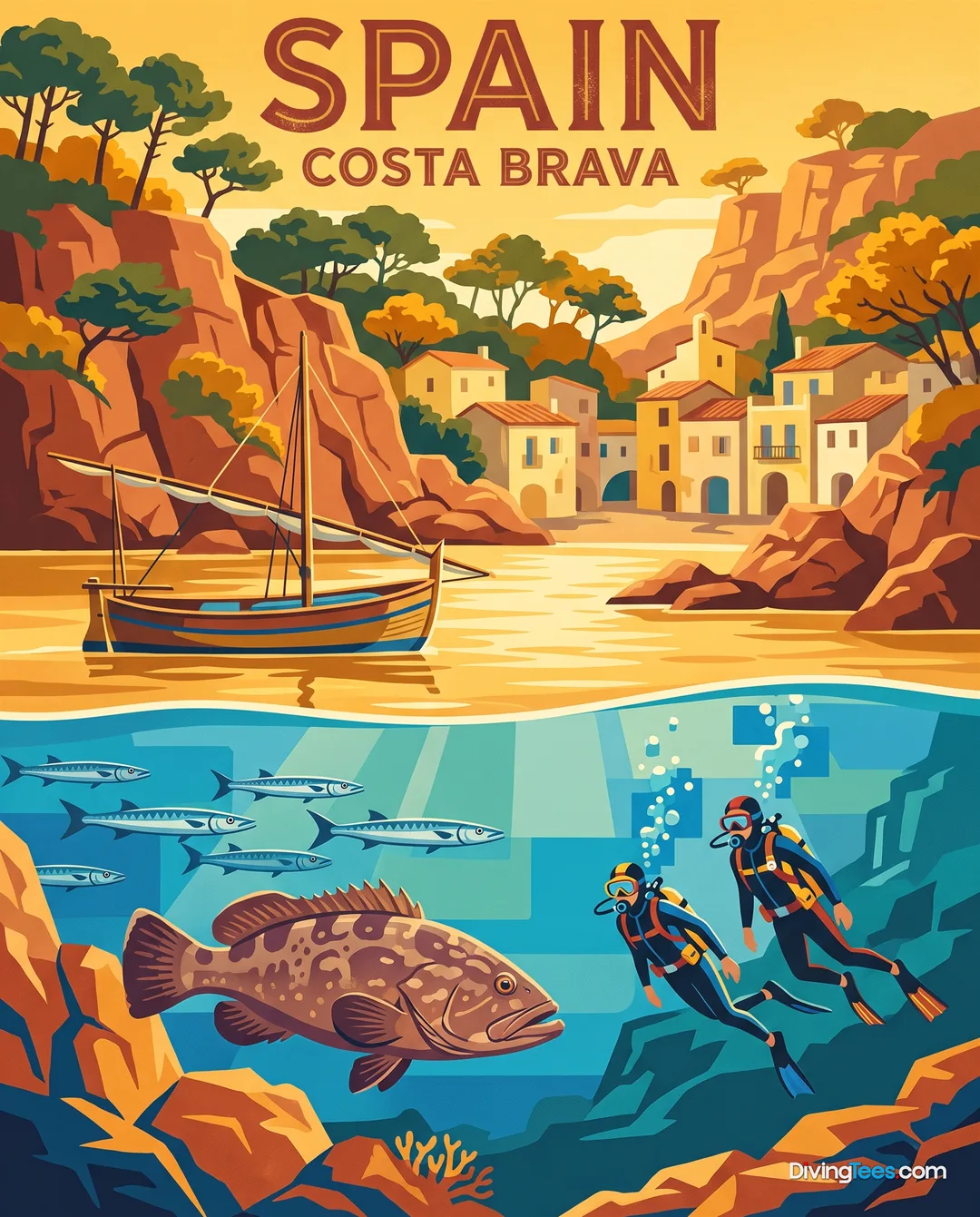
Bajo de Fuera in Cabo de Palos is a premier site for Advanced Open Water Divers, featuring steep walls and rocky formations between 5 and 50 metres. The site is known for its high biodiversity, where you can encounter groupers, barracudas, and large schools of fish amidst coral and sponge gardens.
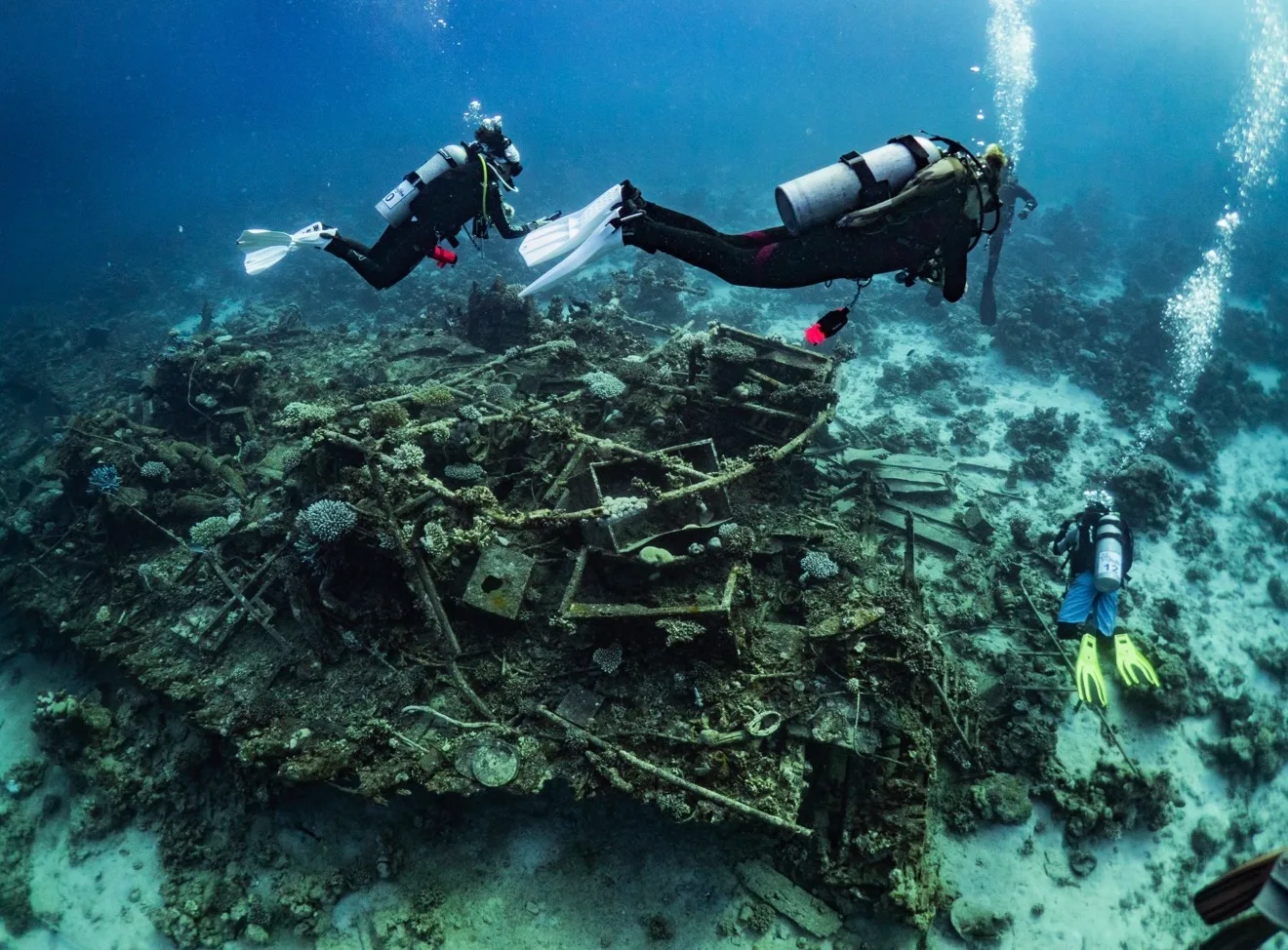
El Naranjito is one of the most famous wrecks in the Spanish Mediterranean. This cargo ship offers a significant underwater structure for divers looking to explore wreck topography and the marine life that has colonised the vessel.
Isla Grosa hosts several distinct sites, such as Las Columnas and El Anfiteatro. These locations offer varied underwater landscapes, including interesting rock formations and swim-throughs that make for engaging exploration.
And some of the dive sites the centre runs.
The marine life around Cabo Palos and Isla Grosa is characterised by vibrant hard and soft structures. You will find a variety of corals, sponges, and anemones covering the rocky walls, providing a backdrop for large pelagics and reef dwellers. Groupers, barracudas, and various schools of fish are common sights during regular dives.
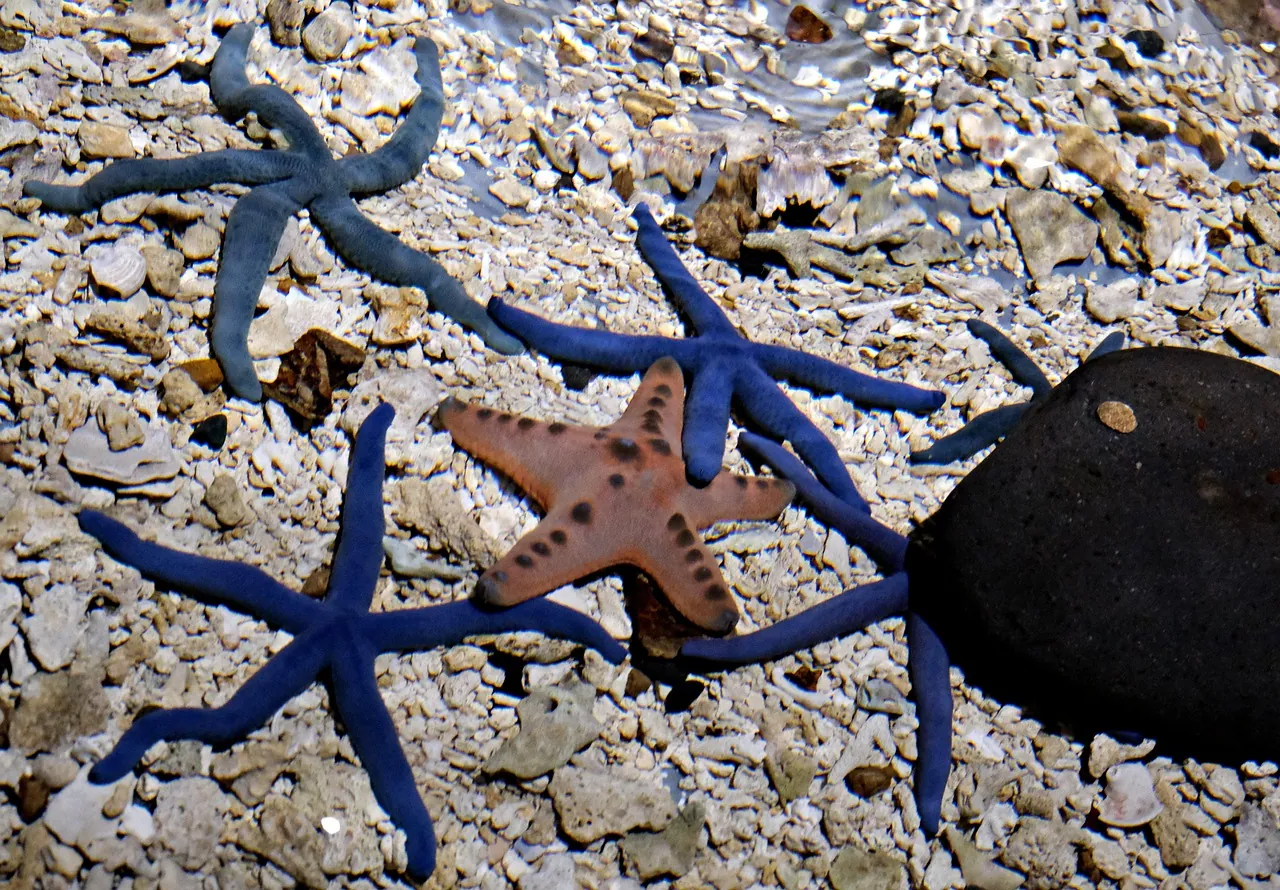
Macro life is abundant for those with an eye for detail. Divers can expect to find nudibranchs and various crustaceans tucked into the crevices of the reef. The biodiversity of the Mediterranean floor here ensures that even a short dive can yield interesting small-scale observations.
Seasonal visitors add variety to the local ecosystem. While the Mediterranean remains active year-round, the centre's international expeditions target specific species, such as hammerhead sharks and manta rays in the Galapagos, or whale sharks and humpback whales in more distant waters.
Diving in the Cabo Palos area often involves navigating moderate currents, particularly at sites like Bajo de Fuera, which are ideal for drift diving. These currents help drive the local ecosystem but require confident buoyancy and trim.
Swell and visibility can vary depending on the season and local weather patterns. The underwater topography ranges from sheltered areas to more exposed walls, meaning divers should always be prepared for changing conditions depending on the specific site being visited.
Hello, I'm Marina, DivingDeal.com's AI assistant. I answer in detail about hotels, dive centres and liveaboards.
Thinking about the whole trip and the flights? Talk it over with Edith →
Marina is an AI. Some links are affiliate links: DivingDeal may earn a commission, at no extra cost to you. Bookings are made with the partner.