
Moorea Blue Diving
Google 5/5 (404 reviews)
11 km away as the crow flies
Moorea · French Polynesia · Pacific
Max. depth · 25 mExperience a descent along a reef slope where large grouper aggregations and oceanic sharks meet the open blue.
Le Tombant, often referred to as Le Tombant Ocean, is located on the outer edge of the Moorea reef system. The site is characterized by a continuous reef slope that drops away into the deep blue, starting at a shallow 6 metres and descending to approximately 25 metres. This topography provides a classic wall diving experience where the reef structure meets the open Pacific. You will find a variety of coral reliefs along the slope that offer both visual interest and habitat for resident species.
The descent typically begins on the upper section of the slope where light is abundant and the reef is most structured. As you move deeper toward the 25-metre mark, the environment transitions into a more vertical wall profile. This zone serves as a primary interface between the sheltered reef and the high-energy oceanic environment. Navigating this slope requires careful buoyancy control, especially when maintaining a position near the edge of the drop-off to observe the passing pelagics.
One of the most notable biological events at this site occurs in July, when thousands of groupers congregate in the area. This seasonal aggregation transforms the site into an incredibly active marine environment. Watching these large fish move through the water column along the reef face provides a unique perspective on the local ecosystem. This specific phenomenon makes the month of July a primary target for divers looking for high concentrations of biomass.
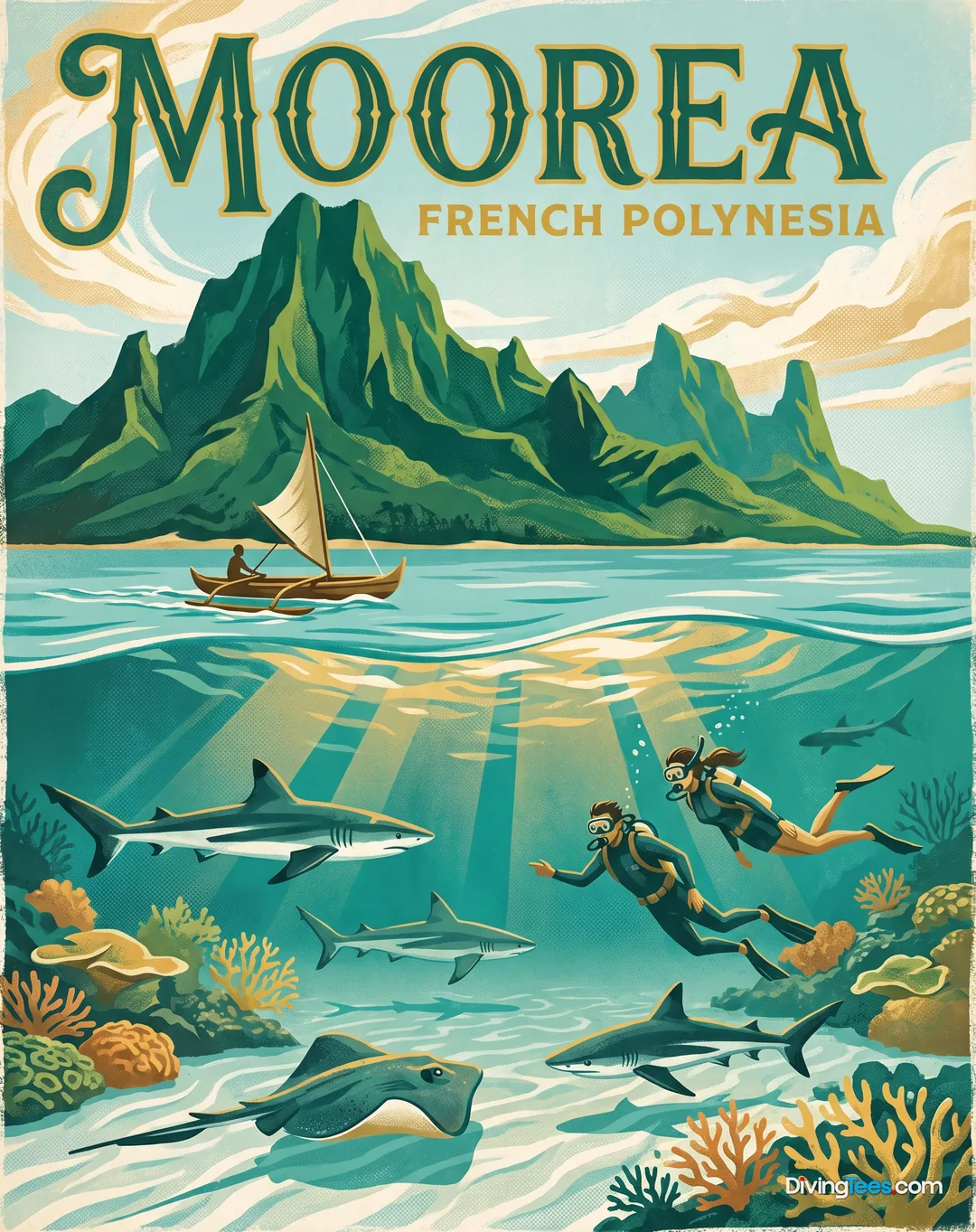
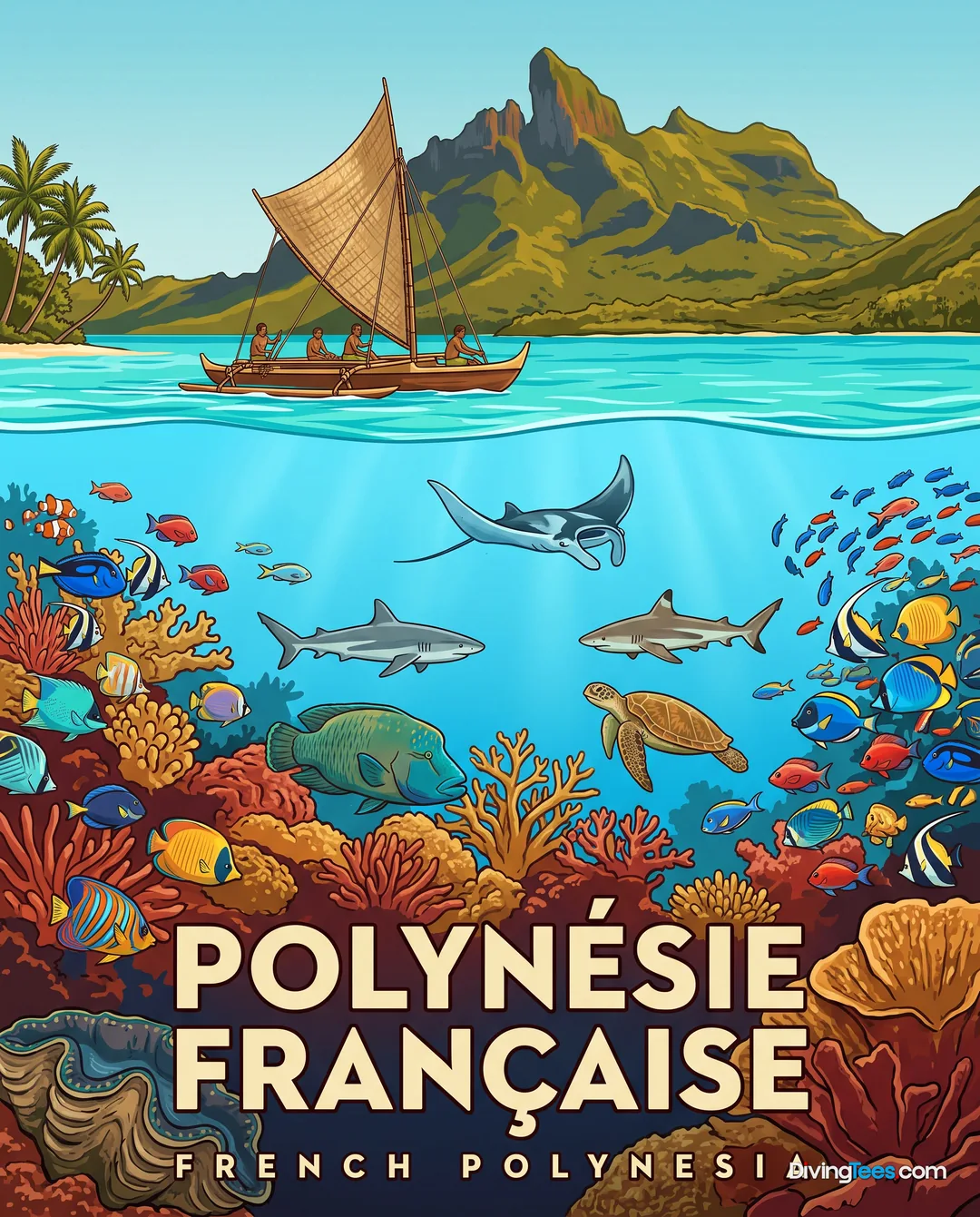
The presence of large predators is a defining feature of the site's pelagic life. You can frequently encounter various shark species patrolling the edge of the wall, including grey reef sharks, blacktip reef sharks, and lemon sharks. These animals often move along the current lines created by the reef's edge. Observing their behavior in this open-water context is a core part of the experience at Le Tombant.
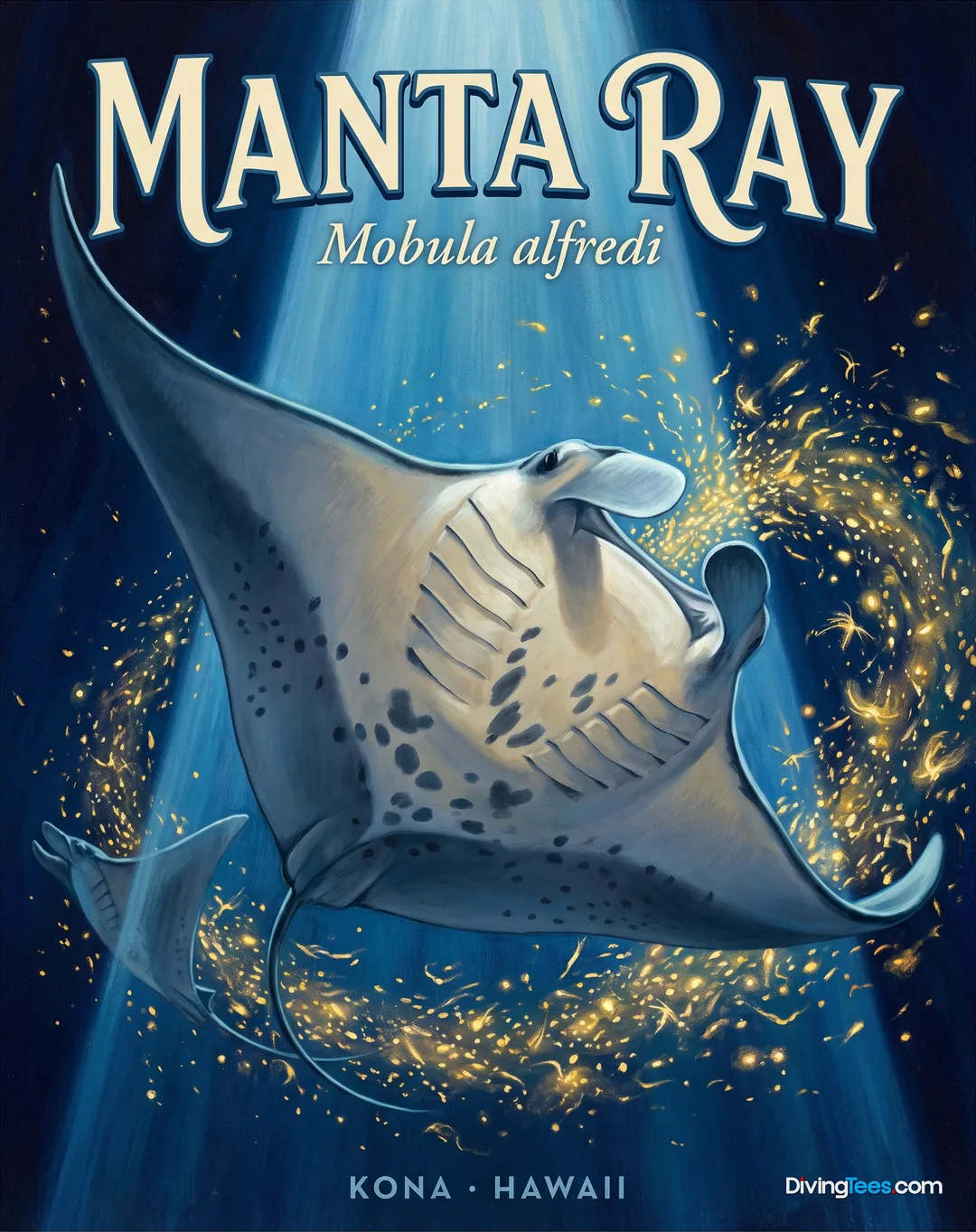
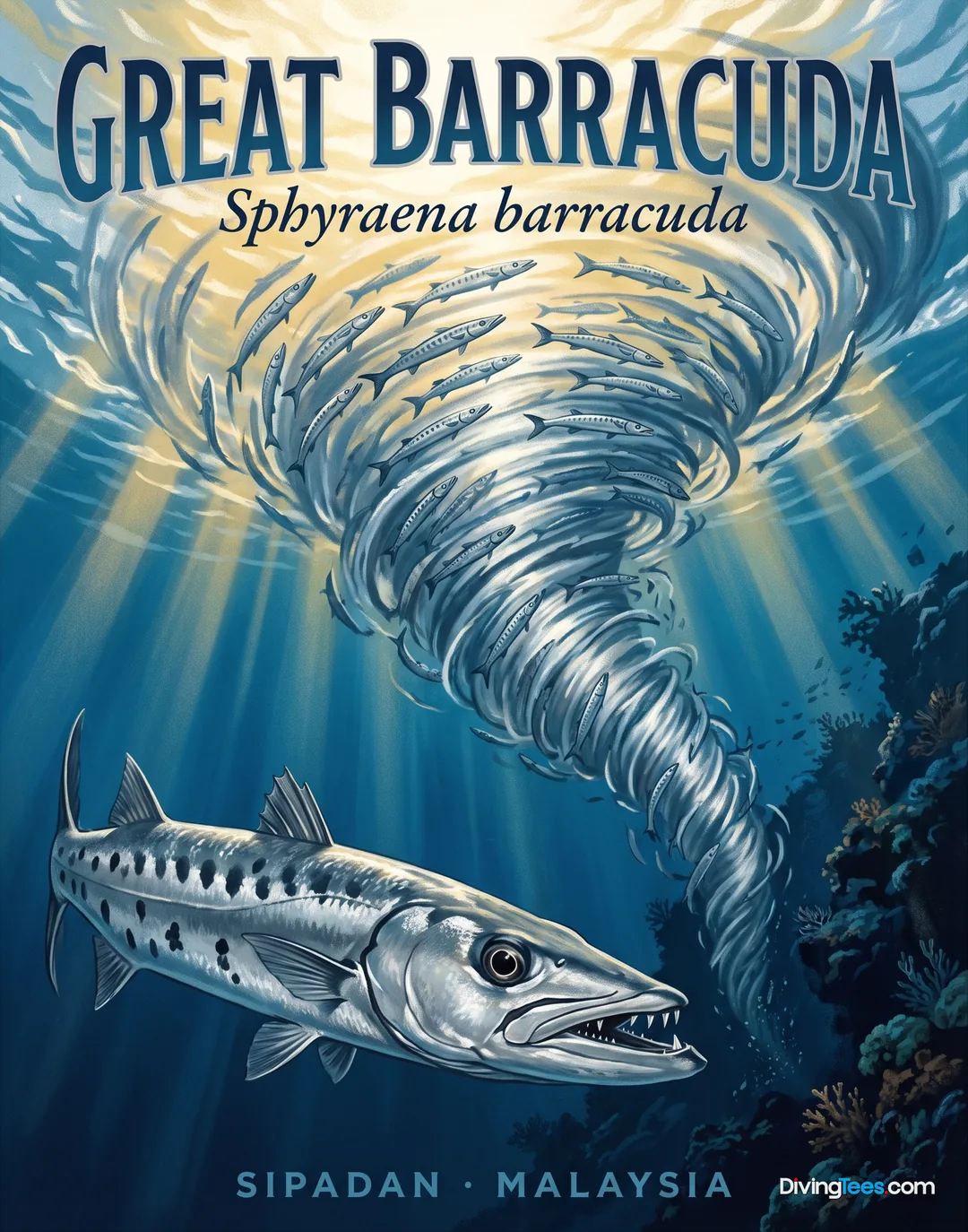
Beyond the sharks, the site hosts a diverse range of larger marine animals that utilize the current and the reef structure. Eagle rays and manta rays are known to pass through the area, often appearing in the deeper sections of the dive profile. You may also see barracuda and trevally cruising the water column, often hovering in the mid-water between the reef and the blue. These species are typical of the high-energy oceanic transitions found at Moorea's outer reefs.
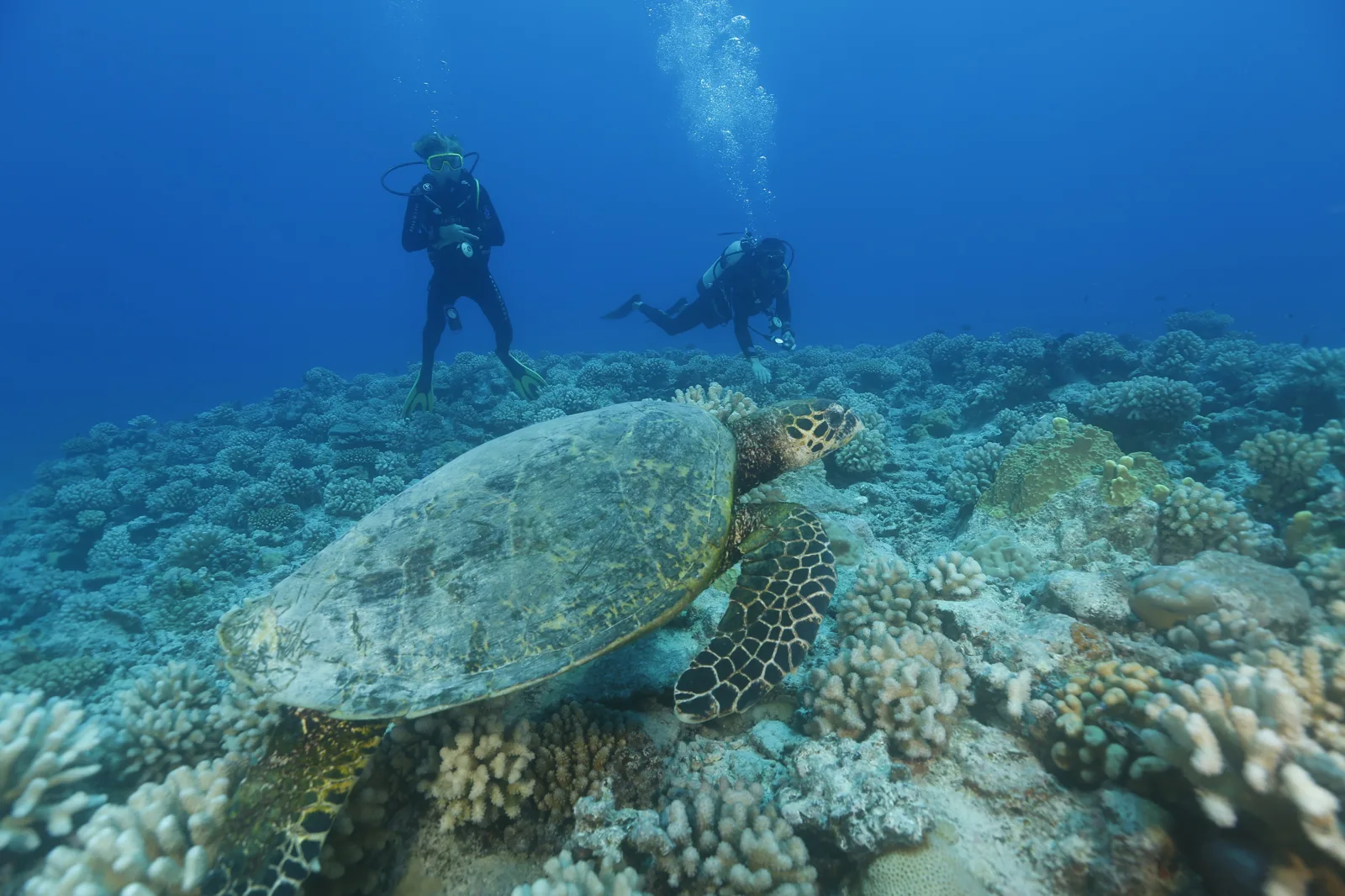
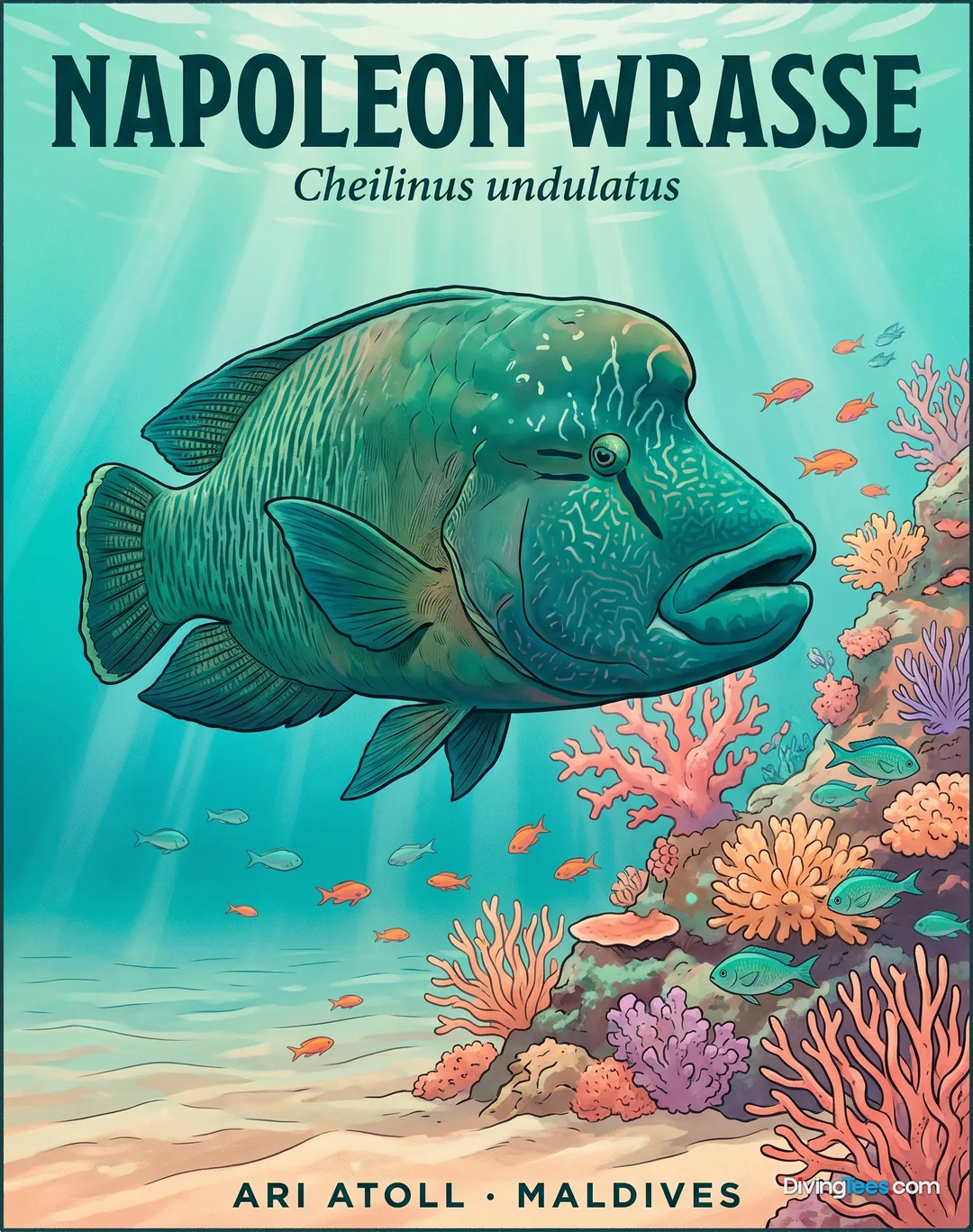
The reef itself supports a steady population of resident fauna that adds complexity to the dive. Napoleon wrasse are common along the coral reliefs, often appearing larger and more imposing than expected. Sea turtles also frequent the site, moving between the coral structures and the open water. The combination of resident reef fish and passing pelagics ensures that the visual environment remains dynamic throughout the dive.
Current conditions at Le Tombant are influenced by the site's direct exposure to the ocean. While many dives are conducted in low to moderate currents, the proximity to the open sea means that conditions can shift based on swell and wind. The current often dictates the movement of the larger pelagic species, which tend to cruise the edges of the wall. Being aware of the swell and local sea state is essential for managing your position on the slope.
Visibility at this site is generally excellent, typically ranging between 20 and 30 metres. This clarity is crucial for spotting sharks and rays moving in the distance before they reach the reef edge. The high visibility allows you to observe the relationship between the reef topography and the vastness of the surrounding ocean. This transparency makes the site particularly rewarding for those interested in wide-angle photography or long-range spotting of pelagics.
Depths range from 6 to 25 metres. The site is accessible from Open Water Diver level, though divers should be comfortable in open ocean environments with vertical drop-offs. Visibility is typically 20 to 30 metres. Currents are variable, influenced by swell and wind, often ranging from low to moderate. The best time to visit is July for the grouper aggregation.
July is the key time to dive Le Tombant if you want to witness the seasonal grouper aggregation. During this month, thousands of groupers gather along the reef face, creating a concentrated display of marine life. The site can also offer sharks, rays, turtles, and reef species at other times.
Le Tombant is accessible from Open Water Diver level, but you should be comfortable in open-ocean conditions and around vertical drop-offs. The reef slope begins at 6 metres and descends to approximately 25 metres. Good buoyancy control helps you manage your position near the edge as the slope becomes more vertical.
Currents at Le Tombant are variable because the site is exposed to the ocean and affected by swell and wind. They are often low to moderate, but conditions can shift with the sea state. Visibility is typically 20 to 30 metres, helping you spot pelagic animals around the wall and in open water.
Le Tombant features a reef slope with coral reliefs, grey reef, blacktip reef, and lemon sharks, as well as eagle and manta rays. You may also encounter barracuda, trevally, sea turtles, and large Napoleon wrasse. In July, the grouper aggregation adds thousands of fish moving along the reef face.