Liveaboards · Egypt
Alia Soul — a newly refitted wooden liveaboard built around serious Red Sea diving
What makes this boat unique
- Alia Soul is a 36-metre wooden liveaboard renovated in 2025, with teak decks and space for 20 divers in 10 air-conditioned cabins.
- The dive setup includes shaded working space, two Bauer compressors, aluminium 12-litre and 15-litre tanks, free nitrox from a membrane system, and two Yamaha tenders.
- Routes run from short northern wreck trips to 8-day Red Sea safaris and 10-day expeditions towards Elba Reef near the Sudanese border.
- ENOS tracking, medical oxygen, a defibrillator, life rafts and a separate medical treatment room give the boat a stronger safety setup than many older Egyptian safari boats.
For subtitles in English: start the video firstthen click the gearat the top right of the video, select “Subtitles/CC”, then “Auto-translate” and choose “English”.
The invitation
Alia Soul is for divers who want the reach of a liveaboard without accepting the tired interiors and improvised dive decks found on older boats. The 2025 refit focused on the parts that matter after several days at sea: larger cabins, bigger bathrooms, a larger stern platform and more usable sun decks. The choice of itinerary is the real reason to board. A short northern trip can concentrate on Abu Nuhas and the Thistlegorm; an 8-day route can reach the Brothers, Daedalus and Elphinstone; a 10-day southern run can push towards Elba Reef and the Sudanese border. The boat also caters to different kinds of divers, with technical diving, rebreathers, sidemount, freediving and turtle-focused biology trips alongside standard reef safaris. It suits a group that has come to dive hard, then wants a clean, quiet place to eat and sleep between descents.
Boarding
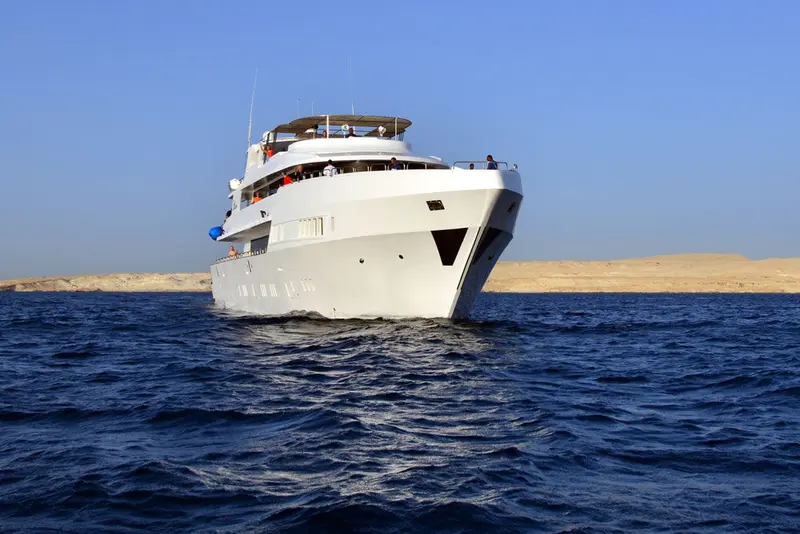
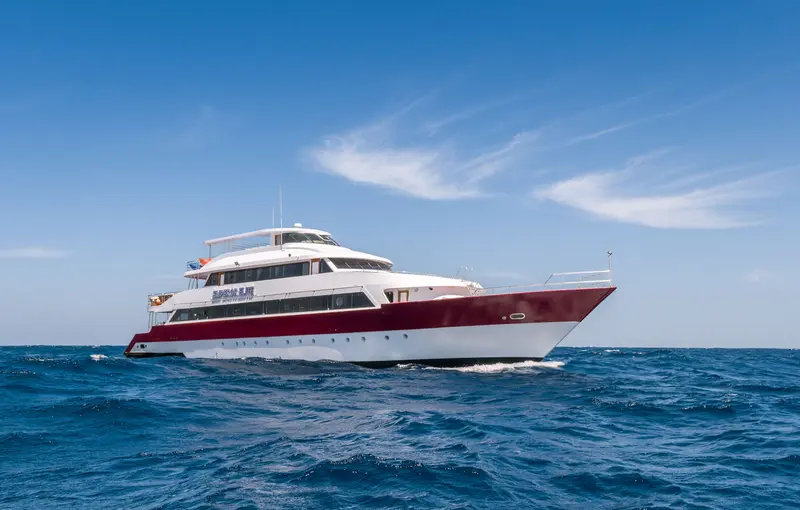
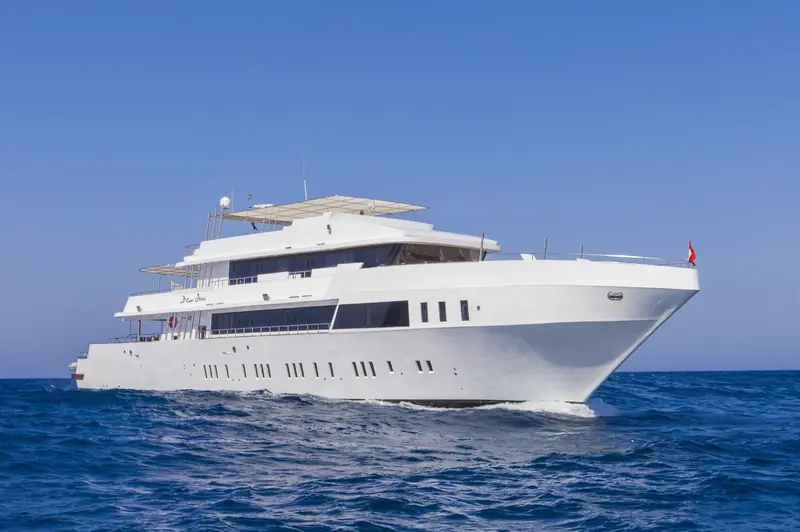
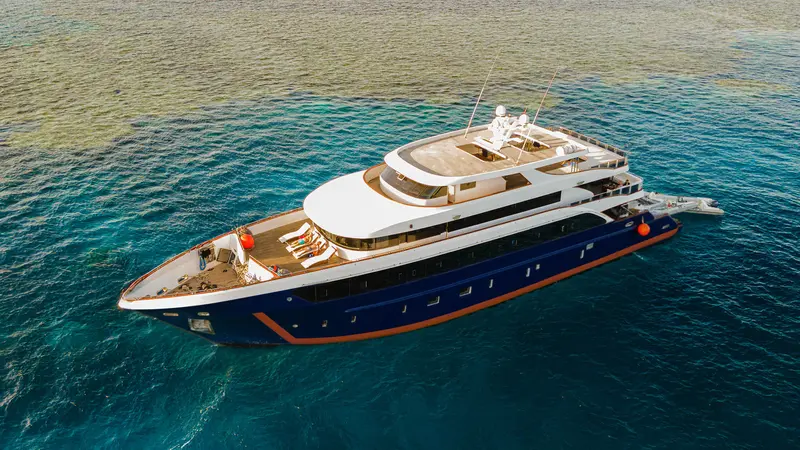
From the dock, Alia Soul presents as a substantial wooden safari boat rather than a compact day boat: four decks, teak underfoot and a broad stern platform shaped around diving. The conversion has not been cosmetic. It created room where divers actually need it, at the dive deck and around the cabins, while retaining the feel of a traditional Egyptian liveaboard. Once aboard, the layout separates the working areas from the indoor lounge and the upper sun decks, so wet kit does not take over every shared space. The engines are Caterpillars, with two generators supporting the boat and its compressors. What matters on a long crossing is not the number on the speed gauge but the sense that the systems have been renewed together rather than patched one at a time. The boat carries up to 20 passengers, enough for a sociable week without making the dive platform feel like a crowded day boat.
The atmosphere on board
Alia Soul is designed for a close crew-to-passenger relationship, with a local team speaking English, German and Italian. That matters on a week when the crew handles more than meals and cabin service: cylinders, tenders, surface support, briefings, refills and the repeated small jobs that keep divers moving. The refit gives the crew more workable space around the stern, while the lounge and decks keep the social side separate from the equipment. Evenings can be quiet after a long day, or they can gather around the next site's briefing and the day's photographs. The boat is new enough in its present form that its character is still being established. Its strongest identity is not polished luxury but a practical combination: a traditional wooden hull, a rebuilt diving platform and a crew close enough to notice when a diver needs help before being asked.
The sites you’ll dive
The route menu runs from 4-day northern wreck trips to 8-day safaris and 10-day Deep South expeditions. Northern boats work Abu Nuhas, where Carnatic reaches 27 m, Chrisoula K. 24 m, Giannis D. 27 m and Kimon M. 30 m; Shaab Mahmoudat combines a protected lagoon with the Dunraven at 15–30 m, while Umm Gamar reaches a cave at 28 m and the remains of Hans Hass's shark cage. Southern routes move between current-swept offshore reefs and quieter coral gardens. Elphinstone drops to a maximum of -60m, with walls and pelagic shark encounters. Carless Reef reaches -40m and is known for giant morays swimming free in the blue. At Umm Gamar, the maximum is -30m; Bluff Point reaches -35m and Shaab Abu Nuhas -30m. Siyul Kebir and Fanadir North reach -30m, Gotha Abu Galawa -35m, El Gilwa -20m, and the sheltered Gotha Abu Galawa Lagoon -15m. Rocky Island, Abu Kafan and Middle Reef add exposed walls, strong currents, hard-coral formations and schooling fish without a stated maximum depth in the site descriptions.
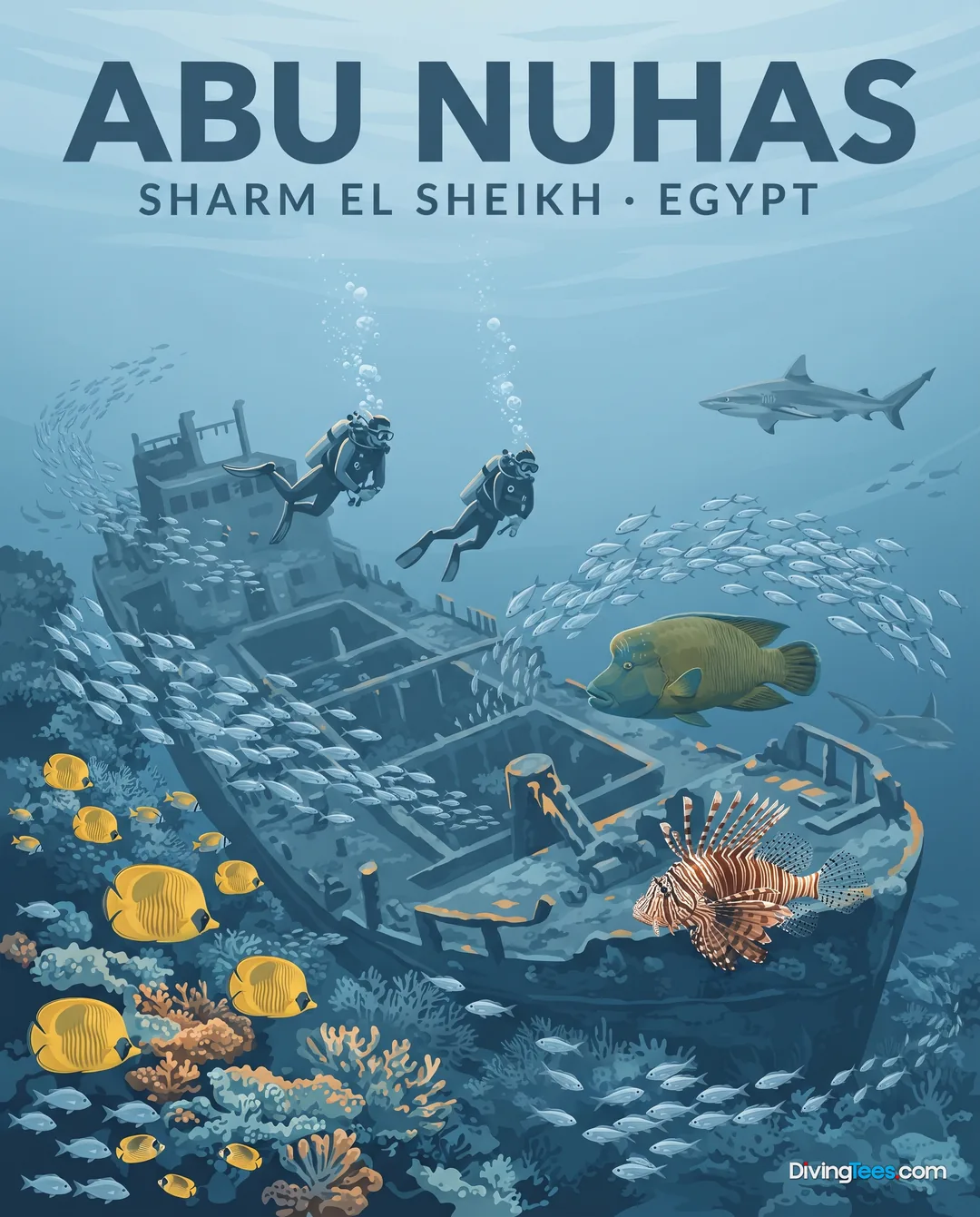
Abu Nuhas →
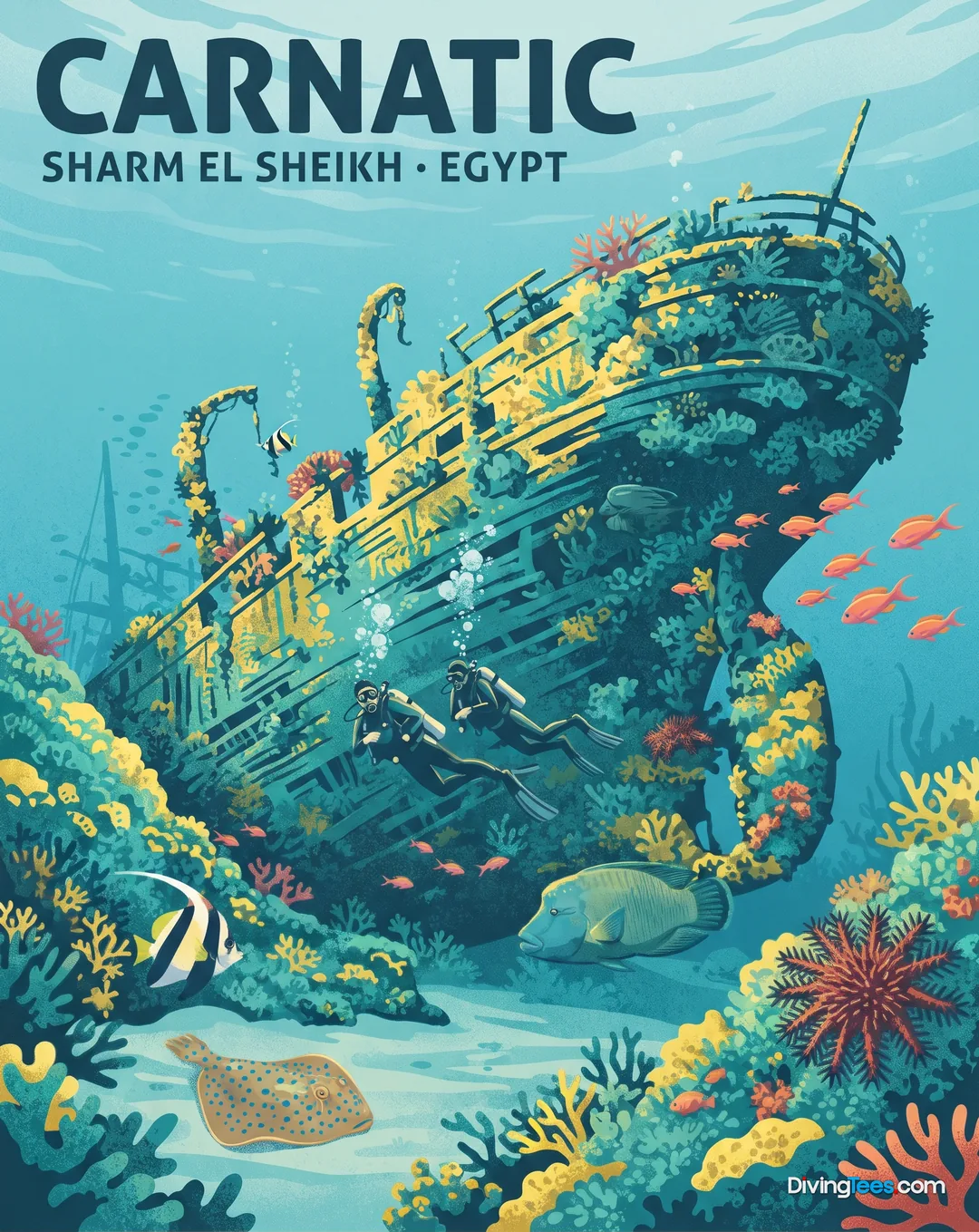
Carnatic →
Max. depth · 27 m
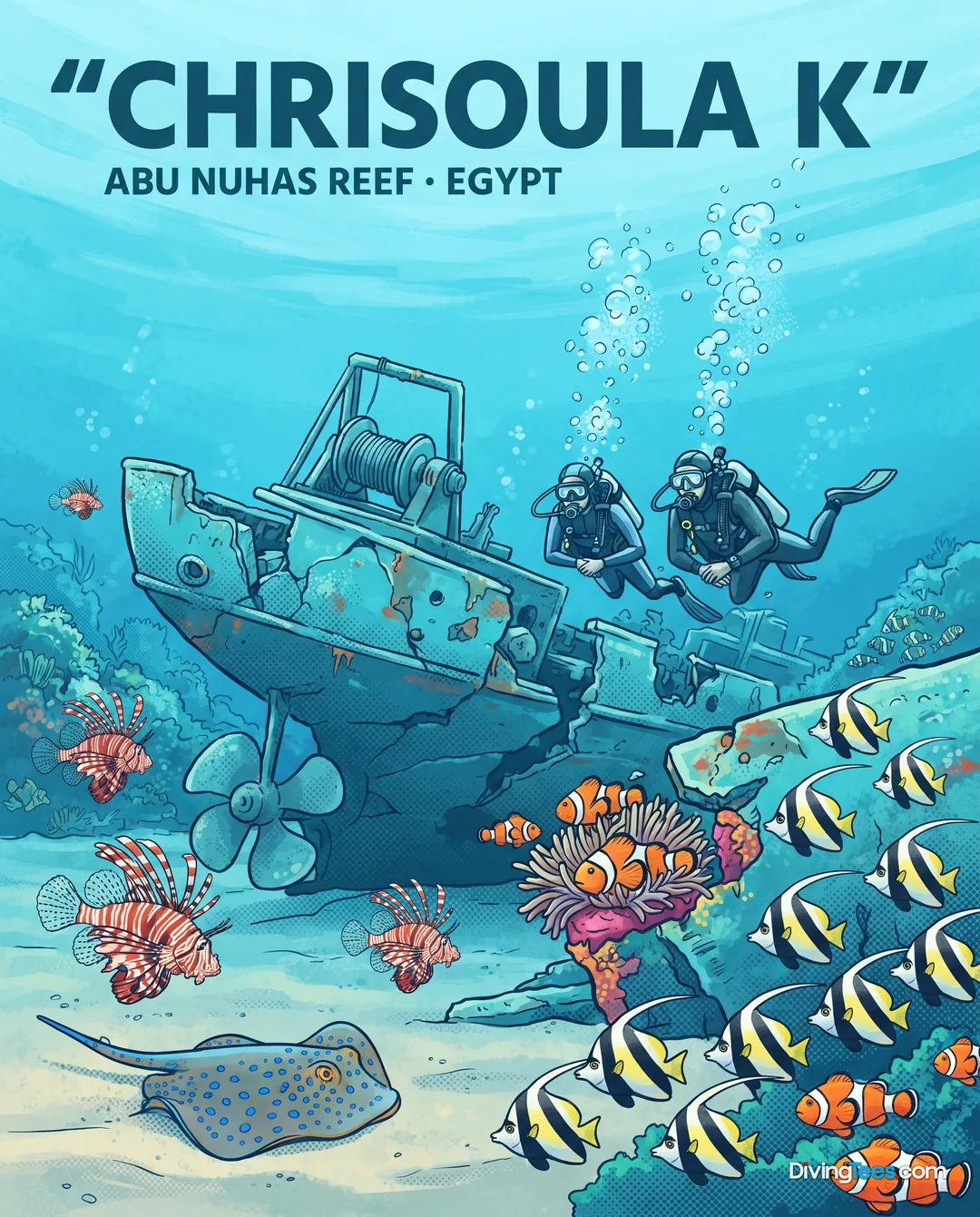
Chrisoula K →
Max. depth · 24 m
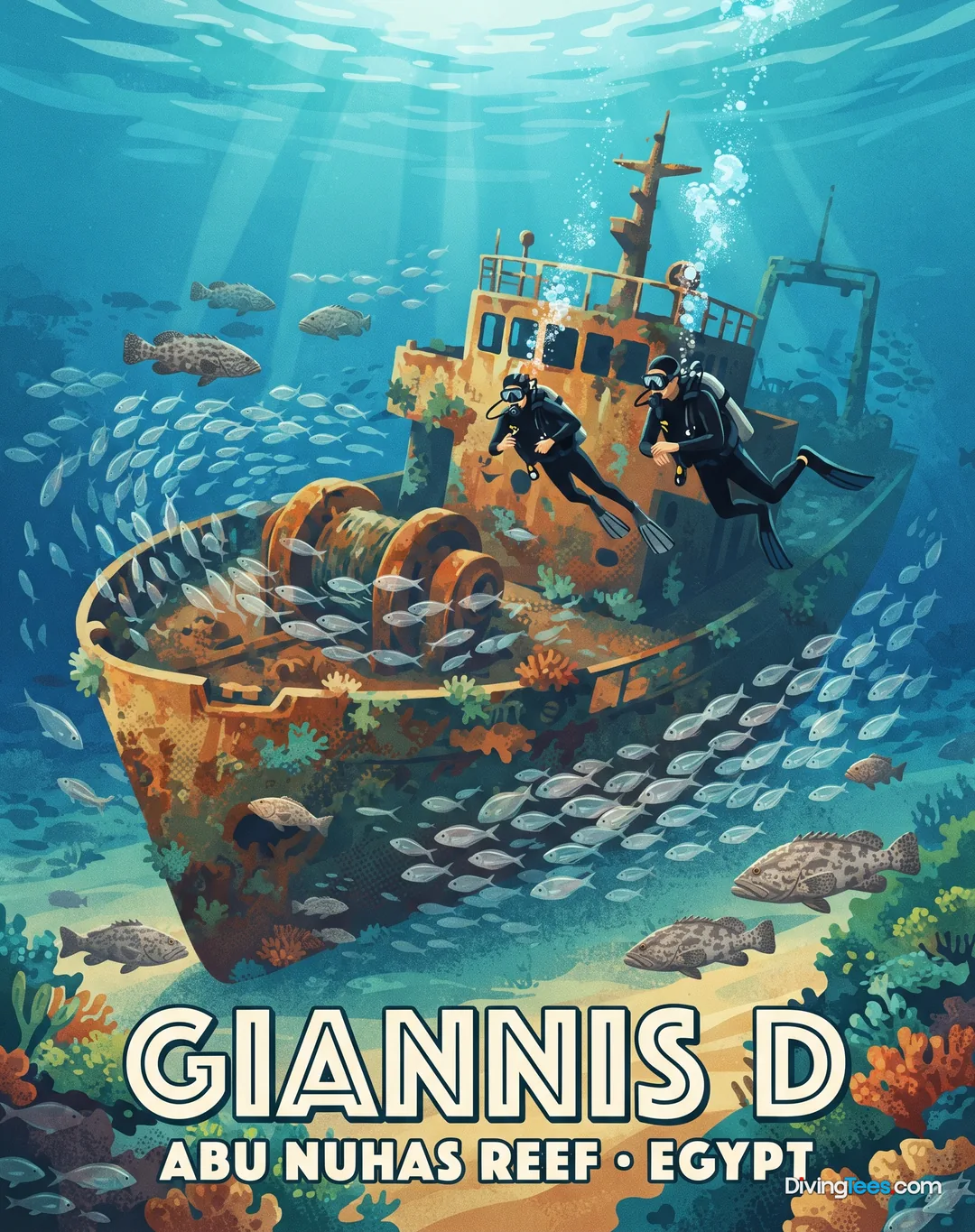
Giannis D →
Max. depth · 27 m
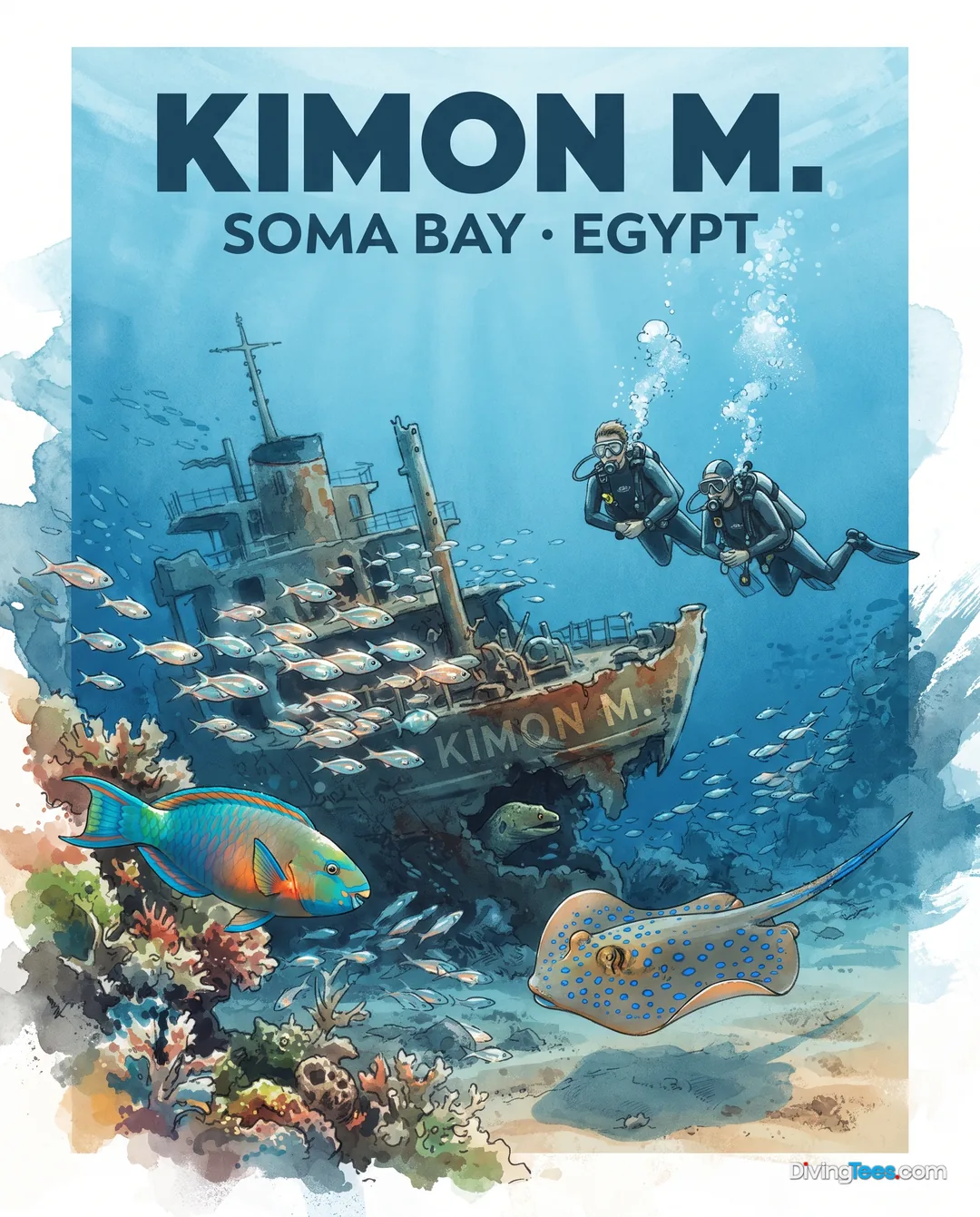
Kimon M. →
Max. depth · 30 m
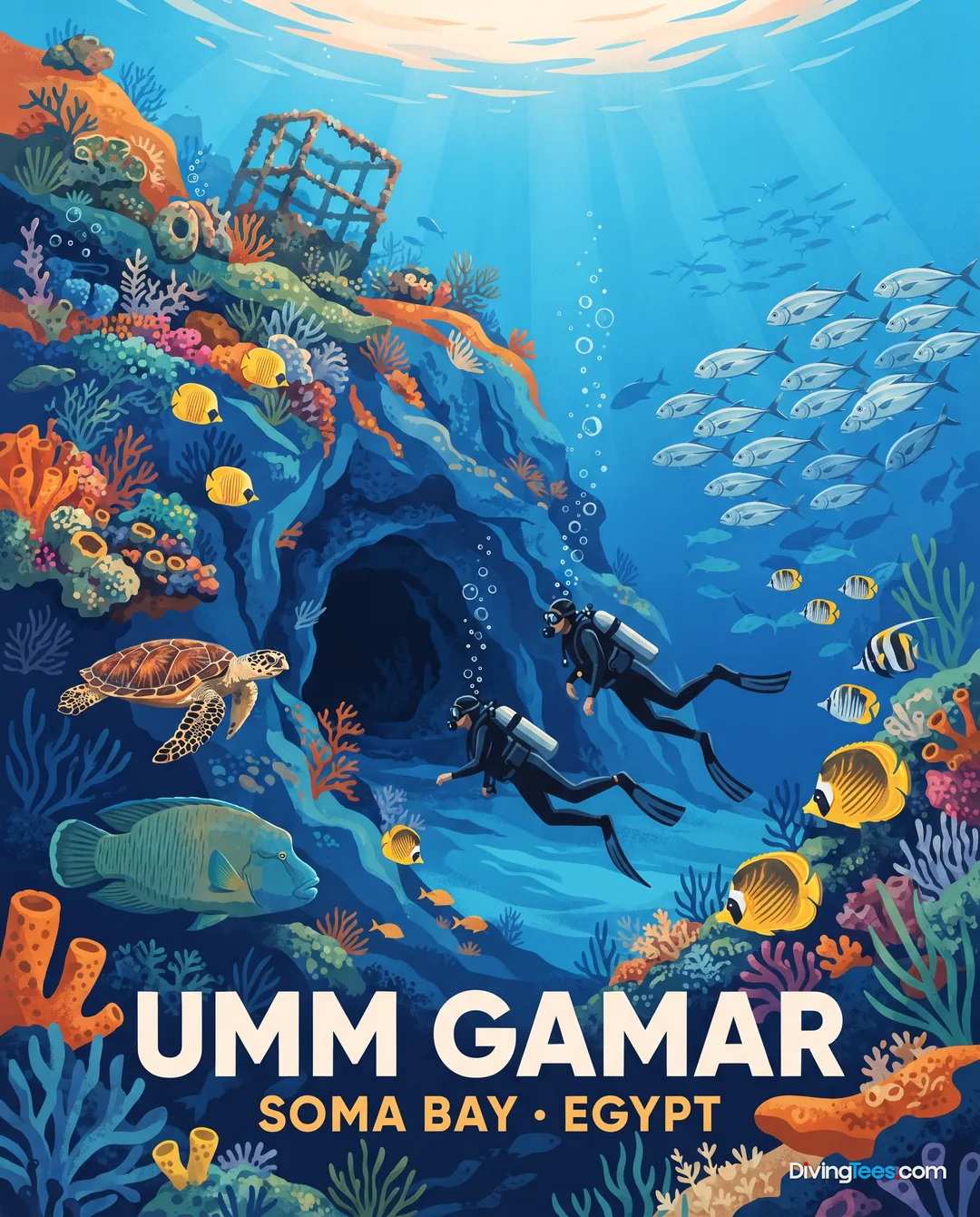
Umm Gamar →
Max. depth · 30 m
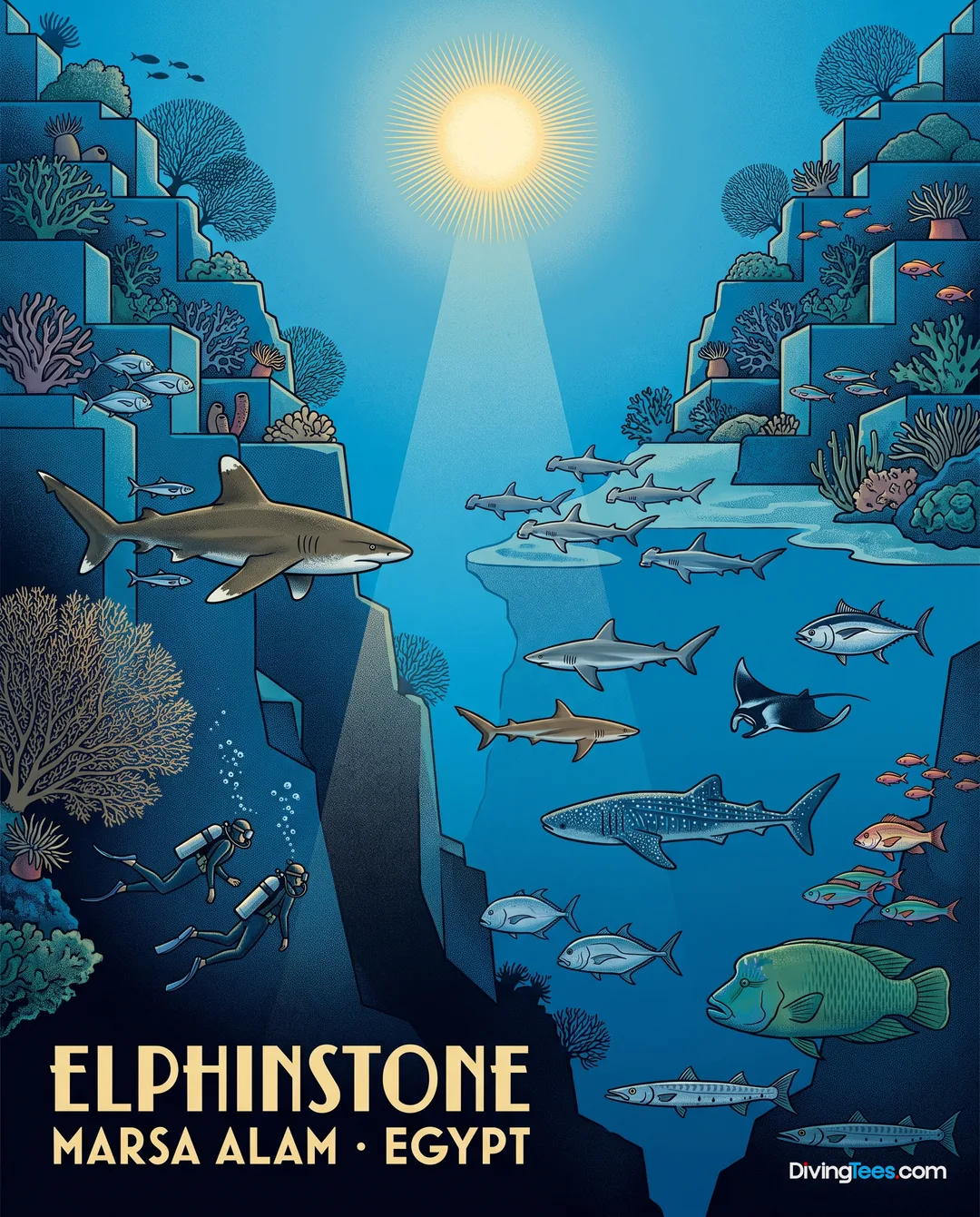
Elphinstone →
Max. depth · 60 m
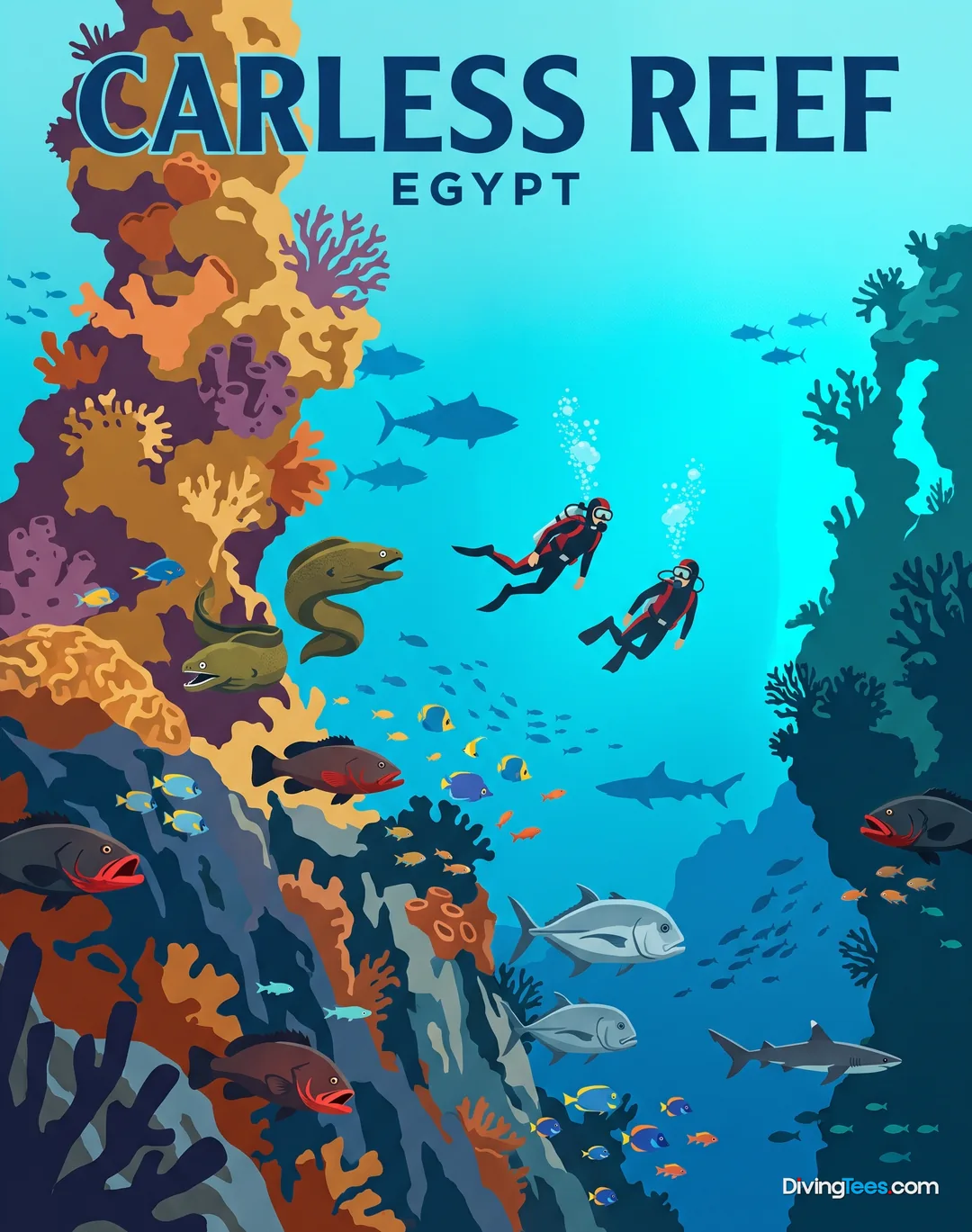
Carless Reef →
Max. depth · 40 m
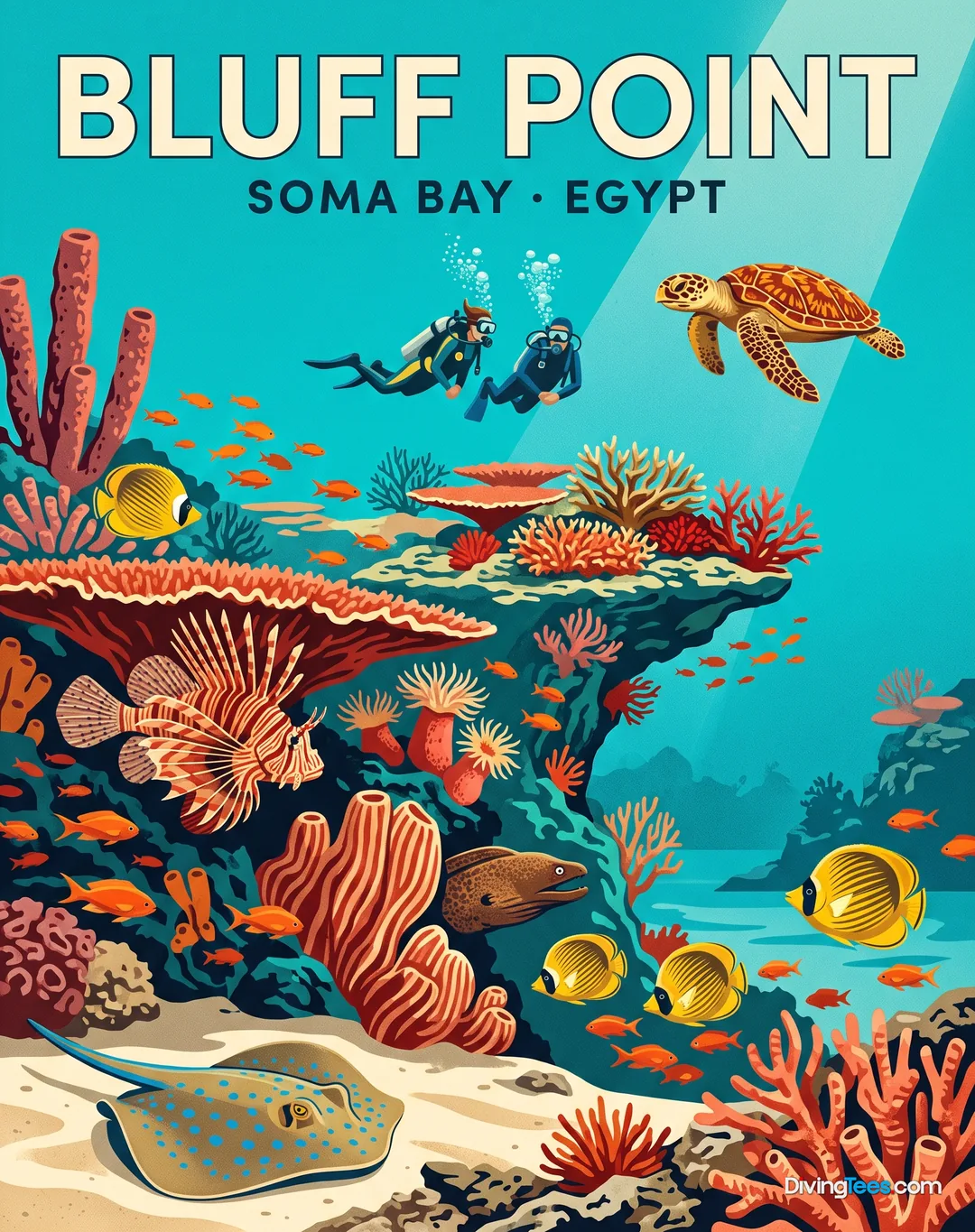
Bluff Point →
Max. depth · 35 m
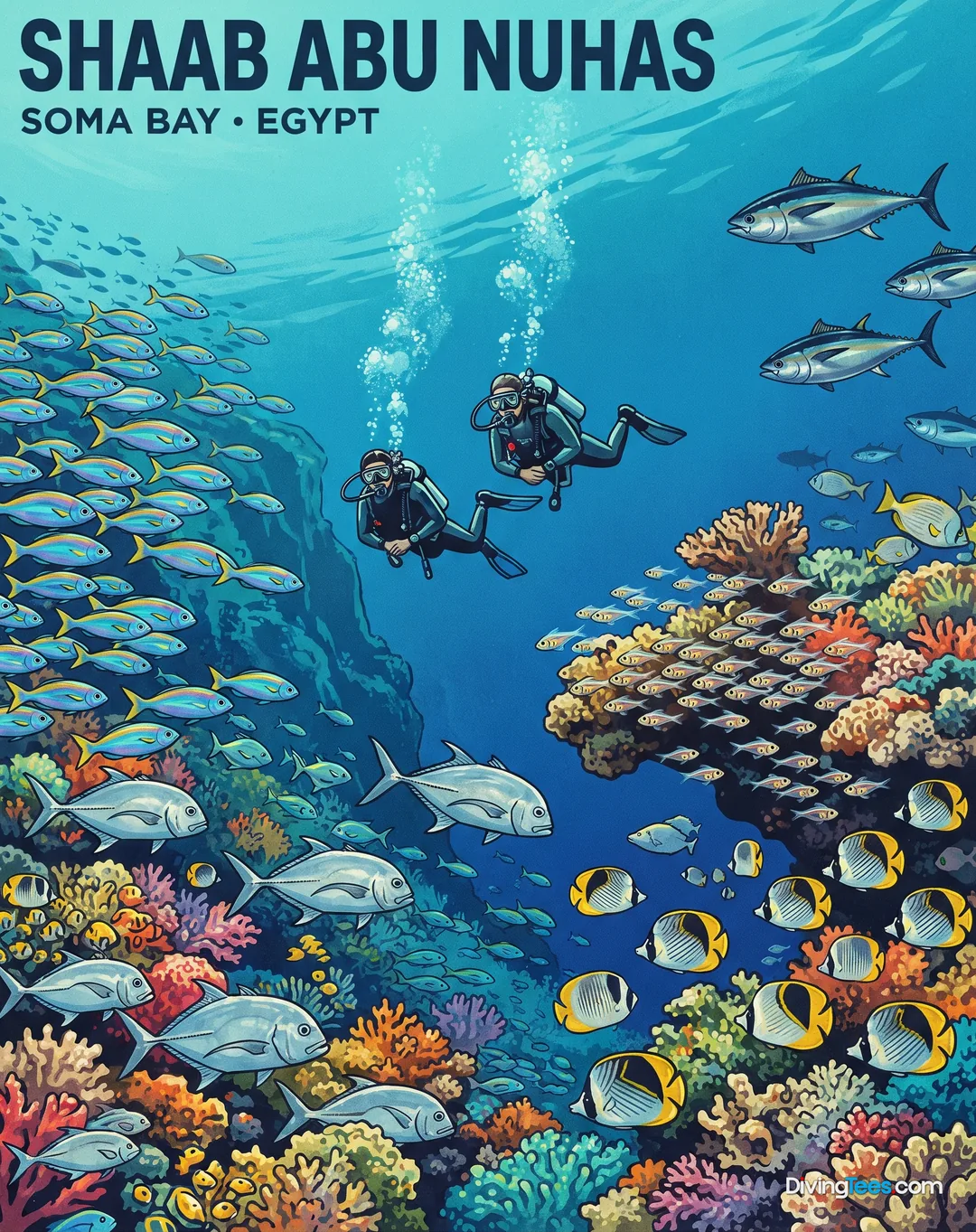
Shaab Abu Nuhas →
Max. depth · 30 m
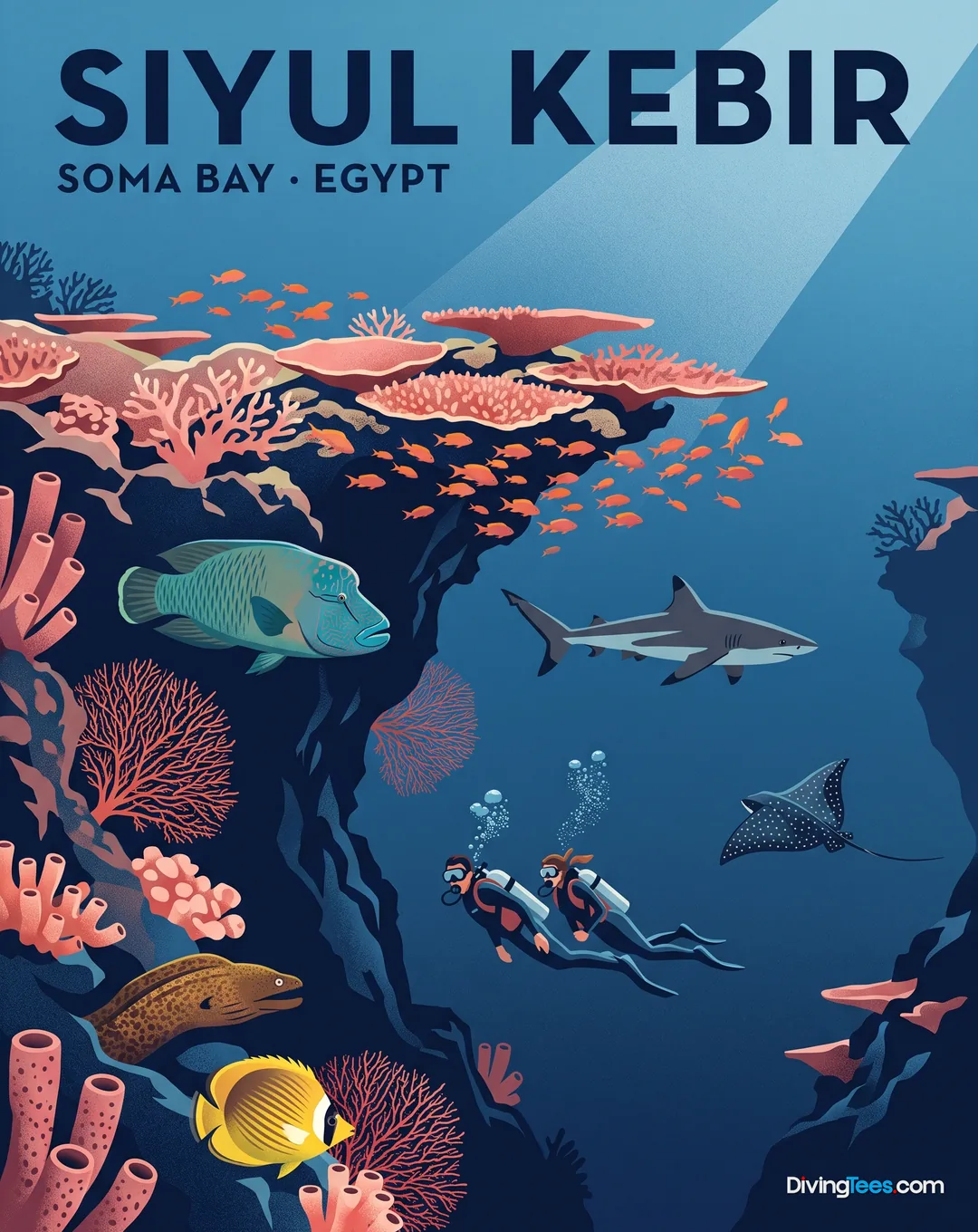
Siyul Kebir →
Max. depth · 30 m
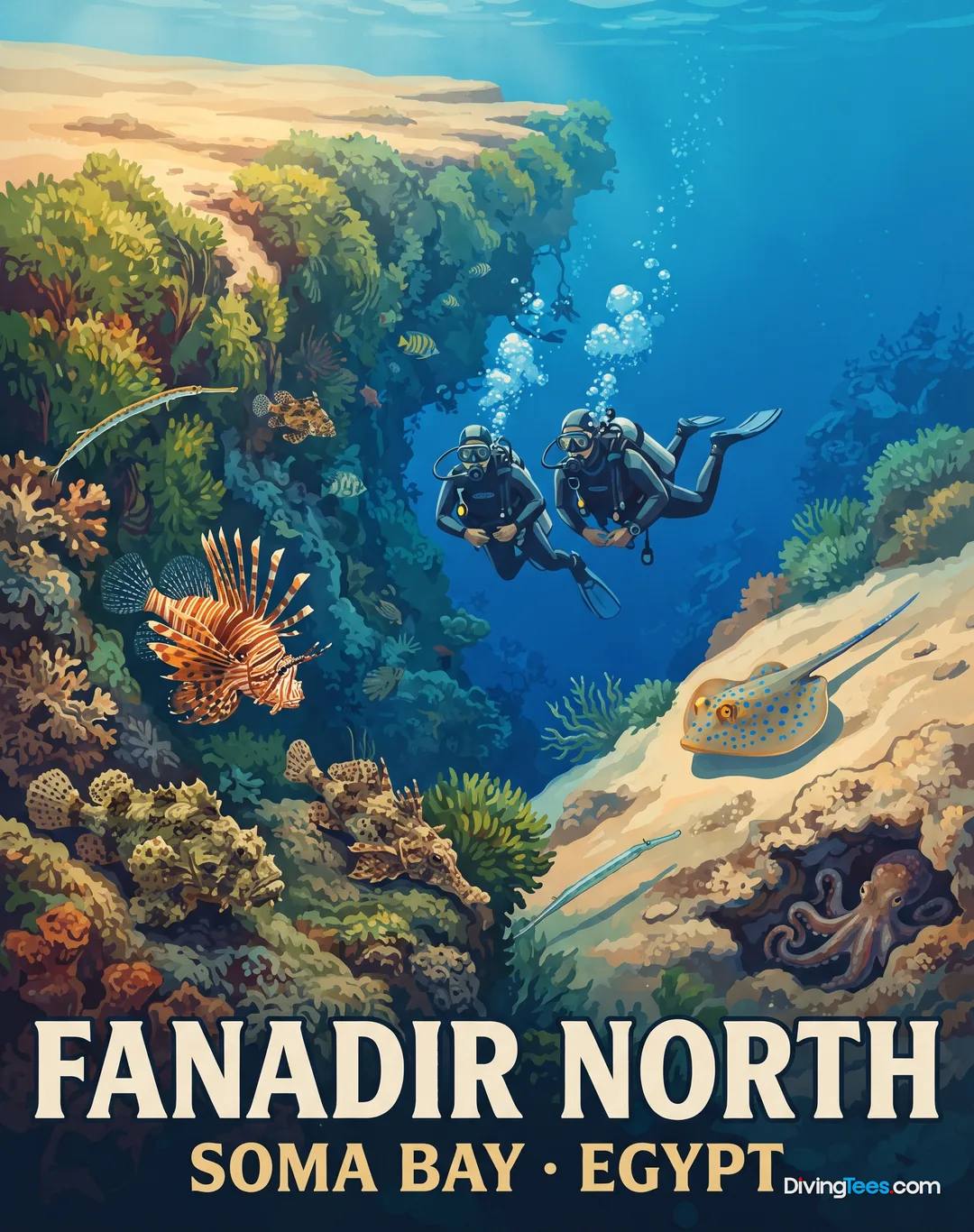
Fanadir North →
Max. depth · 30 m
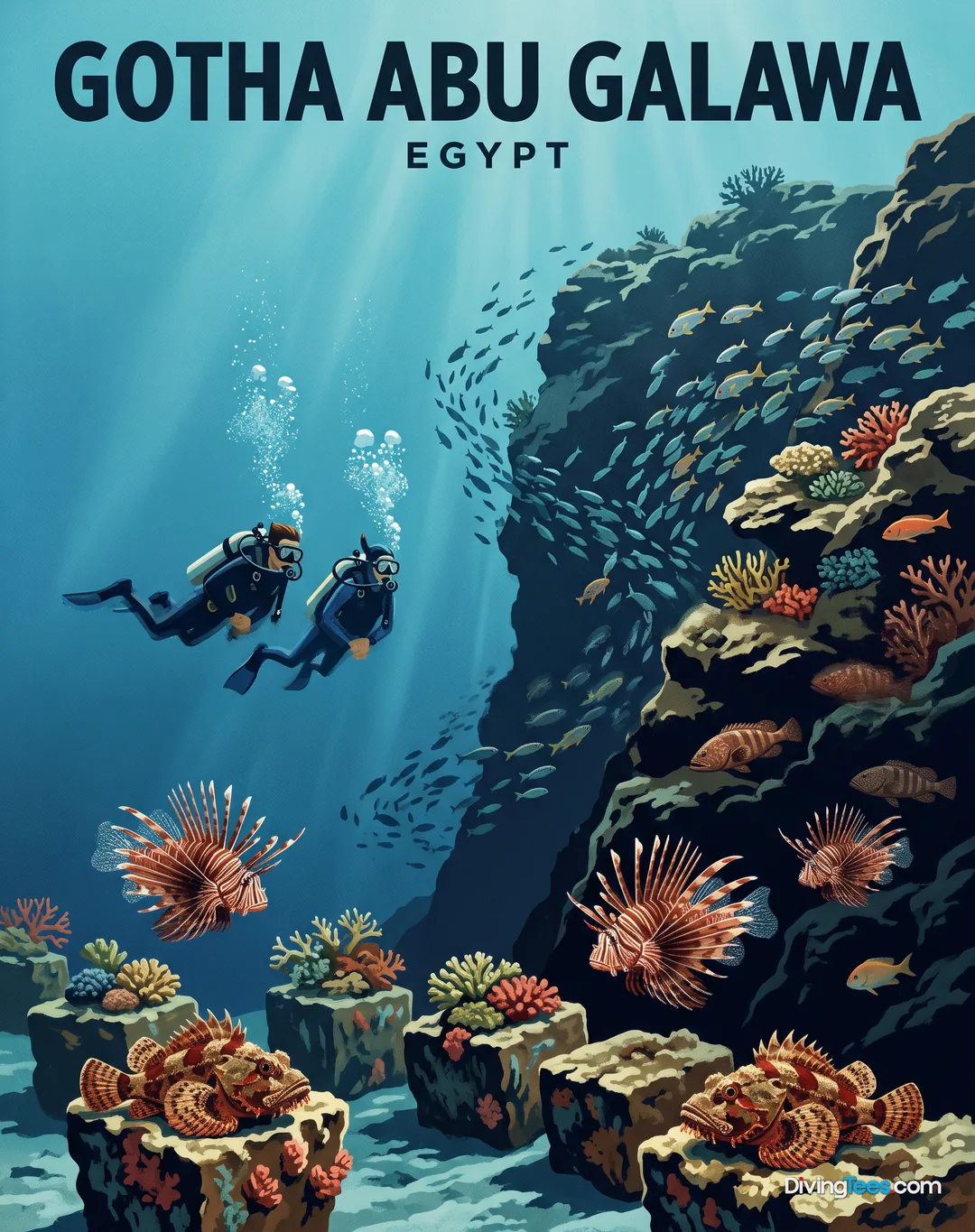
Gotha Abu Galawa →
Max. depth · 35 m
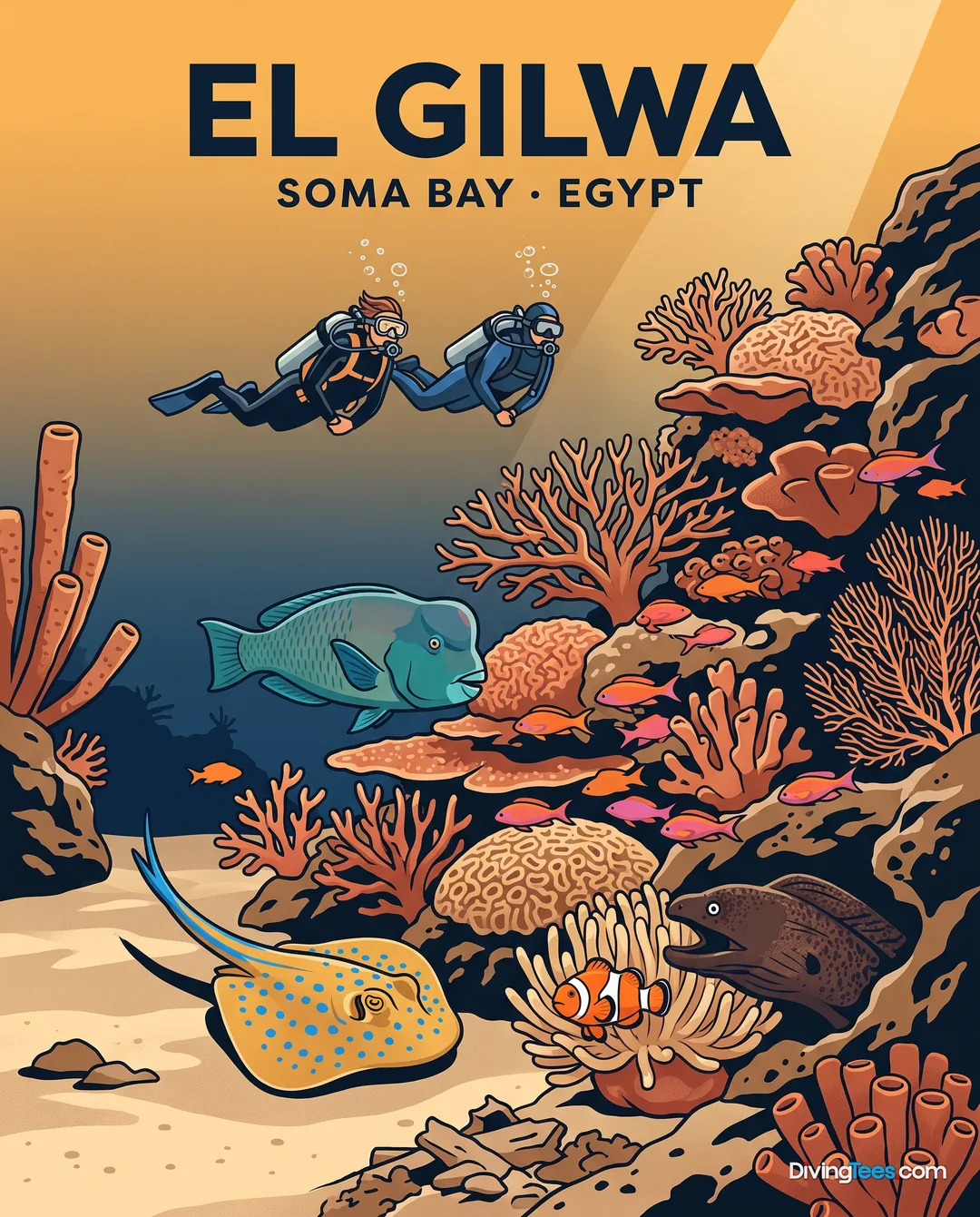
El Gilwa →
Max. depth · 20 m
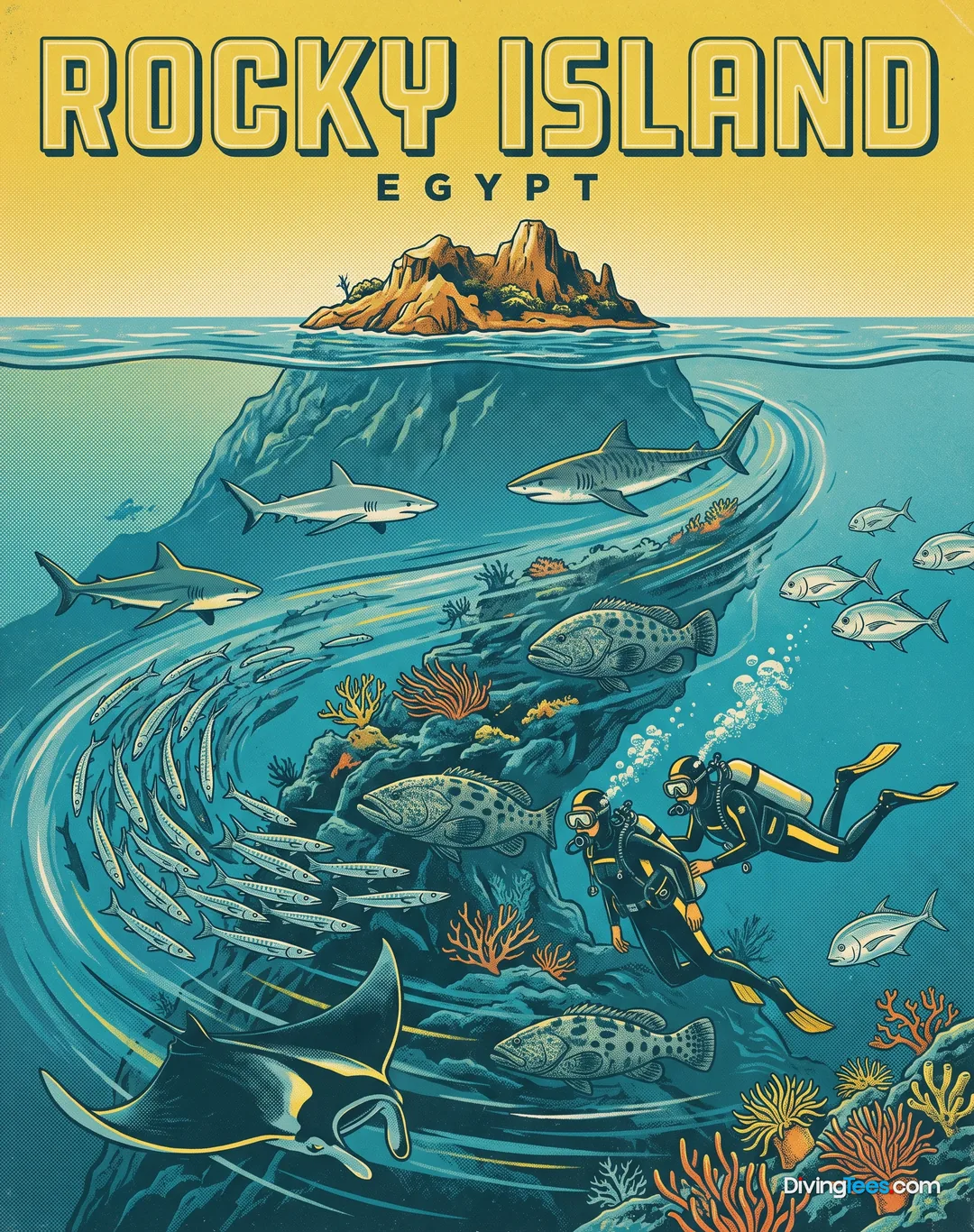
Rocky Island →
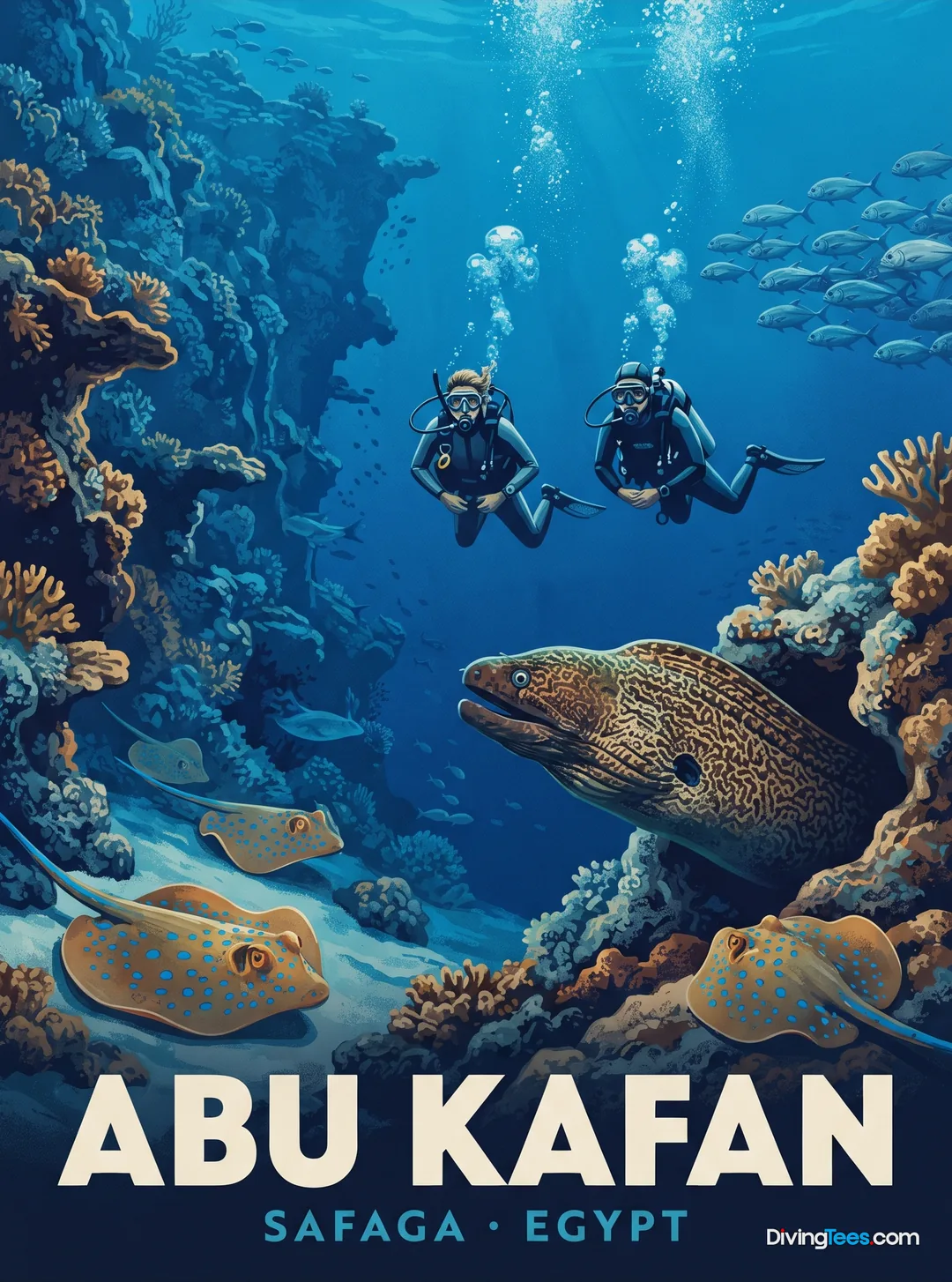
Abu Kafan →
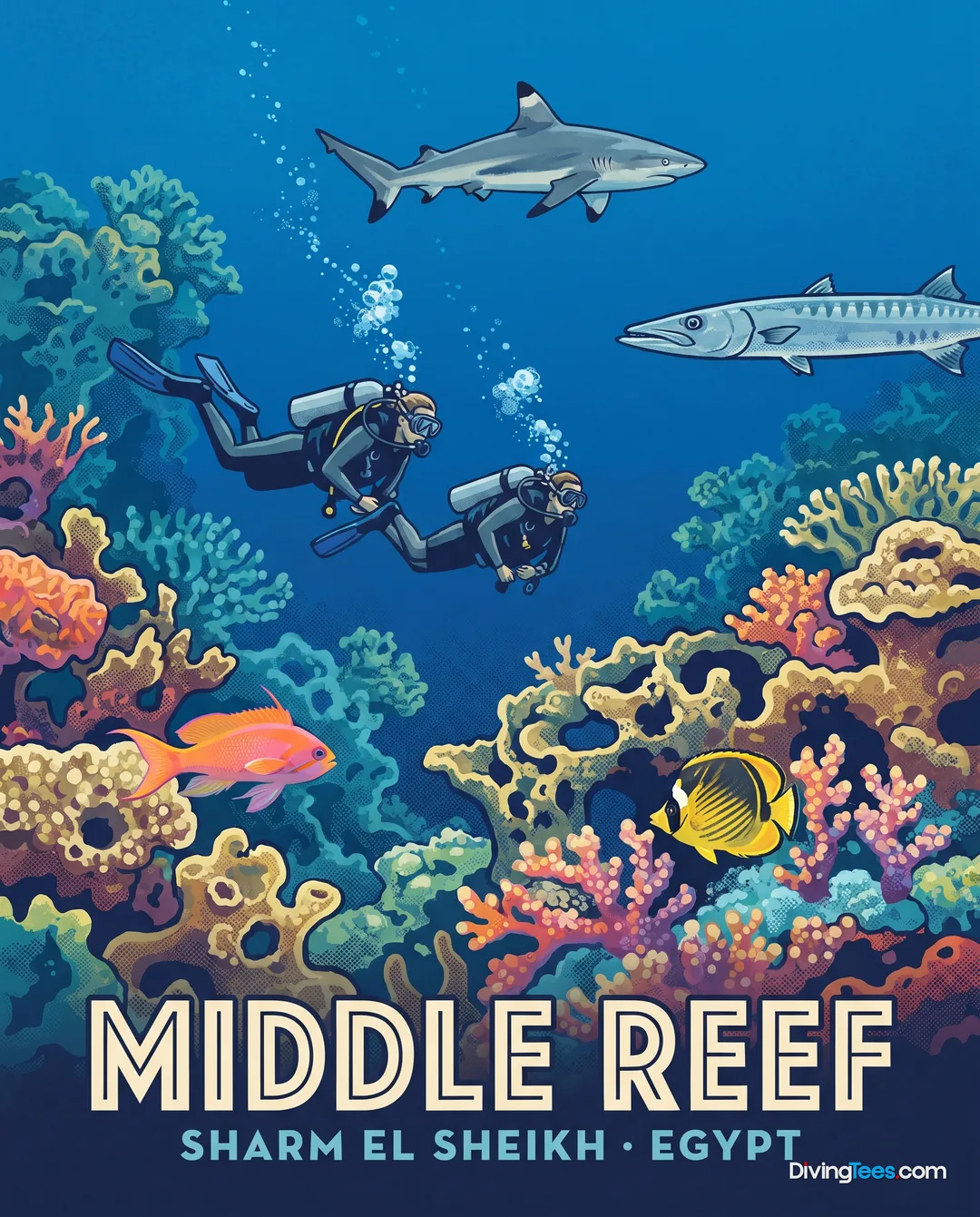
Middle Reef →
Itineraries, dates and prices
Prices per person. Each month shows its lowest price: click a month, or pick an itinerary.
Next departures · 23 departuresfrom £661$884€790
November 2026
February 2027
March 2027
See dates and prices
If you click these links and make a purchase on the partner site, DivingDeal may earn a commission, at no extra cost to you.
Dates and prices taken from liveaboard.com, updated 26 October 2026
What you’ll meet underwater
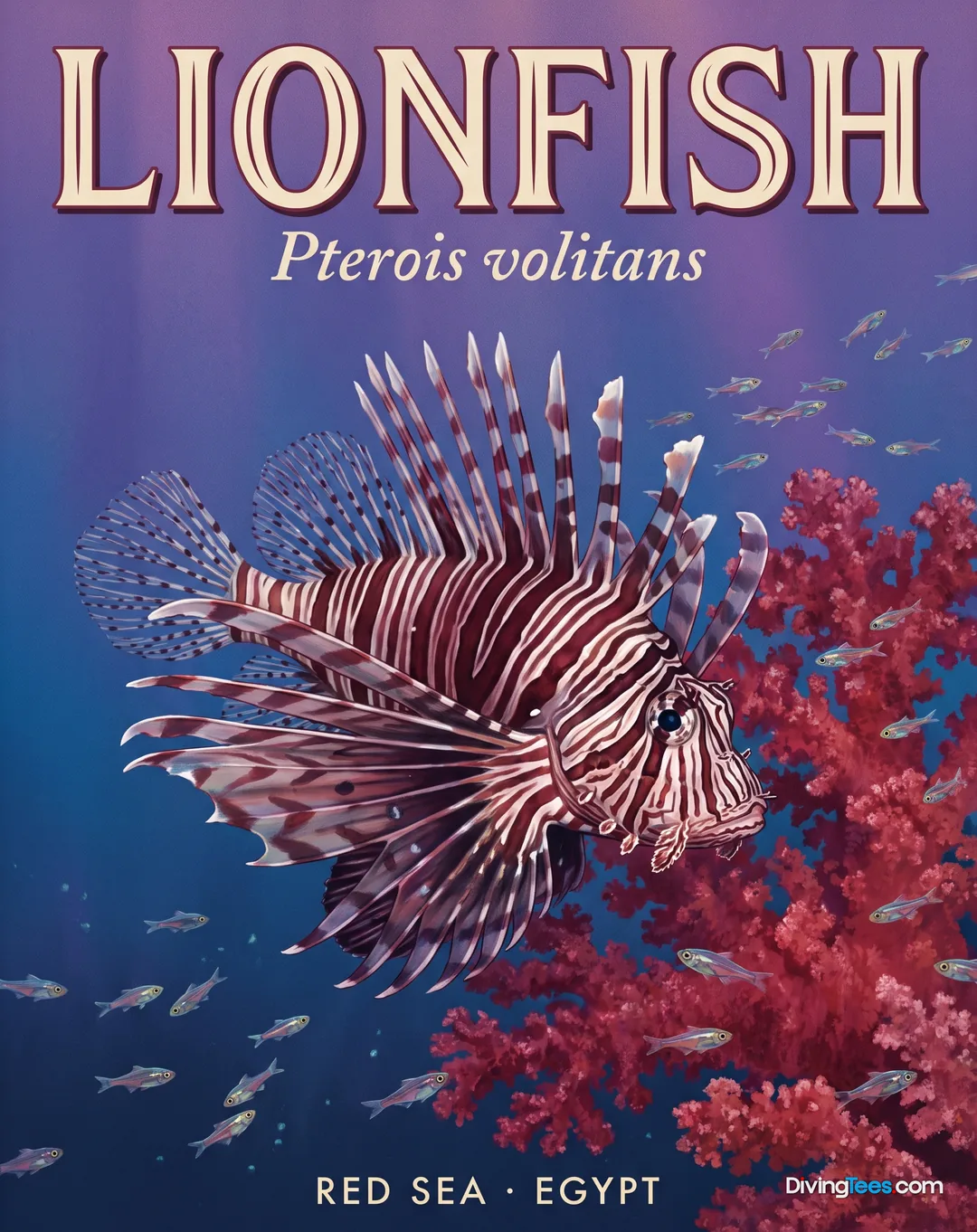
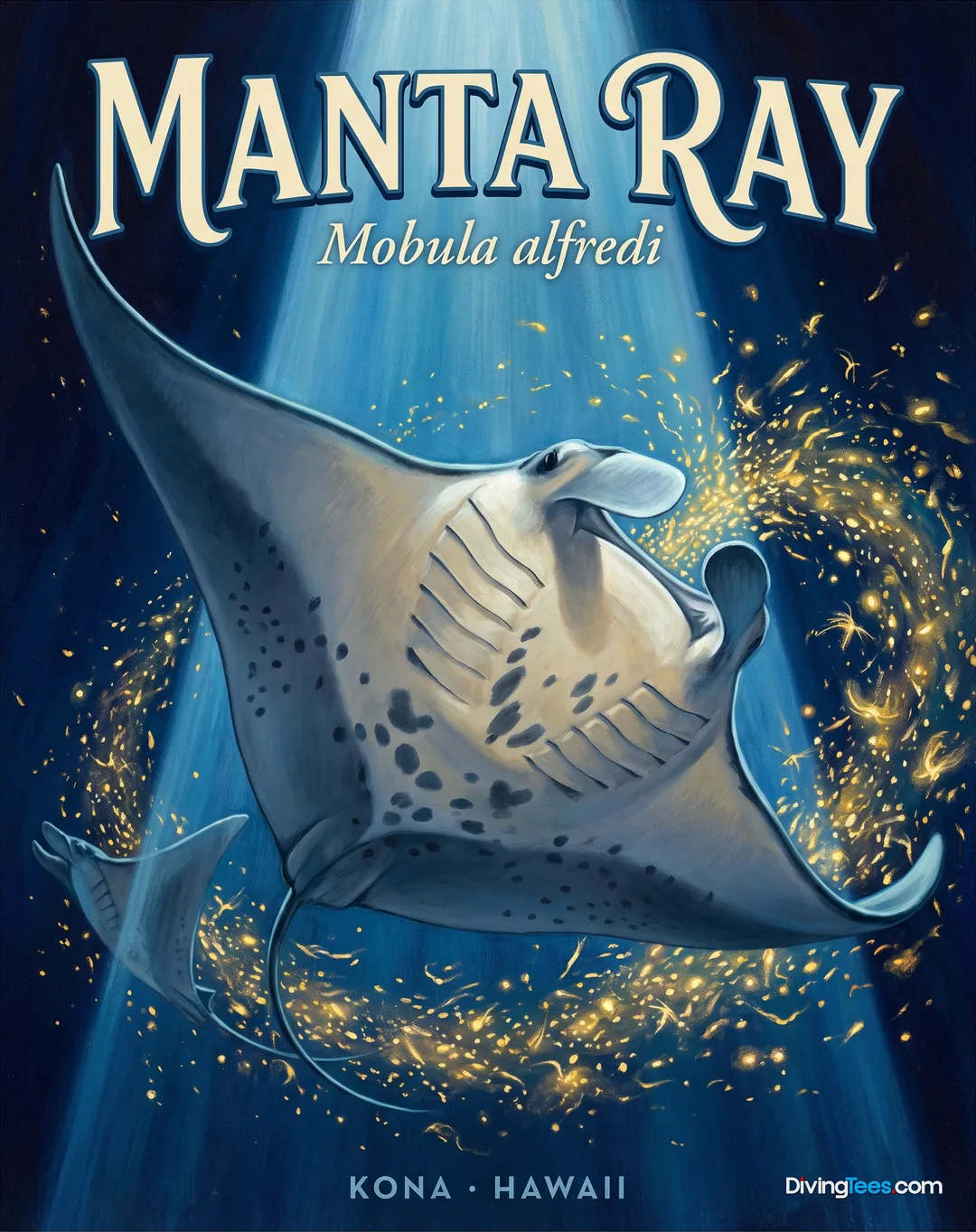
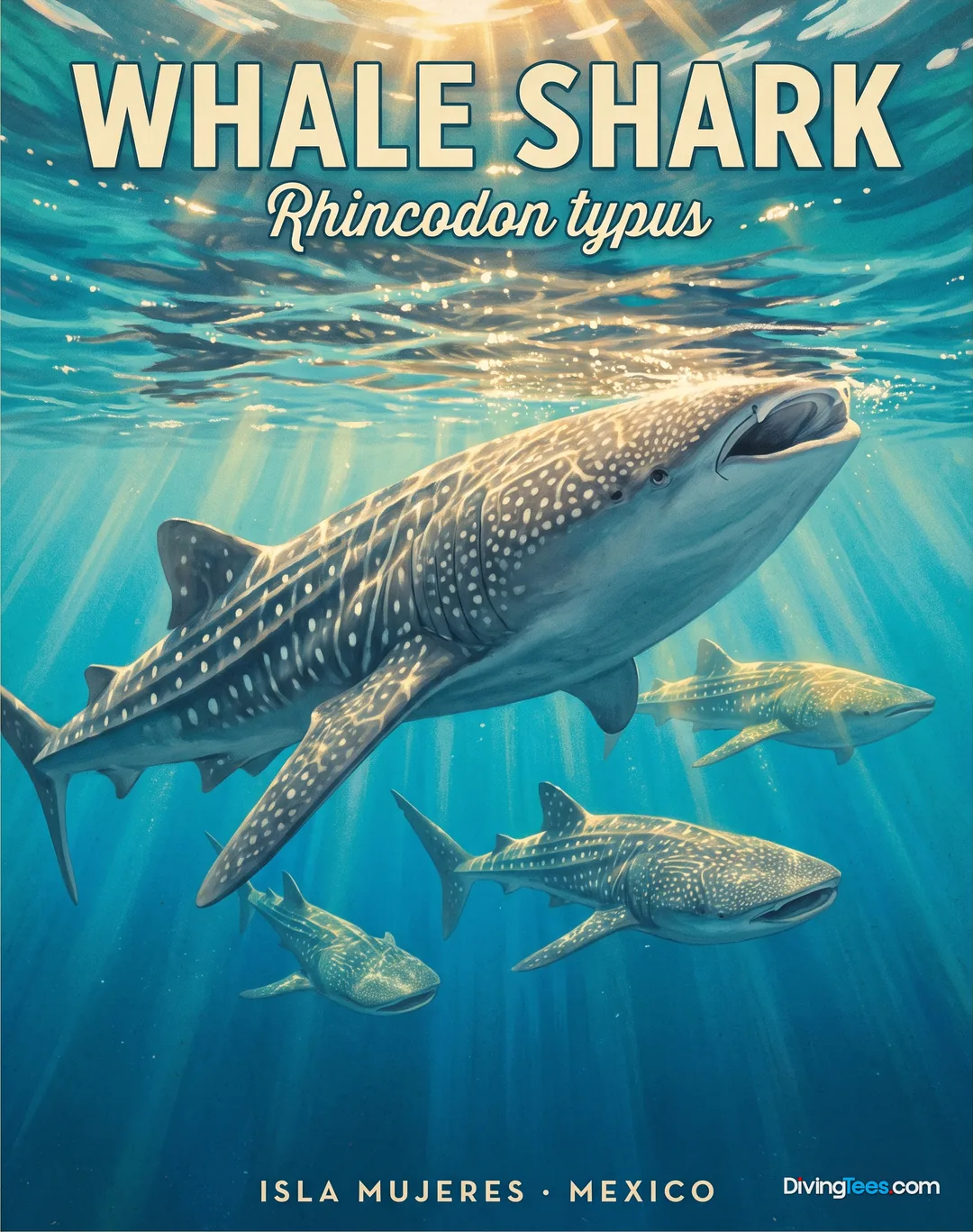
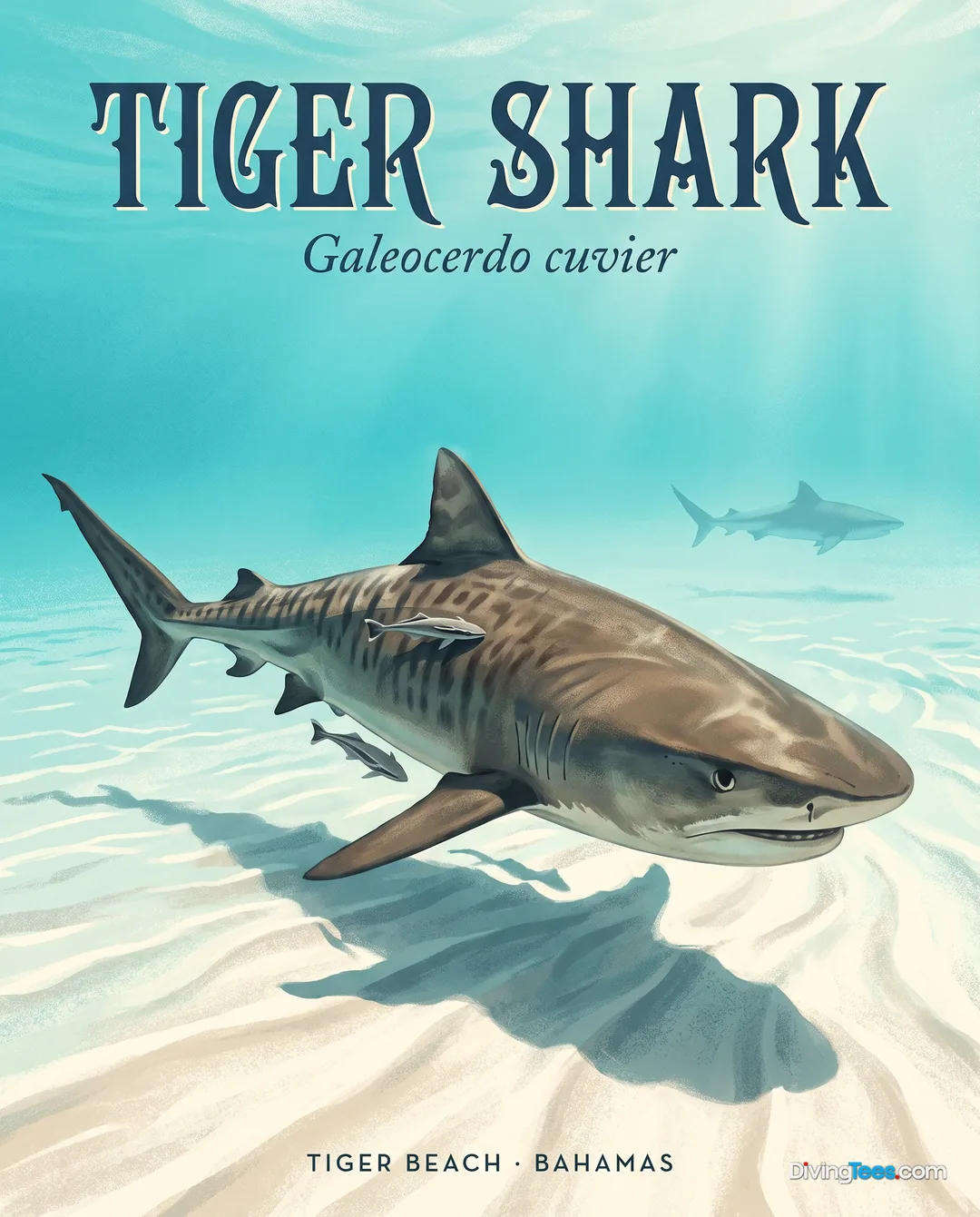
The broad pattern is Red Sea reef life in motion: morays in the reef, scorpionfish and lionfish tucked into coral, anthias and barracuda above the wall, tuna and jacks in the blue, turtles on the gardens and octopus in the cracks. Reef sharks are recorded at six sites, morays at seven, and turtles at five, so the route offers repeated chances without promising a sighting. The unusual encounters are tied to particular stops. Rocky Island is the place in this route associated with groupers and strong-current pelagic action, including manta rays and barracuda. Carless Reef has the recorded reef whitetip shark alongside its free-swimming giant morays. Siyul Kebir is visited for resident turtles and the occasional leopard shark. Elphinstone is the standout for oceanic whitetips, hammerheads and, in the route records, blacktip reef sharks, whale sharks and tiger sharks. Umm Gamar adds crocodilefish, butterflyfish and batfish; Shaab Abu Nuhas has glassfish schooling along the reef; El Gilwa is the specific site for frogfish. These are reasons to study the briefing, not guarantees written into the itinerary.
Who puts you in the water
The crew speaks English, German and Italian, and the boat runs with a crew-to-passenger ratio close to one. ENOS tracking places each diver and guide in the location system, with oxygen, a defibrillator, first-aid kits and a separate medical treatment room on board. Marine radios, satellite phones, GPS, radar, AIS and rescue equipment back up the surface plan. Nitrox certification, deep-diving and wreck-diving courses run on board, and a private guide can be arranged for all diving days. The demanding Brothers, Daedalus and Elphinstone route is aimed at experienced divers, with at least an AOWD-level background and 50 logged dives recommended. Exposed reefs, strong currents and long crossings require sound judgement, and night dives are not permitted in the marine parks.
The dive deck and the gear
The dive deck is shaded and built around a broad platform, with separate rinse tanks for cameras and space for camera work. Two Bauer compressors and a nitrox membrane system fill aluminium 12-litre and 15-litre tanks; nitrox is available free of charge. DIN adapters are carried, and equipment rental is available for a mask, fins, wetsuit, BCD, regulator, computer, torch or complete set, without named brands. The setup supports recreational diving as well as technical diving, rebreathers and sidemount with one cylinder. Two Yamaha-powered tenders take divers to the reef and collect them after the surface signal, while the main platform handles entry and exit. Diving buoys are part of the safety equipment. The boat also has hot-water showers after dives, a detail that matters on the fourth return of the day.
Between dives
Between dives, the best places are the shaded dive area and the sun decks above it. The boat has an indoor lounge for meals, air-conditioned downtime and video or audio entertainment, but the sea remains the main view. A terrace and upper sun deck give wet divers somewhere to sit without carrying salt and dripping kit through the living spaces. During long crossings, those decks are where a book, a camera and a cold soft drink fill the gap; after a challenging current dive, shade is often more valuable than another facility. The spa, fitness room and heated indoor pool add unusual land-based comforts to the boat's profile, but the useful design choice is still the separation between the dive platform, the lounge and the open decks. It lets a diver dry out, rest or talk without every part of the boat serving the same purpose.
A day on board
A diving day starts with the briefing, then the first descent, a return to the platform and the food needed before the next jump. Some routes allow up to four dives in a day, while the published itineraries also include night dives; marine-park routes such as the Brothers, Daedalus and Elphinstone itinerary do not permit night diving. Between dives, cylinders are moved, cameras go into the separate rinse and divers choose shade, the lounge or the sun deck. Lunch and the daily snack break up the surface intervals, with dinner following the final planned dive. On crossing nights, the boat gets underway after the day's diving and the sound changes from compressor and tender work to engines and water against the hull. A route may begin with a sheltered check dive, then build towards exposed walls, current dives and long crossings. The next briefing makes the shape of the following day clear; weather and sea conditions can change the order.
What you eat aboard
Meals are served buffet-style in the air-conditioned lounge, with three meals and a snack each day. The food is Western-style, and vegetarian and vegan options are available; soft drinks, water, tea, coffee and snacks are provided, while beer, wine and cocktails are available separately. Buffet service works well on a diving boat because nobody has to wait for a fixed plate after a long surface interval. A diver can eat lightly before a second descent, return for something more substantial, and still find food later in the day. The table is part of the recovery cycle rather than a formal event: divers compare a shark sighting over breakfast, refuel after the morning dives and sit down again after the last return to the platform.
Nights at sea
The cabins are simple in the useful liveaboard sense: air conditioning, a private bathroom, hot-water shower and a standard window, with the upper-deck cabins offering the better position for anyone who values light and a view of the sea. Two upper cabins have queen-size beds; the other upper cabins and all lower-deck cabins use twin beds. The lower-deck rooms are practical rather than romantic, and the engine room is part of the boat's working life, so light sleepers should choose their cabin position carefully. Daily cleaning, towels, a cabin safe and non-smoking rooms remove the small irritations that accumulate over a week. Between dives, the cabin is mainly a place to rinse salt away, dry off and sleep. The larger bathrooms created in the refit matter more than decorative detail when four dives have left everyone tired.
Lower Deck Twin Cabin
Upper Deck Double Cabin
Upper Deck Twin Cabin
What to know before boarding
Alia Soul operates from Port Ghalib on routes that start and finish there, and from Safaga or Soma Bay on northern itineraries, including trips that finish in Port Ghalib. Airport and hotel transfers are arranged for the journey to the boat, with Hurghada airport used for the Port Ghalib transfer. Arriving the night before is the sensible choice, especially for an early check-in or a route departing from a different port.
Deck plan
- Year built
- 2014
- Year renovated
- 2025
- Length
- 36 m
- Maximum number of passengers
- 20
- Number of cabins
- 10
- Number of bathrooms
- 12
- Engines
- 2 × Caterpillar 450 hp
- Cruising speed
- 11 knots
- Tenders
- 1 × Yamaha 100 hp 1 × Yamaha 40 hp
- Website
- orca-diveclubs.com ↗
Hello, I'm Marina, DivingDeal.com's AI assistant. I answer in detail about hotels, dive centres and liveaboards.
Thinking about the whole trip and the flights? Talk it over with Edith →
Marina is an AI. Some links are affiliate links: DivingDeal may earn a commission, at no extra cost to you. Bookings are made with the partner.