Liveaboards · Egypt
Heaven Saphir — a purpose-built Red Sea dive yacht with a serious technical side
What makes this boat unique
- Heaven Saphir is a 36-metre wooden liveaboard renovated in 2023, with space for up to 20 guests.
- Its diving setup includes a 600-litre membrane nitrox system, Bauer compressors and trimix for technical diving.
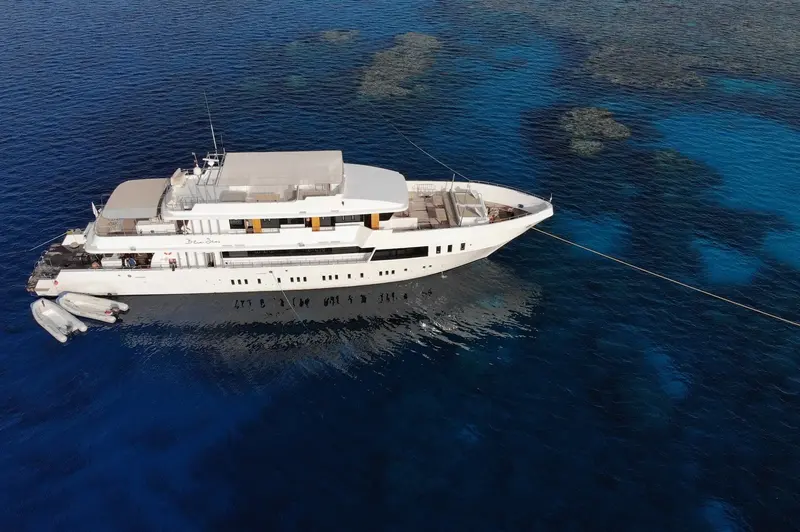
- Two inflatables with 40 HP outboards take divers to sites where the main vessel cannot offer the best entry.
- The boat has six Standard Cabins, three Honeymoon Suites and one Executive Suite, all with air conditioning and private bathrooms.
- Recorded itineraries run for 8 days and 7 nights from Port Ghalib or between Port Ghalib and Hurghada.
For subtitles in English: start the video firstthen click the gearat the top right of the video, select “Subtitles/CC”, then “Auto-translate” and choose “English”.
The invitation
Heaven Saphir is for divers who want the Red Sea's remote reefs without giving up a proper place to live between dives. The reason to choose it is the balance: a large wooden yacht with three sun decks and a shaded main deck, backed by a dive operation that can handle nitrox, trimix and technical equipment. Its routes reach the Brothers, Daedalus, Elphinstone, Rocky Island and Fury Shoals, depending on the departure. Below the surface, the emphasis is on walls, currents, sharks, coral gardens and a few sites with real history. Above it, there is enough room to get out of the dive gear and let the day slow down. This is not simply a cabin delivered to a reef. It is a dive boat built around long days in the water, with the compressor, tenders and camera facilities where they need to be.
Boarding
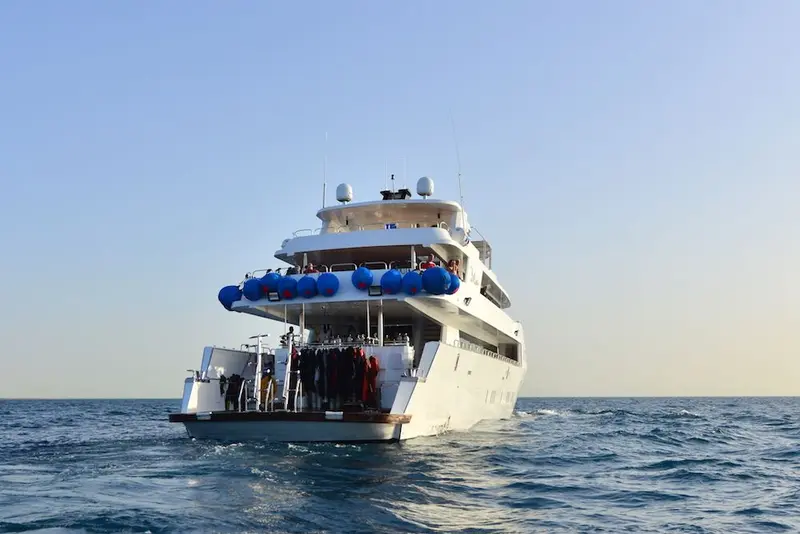
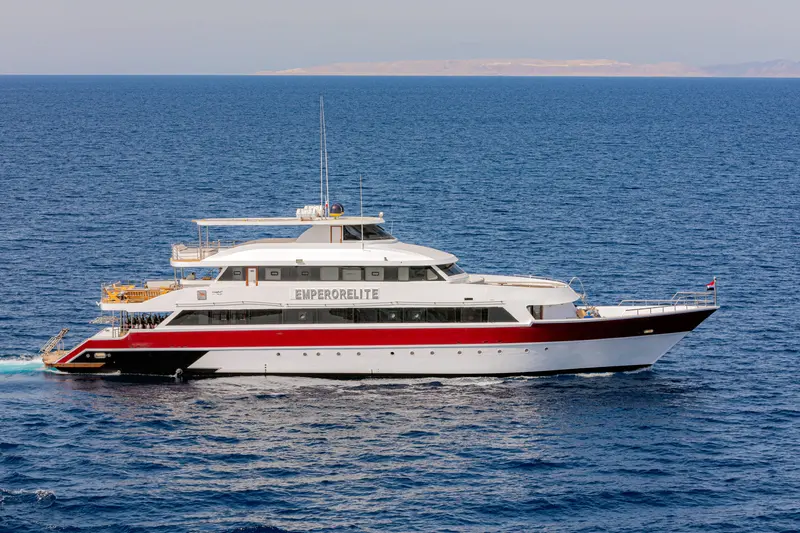
From the dock, Heaven Saphir presents as a substantial wooden yacht rather than a stripped-down dive platform. The 2023 renovation matters here: the boat combines an older hull's established shape with a fresher interior and working spaces. Once aboard, the movement is straightforward, from the shaded main deck to the indoor saloon and the three sun decks above. The air-conditioned saloon has a bar, television and DVD system, while the open decks give divers somewhere to spread out after a dive. Two powerful MAN engines and supersilent generators support the boat's long-range liveaboard role, but the character remains practical rather than flashy. The useful details are close at hand: universal US and EU sockets, free Wi-Fi, towels, and a mechanic who keeps the machinery and fills the tanks moving. The boat feels made for a week at sea, not a short harbour stay.
The atmosphere on board
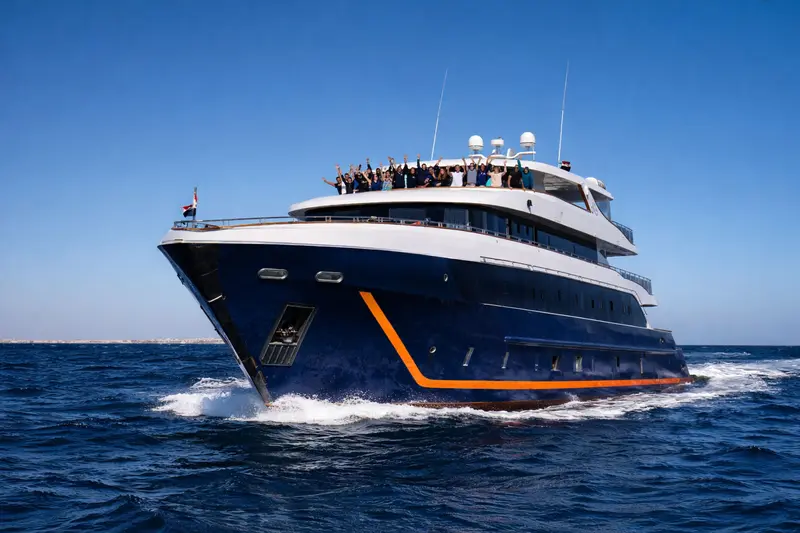
The atmosphere aboard Heaven Saphir is built by a crew that stays close to the diving rather than disappearing into hotel service. Two dive guides organise the underwater side, while the captain, chef, steward and mechanic keep the week running in visible roles. The mechanic, Abrazi, looks after the machinery and fills tanks with air or nitrox; that is exactly the kind of work divers notice when the boat is being used four times a day. Passengers describe a clean boat, helpful staff, patient dive management and food that holds up across the week. The social scale helps: with a maximum of 20 guests and a nearly one-to-one crew-to-guest ratio, people quickly know who is handling the next briefing and who is waiting with the tender. Evenings are usually simple—food, cameras, stories from the last dive and an early retreat before the next one.
The sites you’ll dive
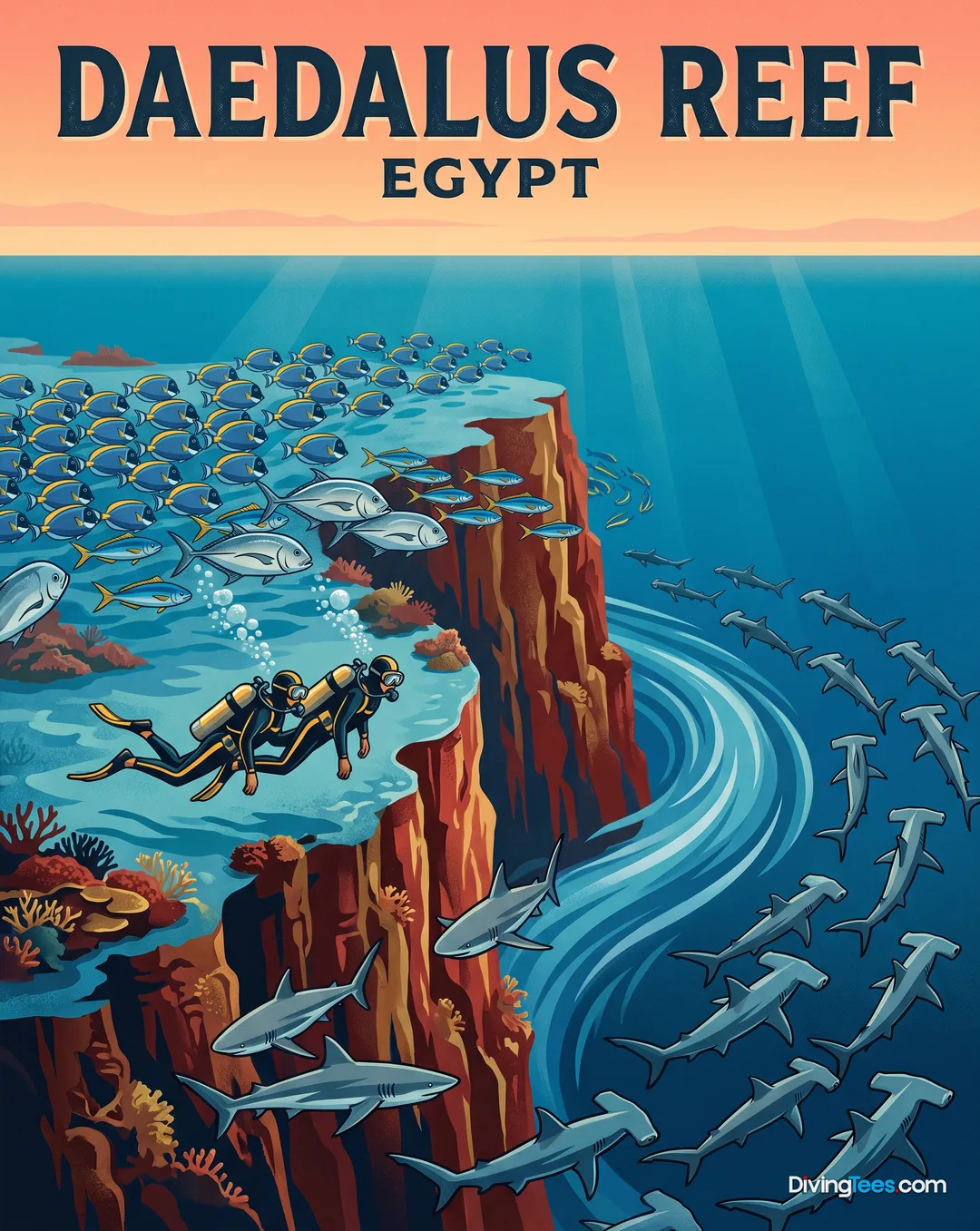
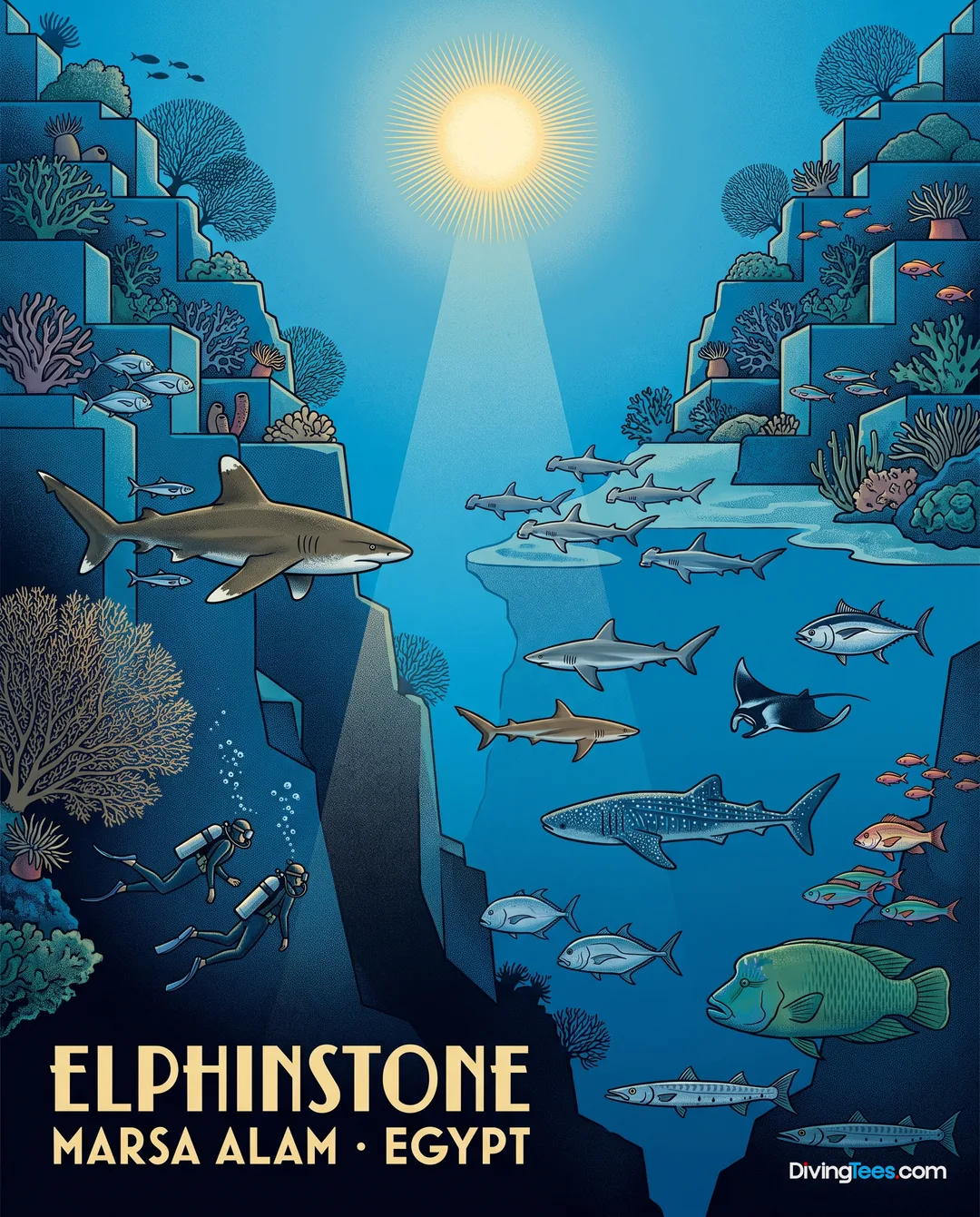
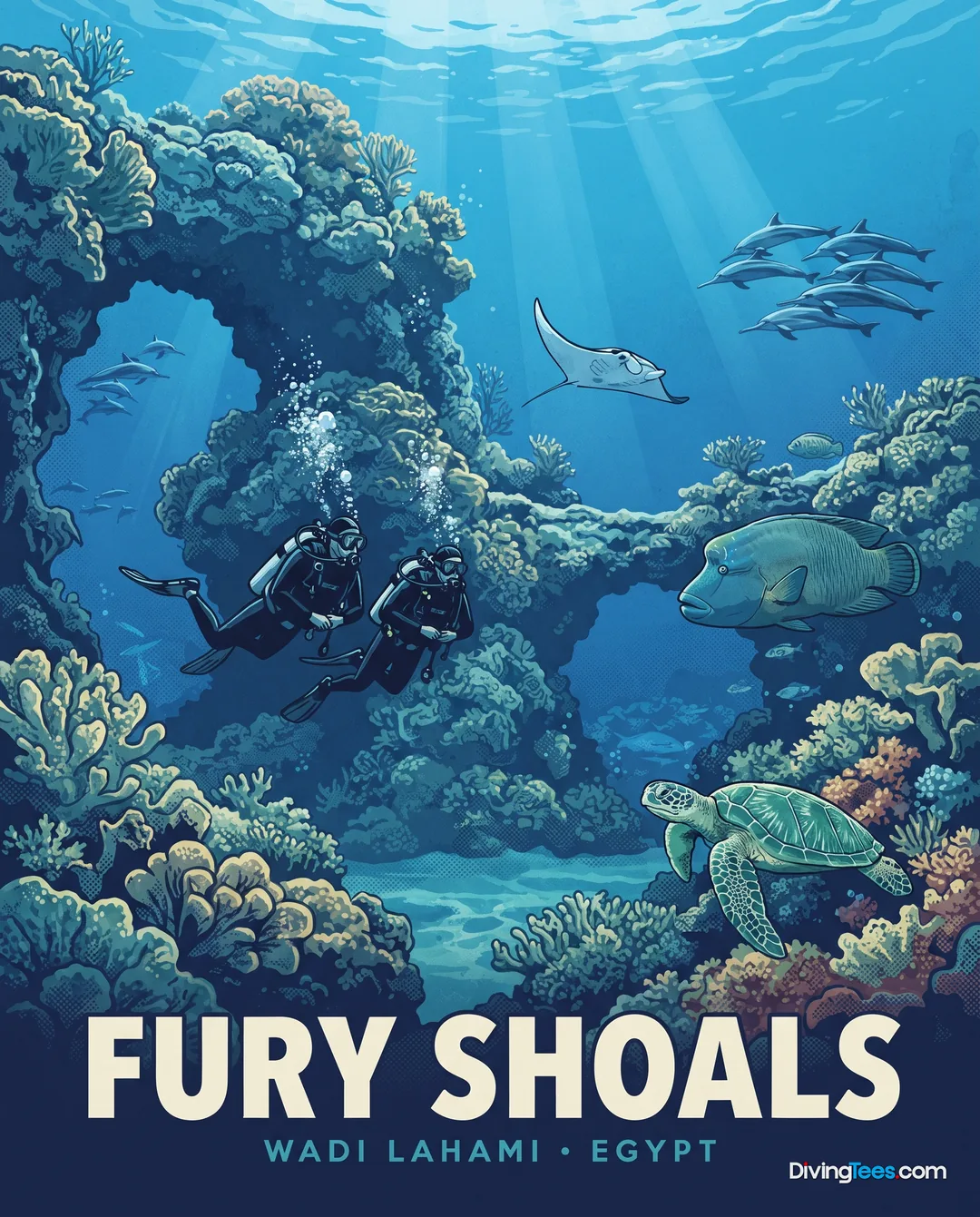
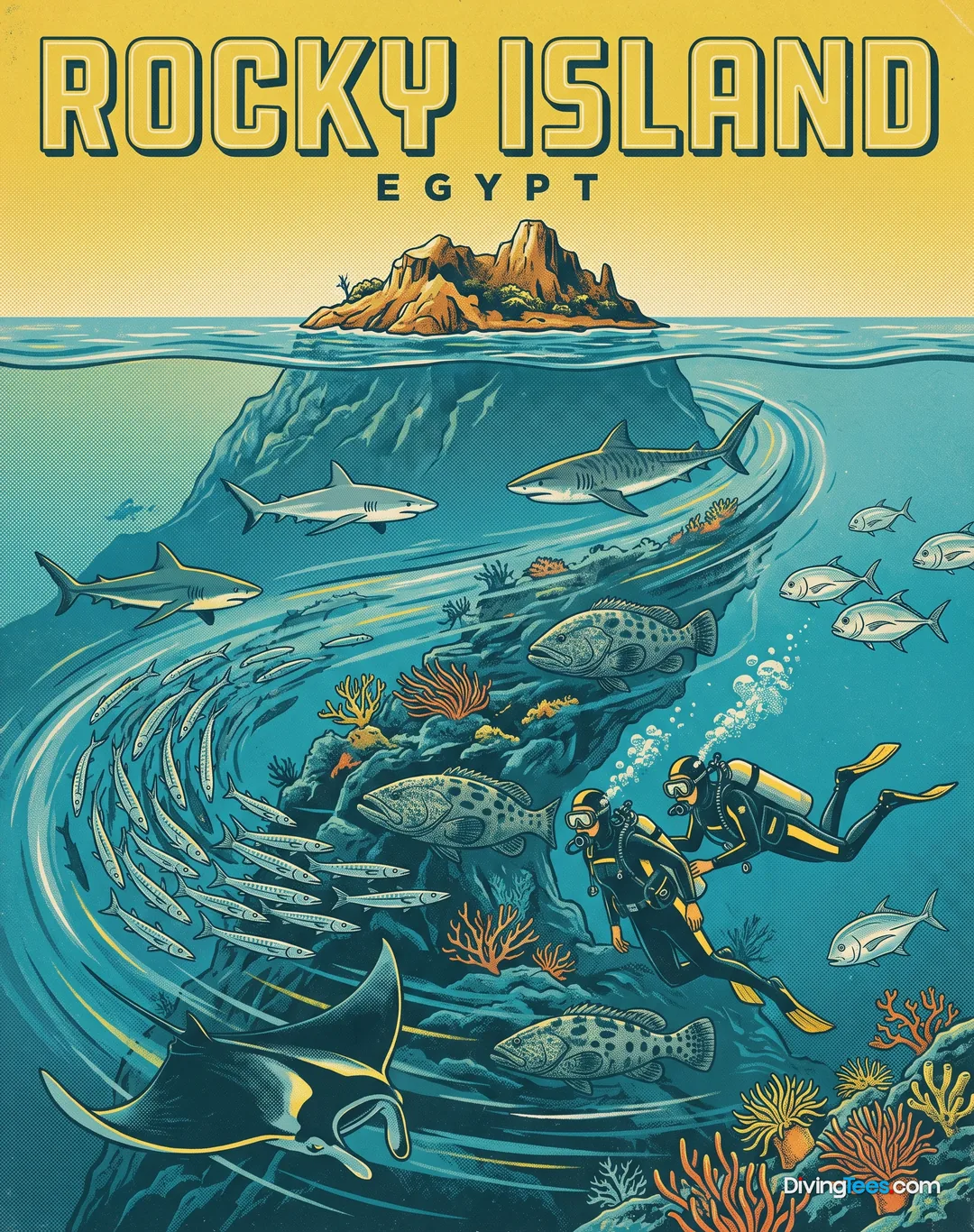
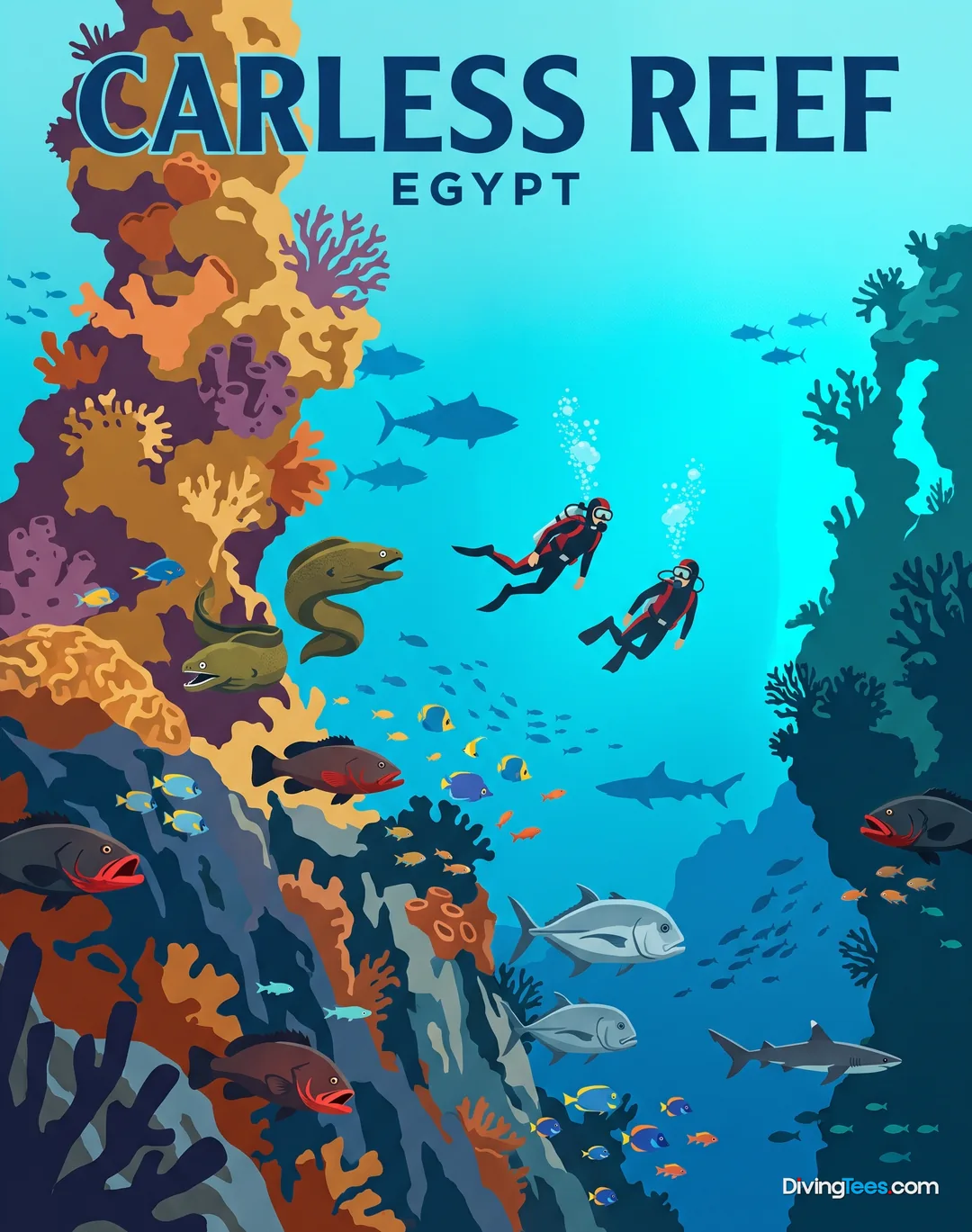
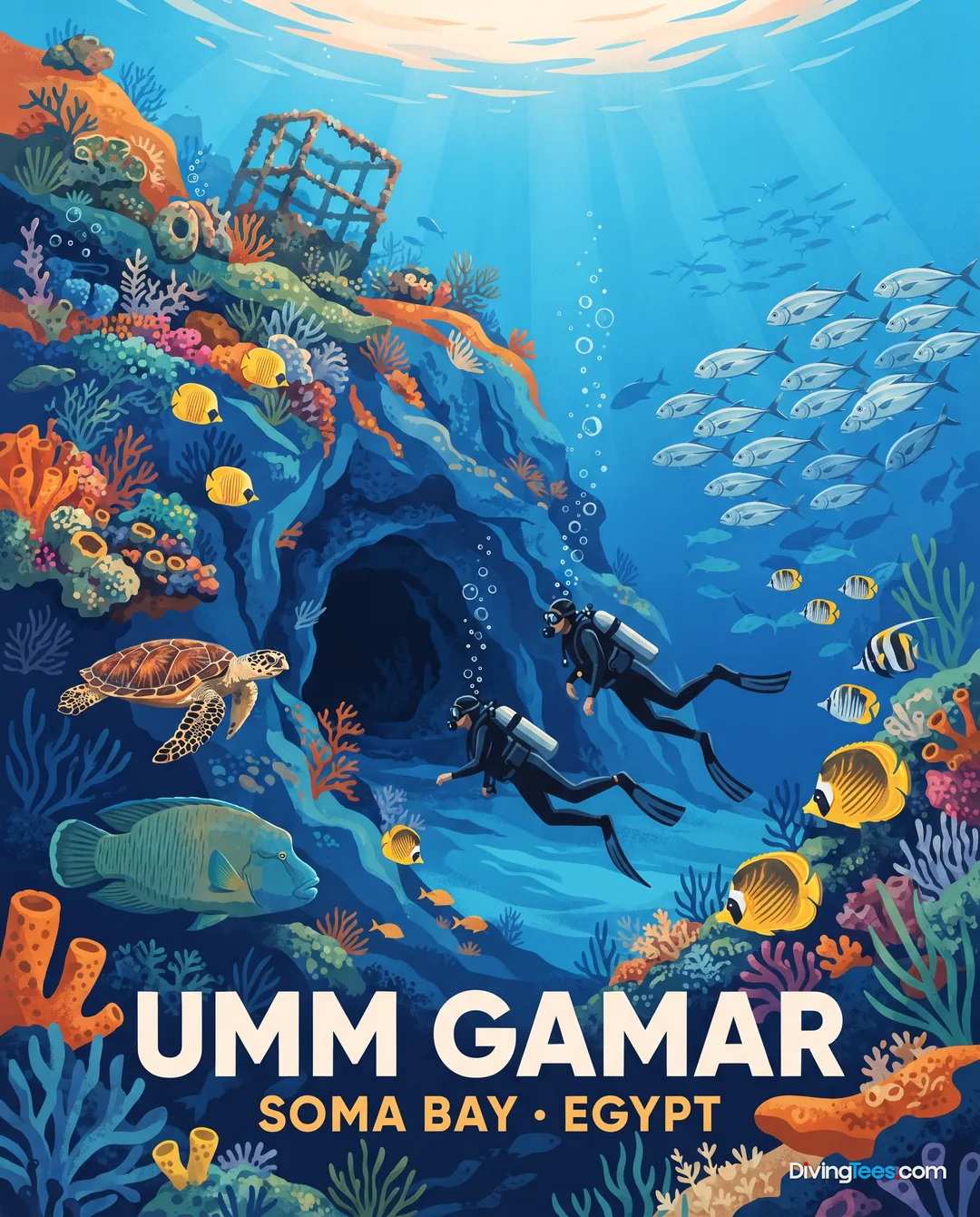
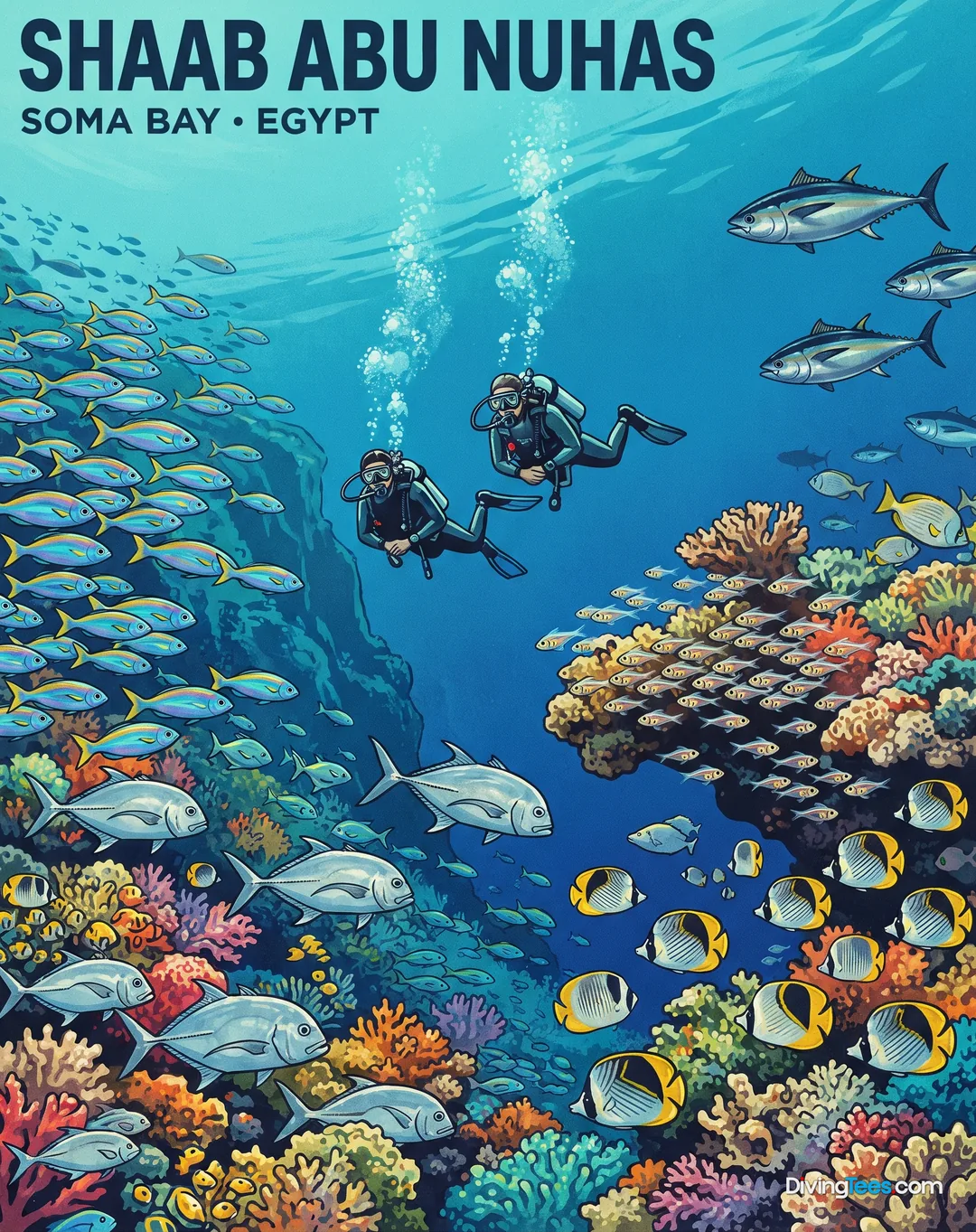
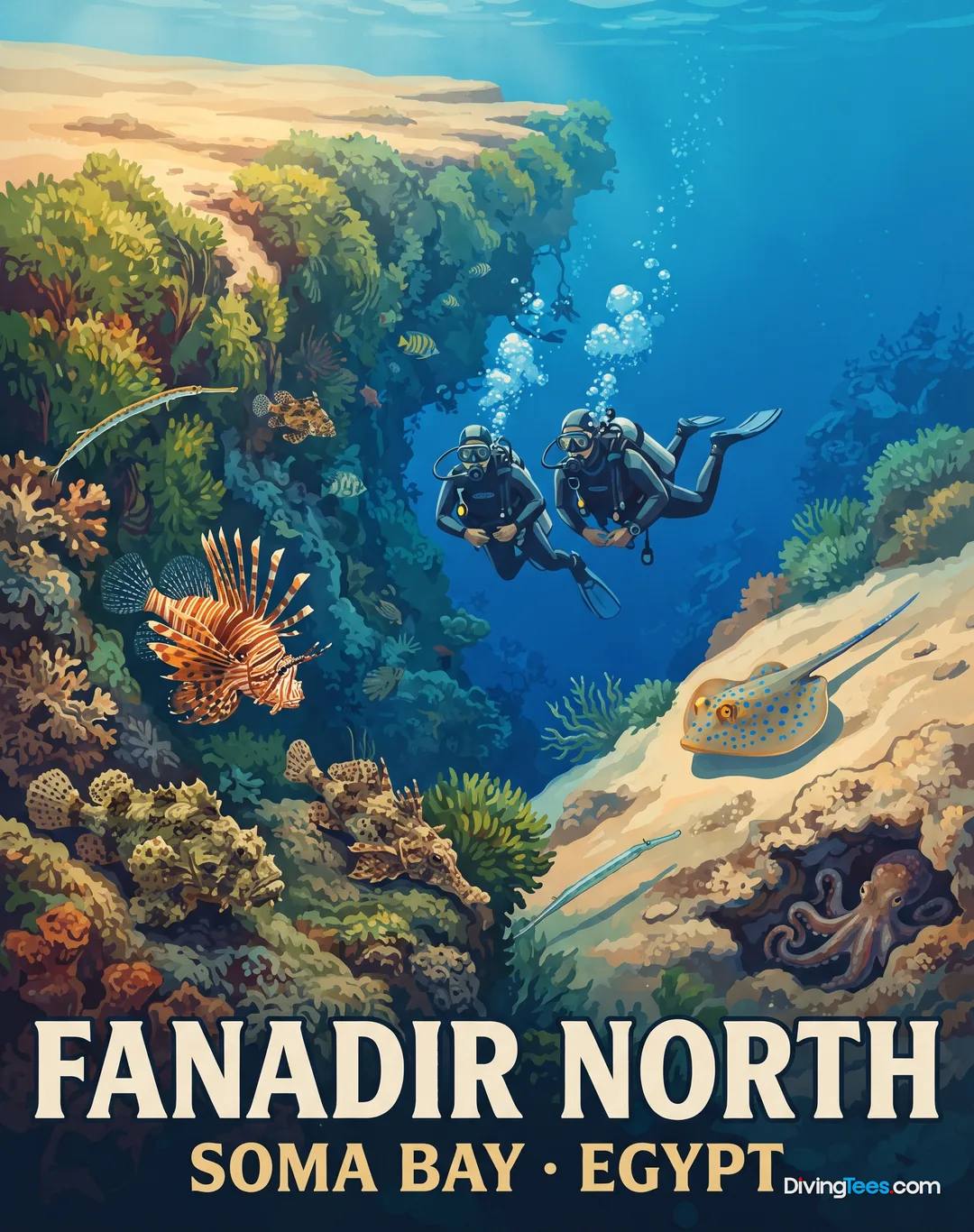
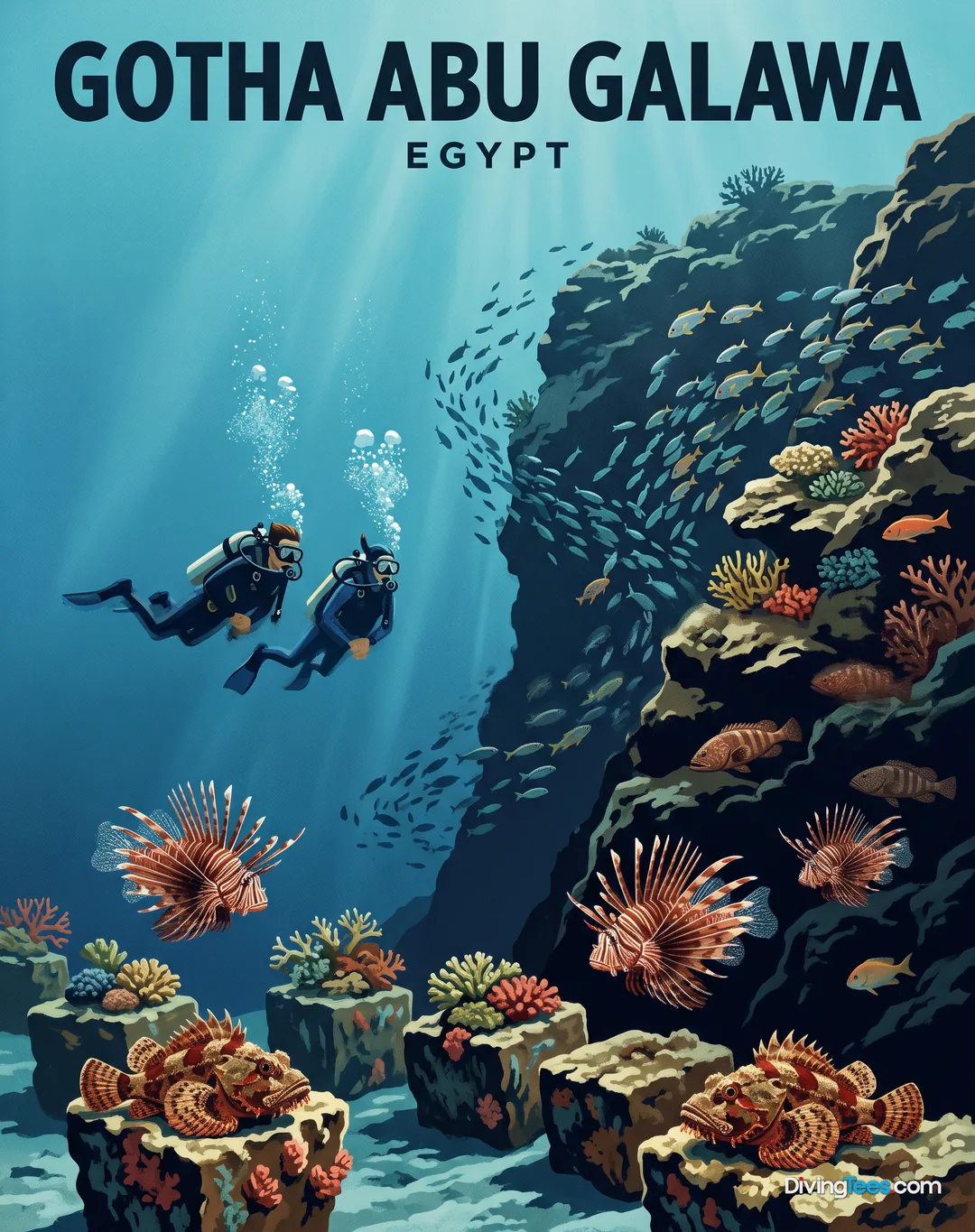
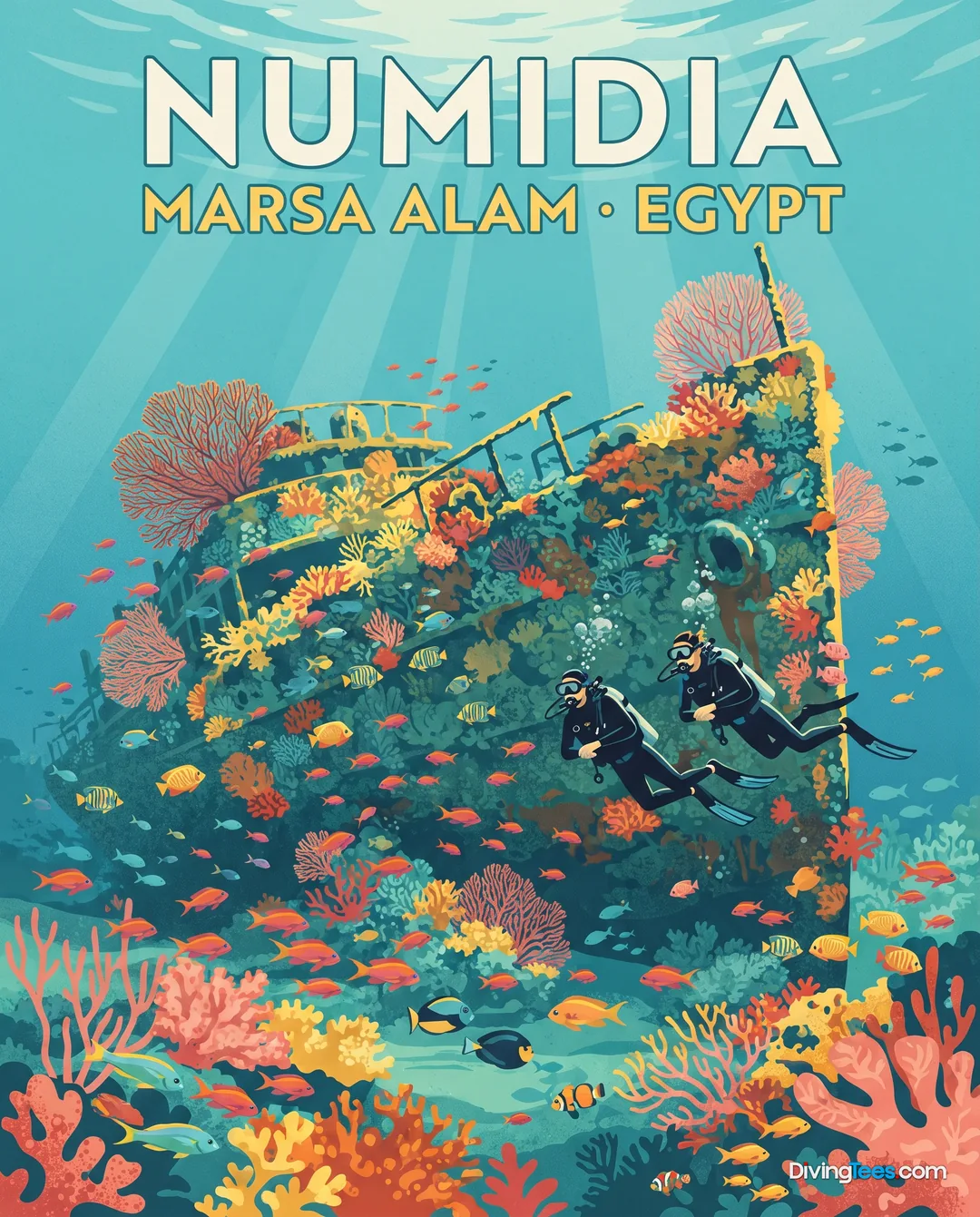
The recorded trips are 8 days and 7 nights. They include Brothers–Daedalus–Elphinstone from Port Ghalib to Hurghada or Port Ghalib, Daedalus Reef–Fury Shoals, Dolphin Joy & Relax, Daedalus Reef–St. John's–Elphinstone, Southern Route–St. John's, and Daedalus–Rocky Island–Elphinstone. The sites cover several different kinds of Red Sea diving. Elphinstone drops to -60m on steep walls where oceanic whitetips, hammerheads and other pelagics may pass. Rocky Island is a current-affected oceanic reef with sharks, barracudas and manta rays. Fury Shoals trades big walls for hard-coral canyons and intricate reef formations. At Carless Reef, giant morays may leave their holes and swim in the blue; the site reaches -40m. Umm Gamar reaches -30m and includes a cave at 28 metres with the remains of Hans Hass's shark cage. Shaab Abu Nuhas has coral gardens, a drop-off and schooling fusiliers and trevally. Fanadir North and South offer slopes and walls to -30m, while Gotha Abu Galawa combines lagoon, wall and sandy slopes, with night dives as a particular draw. The Brothers route adds isolated oceanic reefs to -85m and the 1901 Numidia wreck to -80m.
Itineraries, dates and prices
Prices per person. Each month shows its lowest price: click a month, or pick an itinerary.
Next departures · 49 departuresfrom £1,122$1,500€1,340
November 2026
December 2026
See dates and prices
If you click these links and make a purchase on the partner site, DivingDeal may earn a commission, at no extra cost to you.
Dates and prices taken from Divebooker, updated 25 October 2026
What you’ll meet underwater
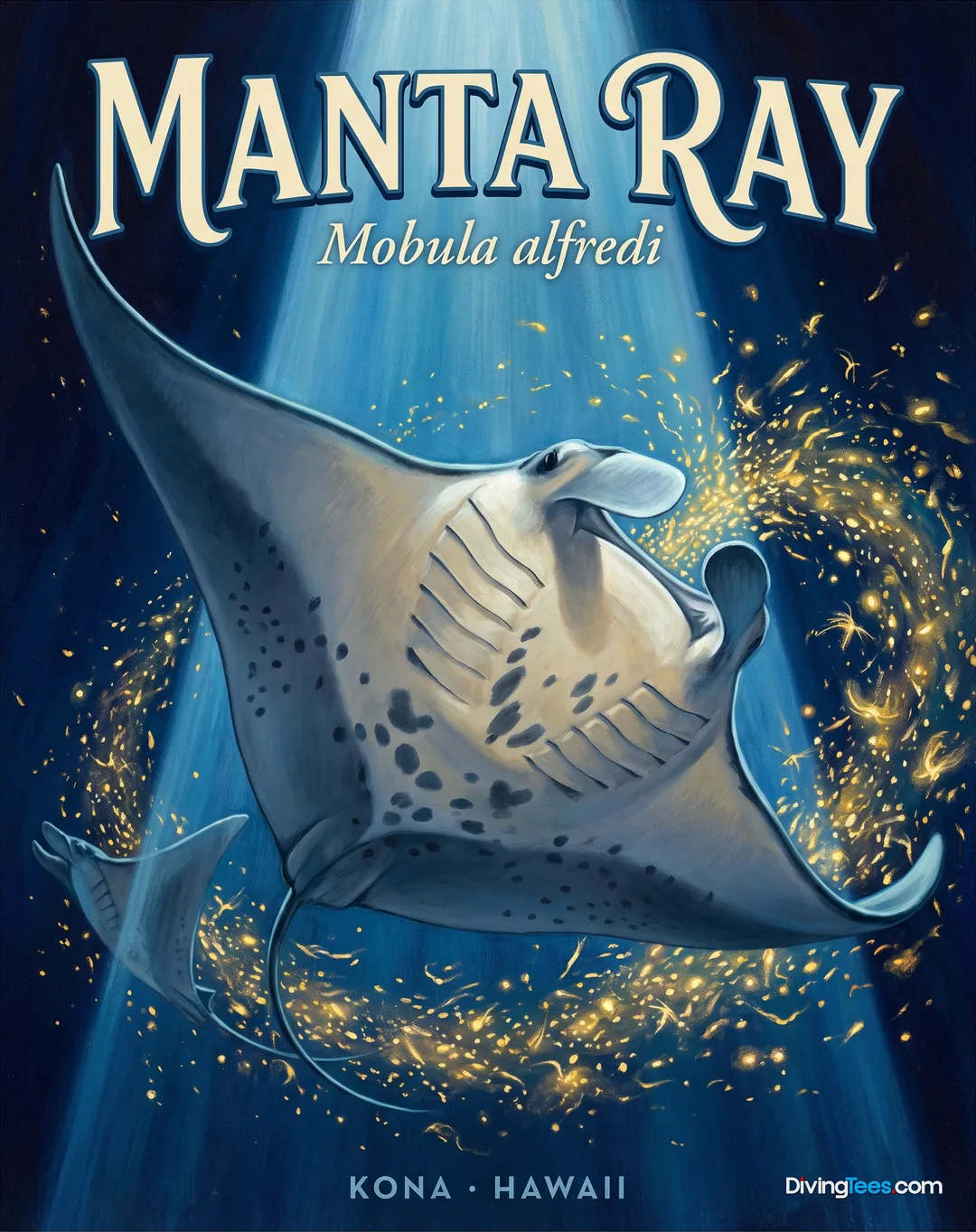
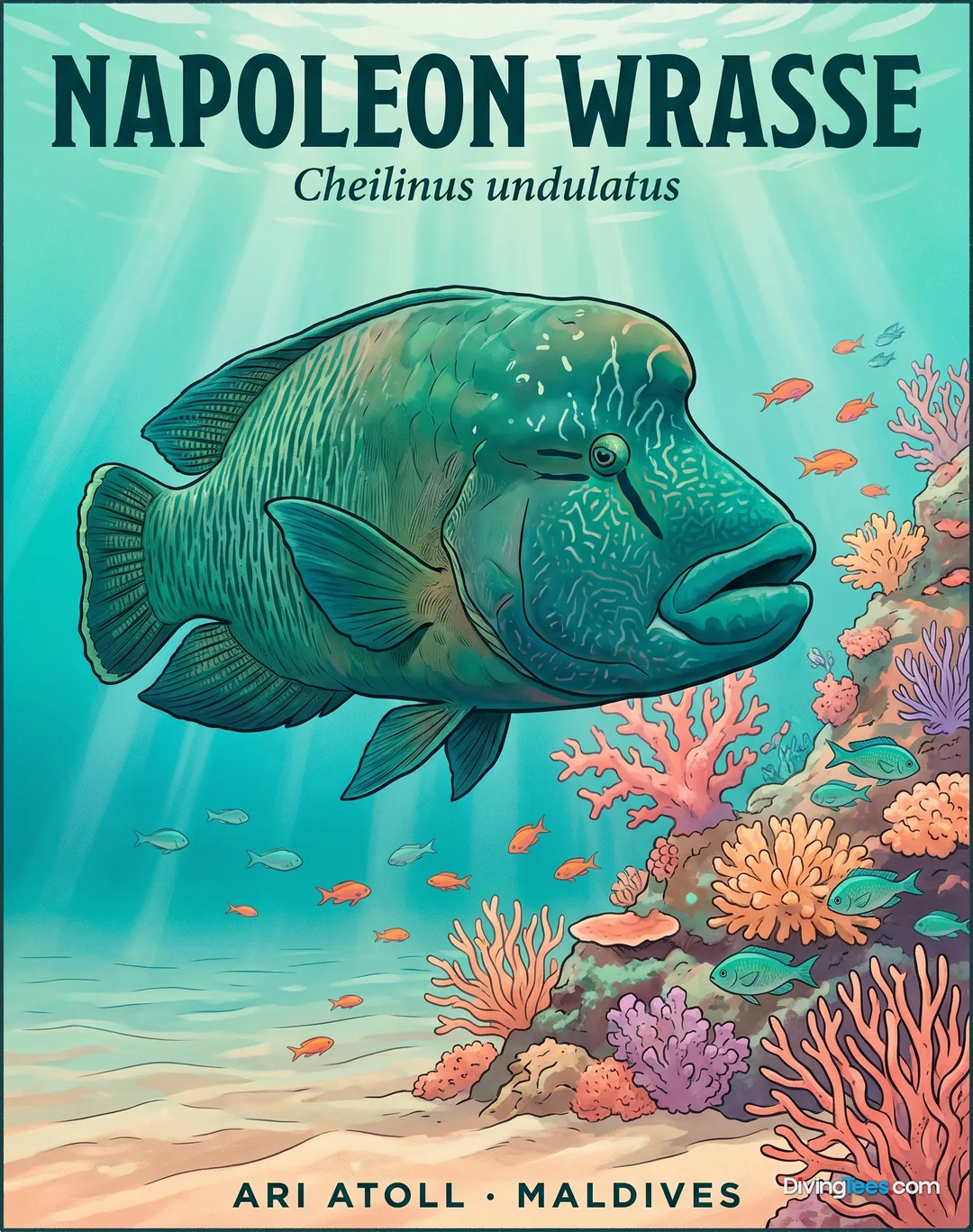
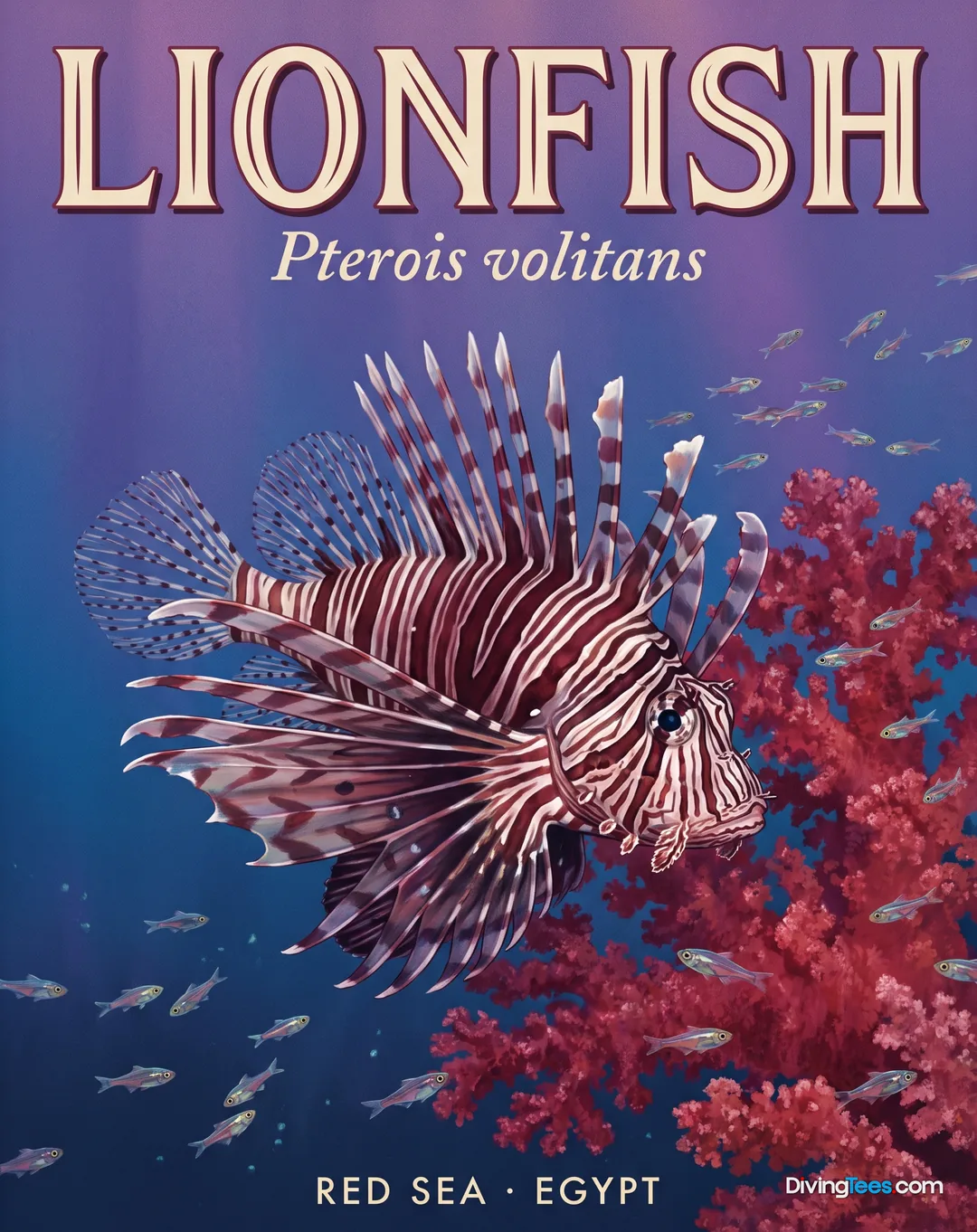
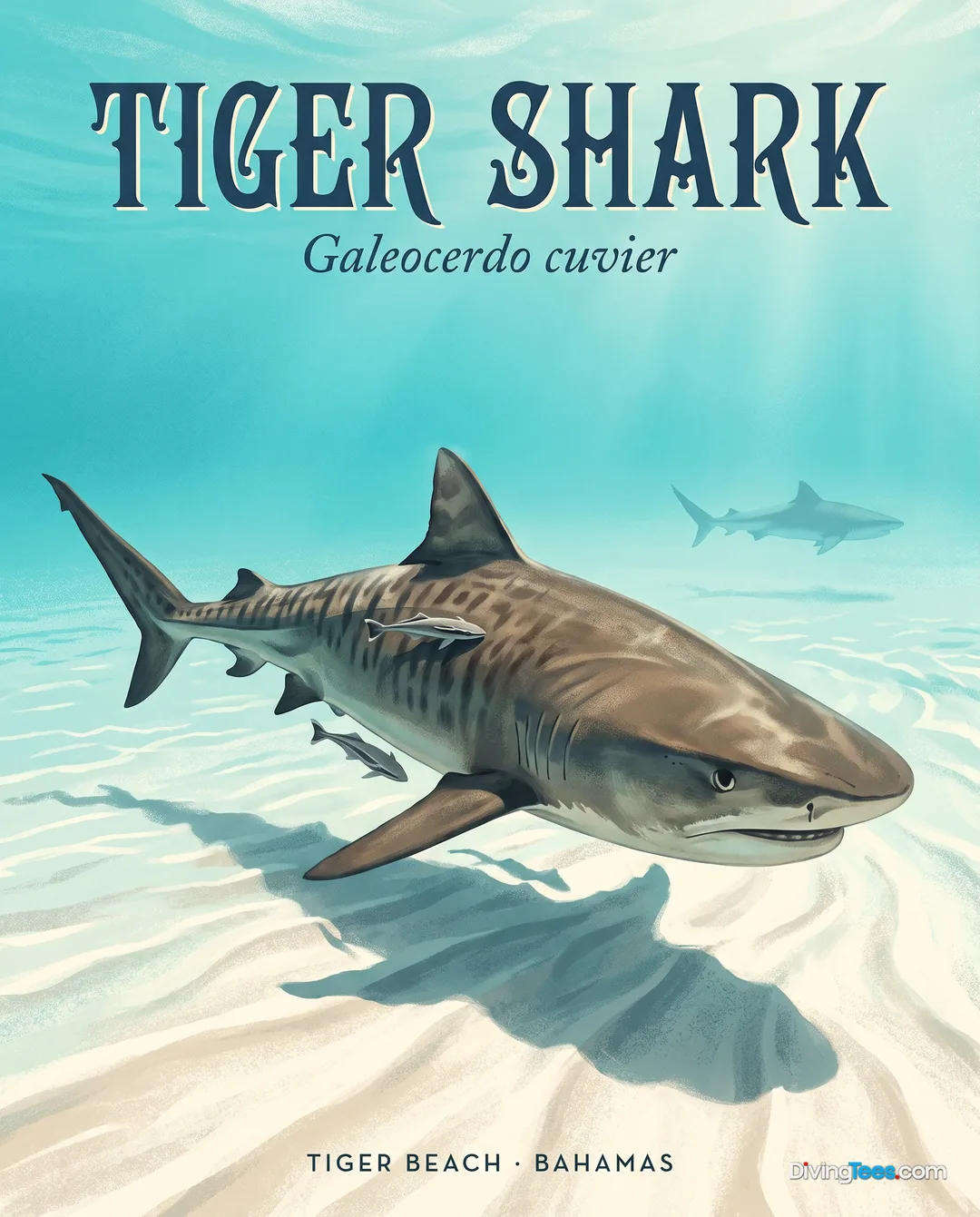
The recurring cast is large enough to keep a week varied: reef sharks, tuna, trevally and morays are recorded across much of the route, joined by dolphins, Napoleon wrasse, hammerheads, manta rays, turtles, barracudas, soft corals, lionfish and scorpionfish. Current and exposure are part of the appeal on the offshore sites, where pelagic encounters are possible rather than promised. The single-site sightings give the itinerary its sharper edges. Elphinstone is the place for a blacktip reef shark, tiger shark or giant trevally alongside its oceanic whitetips. Brothers Islands is the recorded site for anemones and a concentration of isolated reef life. Fury Shoals is where a baliste is listed. Umm Gamar offers gaterins, batfish and crocodilefish, while Shaab Abu Nuhas is the place for glassfish and butterflyfish. Fanadir North is the site associated with stonefish. Shaab Ruhr Umm Gamar stands out for giant grouper and the remains of at least three wrecks on its plateau.
Who puts you in the water
Two experienced dive guides lead the diving, with a guide-to-diver ratio of 1:1. The crew speaks Arabic, English and German. The minimum entry level is Open Water Diver or equivalent, with at least 20 logged dives, so the boat is not aimed at a first-ever dive holiday. Briefings and group organisation are handled around the guides and the conditions at each site; the inflatables allow divers to be collected away from the main vessel when current or geography demands it. The operation is equipped for technical diving, including trimix, rebreathers and oxygen. Full boat safety equipment, radar, GPS, plotter, depth sounder and marine radio support the navigation side. Nitrox, deep, drift and night-diver training are available as paid courses.
The dive deck and the gear
The dive operation is arranged for repeated diving, not occasional holiday use. The standard cylinders are 12-litre aluminium tanks with both DIN and INT fittings; 15-litre air tanks can be arranged for an additional charge. A Bauer II Marine Compressor setup with two 250-litre compressors and one 150-litre compressor handles filling, while the 600-litre membrane system produces nitrox. Nitrox is available at extra cost, and trimix is available for technical diving. The boat supports rebreathers and carries oxygen for technical operations. Two inflatables, each with a 40 HP outboard, take divers to the reef and collect them after the ascent, which is especially useful on current sites. On deck, photographers get a camera table, dedicated camera storage, charging stations and separate rinse tanks. Rental equipment is available for an additional charge, including BCDs, regulators, computers, SMBs and full sets.
Between dives
Between dives, the boat gives divers three different ways to come off the deck. The shaded main deck is the useful middle ground: protected from the sun, open to the air and close to the dive operation. The upper sun decks suit those who want to dry out, read or watch the reef disappear astern. The air-conditioned saloon is the retreat when the heat has done enough. Free Wi-Fi, a bar and audio-video entertainment are there, but most surface intervals are better spent with a camera in the charging station, a towel under the shoulders or a quiet look over the water. When the schedule allows a beach stop, the barbecue changes the setting. On other legs, the boat's movement is the background while the next dive is prepared.
A day on board
A day starts with the first briefing before the heat builds, followed by the first descent while the reef is still ahead of the day's traffic and glare. Divers return to the deck, hand cameras to the rinse area, eat, drink and get ready again. The next dive follows after the surface interval, then another after the midday meal; on suitable itineraries, a fourth dive or a night dive closes the underwater part of the day. There is no need to invent a clock to understand the rhythm: briefing, descent, recovery, food, sleep, and back to the deck. During the gaps, the boat may move to the next reef, or the group spreads across the shaded deck and the sun decks. Evening food, camera checks and the next site's briefing come before the boat quiets down for the next early start.
What you eat aboard
Saed runs the galley as well as serving as captain, and the food follows the needs of a dive week rather than a restaurant timetable. Full-board meals combine Western and local cooking, with hot and cold soft drinks, tea, coffee and snacks available through the day. Alcoholic drinks and spirits are available on board but are not part of the standard inclusions. Meals do more than fill the gaps: after a current-swept wall or a deep reef, divers need something substantial before the next briefing, while snacks keep the surface interval from becoming a search for food. A beach barbecue is also included on suitable routes. The table becomes the place where the group compares sightings, checks the next site and gets back into the water without turning every meal into an event.
Nights at sea
The night begins in a cabin with air conditioning, a fridge, music player, storage and a private bathroom with a large shower cubicle. Standard Cabins sit on the lower deck with twin beds; the Honeymoon Suites are on the upper deck with double beds, while the Executive Suite is on the main deck and has a double bed with a twin bed. The wood and the renovated interior give the accommodation a more settled feel than a bare working vessel. Large cupboards matter after several days of dive equipment, wet clothing and camera batteries. A weekly supply of two large and two small towels per guest keeps the cabin practical rather than precious. When the boat is settled at a reef, the main sound is the machinery that keeps life aboard running; the point of the cabin is to close the door, cool the room and sleep before the next descent.
Standard Cabin (#1-6)
Honeymoon Suite (#7-9)
Executive Suite (#10)
What to know before boarding
Departures and returns use Port Ghalib on the listed southern routes, while one recorded Brothers–Daedalus–Elphinstone itinerary runs from Port Ghalib to Hurghada. Airport and hotel transfers are included. Transfer arrangements are given with the booking details for the chosen trip. Arriving the night before is sensible, especially for an early embarkation or an international flight.
- Year built
- 2004
- Year renovated
- 2023
- Length
- 36 m
- Beam
- 8 m
- Maximum number of passengers
- 20
- Number of cabins
- 10
- Engines
- MAN Turbo, 2 × 550 hp
- Tenders
- 2 inflatables with 40 hp outboard motors
- Website
- divesaphir.com ↗
Hello, I'm Marina, DivingDeal.com's AI assistant. I answer in detail about hotels, dive centres and liveaboards.
Thinking about the whole trip and the flights? Talk it over with Edith →
Marina is an AI. Some links are affiliate links: DivingDeal may earn a commission, at no extra cost to you. Bookings are made with the partner.