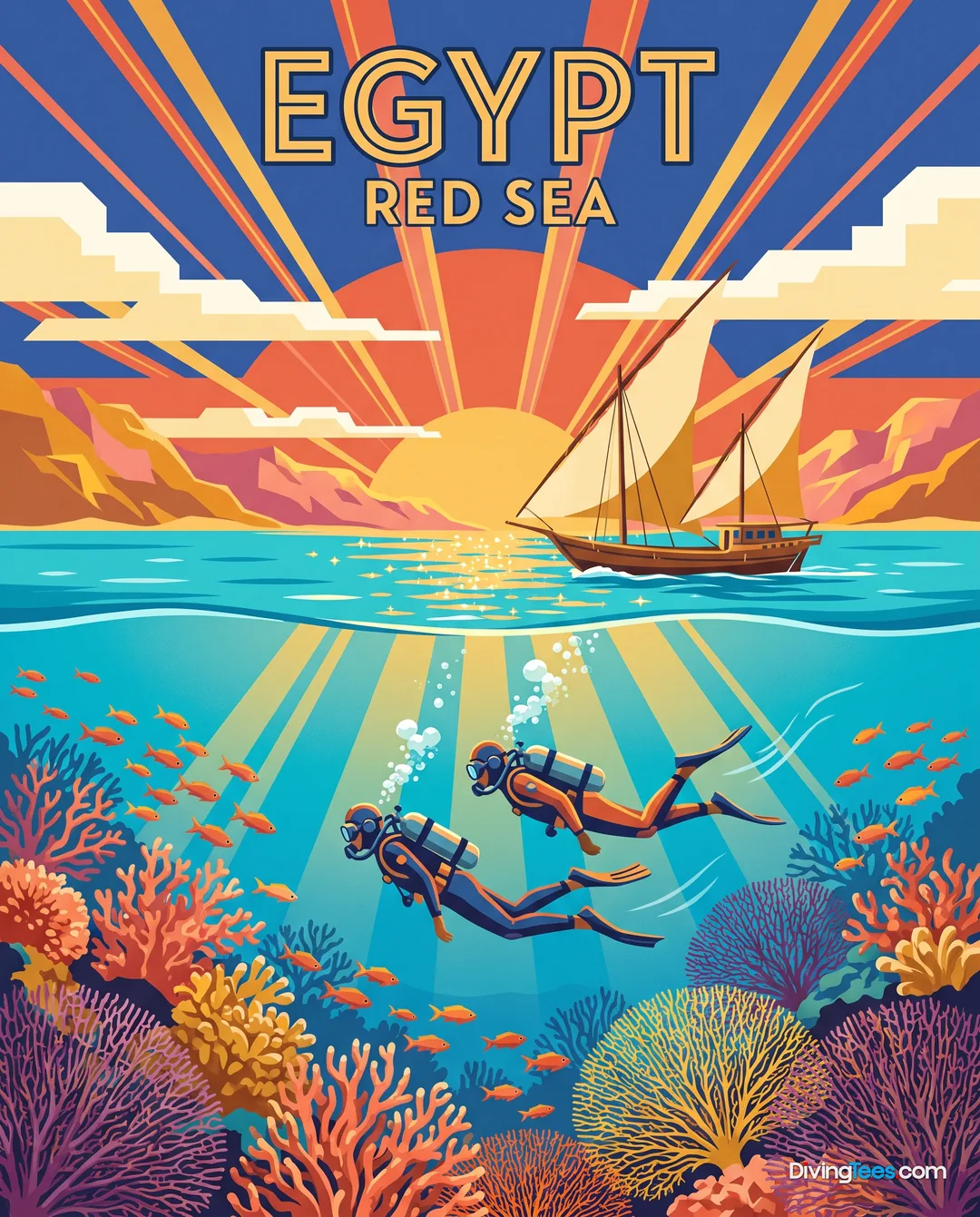
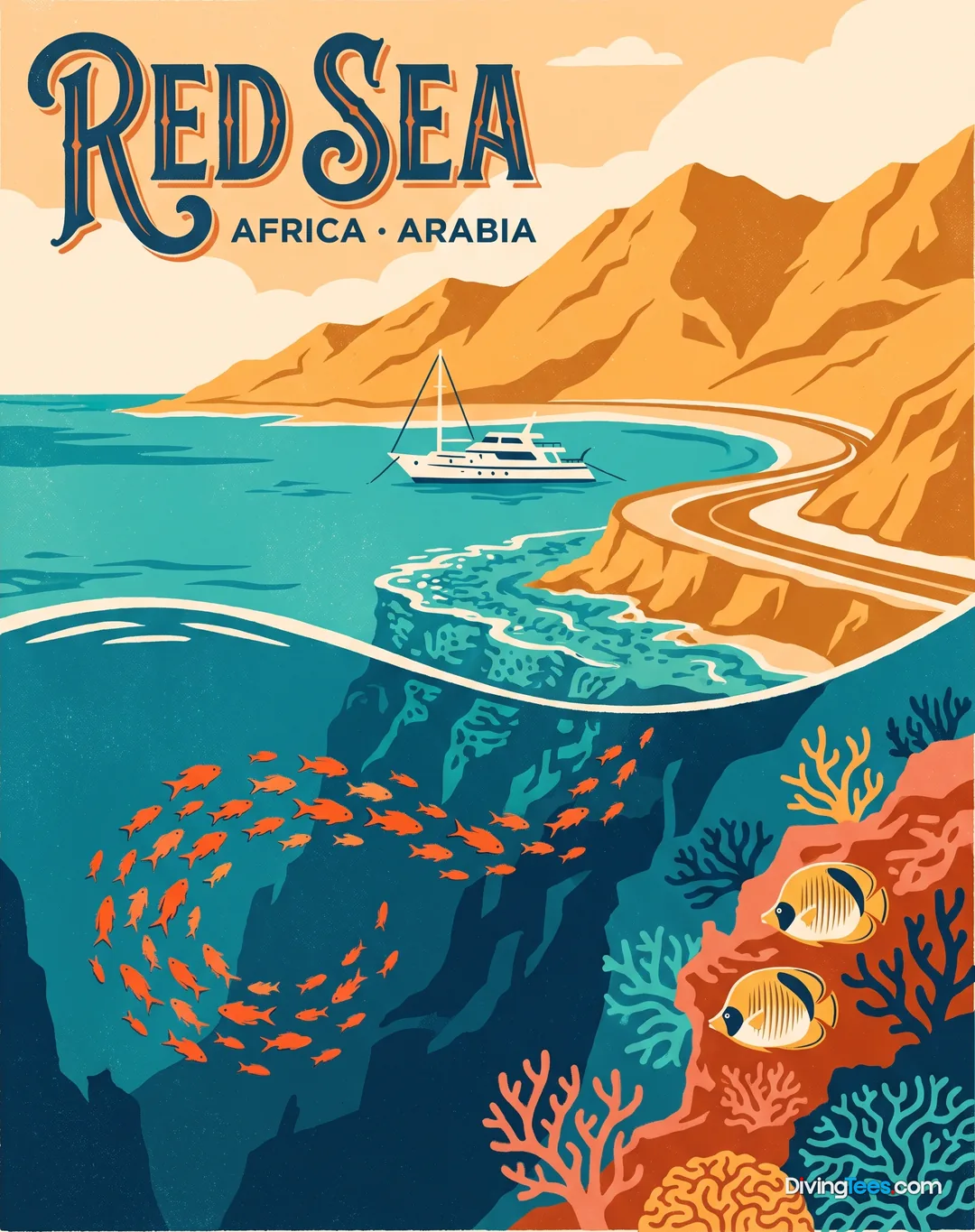
Liveaboards · Egypt
Iceberg — a small Red Sea liveaboard built around the diving
What makes this boat unique
- Iceberg takes a maximum of eight passengers in four cabins.
- The boat was built in 2012 and renovated in 2023.
- Free nitrox, DIN adapters, shaded dive space and night dives are included.
- Routes run from overnight trips to five-day wreck and reef itineraries from Hurghada.
- The crew speaks English, German and French.
For subtitles in English: start the video firstthen click the gearat the top right of the video, select “Subtitles/CC”, then “Auto-translate” and choose “English”.
The invitation
Iceberg is for divers who would rather know the whole boat by name than disappear into a large group. With space for eight passengers, the crew can adjust the trip to the group’s level and interests instead of forcing everyone into the same profile. That matters on a Red Sea route mixing wrecks, walls, shallow coral gardens and sites where current changes the character of the dive. The boat also makes sense for a mixed group: non-diving guests and snorkellers are welcome, while divers get free nitrox, night dives and a setup designed specifically for diving. The strongest reason to choose Iceberg is the combination of a small group and human attention. It is a compact platform for reaching Abu Nuhas, Thistlegorm, the northern Hurghada reefs and, on suitable routes, deeper wrecks and stronger-current sites.
Boarding
Iceberg arrives as a compact, purpose-built dive boat rather than a floating resort. Its 2023 renovation gives the interior a more recent working life, while the small passenger capacity keeps the spaces personal from the first walk aboard. Movement is straightforward: cabins are on the lower deck at the front, the salon is indoors and air-conditioned, and the upper areas open onto a terrace and observation deck. The shaded dive area is where the boat’s character becomes clearest. This is a vessel organised around getting divers ready, into the water and back aboard without turning every surface into a crowd. The crew speaks English, German and French, and the layout suits a group that wants to spend its time diving rather than navigating a large ship.
The atmosphere on board
Iceberg’s atmosphere is shaped by the fact that eight passengers are the entire guest group. The crew can respond to the divers in front of them, including their level, pace and appetite for wrecks, reefs or naturalist stops, rather than treating the boat as a fixed conveyor belt. English, German and French are spoken on board, which helps keep briefings and ordinary conversation clear across an international group. The crew’s role is most visible in the small decisions: adapting the route to the group, keeping the dive operation moving and making room for non-divers and snorkellers without taking the boat away from its main purpose. Evenings can stay outdoors on the terrace or move into the air-conditioned salon. This is a social boat by scale, not by forced entertainment.
The sites you’ll dive
The routes start with Overnight Diving & Snorkelling, a two-day, one-night trip, and extend to five-day, four-night Hurghada North departures and the Special Wreck Trip covering Thistlegorm, Abu Nuhas and Small Gobal. Abu Nuhas compresses four distinct wrecks into one area. Thistlegorm reaches -32m, with preserved wartime cargo holds, while the separate Thistlegorm Wreck write-up gives a maximum of -31m for its World War II museum of steel, relics and fish. Ulysses lies at -27m; Rosalie Moller drops between 30 and 50 metres in the Straits of Gubal. Shaab Ruhr Umm Gamar and El Fanadir both reach -40m, one moving from an oval reef to pinnacles and at least three wreck remains, the other following a wall to a cleaning station. Shaab Sabina is a shallow -14m coral maze; El Fanous West reaches -15m, El Fanous East -18m, and Carless Reef -40m. Rocky Island brings strong current and pelagic potential, while Shaab El Erg is a Red Sea reef site known for dolphins.
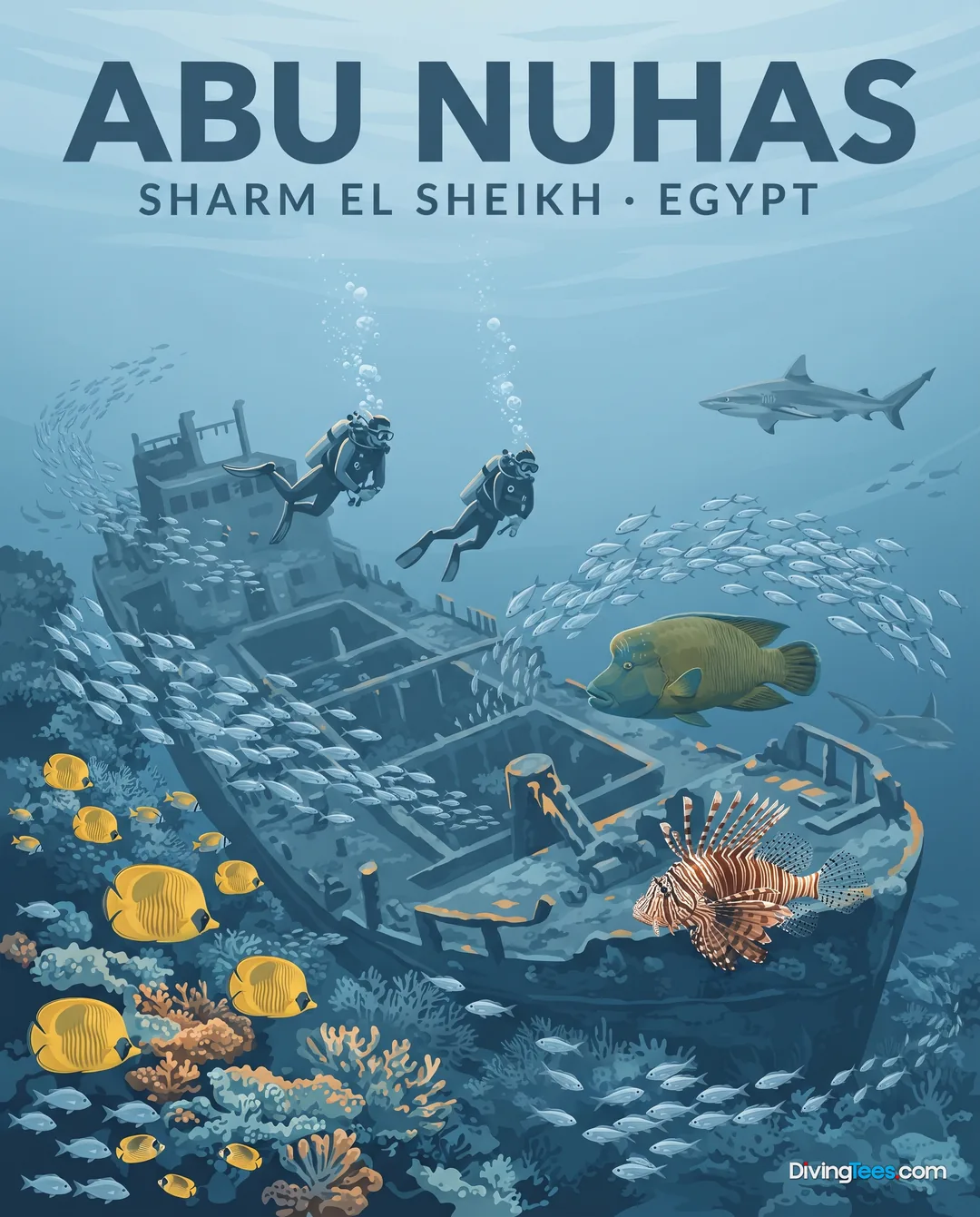
Abu Nuhas →
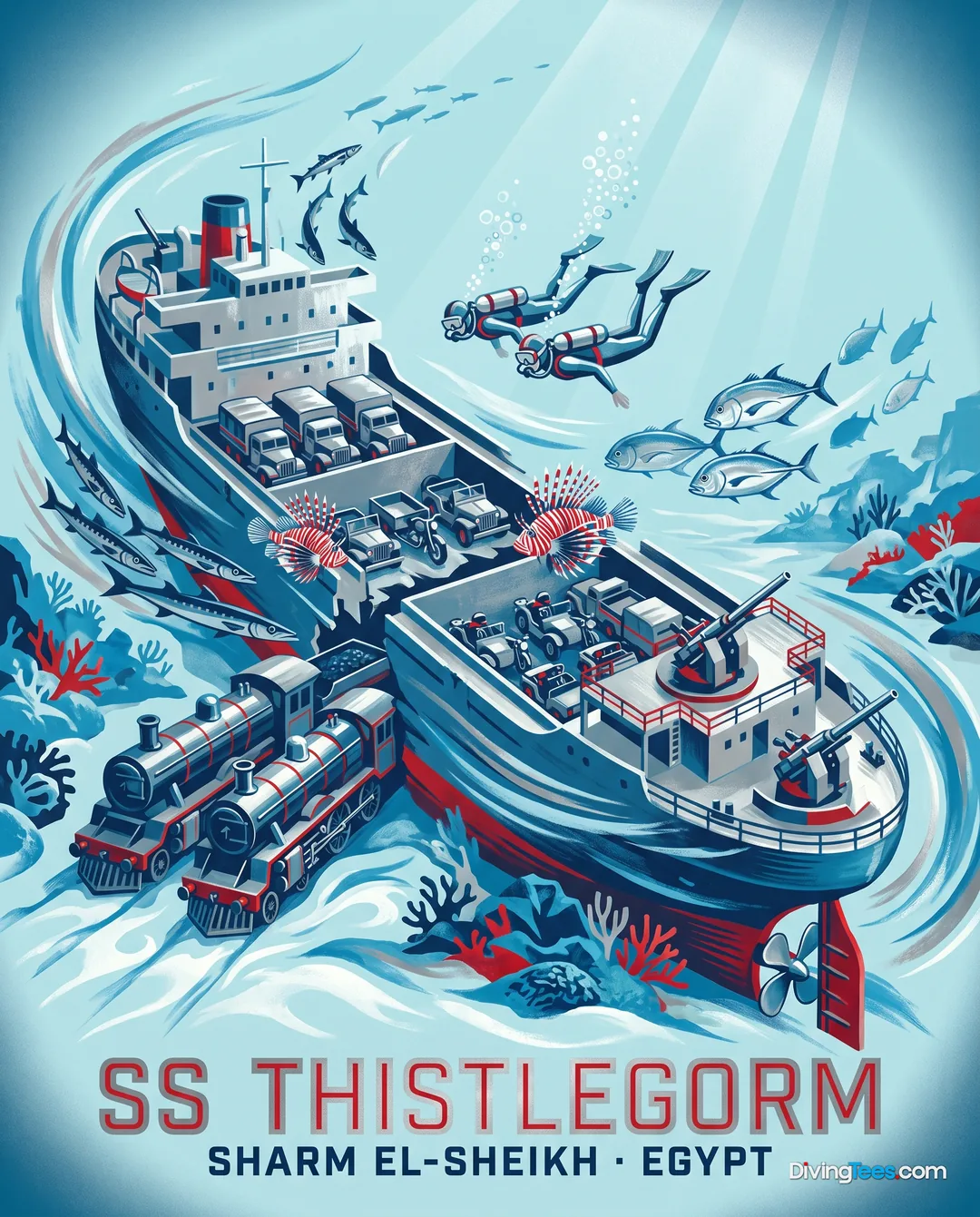
Thistlegorm Wreck →
Max. depth · 31 m
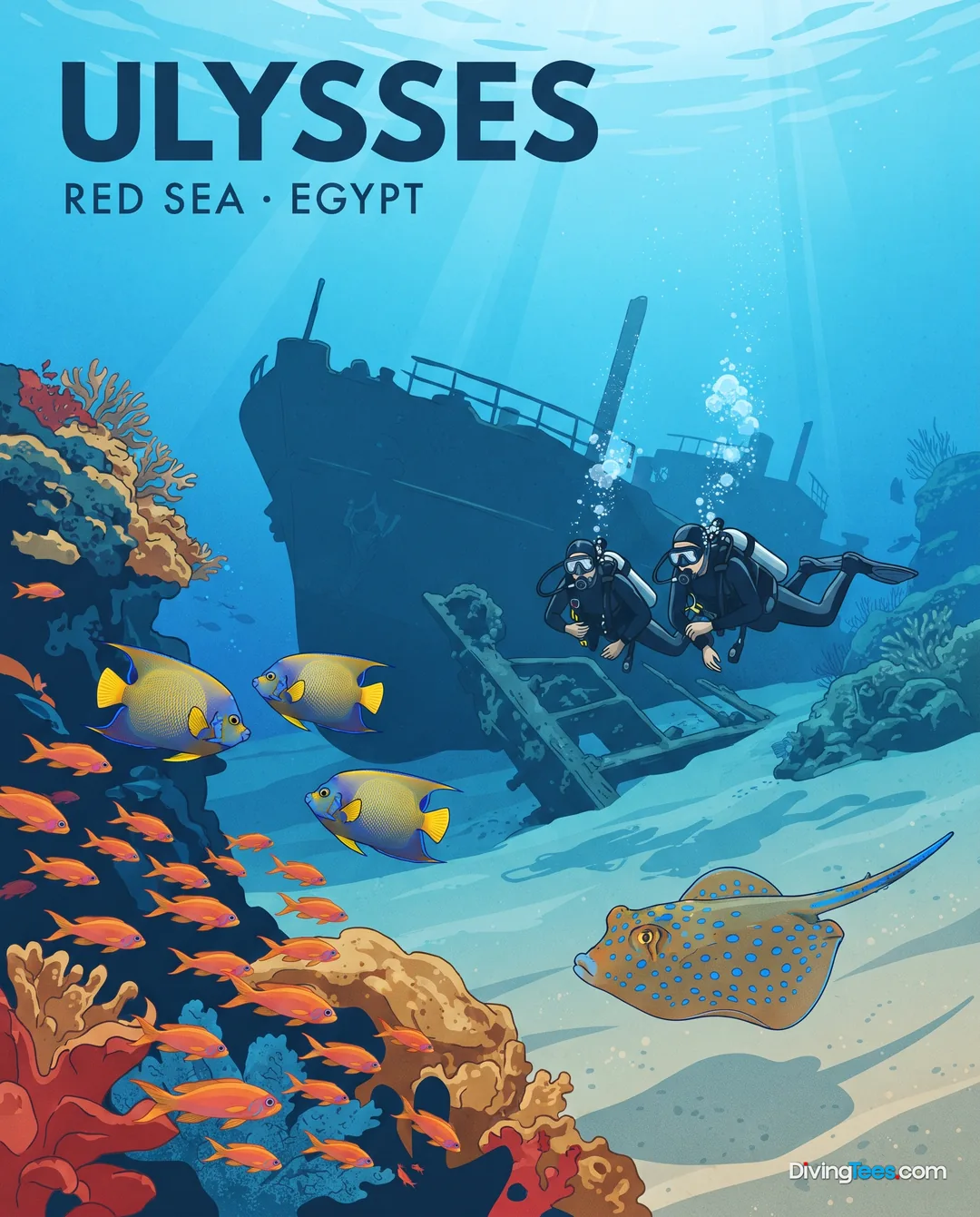
Ulysses →
Max. depth · 27 m
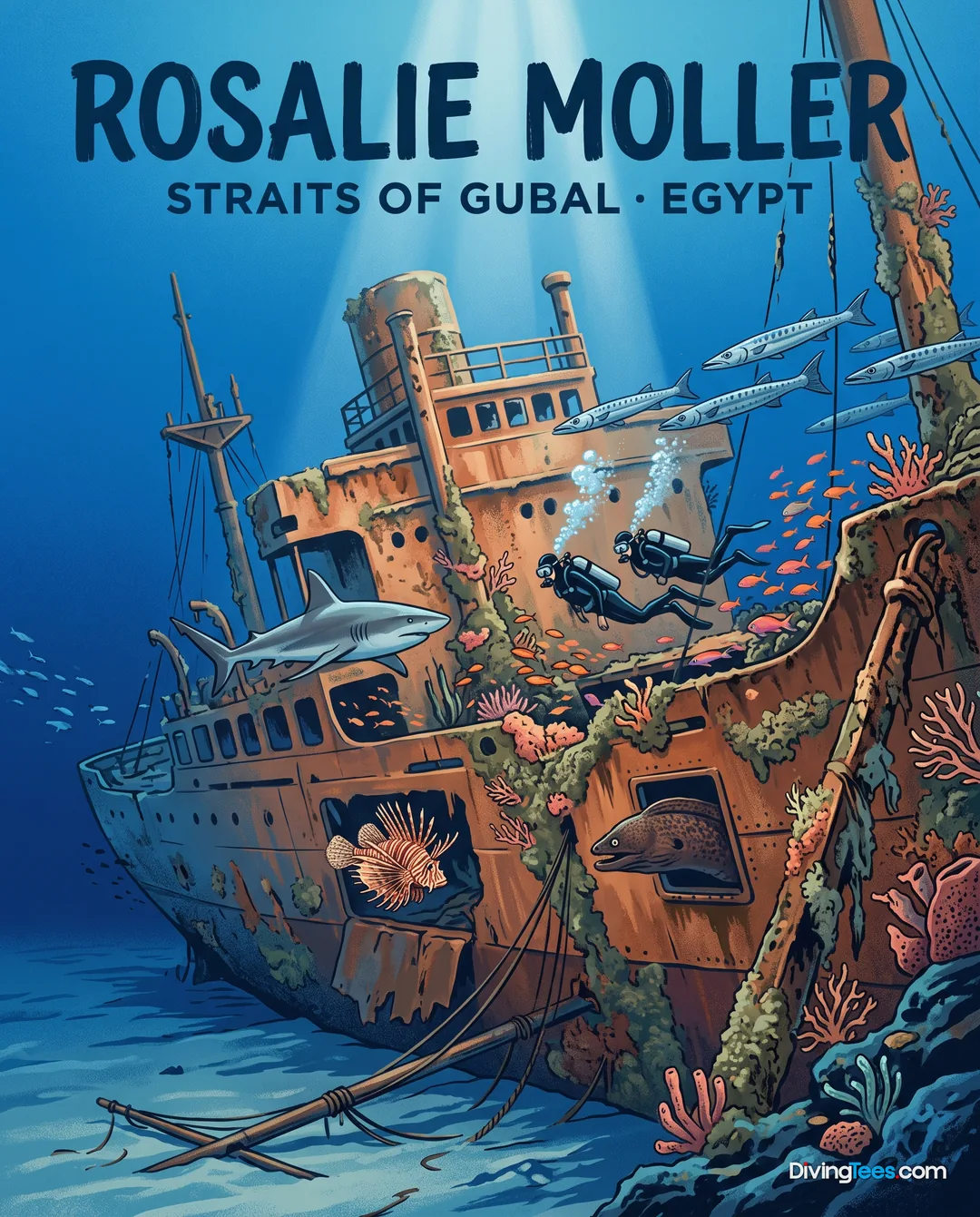
Rosalie Moller →
Max. depth · 50 m
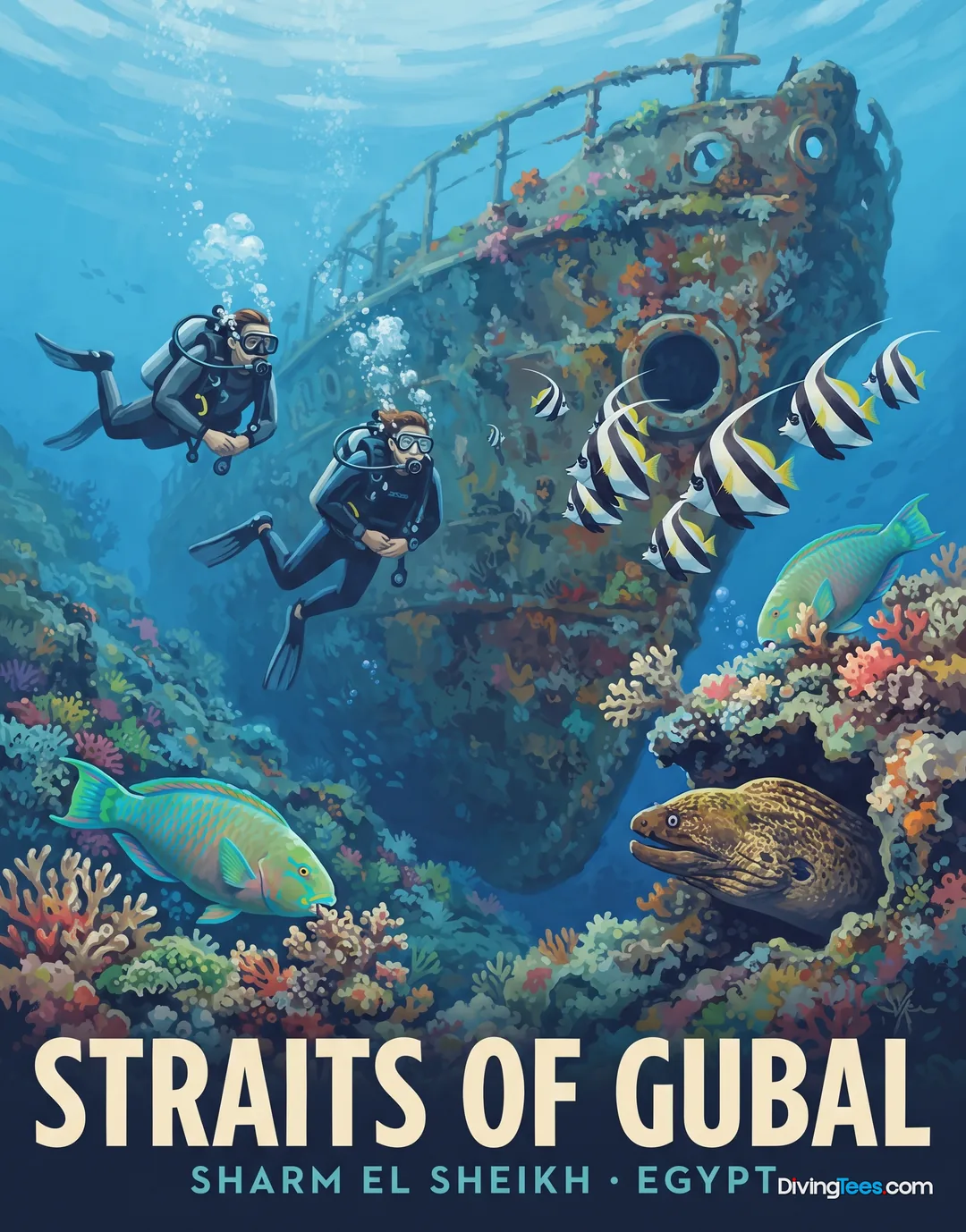
Straits of Gubal →
Max. depth · 50 m
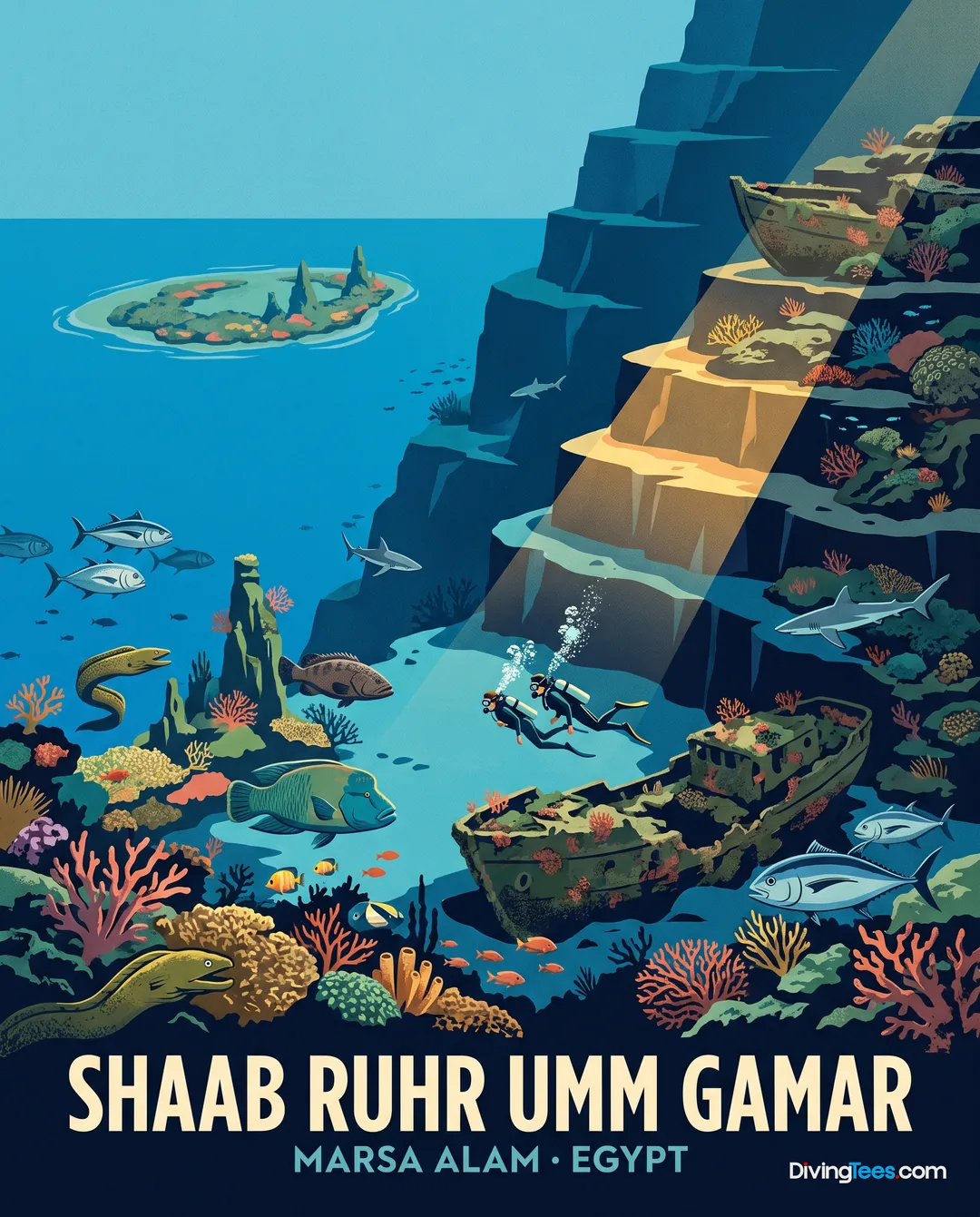
Shaab Ruhr Umm Gamar →
Max. depth · 40 m
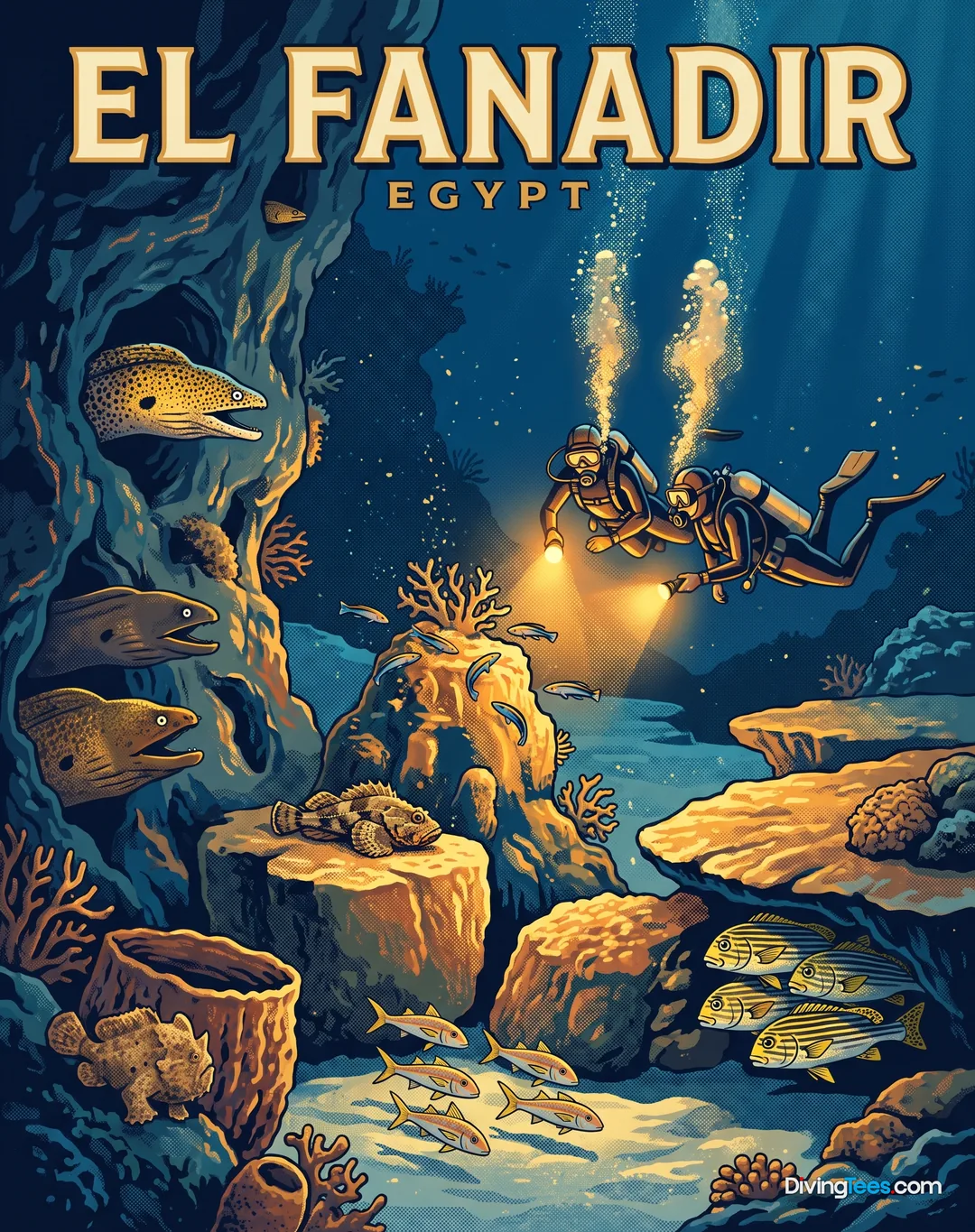
El Fanadir →
Max. depth · 40 m
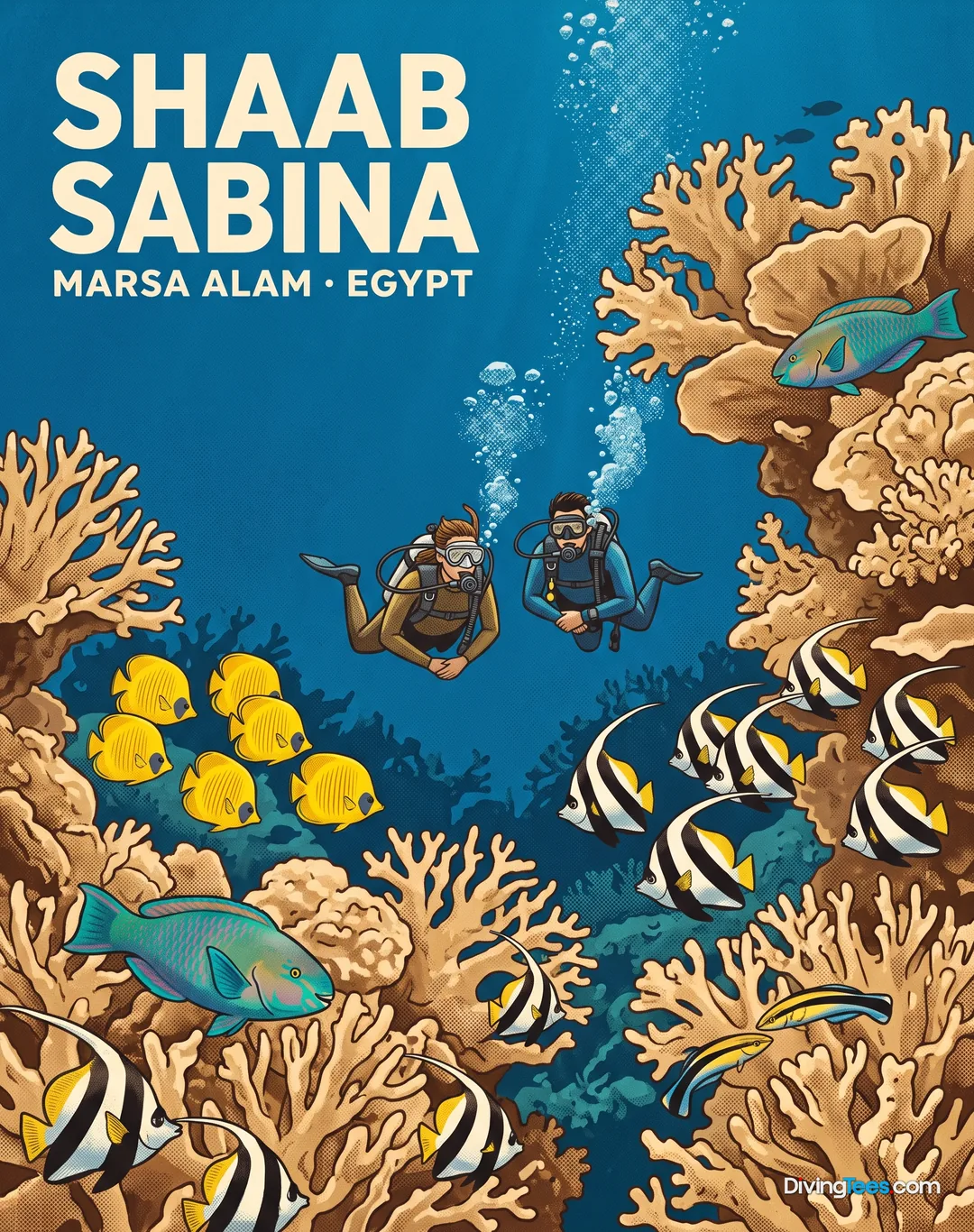
Shaab Sabina →
Max. depth · 14 m
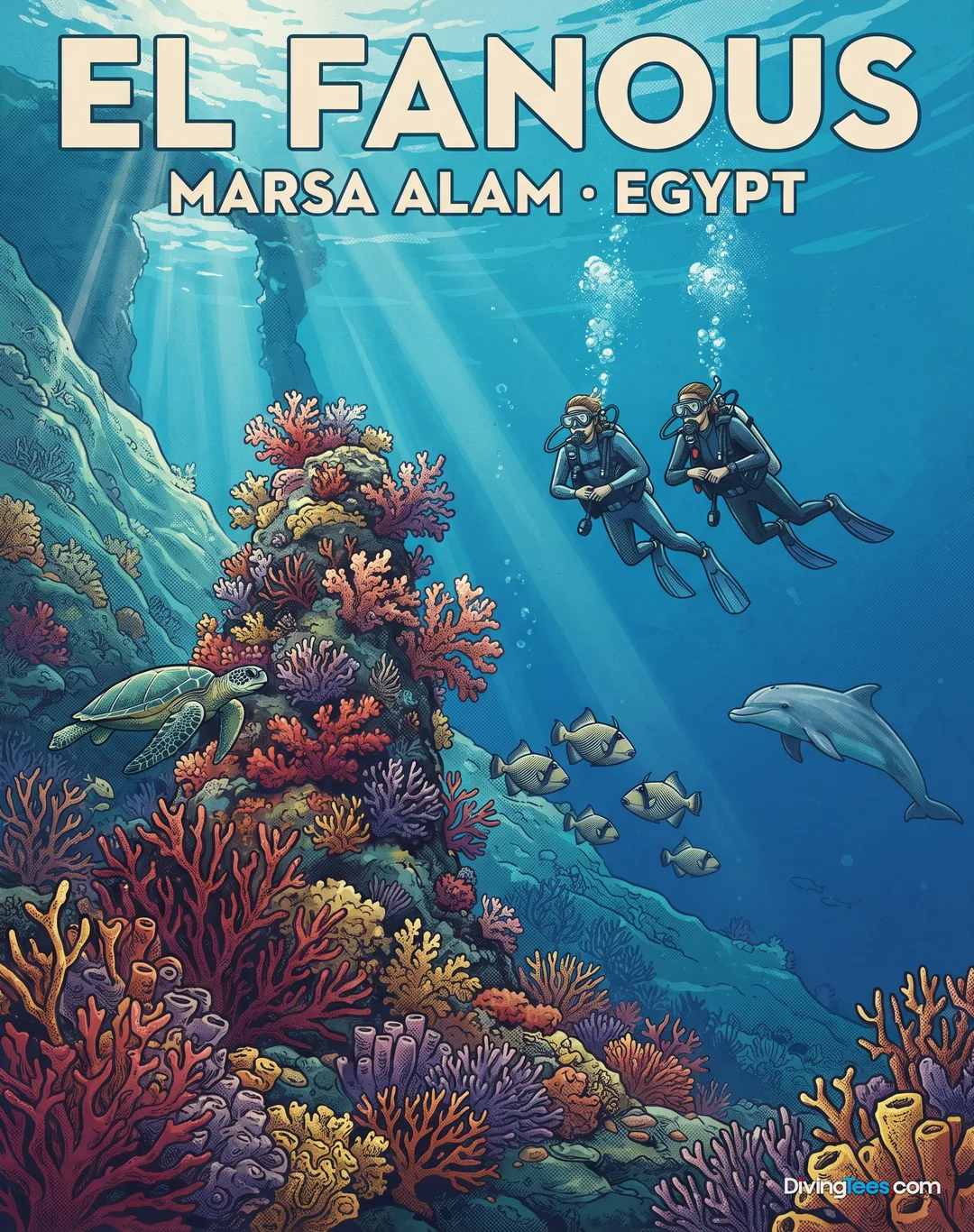
El Fanous →
Max. depth · 27 m
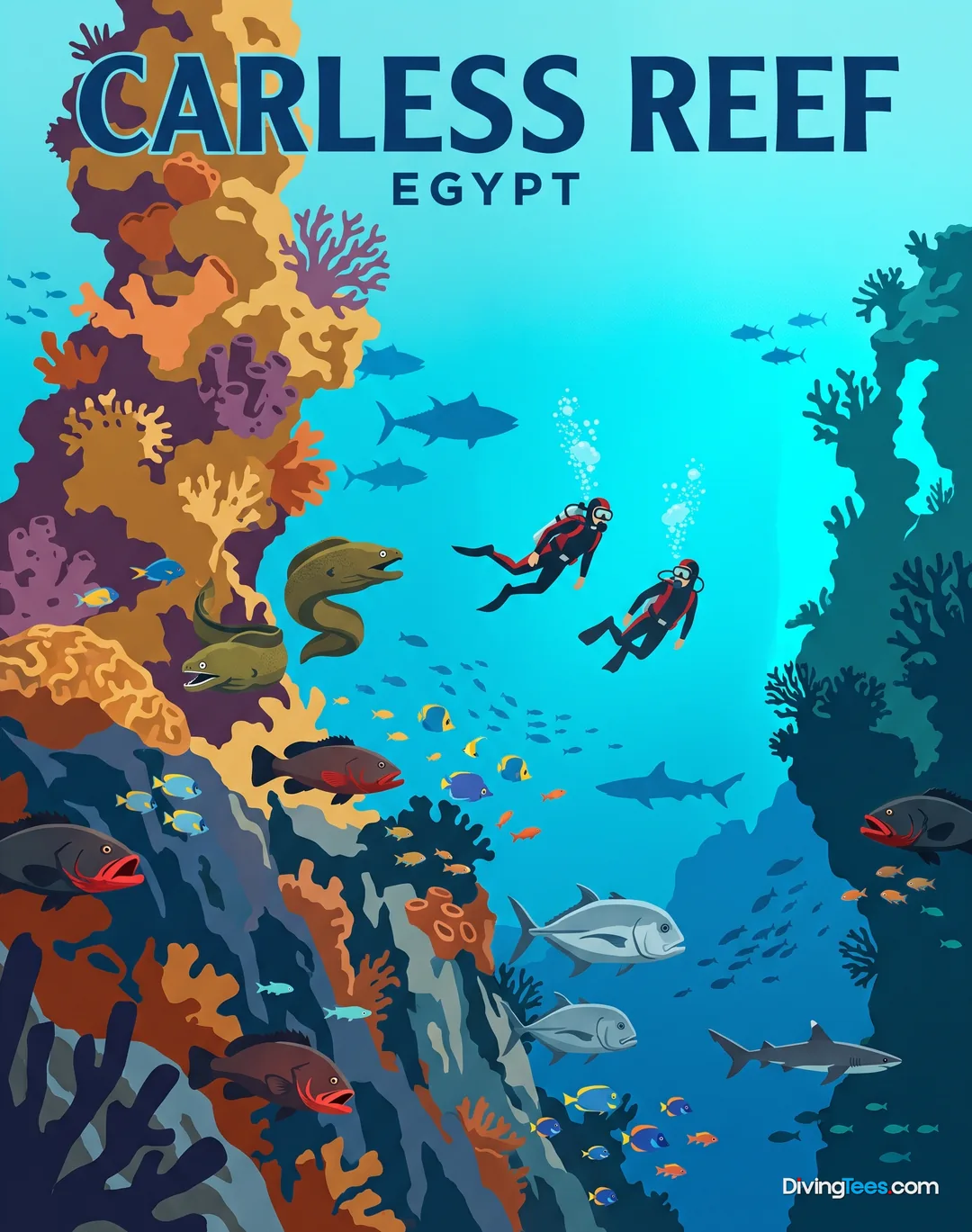
Carless Reef →
Max. depth · 40 m
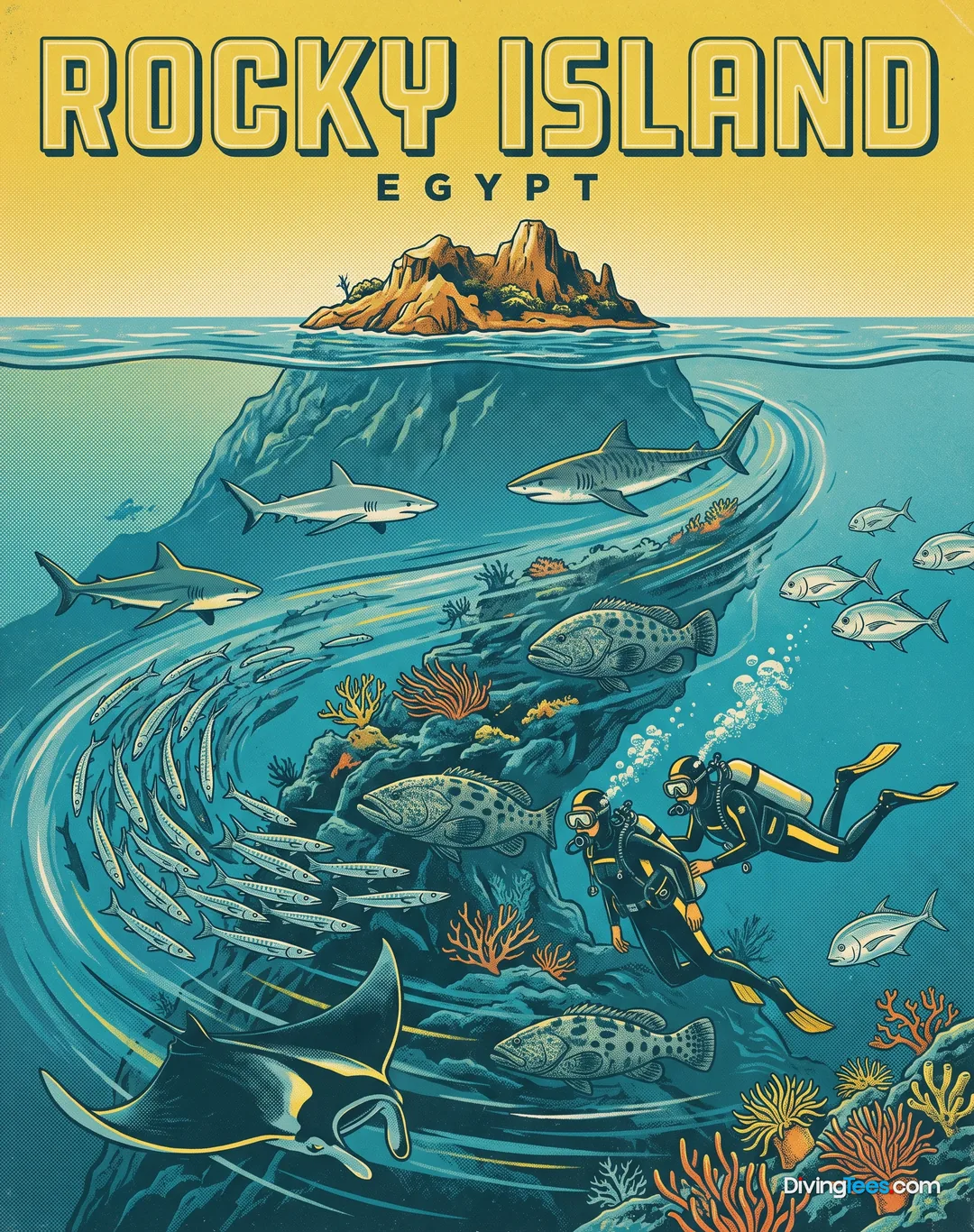
Rocky Island →
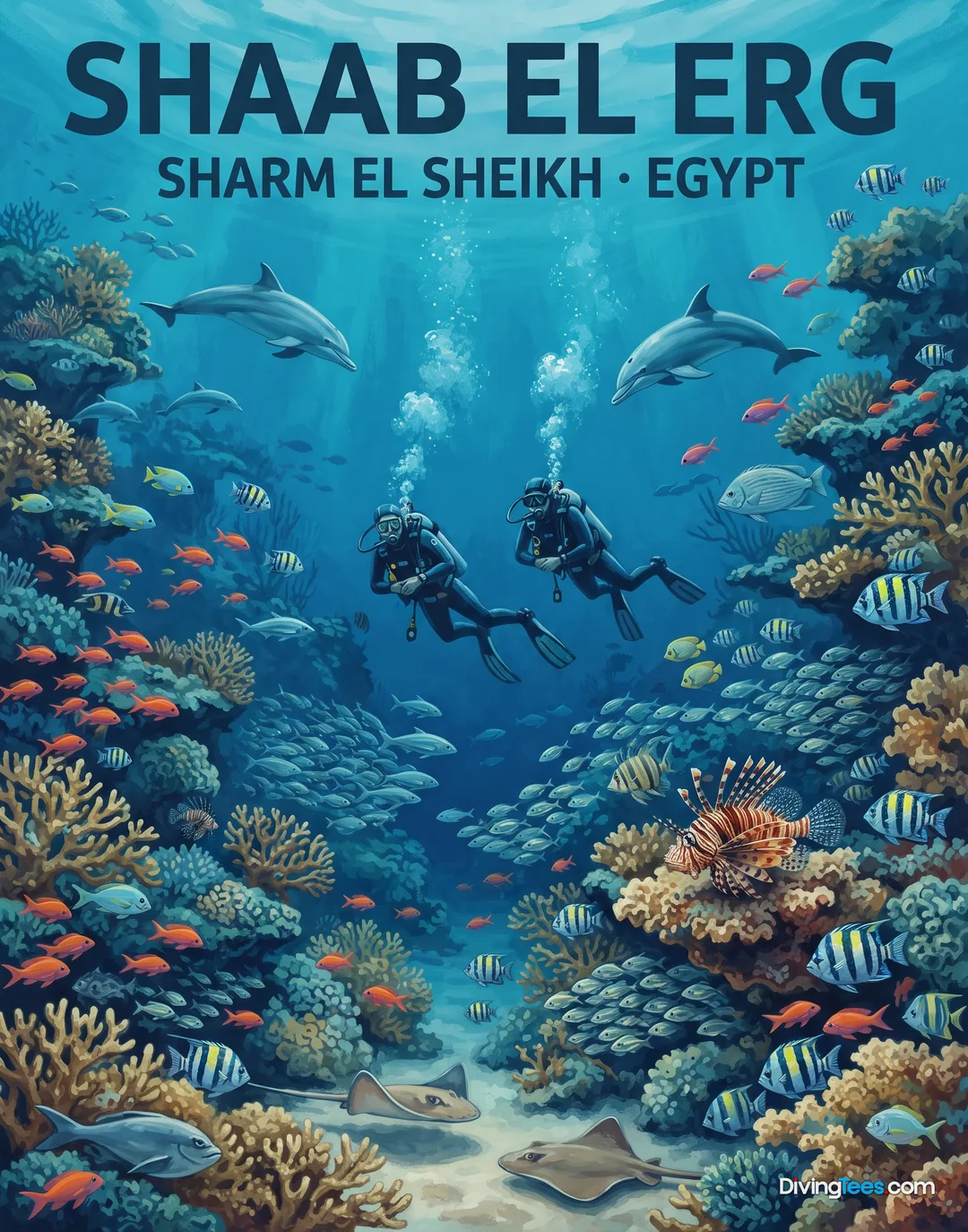
Shaab El Erg →
Itineraries, dates and prices
Prices per person. Each month shows its lowest price: click a month, or pick an itinerary.
Next departures · 88 departuresfrom £151$201€180
November 2026
See dates and prices
If you click these links and make a purchase on the partner site, DivingDeal may earn a commission, at no extra cost to you.
Dates and prices taken from Divebooker and liveaboard.com, updated 25 October 2026
What you’ll meet underwater
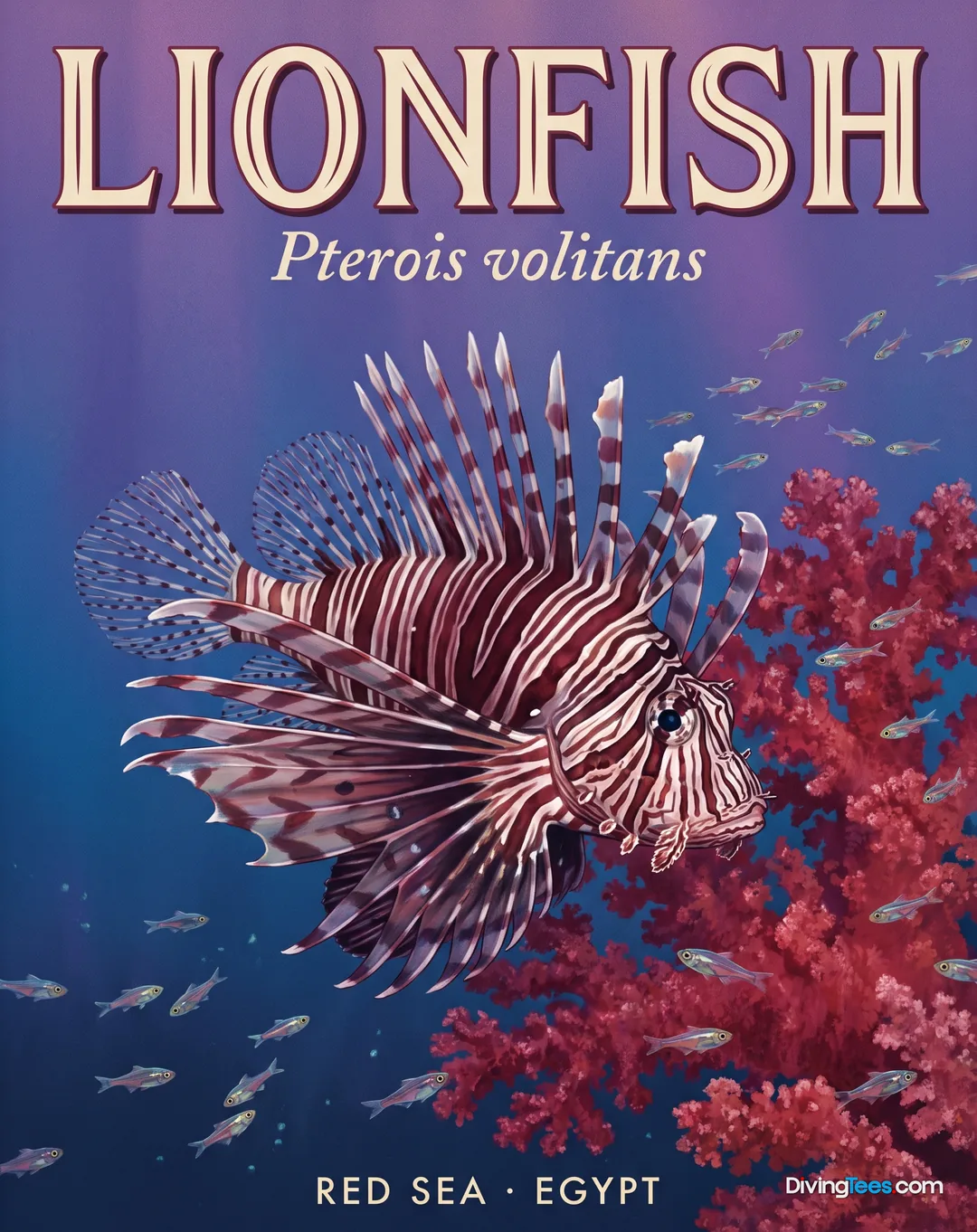
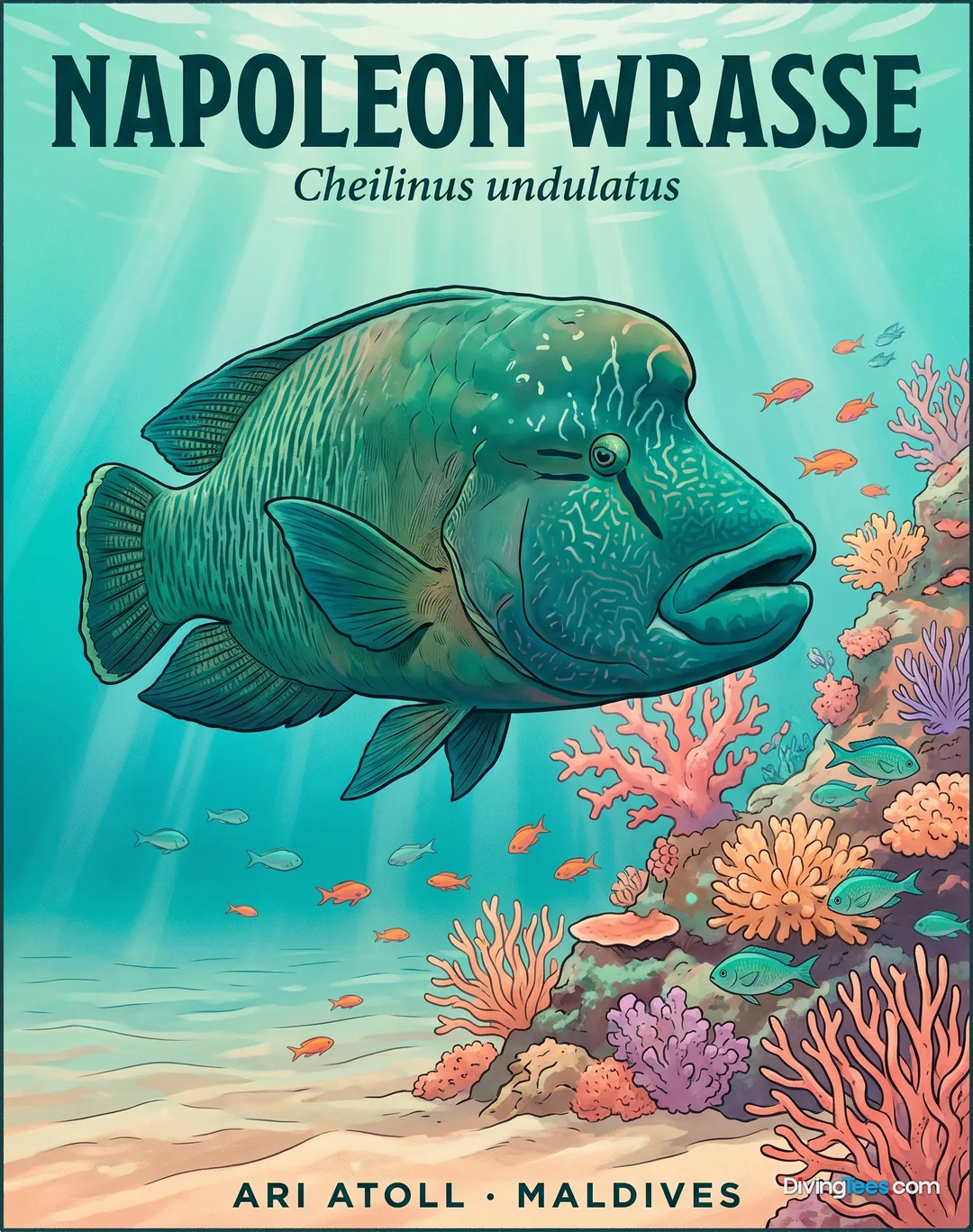
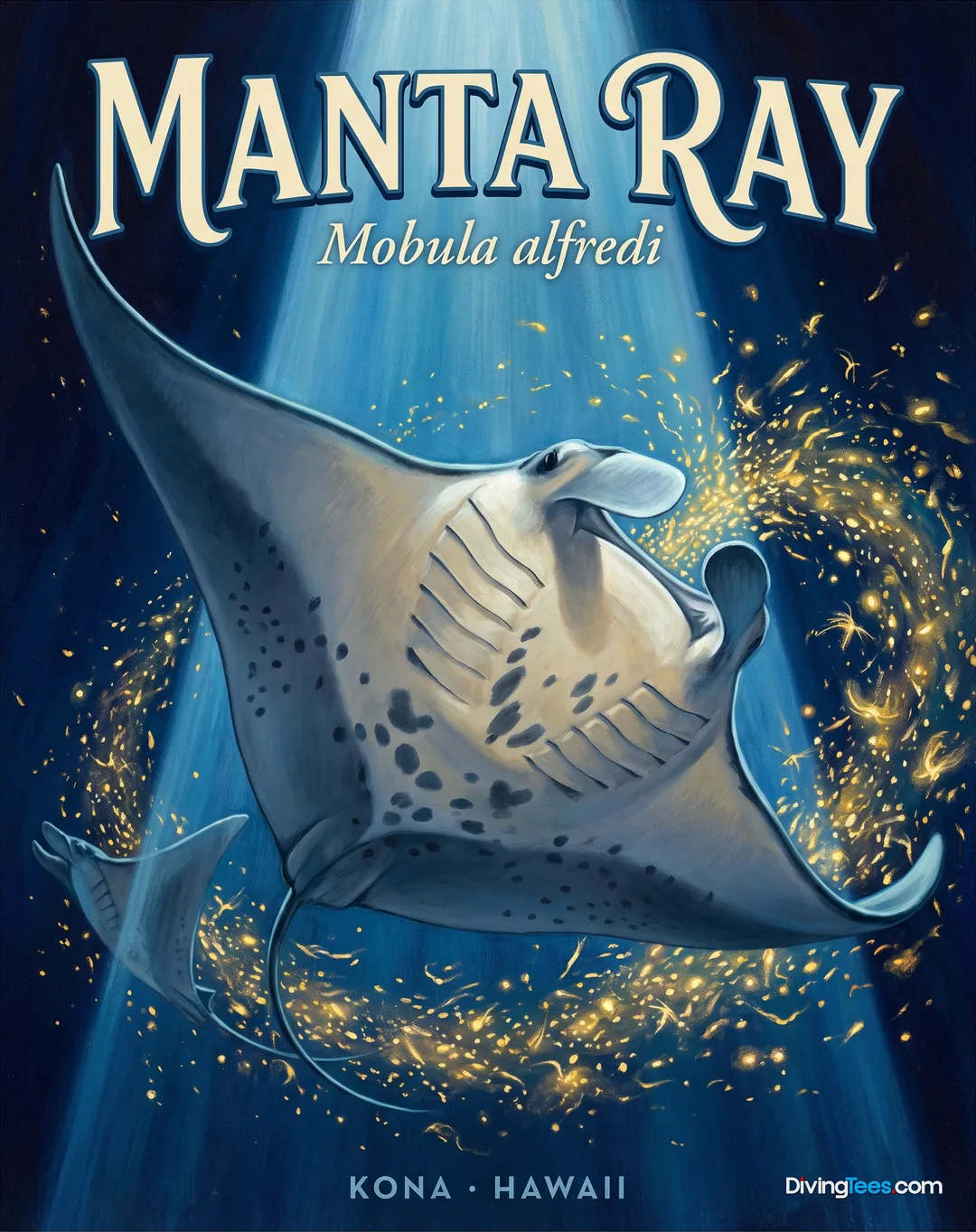
Across the route, expect the Red Sea’s regular cast rather than one single headline animal: carangue, murènes, reef sharks, tunas, rascasses, lionfish, turtles, barracudas, groupers, Napoleon wrasse, anthias, butterflyfish, parrotfish, fusiliers and nudibranchs are recorded across several sites. The reason to follow the itinerary is what appears in particular places. Shaab Ruhr Umm Gamar is the site for grey reef sharks and giant groupers. Rocky Island is the place associated with manta rays. Carless Reef is where white-tip reef sharks, oceanic sharks, gorgonians and angelfish are recorded, with current and drop-offs adding to the possibility of larger animals. Shaab Sabina brings hard coral and damselfish in its broad garden; El Fanadir has gaterins around its cleaning station; Shaab El Erg is the site for octopus. Dolphins are recorded at Shaab El Erg, El Fanous West and El Fanous East, while Rosalie Moller is the named site for big-eye trevally.

Who puts you in the water
The crew speaks English, German and French, and the trip is intended to adapt the diving to the group’s experience and level. That is useful on an itinerary where one day may involve a shallow coral garden and another a wreck or a deeper wall. The boat offers private dive guiding as an optional service, and scuba certification courses are available on board. Free nitrox, oxygen, first-aid kits, fire alarms and extinguishers form part of the safety equipment, while the boat also carries marine communications, GPS, radar, sonar and a searchlight.
The dive deck and the gear
The dive deck is shaded and built for repeated entries, with a dedicated platform, rinse tanks and separate camera rinsing. DIN adapters are available, and free nitrox is included for the dives. The setup also supports technical diving and sidemount, so divers bringing specialised configurations have a platform designed to accommodate more than a standard recreational setup. Rental equipment is available as an optional extra. Divers return to hot showers, with outdoor showers also available on deck. Tenders support the diving operation and collect divers after they surface. The practical draw is the short loop from shaded preparation area to platform, water and rinse tanks.
Between dives
Between dives, the shaded dive area is the natural meeting point: gear stays close, divers can sit out of the sun and the next entry remains easy to organise. The air-conditioned salon gives a quiet, cooler place to read, review images or wait out the surface interval. Outside, the terrace and observation deck open the boat to the Red Sea, with space to watch the route, dry off and move away from the group for a while. A library, audio and video entertainment and free internet fill the longer gaps without turning the boat into a screen room. The itinerary can also include time on shore, including a beach barbecue. Iceberg’s compact size means the best breaks are simple ones: shade, water, a towel and the next dive already within reach.
A day on board
A day aboard follows the water, not a clock printed on the wall. The first briefing comes before the opening dive, with breakfast and the first entry setting the pace for the rest of the day. Surface intervals are spent eating, drinking, checking gear and moving between sites when the itinerary calls for it. Later dives bring different light and different behaviour on the reef: shallow coral gardens suit a slower search, while wrecks and walls demand attention to depth and navigation. Lunch and dinner break up the sequence, with snacks filling the shorter gaps. When conditions and the route allow, the day continues after dark with a night dive, then returns to hot showers and the salon or terrace. The boat may be underway between sites, but the main rhythm remains simple: briefing, dive, recover, eat, and prepare for the next descent.
What you eat aboard
Meals are full board, with buffet service, Western and local cooking, vegetarian and vegan options, and snacks available through the day. Breakfast, lunch and dinner divide the diving day into useful pauses: enough time to eat, drink and reset before the next briefing. Non-alcoholic drinks, tea, coffee and drinking water are included; beer and wine are available, while cocktails begin the trip rather than replacing the working rhythm of the boat. The galley also supports outdoor dining and beach barbecues when the itinerary allows. That mix suits a schedule built around repeated dives: food needs to arrive reliably, remain practical between water entries and still give the evening a reason to linger. Iceberg puts more weight on what divers need during a long day than on elaborate restaurant theatre.
Nights at sea
The four cabins sit forward on the lower deck, with portholes, air conditioning and bathroom facilities. That position puts them away from the main social areas, though a porthole gives a more enclosed, shipboard feel than a large hotel window. The boat has three bathrooms for up to eight passengers, with hot showers available after the dive. Between dives, the air-conditioned salon offers a cooler retreat; at night, the terrace and observation deck provide the alternative. Cabin 1 and 2, Cabin 3 and the Suite are the available categories. The real advantage is scale: eight passengers do not need to queue for every doorway or turn the saloon into a corridor. Iceberg gives the night a small-boat atmosphere, with the practical limits of a compact vessel rather than the space of a large liveaboard.
Cabin 1 & 2
Cabin 3
Suite
What to know before boarding
Iceberg departs from and returns to Hurghada. Airport and hotel transfers are included. Arriving in Hurghada the night before is advised so a delayed flight does not put the departure at risk.
Deck plan
- Year built
- 2012
- Year renovated
- 2023
- Length
- 22.85
- Beam
- 6.2 m
- Maximum number of passengers
- 8
- Number of cabins
- 4
- Number of bathrooms
- 3
- Engines
- 2 × V10 engines, 850 hp
- Cruising speed
- 15 knots
- Website
- myicebergliveaboard.com ↗
Hello, I'm Marina, DivingDeal.com's AI assistant. I answer in detail about hotels, dive centres and liveaboards.
Thinking about the whole trip and the flights? Talk it over with Edith →
Marina is an AI. Some links are affiliate links: DivingDeal may earn a commission, at no extra cost to you. Bookings are made with the partner.