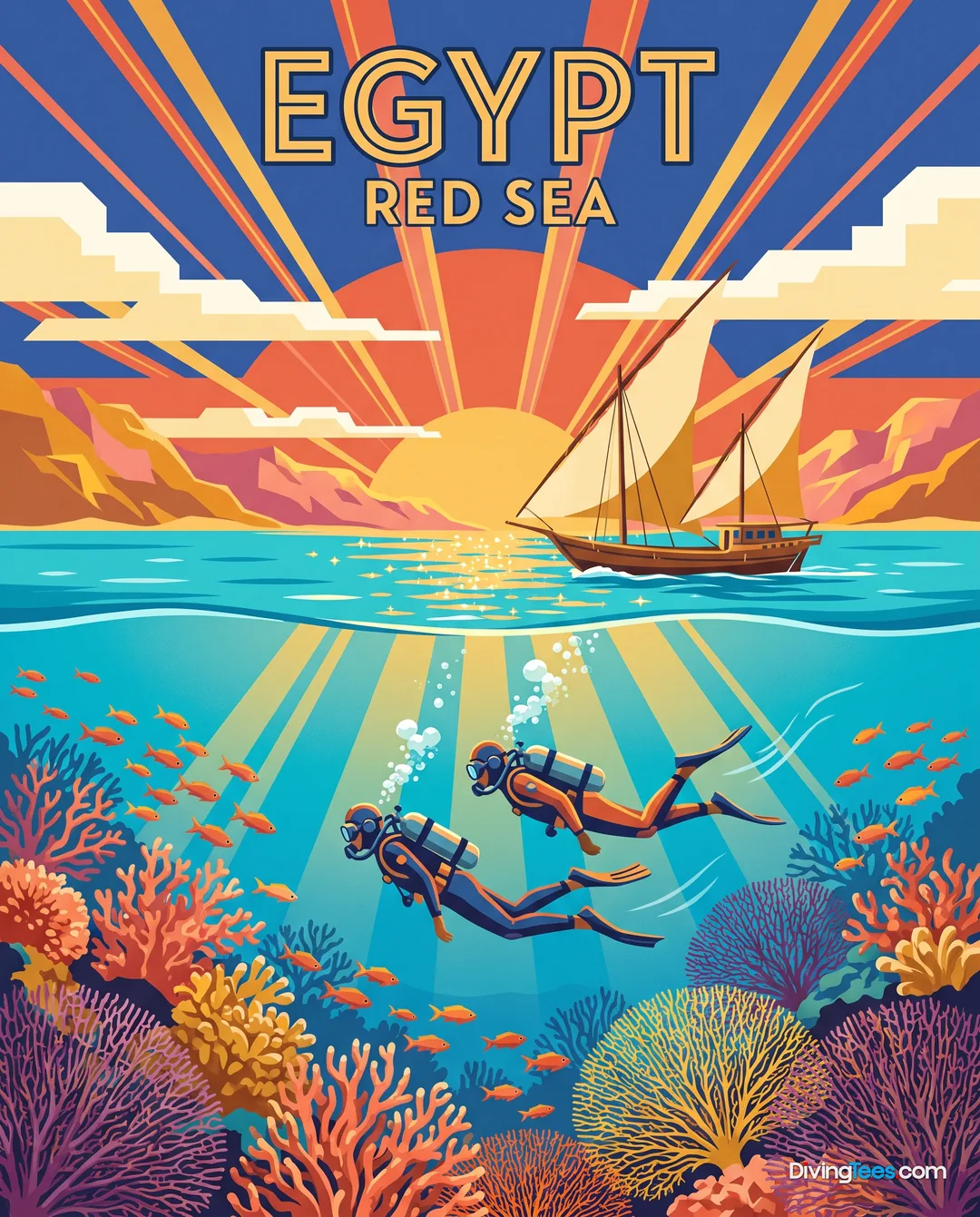
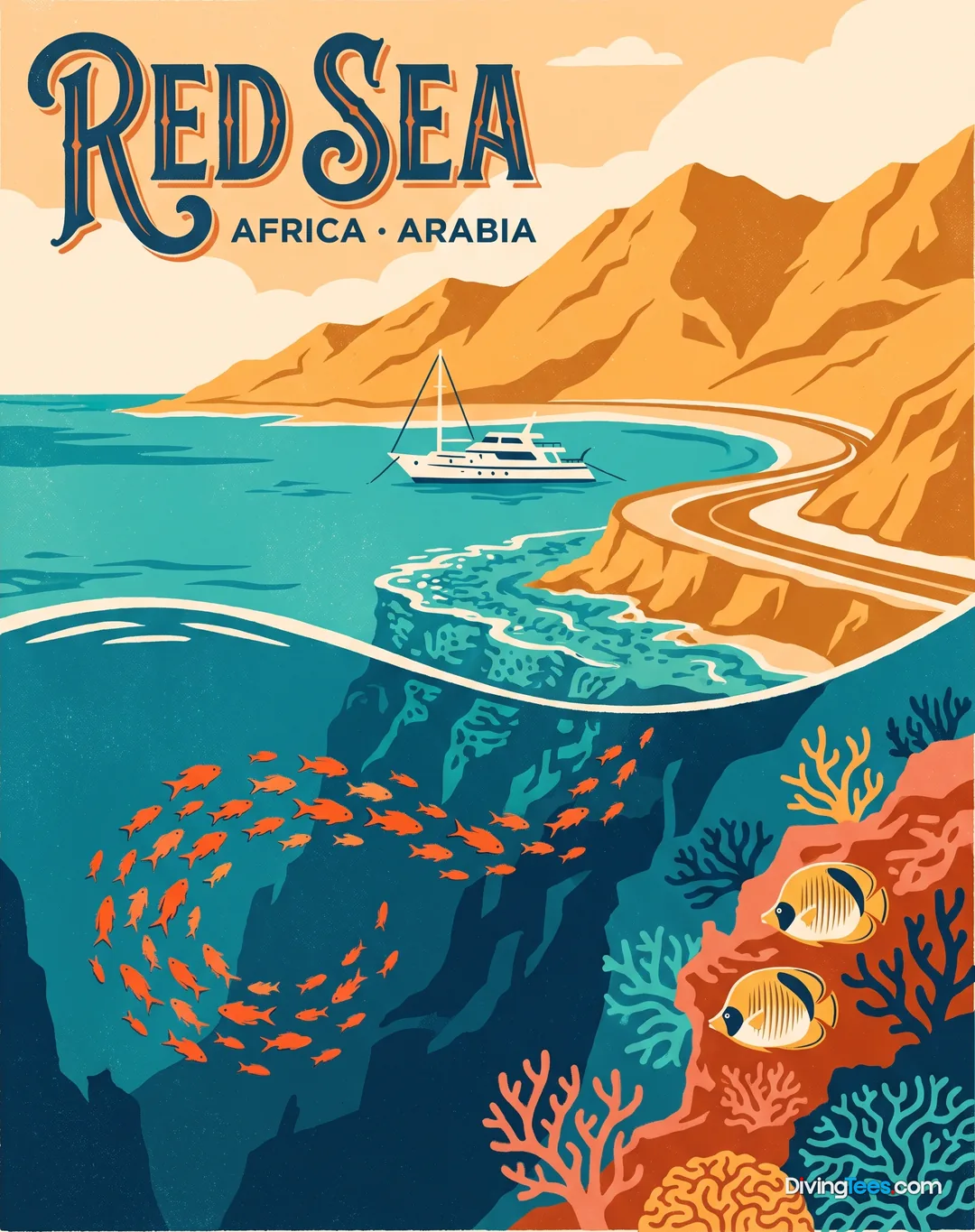
Liveaboards · Egypt
Icon — a modern Red Sea liveaboard built around serious diving
What makes this boat unique
- Icon is a 2024 wooden liveaboard with 14 cabins and space for up to 30 divers.
- The dive operation supports recreational, technical, Trimix and rebreather diving, with two 40HP ribs serving the sites.
- Three to four dives are planned on most days, depending on the route, with two dives on the final day.
- Standard, Suite, Family Room, Deluxe Cabin and Deluxe Suite accommodation all have air conditioning and ensuite bathrooms.
The invitation
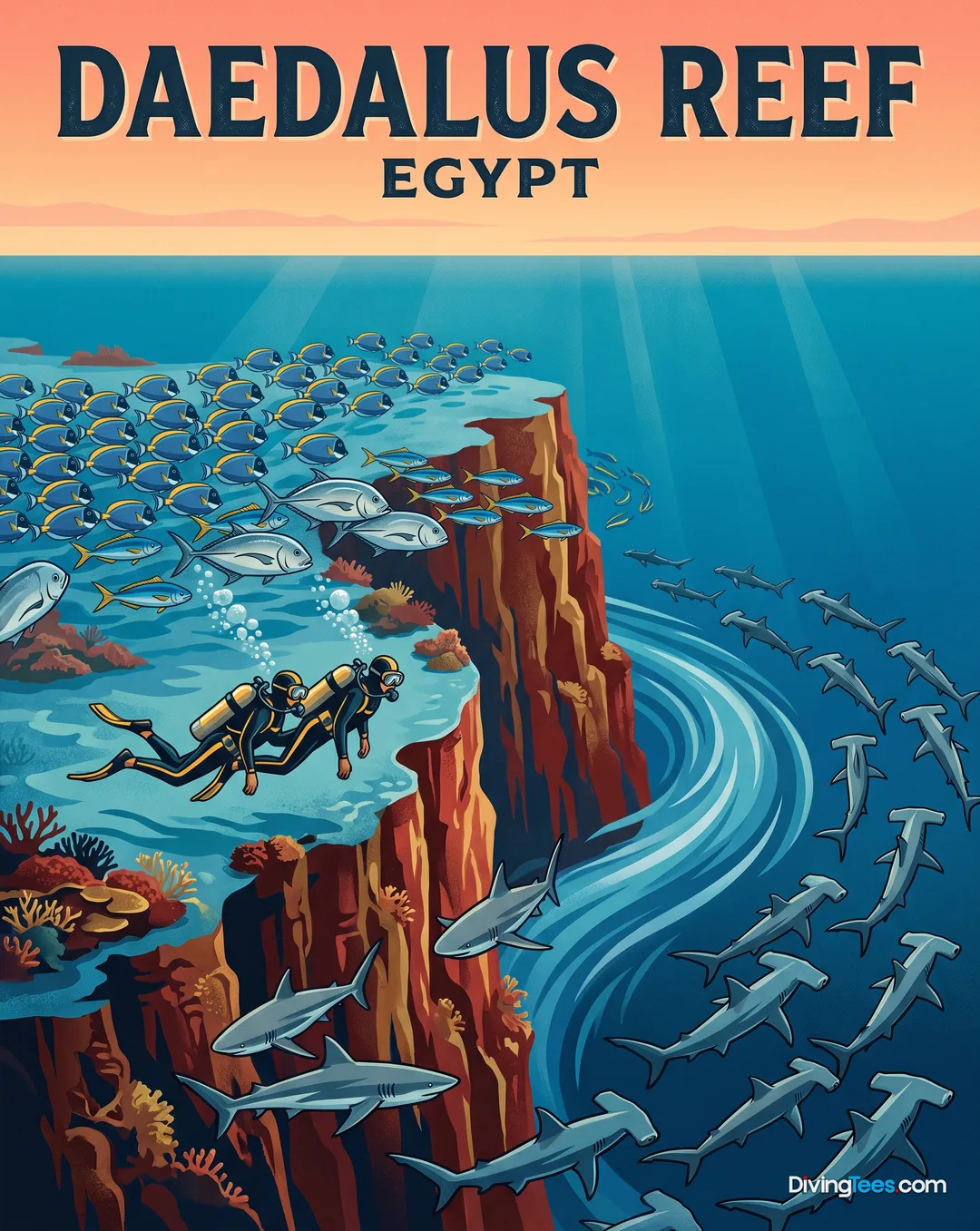
Icon makes sense for divers who want a Red Sea safari without choosing between comfort and a properly equipped dive operation. The boat covers familiar northern reefs and wreck routes, but also reaches Brothers, Daedalus, Elphinstone, Fury Shoals and the southern sites where walls, current and pelagic encounters become the point of the trip. Its strongest argument is the dive deck: Nitrox, Trimix and rebreather support are built into the way the boat works, not added as an afterthought. Recreational divers get the same access to the reefs, while technical divers have a platform that can handle more than standard holiday profiles. The routes run from Hurghada and Marsa Alam, so the boat can be chosen for the diving rather than for a single fixed itinerary. Step aboard looking for variety, capable logistics and enough space to make several dives a day without turning the week into a scramble.
Boarding
Icon is a wooden boat built in 2024, with a newer feel than the older Egyptian safari vessels that still work these routes. The impression is polished rather than stripped down: a saloon with air conditioning, an indoor sitting area, a bar and a sun deck set up for the hours between dives. Silent generators matter here. They keep the common areas and cabins from being dominated by machinery noise, even though no liveaboard becomes silent at sea. Movement is straightforward: sleep below or on the main deck, come up to eat or brief, then work through to the dive deck and the ribs. The boat can take groups and charters, but 30 passengers is still a sizeable liveaboard group, so the quality of the week depends on the dive operation keeping people moving cleanly. Icon feels designed for divers who spend most of their time outside the cabin and want the boat to remove friction from the day.
The atmosphere on board
Icon's atmosphere is built around a mixed group of recreational and technical divers sharing the same boat and the same repeated cycle of kit, briefing, splash and meal. Guides speak Czech, English, Hungarian and Polish, giving the crew a useful range when a group includes several nationalities. The dive team is not there only to lead a route: guides organise the briefings, help keep the groups clear on a busy deck and steer divers through sites whose character can change with wind and current. By the evening, the saloon and bar become the natural meeting point, while the sun deck gives people somewhere quieter to sit out the last light. The boat can feel sociable quickly because the same faces return from every dive, but it is not sold as a floating party. Its character is practical and diving-led, with the crew's value showing in the transitions between dives as much as in the time underwater.
The sites you’ll dive
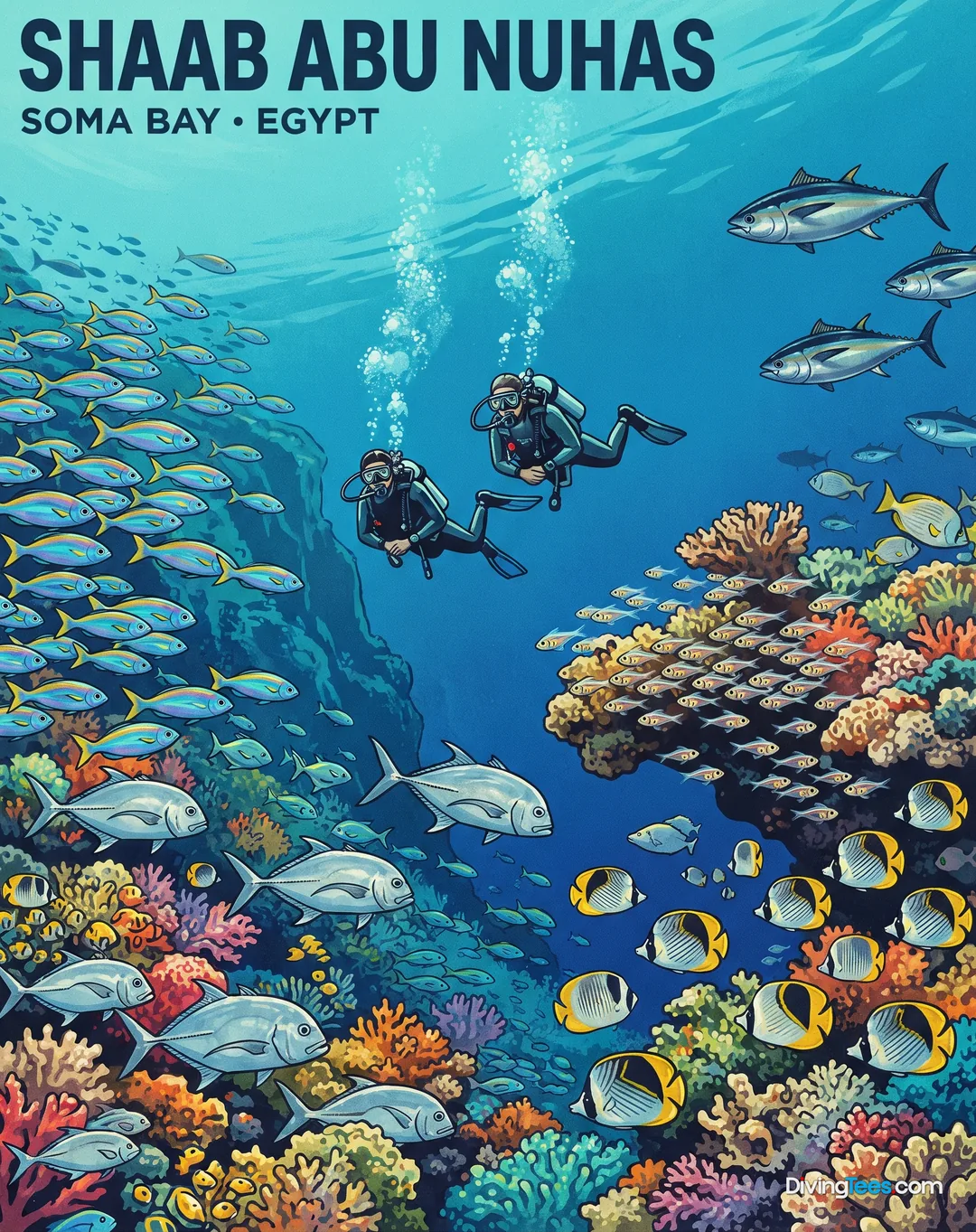
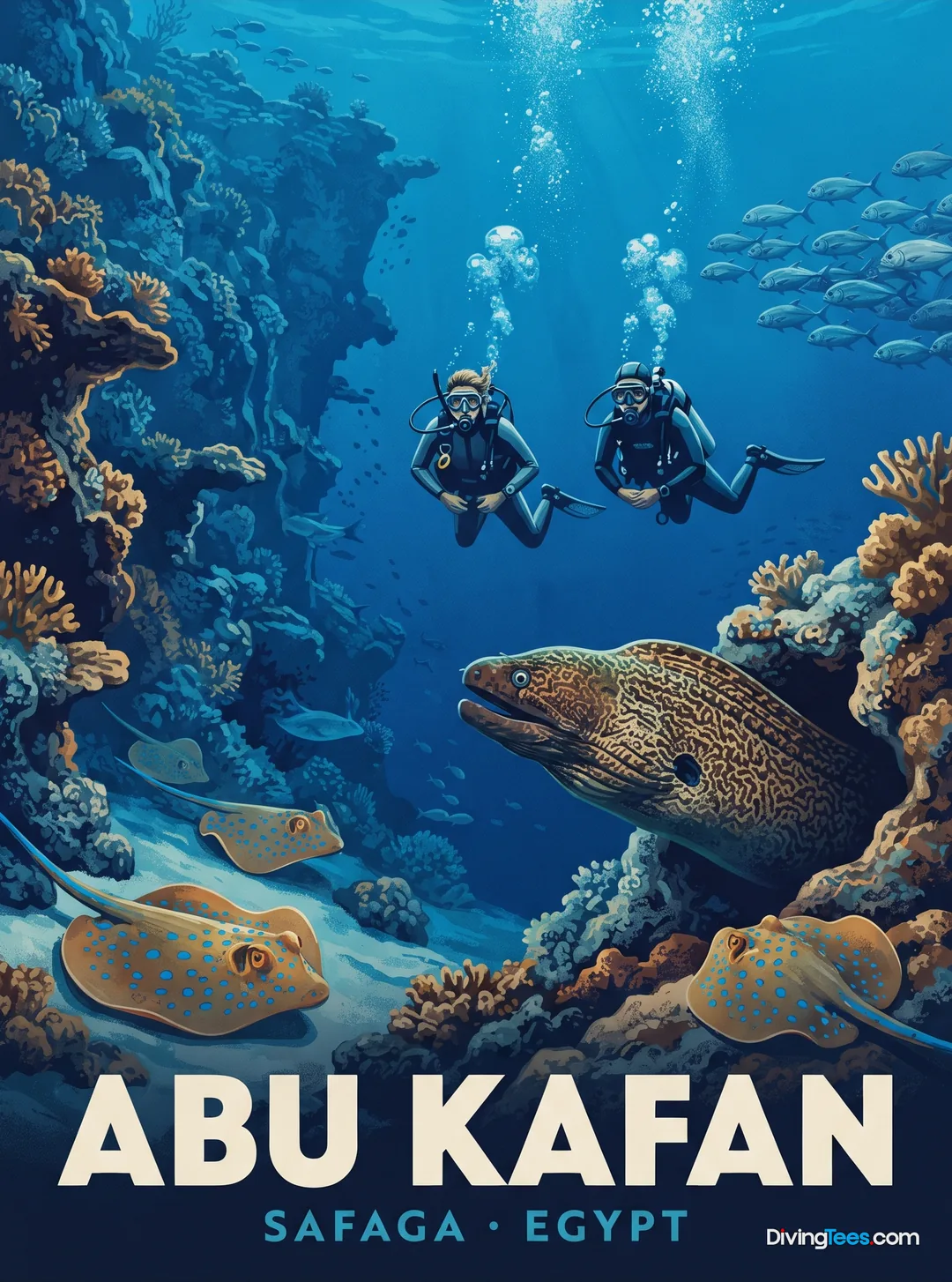
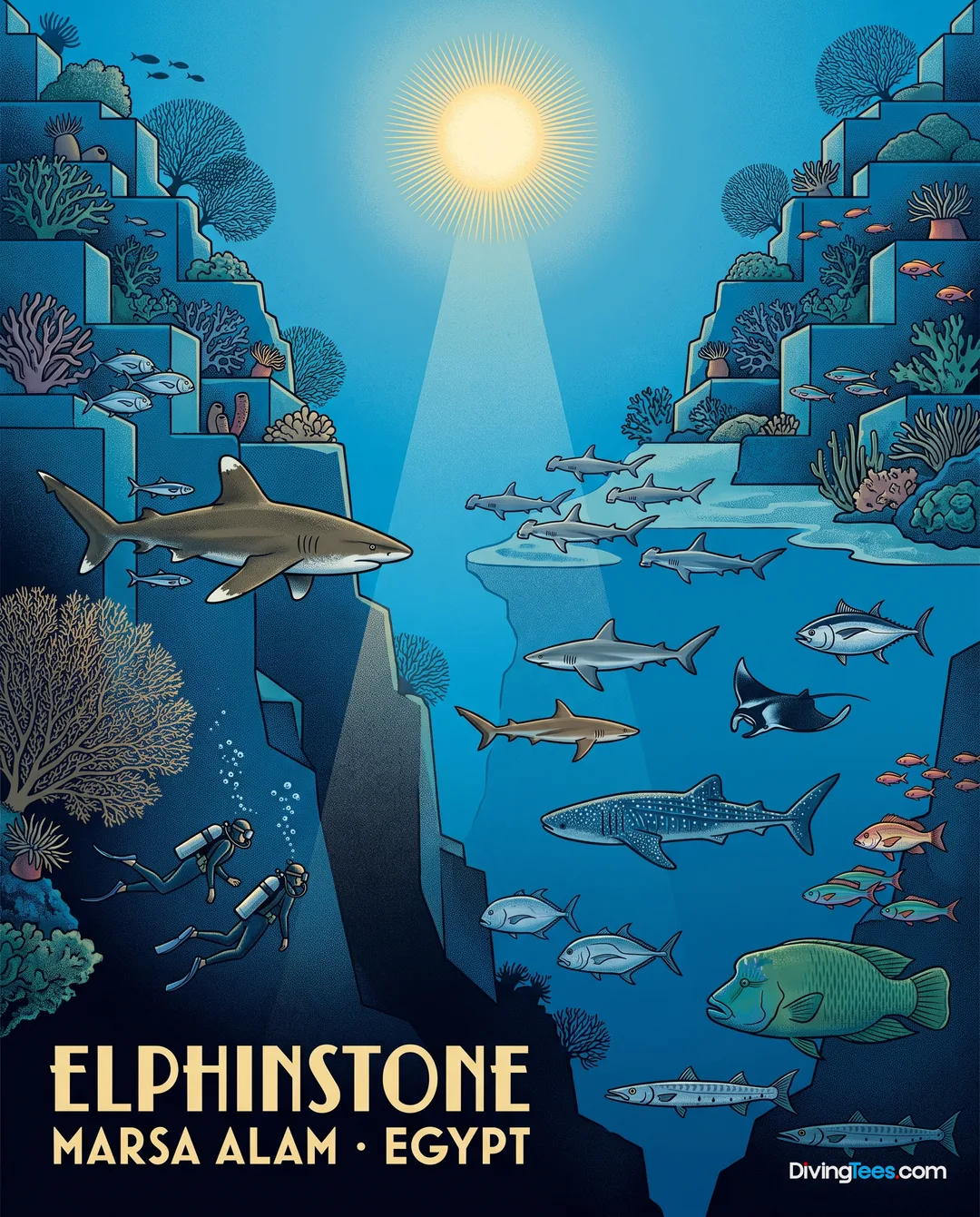
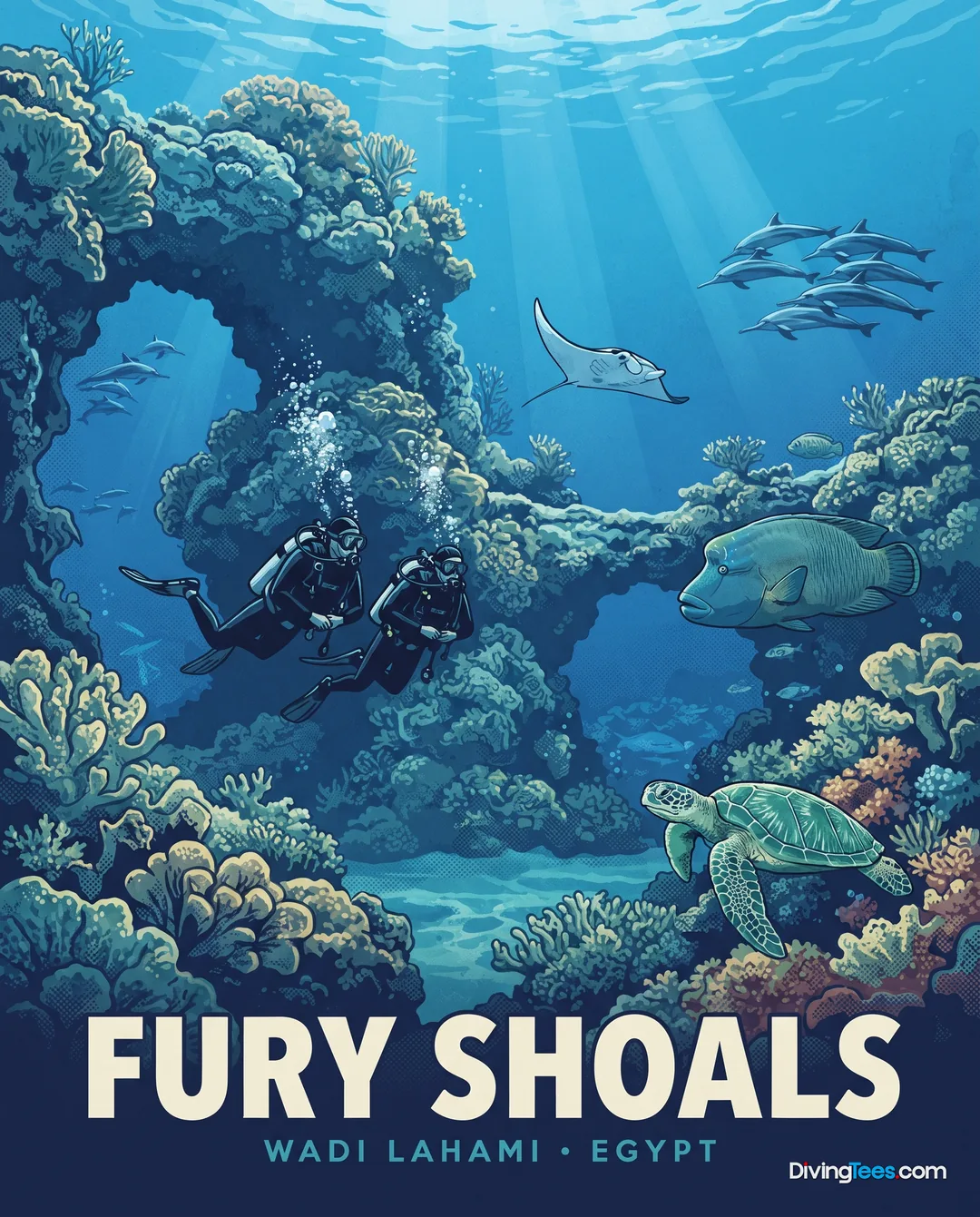
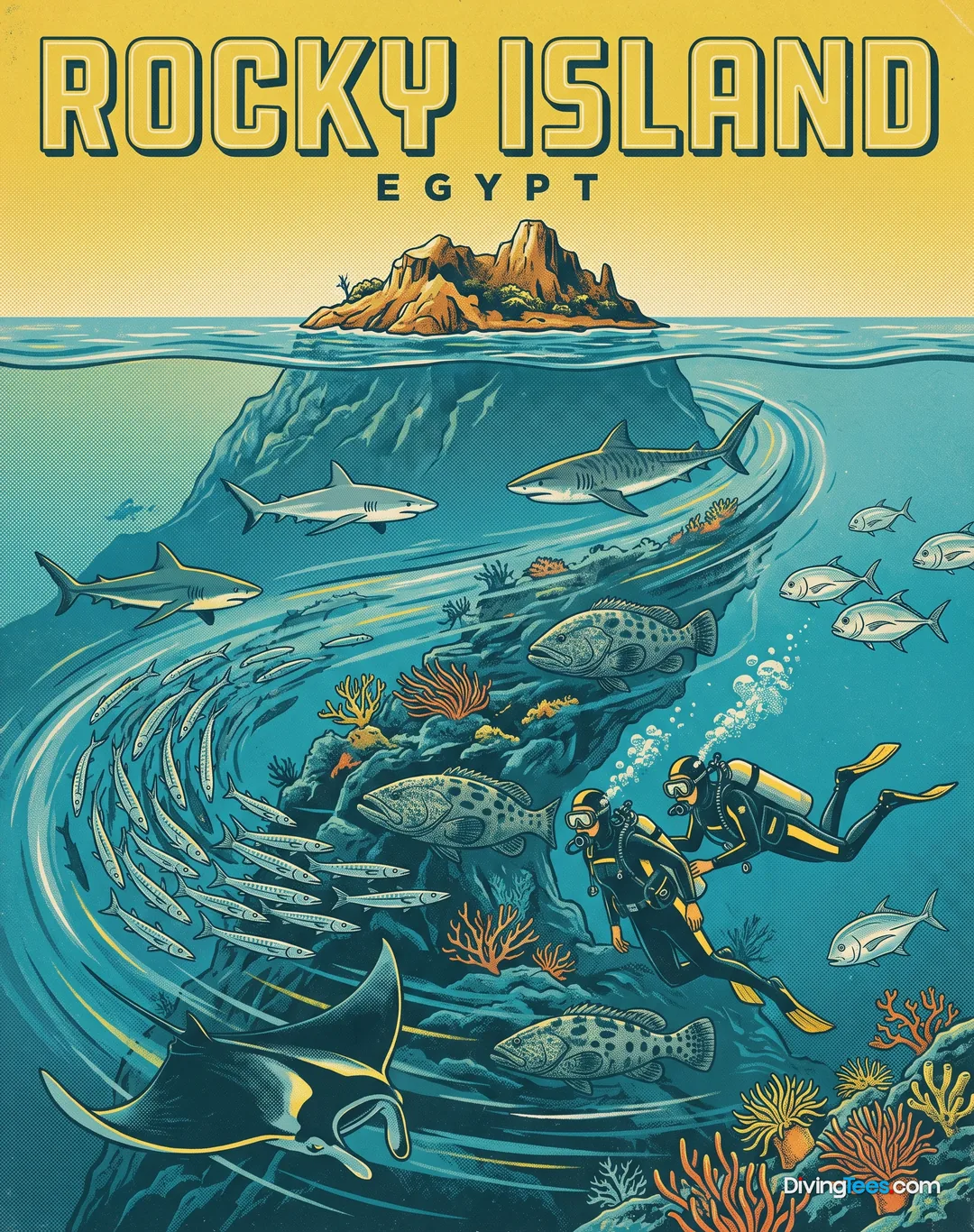
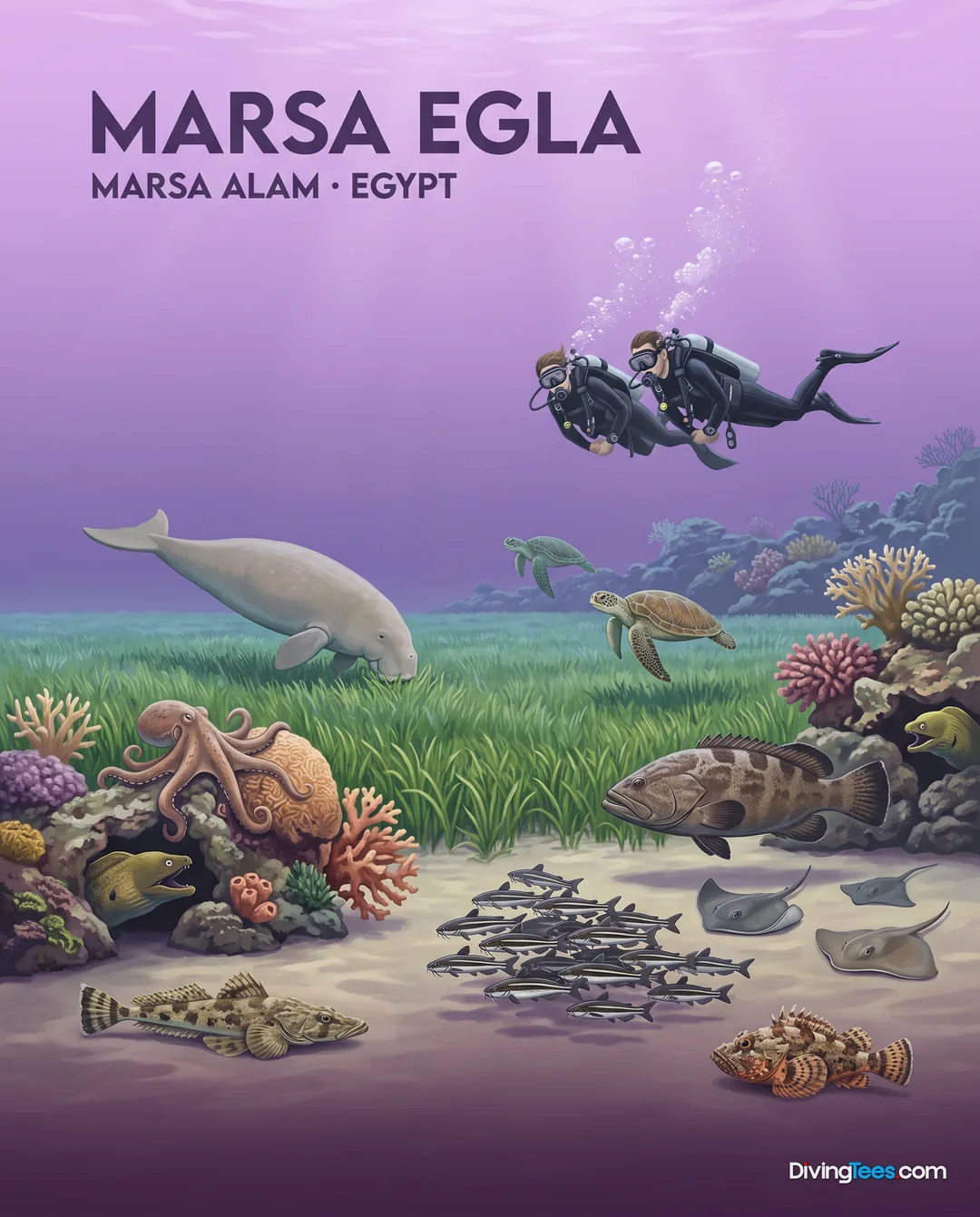
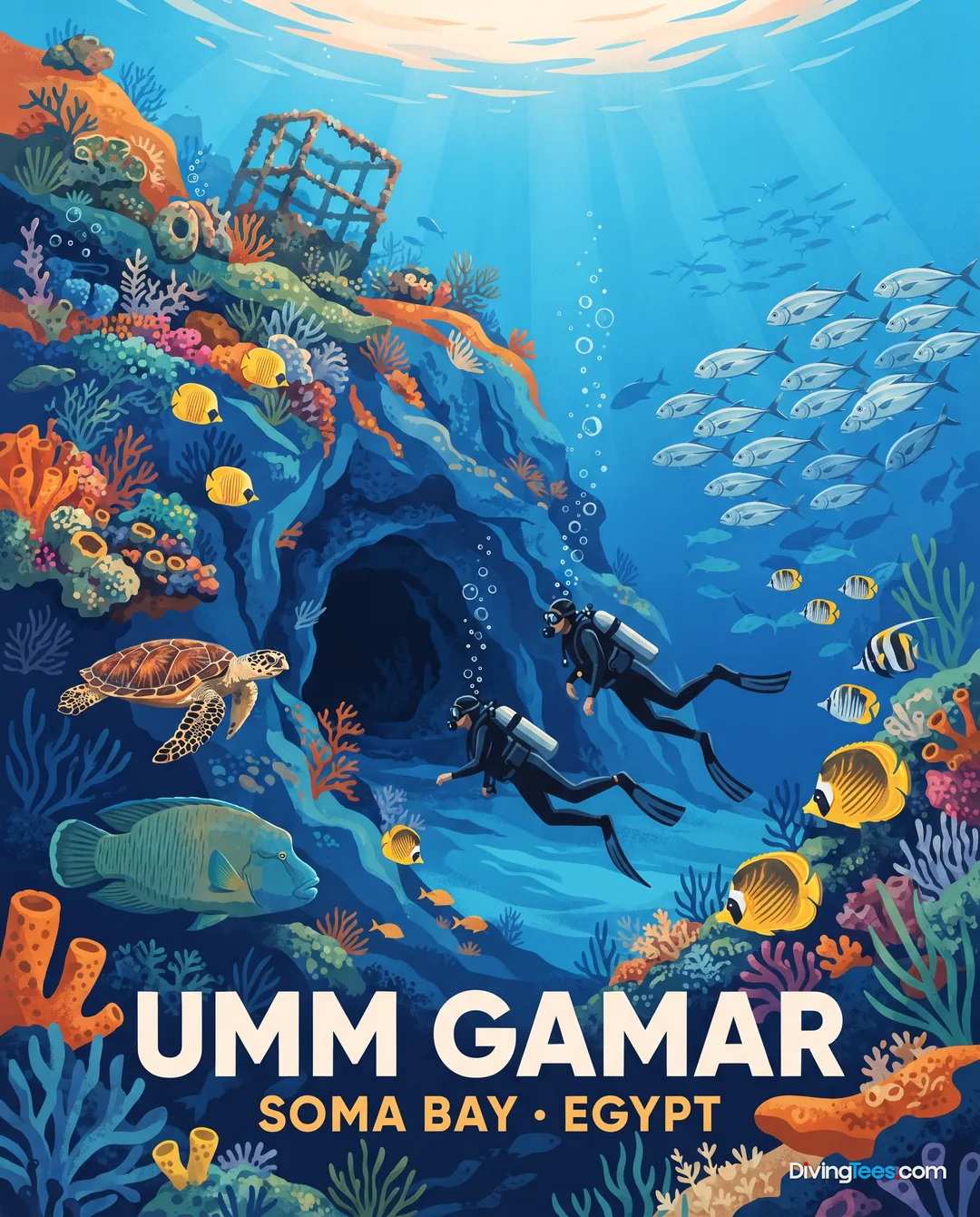
The routes are the main reason to choose Icon. North and Safaga runs for 7 or 8 days and 6 or 7 nights from Hurghada to Hurghada, combining wrecks and reefs such as Shaab Abu Nuhas, where fusiliers and trevally school beside the drop-off, with Abu Kafan's walls and swift currents. Brothers, Daedalus and Elphinstone takes 7 days and 6 nights between Hurghada and Marsa Alam; Elphinstone reaches -60m and is the route's remote wall dive, with pelagic sharks in the blue. Southern departures include Fury Shoals, Sataya and Wadi Gamal for 7 days and 6 nights from Marsa Alam, with hard-coral canyons and dolphin encounters, while St. Johns and Fury Shoals follows the same duration and port. Other recorded routes link Brothers with North, or North with Ras Mohammed, Tiran and Dahab. Rocky Island brings strong currents, Marsa Egla reaches -30m with seagrass for dugongs and turtles, and Umm Gamar reaches a cave at 28m inside a route whose maximum is -30m.
Itineraries, dates and prices
Prices per person. Each month shows its lowest price: click a month, or pick an itinerary.
Next departures · 8 departuresfrom £670$895€800
November 2026
December 2026
See dates and prices
If you click these links and make a purchase on the partner site, DivingDeal may earn a commission, at no extra cost to you.
Dates and prices taken from Divebooker, updated 23 October 2026
What you’ll meet underwater
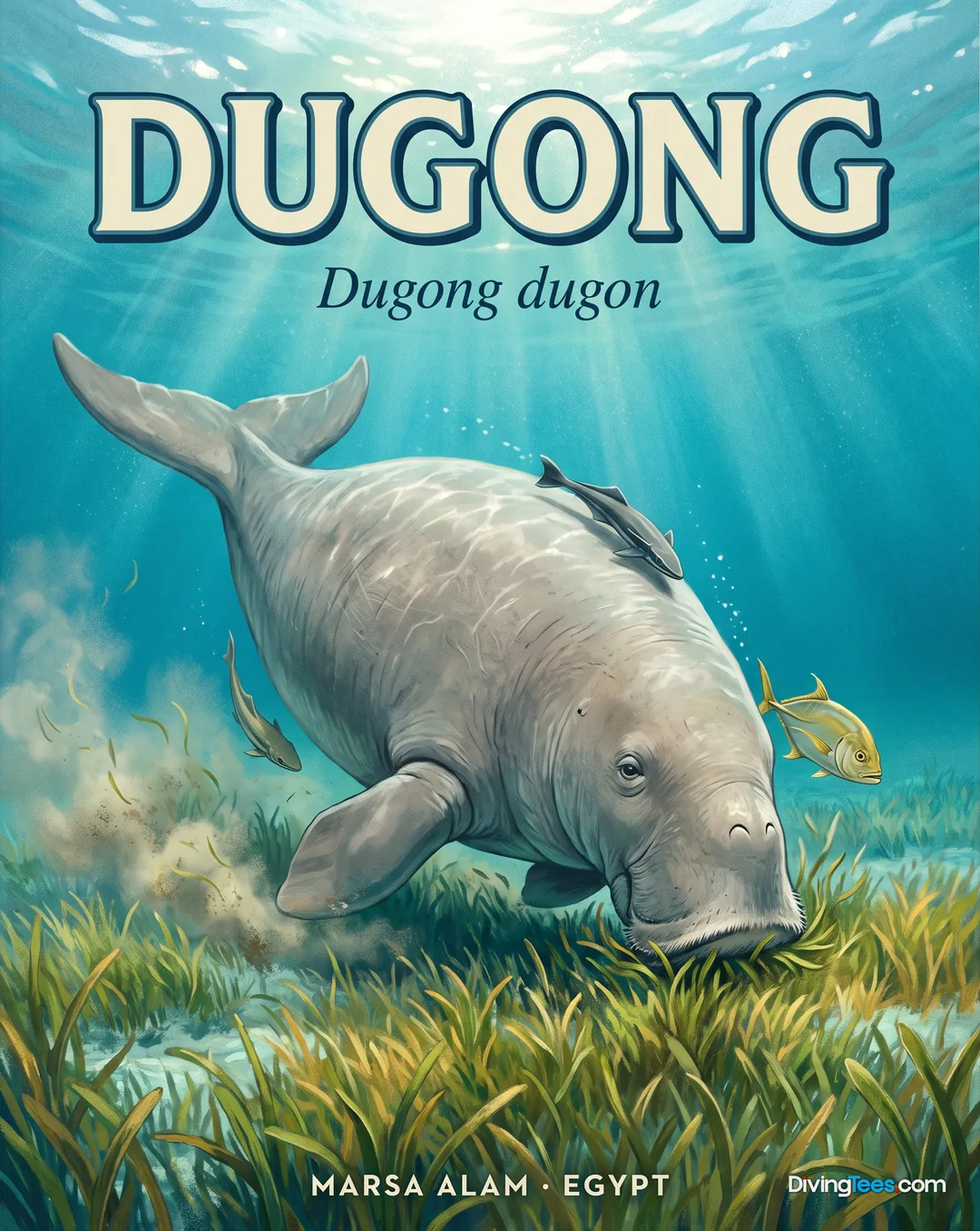
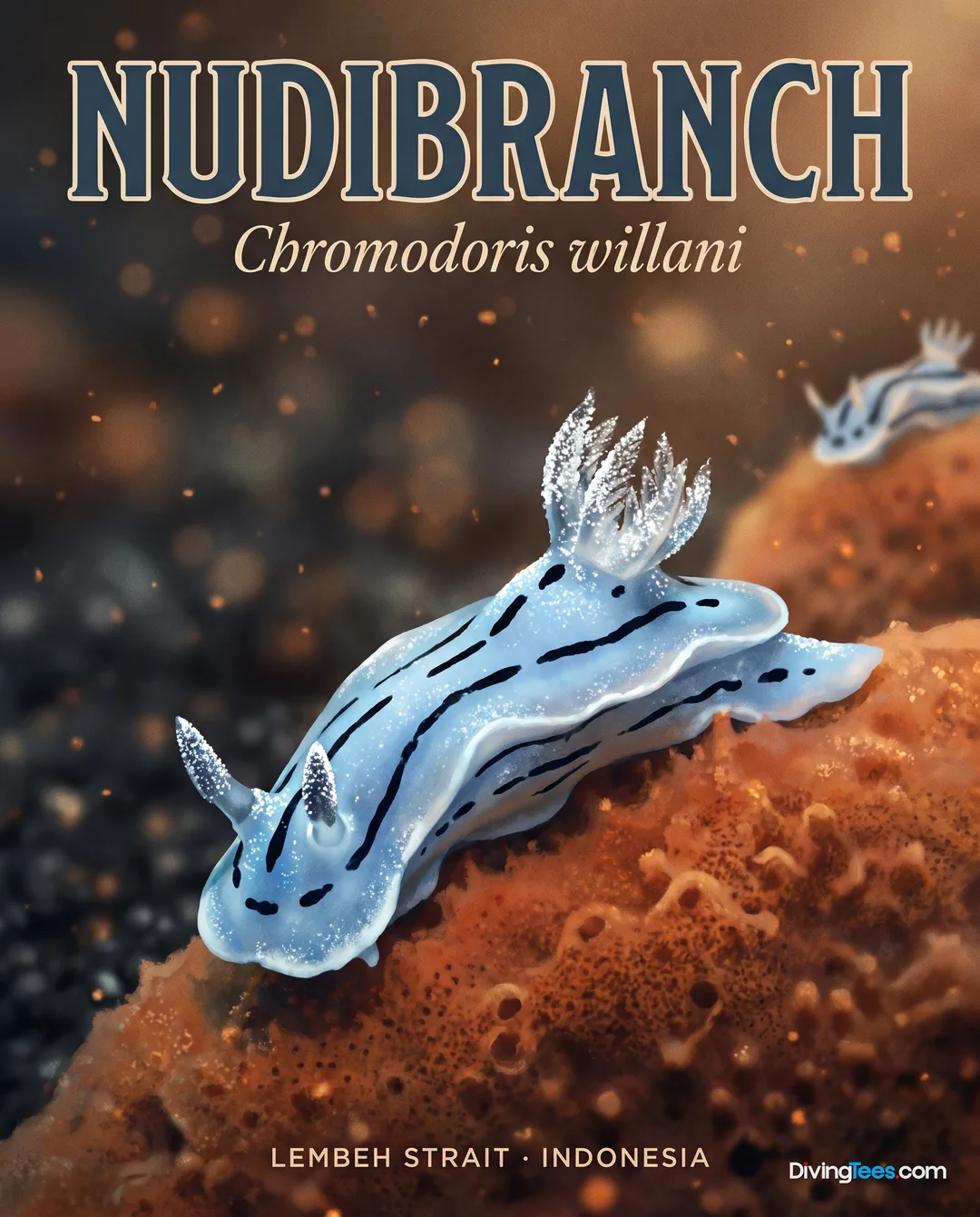
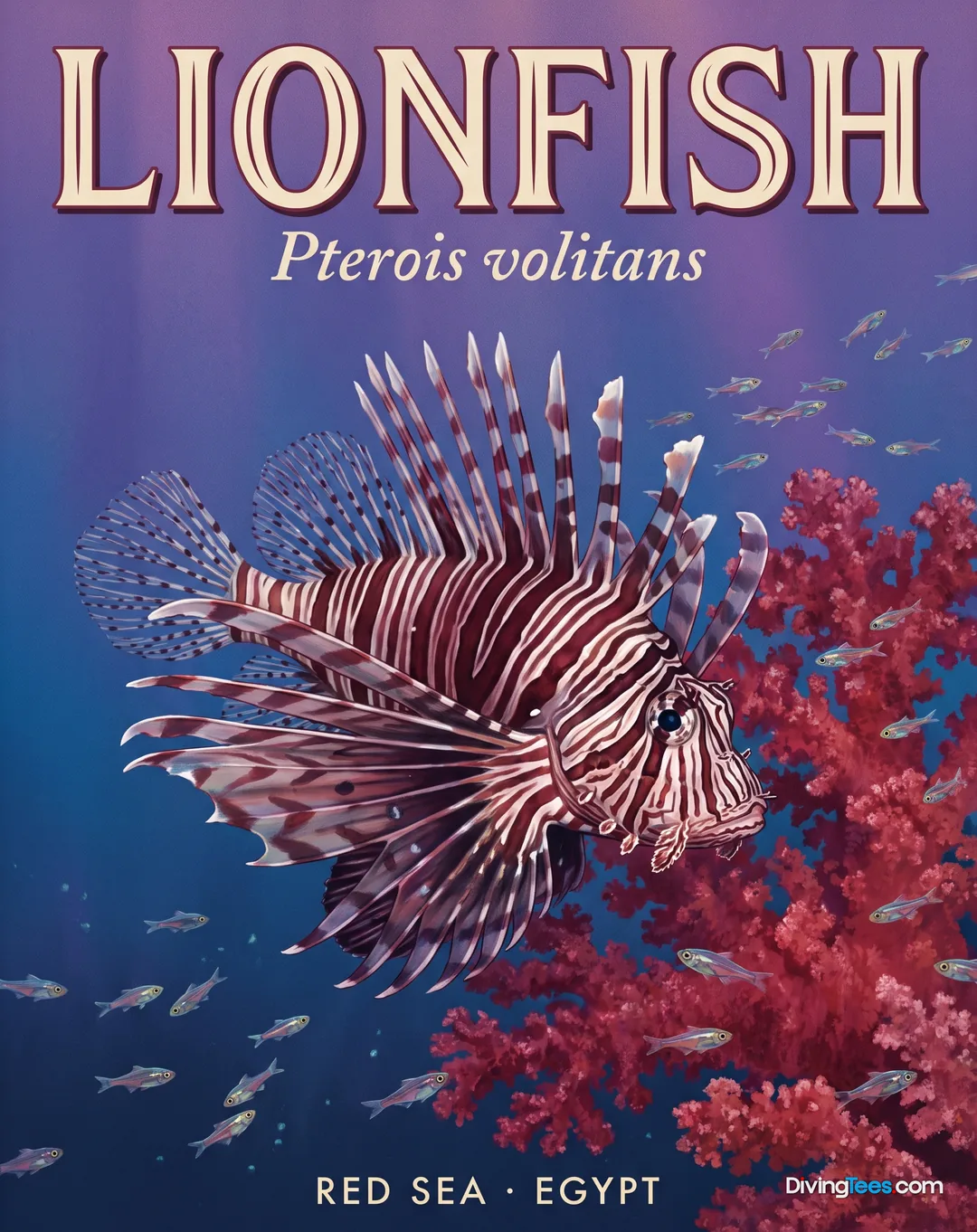
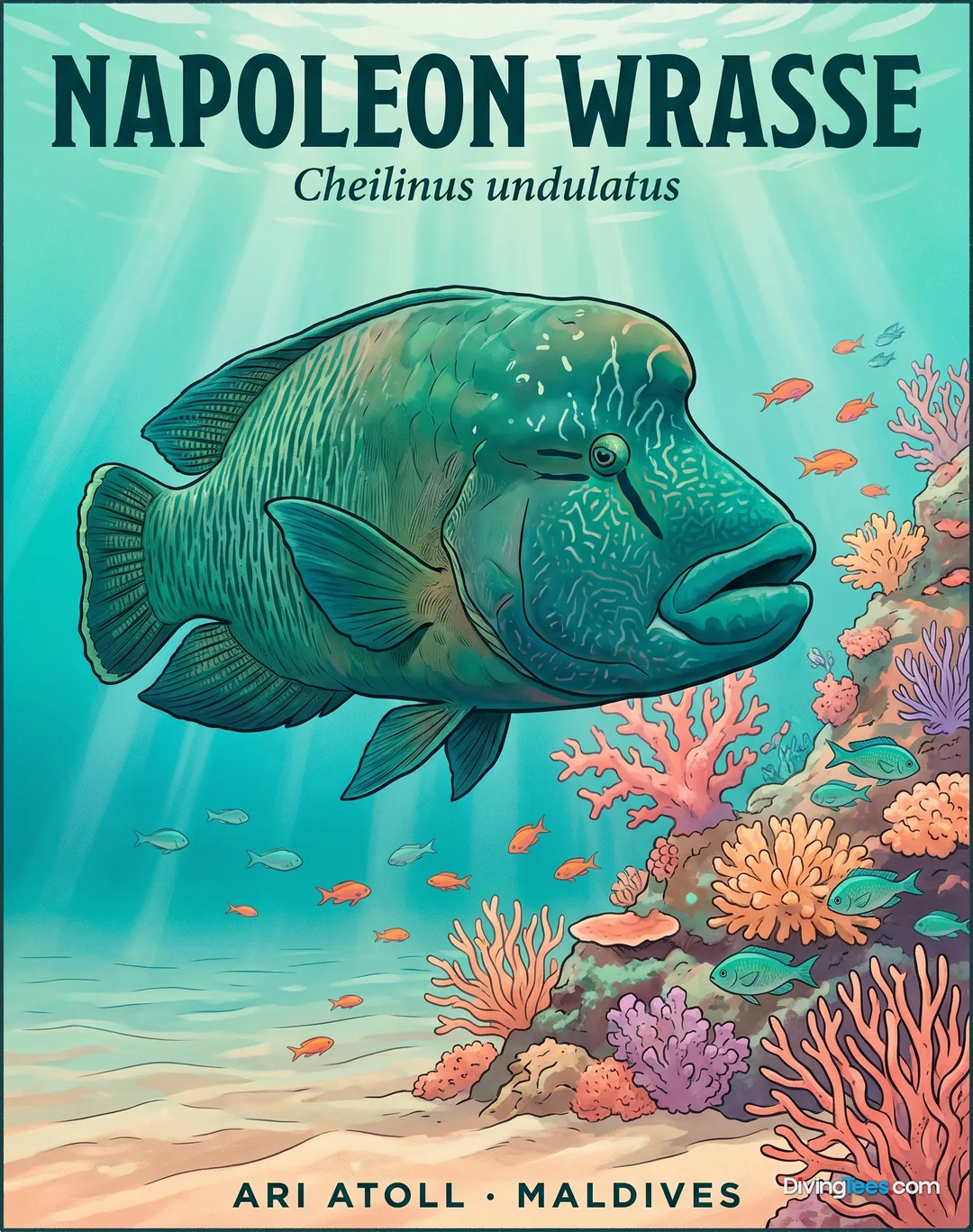
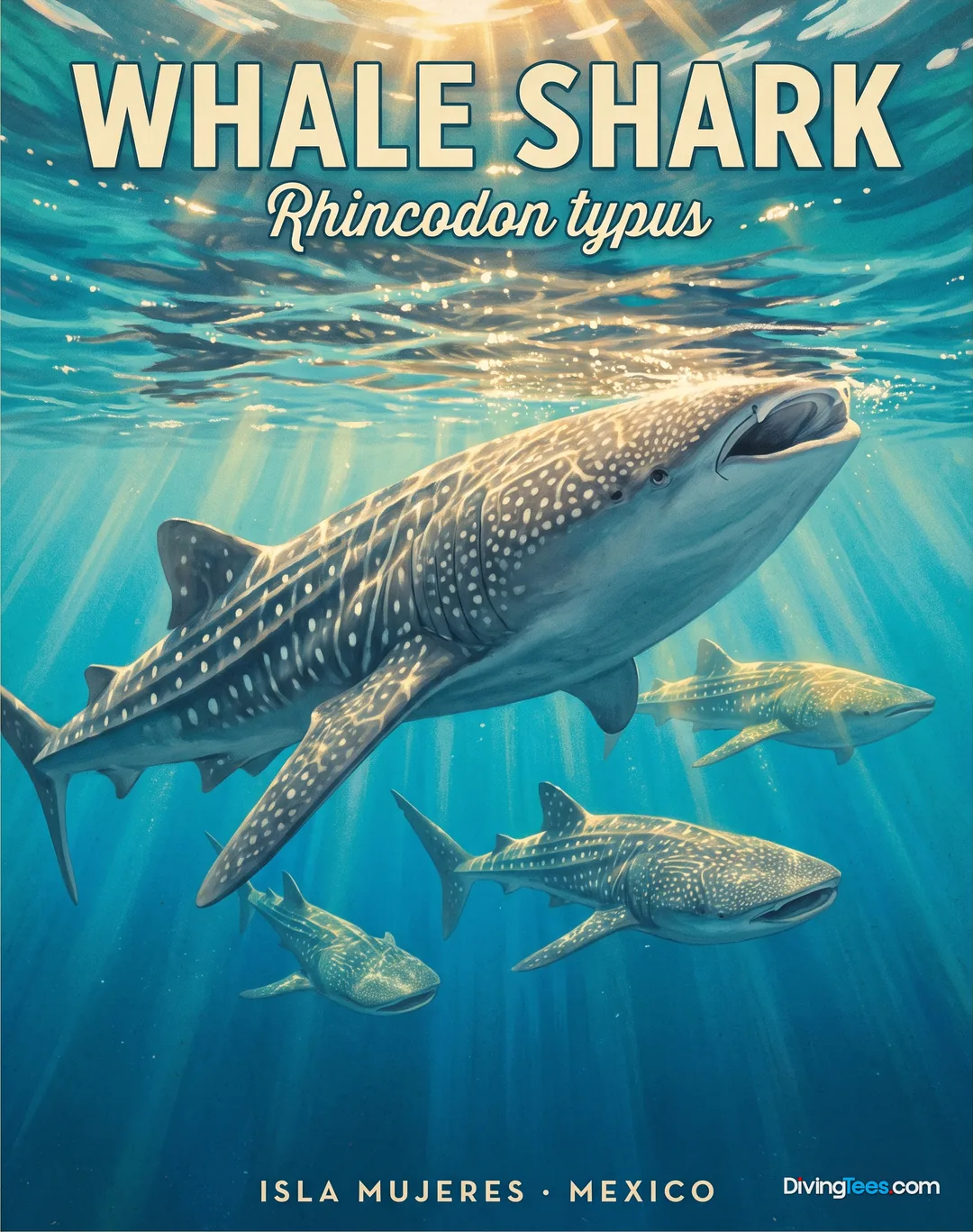
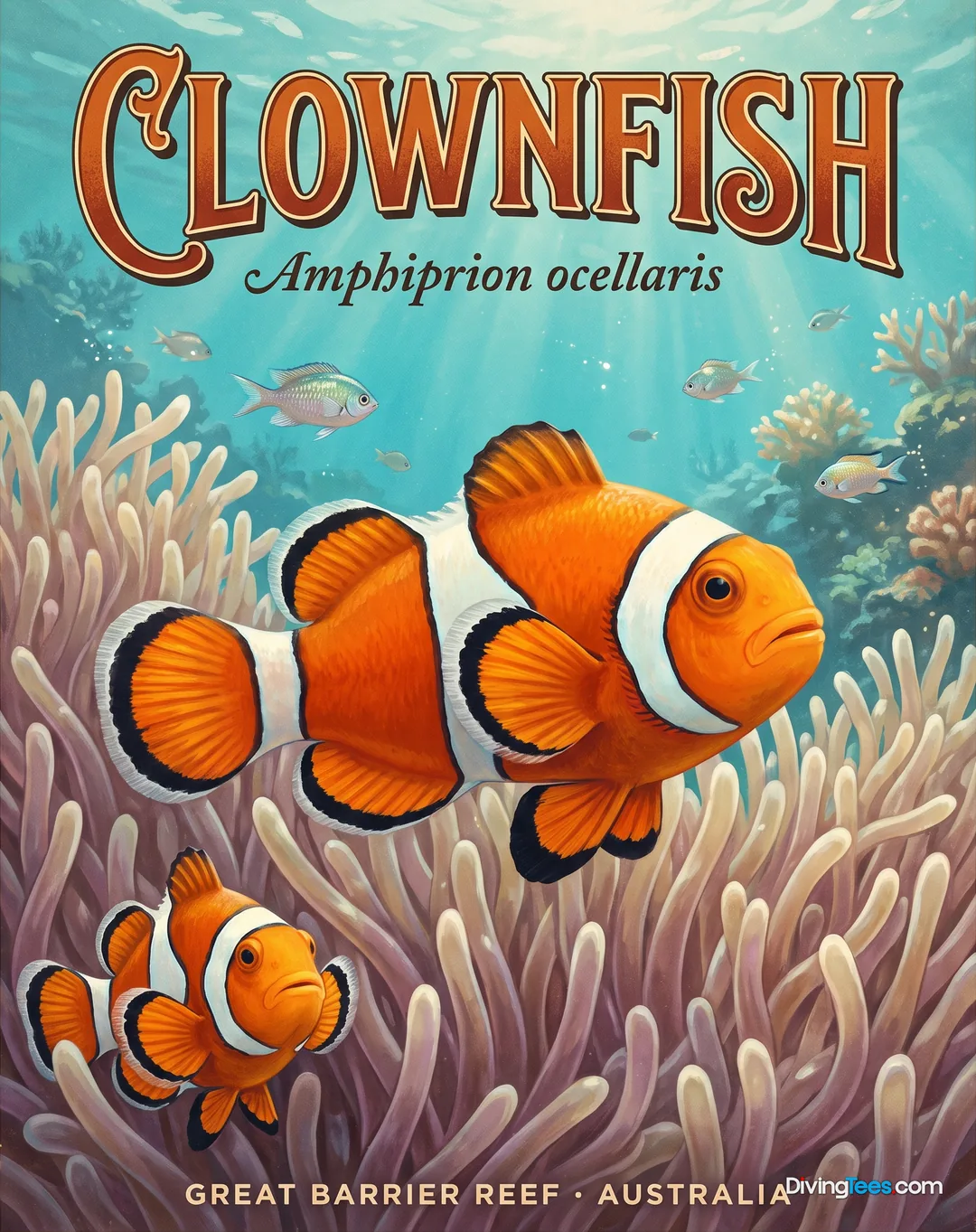
Across the route, expect the animals that make the Red Sea worth repeating: morays, reef sharks, turtles, barracuda, trevally, groupers, scorpionfish, octopus, nudibranchs and lionfish. Dolphins are recorded at several sites, while napoleon wrasse and tuna add size to the reef scenes. The larger encounters are tied to particular stops rather than promised everywhere. Elphinstone is the place associated with oceanic whitetips, hammerheads, whale sharks, blacktip reef sharks and giant trevally, especially where the remote walls and open water bring pelagics close. Fury Shoals is the route's distinctive site for triggerfish. Marsa Mubarak is the stop for clownfish and damselfish among the seagrass, while Umm Gamar is noted for gaterins and batfish. Shaab Abu Nuhas can produce the glassfish that turn a reef edge silver, and Fanadir North is where divers should look carefully for stonefish and trumpetfish. None of these sightings is guaranteed; the attraction is that the route gives the group several different habitats in which to look.
Who puts you in the water
Dive groups are planned around a maximum guide-to-diver ratio of 12:1. The crew languages are Czech, English, Hungarian and Polish, and the guides work with both recreational and technical divers. The entry requirement is a minimum of 20 logged dives and an Advanced Open Water Diver certification or equivalent, giving the operation a clear baseline for the routes offered. Briefings are part of the working rhythm before each site, with the guide explaining the route and the conditions that matter for that particular jump. Icon supports Nitrox, Trimix and rebreather diving. Safety equipment includes oxygen and full boat safety systems.
The dive deck and the gear
The dive deck is the reason Icon deserves attention from divers who need more than a standard holiday setup. Twelve-litre tanks and weights are included, while Nitrox is available for a surcharge; the boat also supports Trimix and rebreathers, with compressors and a technical-diving setup on board. Equipment rental is not available, so divers should bring or arrange their own kit rather than expect a full rental store on the boat. Cameras have a dedicated photography station and camera table, keeping housings and small parts out of the general traffic. Two 40HP ribs take divers to the sites and collect them after the dive, which is important on walls, current-swept reefs and remote sites where a fixed swim back to the boat is not the plan. The setup is aimed at divers who already know their equipment and profiles. The 12-litre tank is the standard supplied cylinder; larger tanks are not listed as part of the operation.
Between dives
Between dives, Icon gives the group two different places to disappear. The sun deck has loungers for drying out and watching the reef disappear astern, while the air-conditioned saloon and indoor sitting area offer shade when the heat has done enough. A bar and audio-video entertainment are there for the quieter stretches, but the boat's most useful gap-filler is still the journey between sites: rinse the mask, check the camera, eat, then listen for the next briefing. The dive deck and camera station keep equipment close to the work of the day rather than making divers carry it through the living spaces. On a route with three or four dives, those small transitions are what make the week manageable. An afternoon without a dive can be spent on the sun deck or in the saloon; the boat does not promise a programme beyond the water, which is usually the right arrangement on a diving safari.
A day on board
A day starts before the first dive, with the compressor already part of the background and the first briefing setting out the site, conditions and entry. Divers gear up on the deck, take the rib to the reef when the site calls for it, and return to the boat for food, water and a surface interval before the next jump. Most days carry three or four dives, depending on the route; the final day has two. The gaps are filled by meals, snacks, camera work, drying kit and the short passages between reefs. On a site such as Gotha Abu Galawa, the programme can extend into a night dive, moving from a hard-coral lagoon and wall to a different, slower reef after dark. The boat may be underway between sites while divers rest, or sit over the next reef while the deck is reset. By evening, the last wet gear is stowed, dinner gathers the group, and the next day's first site is already being discussed.
What you eat aboard
Meals are served buffet-style, with both Western and local food, and dietary restrictions can be accommodated. Full board is included, along with snacks, fruit, coffee, tea, water and soft drinks, so the galley has to keep feeding divers who may be back from a dive hungry, wet and already thinking about the next one. That matters more than decorative menus on a liveaboard: food lands around the diving, not around restaurant theatre. The table becomes the place where the group compares sightings, checks the next site and gets enough carbohydrates and fluids back in before the following splash. Alcohol and spirits are available on board but are not included; espresso and canned drinks are also separate. The useful promise is simple: a mix of familiar and local food, regular buffet service and room for dietary needs during a week when appetite is part of the dive plan.
Nights at sea
The cabin choice is broader than on many Red Sea boats: Standard Cabins and Deluxe Cabins have twin beds, the Suite has a king-size and a single bed, the Family Room has a king-size bed with two singles, and the Deluxe Suite has a king-size bed. All cabins have portholes or windows, air conditioning and ensuite bathrooms, with towels, bathrobes, basic toiletries and a minibar provided. That gives couples, single travellers and families different ways to arrange the week rather than forcing everyone into the same twin cabin. The important detail at night is the combination of a wooden hull, air conditioning and silent generators. The boat is not a shore hotel with unlimited private space, but the cabins are set up for a proper sleep between early dives. Wi-Fi is not part of the boat's facilities, which suits a trip where the day is governed by weather, briefing and tide rather than notifications.
Standard Cabin
Suite
Family Room
Deluxe Cabin
Deluxe Suite
What to know before boarding
Departures and returns use Hurghada or Marsa Alam, depending on the itinerary. A scheduled group transfer between the airport and the boat is included; private transfers are separate. The exact transfer instructions are given with the trip arrangements, and the airport representative meets arriving guests before taking them onward. Arriving the night before is sensible, especially for a morning departure or a route starting in Marsa Alam.
- Year built
- 2024
- Length
- 36 m
- Beam
- 0 m
- Maximum number of passengers
- 30
- Number of cabins
- 14
- Engines
- 2 MAN 750 hp
- Tenders
- 2 ribs with 40 hp
- Website
- iconredsea.com ↗
Hello, I'm Marina, DivingDeal.com's AI assistant. I answer in detail about hotels, dive centres and liveaboards.
Thinking about the whole trip and the flights? Talk it over with Edith →
Marina is an AI. Some links are affiliate links: DivingDeal may earn a commission, at no extra cost to you. Bookings are made with the partner.