Liveaboards · Egypt
Seawolf Dominator — a purpose-built Red Sea dive boat with room to work
What makes this boat unique
- The Seawolf Dominator carries up to 24 divers in 12 air-conditioned cabins with private bathrooms.
- Its dive operation includes three Bauer compressors, a membrane Nitrox compressor, two 40 hp zodiacs, camera facilities and personal gear storage.
- The boat offers three to four dives per day, including a night dive, with two dives on the final day.
- It runs recorded eight-day, seven-night itineraries from Hurghada or Port Ghalib, including Fury Shoals, the northern reefs and Brother Islands–Elphinstone routes.
For subtitles in English: start the video firstthen click the gearat the top right of the video, select “Subtitles/CC”, then “Auto-translate” and choose “English”.
The invitation
The Seawolf Dominator is for divers who want the boat to serve the diving rather than compete with it. The layout gives the working parts of a safari their proper place: tanks stay on the dive deck, gear has personal storage, cameras have their own station and rinse tanks, and two zodiacs handle the drops and pickups. That matters on a week of three or four dives a day. The recorded routes range from the northern wrecks and Strait of Tiran to Fury Shoals and Brother Islands–Elphinstone. The appeal is the spread: steep outer-reef walls, current-swept shark sites, coral gardens, lagoons and wrecks, all from one platform. It suits divers with at least 50 logged dives and an AOWD-level qualification or equivalent who want a serious Red Sea itinerary without giving up an air-conditioned cabin, shaded and open-air spaces, or a proper place to deal with a camera.
Boarding
At the dock, the Seawolf Dominator reads as a working liveaboard rather than a small yacht dressed up for a dive trip. Its wood construction gives the public spaces a warmer feel than bare metal, while the broad layout leaves room for both an indoor saloon and open-air areas. The boat was built in 2007 and renovated in 2025, so its character comes from an older hull kept in current service rather than from a new-build gloss. Once aboard, the useful parts are close at hand: dining, the saloon, the dive deck and the route out to the water. The engine room is not the point of the boat; the diving operation is. That distinction shows in the arrangement, with tank handling, rinse hoses, warm-water showers and two fast support boats built into the daily movement of divers.
The atmosphere on board
The atmosphere is built around a crew that keeps the day moving without making itself the centre of it. Divers who have travelled on the Dominator describe attentive help, a friendly welcome and food that stands out; that points to the real gain of the boat: less friction around the diving. Arabic, English and German are spoken on board, which helps when a group is mixed and a briefing needs to be understood precisely. After a dive, the social pattern is simple. Someone is rinsing a mask, someone is checking a photograph, someone is already asking about the next site. The indoor saloon and dining area bring the group together, while the upper and open-air spaces let people step away. It is a service-led atmosphere, not a staged one.
The sites you’ll dive
The route is the reason to choose this boat. Recorded departures run for eight days and seven nights, from Hurghada or Port Ghalib, with options including Fury Shoals, the northern reefs, North and Strait of Tiran, and Brother Islands–Elphinstone. Elphinstone is the headline outer reef: steep walls, a southern plateau with gorgonians and a northern plateau where hammerheads may appear; the site write-up gives a maximum of -60m. Rocky Island brings strong current, pelagic sharks, barracudas and possible manta rays. Carless Reef drops to -40m and is known for giant morays swimming free in the blue. Umm Gamar combines coral walls with a cave at 28m and the remains of Hans Hass's shark cage; its maximum is -30m. The Straits of Gubal reach -50m and turn wrecks into artificial reefs. Fury Shoals adds hard-coral canyons, while Gotha Abu Galawa moves from a coral lagoon to a wall and sandy slopes, with night dives as a particular draw. Other recorded sites include Shaab Abu Nuhas, Fanadir North and South, Sachwa Abu Galawa, Shaab Ruhr Umm Gamar and Shaab Umm Gamar.
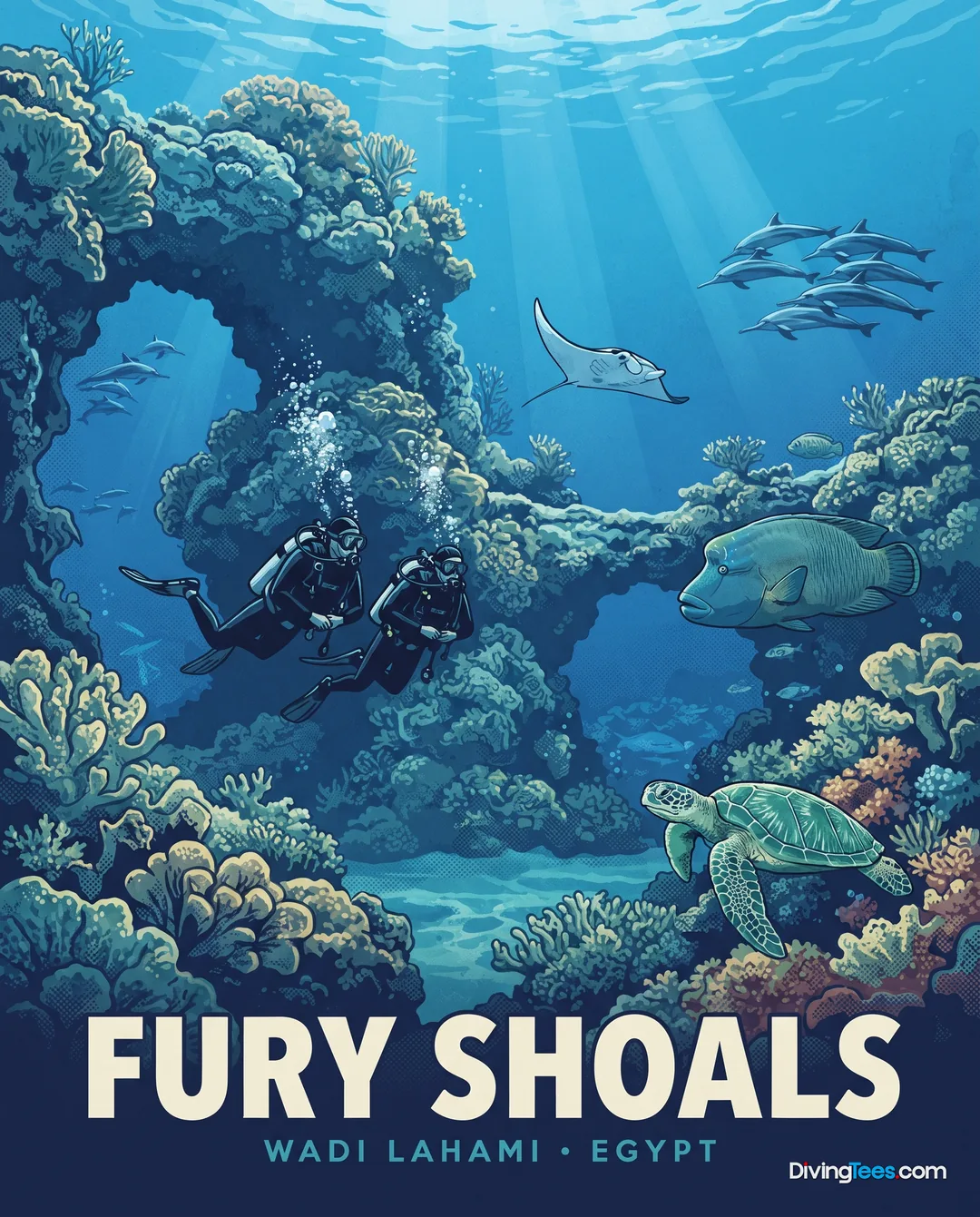
Fury Shoals →
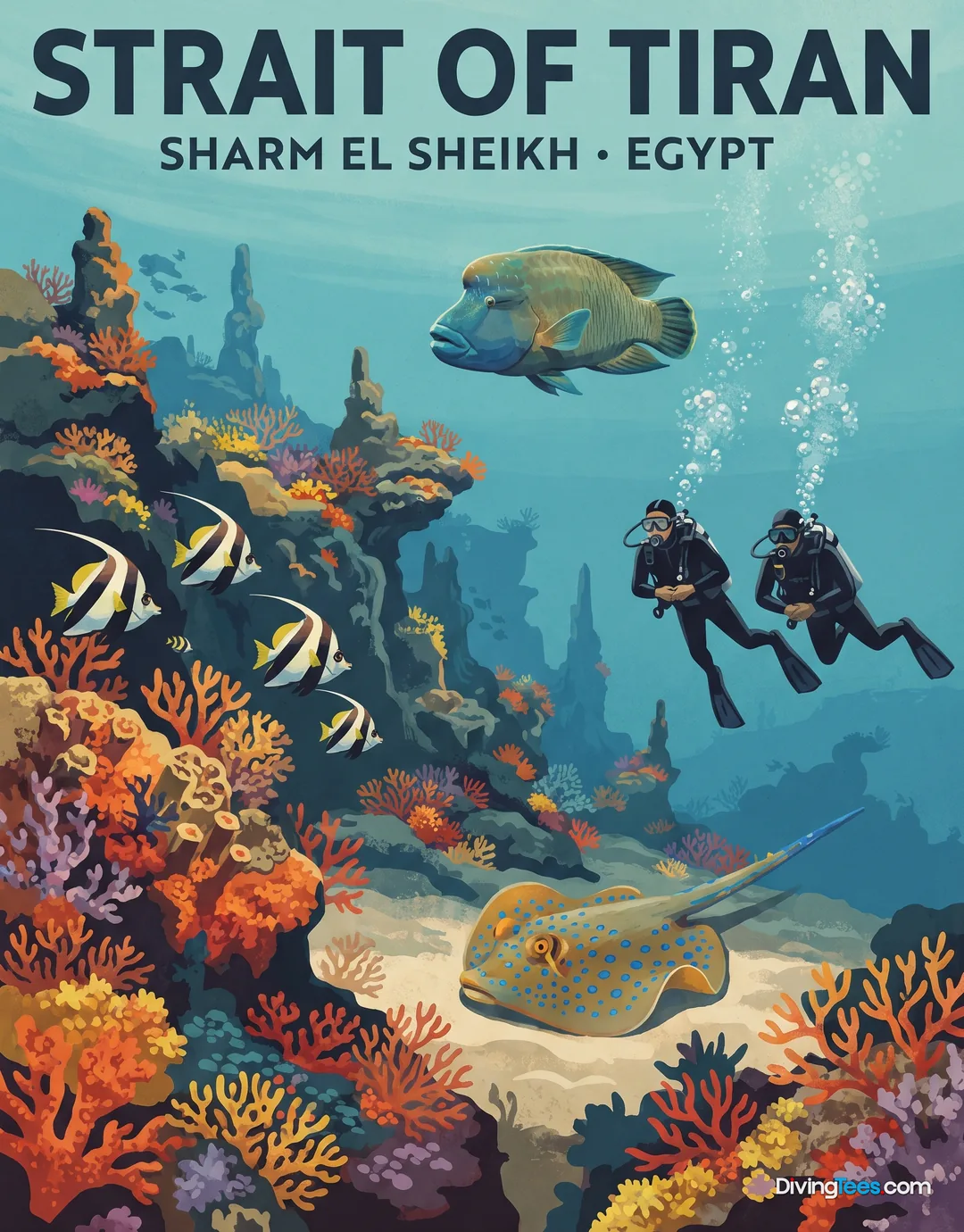
Strait of Tiran →
Max. depth · 40 m
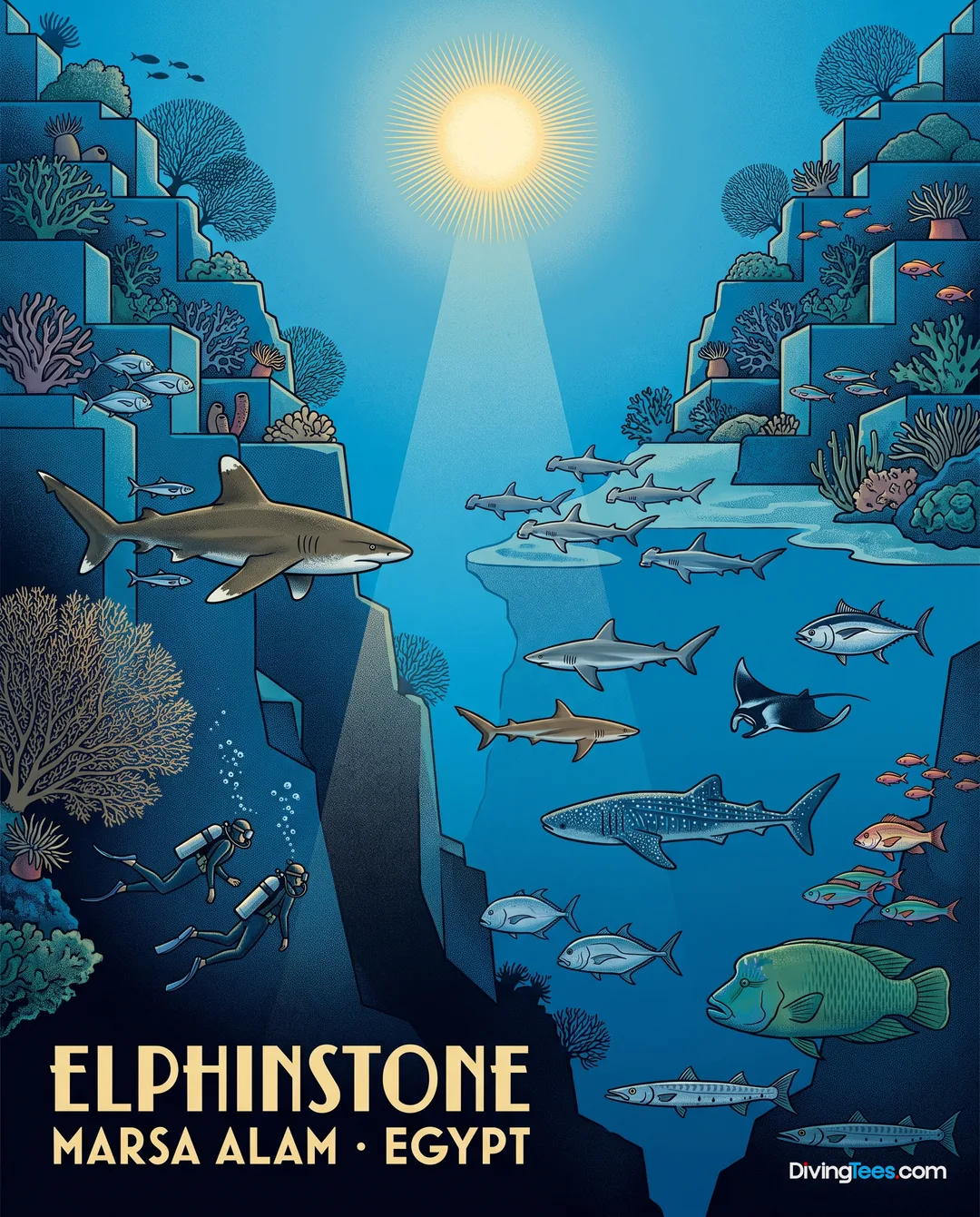
Elphinstone →
Max. depth · 60 m
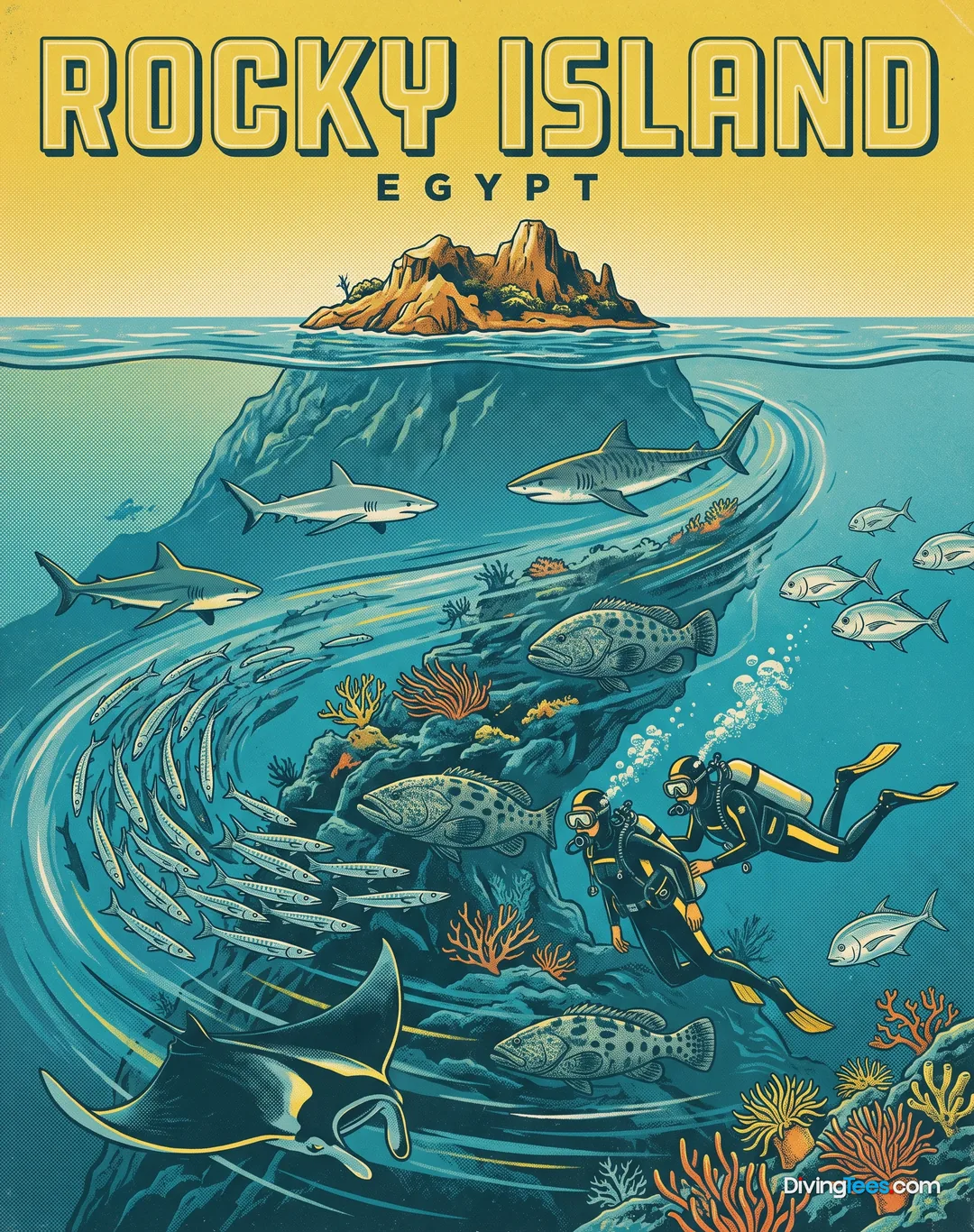
Rocky Island →
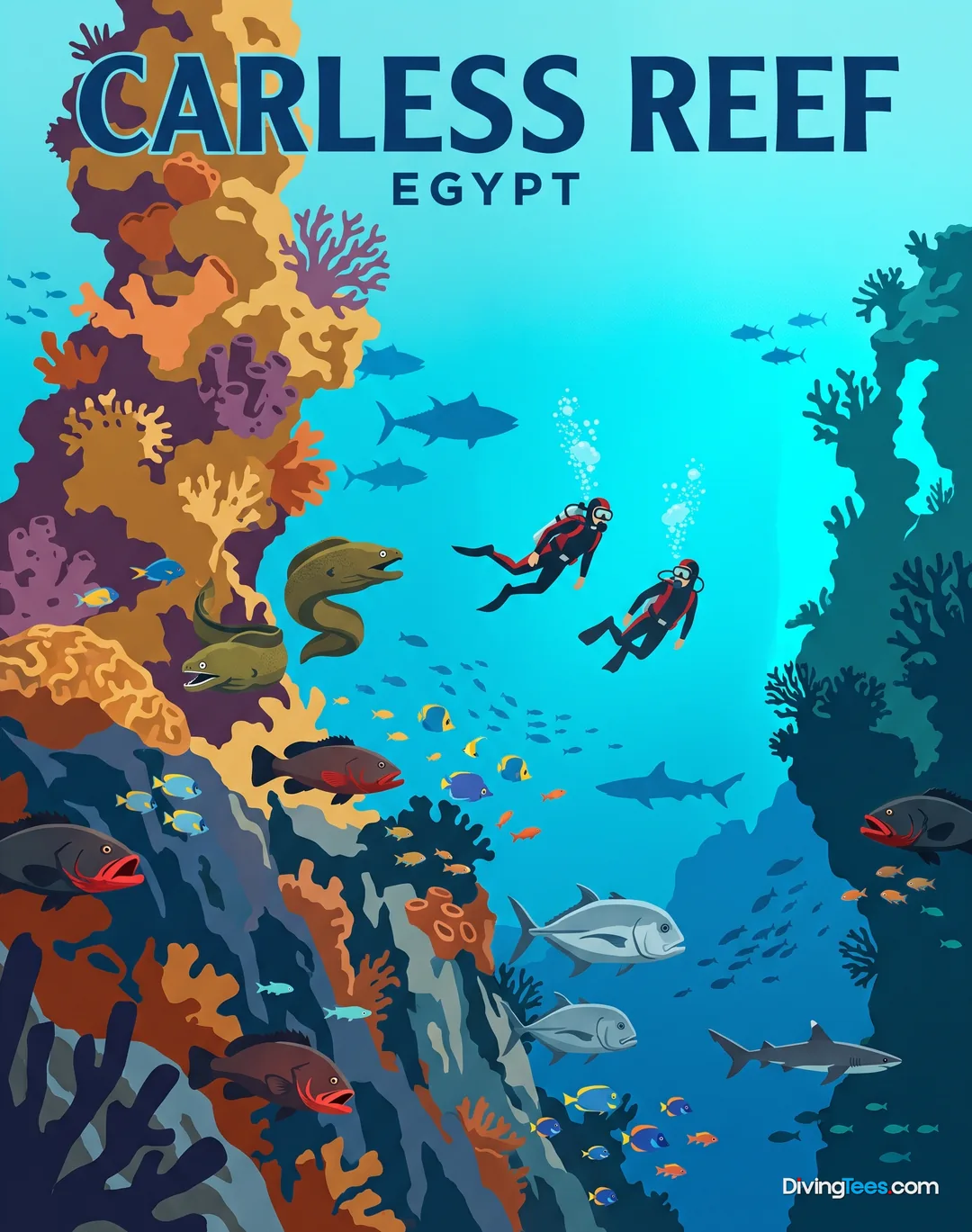
Carless Reef →
Max. depth · 40 m
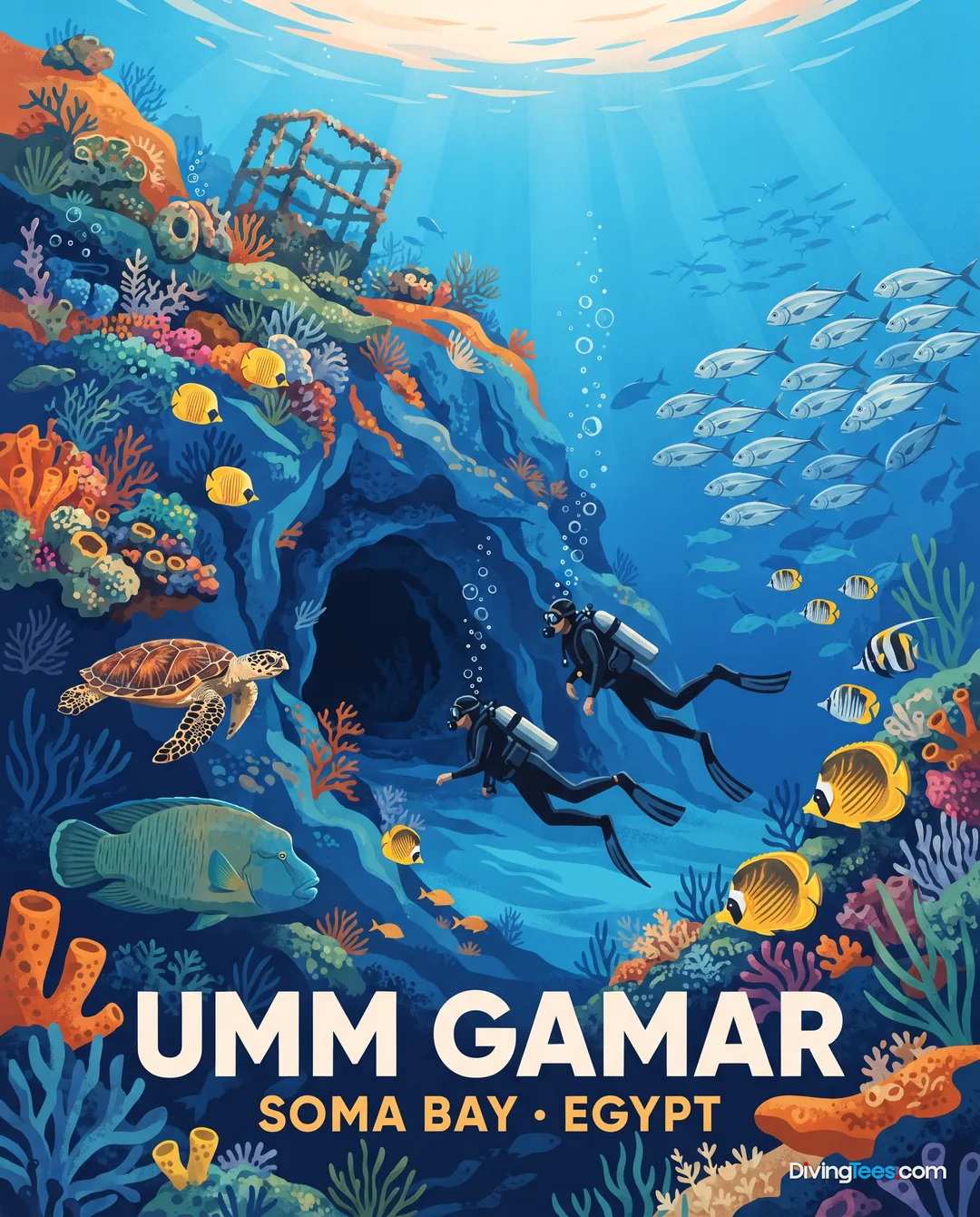
Umm Gamar →
Max. depth · 30 m
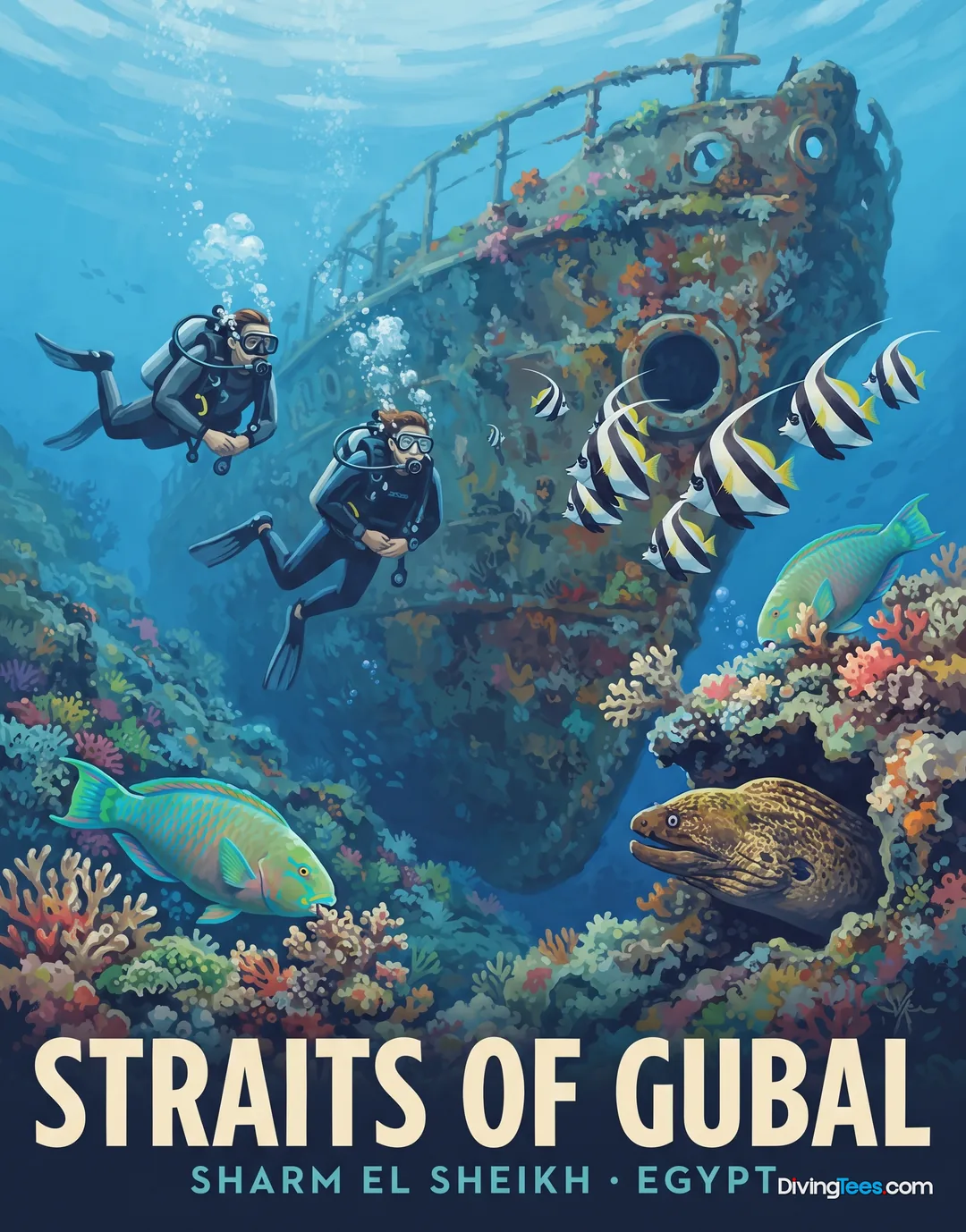
Straits of Gubal →
Max. depth · 50 m
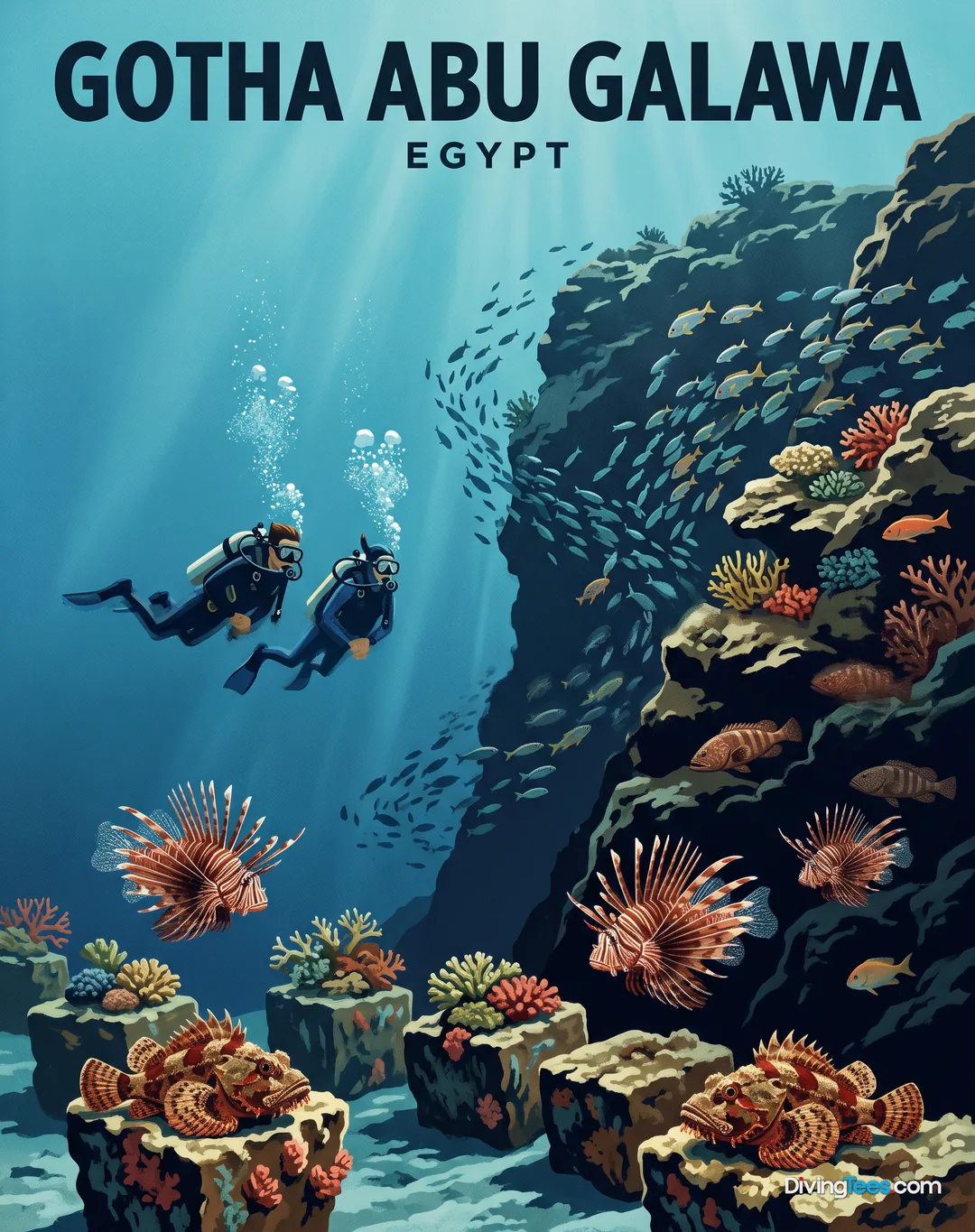
Gotha Abu Galawa →
Max. depth · 35 m
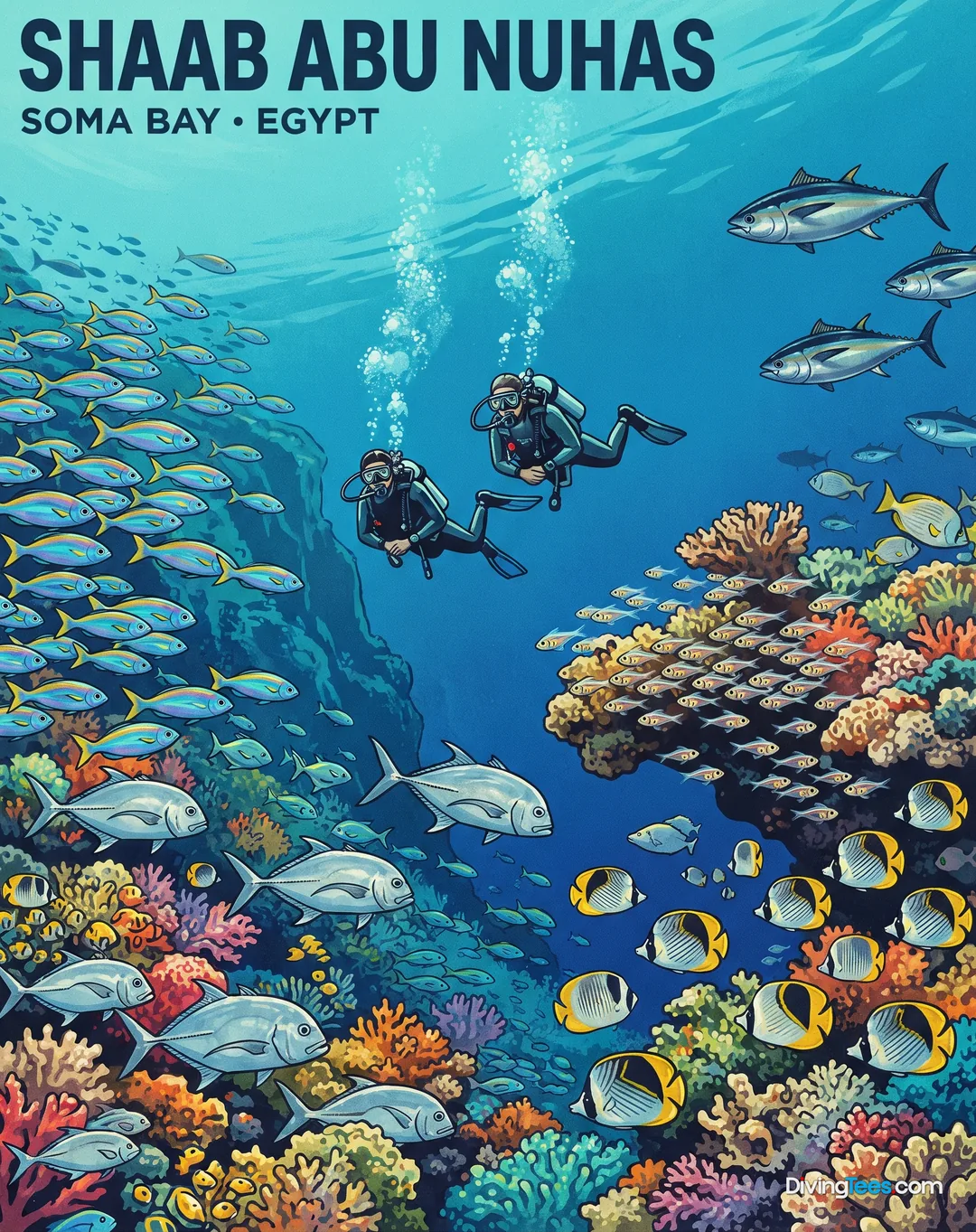
Shaab Abu Nuhas →
Max. depth · 30 m
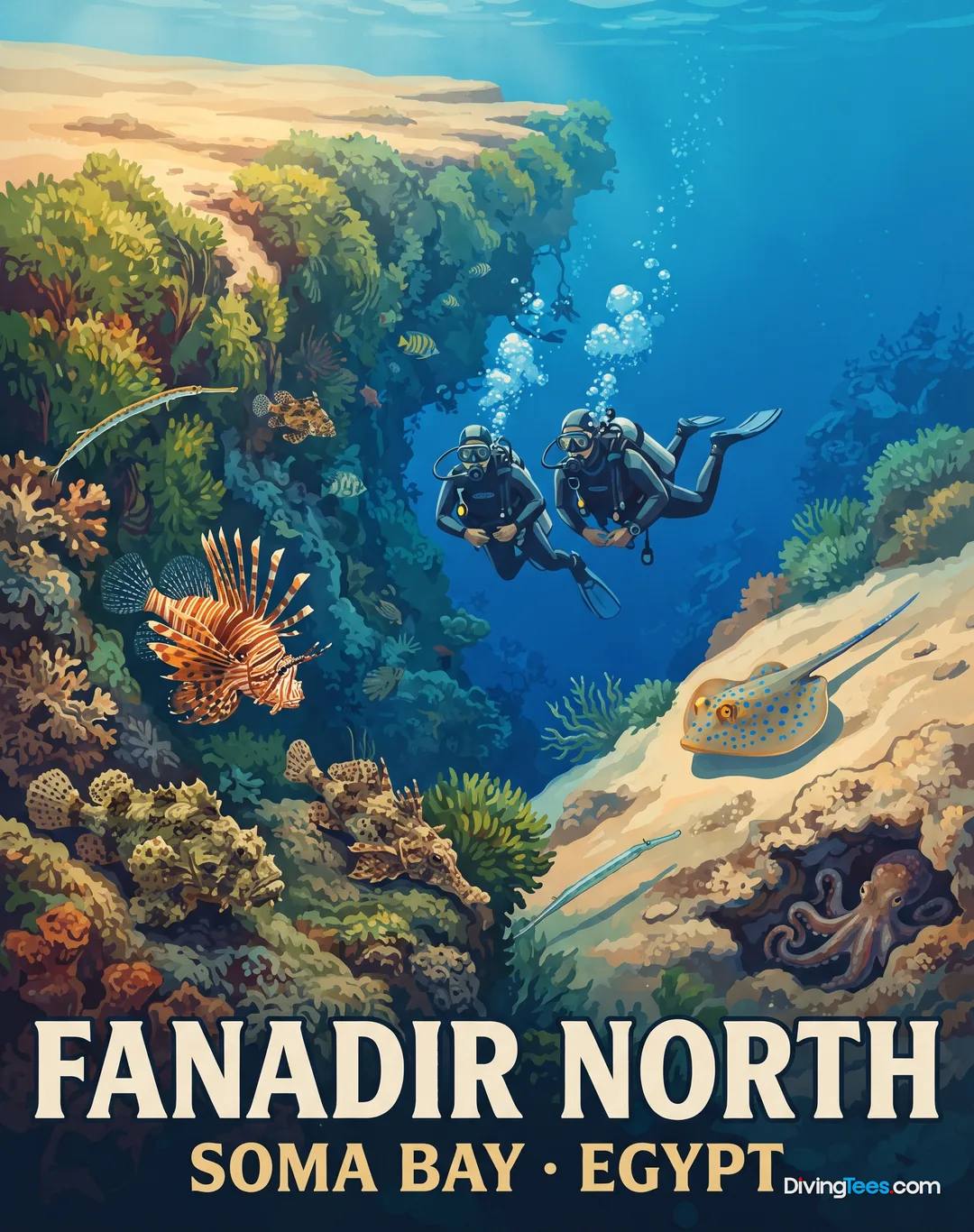
Fanadir North →
Max. depth · 30 m
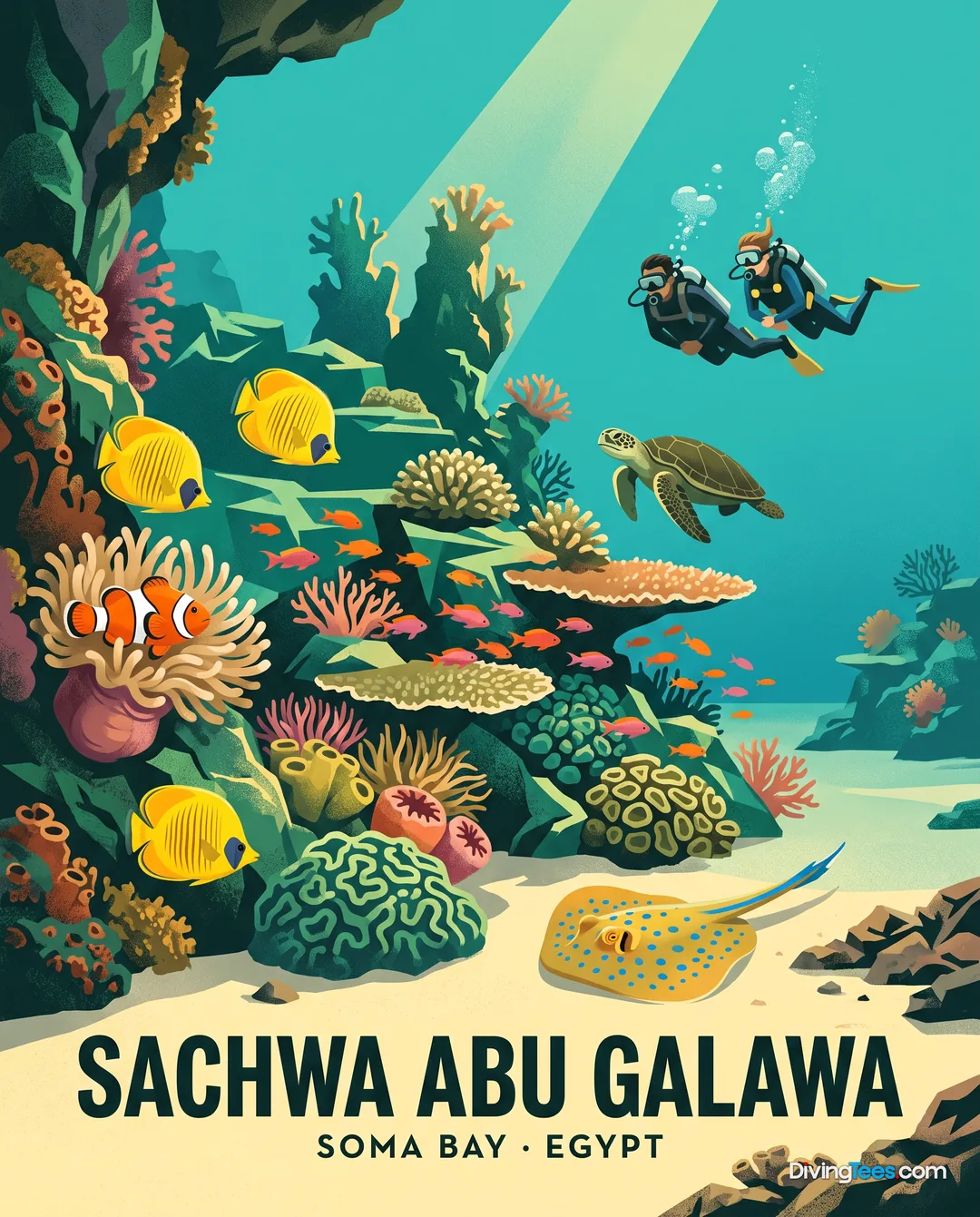
Sachwa Abu Galawa →
Max. depth · 30 m
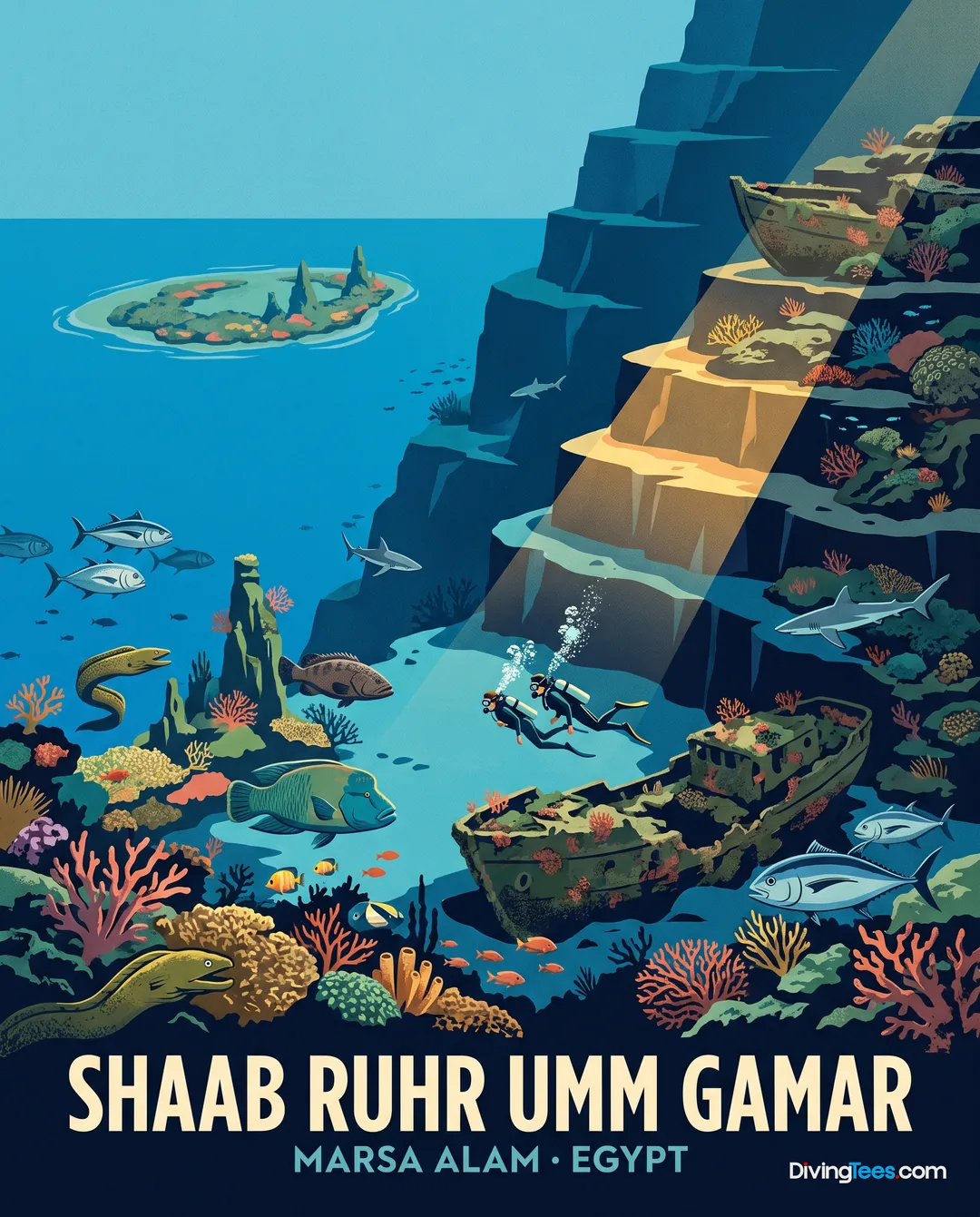
Shaab Ruhr Umm Gamar →
Max. depth · 40 m
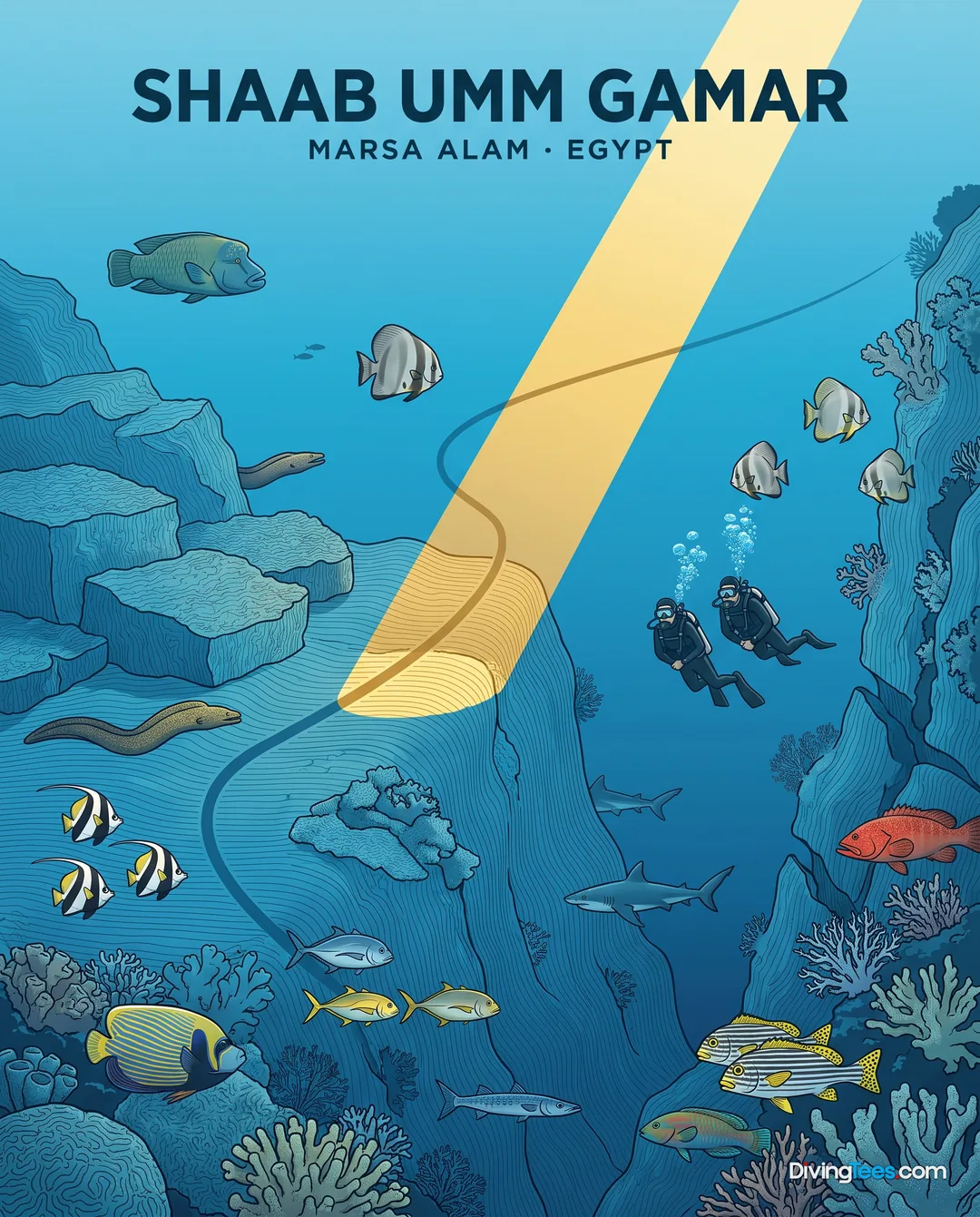
Shaab Umm Gamar →
Max. depth · 40 m
Itineraries, dates and prices
Prices per person. Each month shows its lowest price: click a month, or pick an itinerary.
Next departures · 38 departuresfrom £829$1,108€990
November 2026
December 2026
See dates and prices
If you click these links and make a purchase on the partner site, DivingDeal may earn a commission, at no extra cost to you.
Dates and prices taken from Divebooker, updated 25 October 2026
What you’ll meet underwater
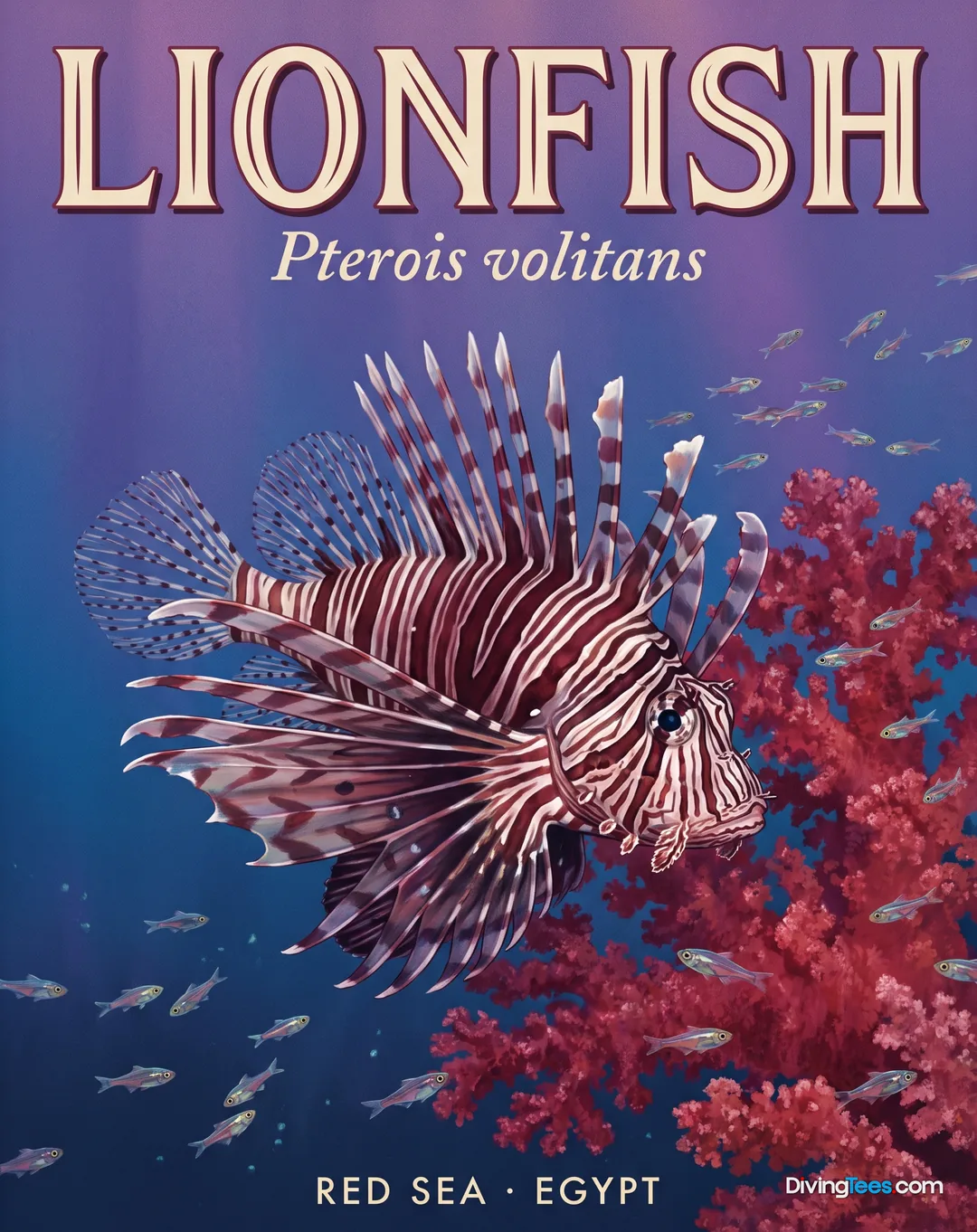
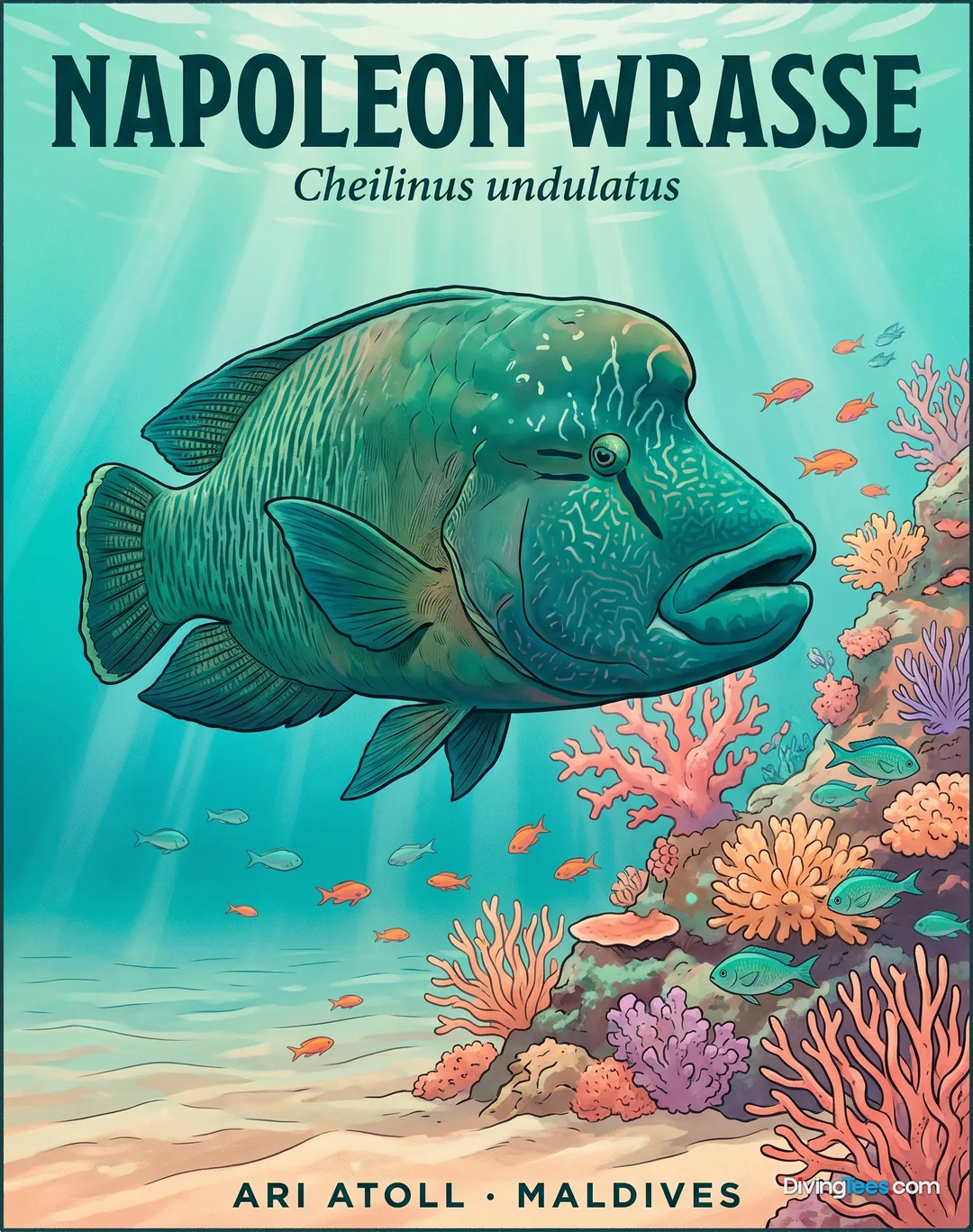
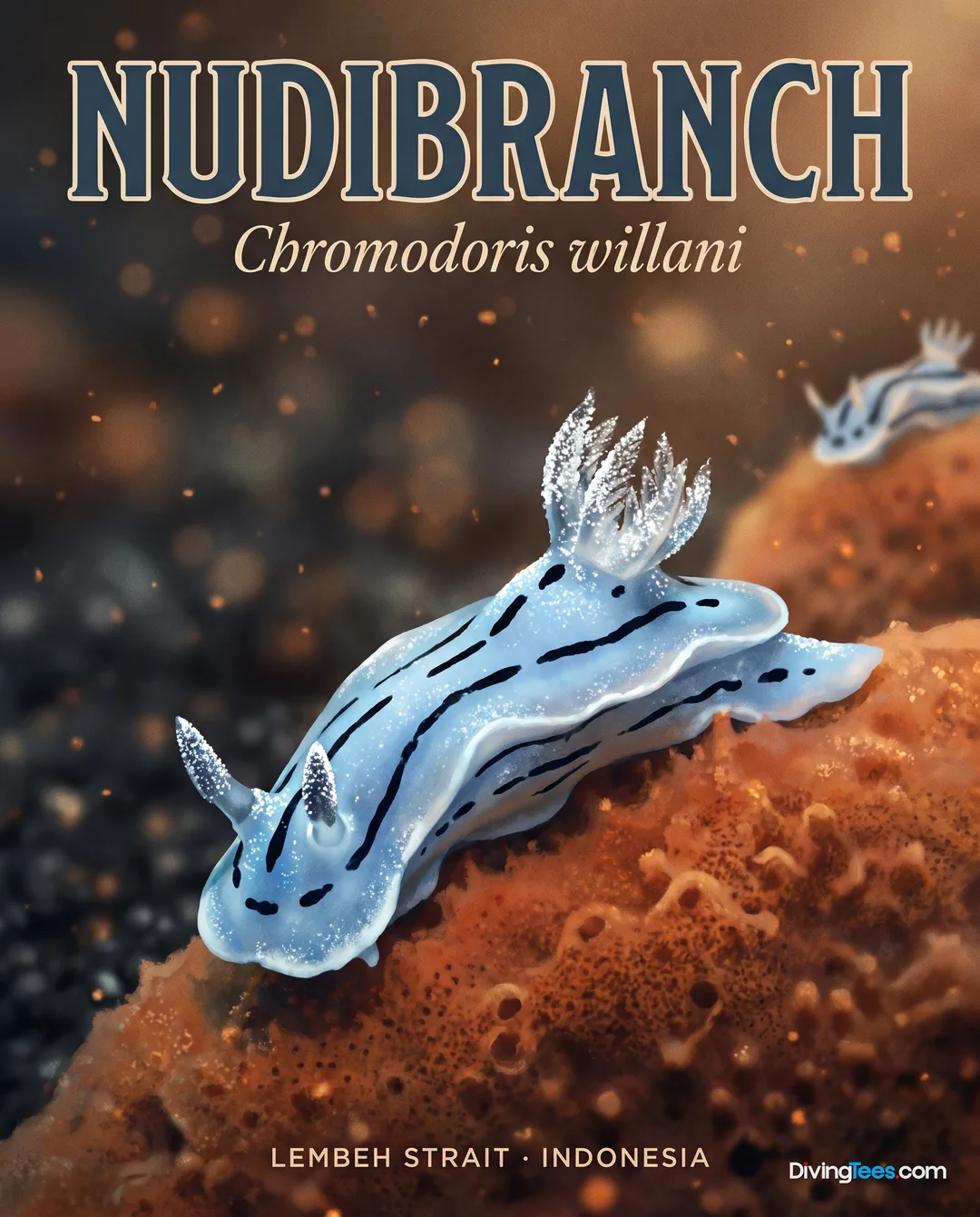
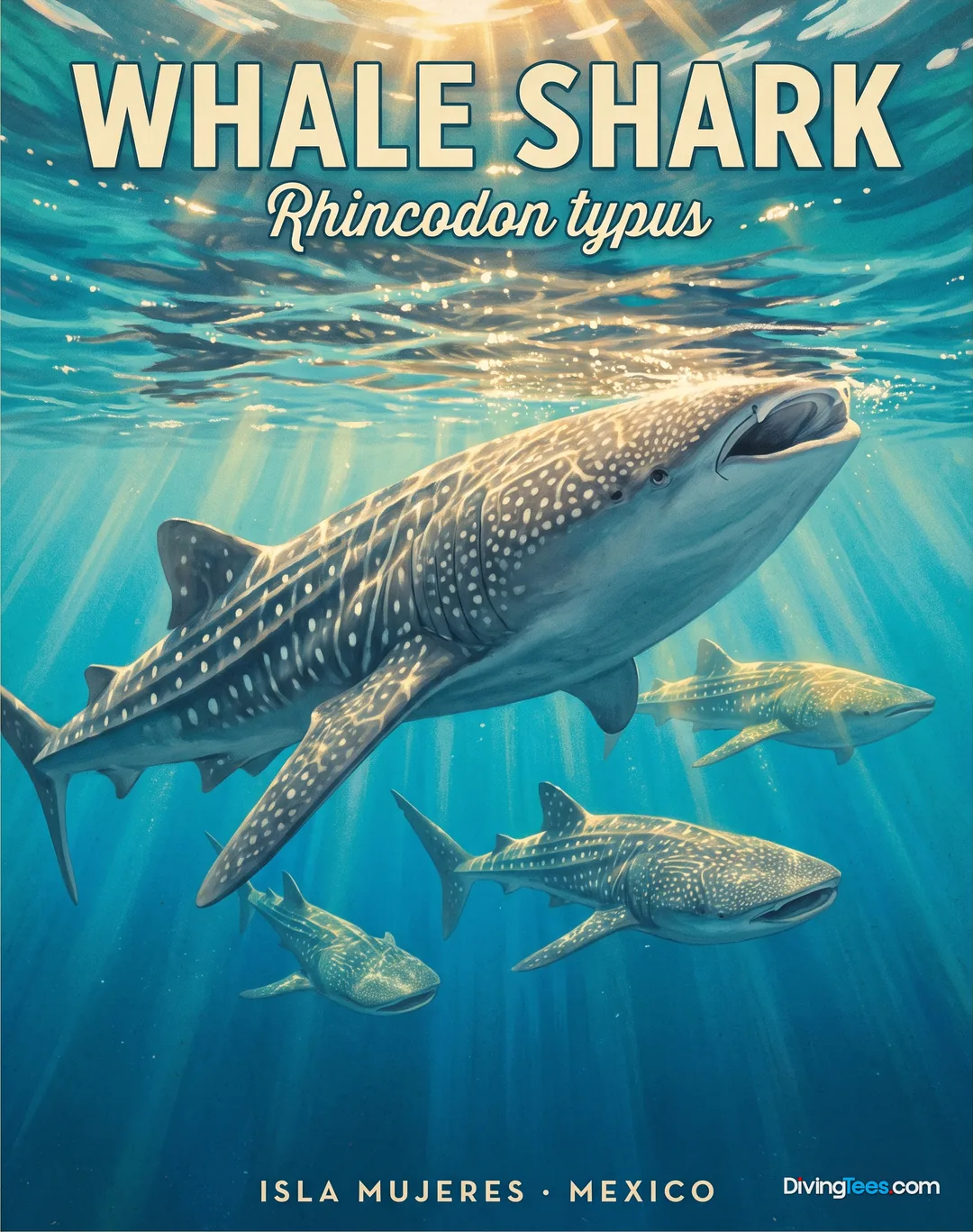
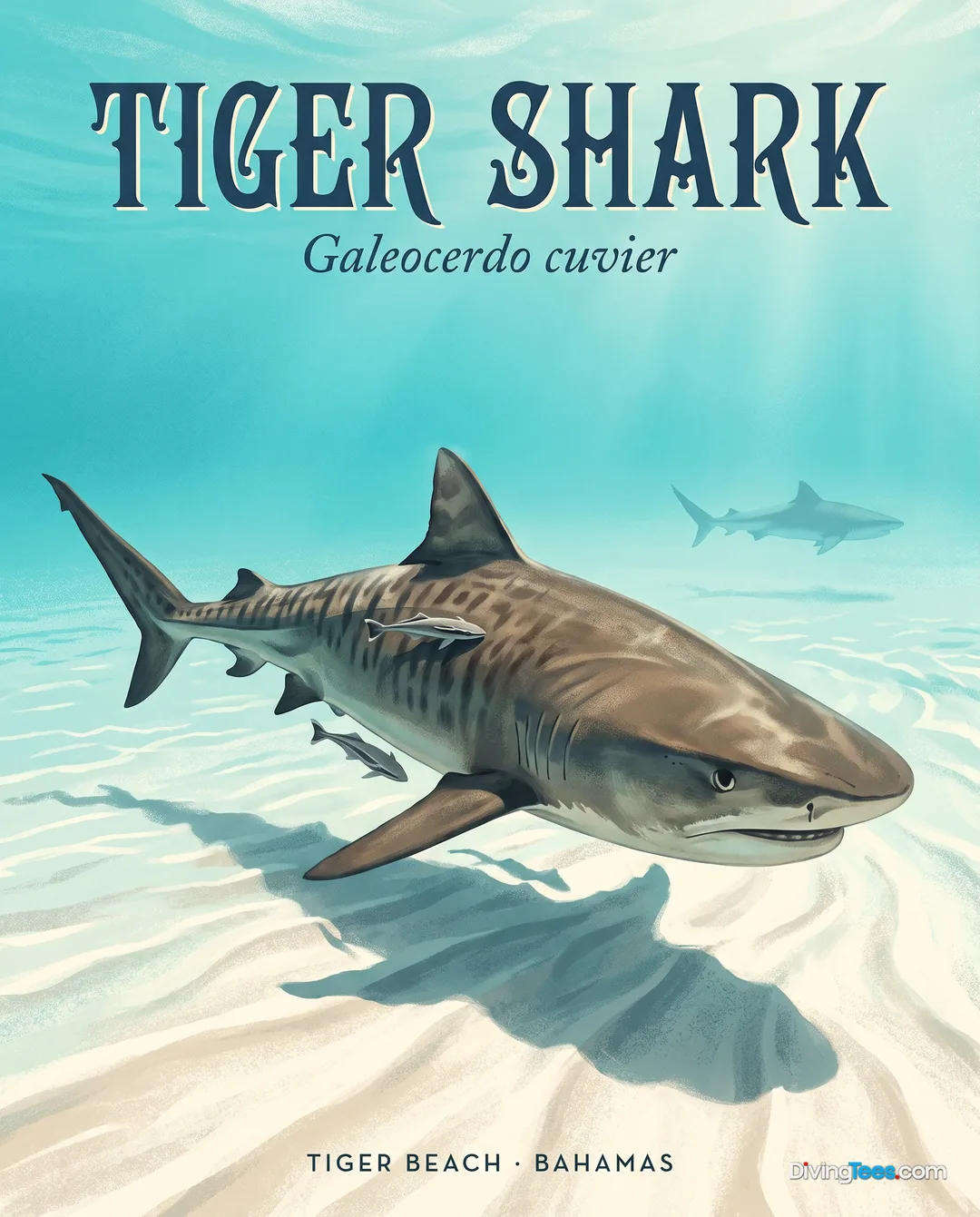
Across the route, morays, reef sharks, jacks, tuna, barracuda, scorpionfish, lionfish, Napoleon wrasse, turtles, nudibranchs and angelfish form the recurring cast, with anthias and groupers filling the reef scenes. The larger encounters depend on current, position and luck: hammerheads are recorded at four sites, manta rays at three, dolphins at five, and reef sharks at seven. The single-site reasons to go are more precise. Elphinstone is the place associated here with blacktip reef sharks, whale sharks, tiger sharks and giant trevally. Shaab Ruhr Umm Gamar is the only listed site for giant grouper. Fury Shoals is the only listed site for triggerfish and rays. Fanadir North is the place for stonefish and trumpetfish, while Shaab Abu Nuhas adds butterflyfish. In the Straits of Gubal, the artificial reefs shelter dense reef fish and the route's specifically recorded coral and jack encounters.
Who puts you in the water
Dive guides work in Arabic, English and German, and the crew supports the operation with two zodiacs, oxygen, first-aid equipment and ENOS tracking for divers. The boat is intended for certified divers rather than introductory training: the minimum is 50 logged dives and AOWD or an equivalent qualification. Briefings need to be taken seriously on the current-prone outer reefs, where the guide’s route, entry point and pickup plan matter as much as the reef itself. The operation is not set up for technical diving. The working safety chain is guide-led diving, support zodiacs in the water, tracked divers and emergency oxygen ready on board.
The dive deck and the gear
The dive deck is arranged for repeated use: personal storage, individual dive boxes, wetsuit hangers, tank racks, rinse hoses, warm-water showers and direct access to the diving platform. Three Bauer compressors rated at 240 l/min support filling, and a membrane Nitrox compressor is installed. Standard tanks are 12-litre aluminium; 15-litre tanks can be arranged at extra cost. DIN adaptors are available, and rental equipment is offered separately. Underwater photographers get a camera table, dedicated camera storage, charging stations and separate rinse tanks, so a housing does not have to share the same bath as masks and fins. Two zodiacs, each with a 40 hp outboard, handle drop-offs and pickups. They remain in the water during dives, allowing the crew to collect divers where they surface rather than forcing every group back to one fixed point.
Between dives
Between dives, the boat gives people several ways to disappear for a while. The sun deck has loungers for those who want heat and open sky; the open-air saloon offers air movement without leaving the group; the indoor saloon and dining area provide shade and air conditioning. Audio and video entertainment are there, but the more natural use of the spaces is practical: dry a hood, check a camera, drink something cold, then decide whether the next hour belongs to sleep or conversation. Wi-Fi is available with limited data. When the boat is moving between reefs, the deck becomes the place to watch the water and the coastline rather than another room to fill.
A day on board
A day starts with the first briefing before the first dive, then the boat works through the pattern that makes a liveaboard worthwhile: dive, eat, rinse, rest, and prepare again. The programme allows three or four dives a day, with a night dive included when the site and conditions suit it. The surface intervals belong to shade, loungers, the saloon, camera care or sleep rather than a fixed entertainment schedule. Meals and all-day drinks keep the gaps short and practical. On the last day, the programme drops to two dives, leaving the final return and disembarkation less compressed. The shape is demanding enough to satisfy divers who came for volume, but the boat's storage, showers and support zodiacs remove much of the unnecessary work between entering and leaving the water.
What you eat aboard
Meals are served buffet-style, with Western and local dishes and provision for dietary restrictions. The important detail is the spacing between meals: water, tea, coffee and bottled soft drinks remain available, while cakes, biscuits, fresh fruit and other snacks cover the gap between dives. On a liveaboard, that is more useful than an elaborate dinner menu. Divers can eat without turning the whole day into a formal pause, then return to the deck, the shade or the bunk. Alcoholic drinks and spirits are available on board, while soft drinks in cans are treated separately from the included bottled drinks. The dining room is air-conditioned, giving the group a cooler place to refuel when the deck has been holding the Red Sea sun.
Nights at sea
The 12 cabins are divided between twin-bed cabins and Master Suites, including twin cabins on the upper and lower decks and king-bed suites on the upper deck. Each has air conditioning, a private bathroom and a sound system. That is not a collection of hotel rooms; it is a place to close the door after several dives, rinse salt from the day and sleep without sharing the saloon. The wood interior softens the practical layout, while the choice between a twin cabin and an upper-deck suite gives couples and friends different ways to settle in. With space for 24 passengers, the boat is large enough to support a full dive operation without making every return from the water feel like a queue through a narrow passage.
Twin Bed Cabin
Master Suite
What to know before boarding
Recorded itineraries depart and return through Hurghada or Port Ghalib, depending on the route. Transfers from the airport to the cruise check-in point can be arranged by the boat's representatives for an additional charge, and a return transfer can be arranged after disembarkation. The transfer details are sent with the booking arrangements. Arriving the night before is the sensible choice for an international flight, especially when the embarkation port is Port Ghalib.
- Year built
- 2007
- Year renovated
- 2025
- Length
- 42 m
- Beam
- 8.5 m
- Maximum number of passengers
- 24
- Number of cabins
- 12
- Engines
- 2 × 750 hp Darcon
- Tenders
- 2 zodiacs with 40 hp outboards
- Website
- seawolf-safari.de ↗
Hello, I'm Marina, DivingDeal.com's AI assistant. I answer in detail about hotels, dive centres and liveaboards.
Thinking about the whole trip and the flights? Talk it over with Edith →
Marina is an AI. Some links are affiliate links: DivingDeal may earn a commission, at no extra cost to you. Bookings are made with the partner.