Liveaboards · Egypt
South Moon 1 — a diver-designed Red Sea liveaboard
What makes this boat unique
- South Moon 1 is a 2024, 30-metre steel liveaboard sailing eight days and seven nights from Sharm El Sheikh.
- The dive setup includes twin and 15-litre tanks, DIN adapters, nitrox up to 32% for certified divers, a shaded dive deck and two six-metre Zodiacs.
- The Best of Sinai route links Ras Mohamed, the Straits of Tiran, the SS Thistlegorm and other northern Red Sea reefs and wrecks.
- All cabins have air conditioning and private bathrooms, with a suite, upper-deck cabins and lower-deck cabins available.
The invitation
South Moon 1 is built around the part of a liveaboard that matters most: getting divers into the Red Sea cleanly, repeatedly and without turning the week into a logistics exercise. The Best of Sinai route keeps sailing distances short, so the boat spends more of its time near Ras Mohamed, the Straits of Tiran and the SS Thistlegorm rather than burning hours between sites. That makes this a strong choice for divers who want famous wrecks and current-swept reefs in the same week, with enough space to come back up and recover properly. The boat is new, diver-designed and deliberately practical: a large dive deck, a proper platform, shaded working space, camera rinsing and two tenders. It is not trying to be a resort separated from the diving. The whole layout points toward the next descent.
Boarding
From the dock, South Moon 1 presents as a new steel liveaboard with the broad, purposeful shape needed for a week of diving rather than a short day trip. The impression is one of usable space: the dive deck is designed for equipment, the platform opens directly onto the water, and the upper areas give people somewhere to get clear of the working deck. Once aboard, the air-conditioned salon and dining area provide a quieter centre between dives, while the two sun decks spread people out above. Movement should feel straightforward because the boat separates the places where divers work from the places where they eat and rest. At the stern, the tenders support the diving operation instead of leaving every diver waiting on the main boat. South Moon 1 is not an old vessel being kept alive by atmosphere; it was built in 2024 with the daily mechanics of a dive safari in mind.
The atmosphere on board
The atmosphere described on South Moon 1 is closer to a comfortable working dive boat than to a formal hotel. The cabins are kept cosy, the salon is welcoming, and the decks are generous enough that people can step away from the main group after a dive. The same experienced crew continued with the boat from 2024, which matters over a full week: routine is already established, and the crew’s role is to keep equipment, meals, transfers and dive movements from becoming the guests’ problem. English is spoken on board. Evenings can stay quiet in the salon or move outside onto the sun decks, depending on the group and the next departure into the water. The boat’s strongest social quality is practical: divers spend the day sharing briefings, entries, exits and meals, then still have enough space not to sit on top of one another.
The sites you’ll dive
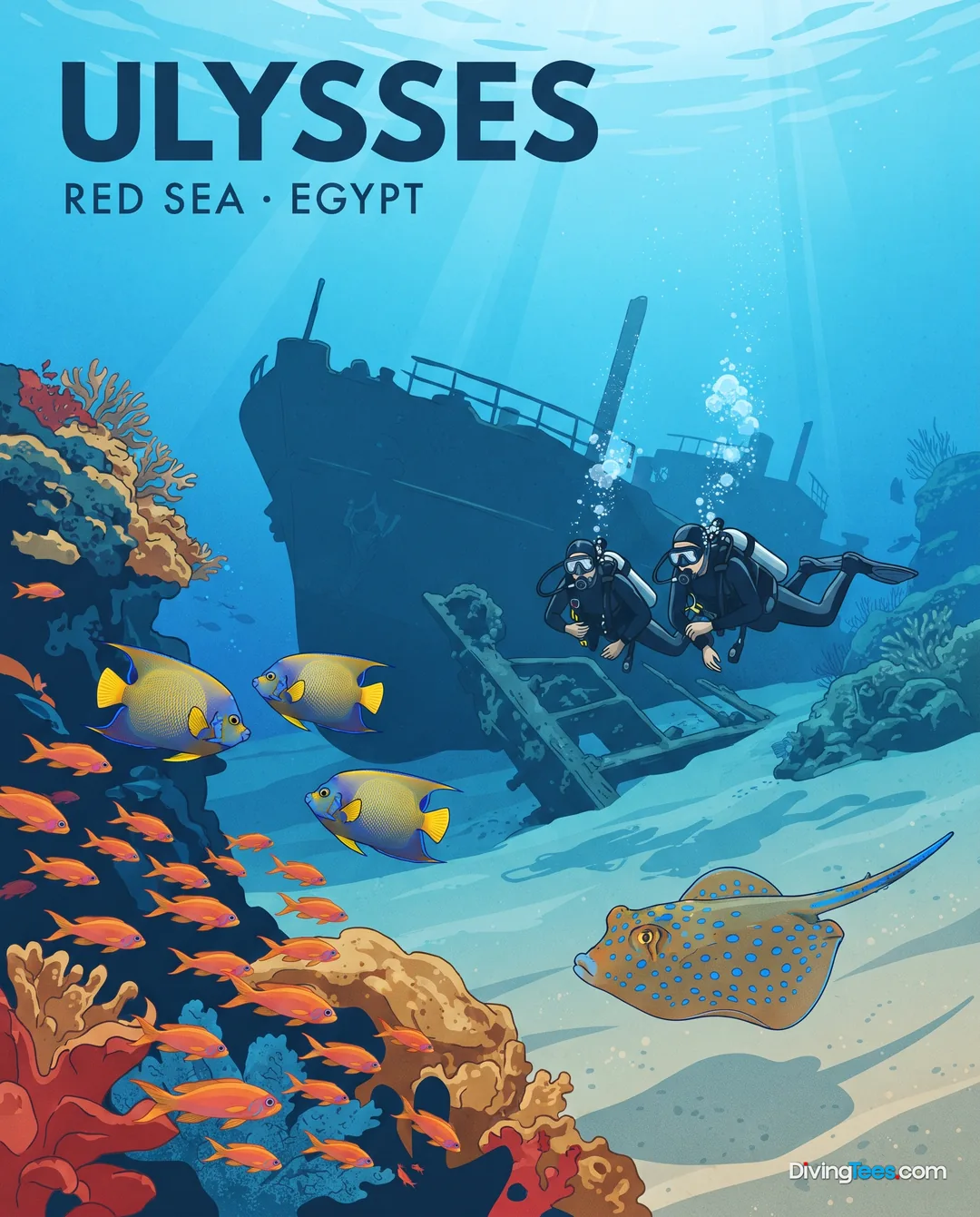
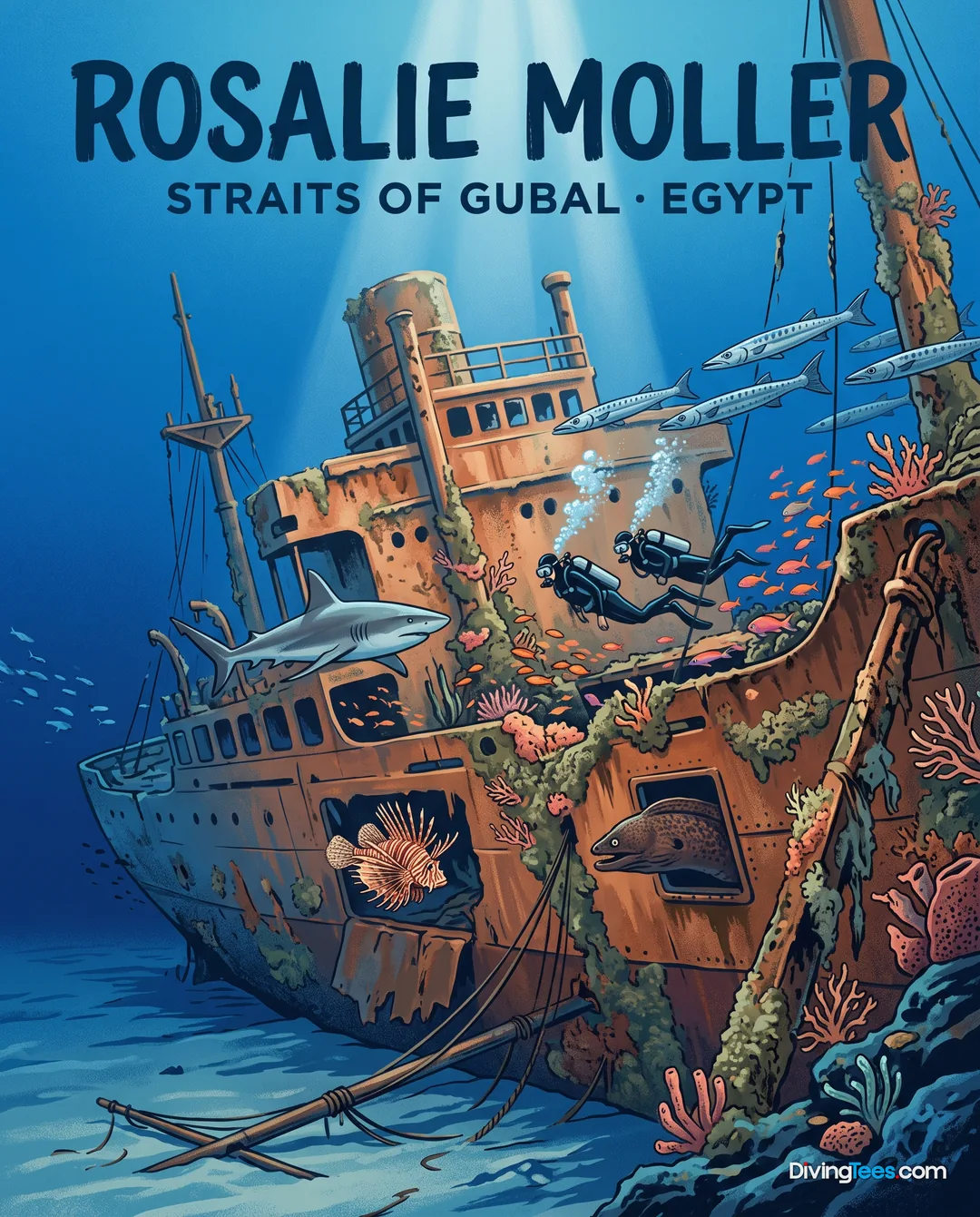
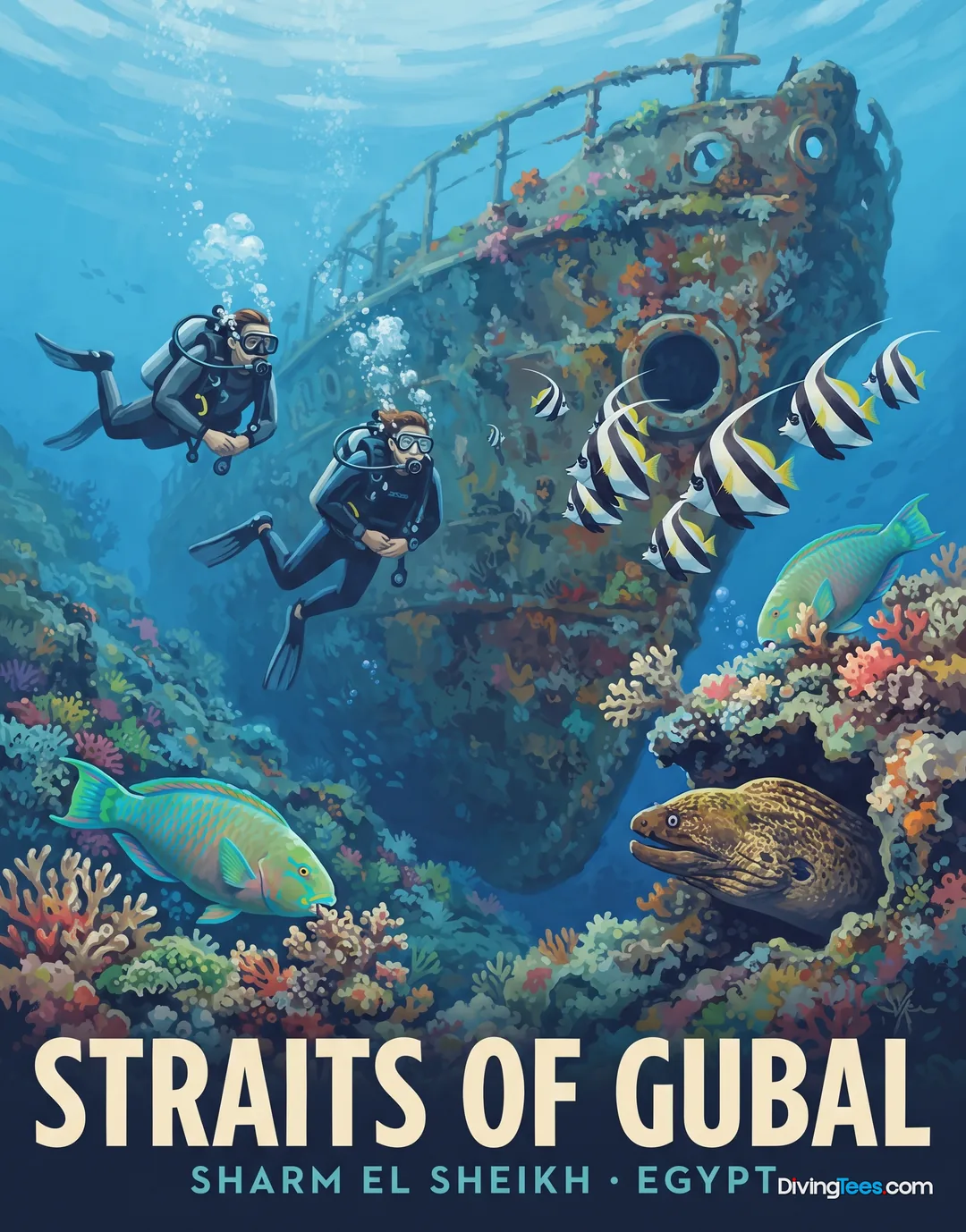
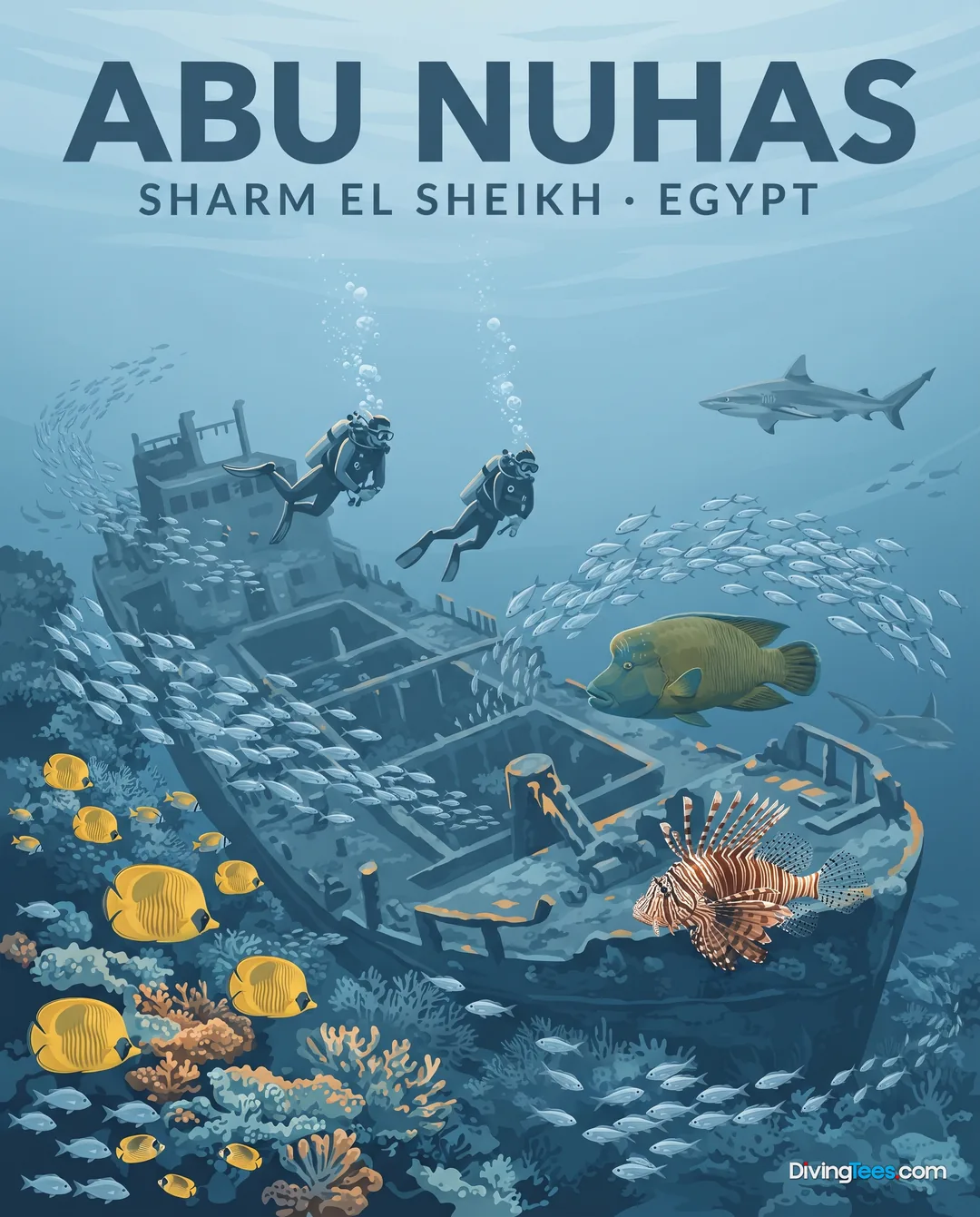
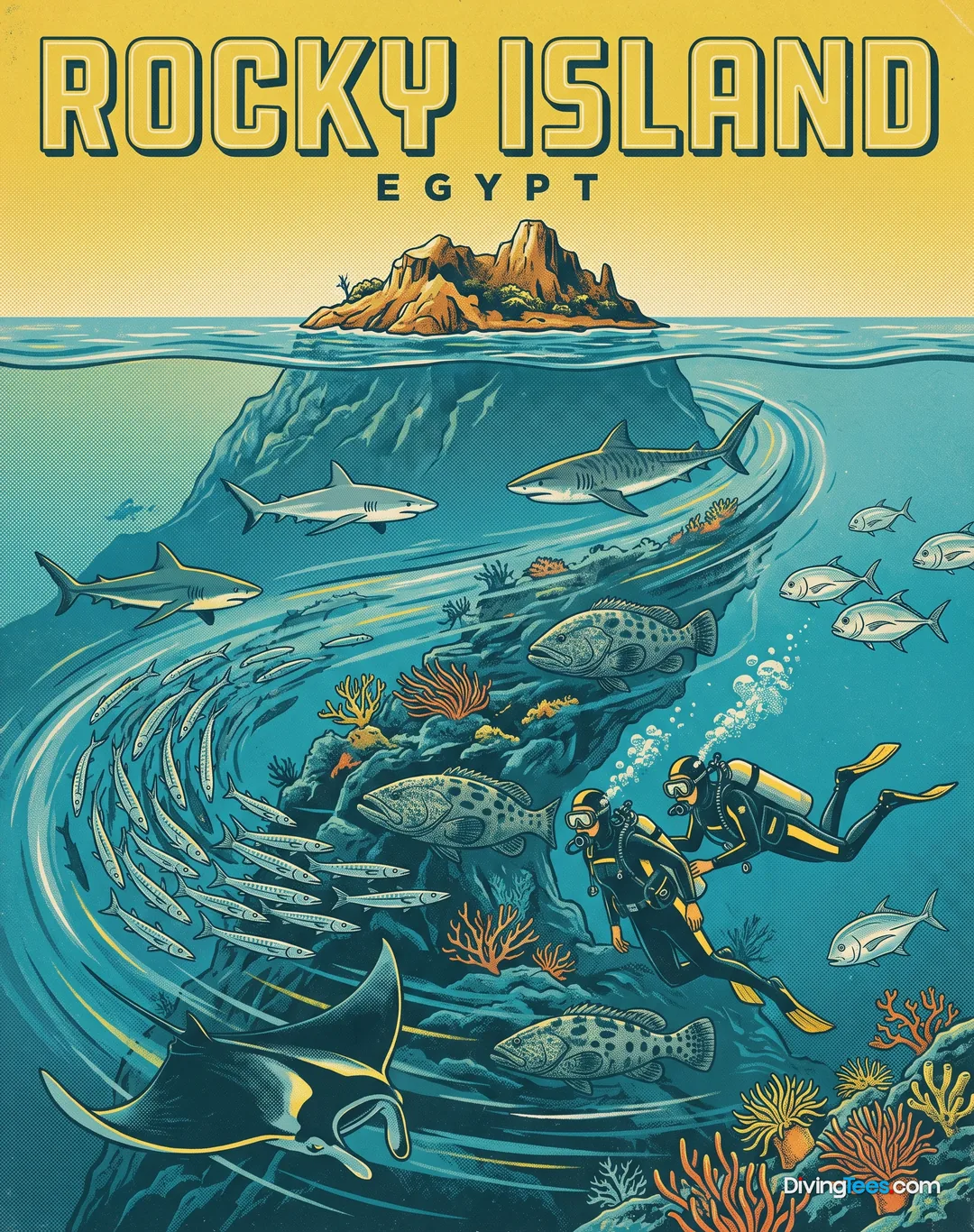
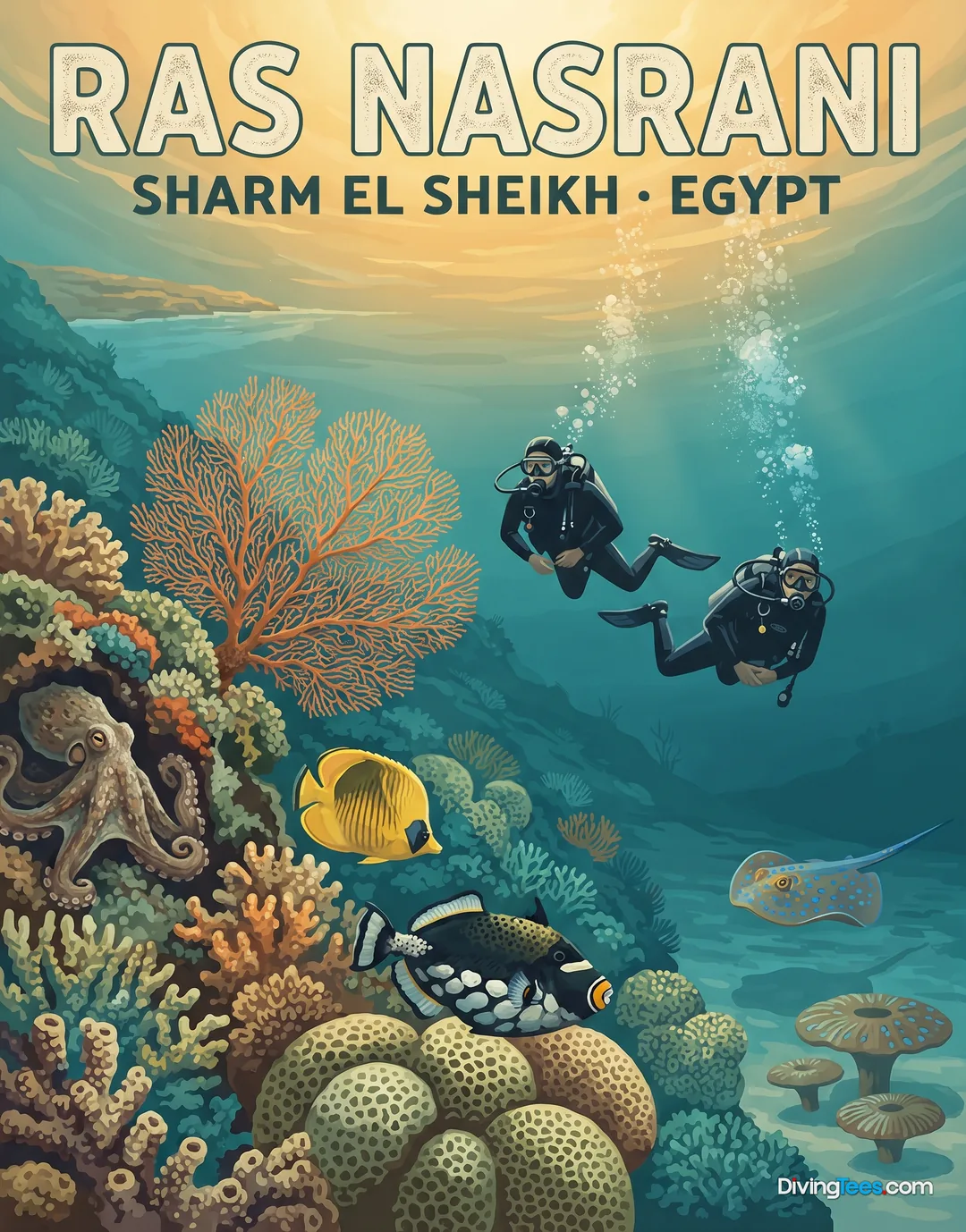
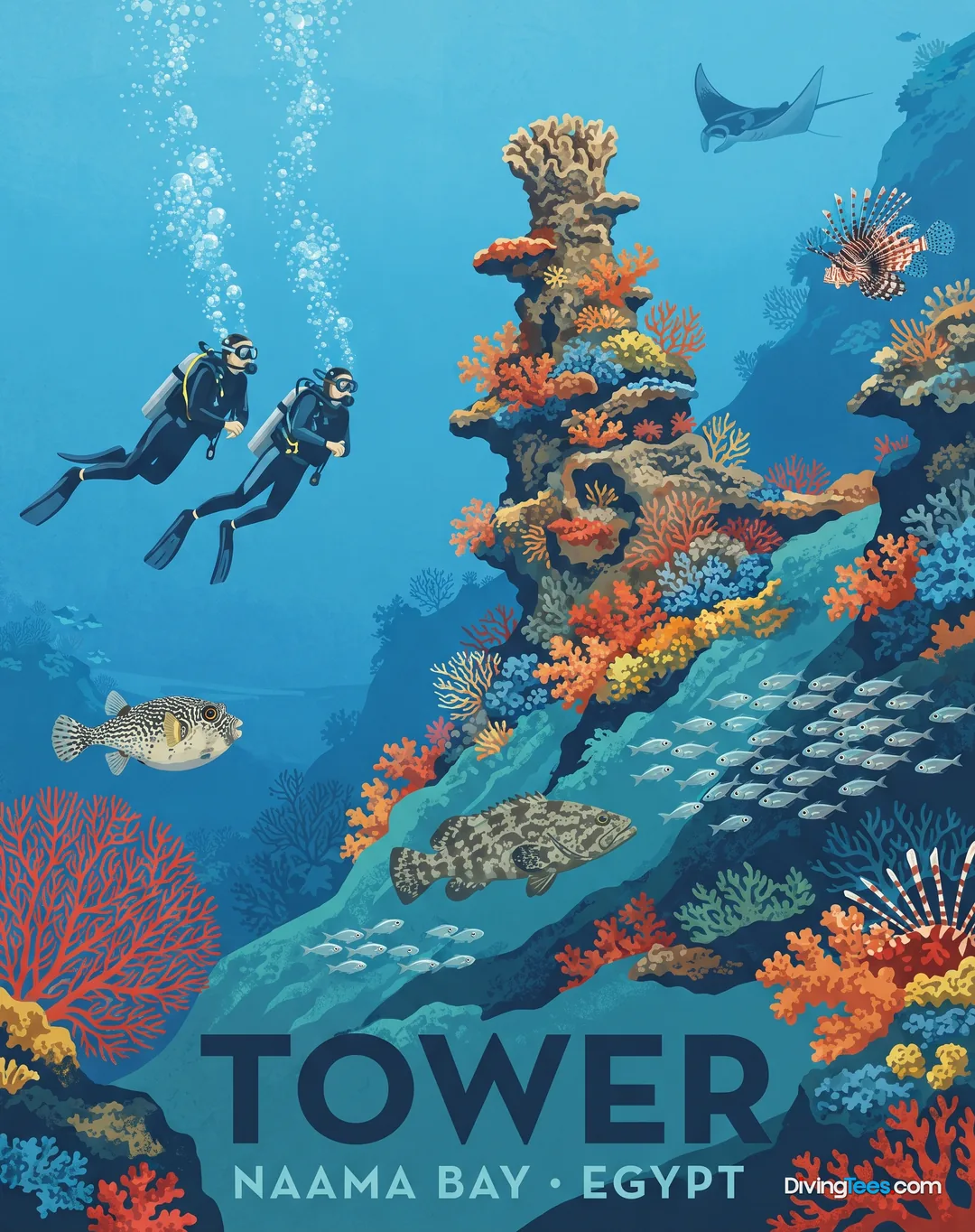
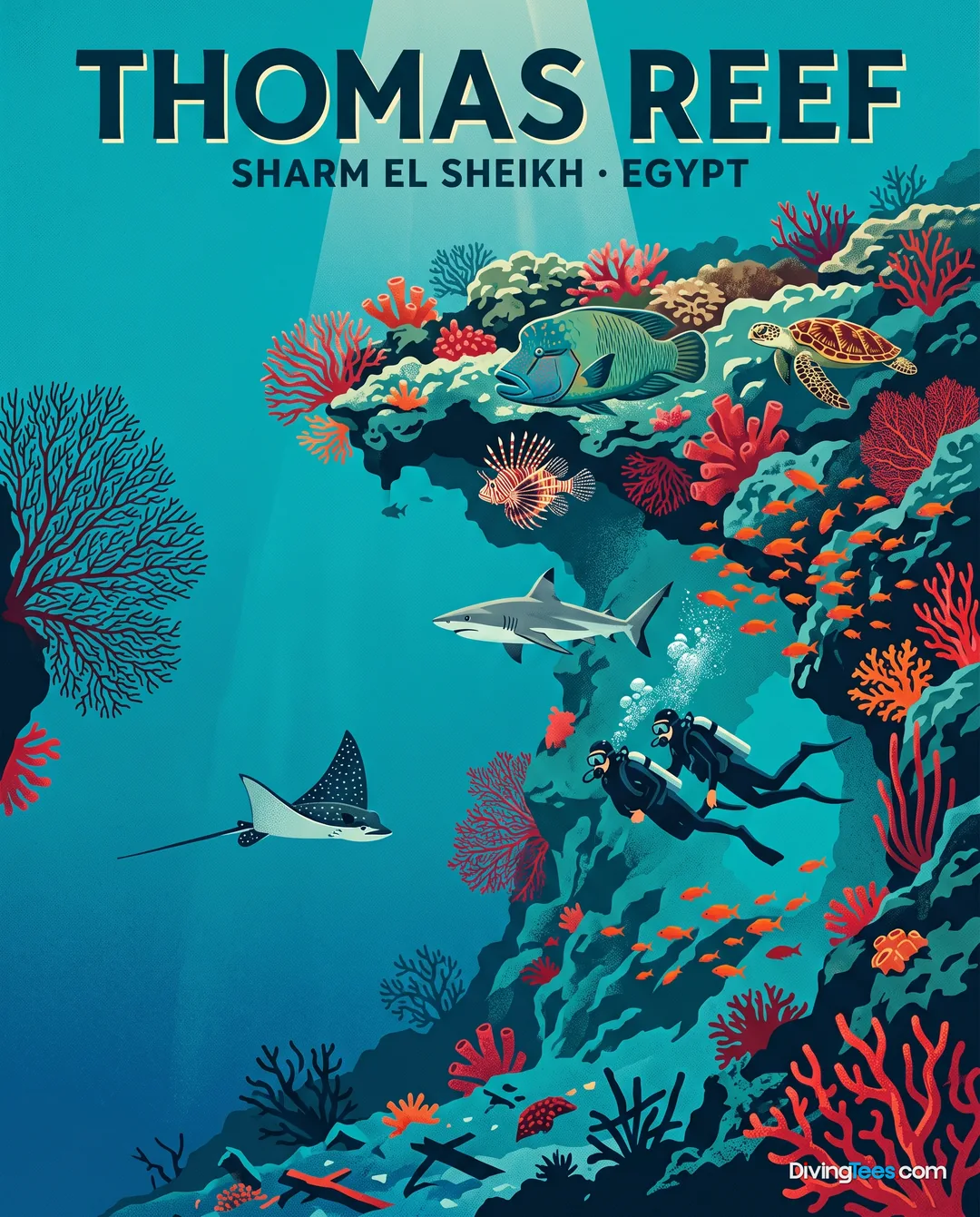
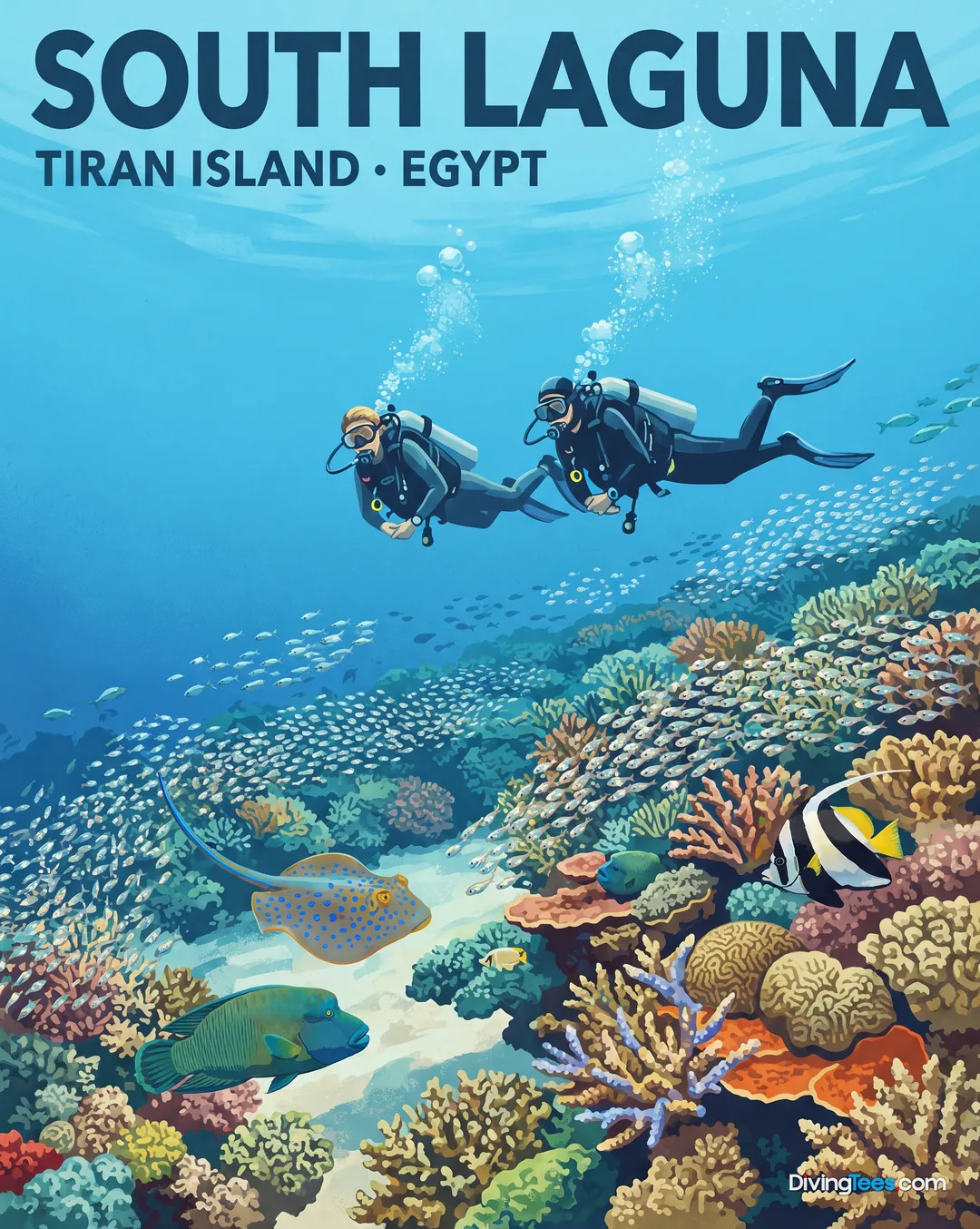
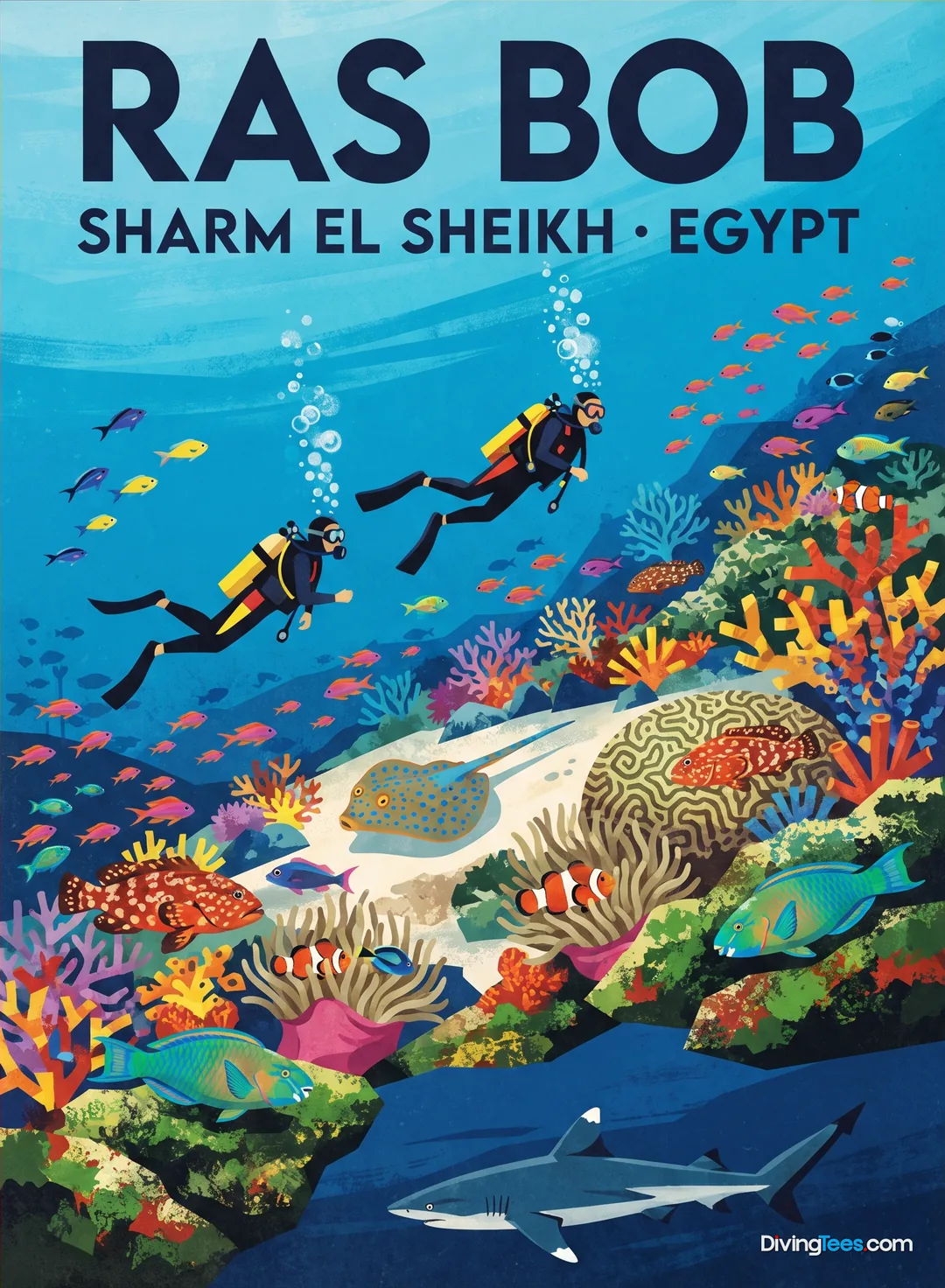
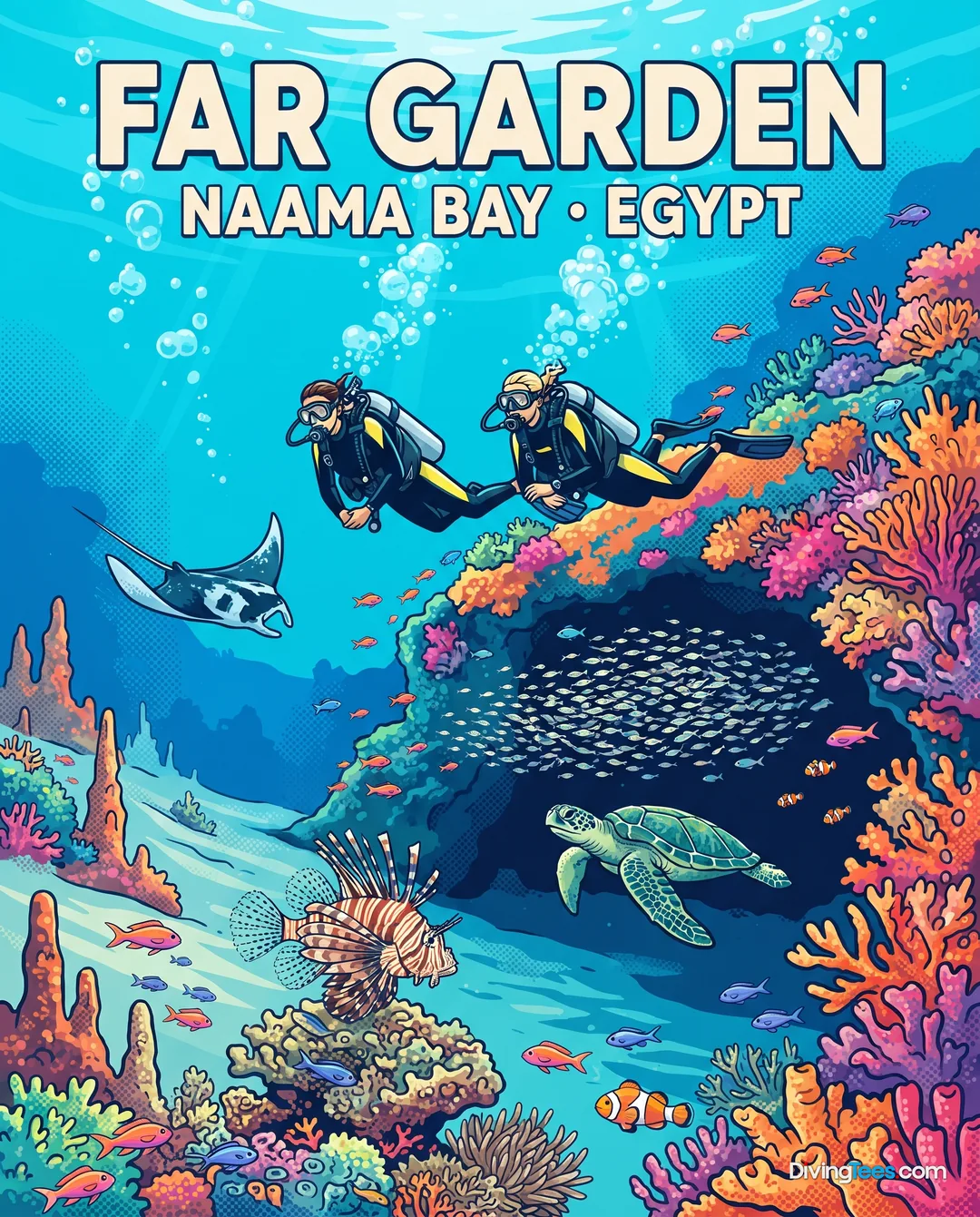
The eight-day, seven-night Best of Sinai loop leaves from and returns to Sharm El Sheikh, combining short runs with a concentrated set of northern Red Sea dives. Ulysses is a merchant wreck explored down to 27 metres. The Rosalie Moller lies in the Straits of Gubal between 30 and 50 metres, with barracudas, tuna, trevallies and glassfish around a well-preserved wartime ship. Thistlegorm reaches 32 metres and turns a dive into a passage through preserved cargo holds, wartime vehicles and marine life. Abu Nuhas places four wrecks close together, while the Straits of Gubal gather several wrecks into a natural funnel of artificial reefs. For reef diving, Rocky Island brings strong current and the possibility of oceanic sharks, schooling barracudas and manta rays. Ras Nasrani is a current-swept cape with gorgonian fans and mushroom corals, reaching 60 metres; Tower drops along fossil coral to walls visited by pelagics. Thomas Reef reaches 90 metres, while Woodhouse and Gordon offer drift dives, and South Laguna combines sheltered lagoon water with outer-wall current. Ras Bob stays gentler, between 5 and 15 metres, and Far Garden reaches 25 metres around coral pinnacles and a wall.
Itineraries, dates and prices
Prices per person. Each month shows its lowest price: click a month, or pick an itinerary.
Next departures · 5 departuresfrom £800$1,070€956
October 2026
December 2026
See dates and prices
If you click these links and make a purchase on the partner site, DivingDeal may earn a commission, at no extra cost to you.
Dates and prices taken from Divebooker and liveaboard.com, updated 24 October 2026
What you’ll meet underwater
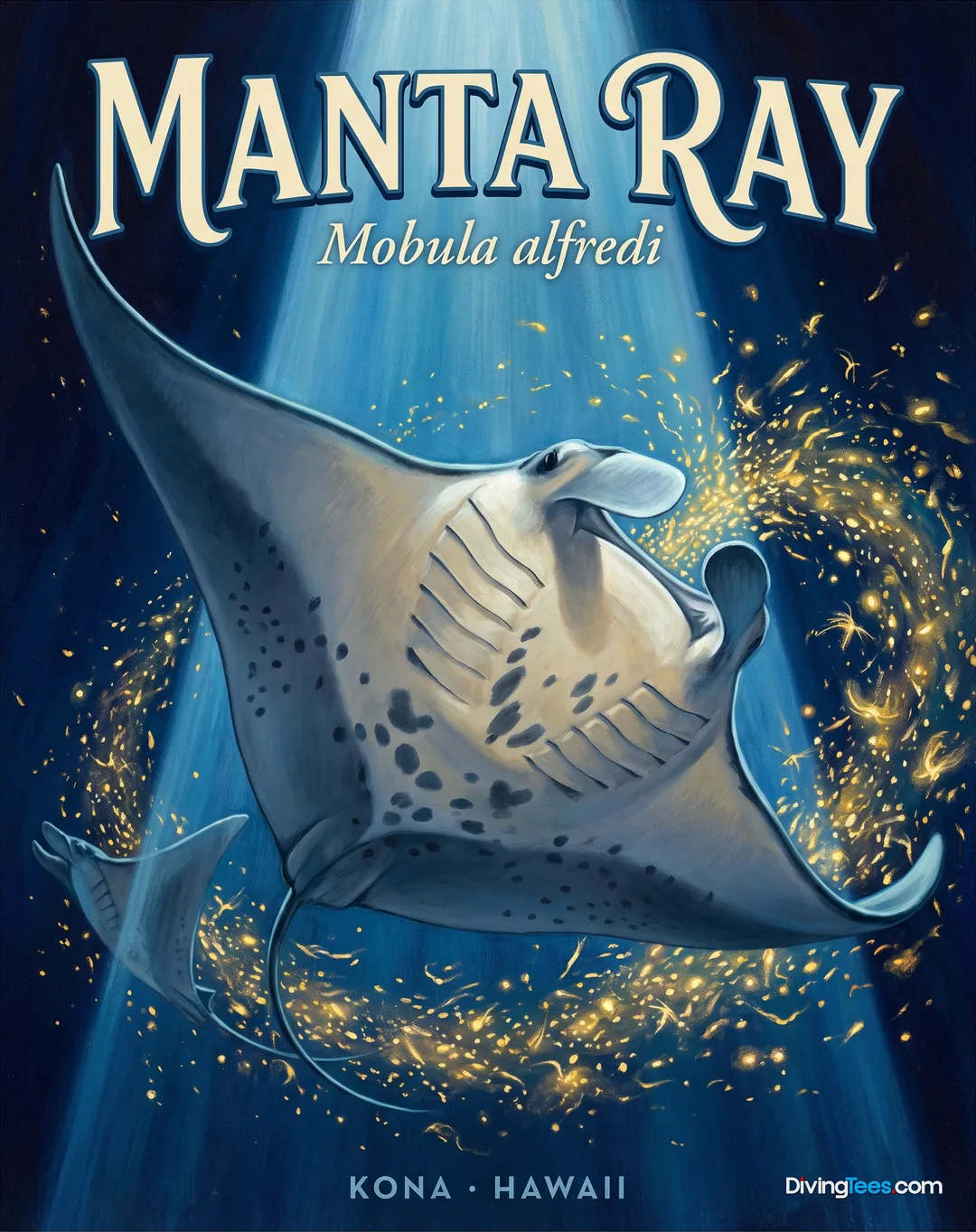
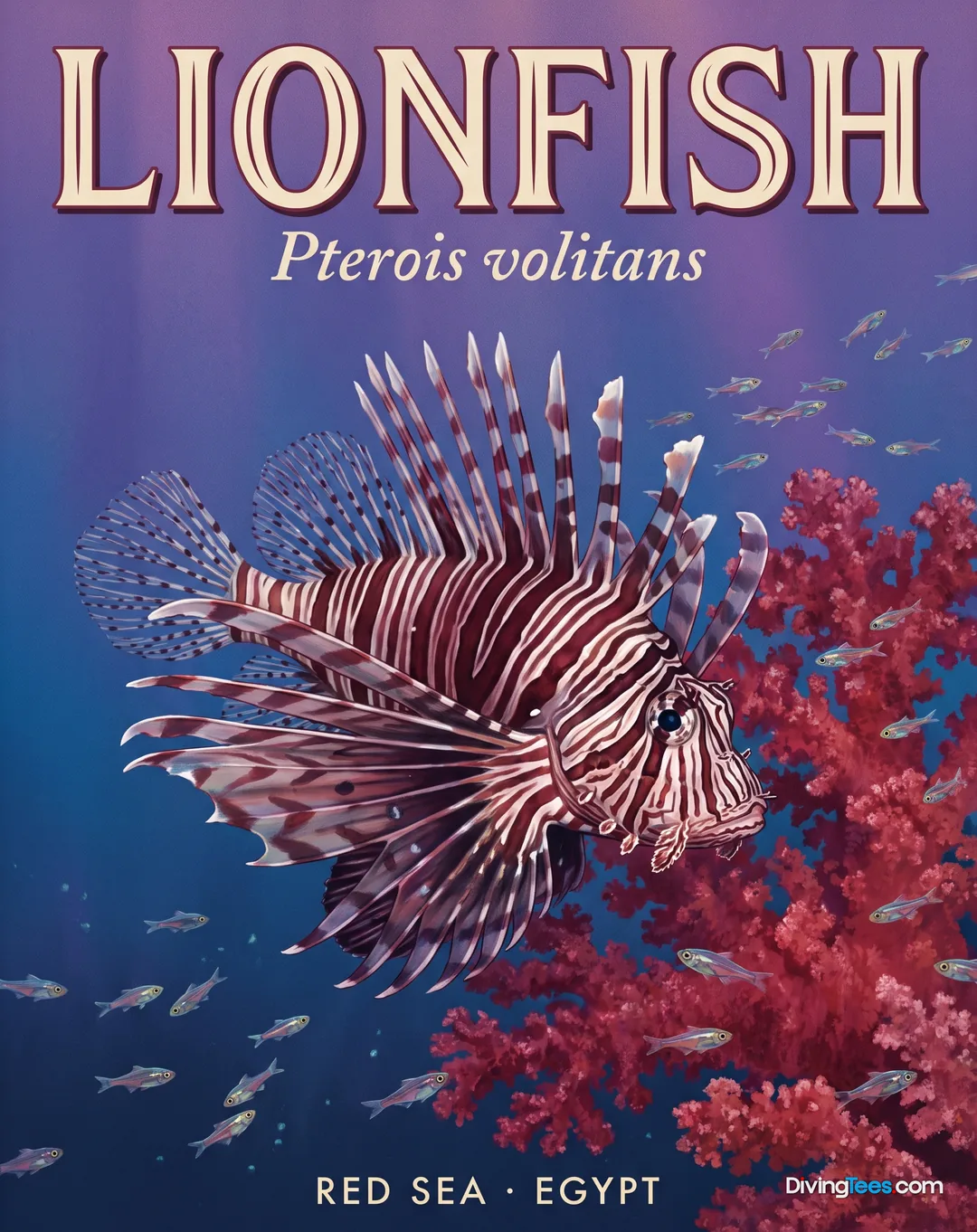
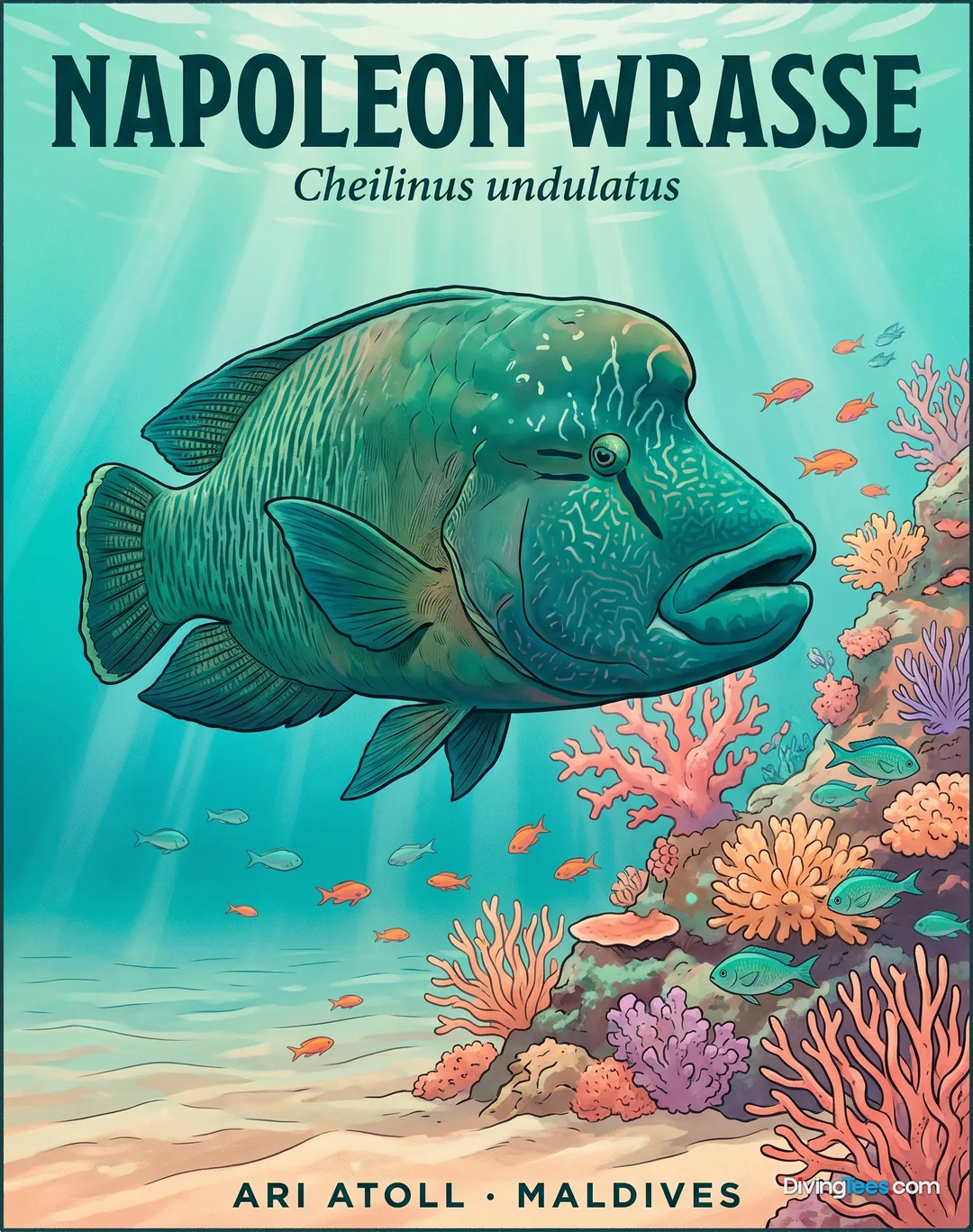
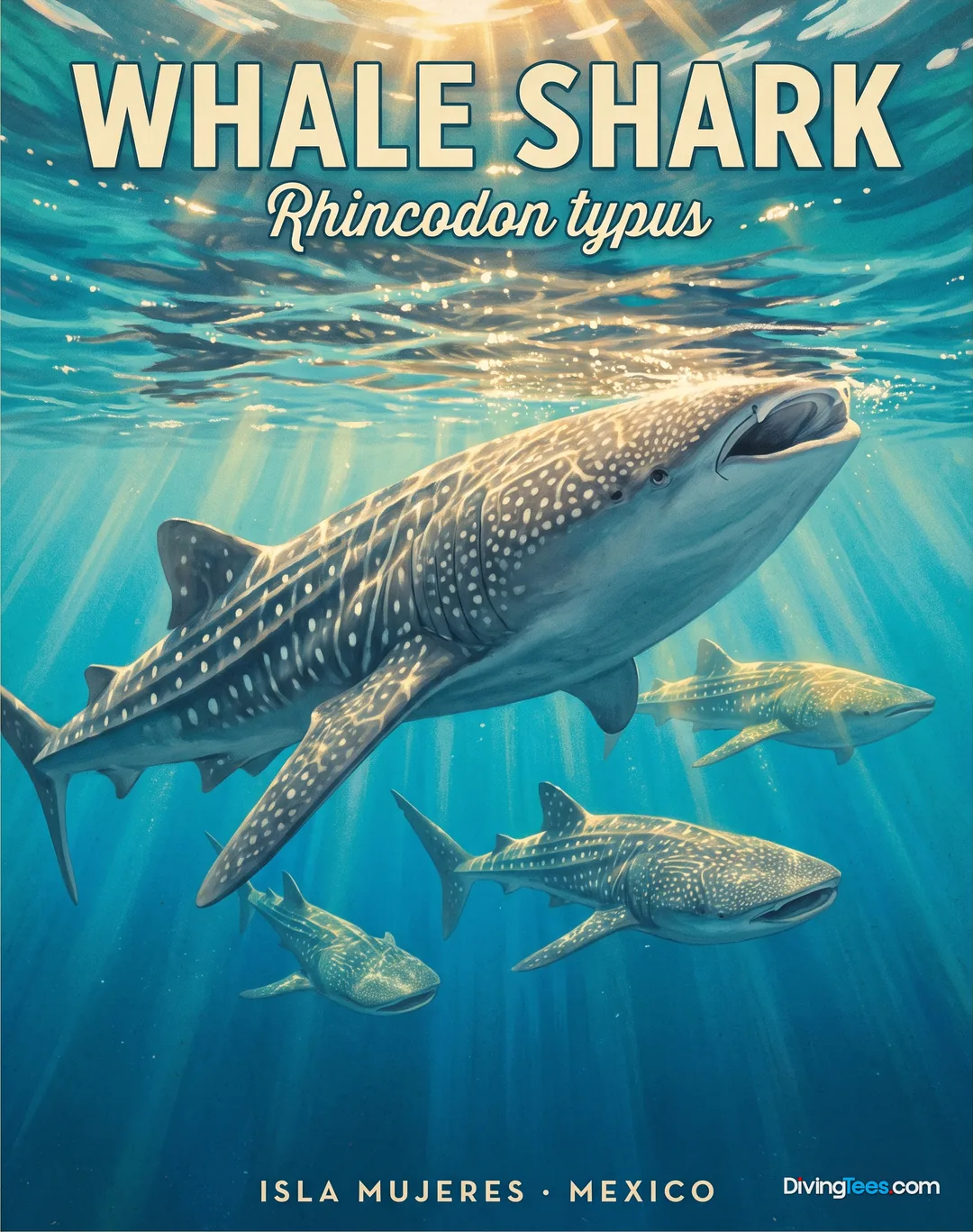
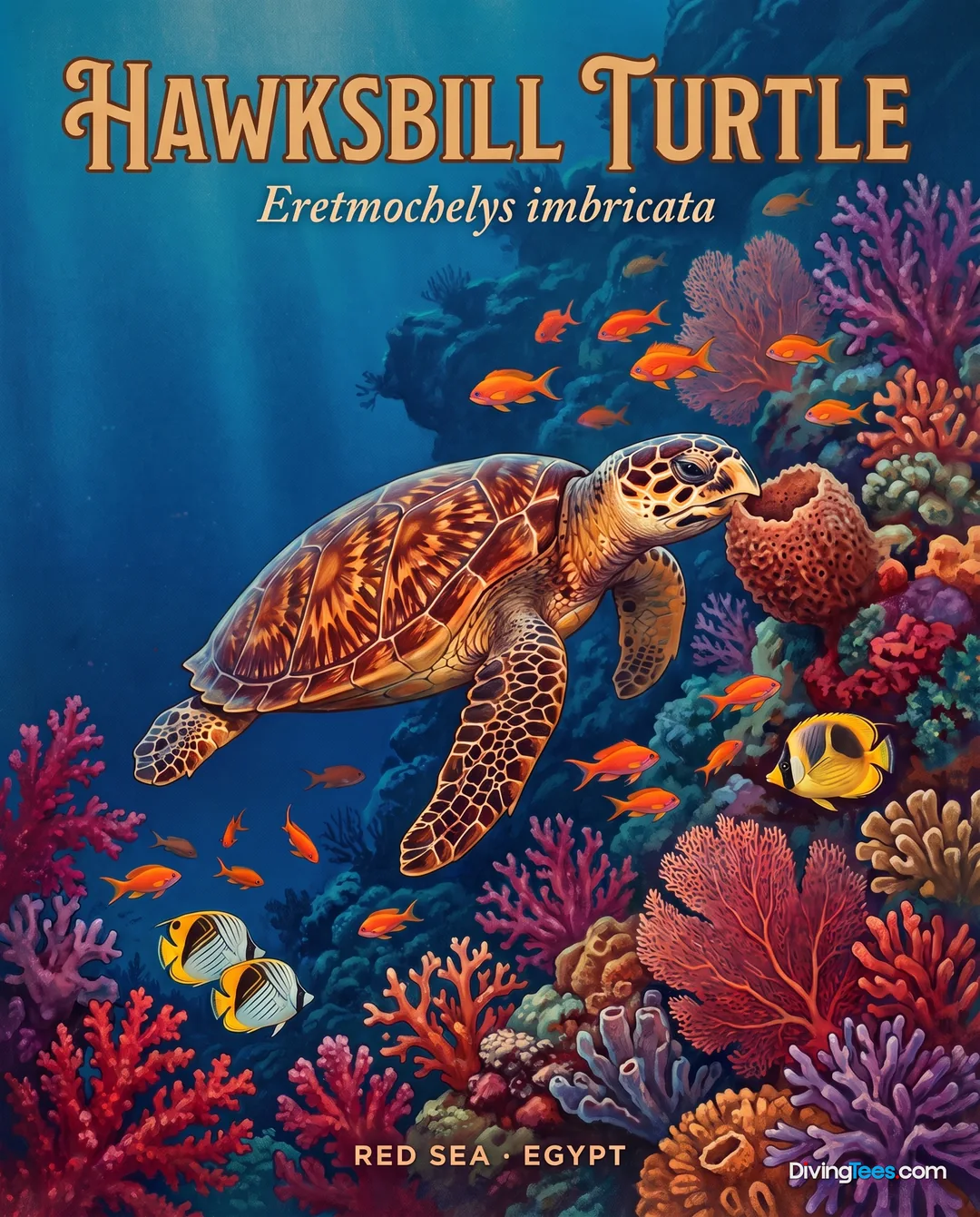
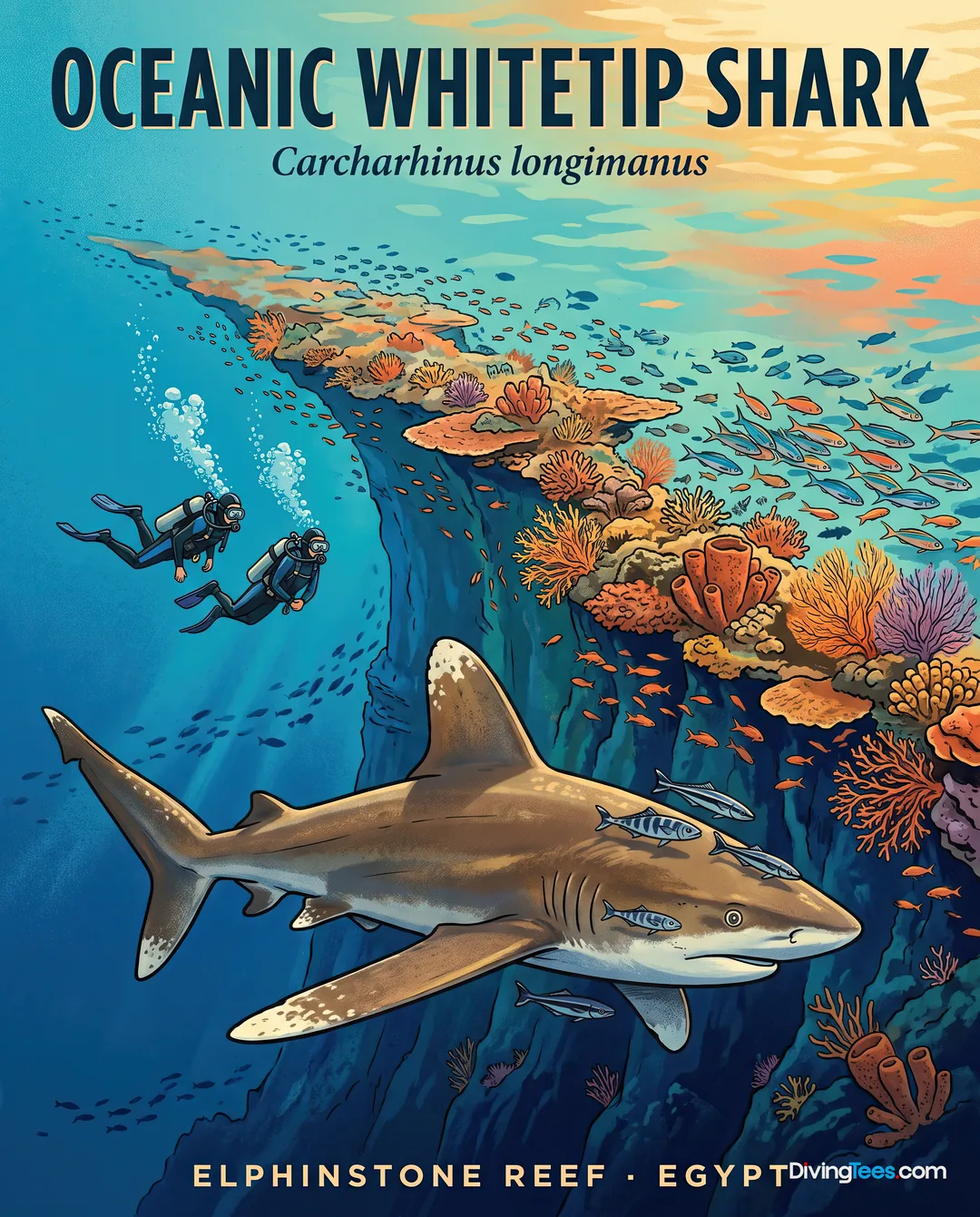
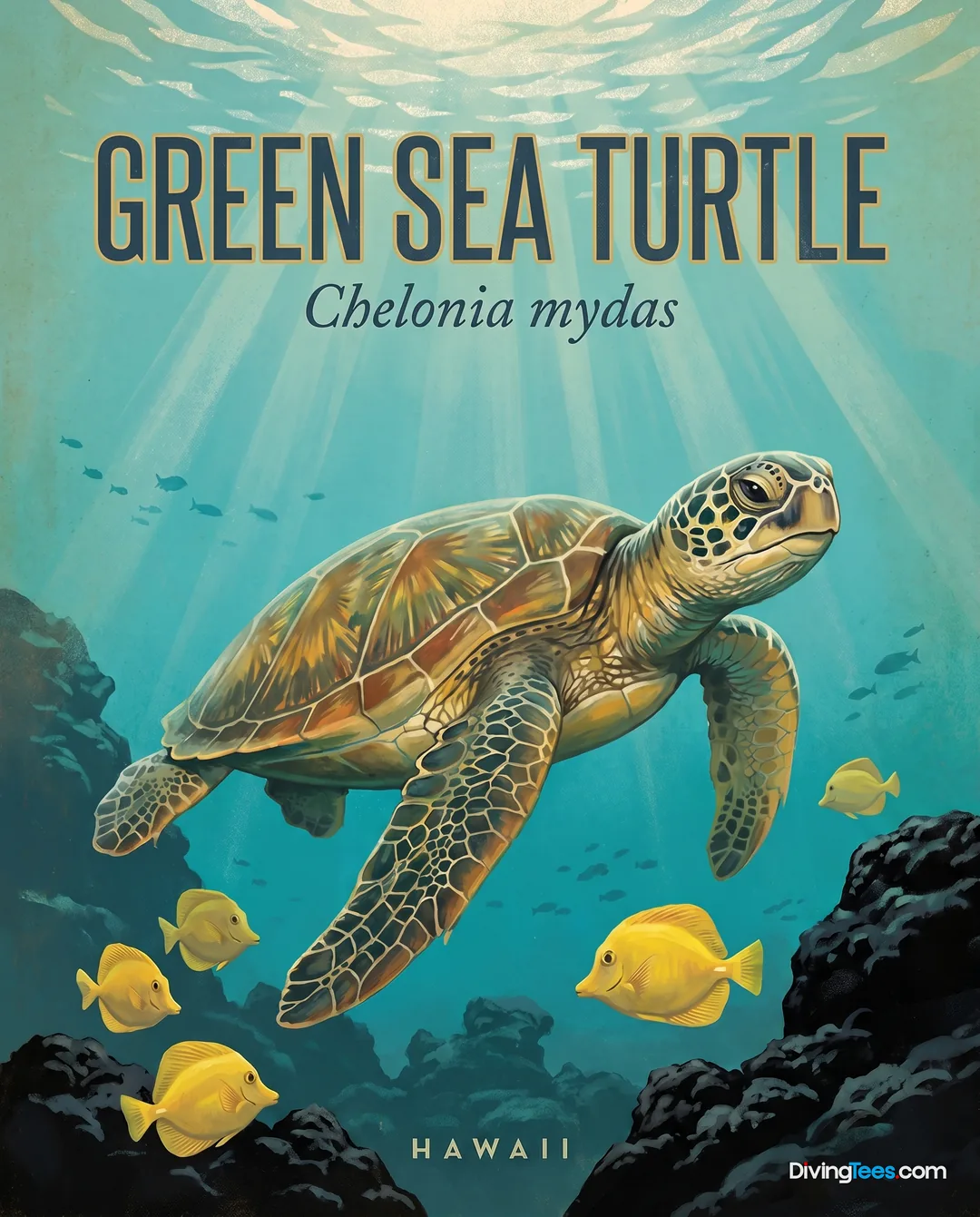
Across this route, the recurring cast is substantial: reef sharks, groupers, barracudas, manta rays, sea turtles, morays, trevallies, scorpionfish, lionfish, soft corals and clouds of glassfish. Napoleon wrasse, whitetip reef sharks, whale sharks, hammerheads and tuna also occur across several sites, but none should be treated as a guarantee. The site-specific encounters are what give the itinerary its sharp edges. Thistlegorm is the place associated here with dolphins, batfish, rays and hawksbill turtles among the wreck’s historic structure. Ras Nasrani is the only listed site for an oceanic whitetip shark, and its current-swept cape also carries dense gorgonians. Woodhouse is the route’s named location for a green sea turtle. Gordon Reef offers garden eels, a stonefish and trumpetfish among its drift-diving terrain. Rosalie Moller is the site linked with bigeye trevally, while the Straits of Gubal stand out for hard coral growing across the wreck area. Currents at Rocky Island and the Tiran reefs are part of why larger pelagic animals may pass through.
Who puts you in the water
The crew and guides speak English, and the trip is run with an experienced dive team rather than as an unguided charter. A full safety briefing is given on arrival, followed by site briefings before the dives; the responsible dive guide can alter a dive or route when conditions or a diver’s ability require it. For Best of Sinai, a minimum of 20 logged dives is strongly recommended. Divers returning after a year or more out of the water are expected to complete a refresher before the trip. Advanced Open Water, nitrox and specialty courses can be arranged during the safari. Oxygen, first-aid kits, life rafts, life jackets in every cabin and fire extinguishers throughout the boat support the operation.
The dive deck and the gear
The dive deck is large, shaded and arranged around a proper diving platform, with separate rinse facilities for cameras. South Moon 1 carries twin tanks and 15-litre tanks; DIN adapters are available, and sidemount diving and special Tec equipment are supported. Nitrox is available up to 32% for certified divers by pre-booking and as an extra, with 12-litre and 15-litre tanks used for nitrox. Full or partial rental equipment can be pre-booked, and essential personal spares are worth bringing because only limited spare gear is carried on board. Two six-metre Zodiacs, powered by Yamaha engines, handle the tender work: they take divers to sites and collect them after the dive while the main boat remains positioned safely away. The platform keeps entries and exits simple, and the deck’s shaded working space is especially valuable when four dives leave little time for equipment to dry.
Between dives
Between dives, South Moon 1 gives the week three different places to settle. The shaded dive area is where wet gear, cameras and the next entry into the water remain close at hand; the two sun decks are for stretching out away from that work. The air-conditioned salon and dining area provide a dry, cooler retreat when the glare and heat build up. Short sailing distances on the Best of Sinai route limit the long engine-bound stretches, leaving more time for a swim, a snorkel, a book or an afternoon on deck when no dive is planned. The boat also welcomes non-divers and snorkellers, so not every hour has to follow the same underwater schedule. It is a useful arrangement for mixed groups without taking the focus away from the divers.
A day on board
The day begins with the check dive and its briefing, then moves through daytime dives at the selected reef or wreck sites. Meals sit between those entries into the water, while the gaps are used for equipment checks, showers, sleep, food and time on the shaded or sunny decks. When the itinerary and conditions allow, a night dive adds a different Red Sea: the same reef after the light has gone, with the boat waiting above and the tender supporting the operation. The route’s short sailing distances help keep the day focused on diving rather than transit, although the boat gets underway whenever the next site requires it. The final evening is followed by breakfast and disembarkation by 8:00 am; embarkation is from 6:00 pm on arrival day, before dinner. Nothing complicated, but the order matters: brief, dive, recover, eat, move, repeat.
What you eat aboard
Meals arrive as three buffet services, with afternoon snacks and fresh fruit, cookies and other snacks available through the day. The food is international and can be adapted for vegetarian and vegan guests, as well as different preferences around seafood, chicken and meat, provided requirements are given in advance. Mineral water, soft drinks, tea and Nescafe are available throughout the day; beer and espresso are separate from that. On a four-dive liveaboard, the buffet format is the sensible one: a diver can eat soon after a dive, take only what is wanted, and return for more later rather than wait for a formal service. The table is therefore part of the dive system. It refuels the day without making meals another appointment to manage.
Nights at sea
The cabins are arranged as suites, upper-deck cabins and lower-deck cabins, with air conditioning and a private bathroom in every cabin. The suite has a queen-size bed and a panorama window; the other double rooms use twin beds, with a bunk-bed room also available. That gives the boat a useful choice between a little more privacy and a straightforward shared cabin, while the individual rates are based on shared double occupancy unless a single cabin has been arranged. The lower-deck cabins are the practical option for divers who spend most of the day outside, while upper-deck cabins put more of the sea and daylight around the room. Nights are kept simple: a shower, a dry cabin and air conditioning after the last dive, with a salon available when sleep is not yet the plan. Charging is available at 220V in the salon or on the dive deck, not in the cabins.
Suite
Upper Deck Cabins
Lower Deck Cabins
What to know before boarding
South Moon 1 starts and finishes in Sharm El Sheikh. Transfers from Sharm El Sheikh hotels and SSH Airport on the start and end dates are usually included; arrival details should be sent at least one week before departure. Arriving in Sharm the night before is the sensible way to protect the first day from flight delays and avoid boarding in a rush.
Deck plan
- Year built
- 2024
- Length
- 30 m
- Beam
- 8 m
- Maximum number of passengers
- 24
- Number of cabins
- 11
- Number of bathrooms
- 12
- Engines
- 2 × 1150 hp MAN
- Tenders
- 2 × ZODIAC 6 m Yamaha engines 55 hp + 40 hp engine
- Website
- seaqueens.com ↗
Hello, I'm Marina, DivingDeal.com's AI assistant. I answer in detail about hotels, dive centres and liveaboards.
Thinking about the whole trip and the flights? Talk it over with Edith →
Marina is an AI. Some links are affiliate links: DivingDeal may earn a commission, at no extra cost to you. Bookings are made with the partner.