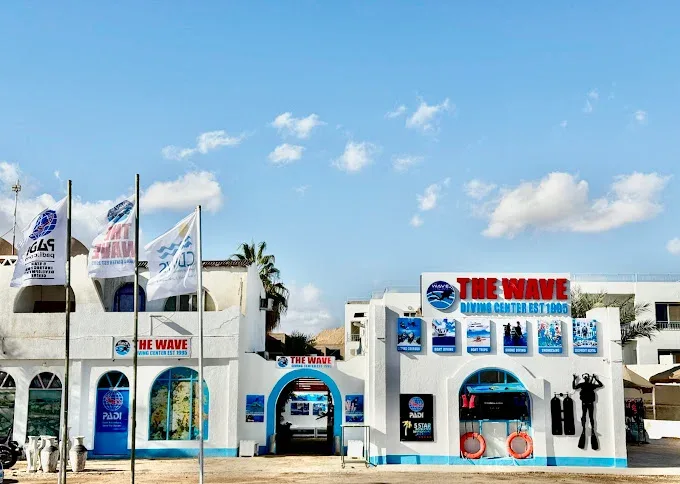

The Wave Diving Center
Google 4.9/5 (1,377 reviews)
17 km away as the crow flies
Sharm El Sheikh · Egypt · Red Sea
Max. depth · 25 mStingray Station, an irregular reef on the western edge of The Alternatives, offers seasonal aggregations of stingrays alongside resident groupers and turtles.
For subtitles in English: start the video firstthen click the gearat the top right of the video, select “Subtitles/CC”, then “Auto-translate” and choose “English”.
Stingray Station sits as a prominent, irregular reef formation, marking the westernmost pinnacle of The Alternatives reef system northwest of Ras Mohamed. As you descend, you'll find a topography that shifts from a relatively shallow plateau at around 12 metres, dotted with smaller ergs, to stepped sandy and coral terraces that gradually drop off towards deeper water. This undulating profile creates a diverse environment, offering both sheltered areas behind the main reef structure and more exposed edges along the drop-off, where the current can be more pronounced.
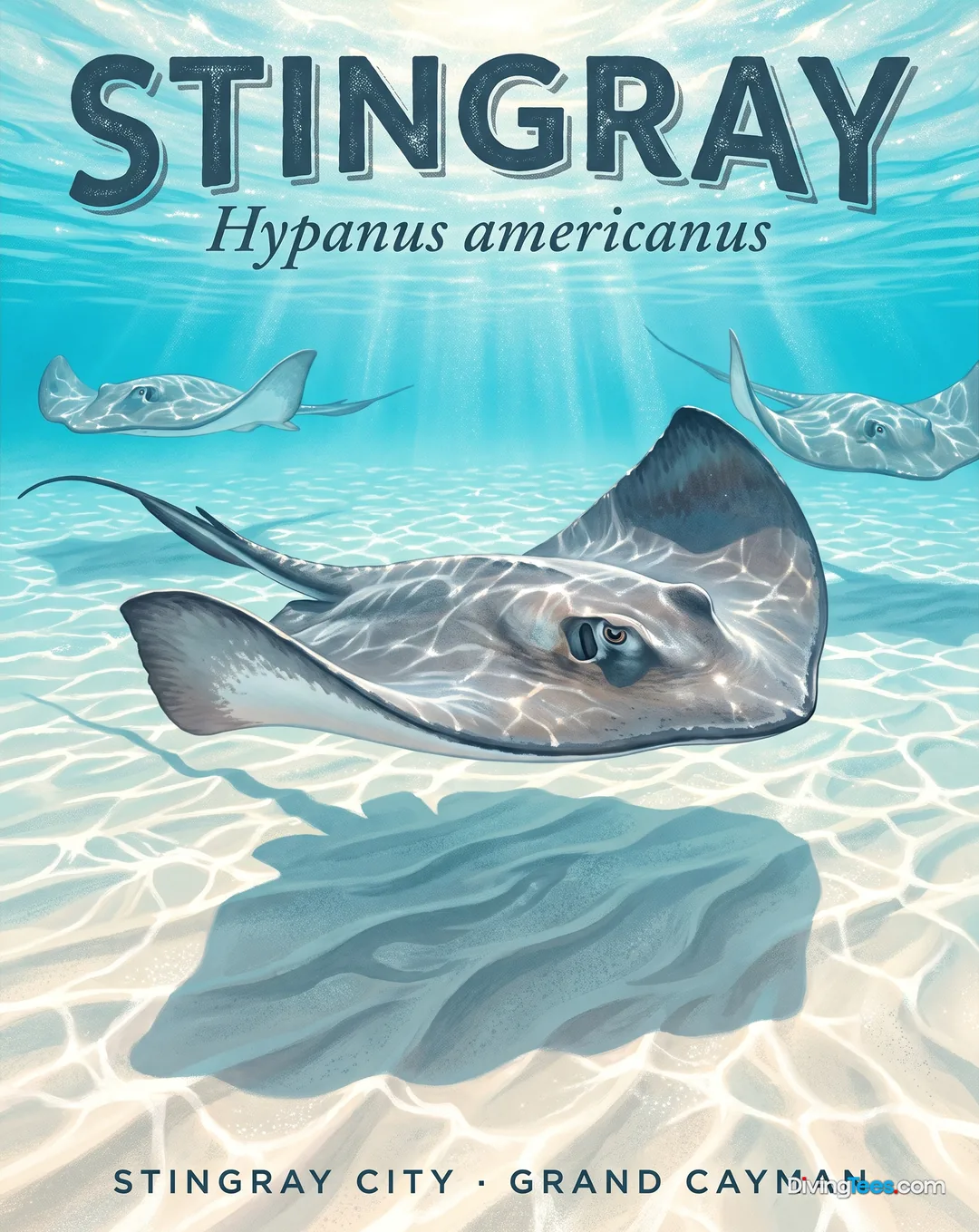
The site truly earns its name during March and April, when it becomes a focal point for aggregations of stingrays. You'll observe numerous blue-spotted stingrays (Taeniura lymma) settled on the sandy seafloor or gliding gracefully over the reef, often using these areas as cleaning stations and feeding grounds. Their calm demeanour allows for close observation, providing a unique opportunity to witness their natural behaviour in numbers that are uncommon elsewhere in the region, making it a prime location for underwater photography.
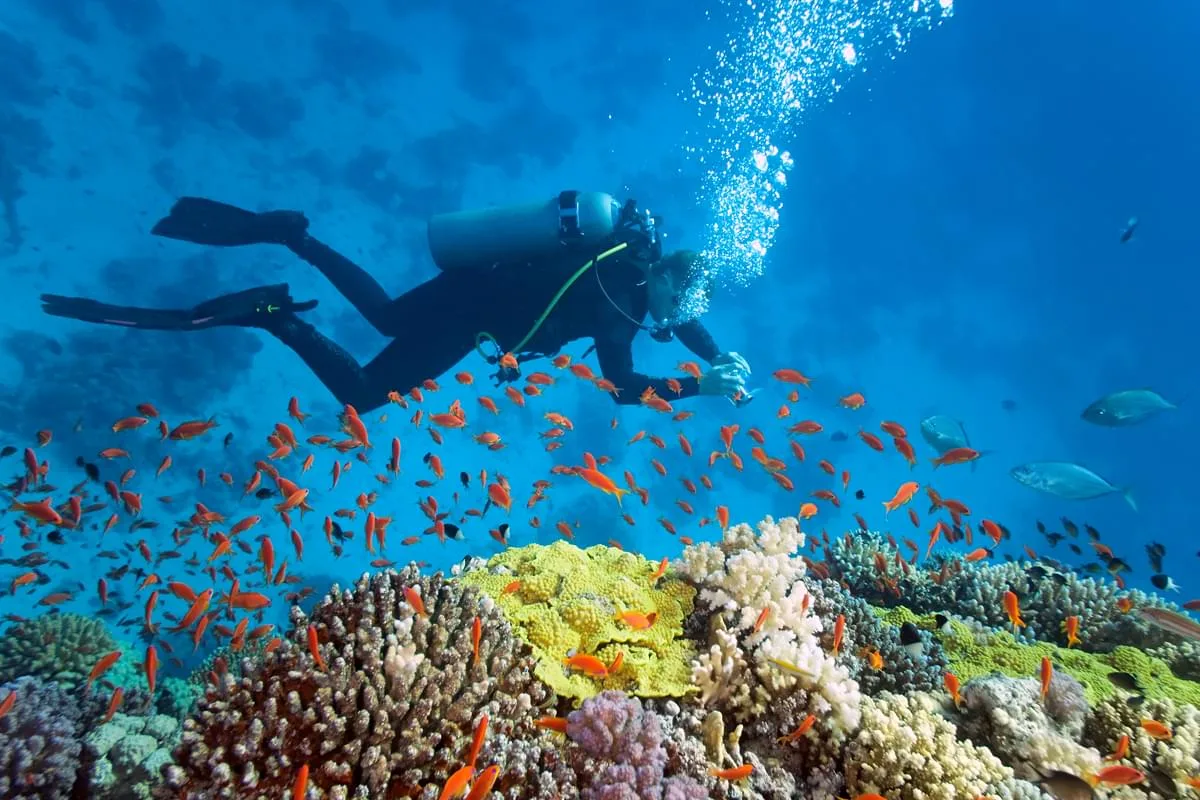
Beyond the seasonal visitors, Stingray Station supports a healthy resident population. Large groupers (Epinephelinae) are a common sight, often found patrolling the reef, lurking beneath coral overhangs, or within small caves. These impressive fish are a testament to the rich food sources available across the reef, and their curious nature frequently allows for close, unhurried observation as they assess their surroundings. Moray eels also inhabit the reef's crevices, adding to the site's biodiversity.
The diverse ecosystem here also provides a haven for turtles, which you'll frequently spot cruising effortlessly through the blue or resting on the coral formations. Adding another layer of pelagic interest, leopard sharks (Stegostoma tigrinum) periodically grace the site, often gliding over the sandy bottom or resting near the reef's edge. Their distinctive patterns and generally placid nature make them a captivating encounter for any diver exploring the deeper sandy areas.
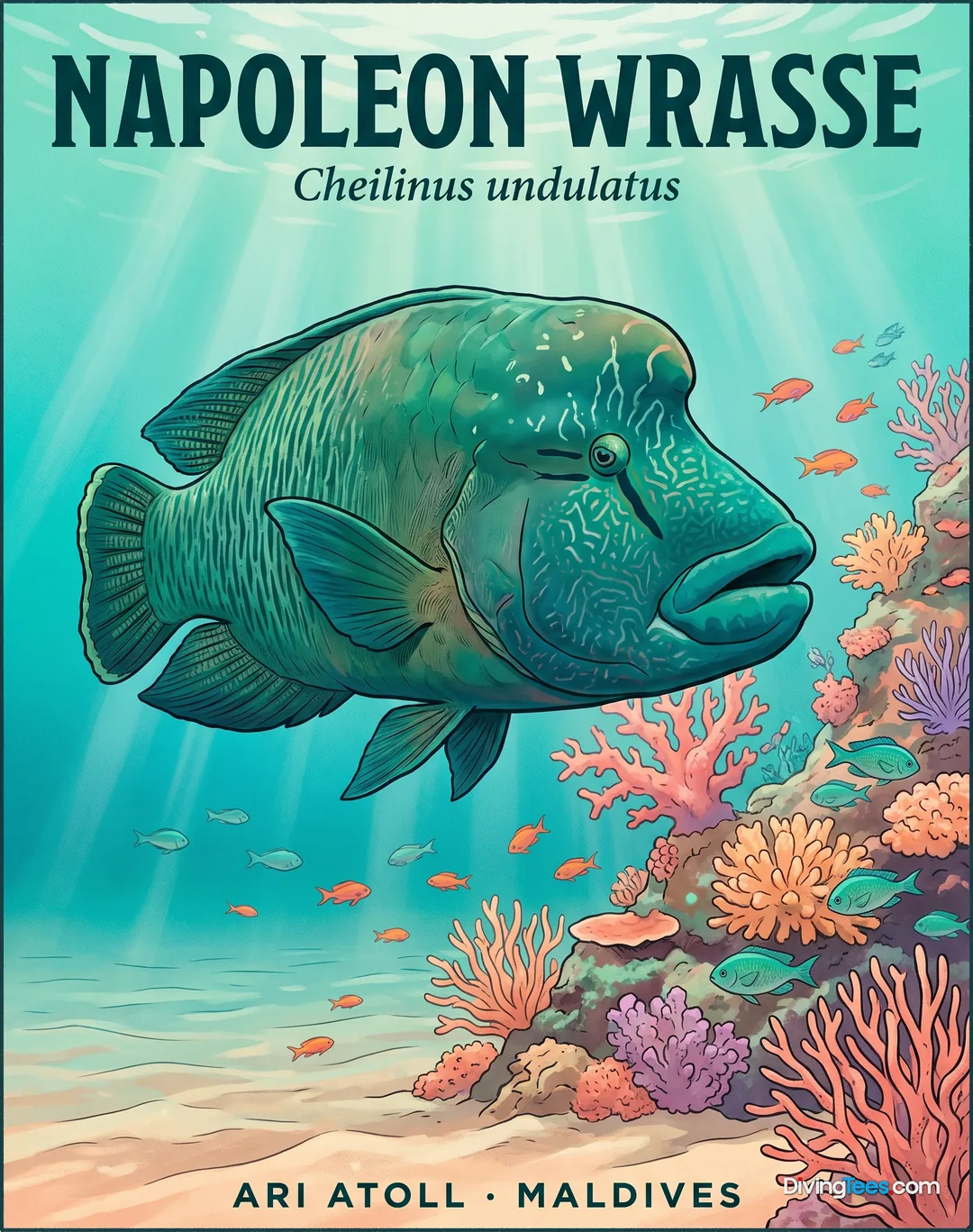
The site's topography, with its mix of coral blocks and sandy paths, creates an ideal habitat for a variety of reef fish and invertebrates. You'll find shrimp tucked into coral heads and a range of smaller reef fish darting between the hard coral formations. The surrounding plateau, at around 12 metres, also hosts several large Napoleon wrasse (Cheilinus undulatus) that often shelter beneath moored dive boats, especially in the sandy lagoon area behind the main reef.
Currents at Stingray Station can be variable, ranging from light to strong, and are often influenced by weather patterns. Dives are typically planned either as mooring dives when conditions are calm, or as drift dives along the reef and plateau when currents are more significant. This variability means that while some areas offer sheltered exploration, divers should be prepared for potentially strong, sometimes ripping currents, particularly along the more exposed edges of the reef and drop-off.
Visibility at Stingray Station generally ranges from 5 to 25 metres, though it can occasionally be reduced by stronger currents stirring up sediment. The site's accessibility by boat from Sharm El Sheikh makes it a popular choice, and its mix of shallow, sheltered areas and deeper drop-offs caters to a range of experience levels. While popular with snorkellers due to its shallow reef, divers should remain aware of boat traffic above the plateau, especially when surfacing.
Stingray Station is accessible from Open Water Diver level for day dives, with depths ranging from 5 to 25 metres. For night dives, Advanced Open Water Diver certification is recommended. Currents at the site are variable, from light to strong, and can be affected by weather, occasionally reducing visibility, which typically ranges from 5 to 25 metres. The prime time to witness the impressive stingray gatherings is specifically during March and April, though the site offers year-round diving.
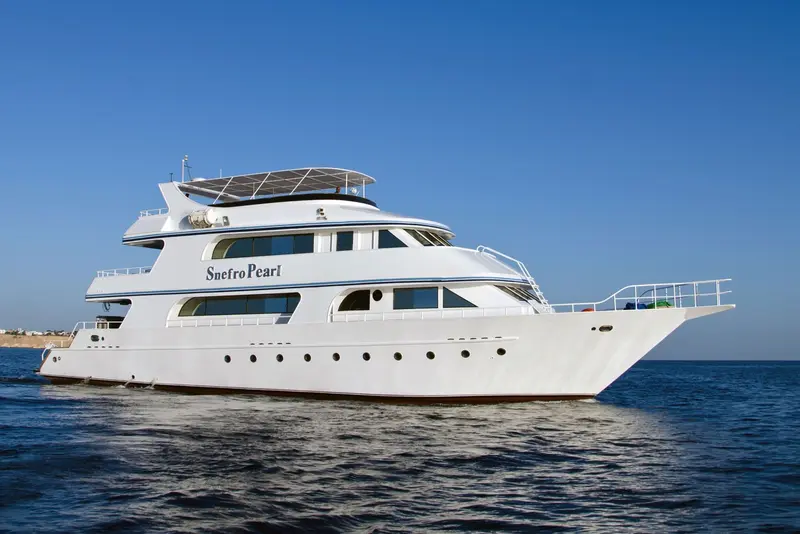
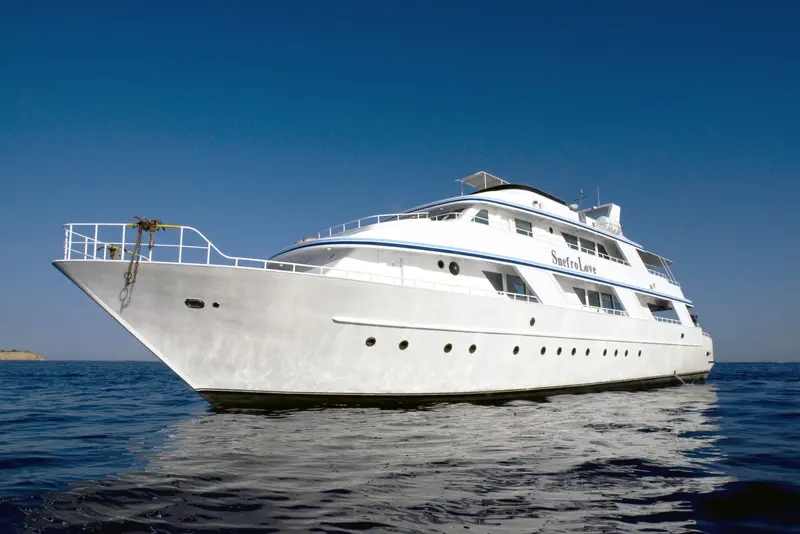
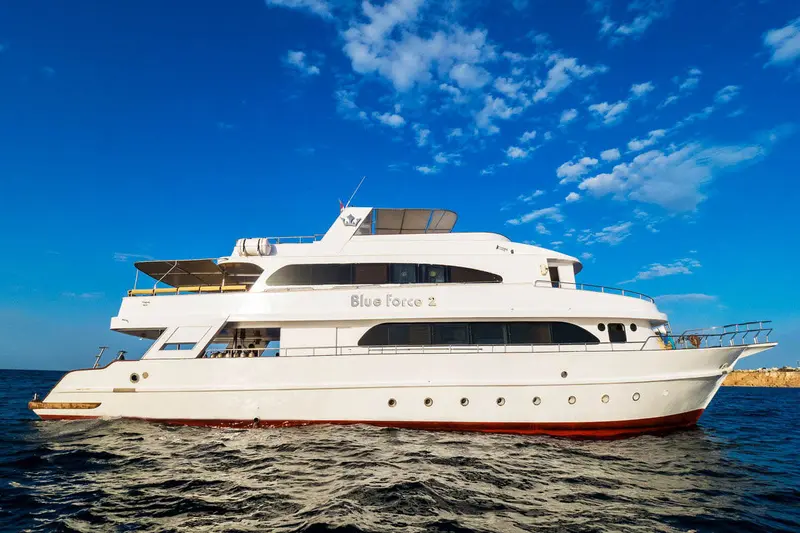
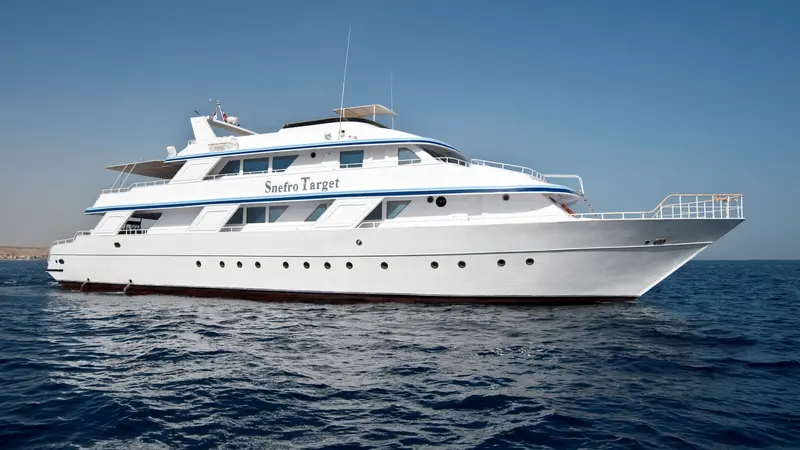
11 liveaboards depart from Sharm El Sheikh another way to explore the region, over several days at sea.
Stingray Station is available for diving year-round, but March and April are the key months for seeing seasonal gatherings of blue-spotted stingrays. During these months, stingrays rest on the sandy seafloor or glide over the reef, sometimes using the area as cleaning stations and feeding grounds.
Stingray Station is accessible to Open Water Divers for day dives, with depths from 5 to 25 metres. The site includes a shallow plateau around 12 metres, sandy and coral terraces, sheltered areas, and deeper drop-offs. Advanced Open Water Diver certification is recommended for night dives.
Currents at Stingray Station vary from light to strong and can be influenced by weather. Calm conditions may allow a mooring dive, while stronger flow can lead to drift diving along the reef and plateau. More exposed reef edges and the drop-off may have particularly strong currents, so you should be prepared.
At Stingray Station, you can see blue-spotted stingrays, large groupers, turtles, moray eels, shrimp, reef fish, and occasional leopard sharks. The reef combines coral blocks, sandy paths, terraces, and sheltered areas. Large Napoleon wrasse may also shelter beneath moored boats in the sandy lagoon behind the main reef.