Liveaboards · Mexico
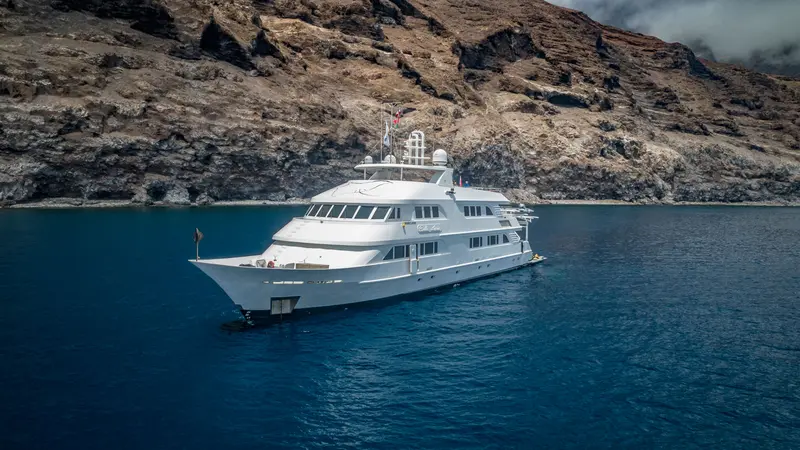
Nautilus Explorer — a steel expedition ship built around serious diving
What makes this boat unique
- This stabilized heavy-steel ship carries up to 25 passengers in 13 air-conditioned cabins and suites.
- The dive deck has a large water-level platform, shaded preparation space, camera tables, rinse tanks and a 38-foot skiff for diver transfers.
- Sea of Cortez trips run for 6 days and 5 nights or 8 days and 7 nights, with departures and returns from Cabo San Lucas or La Paz depending on the itinerary.
- The ship is SOLAS and ISM safety certified by Transport Canada, with nitrox, rebreather and sidemount support.
For subtitles in English: start the video firstthen click the gearat the top right of the video, select “Subtitles/CC”, then “Auto-translate” and choose “English”.
The invitation
The Nautilus Explorer suits divers who choose a liveaboard for access to remote water, not for a floating hotel with a dive centre attached. Its heavy steel hull, stabilization and ocean-going certification matter when a route includes long crossings between Baja and the islands. Once on site, the design shifts its attention to diving: a broad deck, a platform at water level and a skiff that can collect divers where they surface. The Sea of Cortez is the main draw, with sea lions, bait balls, wrecks, rays and possible encounters with large pelagics across several itineraries. The boat also works Socorro and other Pacific expeditions, so its character is that of a working expedition ship rather than a resort yacht. Choose it for the combination of range, a serious dive operation and a crew whose strongest marks are in diving, food and service.
Boarding
From the dock, the Nautilus Explorer looks like a ship meant to cross open water rather than stay inside a sheltered bay. Heavy steel construction and stabilizers give it a purposeful, workmanlike character, while the large windows around the main salon and dining room soften the impression once guests come aboard. The interior has been updated, but the boat still reads as an expedition vessel: practical passageways, a dedicated dive area and spaces arranged around repeated entries into the water. The wheelhouse deck holds the larger suites; the lower deck carries most of the standard cabins, and the main deck connects the salon, dining room and dive platform. A separate dining room keeps meals away from the lounge, while the sun deck gives the group room to spread out after a dive. Transport Canada SOLAS and ISM certification is not decoration here; it reflects a ship designed and managed for ocean crossings.
The atmosphere on board
The atmosphere is shaped less by formal luxury than by a crew that stays present through the whole day. Ten crew members look after a maximum of 25 passengers, with English and Spanish spoken on board. Passenger feedback points to the same pattern repeatedly: cabins are serviced while guests are at breakfast, the crew notices small needs, and the captain remains approachable when plans or conditions change. The dive guides know the sites and can give confident divers room to explore while remaining available to those who want closer support. That balance is important on a boat carrying divers with different habits. By evening, the group has usually shared several entries, meals and surface intervals, so conversation comes easily in the salon or around the bar. The boat scores lower for its physical character than for its crew, food and diving; that is a fair trade if people matter more to you than a pristine hull.
The sites you’ll dive
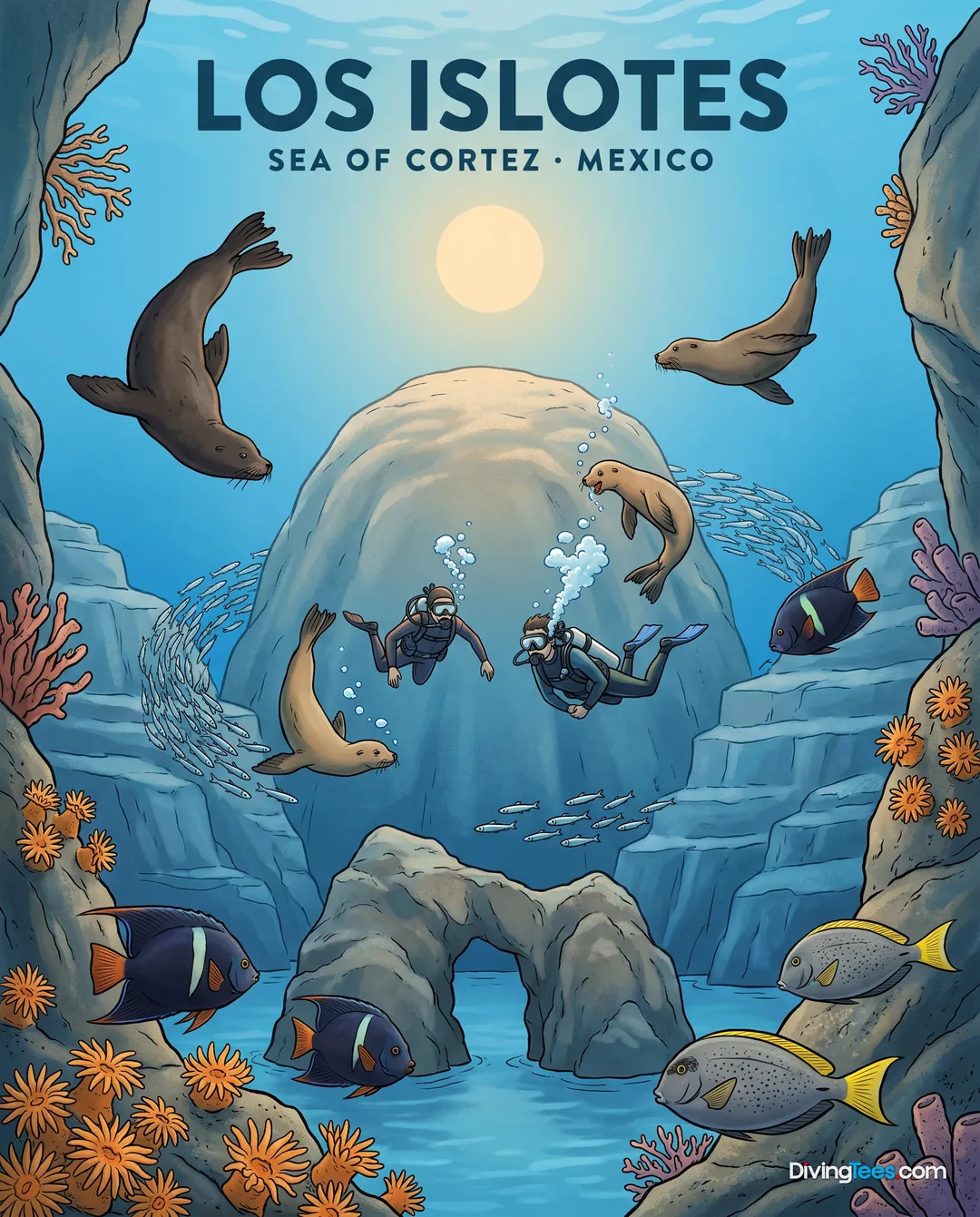
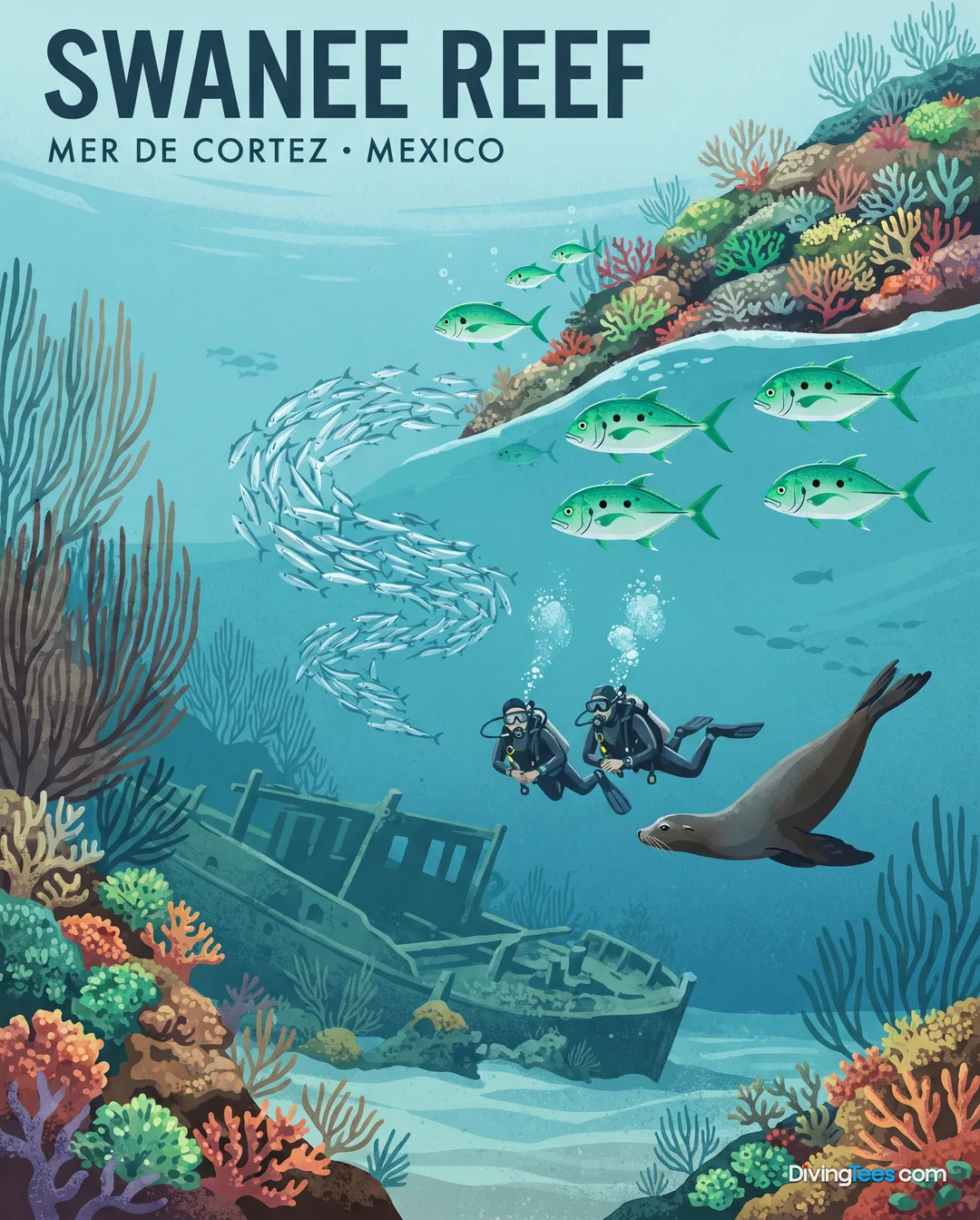
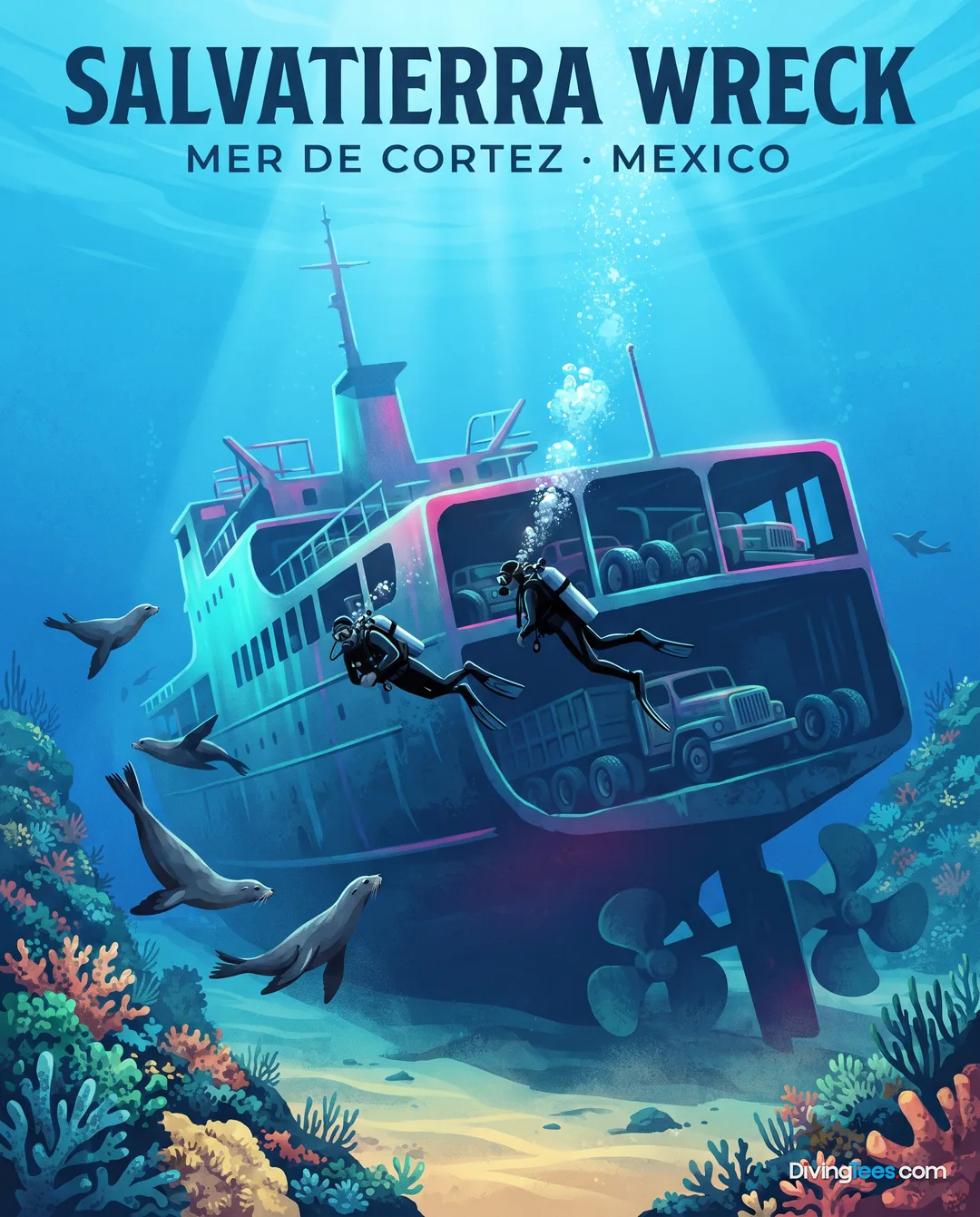
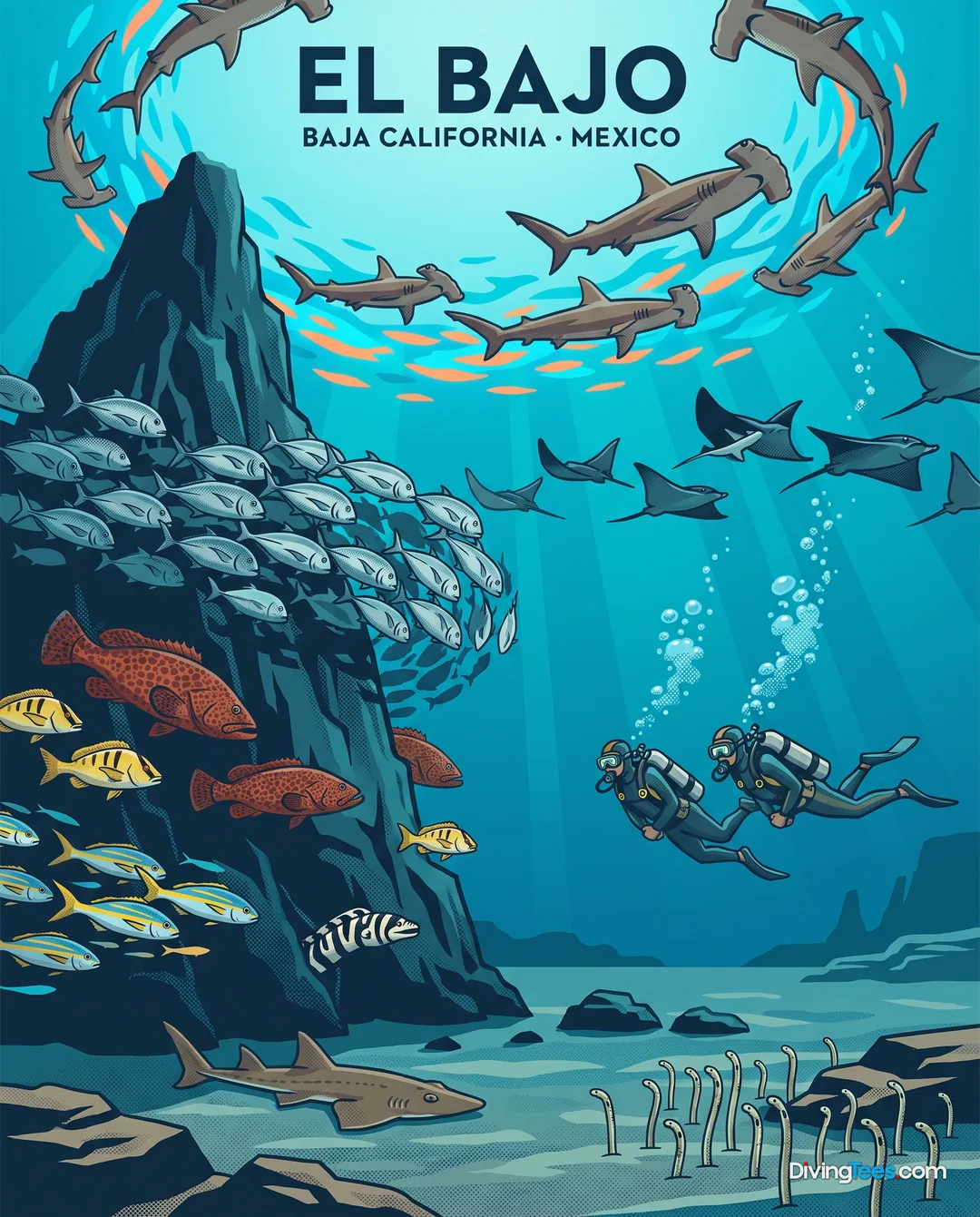
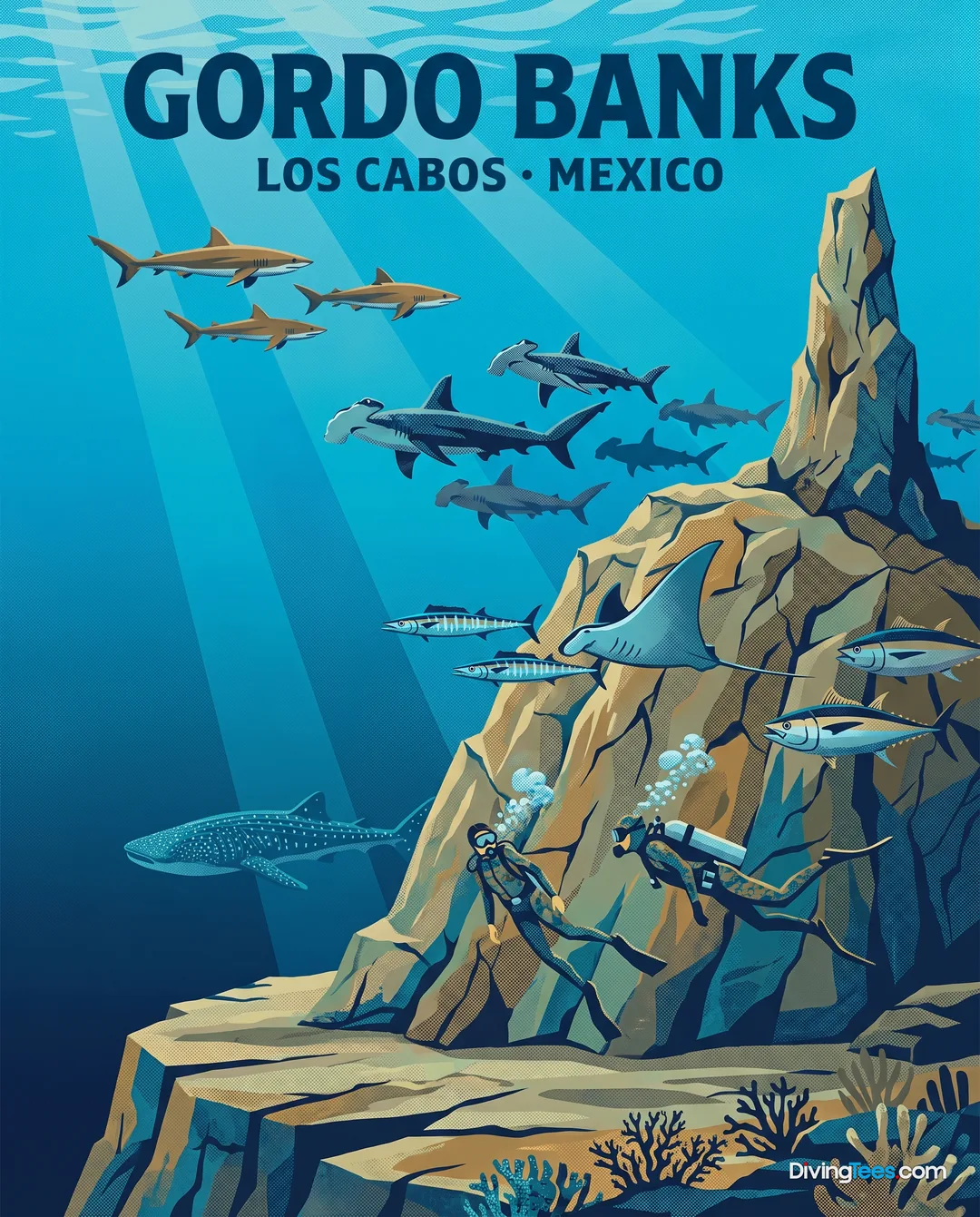
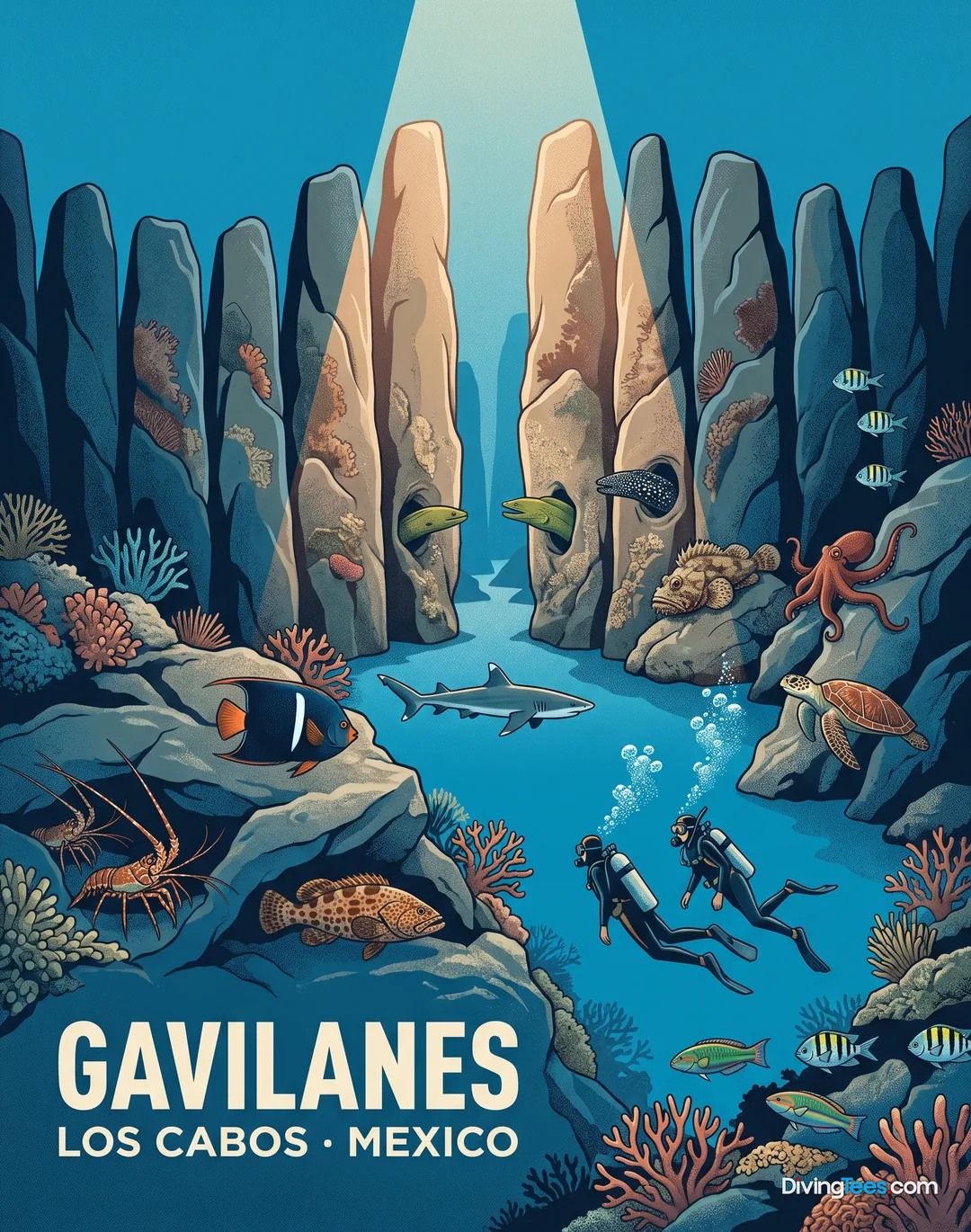
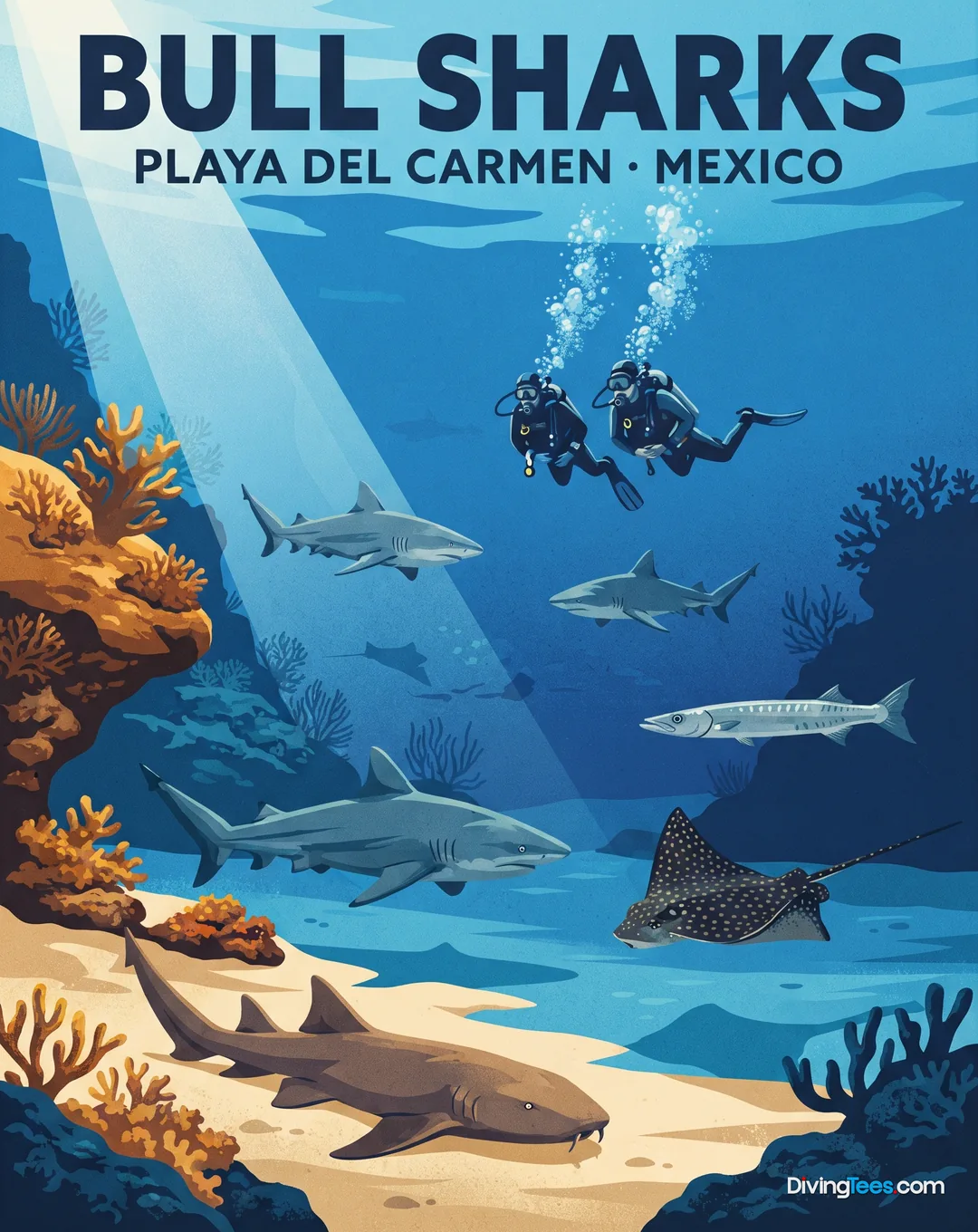
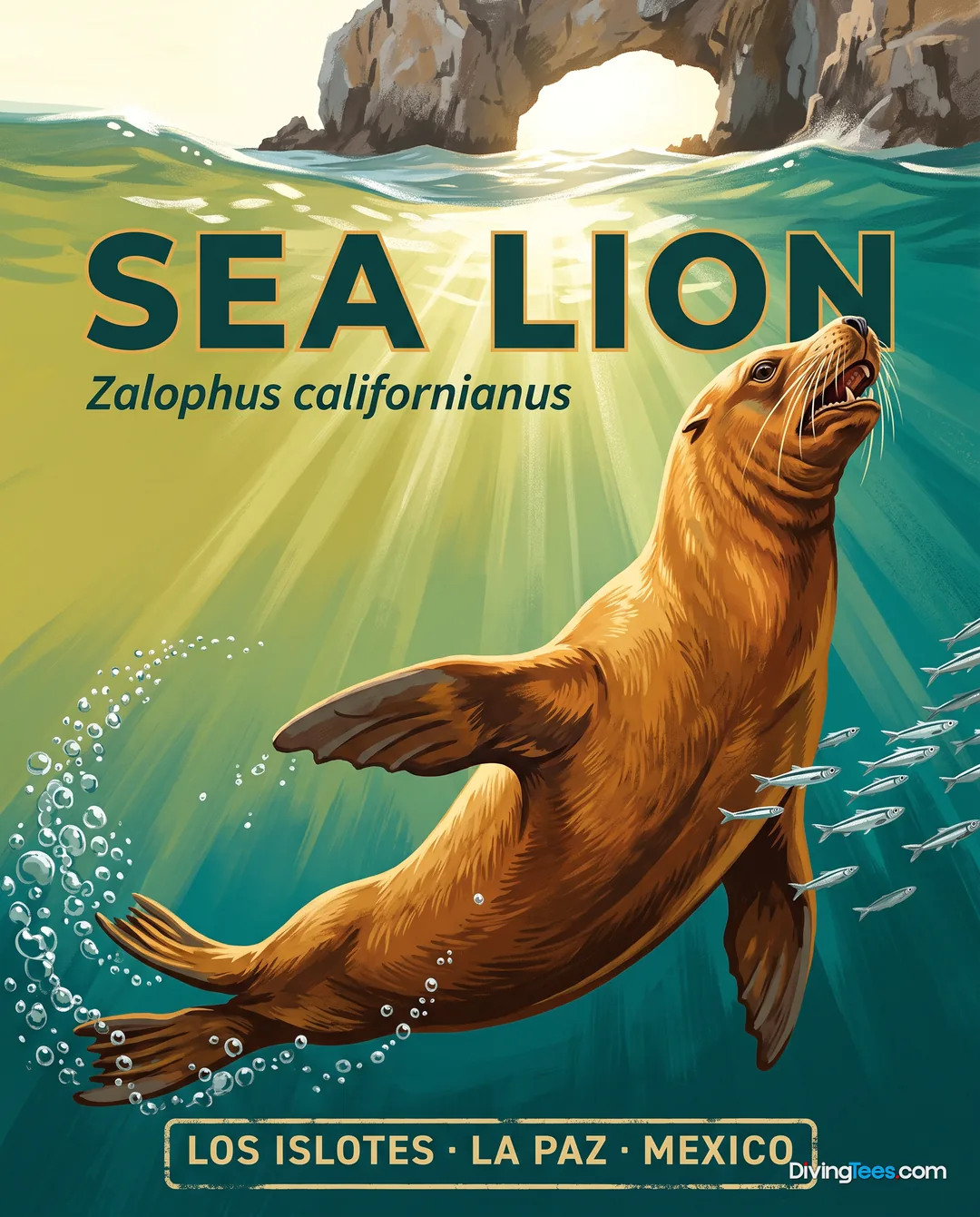
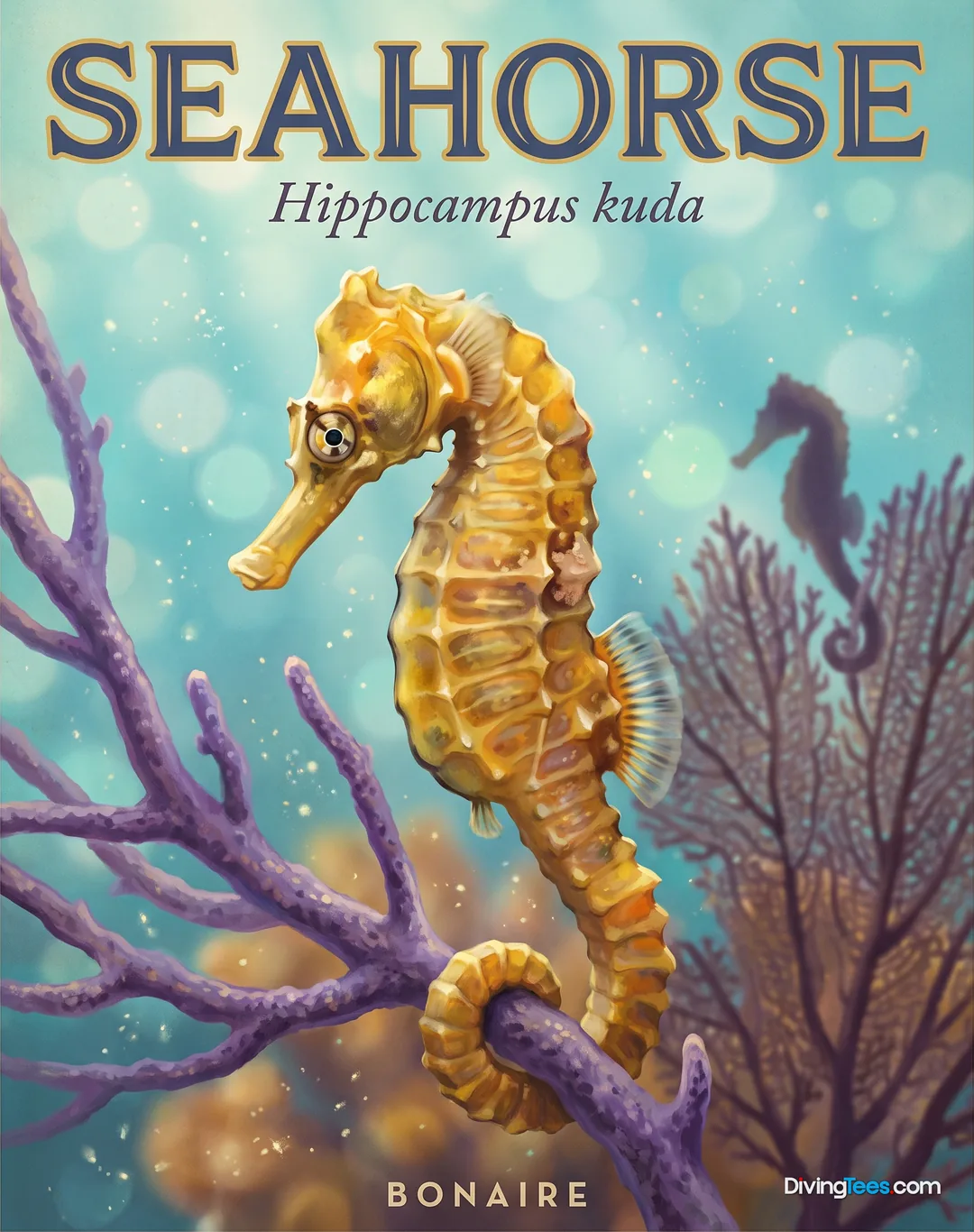
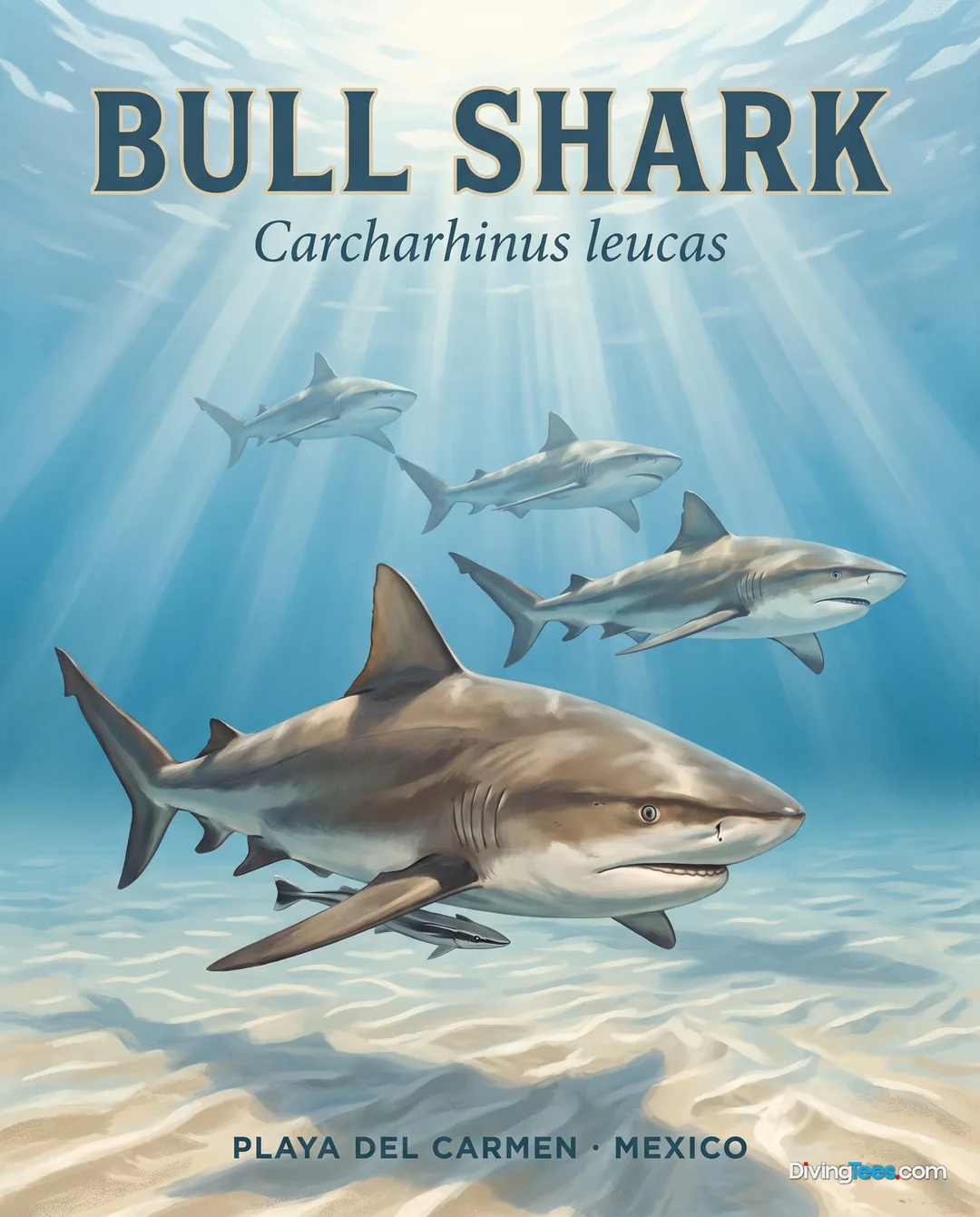
The Sea of Cortez itineraries run for 6 days and 5 nights or 8 days and 7 nights, with routes including Cabo–Cabo, La Paz–La Paz, a Cabo San Lucas–Cabo San Lucas Great Circle and a Cabo San Lucas–La Paz whale-shark itinerary. Each trip visits a selection of sites rather than every site listed here. Los Islotes is the sea-lion dive, with California sea lions moving through reef life and sardine schools. Swanee Reef combines a shallow reef with the Salvatierra wreck and reaches a maximum depth of -11 m. La Reynita and San Rafaelito both reach -30 m: one is a current-fed rocky pinnacle with schooling fish and groupers, the other has coral heads, small caves and resting parrotfish. The Salvatierra lies to -18 m, where cargo trucks still sit with their tyres inflated. Fang Ming and Lapas03 are deliberately scuttled wrecks to -21 m. Isla Ballena reaches -18 m and includes caves, a hidden air pocket and garden eels; Punta Lobos reaches -27 m, with a slope, rocky wall and giant seahorses. La Reyna reaches -25 m at a rocky islet where bait and open ocean can bring giant Pacific mantas. El Bajo reaches -18 m and Gordo Banks -40 m, the latter a deep pinnacle site known for pelagic encounters and schooling hammerheads. Neptune’s Finger reaches -40 m, while Gavilanes reaches -18 m among canyons and coral ridges. A separate recorded Bull Sharks Expedition in Playa del Carmen reaches -24 m.
Itineraries, dates and prices
Prices per person. Each month shows its lowest price: click a month, or pick an itinerary.
Next departures · 13 departuresfrom £2,014$2,692€2,405
November 2026
July 2027
August 2027
September 2027
See dates and prices
If you click these links and make a purchase on the partner site, DivingDeal may earn a commission, at no extra cost to you.
Dates and prices taken from liveaboard.com, updated 26 October 2026
What you’ll meet underwater
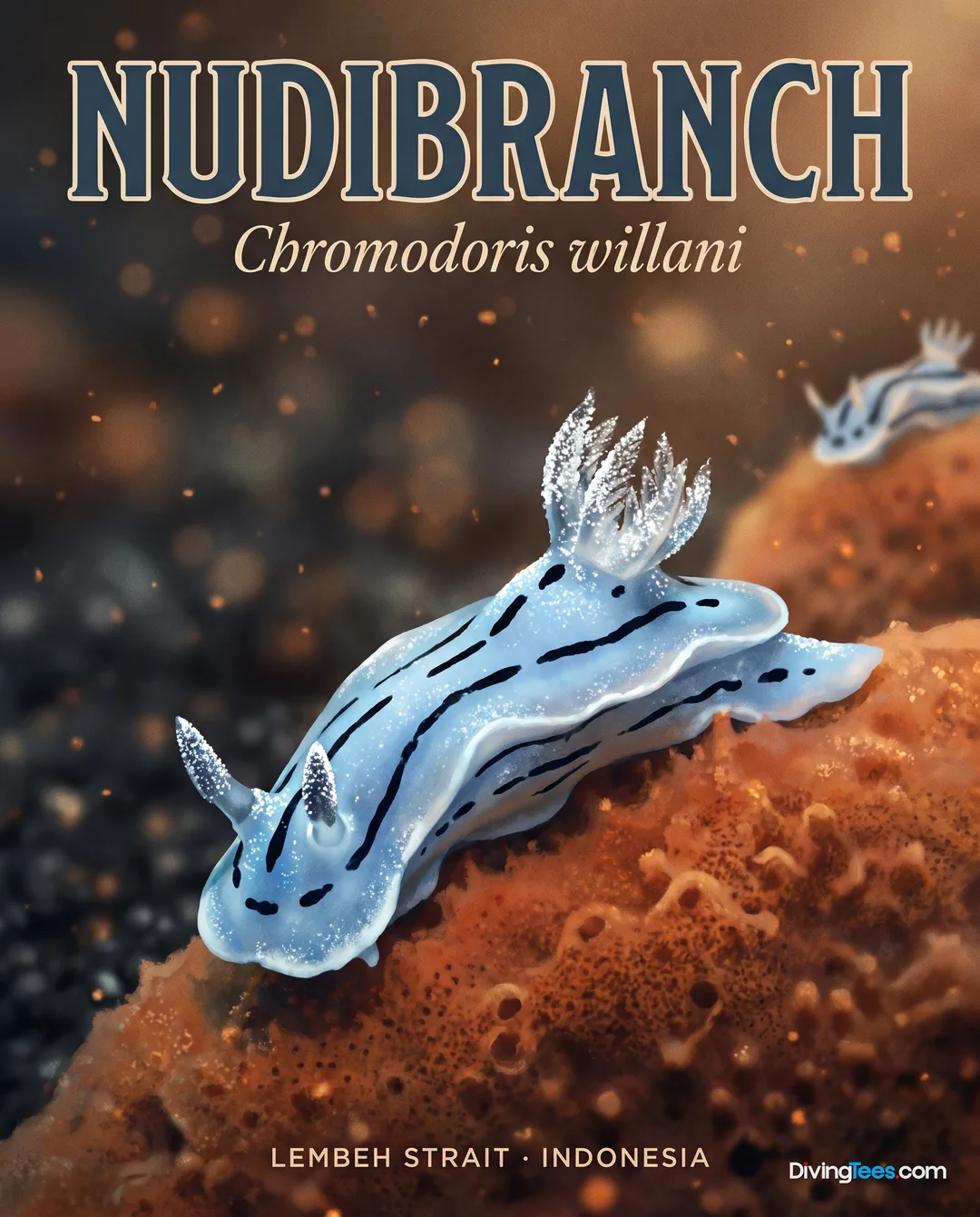
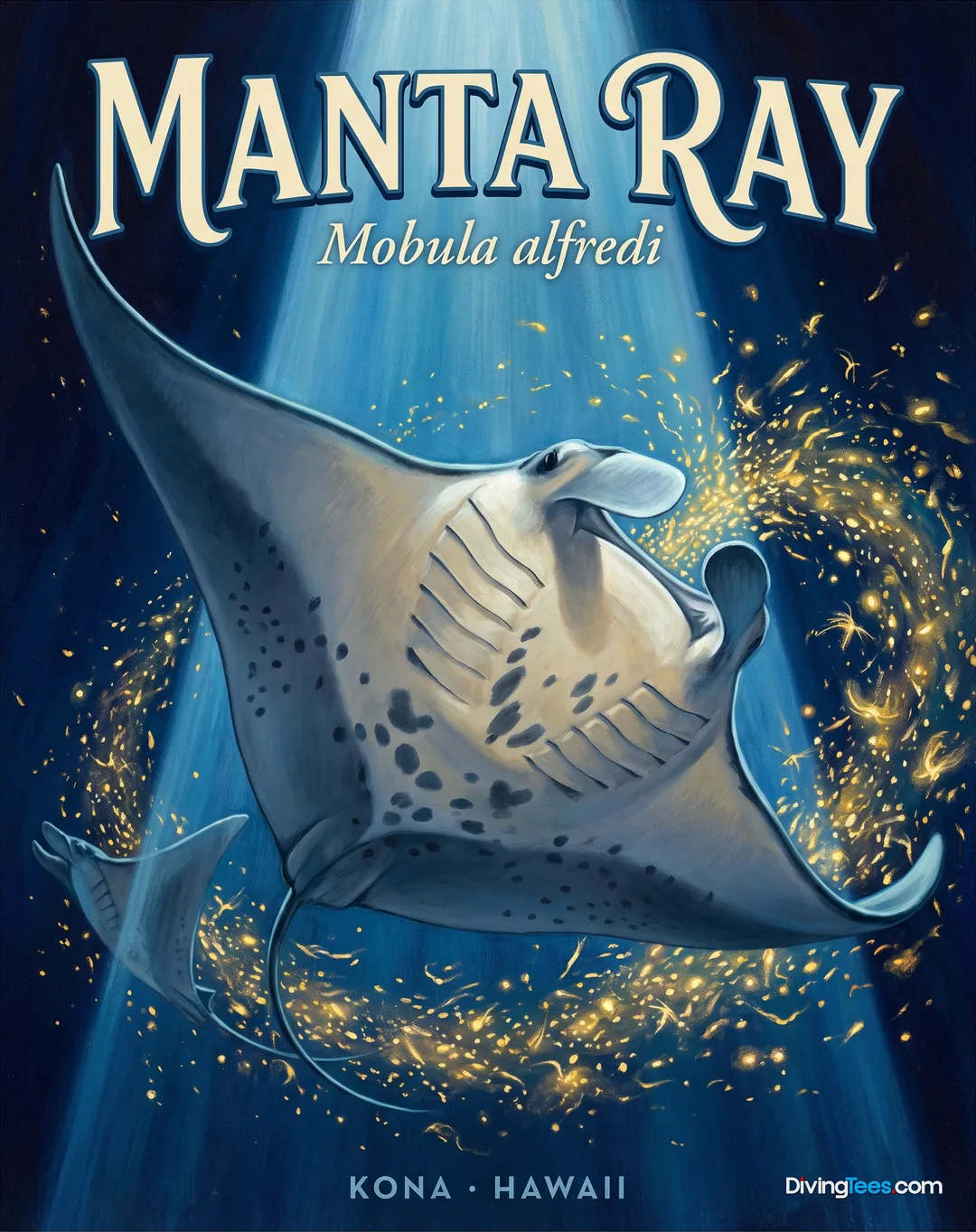
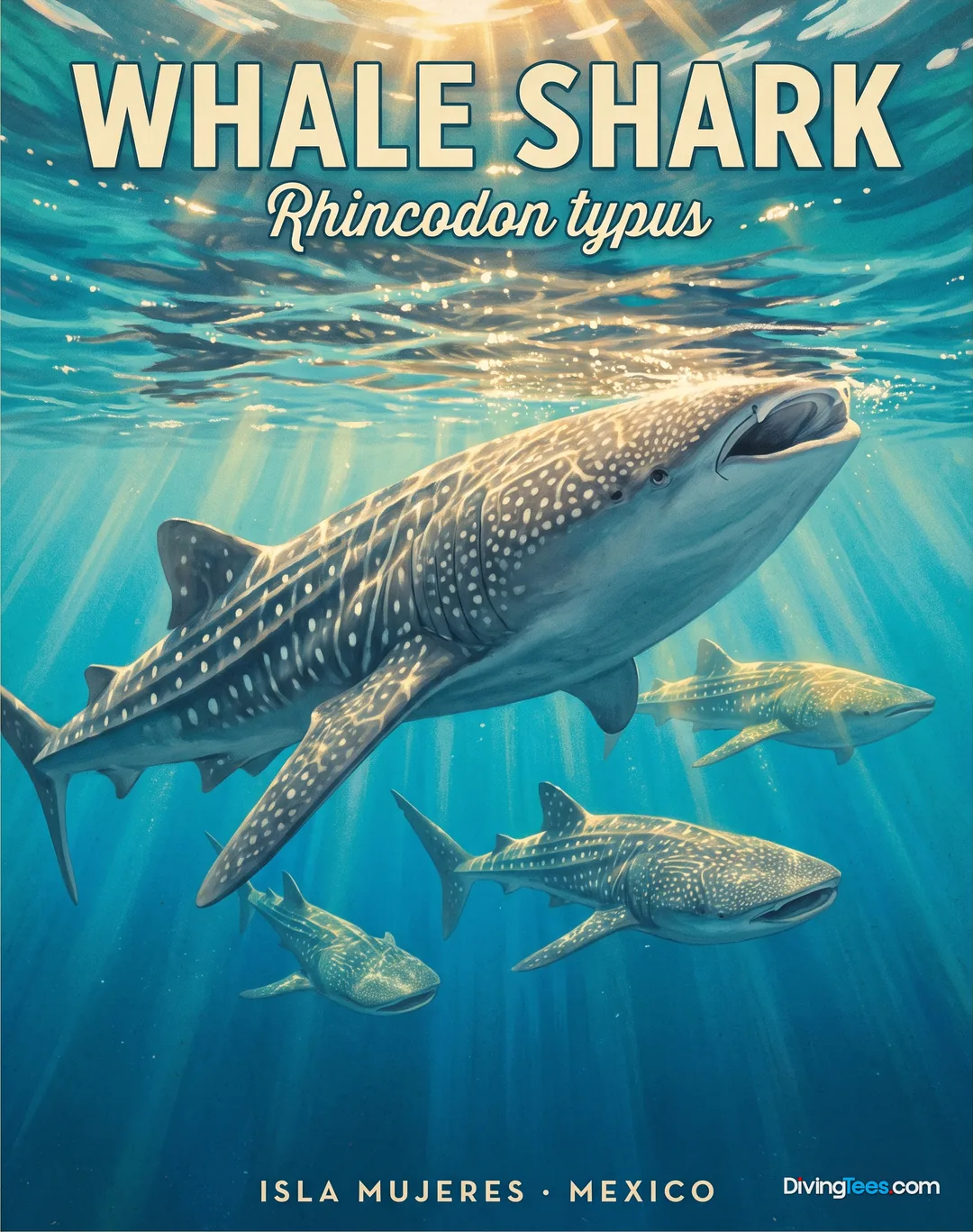
Sea turtles, groupers, morays, octopuses, rays and snappers form the recurring cast of this route, with schooling fish often turning a simple reef into a moving wall. The site-specific reasons to go are sharper. Los Islotes is about California sea lions; their curiosity changes the dive from a reef survey into an encounter. Swanee Reef is the place for schooling baitfish, seahorses and blennies, as well as the green turtle recorded there. Salvatierra Wreck adds barracuda to its trucks, tyres and artificial-reef life. Fang Ming Wreck is notable for both soft and hard corals, alongside turtles, morays, nudibranchs and reef sharks. Gordo Banks is where the biggest possibilities concentrate: giant Pacific manta rays, whale sharks, hammerheads and striped bonito have all been recorded there, with humpback whales and dolphins possible in the wider area. La Reyna is the specific site for the green moray and giant Pacific mantas. At Punta Lobos, giant seahorses and mobula rays give the rocky slope a different character from the open-water pinnacles. None of these animals is guaranteed; the attraction is the range of habitats and the chance that the blue suddenly fills with something much larger.
Who puts you in the water
The dive guides and crew put divers in the water from the skiff and water-level platform, with briefings that explain the site and the plan before entry. The guides know the areas well and can support divers who want to stay with a group while allowing suitably confident divers more independence. English and Spanish are spoken. The boat is recommended for divemasters and experienced divers, and some sites can be challenging. Nitrox certification, other diving certifications and private dive guides can be arranged as optional extras, while a nitrox course is offered by the operator. Safety equipment includes first-aid kits, trained first-aid crew, radio and satellite communications, fire alarms and extinguishers, life rafts, life jackets and emergency flares.
The dive deck and the gear
The dive deck is the Nautilus Explorer’s strongest argument. It has generous space for gearing up, a shaded preparation area, large camera tables, rinse tanks and a water-level platform that reduces the awkward part of getting in and out. The 38-foot skiff takes divers to the site and collects them where they surface, rather than asking everyone to return to the ship after every entry. Aluminum 80s and air are included; nitrox is available as an optional extra, and DIN adapters are on board. The system supports rebreathers and sidemount, with tanks and rental equipment available as optional extras. Hot-water showers are available, including outdoor showers for the quick rinse after a dive. There is no need to infer a compressor specification from the layout: what is clear is that the boat is arranged for repeated diving, with the deck, platform, tender and camera facilities working as one system.
Between dives
Between dives, the best place to settle is the shaded dive area or the sun deck, depending on whether the body needs shade or a little warmth. The main salon has air conditioning and large windows, so the sea remains visible without requiring everyone to sit outside. Photographers have proper camera space rather than having to occupy a dining table, and the lounge gives them somewhere to review images between dives. Kayaks and stand-up paddleboards are carried for the periods when the itinerary reaches calm water, while the hot tub is useful after a colder or more demanding entry. On a crossing, those spaces turn the boat into a comfortable base without pretending the voyage is a resort day. There is also a paid internet connection, but the better use of the quiet hours may be watching the water from the deck.
A day on board
A diving day begins with the first briefing and the first entry, followed by breakfast and the next descent rather than a long wait in a marina. On full dive days, the operation aims for four dives, with surface intervals filled by food, water, gear checks and time on the shaded deck or in the salon. The skiff carries divers to the site, then returns to collect them at the surface; the water-level platform makes the climb back aboard less of an event. Lunch and snacks keep the gaps practical, while dinner marks the end of the main work of the day. On suitable itineraries, a night dive adds a different layer to wrecks and reefs after the light has gone. Crossing days are slower by necessity, with the ship underway, the sun deck and salon available, and the camera tables turning into editing stations. The exact sequence changes with weather, site access and park operations, but the day is built around getting divers back into the water.
What you eat aboard
Meals are a real strength of this boat. Food is made from scratch, with buffet and à la carte service combining Western and local cooking; vegetarian and vegan options are available. Full board covers breakfast, lunch, dinner and snacks, with non-alcoholic drinks, tea and coffee available throughout the trip. That matters when the day is built around diving rather than a single excursion: divers can eat properly after a dive, take something small before the next one and return to a meal that feels prepared rather than improvised. The galley also pays attention to dietary needs when they are given in advance. Beer, wine, cocktails and a wider wine selection are available from the bar, but the food is what gives the table its identity. It is the part of the operation that has earned the strongest passenger feedback.
Nights at sea
The 13 cabins range from Staterooms and Single Staterooms to Superior and Premium Suites, with Triple Staterooms for those prepared to accept tighter quarters. Every cabin has air conditioning and a private bathroom; standard cabins have standard windows, while the upper suites have larger windows, desks and wardrobes. The Premium Suite is a two-room space with a separate bedroom and lounge, and its bathroom has a full-size bathtub. Most nights are therefore quiet, private and climate-controlled, but not silent: this is a working ship, and movement, water and ship systems remain part of the background. The window is the difference between simply sleeping below decks and waking with a view of the sea. Daily cabin service and towels keep the practical side easy, while the hot tub offers a warmer place to sit after the last dive.
Stateroom
Superior Suite
Premium Suite
Single Stateroom
Triple Stateroom
What to know before boarding
Departure and return ports depend on the itinerary: recorded trips run Cabo San Lucas–Cabo San Lucas, La Paz–La Paz, Cabo San Lucas–La Paz or Cabo–Cabo. Airport and hotel transfers are optional and can be arranged through the shore team rather than being included as part of the standard trip. Arriving in the departure area the night before is sensible, especially for an ocean itinerary where a missed connection cannot be solved once the ship sails.
Deck plan
- Year built
- 2000
- Year renovated
- 2015
- Length
- 40.2 m
- Beam
- 8.2 m
- Maximum number of passengers
- 25
- Number of cabins
- 13
- Cruising speed
- 11-12 mph
- Tenders
- 11.6 m skiff
- Website
- nautilusliveaboards.com ↗
Hello, I'm Marina, DivingDeal.com's AI assistant. I answer in detail about hotels, dive centres and liveaboards.
Thinking about the whole trip and the flights? Talk it over with Edith →
Marina is an AI. Some links are affiliate links: DivingDeal may earn a commission, at no extra cost to you. Bookings are made with the partner.