
The Cortez Club
★ 4.4/5 (355 reviews)
less than 1 km away as the crow flies
Mexico · Americas
California sea lions circle rocky islets, mobula rays pass over walls, and old ferries rest among reefs across this wide, boat-dependent diving destination.
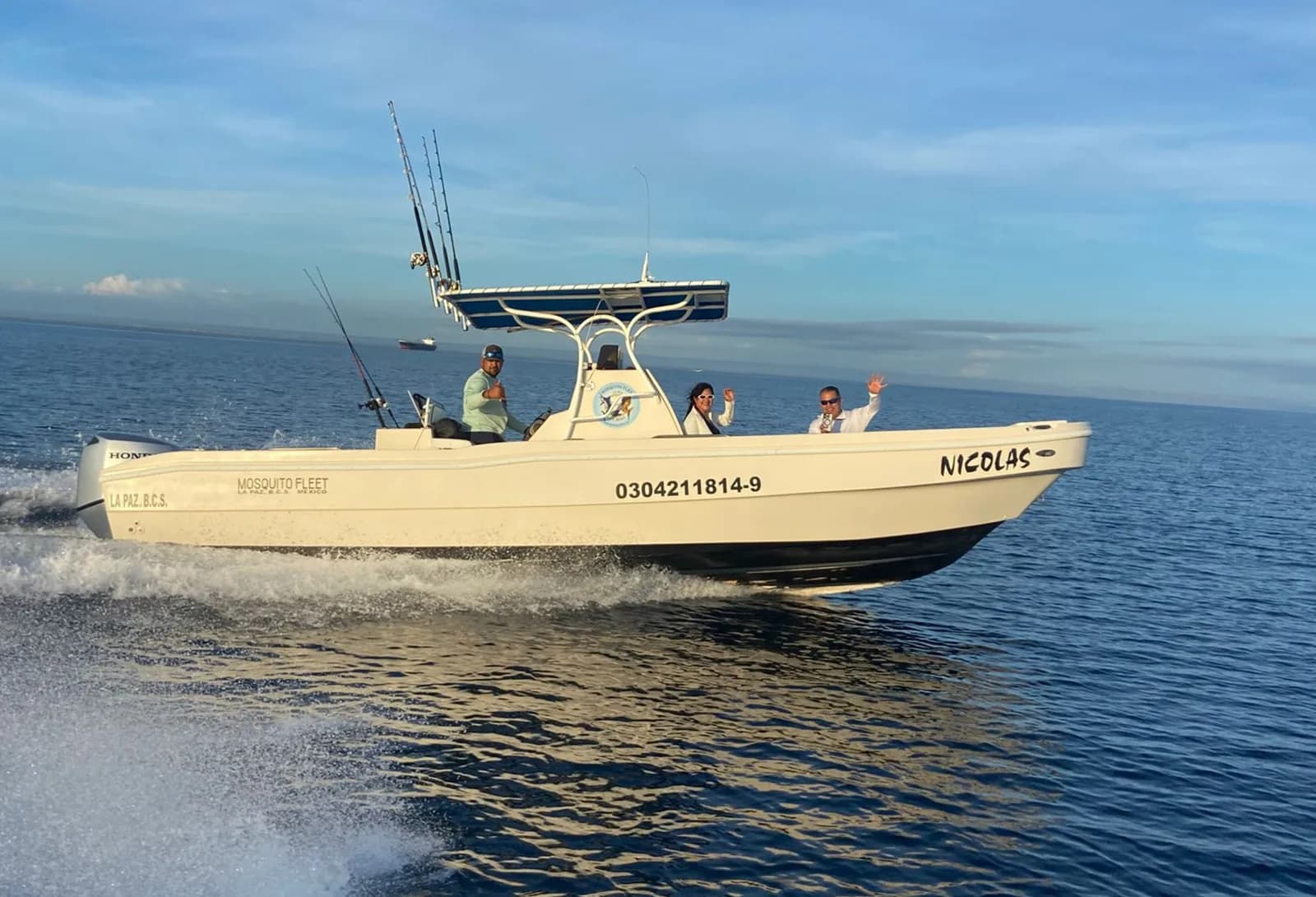
The Sea of Cortez is not one compact resort dive area but a broad basin of islands, coastal reefs and open-water passages between Baja California and mainland Mexico. Its appeal lies in what moves through the water as much as in the rock itself: California sea lions, schooling fish, rays and occasional larger visitors. Around La Paz, Isla Cerralvo and Isla Espiritu Santo, a shore-based stay can support repeated boat trips, while a liveaboard makes more sense when several distant sectors are to be linked.
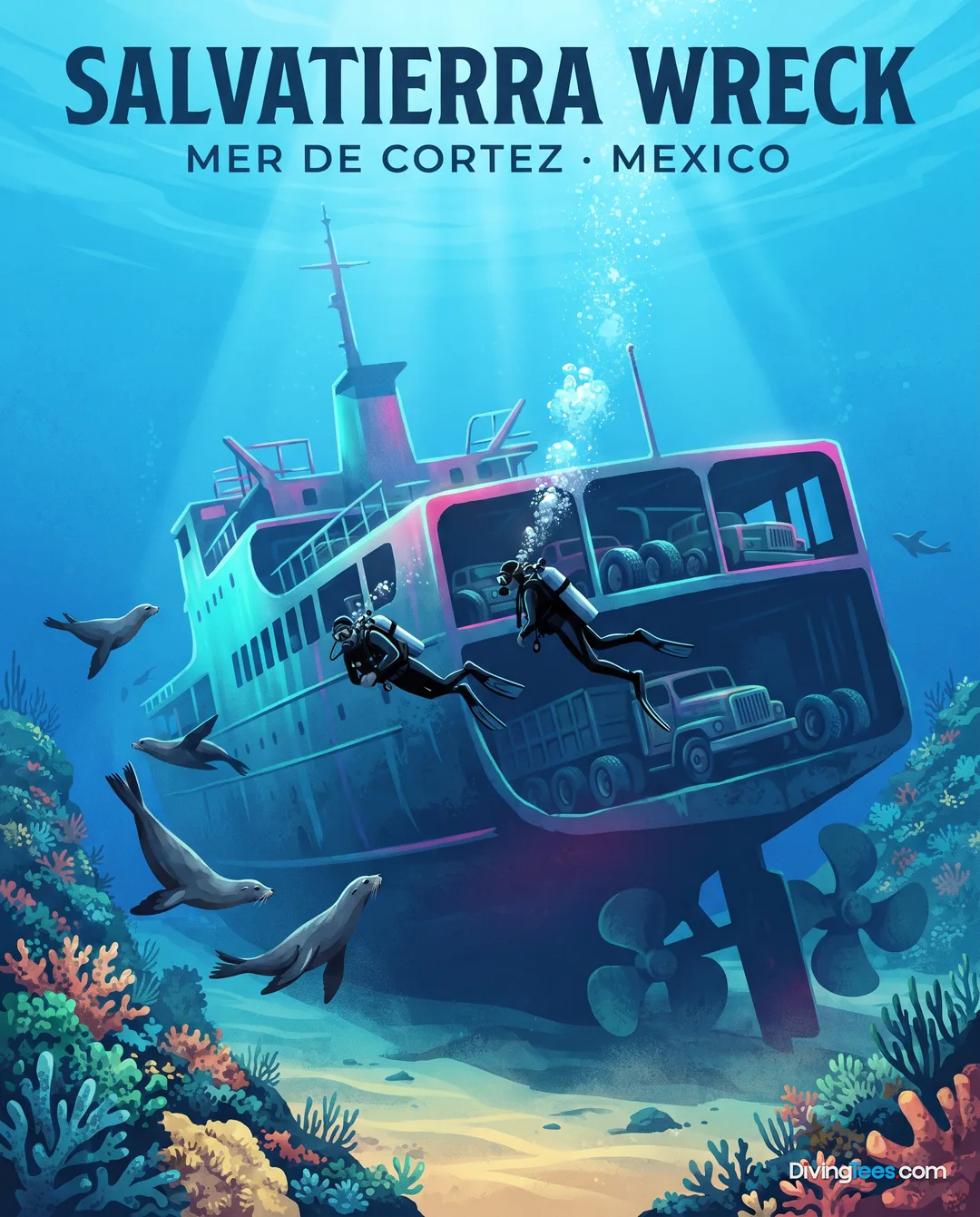
Underwater, expect a mixture of rocky islets, pinnacles, walls, sandy plateaux, caves, coral heads and gorgonian-covered reef. Los Islotes combines two rock outcrops with a natural arch and shallow areas suited to relaxed exploration. Isla Ballena drops through caves and sandy ground where garden eels gather, while San Rafaelito adds overhangs and small caves down to thirty metres. La Reynita and La Reyna are more exposed, with regular or constant current bringing schooling fish and pelagic encounters. Salvatierra Wreck lies at fourteen to eighteen metres, and Fang Ming Wreck reaches twenty-one metres, normally without demanding technical diving. Visibility can be excellent at Swanee Reef, although conditions across the basin change with wind, tide, suspended material and plankton. Boat diving is central, and some passages are treated as drift dives rather than fixed mooring dives.
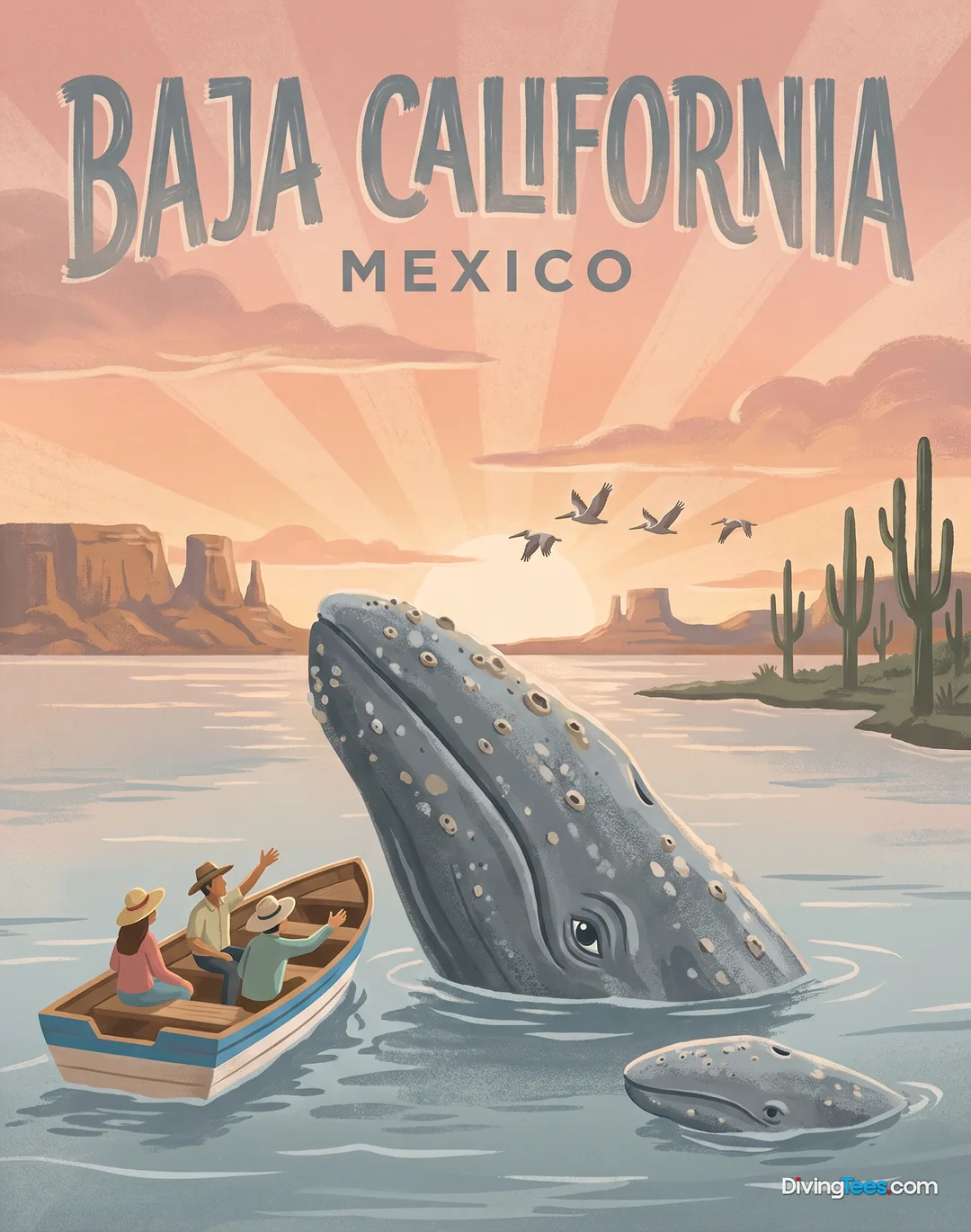
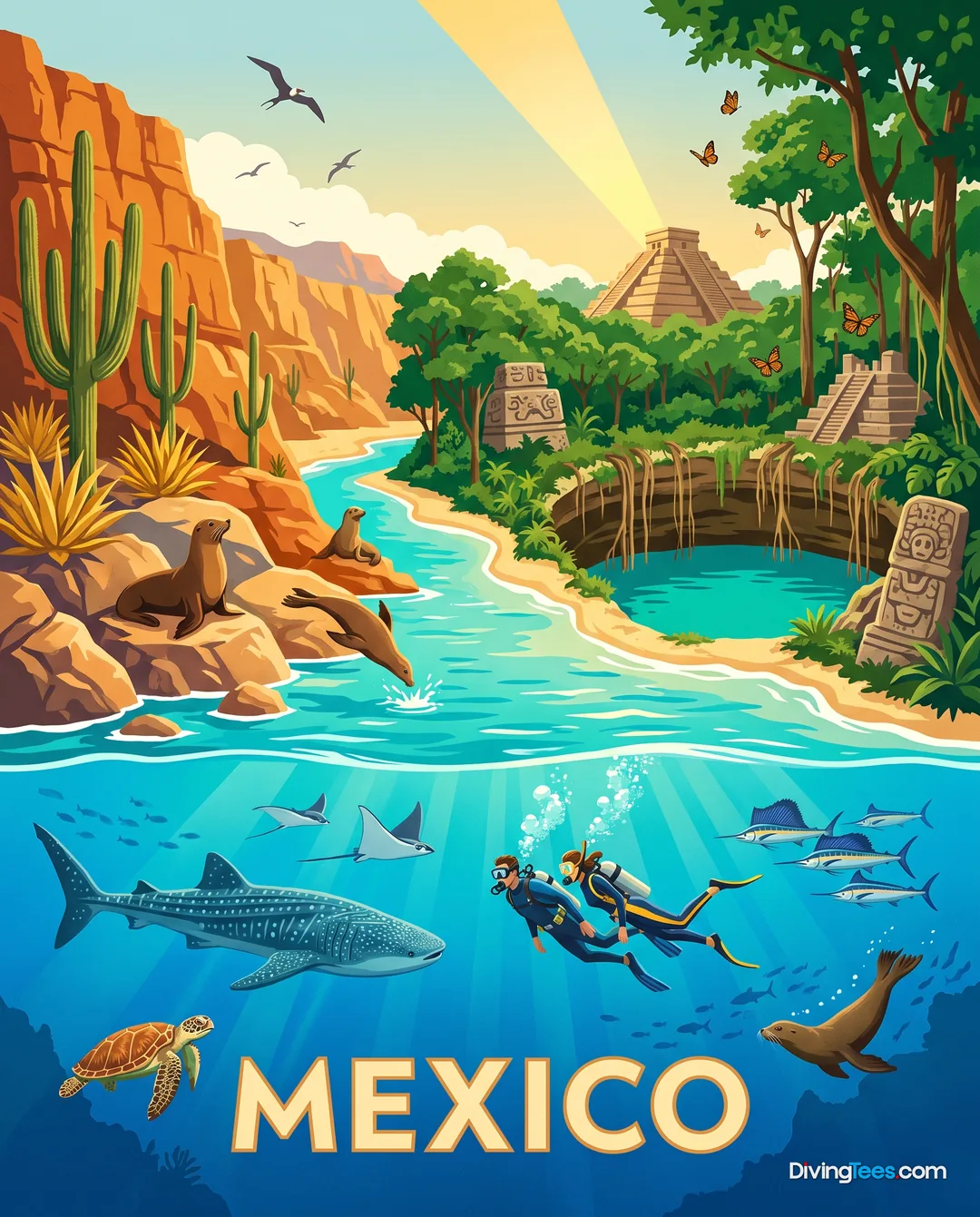
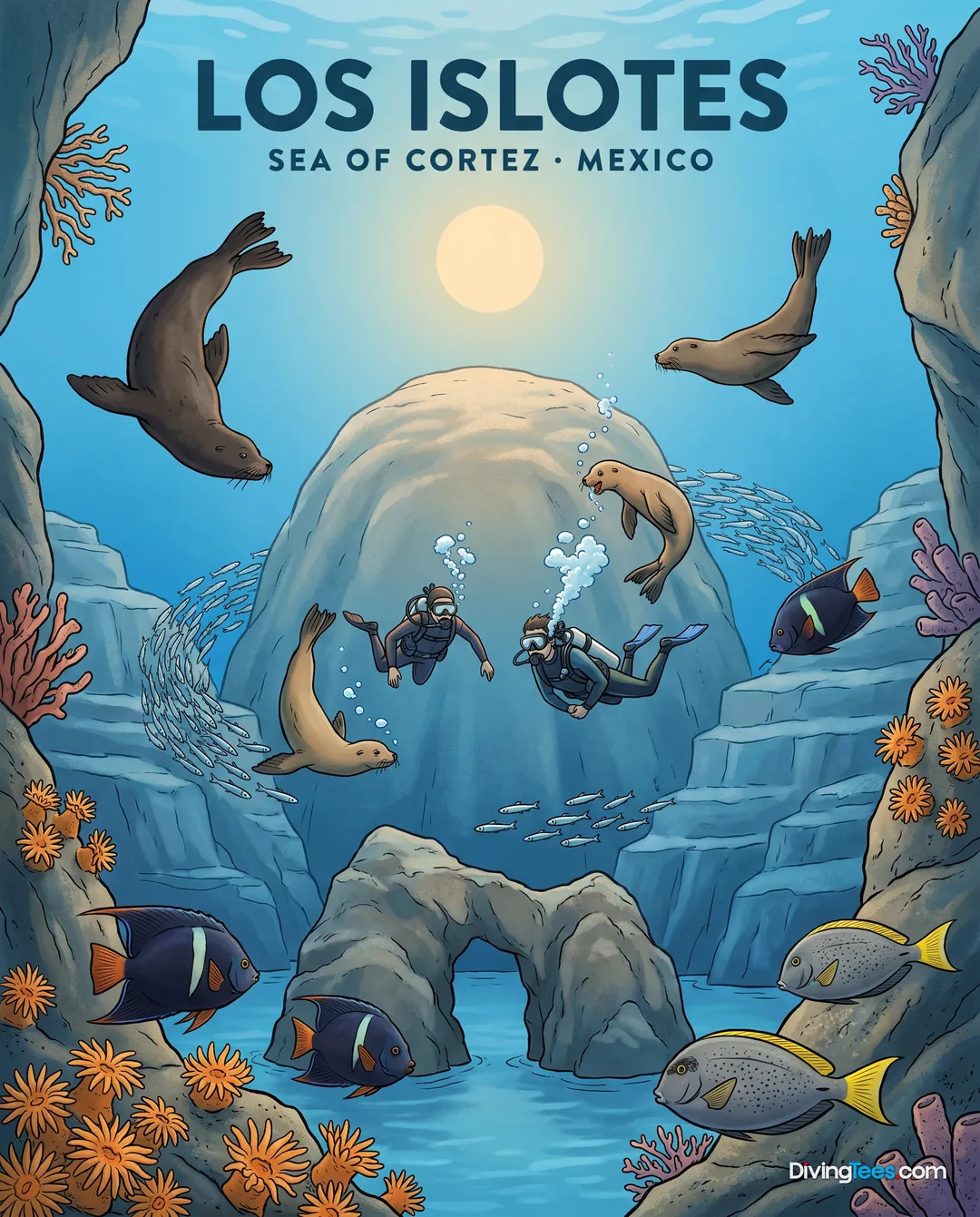
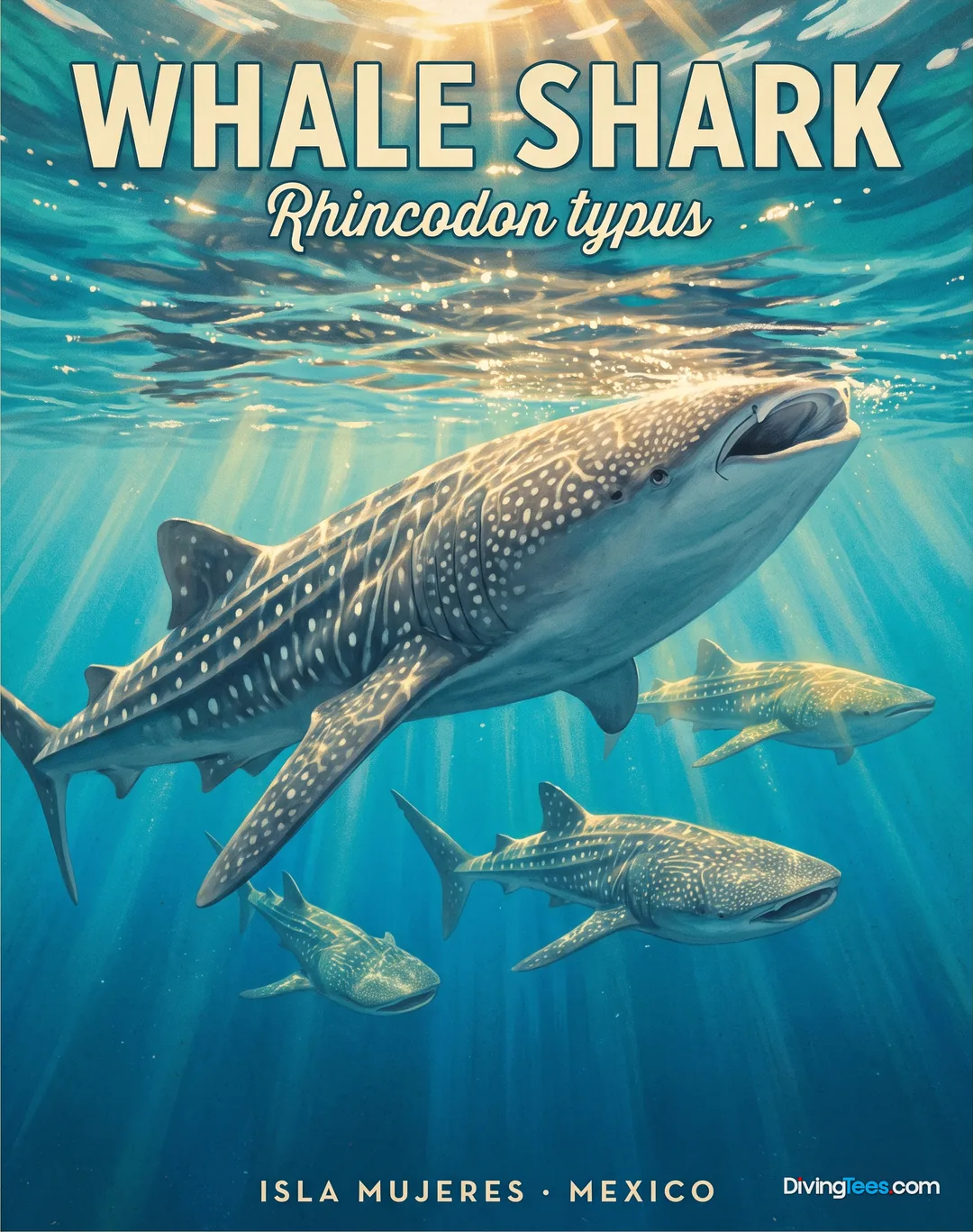
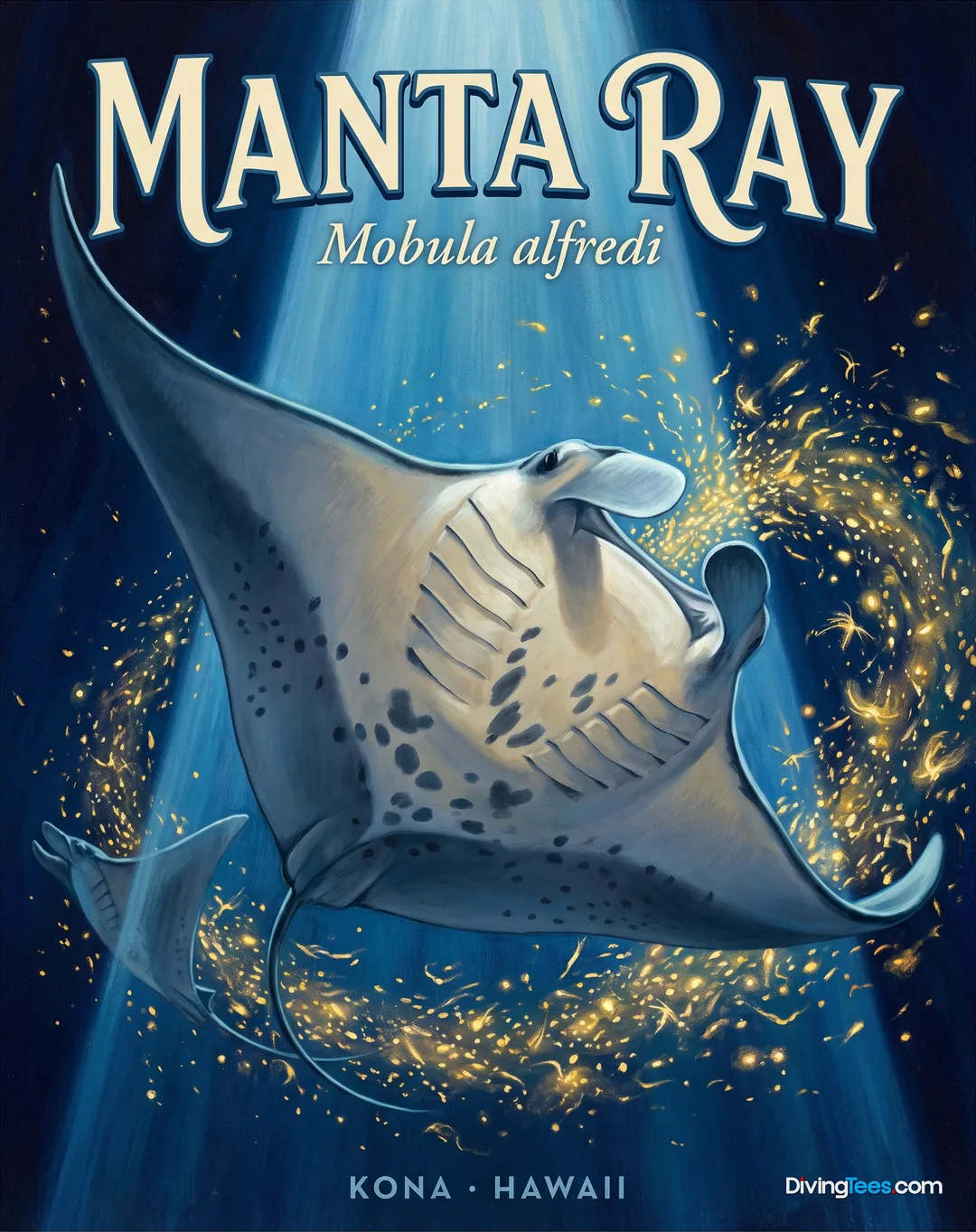
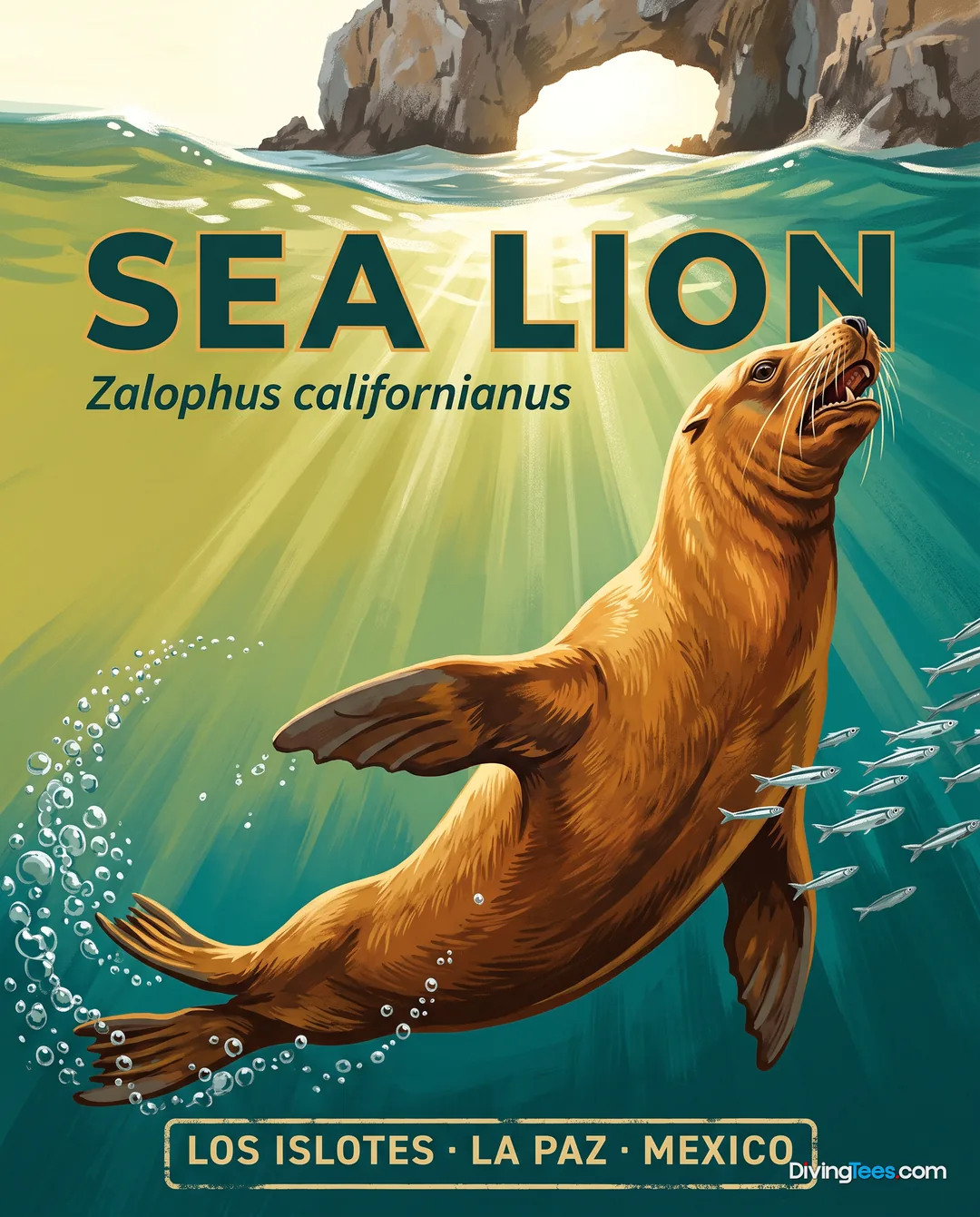
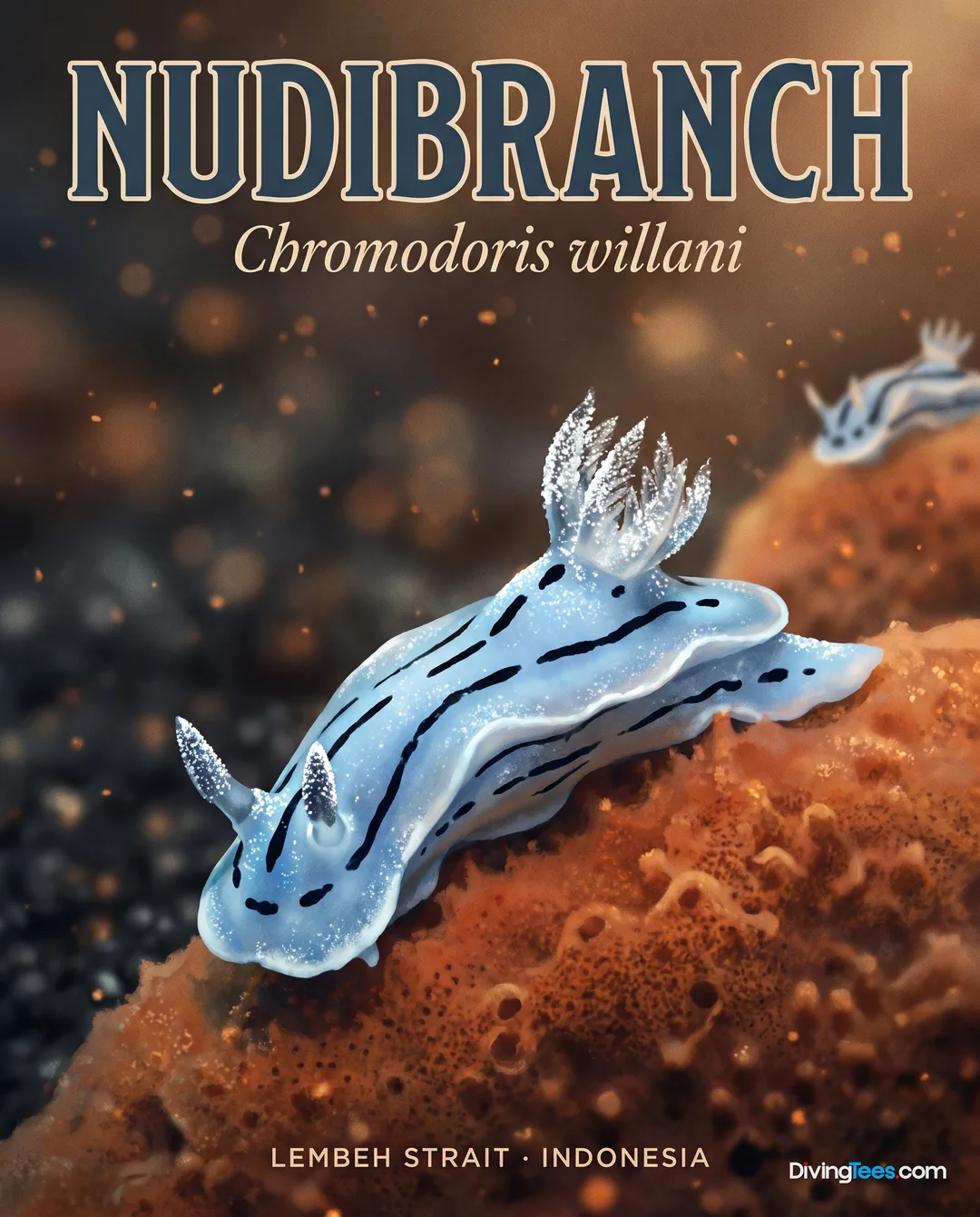
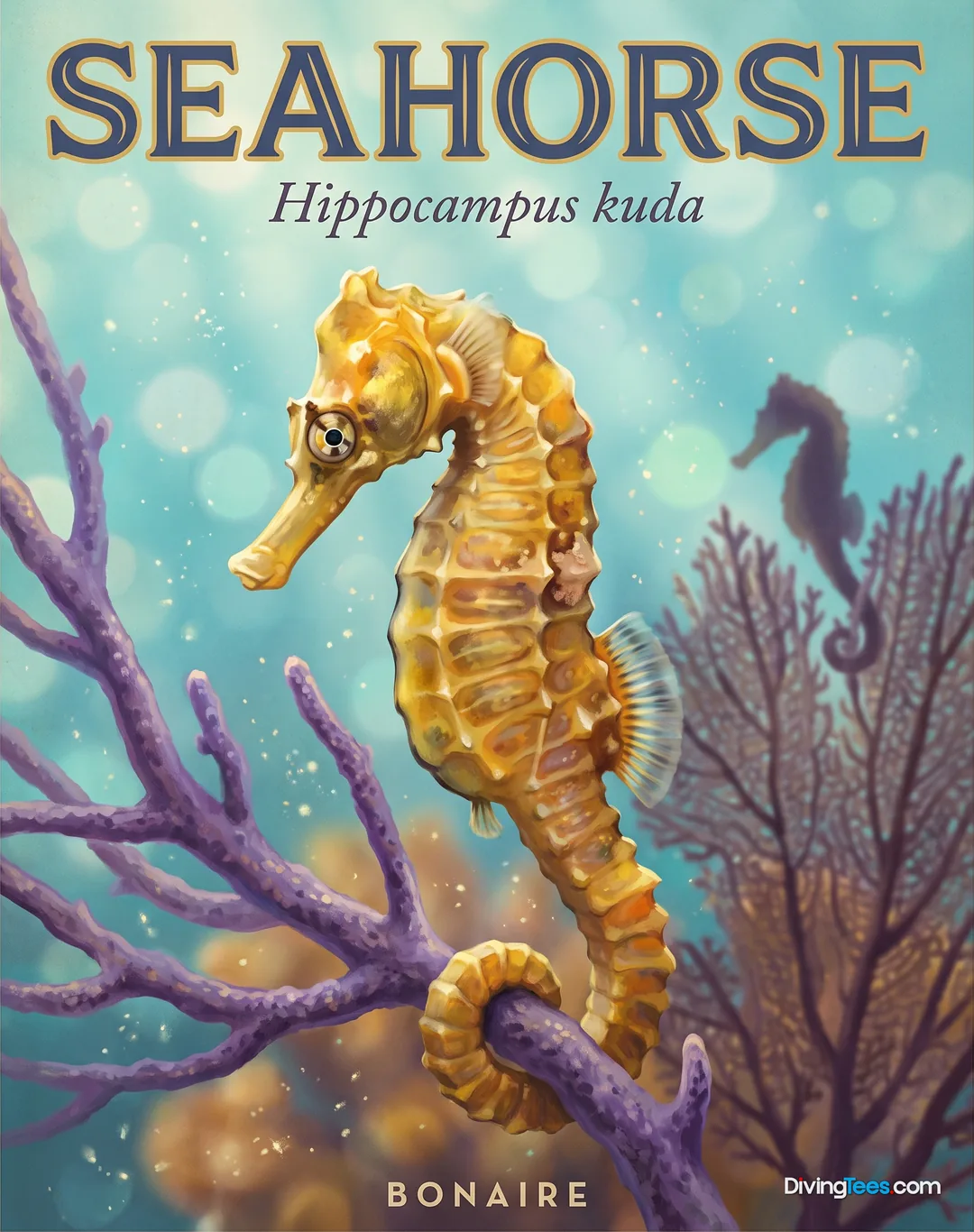
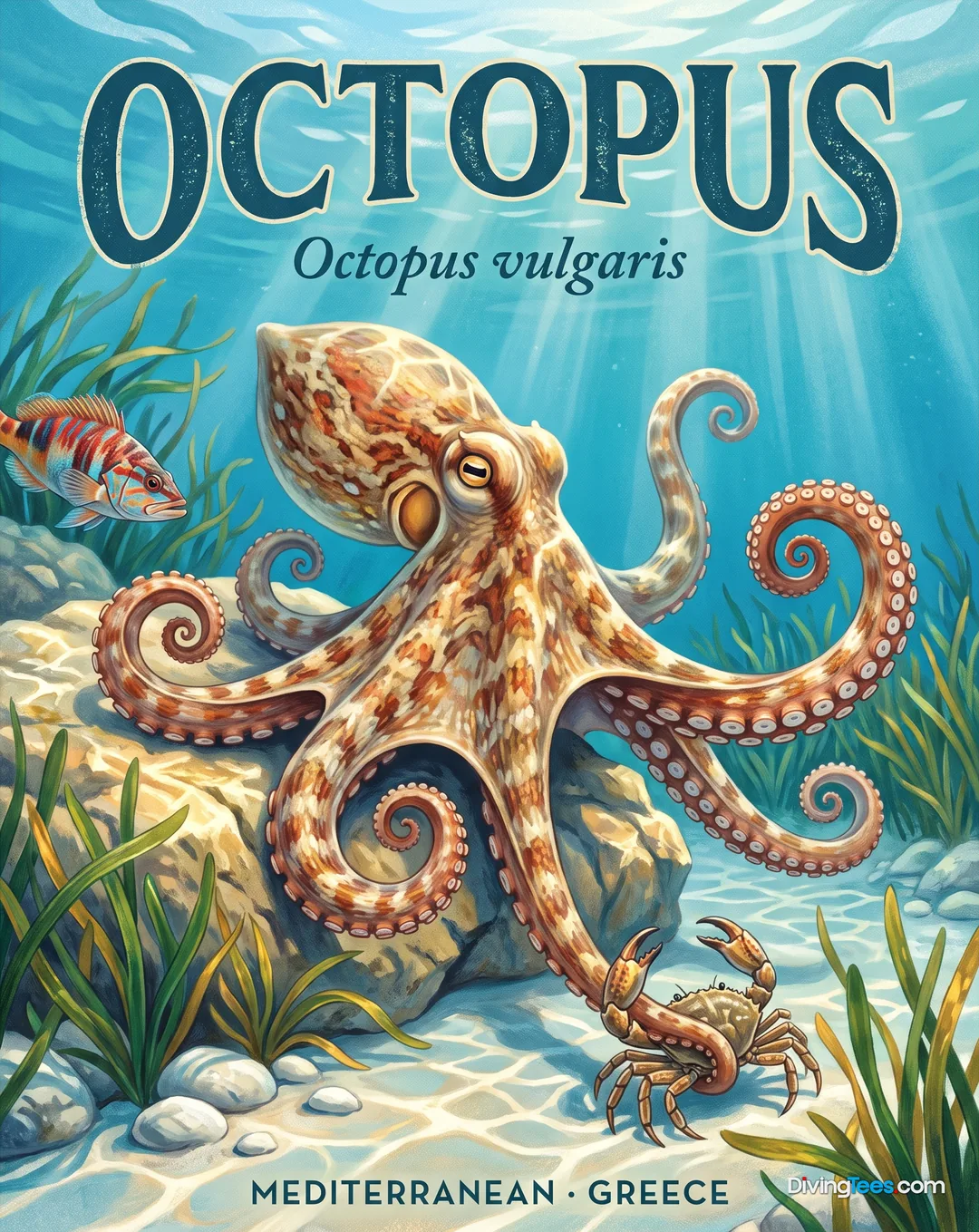
California sea lions are the signature encounter, particularly around Los Islotes, where a permanent colony uses the rocky islets. That site closes from June through August for the breeding season, so the calendar matters as much as the itinerary. Punta Lobos is the clearest seasonal wildlife proposition: thousands of mobula rays may gather from late spring into summer, alongside giant seahorses and colour-changing octopus. La Reyna is known for recurring giant Pacific manta ray encounters, while La Reynita brings schooling fish, large grouper, gorgonians and brain corals into the current. Across the reefs, divers may find snapper, rays, sea turtles, green, zebra, fine-spotted and jewel moray eels, garden eels, sea fans and tropical reef fish. Larger visitors such as whale sharks and basking sharks are occasional rather than guaranteed.
The measured diving window is from April to October, when the sea is at its calmest across the recorded pattern. That matters here because the richest sites often lie around islands, pinnacles and passes reached by boat, not beside the accommodation. Rainfall is lowest from November to July, so a trip planned around calmer crossings should favour spring through early autumn, while a wildlife-focused itinerary should also consider late spring and summer for the mobulas at Punta Lobos. Los Islotes cannot be used from June to August, however, because the sea-lion colony is protected during breeding. Flexibility remains sensible throughout the season: wind and sea state can alter the day's route.
This coast is exposed to sargassum strandings, whose intensity varies greatly from year to year.
The destination suits all levels, with straightforward profiles at Isla Ballena, San Rafaelito, Swanee Reef and Salvatierra Wreck. Open Water divers can enjoy the shallower sites, provided they are comfortable with boat routines and changing conditions. An Advanced certification, whether through PADI, SSI or BSAC, is useful for La Reynita, La Reyna and other current-affected dives, particularly where depth, drift technique and buoyancy control matter. Wreck penetration on Fang Ming should be limited to what the diver's training and experience support.
From London Heathrow, London Gatwick or Manchester, the journey starts with an international flight towards north-west Mexico or Baja California, followed by a road transfer to the chosen port or departure town. There is no single arrival route for the whole Sea of Cortez: Baja California, Baja California Sur, Sonora and Sinaloa lead to different starting points. Reaching islands and remote sites usually means adding a local boat journey, while some itineraries require a ferry across the gulf between the peninsula and the mainland. Once based in a town or on an island, the dive centre may be reached on foot, by shuttle or by taxi. The practical mistake is treating the ferry or boat leg as an optional extra; in several sectors it is the route to the diving itself.
Choose one base and use it to explore its nearby island group rather than trying to cover the entire gulf from a single arrival point. Distances between sub-regions are substantial, and an over-ambitious plan turns diving time into transfers. Keep spare days in the itinerary: wind and sea conditions can change the boat route, and a rigid schedule leaves little room when an exposed pass is unsuitable. Ask before boarding whether a particular outing will be drifted or held on an anchor or mooring, as that changes both the water entry and the way the dive is conducted. For repeated day trips, Nitrox can be useful, but it is a practical option rather than a substitute for sensible planning. Check local protected-area rules for the islands being visited, and remember that Los Islotes is closed from June through August. Avoid assuming that the best wildlife encounters are available in every month or from every base.
Seven to ten days works well for a land-based trip built around repeated boat outings from one port or island. That format allows the route to follow the sea state and leaves time for different profiles, from Isla Ballena's caves and garden eels to La Reynita's current and the Salvatierra Wreck. A liveaboard is the more logical arrangement when the aim is to connect distant sectors rather than revisit one archipelago. Non-divers are better catered for in towns and accessible islands than in the most isolated areas, where the day is largely organised around the boat.
Hello, I'm Marina, DivingDeal.com's AI assistant. I guide you through destinations, areas and countries.

Thinking about the whole trip and the flights? Talk it over with Edith →
Marina is an AI. Some links are affiliate links: DivingDeal may earn a commission, at no extra cost to you. Bookings are made with the partner.
8 liveaboards run trips to Sea of Cortez.

Departing from Cabo San Lucas Marina
★ 9.3/10 (194 reviews)
from 267 €/day
Discover this boat →

Departing from La Paz Marina
★ 9.1/10 (122 reviews)
from 373 €/day
Discover this boat →
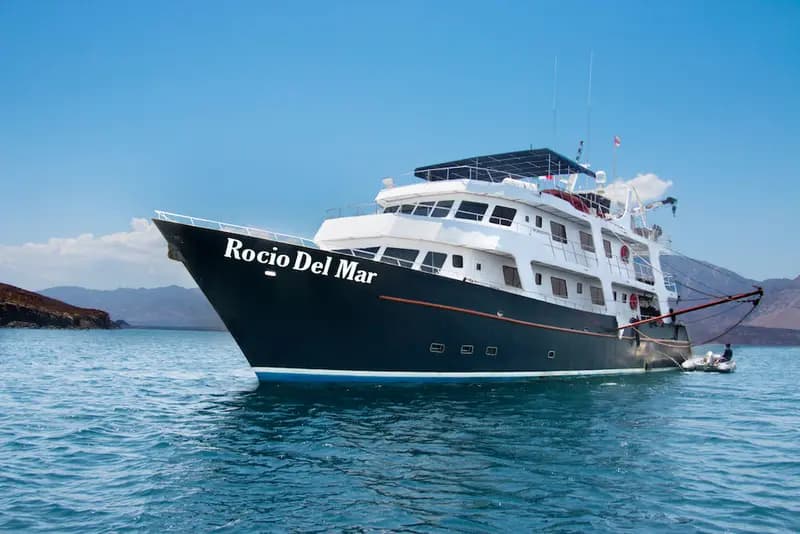
Departing from Puerto Penasco
★ 9.1/10 (49 reviews)
from 326 €/day
Discover this boat →
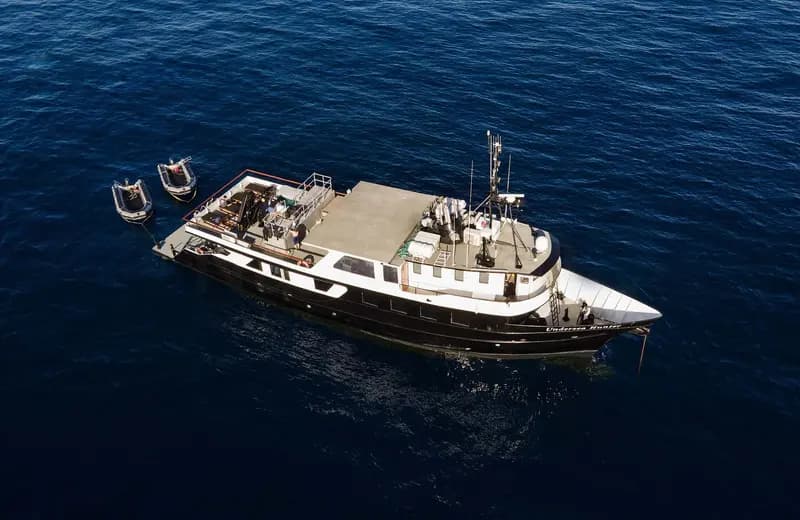
Departing from Cabo San Lucas Marina
★ 9/10 (62 reviews)
from 254 €/day
Discover this boat →