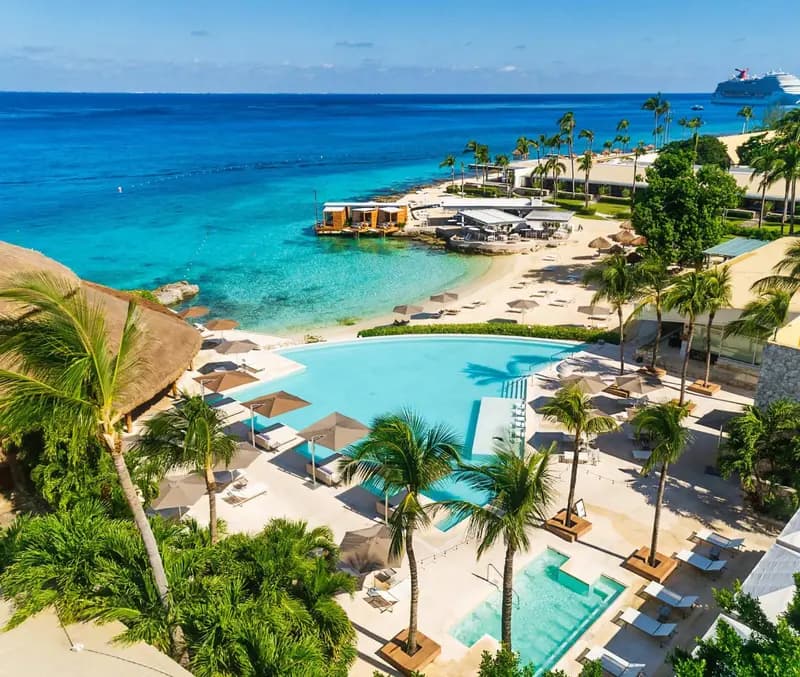
Presidente InterContinental Cozumel Resort & Spa by IHG
★★★★★
★ 9.3/10 (1,117 reviews)
59 km away as the crow flies
Dive centre · Riviera Maya · Mexico
4.9506 Google reviewsTrain for the cave system with a PADI 5* Career Development Center in the heart of Tulum.
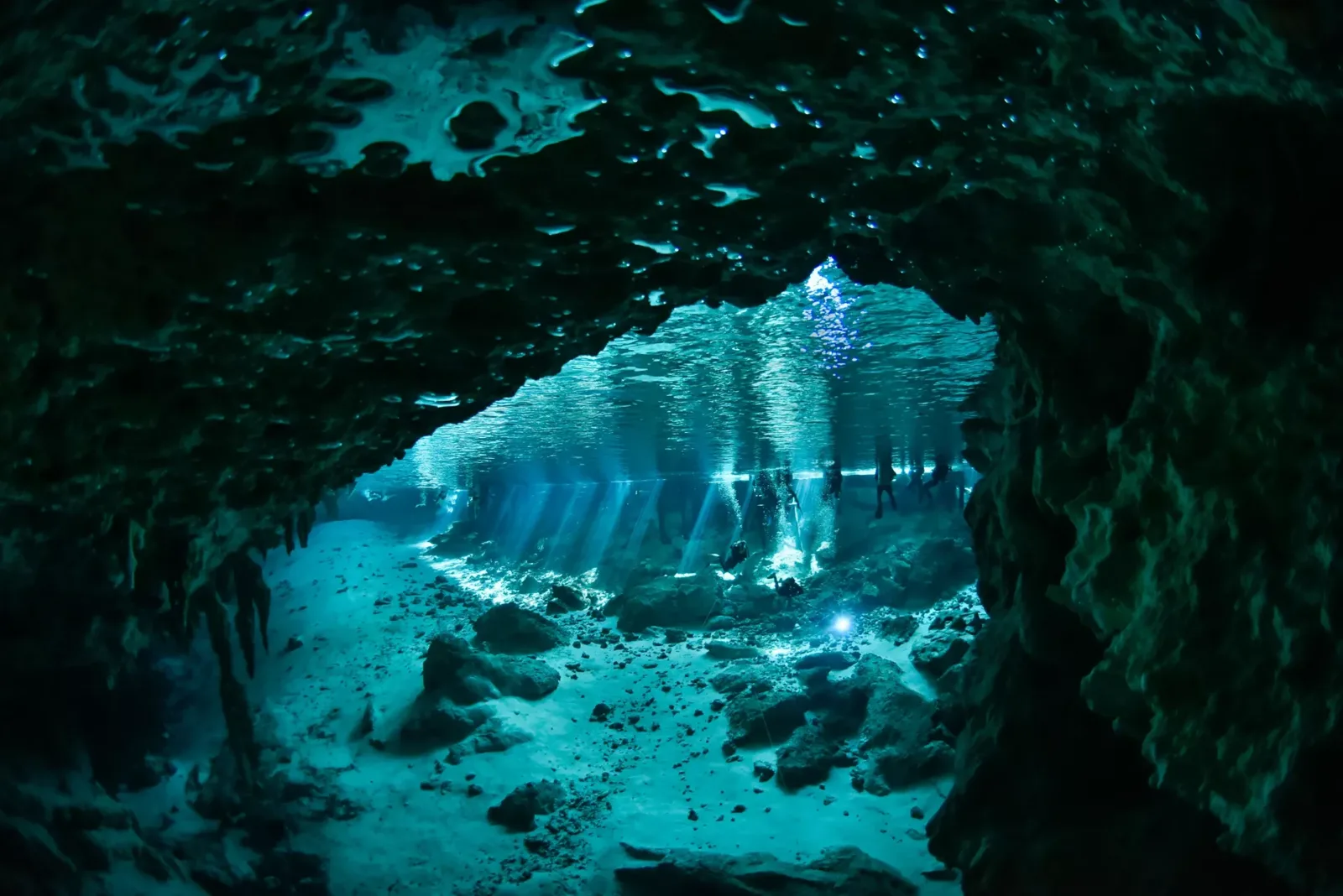
Located in Tulum, Infinity2Diving serves as a professional hub for divers looking to explore the unique underwater topography of the Riviera Maya. The centre provides access to a diverse range of environments, from the flooded jungle landscapes of the local cenotes to the deep-water wrecks and coral reefs of the Caribbean coast.
The centre operates with a focus on environmental conservation and professional development. Whether you are looking to complete your first certification or are pursuing a career as a Divemaster, the facility is set up to handle both recreational and technical progression.
As a PADI 5* Career Development Center, the team is highly qualified to manage both entry-level divers and professional candidates. The centre is notably female-managed and maintains a multicultural team of instructors, ensuring a welcoming atmosphere for international divers.
Safety and small group sizes are central to their operation, with a maximum ratio of four divers per guide. This ensures close supervision during technical training or when navigating more complex cave and cavern environments.
The training catalogue is extensive, covering PADI certifications from Open Water Diver and Advanced Open Water Diver through to Rescue Diver and Divemaster. They also offer the PADI Mermaid Course and the PADI Aware Specialty.
For divers looking to move into technical territory, the centre provides TDI training. This includes Nitrox, Deep Diver, Wreck, and specific technical modules such as TDI Sidemount, TDI Cavern, and TDI Intro to Cave, as well as combined sidemount and cavern packages.
The centre provides full equipment hire for those not travelling with their own kit. This includes regulators, BCDs, wetsuits, fins, and masks, allowing you to focus on your training without worrying about logistics.
For those on full-day excursions, the centre includes transport to the dive sites, as well as lunch, water, snacks, and towels as part of their inclusive service model.
The Pit is a world-renowned cenote that reaches depths of 30 metres. It is an advanced site where you can experience a distinct halocline and swim through a submerged forest of ancient trees.
Angelita is a fascinating cenote for advanced divers, characterised by a submerged forest of mineral-covered trees and a thick, mystical layer of hydrogen sulphide that creates a cloud-like effect underwater.
The Mamá Viña is a popular wreck dive located at approximately 30 metres. This steel-hulled shrimp trawler sits vertically on the seabed and is a great site for seeing large schools of fish, though currents can be strong.
Dos Ojos is an iconic site accessible from the Open Water Diver level. It features a vast network of tunnels and chambers, including the famous 'Barbie Line' and 'Bat Cave Line', offering exceptional limestone formations and light effects.
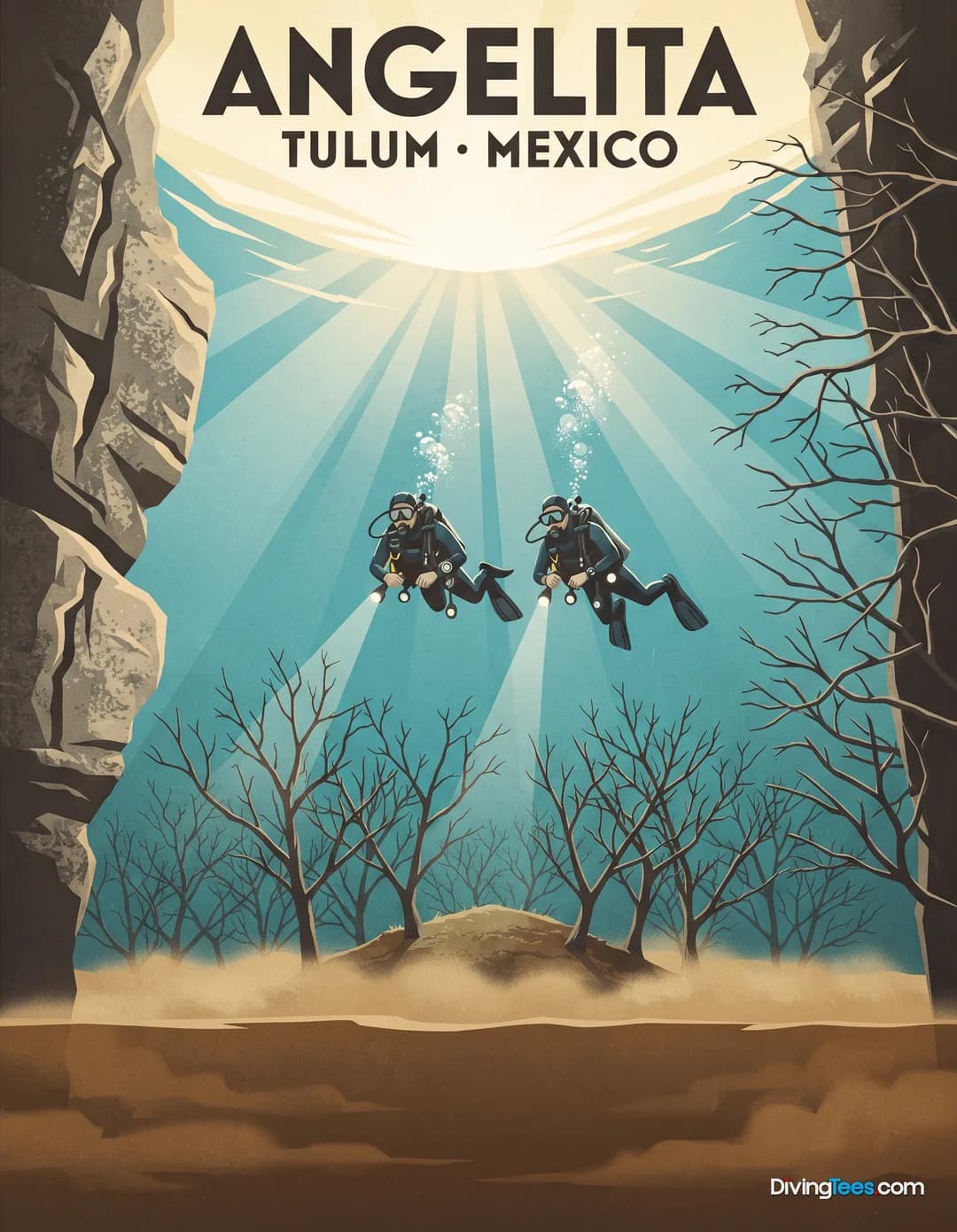
down to 30 m
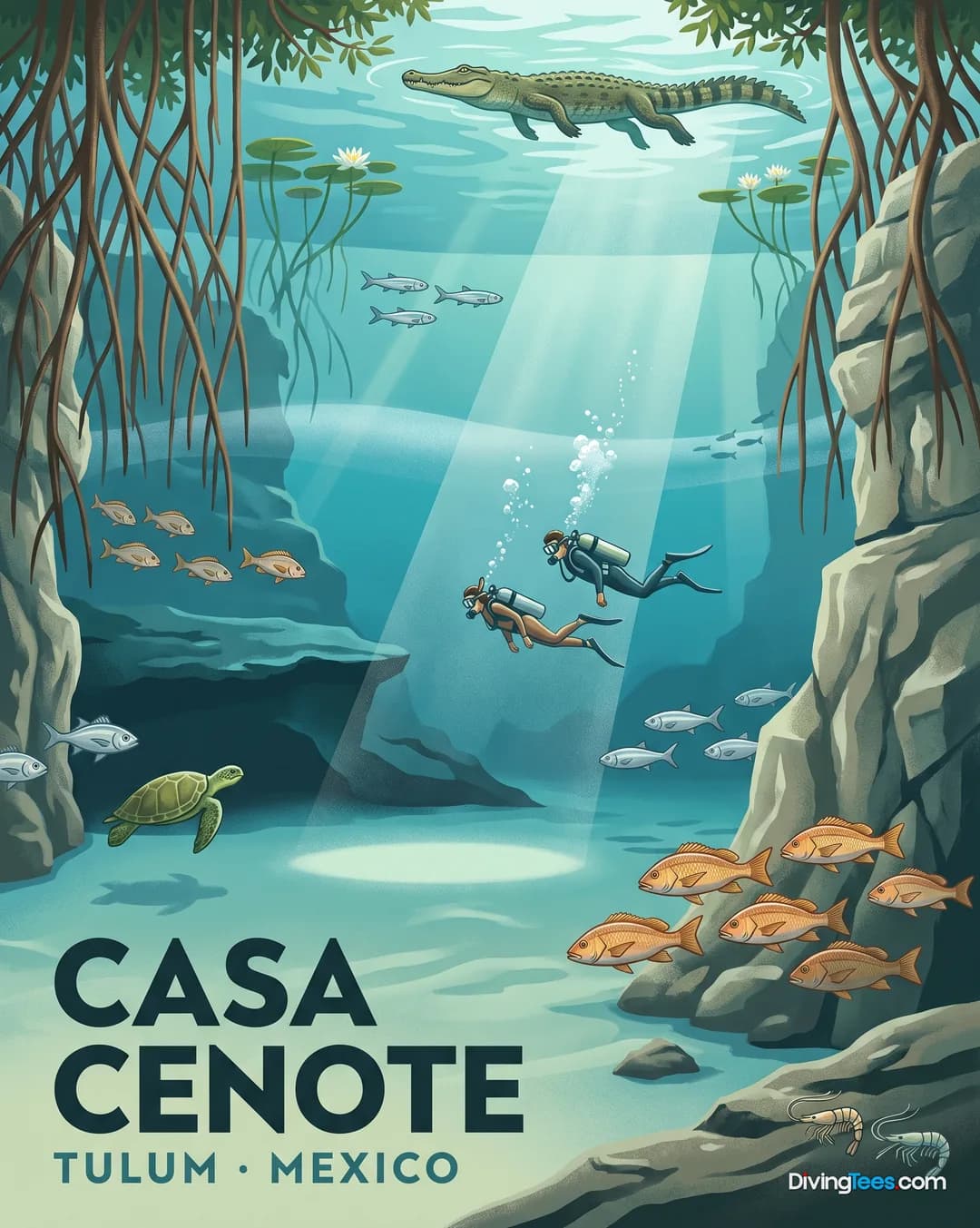
down to 12 m
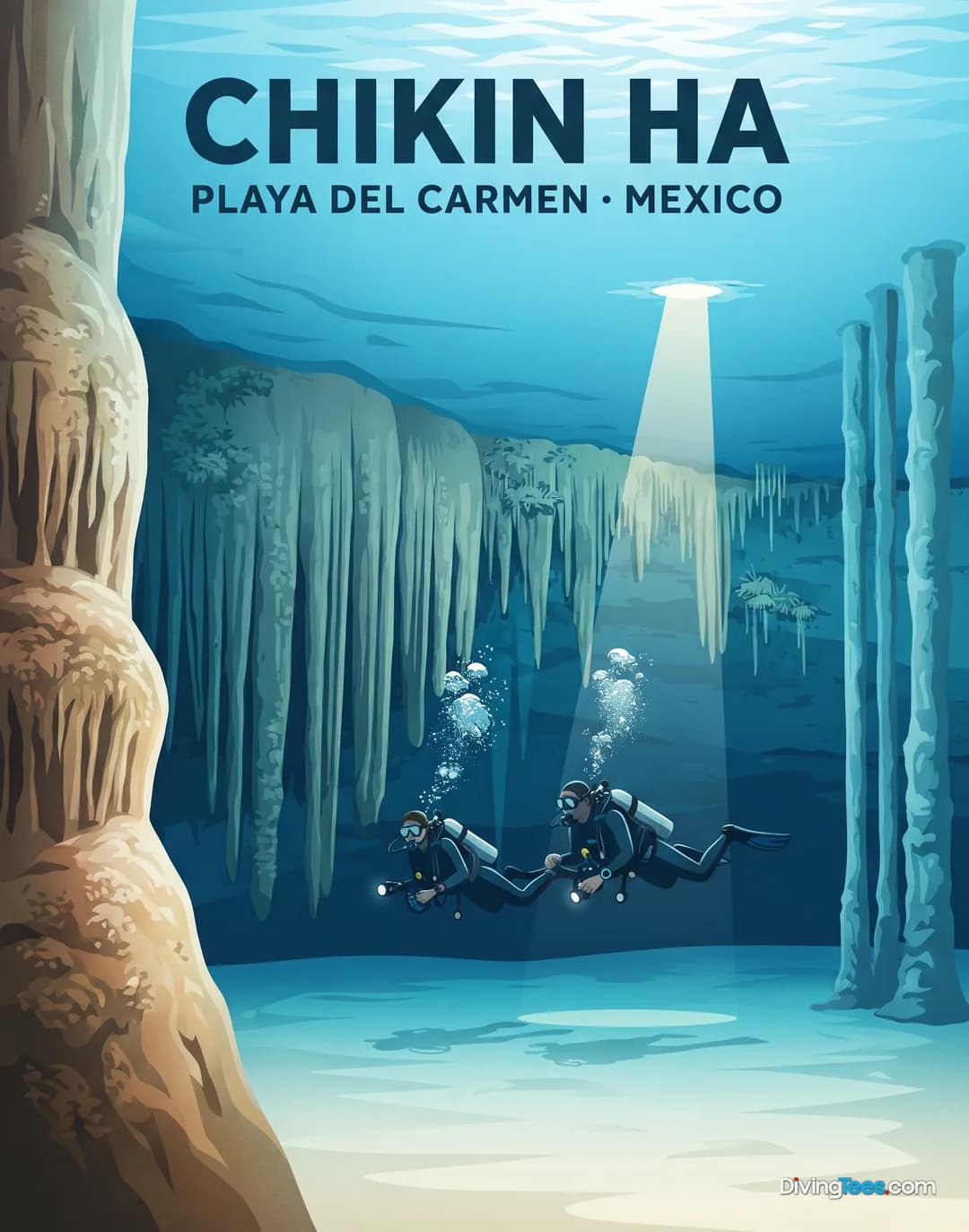
down to 15 m
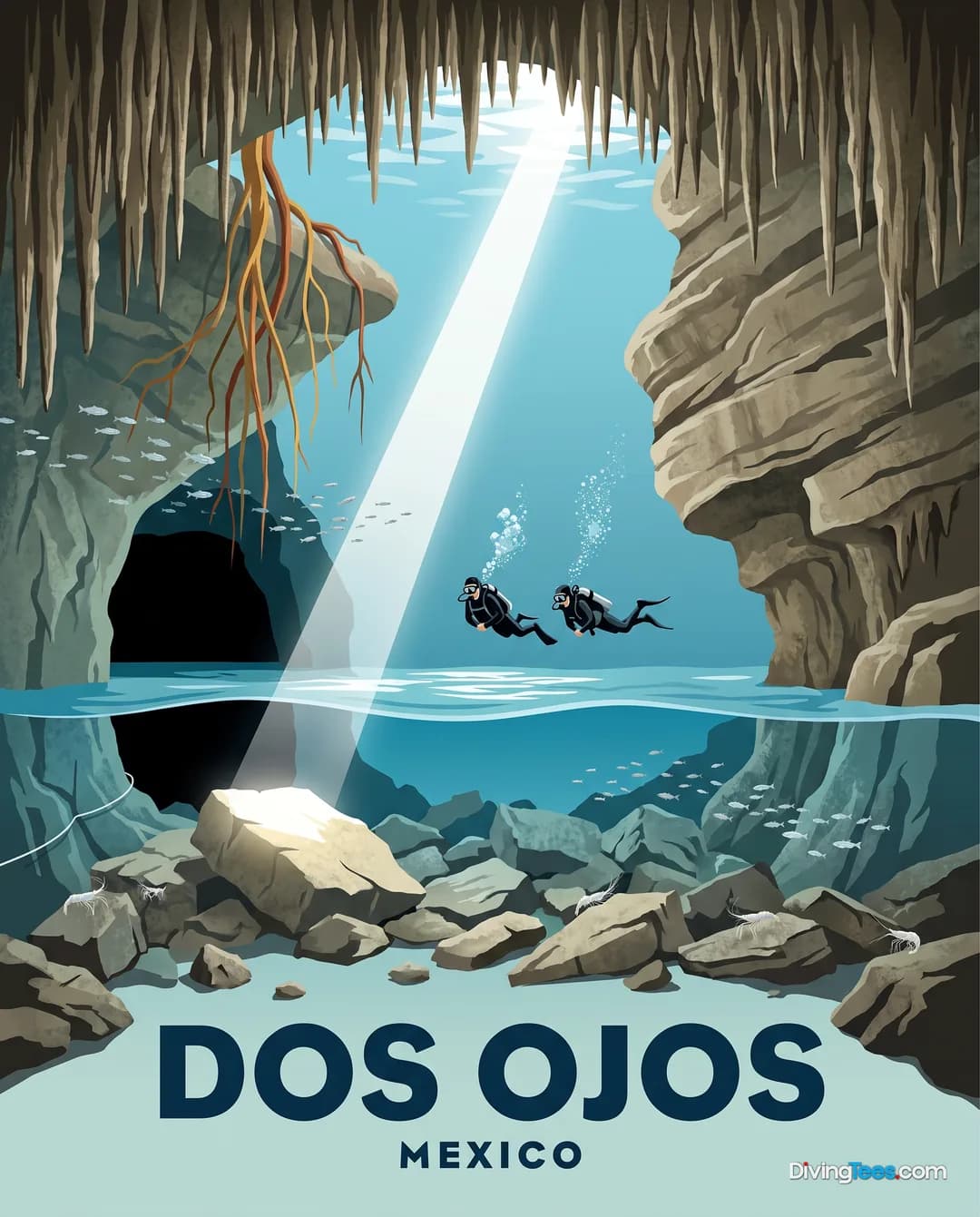
down to 17 m
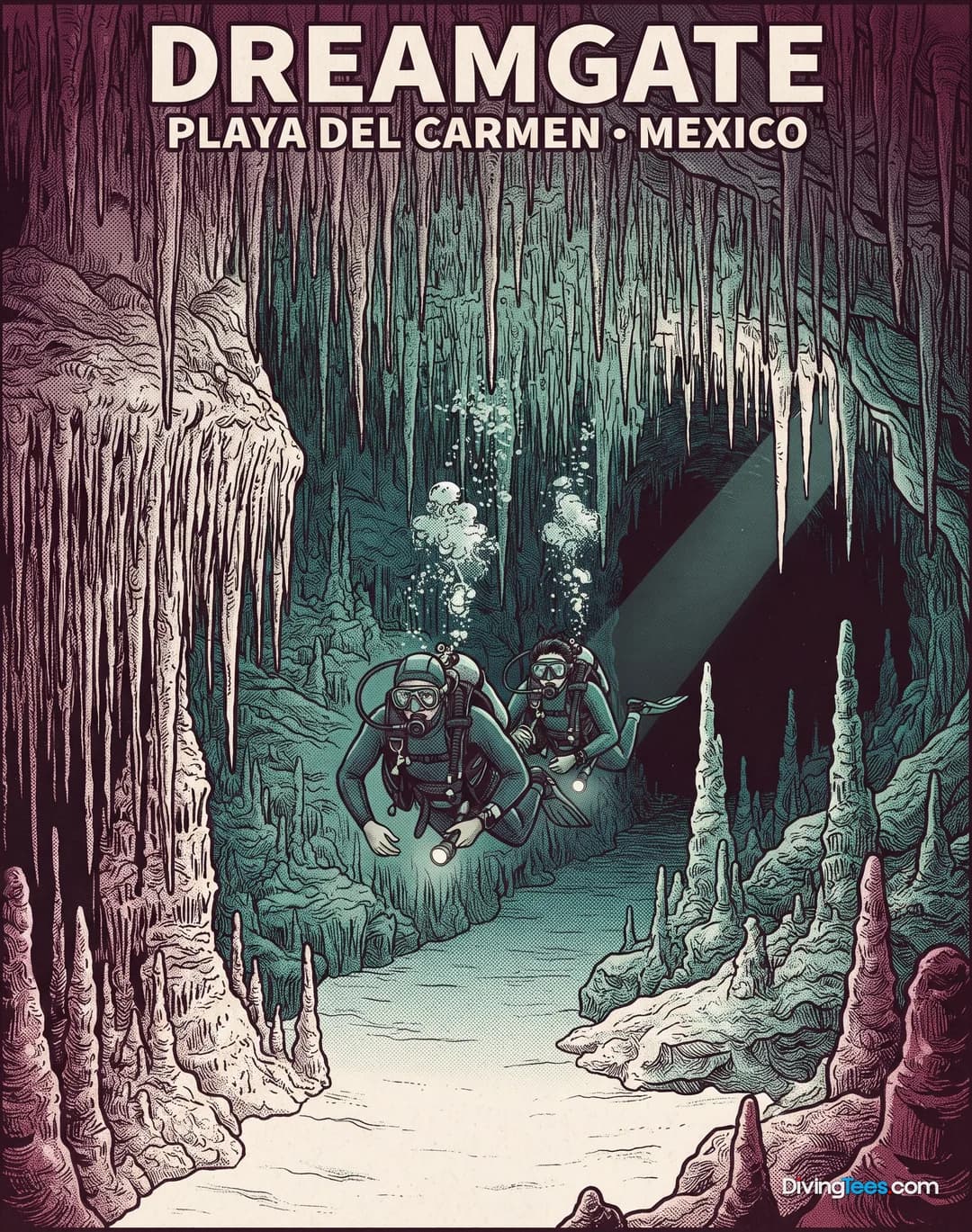
down to 9 m
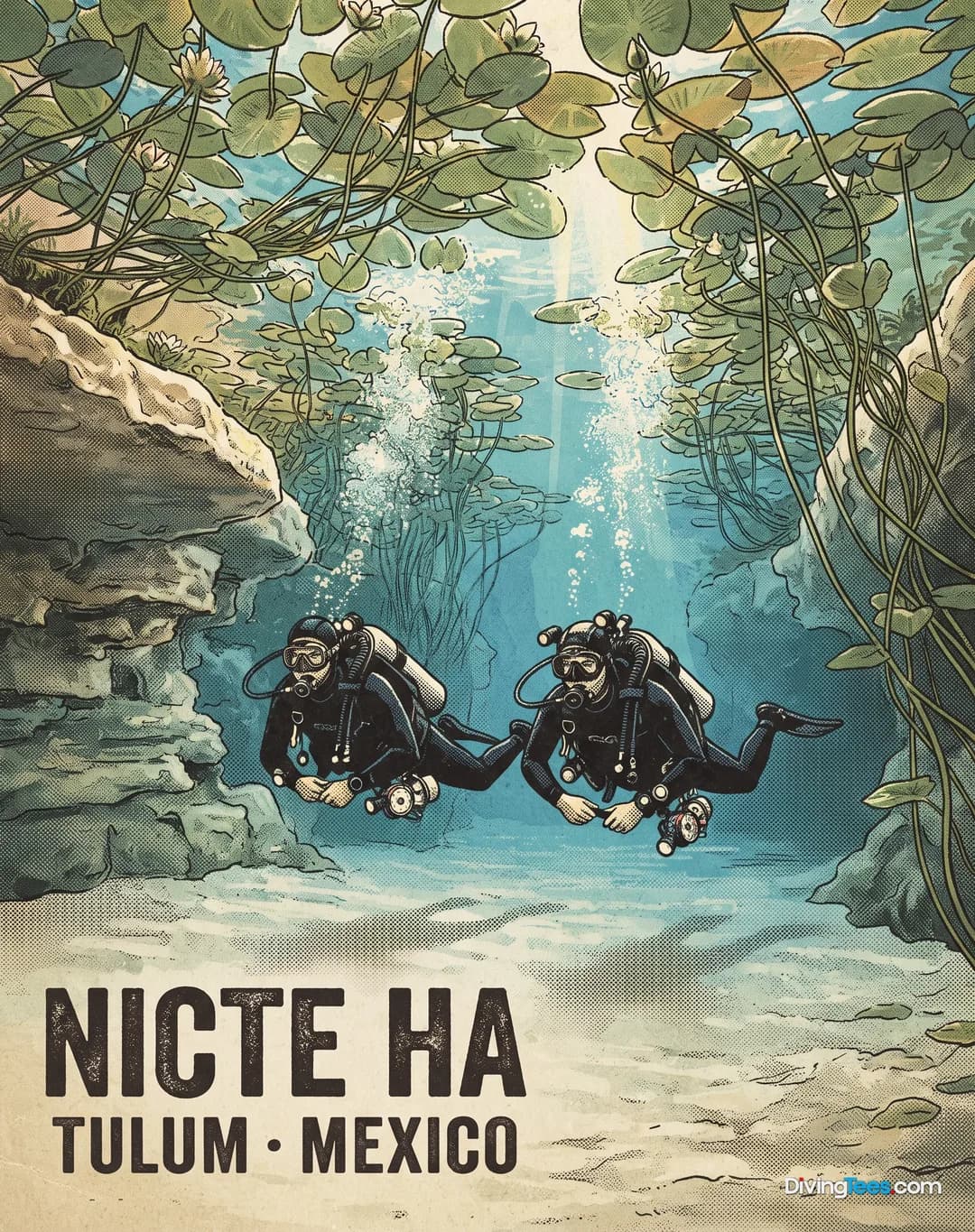
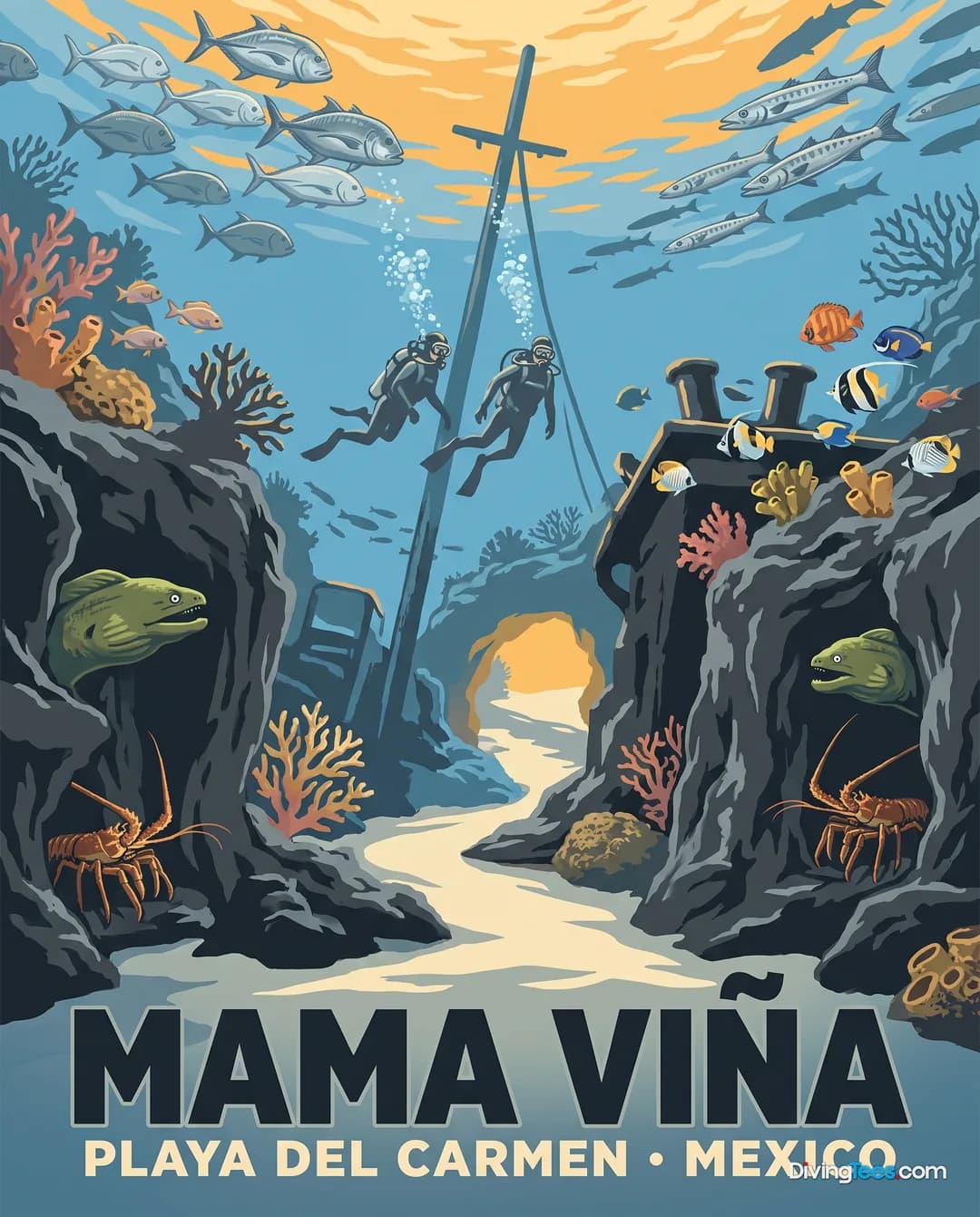
down to 26 m
And some of the dive sites the centre runs.
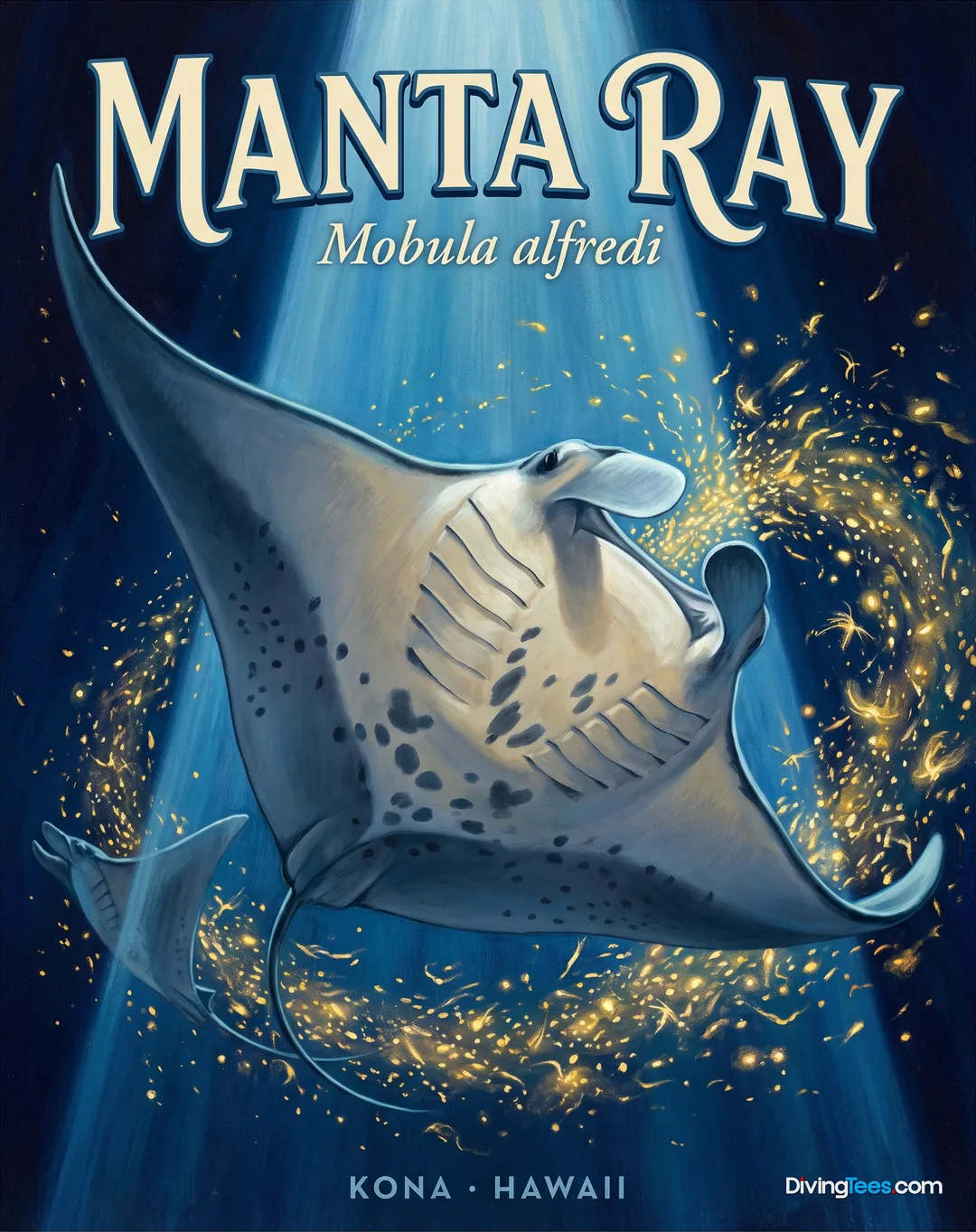
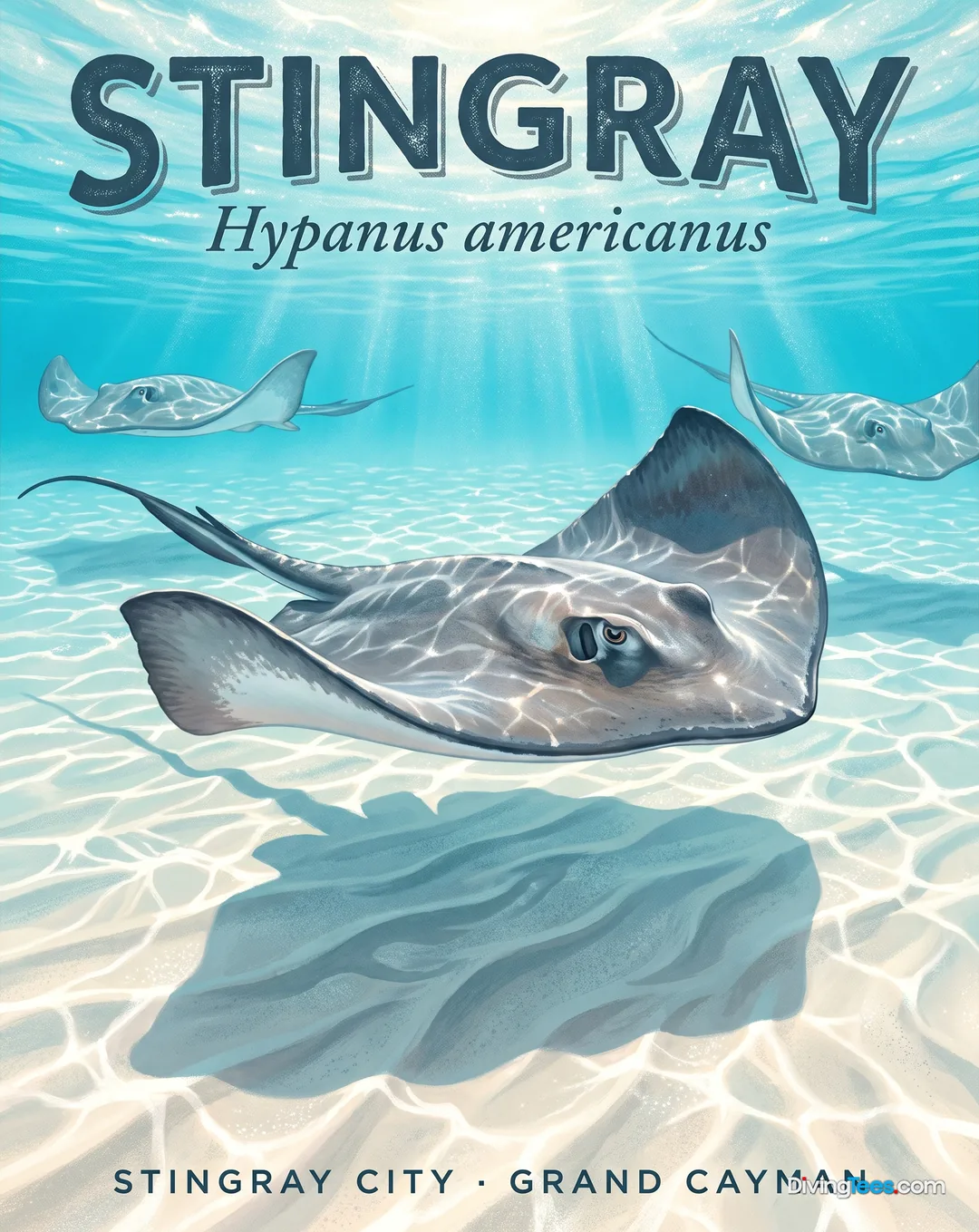
The marine life in the region is diverse, ranging from the vibrant reef ecosystems of Cozumel to the unique inhabitants of the cenotes. In the Caribbean waters, you will encounter sea turtles, rays (Batoidea), and various species of reef sharks (Carcharhinus). Schools of snapper, jack, and barracuda (Sphyraena barracuda) are common, alongside moray eels (Muraenidae) and lobster (Homaridae).
In the cenotes, the fauna is more specialised. You may encounter freshwater crabs or even small crocodiles in certain sites like Casa Cenote. Many of the cave systems are home to cave-adapted crustaceans and various species of small fish.
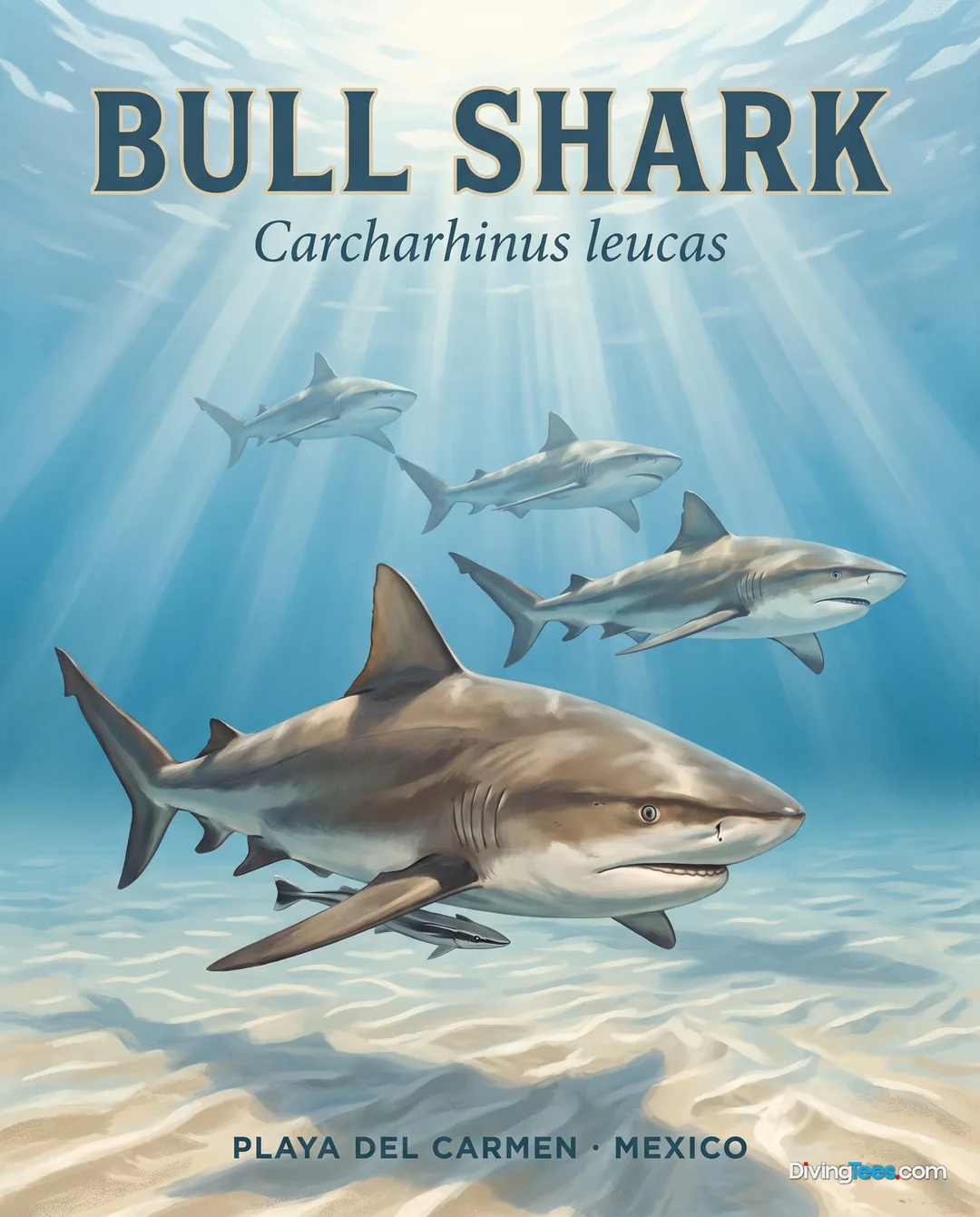
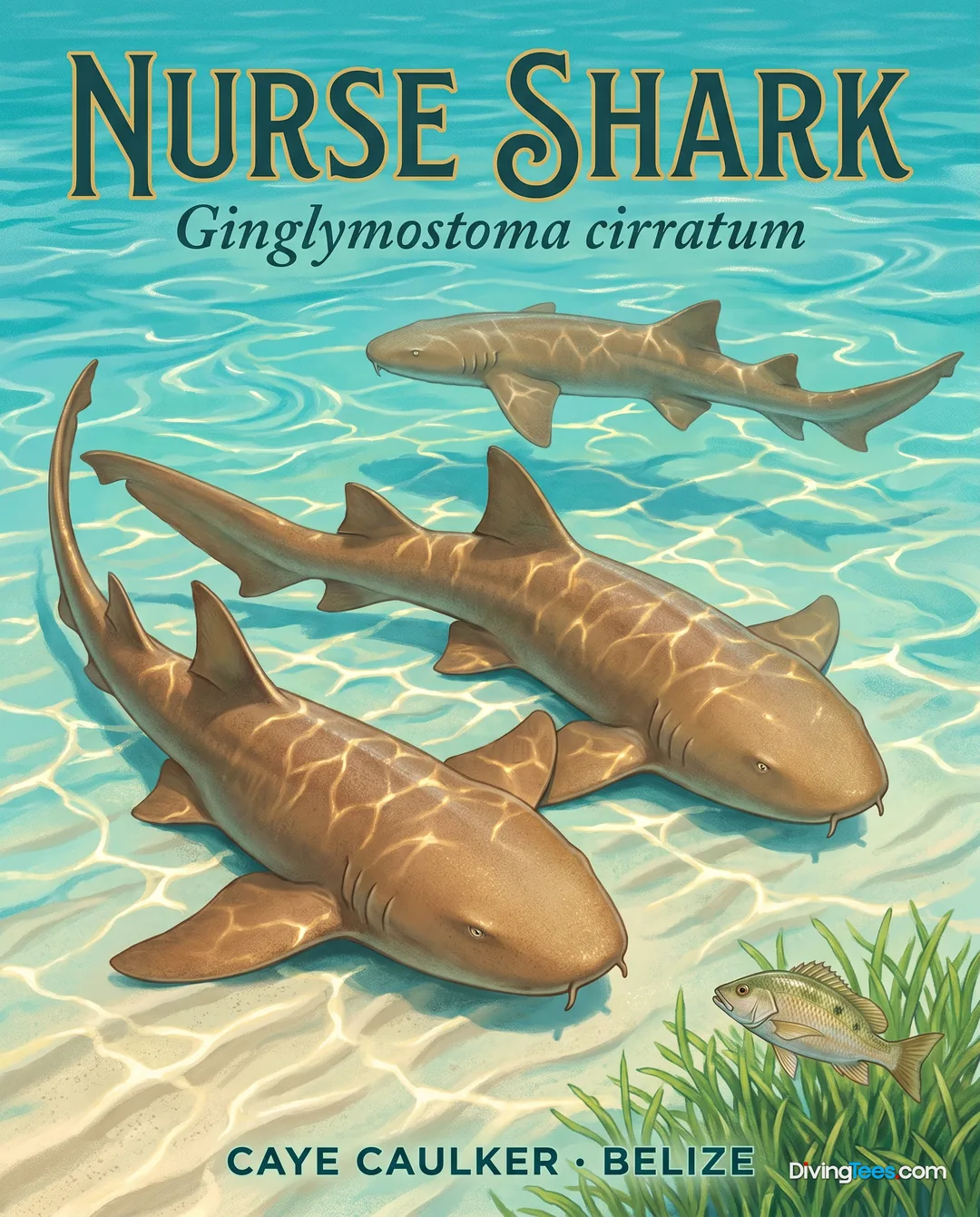
During the months of December to February, bull sharks may be seen in the area. On the reefs, keep an eye out for nurse sharks (Ginglymostoma cirratum) and large schools of tropical fish moving through the coral structures.
Diving in the cenotes is best planned during the dry season from November to April, though the best light effects for photography are often seen between May and September. The reefs are accessible year-round.
Conditions on the Caribbean wrecks and reefs can vary; Cozumel is known for strong currents that are best suited to experienced divers. Conversely, the Mamá Viña wreck typically experiences low to negligible current.
Hello, I'm Marina, DivingDeal.com's AI assistant. I answer in detail about hotels, dive centres and liveaboards.

Thinking about the whole trip and the flights? Talk it over with Edith →
Marina is an AI. Some links are affiliate links: DivingDeal may earn a commission, at no extra cost to you. Bookings are made with the partner.
★★★★★
★ 9.3/10 (1,117 reviews)
59 km away as the crow flies
★★★★
★ 8.5/10 (955 reviews)
63 km away as the crow flies
★★★
★ 8.6/10 (448 reviews)
64 km away as the crow flies
★ 9.2/10 (107 reviews)
42 km away as the crow flies