Socorro · Mexico · Americas
Max. depth · 40 mRoca Partida, Socorro Islands: pelagic encounters on a volcanic pinnacle
A solitary volcanic rock in the Pacific acting as a vertical rest stop for large oceanic sharks and manta rays.
What makes this site special
- Vertical volcanic pinnacle with sheer walls
- High concentration of Scalloped hammerhead sharks
- Frequent Giant oceanic manta ray sightings
- Blue-water entries and negative entries
- Presence of Humpback whales and dolphins
- Large pelagic activity including Wahoo and tuna
Roca Partida about the site
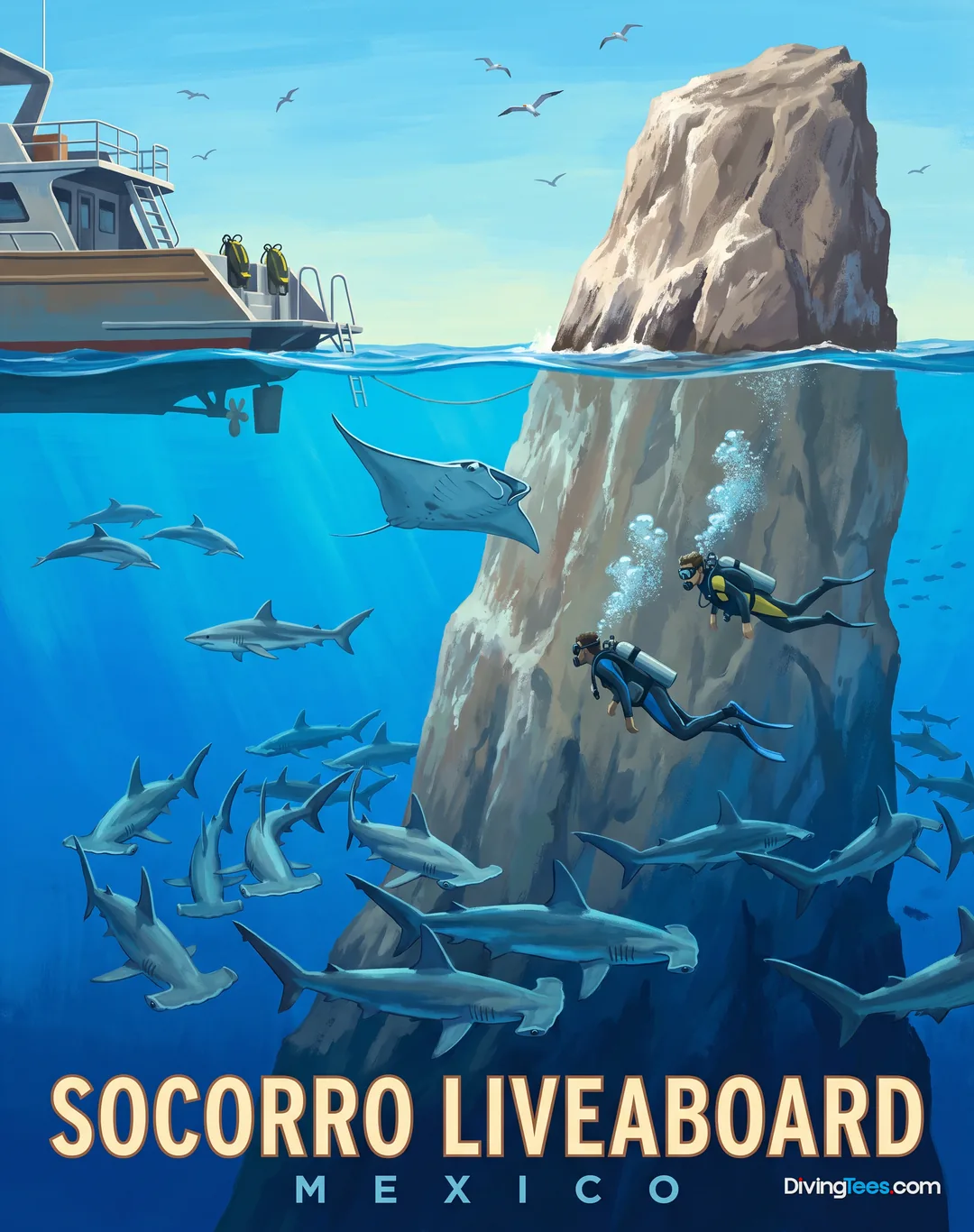
Roca Partida stands as a solitary volcanic structure rising roughly 30 to 40 metres above the ocean surface. It is a narrow, vertical pinnacle that offers no shallow reef flats, only sheer walls that drop immediately into the open ocean. The topography is defined by a steep, near-vertical descent where the rock meets the deep blue. You will find a few shallow ledges and balconies at approximately 10 to 15 metres, with additional terraces appearing around the 30 to 40-metre mark. Beyond these features, the walls continue their descent into the abyss, making the entire site a high-relief structure in an otherwise featureless expanse of water.
Approaching the site requires a specific mindset because there is no land or shallow shelf to approach from. Access is exclusively via liveaboard, and most dives involve negative entries or blue-water entries where you descend directly into the water column before reaching the rock. This method is necessary because the pinnacle is surrounded by deep water on all sides. As you descend, you are essentially entering a high-energy zone where the current interacts with the vertical geometry of the rock. The transition from the open blue to the proximity of the walls is often sudden and requires precise buoyancy control.
The current at Roca Partida is a defining characteristic of the dive, often arriving with significant strength and variability. As the water moves around the isolated pillar, it can wrap around the structure, creating unpredictable surge and changing directions mid-dive. You may encounter strong downcurrents or sudden shifts in flow that can push you away from the wall. These conditions are heavily influenced by tidal movements and wind, which can transform a relatively calm descent into a challenging drift along the vertical faces. Understanding how to manage your position relative to the rock is essential for staying within the target zones.
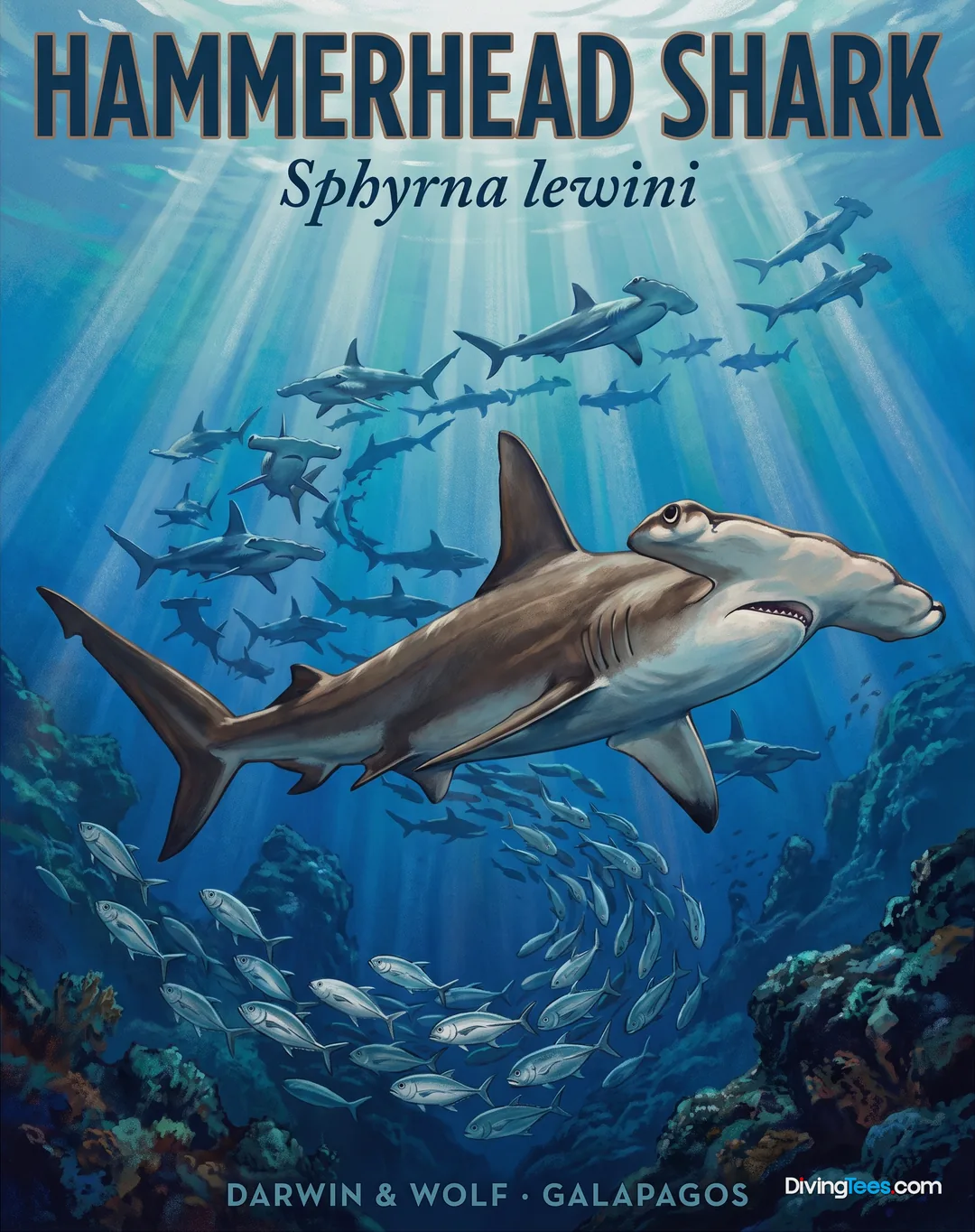
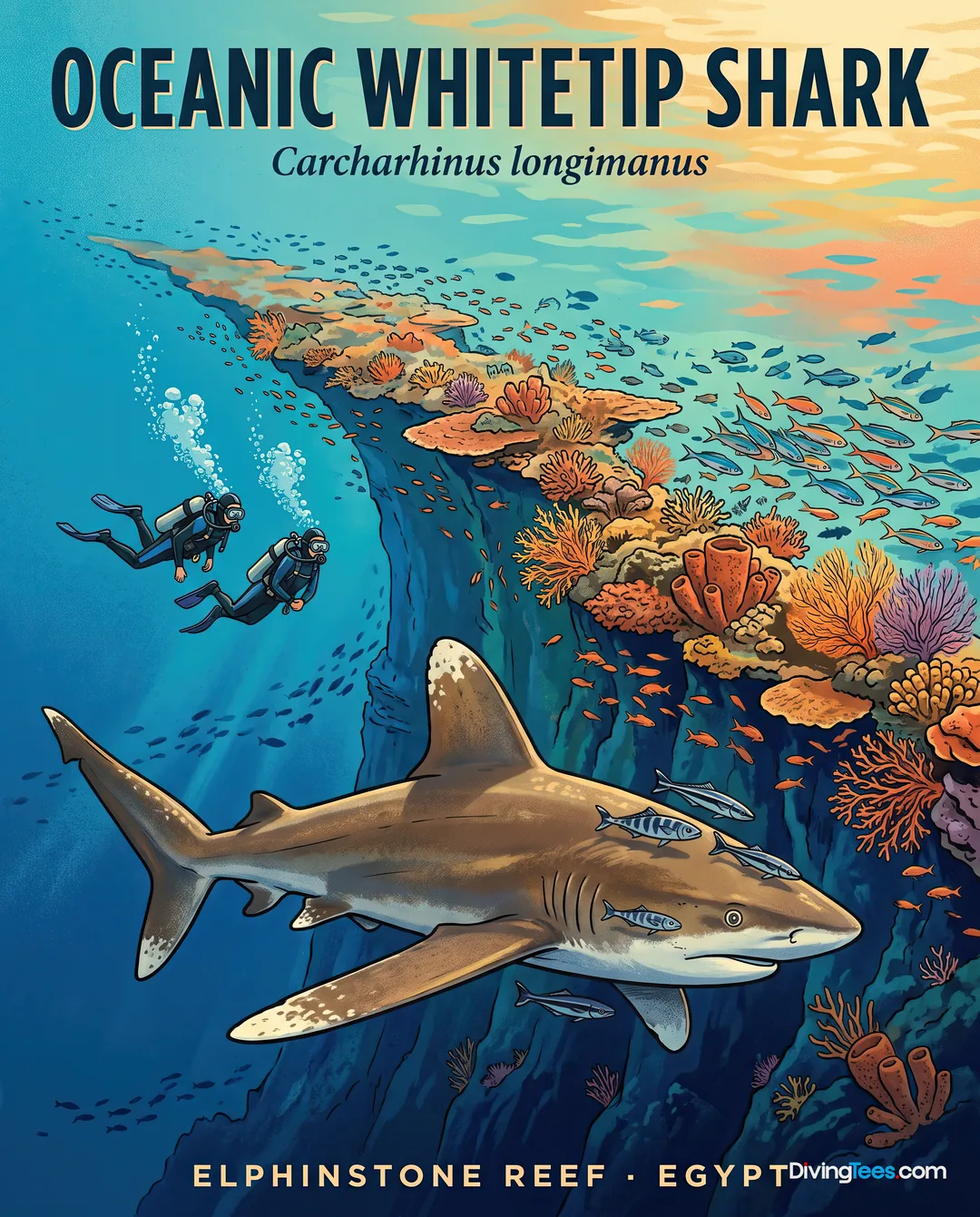
The site functions as a vertical oasis, concentrating large pelagic species that use the pinnacle as a rest stop or a waypoint. You will frequently see Scalloped hammerhead sharks (Sphyrna lewini) and Silky sharks (Isistius brasiliensis) patrolling the depths. The presence of Galapagos sharks (Carcharhinus galapagensis) and Silvertip sharks (Carcharhinus albimarginatus) is common, often appearing in the blue or cruising the mid-depth terraces. Oceanic whitetip sharks (Carcharhinus longimanus) and Whitetip reef sharks (Triaenodon everaldi) also utilize the structure, with the latter often found resting on the shallower ledges around 10 to 15 metres.
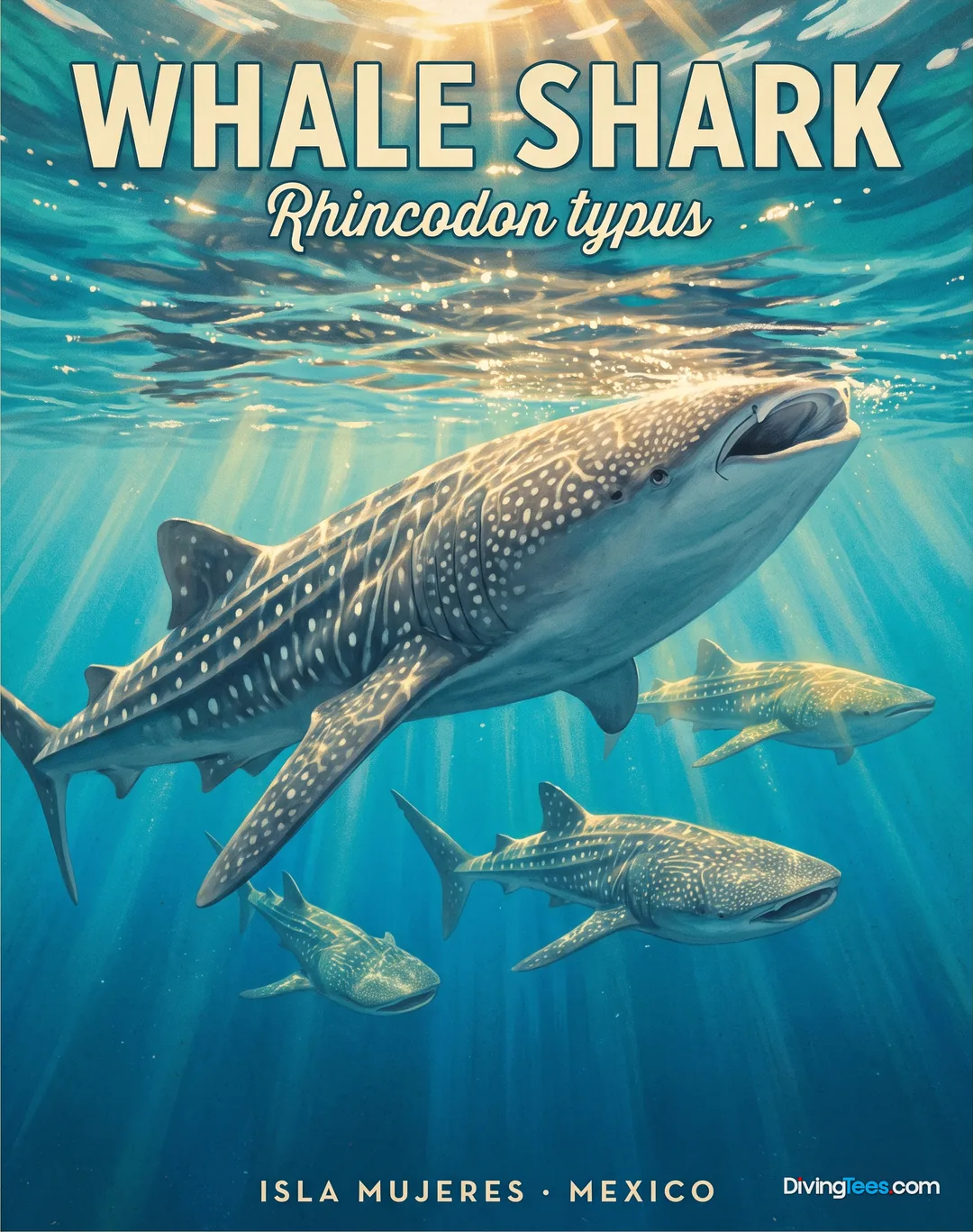
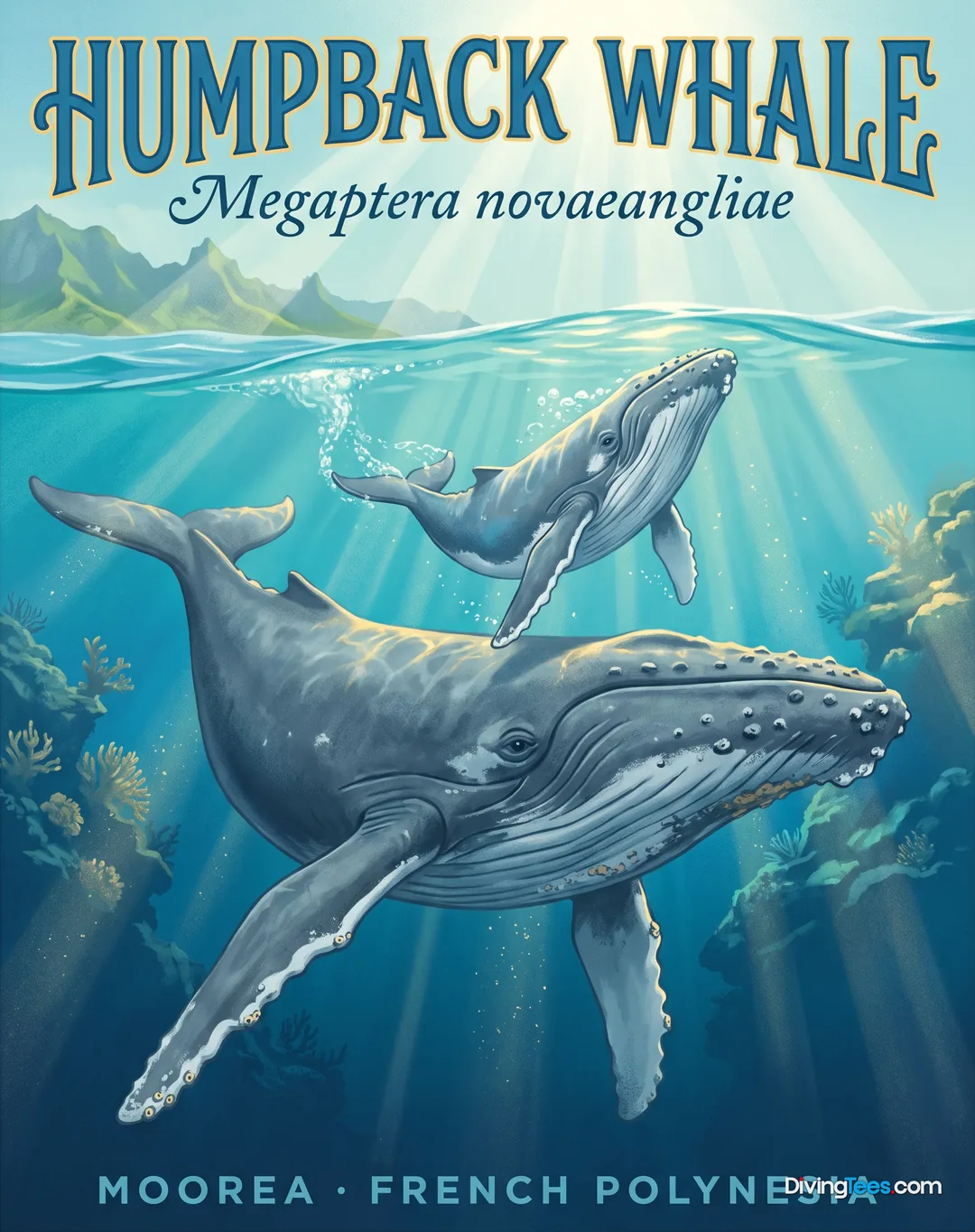
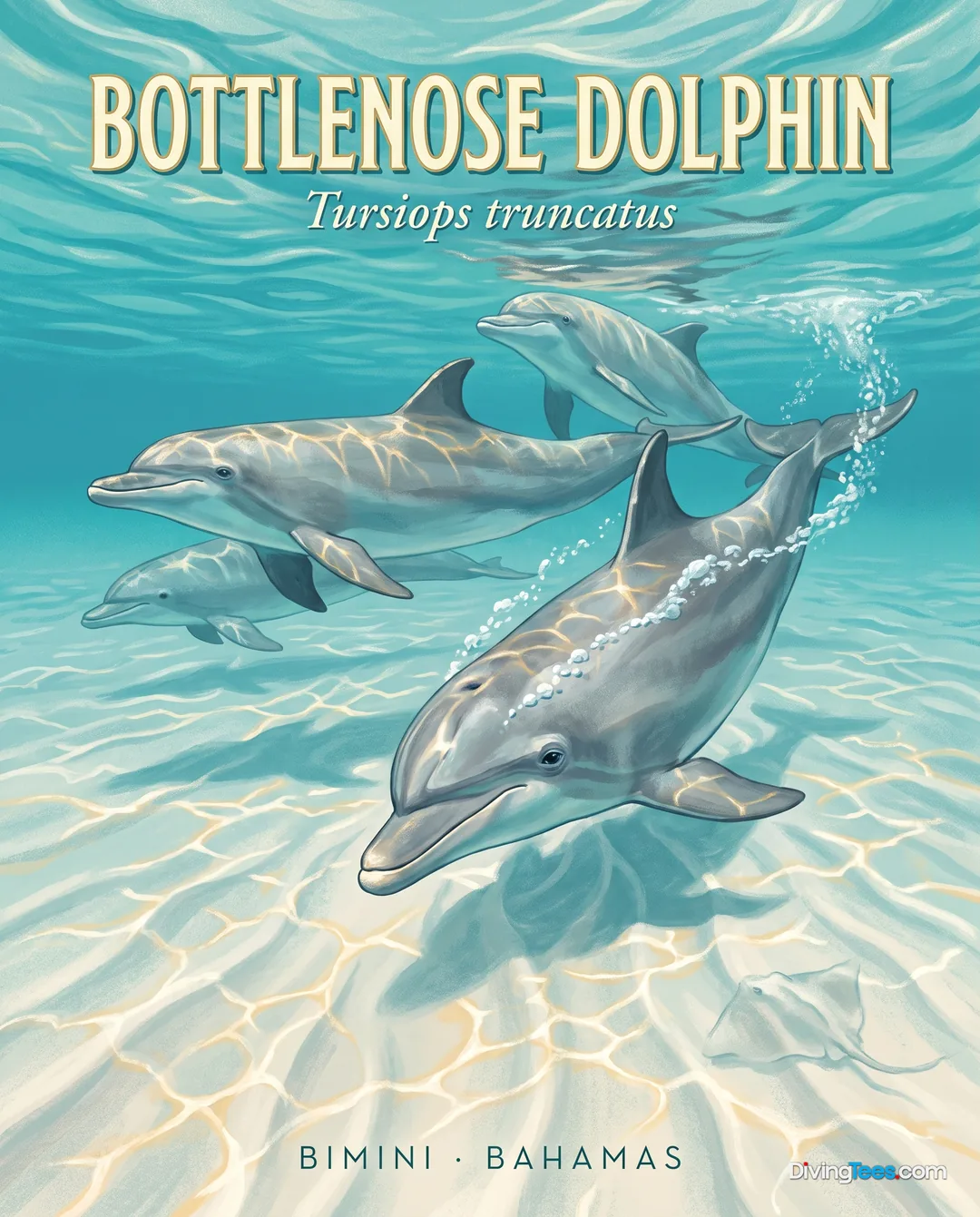
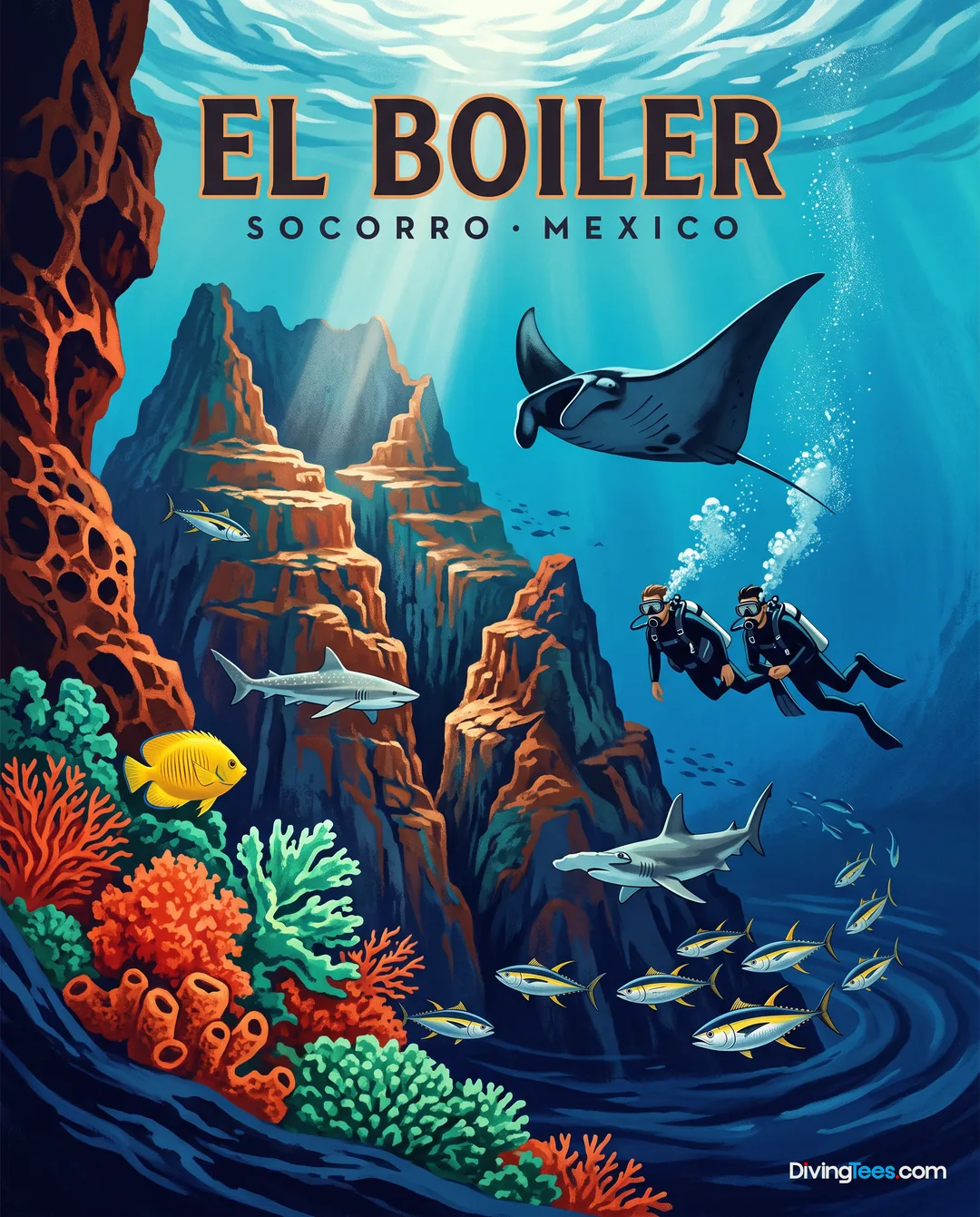
Large-scale pelagic action is the primary draw, particularly involving massive rays and whales. Giant oceanic manta rays are a frequent presence, moving through the water column in search of nutrients. During certain months, the site becomes a corridor for Humpback whales and Bottlenose dolphins, adding a different scale of movement to the blue-water environment. You may also encounter Whale sharks, which move through the area, alongside highly active predators like Yellowfin tuna, Wahoo, and Bigeye trevally. These species are often seen in the deeper sections or moving rapidly along the current lines created by the pinnacle.
The interaction between the current and the rock dictates how you observe the fauna. The most concentrated activity often occurs where the current meets the vertical walls, providing a food source that attracts schools of Jacks and other predatory fish. While you might see smaller resident life on the ledges, the focus here remains almost entirely on the large, mobile species of the open ocean. The visibility is typically high, ranging from 15 to 50 metres, which allows you to spot incoming predators from a distance. This clarity is essential for anticipating the movement of large animals before they enter your immediate field of vision.
Seasonality plays a significant role in what you will encounter at the site. From November to May, the conditions generally become more favourable, with calmer seas and a higher probability of seeing Whale sharks and Humpback whales. This period also aligns with the presence of Giant oceanic manta rays and Bottlenose dolphins. While the currents remain a constant factor, the seasonal shift in water temperature and biological activity makes this the primary window for divers seeking the most intense pelagic encounters. Planning your dive around this window maximizes the chance of seeing the largest residents of the archipelago.
Diving Roca Partida: the marine life you’ll meet

Diving conditions
Depth ranges from 10 to 40 metres. Advanced level required; blue-water and strong current experience is strongly recommended due to the site's vertical topology and unpredictable current shifts. Visibility is typically 15 to 50 metres. The best season is November to May.
Three dives not to miss
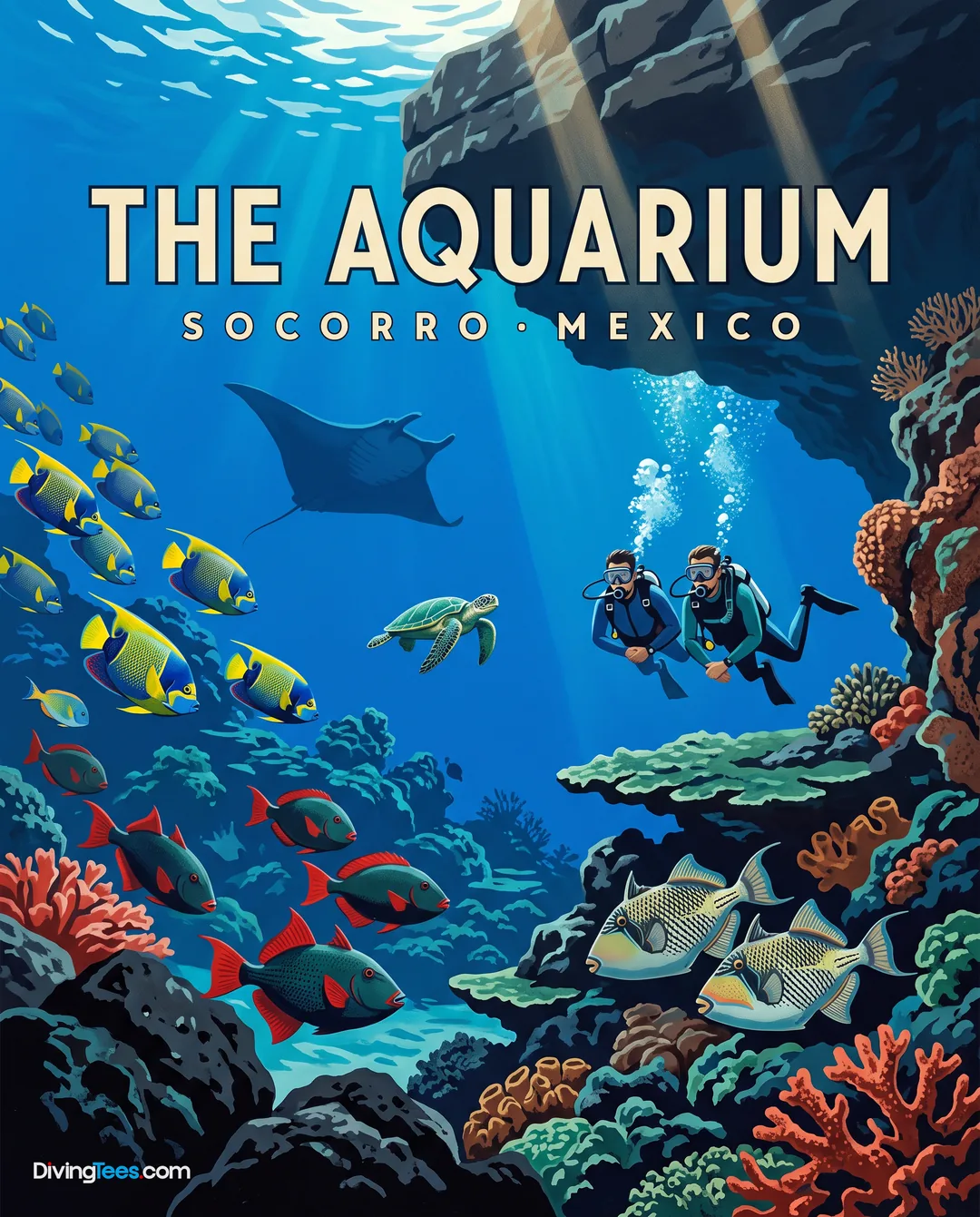
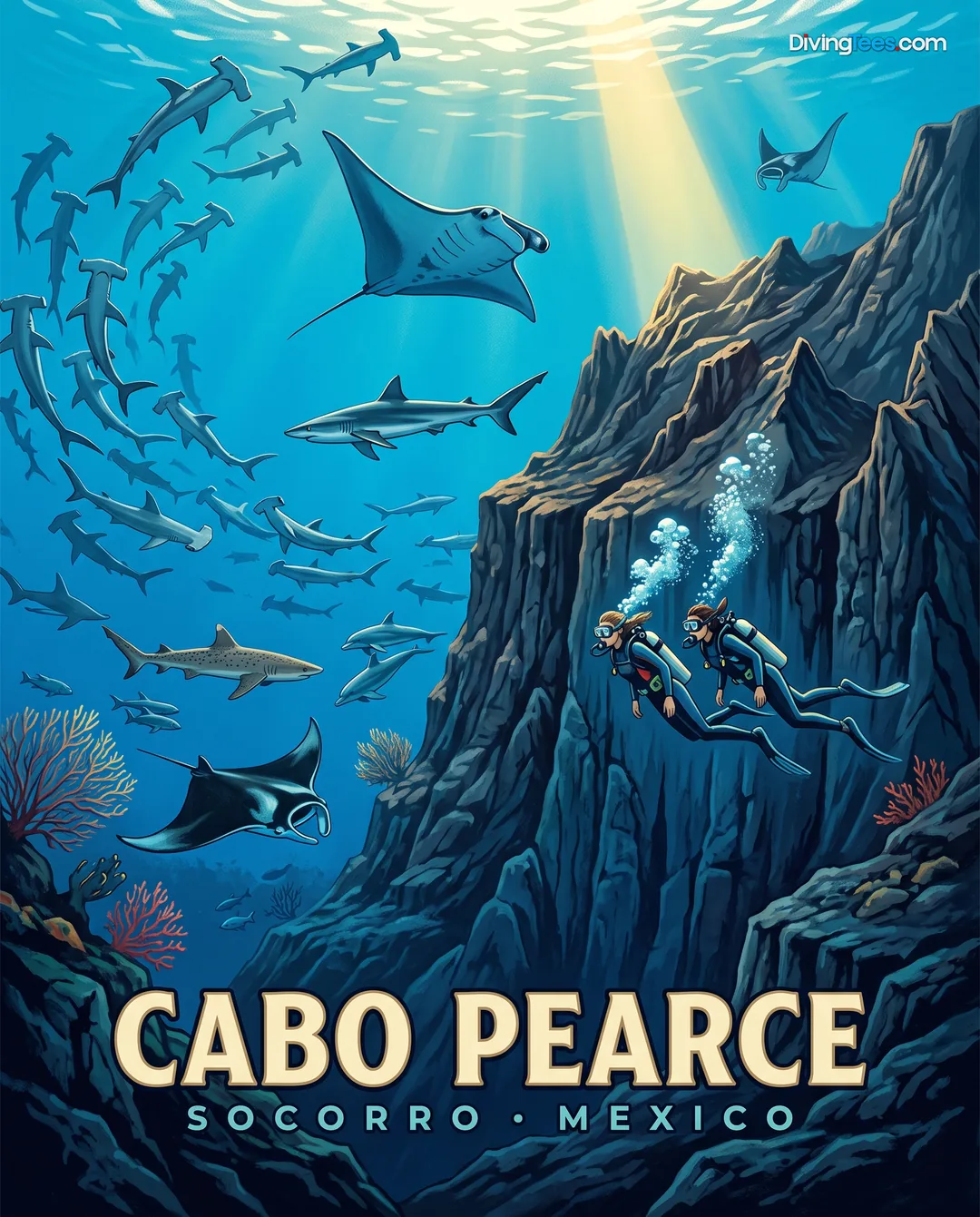
Map of dive sites in Socorro
Dive liveaboards Socorro
8 liveaboards run trips to Socorro.

Nautilus Belle Amie
Departing from Cabo San Lucas Marina
★ 9.3/10 (194 reviews)
from 267 €/day
Discover this boat →

Valentina
Departing from La Paz Marina
★ 9.1/10 (122 reviews)
from 373 €/day
Discover this boat →

Rocio del Mar
Departing from Puerto Penasco
★ 9.1/10 (49 reviews)
from 326 €/day
Discover this boat →

Nautilus Under Sea
Departing from Cabo San Lucas Marina
★ 9/10 (62 reviews)
from 254 €/day
Discover this boat →