
Dive In Alor
Google 4.9/5 (103 reviews)
Alor · Indonesia · Asia
Max. depth · 40 mDescend the vibrant reef slope of Crucifixion, navigating beneath impressive overhangs to a vertical wall that plummets to 40 meters, where two distinct pinnacles emerge from the abyss.
Your dive at Crucifixion (Kelalaka) begins on a steep, colourful reef slope that immediately immerses you in a kaleidoscope of soft and hard corals. As you descend, you’ll discover impressive overhangs that provide shelter and intricate habitats for smaller reef inhabitants, inviting closer inspection. The wall itself is alive with vibrant hues, setting the stage for what quickly becomes a deeper exploration of this Alor gem.
Transitioning from the slope, the reef transforms into a dramatic vertical wall, dropping away into the clear blue. This section of the dive allows you to drift along, observing the intricate ecosystems that cling to the rock face, with light playing across the coral gardens. Even at shallower depths, the sheer scale of the wall is apparent, offering a classic Alor diving experience that contrasts brightly coloured reef life against the deep blue.
As you approach the 30-meter mark, the topography becomes even more defined with the appearance of two distinct small pinnacles. These seamounts rise from the deeper reaches, acting as magnets for marine life and often presenting some of the most concentrated fish action of the dive. It's here that you can pause and observe schools of fish swirling around these isolated structures, a compelling spectacle against the deeper landscape.
Exploring these twin pinnacles between 30 and 40 meters can offer a different perspective on the site's biodiversity. The surrounding currents, characteristic of the Pantar Strait, often bring in a rich supply of nutrients, sustaining a denser population of schooling fish around these isolated structures. Keep an eye out for resident species that patrol these deeper zones, adding another layer to your understanding of this diverse reef. The depth allows for exploration along these features, experiencing the true verticality of the site.
This dive site reaches a maximum depth of 40 meters, catering to divers comfortable with deeper profiles. Visibility in the region typically ranges from 15 to 40 meters. The currents in the Pantar Strait are a defining feature of diving here, ranging from gentle drifts to very strong flows and even 'washing machine' conditions. Current strength and direction are influenced by tides and lunar phases, with stronger currents often occurring around new and full moons. For more relaxed drift dives, consider planning your trip during the half-moon phase when tidal flows are generally milder. The best period to dive in Alor is from March to December, with the dry season typically spanning May to October. Avoid December to March, which is the rainy season, bringing lower visibility, wind, and rain. Water temperatures can range from 16°C to 30°C.
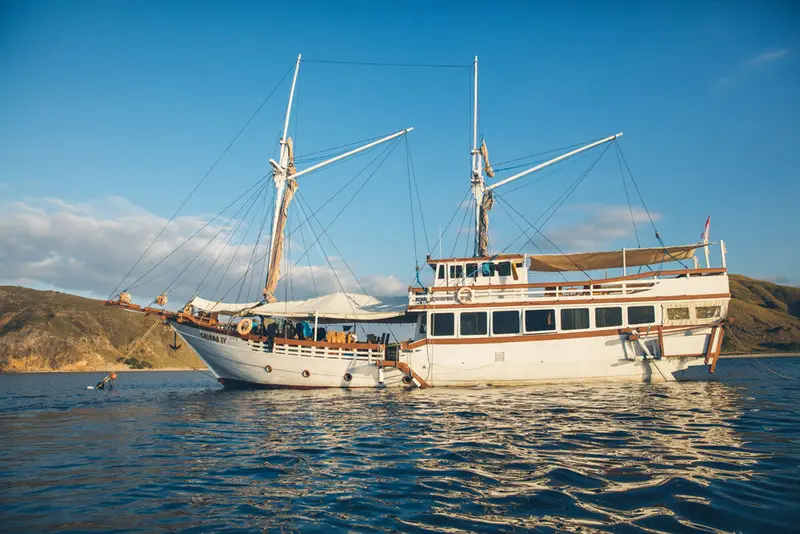
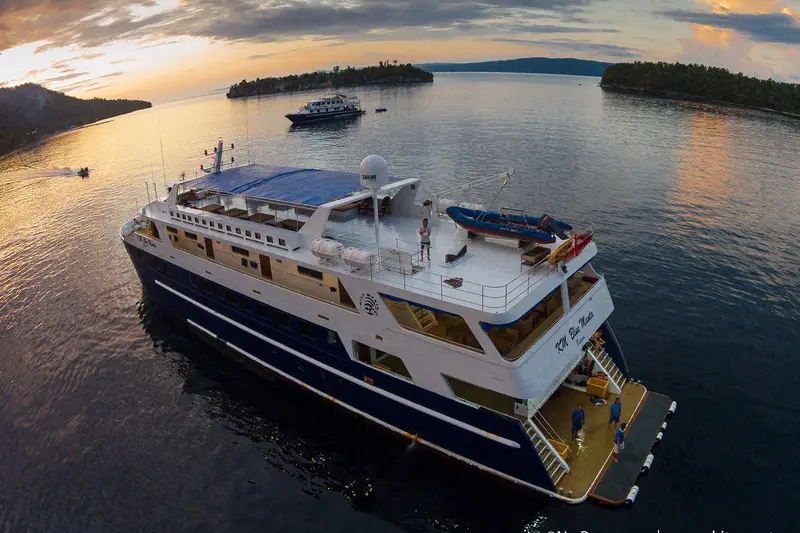
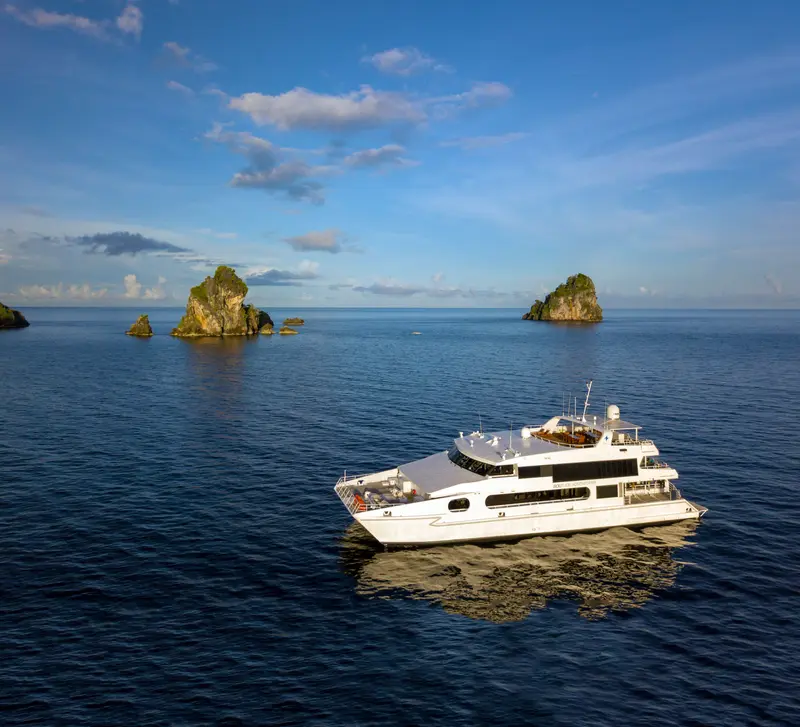
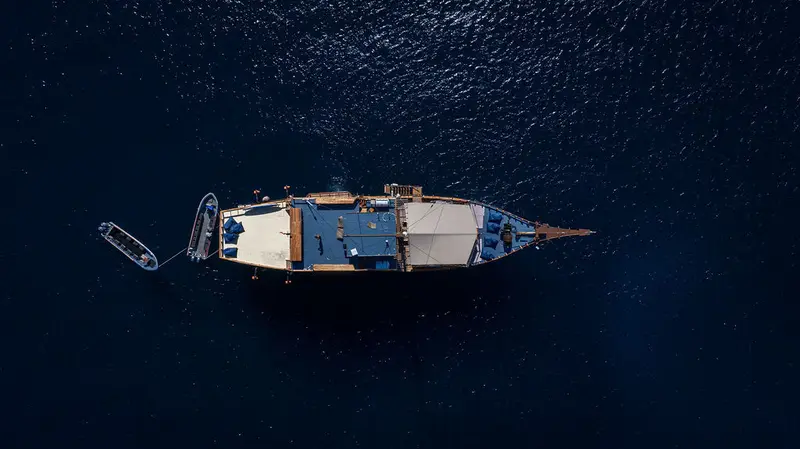
47 liveaboards run trips to Alor.
Plan your visit to Crucifixion from March to December. The dry season generally runs from May to October. December to March is the rainy season, with lower visibility, wind, and rain. For more relaxed drift dives, consider the half-moon phase, when tidal flows are generally milder. Water temperatures range from 16°C to 30°C.
Crucifixion reaches a maximum depth of 40 meters and suits you if you are comfortable with deeper profiles. The dive begins on a steep reef slope, then transitions to a vertical wall. Two small pinnacles lie between 30 and 40 meters, adding deeper features for divers prepared to explore them.
At Crucifixion, currents in the Pantar Strait can range from gentle drifts to very strong flows and washing-machine conditions. Tides and lunar phases influence their strength and direction. Stronger currents often occur around new and full moons, while the half-moon phase generally brings milder tidal flows for more relaxed drift diving.
At Crucifixion, you can explore a steep, colourful slope covered with soft and hard corals, including impressive overhangs. The reef becomes a dramatic vertical wall, followed by two small pinnacles between 30 and 40 meters. Vibrant reef life and concentrated schooling fish action gather around these deeper structures.