Liveaboards · Indonesia
Blue Manta — a spacious, dive-first Indonesian liveaboard
What makes this boat unique
- Blue Manta carries up to 20 passengers in 14 en-suite, air-conditioned cabins.
- The dive setup includes four 6.5-metre tenders, DIN adapters, separate camera and equipment rinse areas, and nitrox as an option.
- Small dive groups run at a 4:1 ratio.
- The Raja Ampat–Misool itinerary lasts 8 days and 7 nights, departing and returning to Sorong.
For subtitles in English: start the video firstthen click the gearat the top right of the video, select “Subtitles/CC”, then “Auto-translate” and choose “English”.
The invitation
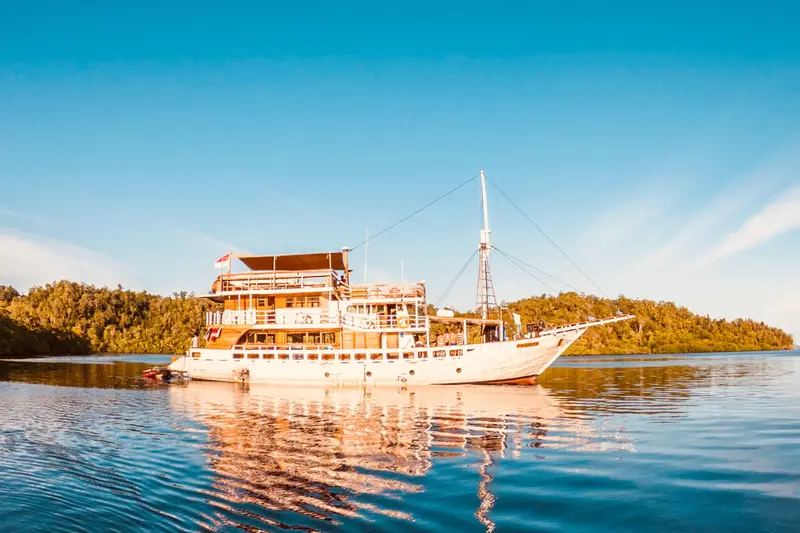
Blue Manta is built around the part of a liveaboard trip that matters most: getting divers efficiently to Indonesia’s remote reefs, then giving them enough room to recover between dives. The vessel combines a broad dive deck, four chase boats and a dedicated camera room with the space of 14 private cabins rather than a crowded expedition boat. That makes it a sensible choice for Raja Ampat when the priority is a full programme underwater without sacrificing a proper cabin, an indoor lounge or a shaded place to sit after the second dive. It suits divers who want the crew to handle the logistics while they concentrate on currents, mantas, schooling fish and small reef life. Non-diving partners are welcome too, but the boat’s character is clear: Blue Manta exists to reach serious dive destinations and make repeated entries and exits manageable.
Boarding
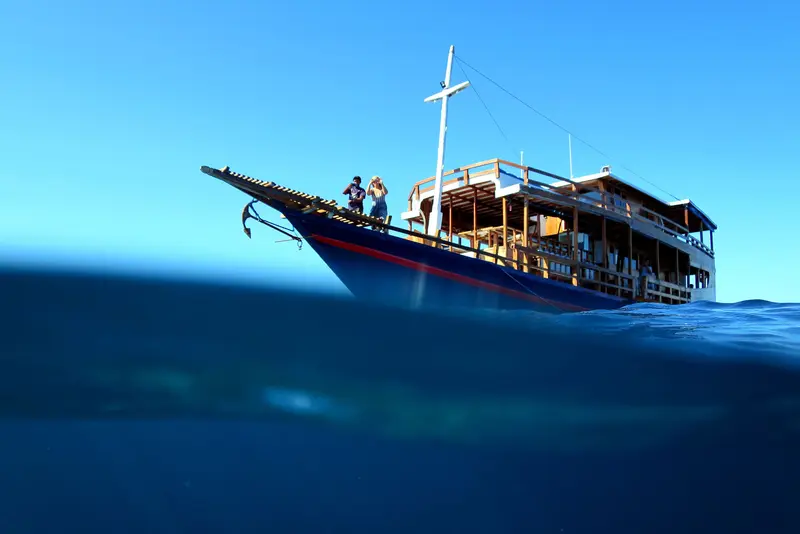
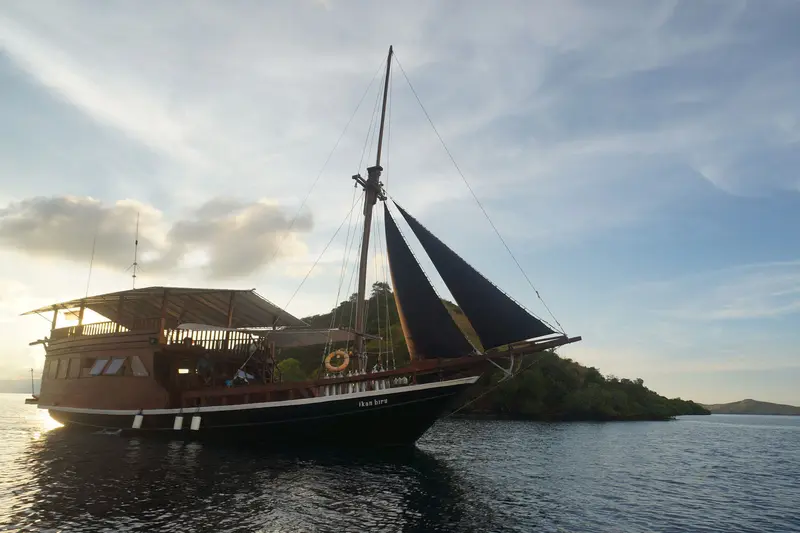
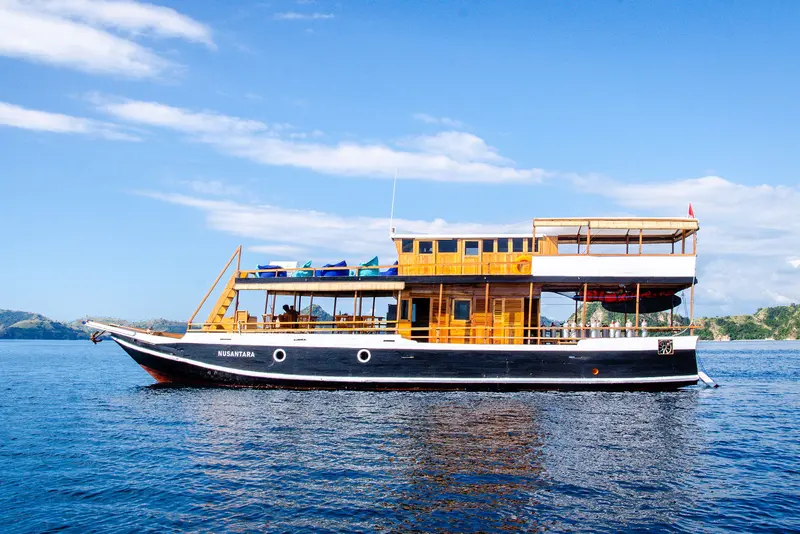
Blue Manta makes the impression of a working dive vessel rather than a converted hotel. Its long, broad hull gives the interior enough separation for cabins, lounges and dive operations to function at the same time, while the extended dive deck keeps the practical business of preparing gear away from the living spaces. Once aboard, movement is straightforward: cabins below, common areas for meals and rest, and the dive platform where the day begins and ends. Twin Yanmar engines and a cruising speed of 10 knots give the boat the range needed for Indonesian crossings and remote itineraries. The point is not speed for its own sake; it is access. The boat can spend the trip moving between scattered reefs instead of treating every long crossing as a compromise.
The atmosphere on board
The atmosphere is shaped by a crew that works close to the divers all day: preparing the boats, helping with the dive operation, bringing food out on time and keeping the transition from water to meal uncomplicated. English, Spanish and Indonesian are spoken on board, which helps an international group settle into briefings and meals without making the social side feel forced. Passengers describe the hospitality as warm and attentive, and the food is one of Blue Manta’s strongest points. That combination matters after several days of current, wet gear and early starts. The group usually forms around practical moments rather than staged entertainment: comparing what passed the reef, checking a camera screen, sharing the best sighting over dinner. Audio and video entertainment is available, but the evening’s main subject is usually the next site.
The sites you’ll dive
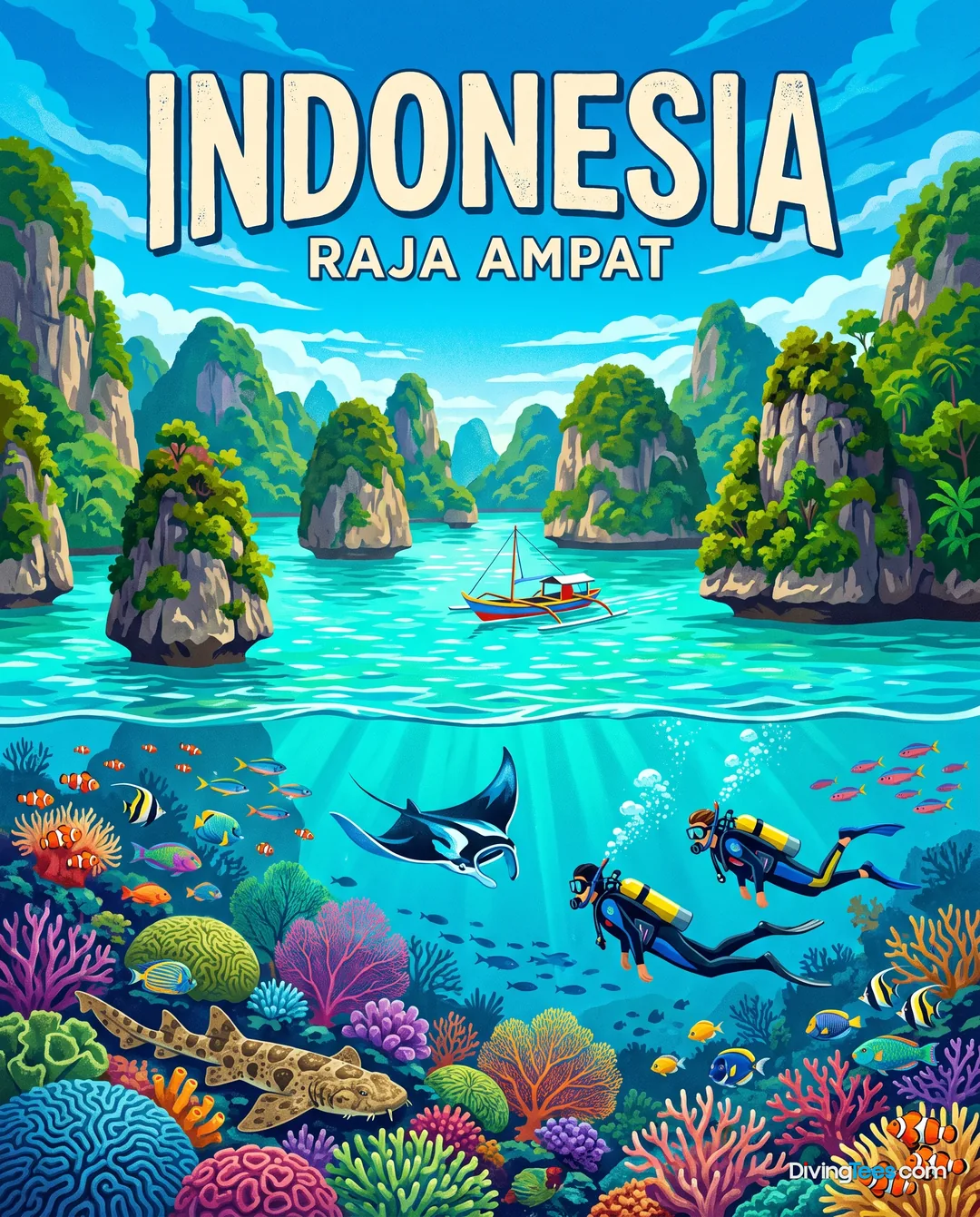
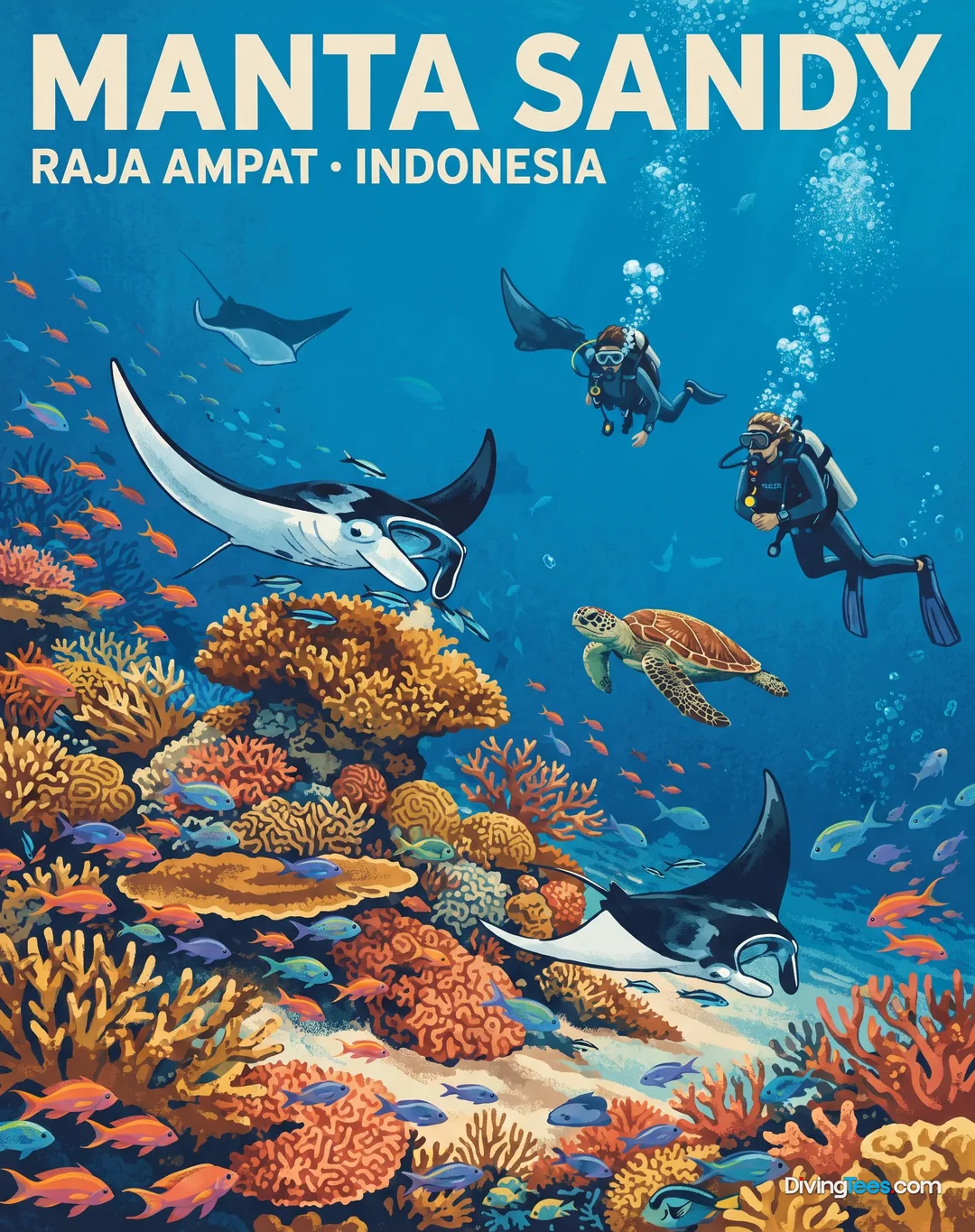
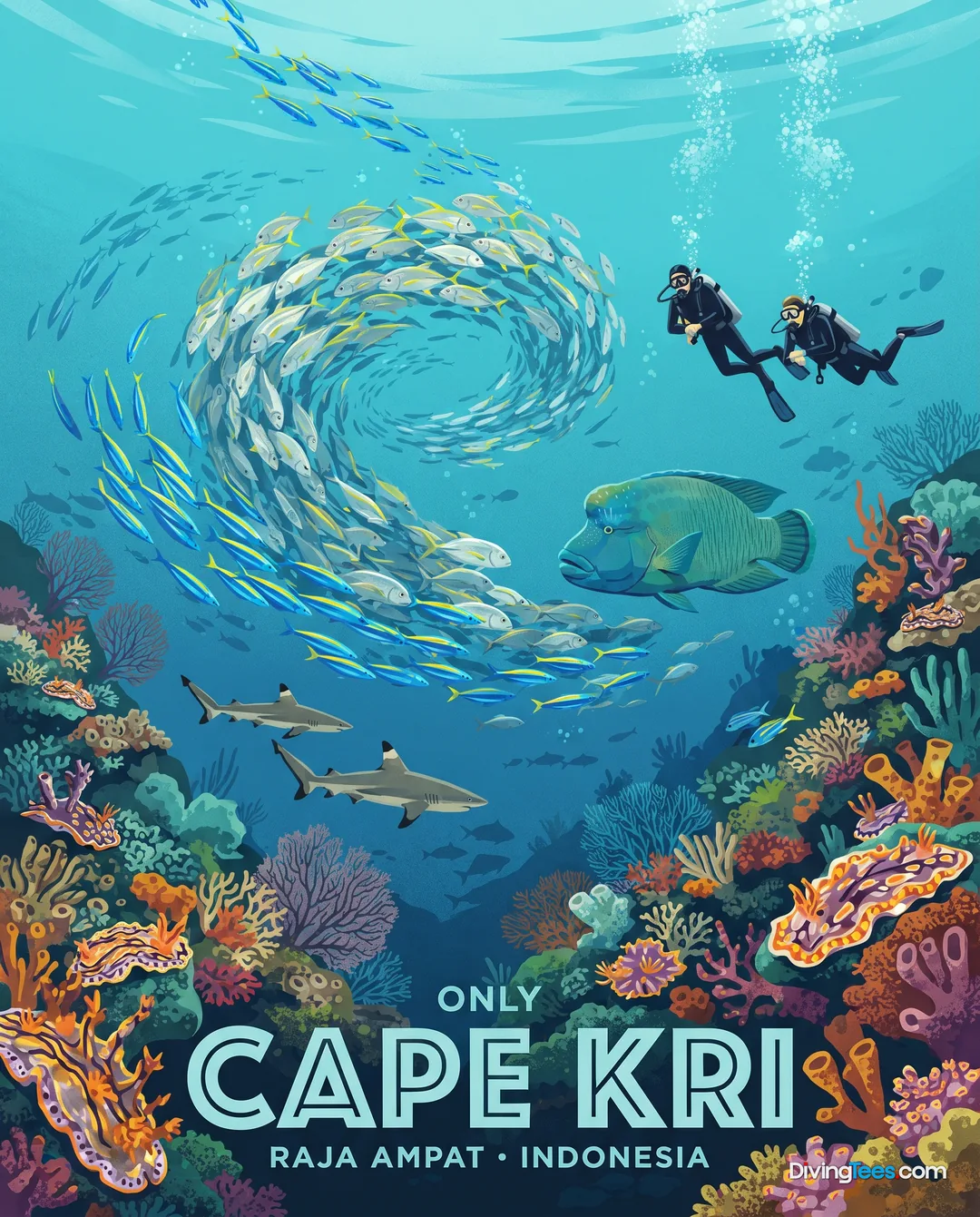
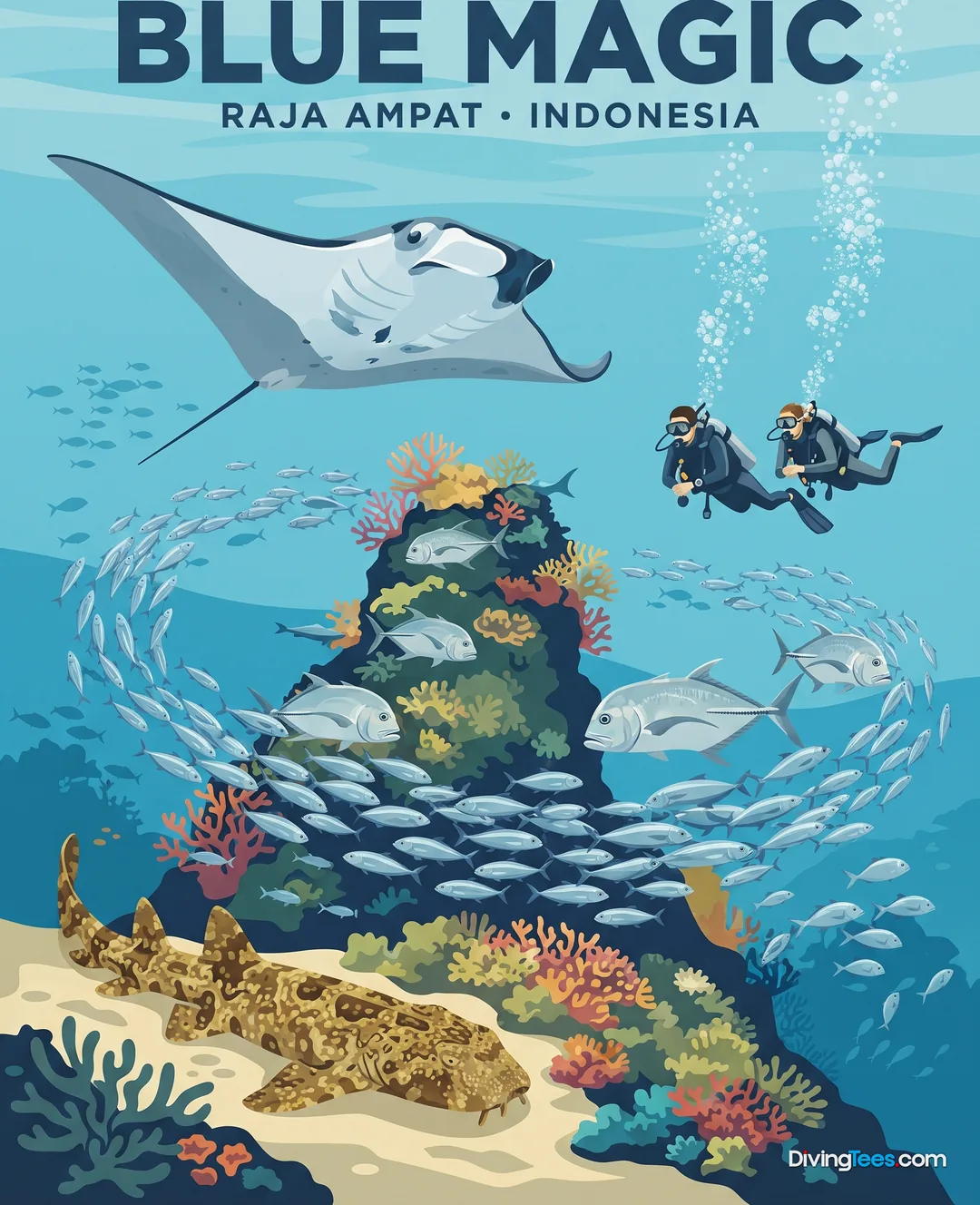
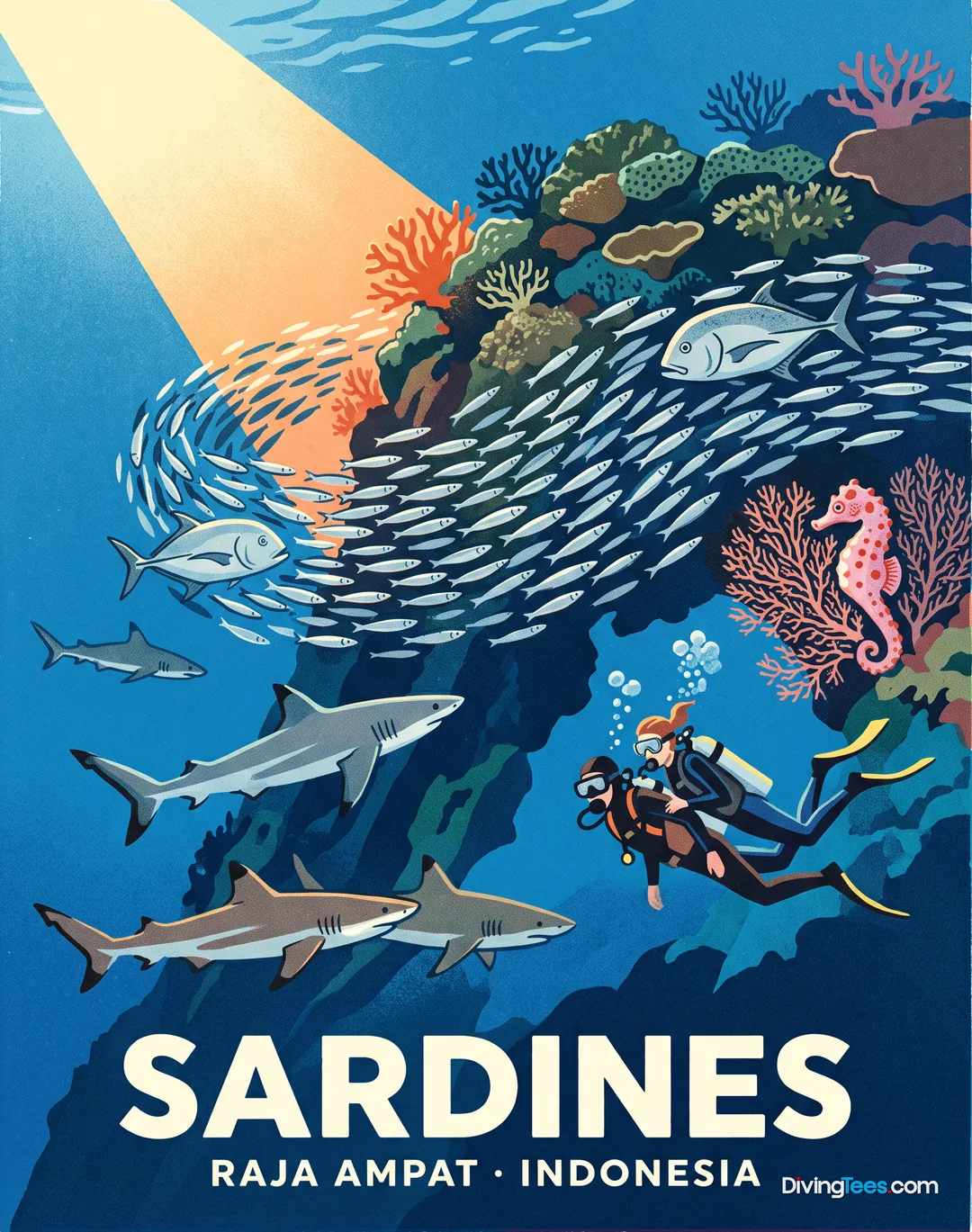
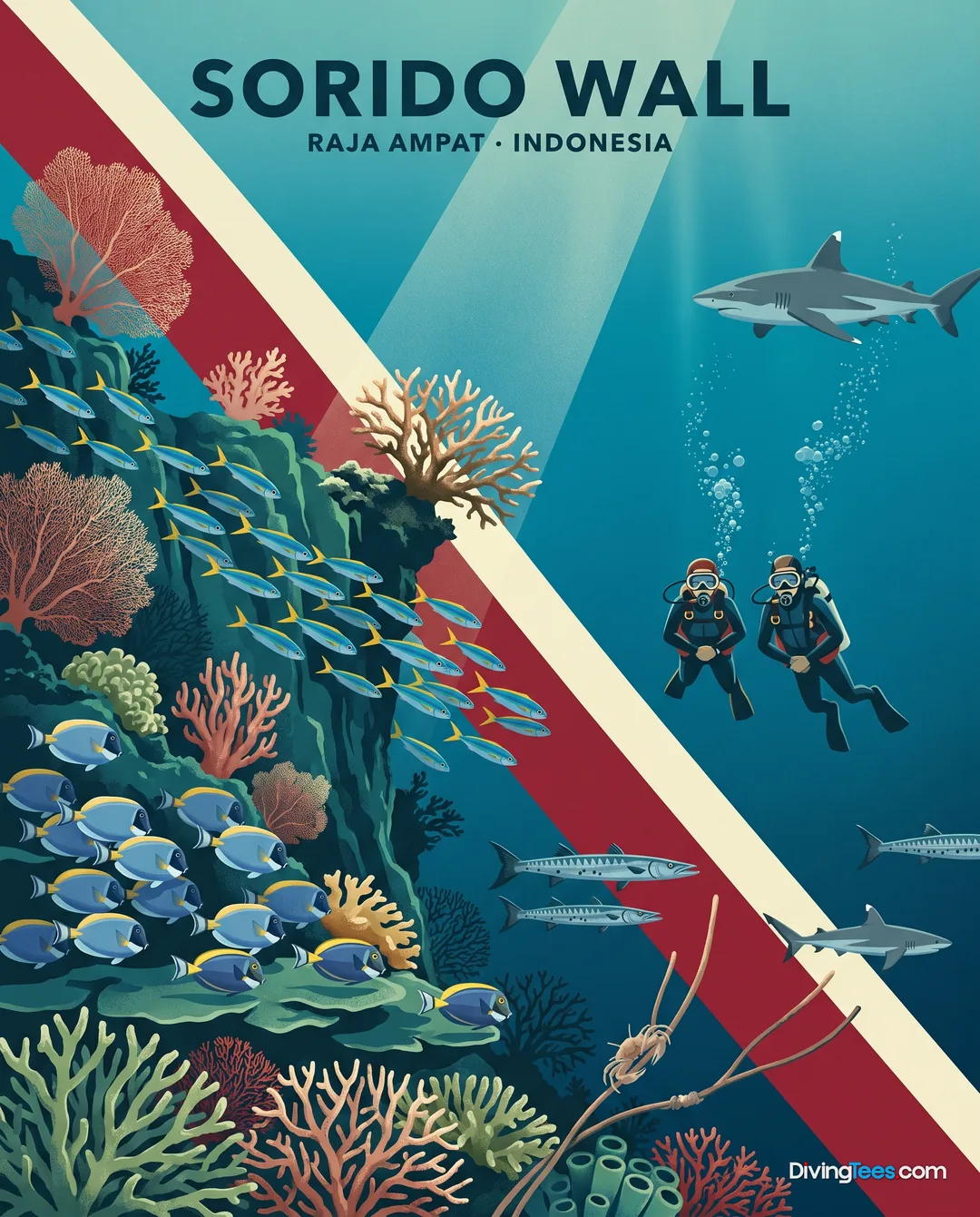
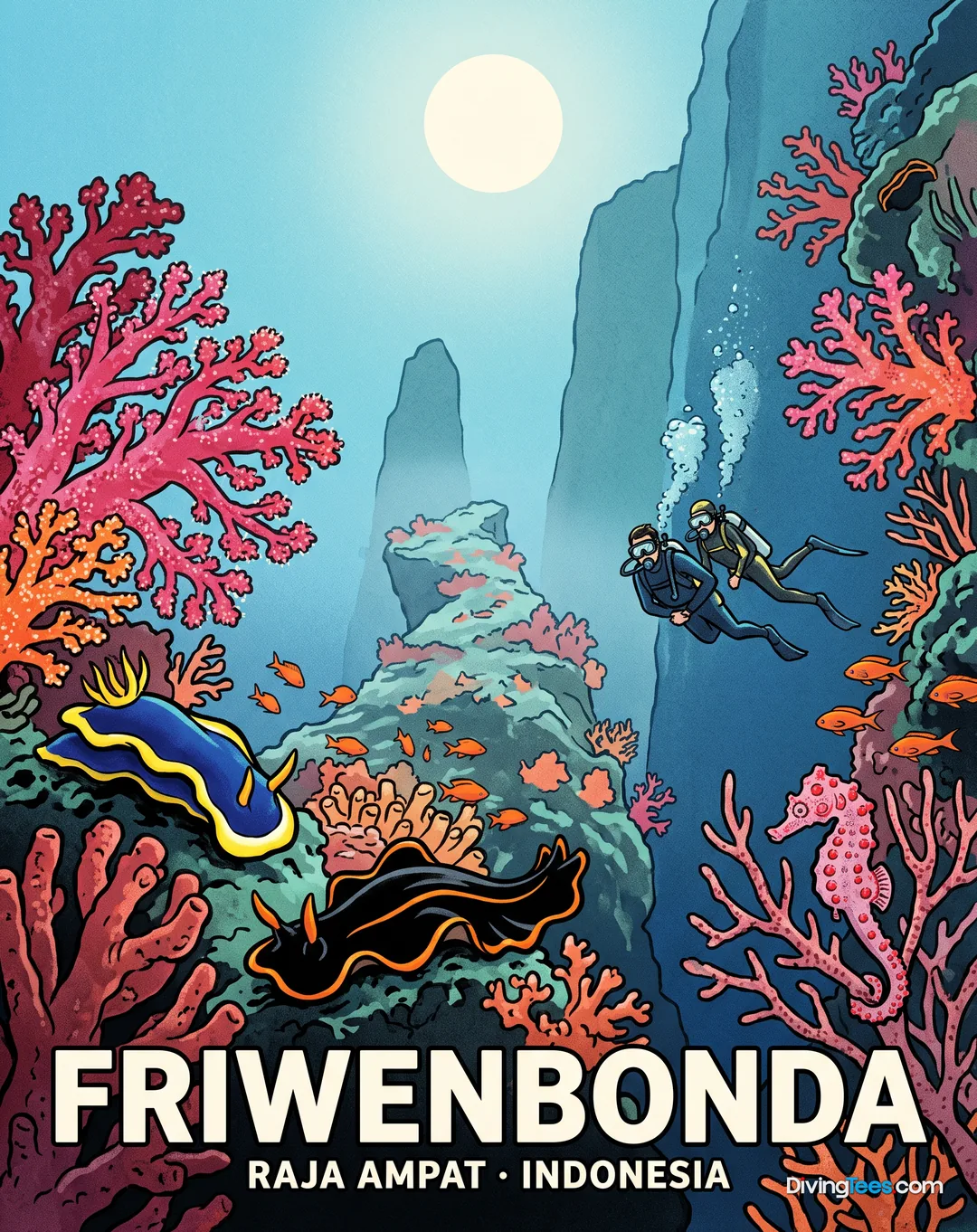
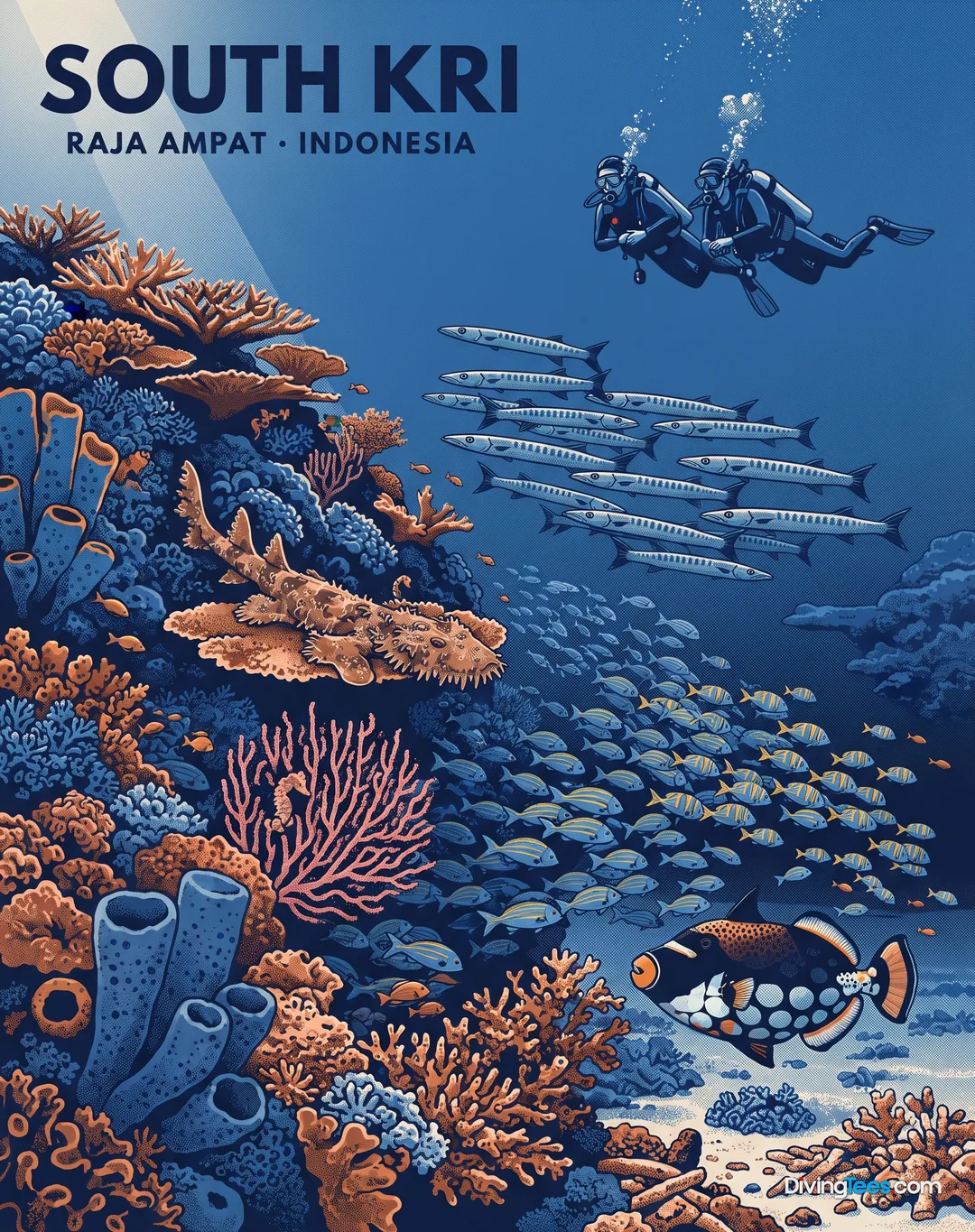
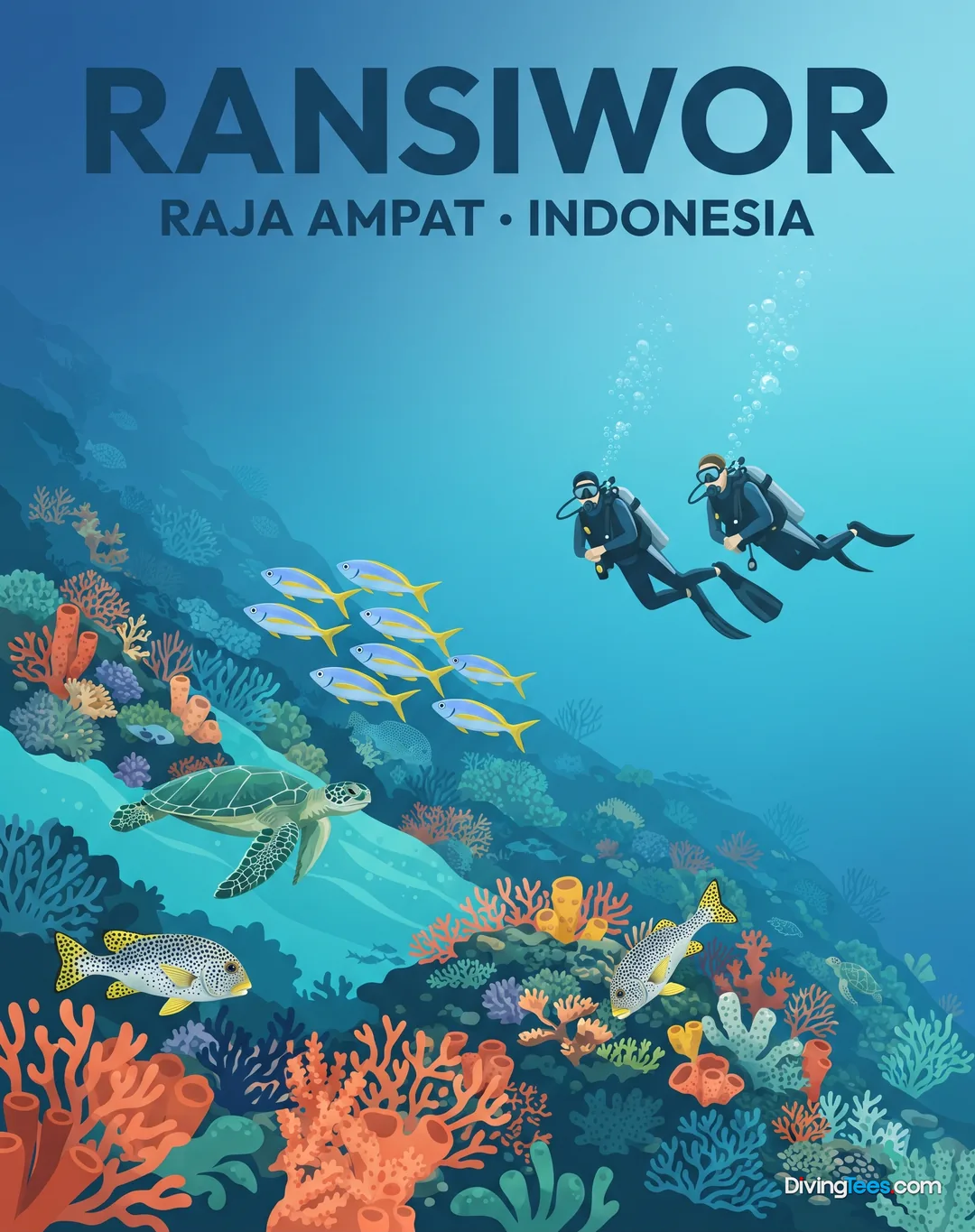
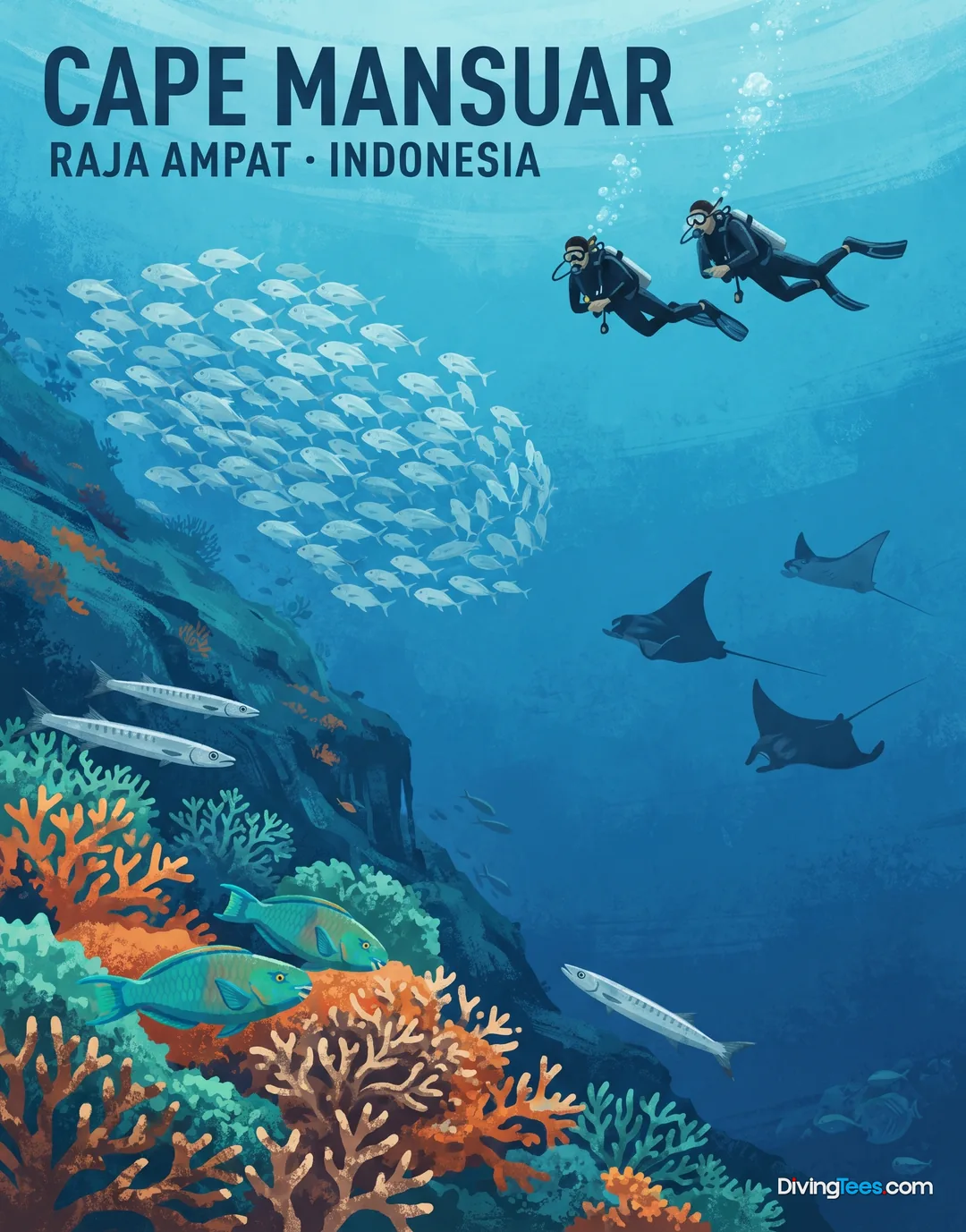
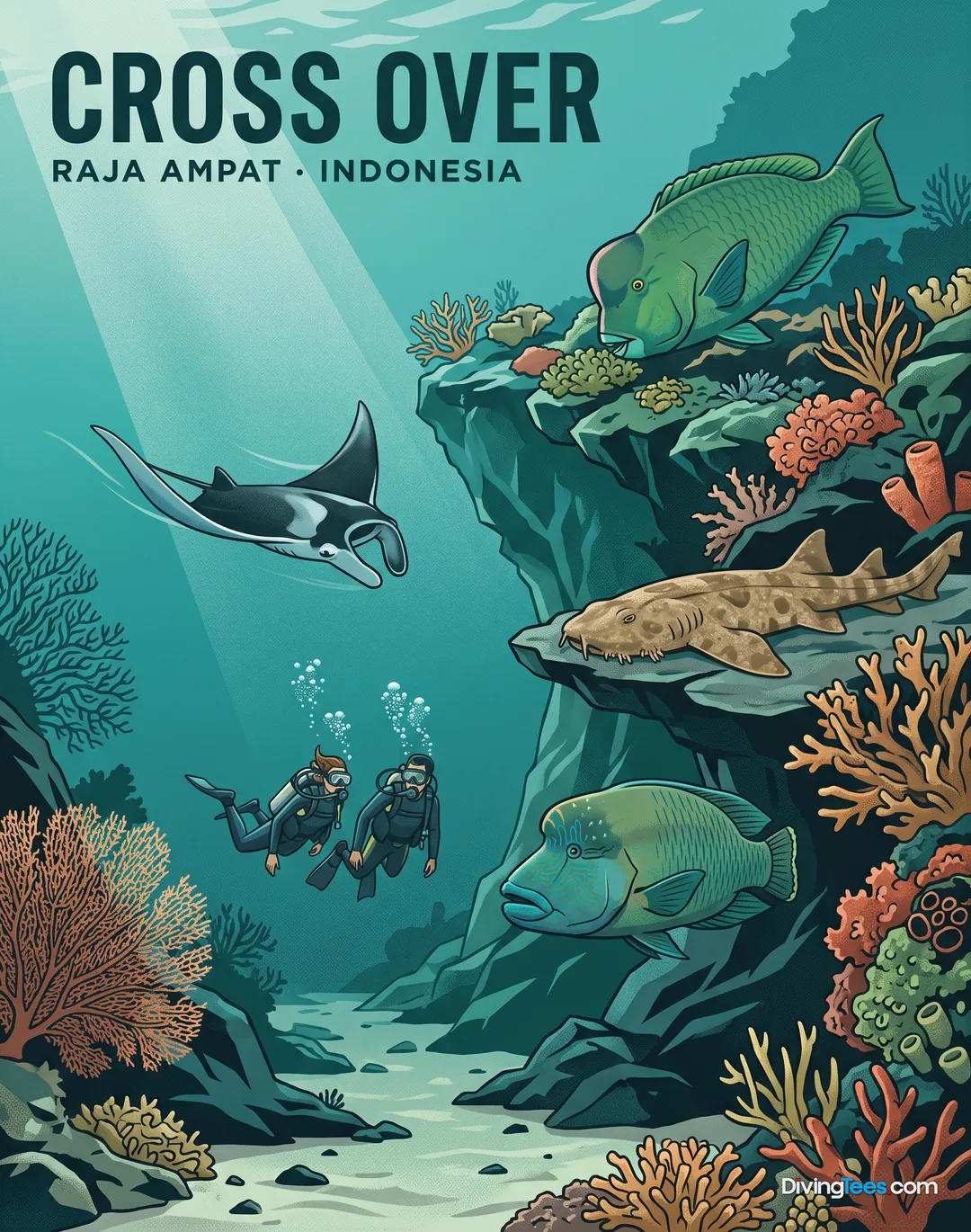
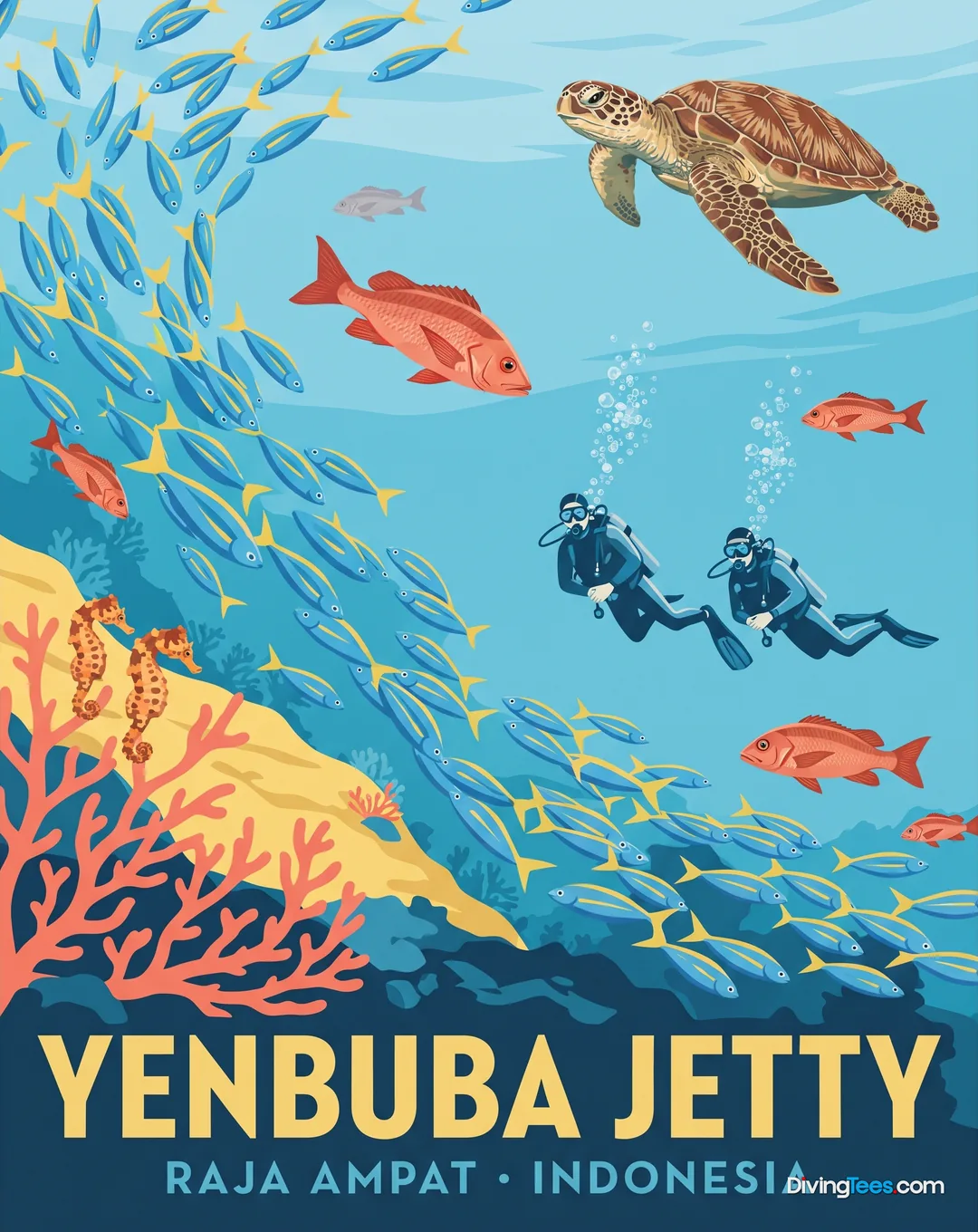
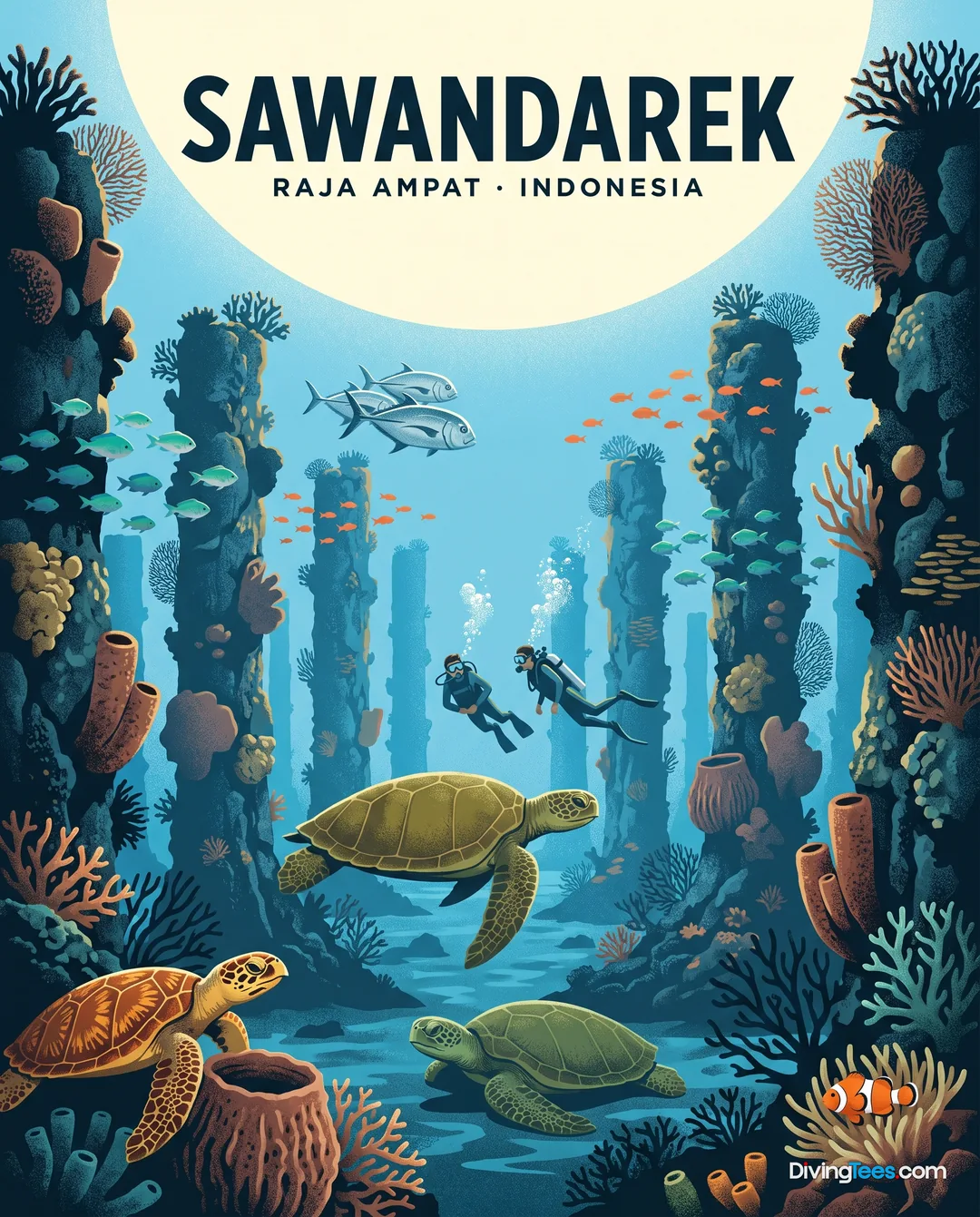
Raja Ampat’s sites give the trip its reason to exist. Manta Sandy places reef manta rays over cleaning stations, where divers and snorkelers can watch them hover and return through the same working space. Mike’s Point combines reef overhangs covered in soft coral with a flat plateau where eagle rays may pass; the site reaches a maximum of -40m. Cape Kri is the dense, fast-moving fish dive: the site holds the record for 374 fish species observed on a single dive, with schooling fish, Napoleon wrasse and reef sharks in the mix. Melissa’s Garden drops into soft corals and staghorn formations to a maximum of -35m, while Blue Magic brings schooling fish and possible oceanic mantas into the blue. Sardines, Sorido Wall, Friwenbonda, South Kri, Ransiwor, Cape Mansuar, Cross Over, Yenbuba Jetty and Sawandarek add drifts, walls, coral-covered pilings, cleaning stations and macro searches. The recorded Raja Ampat–Misool departure runs 8 days and 7 nights from Sorong to Sorong; other Blue Manta departures include Alor, Ambon–Banda and Ambon–Banda–Raja Ampat crossings.
Itineraries, dates and prices
Prices per person. Each month shows its lowest price: click a month, or pick an itinerary.
Next departures · 50 departuresfrom £2,318$3,099€2,769
December 2026
January 2027
February 2027
March 2027
See dates and prices
If you click these links and make a purchase on the partner site, DivingDeal may earn a commission, at no extra cost to you.
Dates and prices taken from Divebooker and liveaboard.com, updated 25 October 2026
What you’ll meet underwater
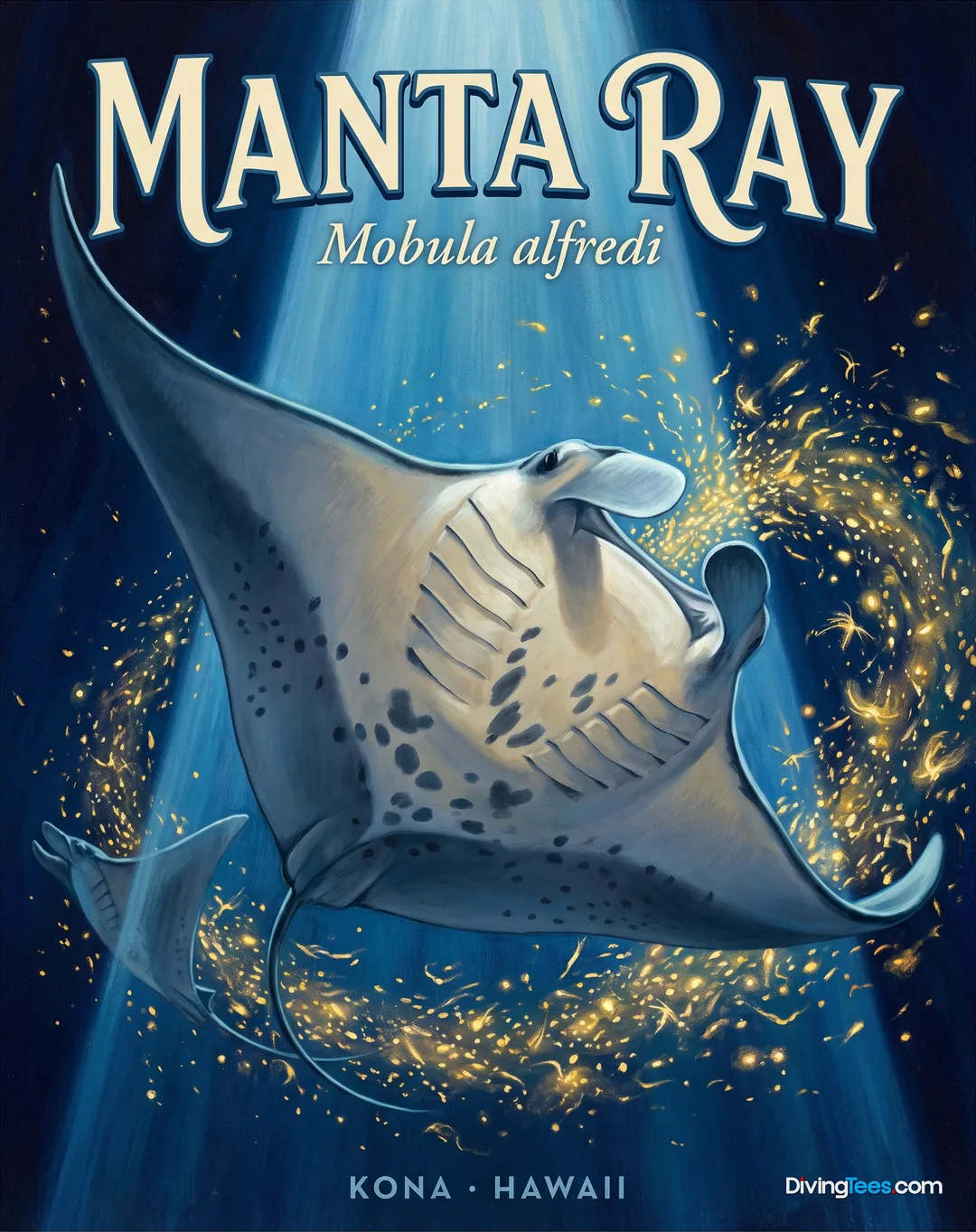
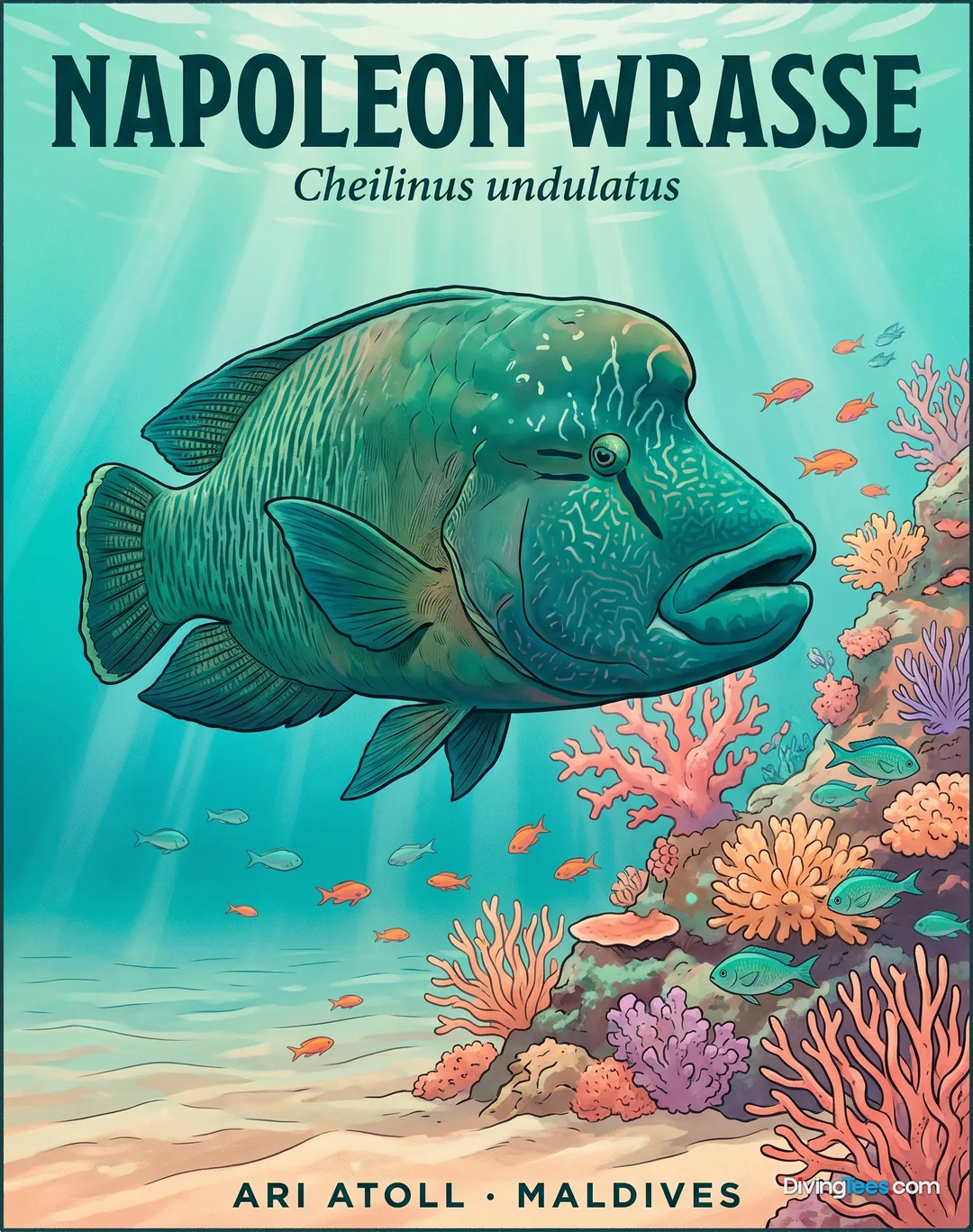
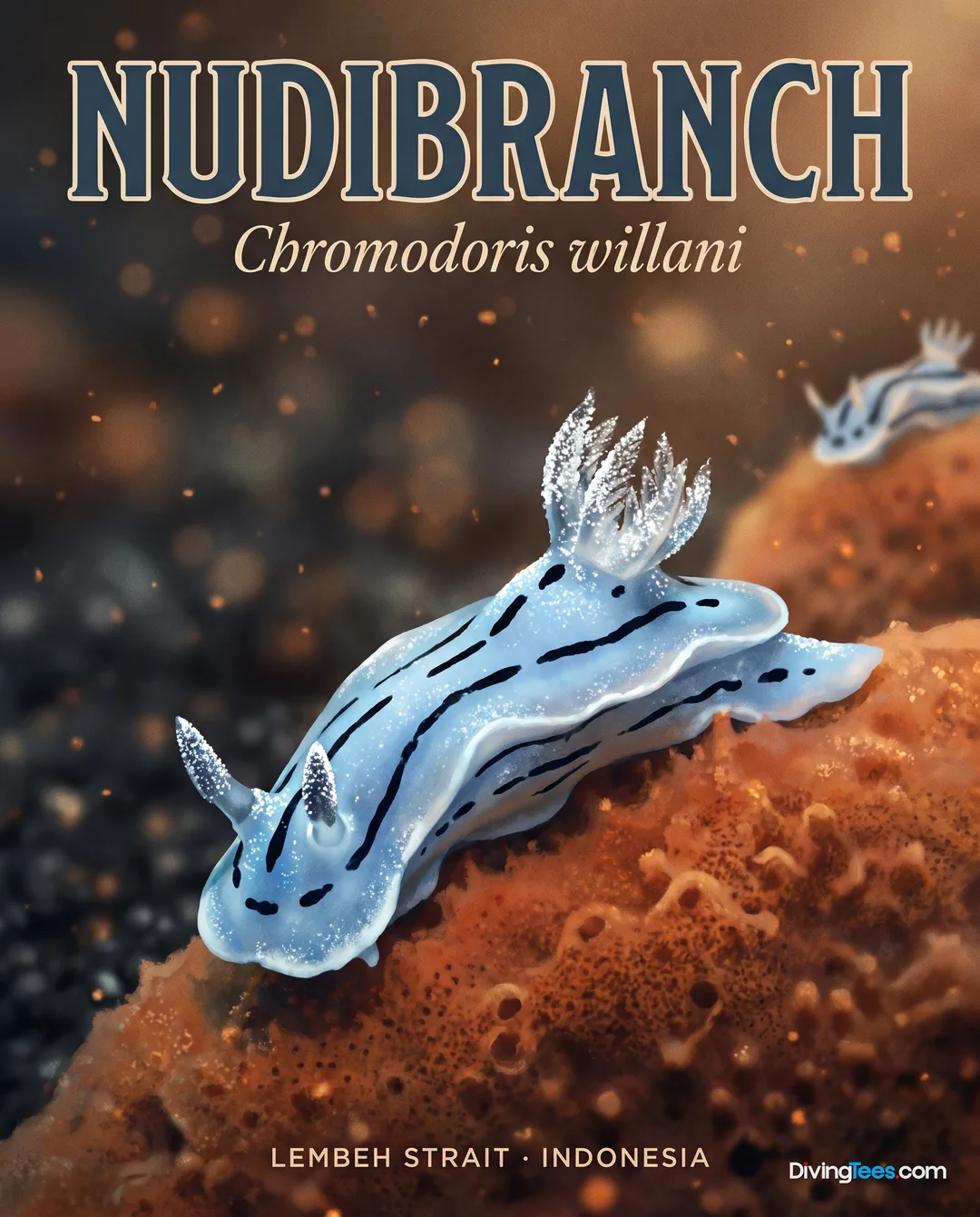
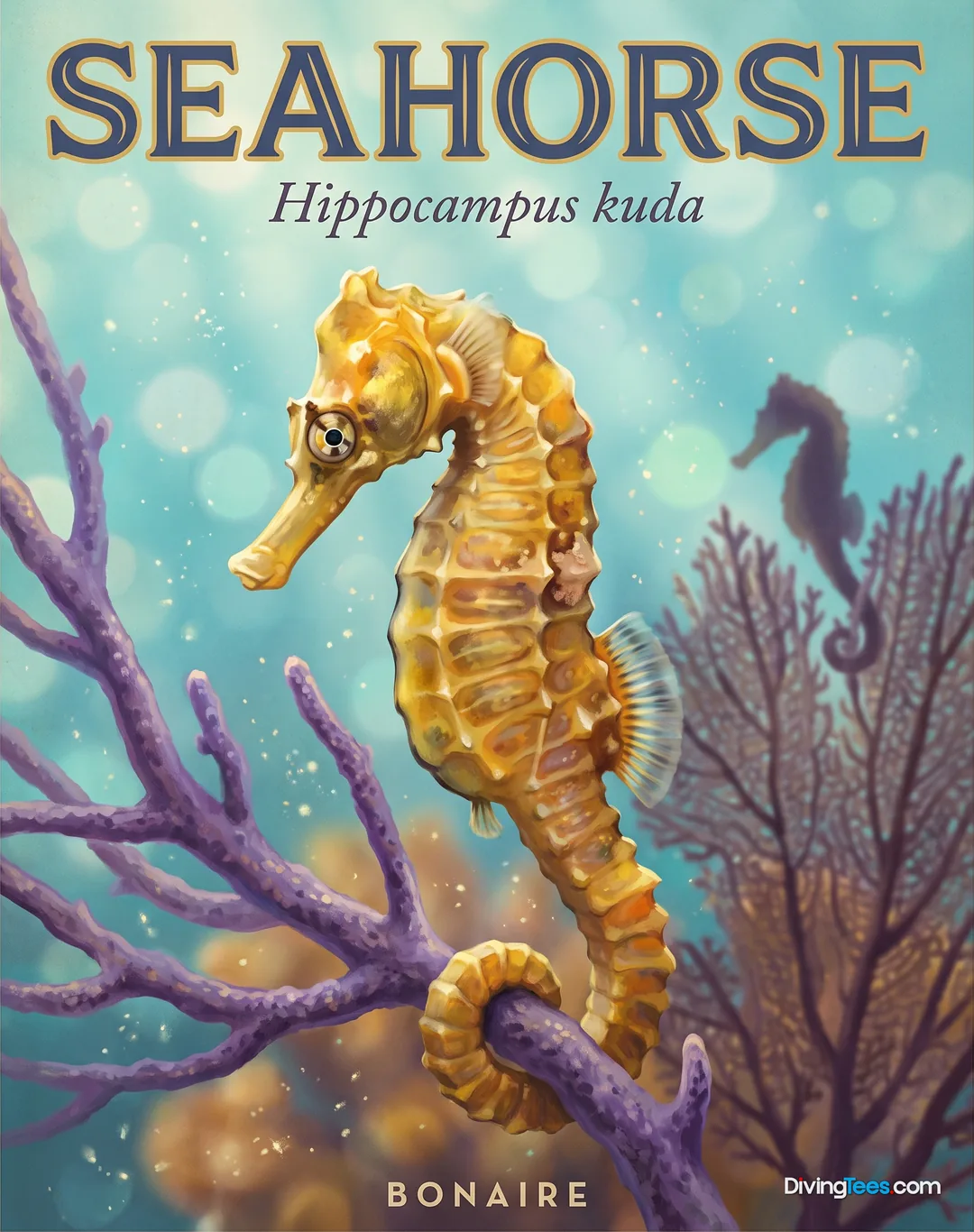
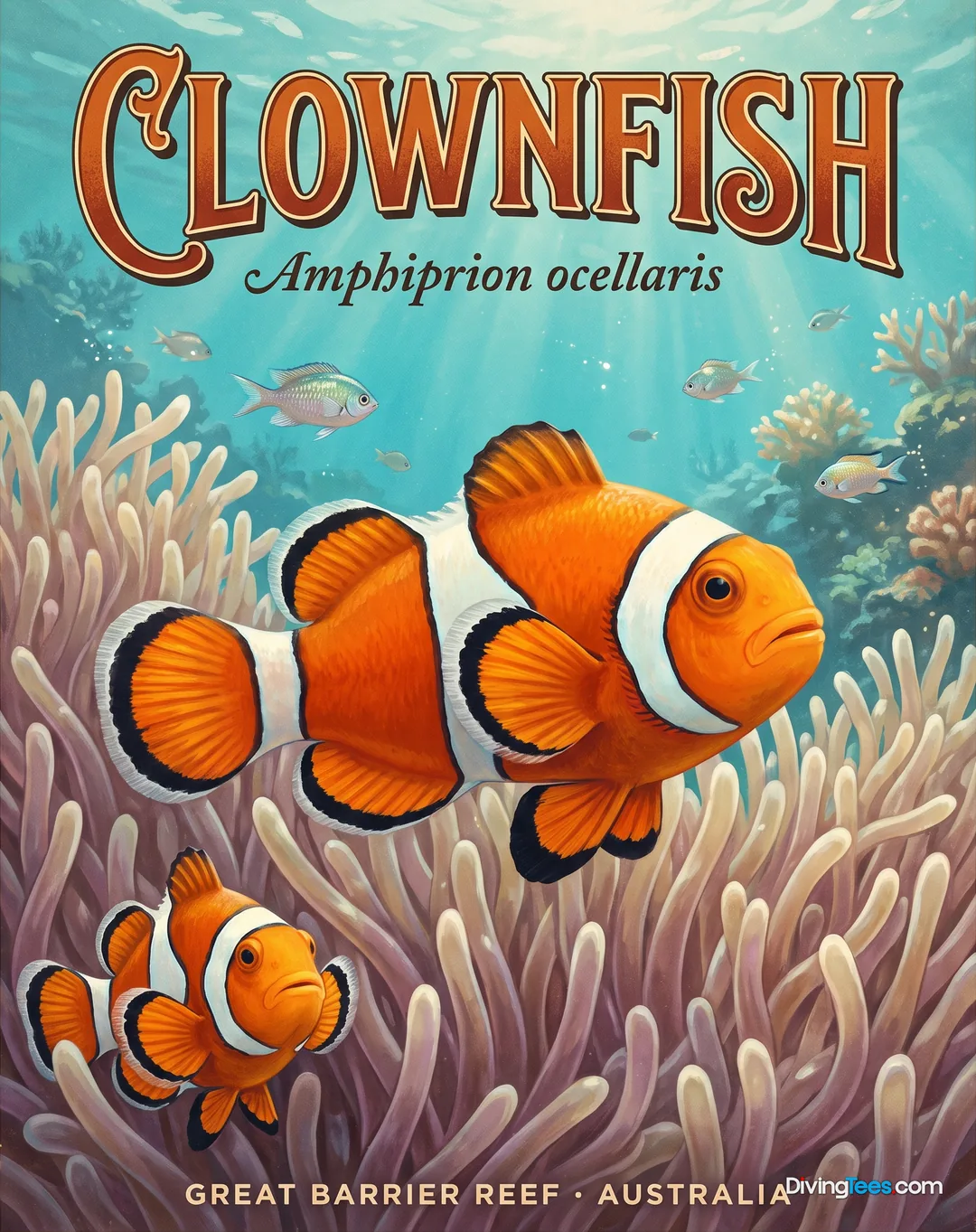
Across this Raja Ampat route, the recurring cast is large and varied: barracuda, reef sharks, trevally, fusiliers, Napoleon wrasse, sweetlips, humphead parrotfish, sea turtles, nudibranchs, soft corals and pygmy seahorses. Schooling fish are not background scenery here; they fill walls and plateaus, while current brings larger hunters through the frame. The reason to remember particular sites is often one animal in one place. Cape Kri is the recorded site for giant grouper, white-tip reef sharks and the extraordinary concentration of fish that made its record possible. Blue Magic is the place associated with oceanic reef sharks and tuna, as well as oceanic mantas. South Kri is where the route’s distinctive big-eye trevally, crabs and shrimp are recorded, while Yenbuba Jetty offers anthias and damselfish around coral-covered pilings. Ransiwor may produce an octopus and clownfish, and Sorido Wall brings surgeonfish into the schools patrolled by barracuda and reef sharks.
Who puts you in the water
Dive groups are kept small at a ratio of four divers to one guide, a useful arrangement when a site depends on current, cleaning stations or a slow search for macro life. The crew speaks English, Spanish and Indonesian, so briefings can be handled across a mixed international group. Oxygen, first-aid kits, fire alarms, extinguishers, radio and satellite communication are carried on board, and the crew is trained in first aid. DIN adapters are available for divers bringing their own regulators. Nitrox certification and other diving courses are listed as optional services, while a private dive guide can also be arranged. The operation is therefore suited to divers who can manage their own equipment and underwater decisions, with guides handling the site briefing, group coordination and boat support rather than turning every dive into a lesson.
The dive deck and the gear
The dive deck is designed for repeated operations, with a dedicated platform, equipment rinse tanks and four 6.5-metre dinghies powered by twin 40-horsepower outboards. The tenders carry divers away from the hull and collect them after the dive, which is especially useful in Raja Ampat when current or surface drift separates a group from the entry point. DIN adapters are available. Nitrox is available as a paid option rather than included by default, and rental equipment can also be arranged. Photographers get an air-conditioned camera room, an indoor dry work area, charging stations and a separate rinse facility, so camera maintenance does not compete with mask and regulator cleaning. The setup is stronger for photographers than for divers who want to leave every piece of equipment untouched: the boat gives careful camera work a proper place, while the main dive operation remains organised around small groups and tender access.
Between dives
Between dives, Blue Manta gives people several different ways to come off the deck. The indoor salon is air-conditioned for the diver who wants quiet and cool air, while the terrace and outdoor dining area keep the boat connected to the islands passing by. Photographers can work in the dedicated camera room instead of spreading equipment across the cabins, and the separate camera rinse area keeps salt water away from delicate housings. The gaps also belong to the route itself: Raja Ampat’s limestone islands, forested shores and lagoons pass by while the boat moves between sites. A massage is available, and internet access exists as a paid extra, but the useful luxury is simpler than either. There is room to dry out, check a camera, eat something, and decide whether the next dive calls for wide angle or macro.
A day on board
A full diving day is built around repeated briefings, tender rides and surface intervals rather than one long block of activity. The first dive comes after the opening briefing and equipment check; food and rest follow before the next group is called, and a full Raja Ampat day can reach four dives. The boat moves between sites when the route requires it, using the crossings to reposition while divers eat, dry equipment or work on cameras. Some days finish with a night dive, when the same reef becomes a search for nudibranchs, crustaceans and other small life; other days leave the evening free. Meals punctuate the cycle, and the final return to the deck is followed by rinsing gear, logging the dive and handing the boat back to the night. On the departure and return days, the programme is lighter, leaving time for transfers and the last practical jobs.
What you eat aboard
Meals are full board, with buffet service, Western and local cooking, snacks available throughout the day, and non-alcoholic drinks, water, tea and coffee included. The galley works in two directions: familiar food for divers who need an easy meal after a current-heavy dive, and Indonesian dishes that make the route feel tied to its waters rather than interchangeable with any liveaboard elsewhere. Dinner can be served outside, while the indoor dining area gives the group an air-conditioned place to eat when the heat or weather makes the open deck less appealing. With a possible four dives on a full diving day, food is not decoration. It is the reset between entries, the reason to sit down together after the final dive, and the steady supply of energy that keeps the next briefing from feeling like an interruption.
Nights at sea
The 14 cabins are arranged across upper, main and lower deck categories, with private bathrooms, air-conditioning, hot showers and either a window or a porthole depending on location. Upper- and main-deck cabins give more daylight through their windows; lower-deck cabins are the quieter, more enclosed option in which the sea arrives as a smaller circle of light through the porthole. After a day of diving, that distinction matters less than having a private bathroom, a cool room and somewhere to put wet towels without turning the bunk into a gear locker. The boat also offers double and twin configurations, so the cabin choice can match how two people actually travel together. It is a practical night at sea: close enough to the operation to step out for the next briefing, but separate from the dive deck when sleep is the priority.
Upper Deck Double Cabins
Upper Deck Twin Cabins
Main Deck Twin Cabins
Main Deck Double Cabins
Lower Deck Cabins
What to know before boarding
The Raja Ampat–Misool cruise embarks and disembarks in Sorong. Airport and hotel transfers are included, with the crew meeting guests at Sorong Airport or a local hotel before taking them to Blue Manta and returning them after the cruise. Arriving in Sorong the night before is the sensible way to protect the first day from a delayed connection. The recorded itinerary includes an 8-day, 7-night Sorong-to-Sorong trip.
Deck plan
- Year built
- 2014
- Length
- 45 m
- Beam
- 9 m
- Maximum number of passengers
- 20
- Number of cabins
- 14
- Number of bathrooms
- 14
- Engines
- 2 × 826 hp Yanmar
- Cruising speed
- 10 knots
- Tenders
- 4 × 6.5 m dinghies with twin 40 hp OBM
- Website
- whitemanta.com ↗
Hello, I'm Marina, DivingDeal.com's AI assistant. I answer in detail about hotels, dive centres and liveaboards.
Thinking about the whole trip and the flights? Talk it over with Edith →
Marina is an AI. Some links are affiliate links: DivingDeal may earn a commission, at no extra cost to you. Bookings are made with the partner.