Liveaboards · Indonesia
Amaya Explorer — a traditional phinisi built around serious Raja Ampat diving
What makes this boat unique
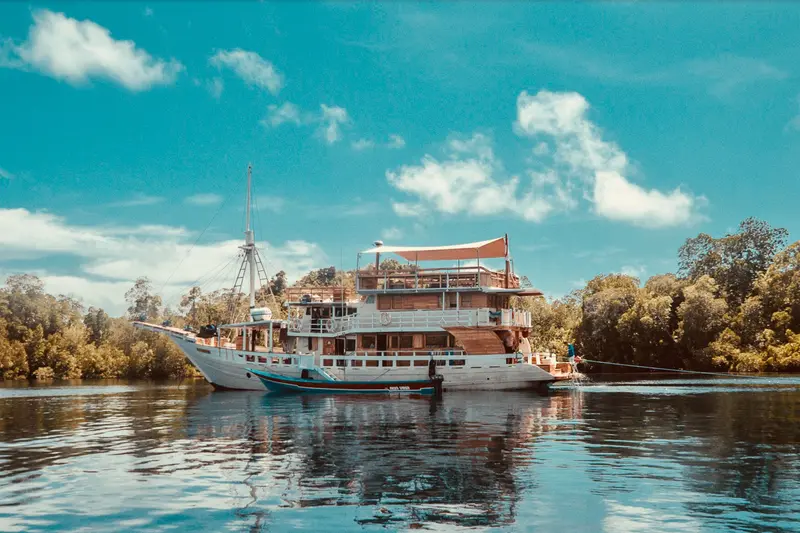
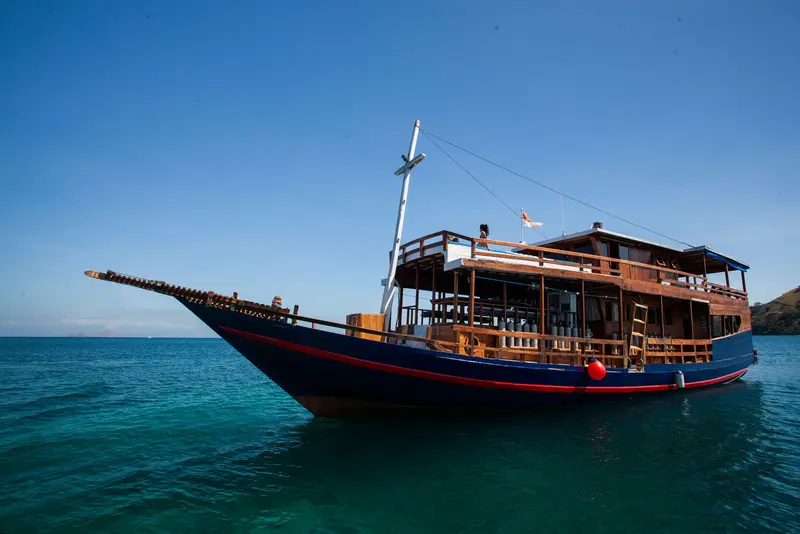
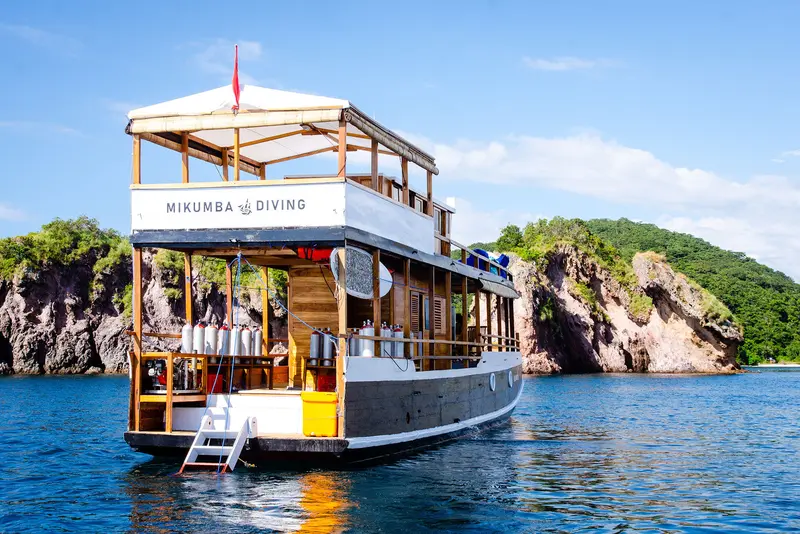
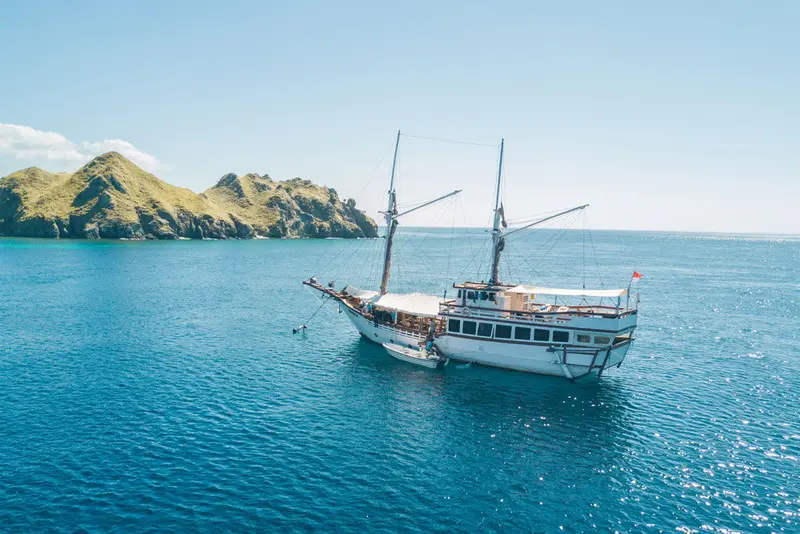
- A traditionally built Indonesian phinisi with ironwood and teak, three decks and a shaded dive area at the stern.
- Eight air-conditioned cabins have private bathrooms; the two Arun cabins sit on the upper deck with sea views.
- Two Yamaha 40 HP tenders carry divers to the sites, while the main deck provides indoor and outdoor dining.
- The diving setup includes a Bauer compressor, 12-litre aluminium tanks, DIN and yoke compatibility, and nitrox as an optional extra.
- The Raja Ampat program combines 3–4 dives a day with shore excursions, kayaking, stand-up paddleboarding and naturalist guiding.
For subtitles in English: start the video firstthen click the gearat the top right of the video, select “Subtitles/CC”, then “Auto-translate” and choose “English”.
The invitation
Amaya Explorer makes sense for divers who want Raja Ampat to remain the main event, but do not want a bare working boat between dives. The traditional phinisi construction gives the vessel an Indonesian identity that modern floating hotels often lack, while the layout is designed around the practical business of diving: gear moves to the tenders, cameras have a dedicated preparation area, and meals are treated as part of the trip rather than fuel between entries. The reason to choose this boat is the combination. It reaches the reefs and cleaning stations that make Raja Ampat worth the journey, then gives the crew enough space and equipment to run repeated dives without making every surface interval feel like a queue. Four professional dive guides for the guest group add another useful margin, especially when currents split divers by pace and confidence. The boat also welcomes snorkelers and non-divers, so a mixed group does not leave one half of the party waiting on deck.
Boarding
From the dock, Amaya Explorer reads as a working Indonesian phinisi rather than a white hotel transplanted onto the sea. Ironwood and teak form the hull and superstructure, and the traditional lines are still visible beneath the modern fit-out. The wood was hand-tooled in Bulukumba, Sulawesi, by builders working in a craft passed through generations; the interior was completed later in Bali for liveaboard use. On board, movement is straightforward: cabins are below or forward, the galley and air-conditioned dining area occupy the lower deck, and the dive operation works from the stern. The main deck brings together seating, dining, the sundeck and day beds, while the upper deck opens onto the bridge and the two sea-view Arun cabins. It is a boat made for being outside between dives, with enough covered space for wet gear and hot weather. The traditional timber is the first thing noticed. The dive routine is the second.
The atmosphere on board
The atmosphere is shaped less by formal luxury than by a crew that keeps the operation moving without making guests manage it. Four dive guides organise the underwater side, while the wider Indonesian crew handles transfers, meals, cabins, tenders and the constant movement of equipment. Divers have described the daily operation as clear and well managed, with the crew setting up equipment on the dinghies, collecting it after dives and cleaning it afterwards. That is the sort of service that becomes valuable on the third or fourth entry, when a diver would rather think about the next site than wrestle with wet kit. Food preferences are taken seriously, and the crew stays visible during transfers and dive preparation. In the evening, the group has the choice of eating outside, sitting in the salon or taking the day’s images into the digital lounge. The social side grows naturally because the boat is intimate enough for names to become familiar quickly.
The sites you’ll dive
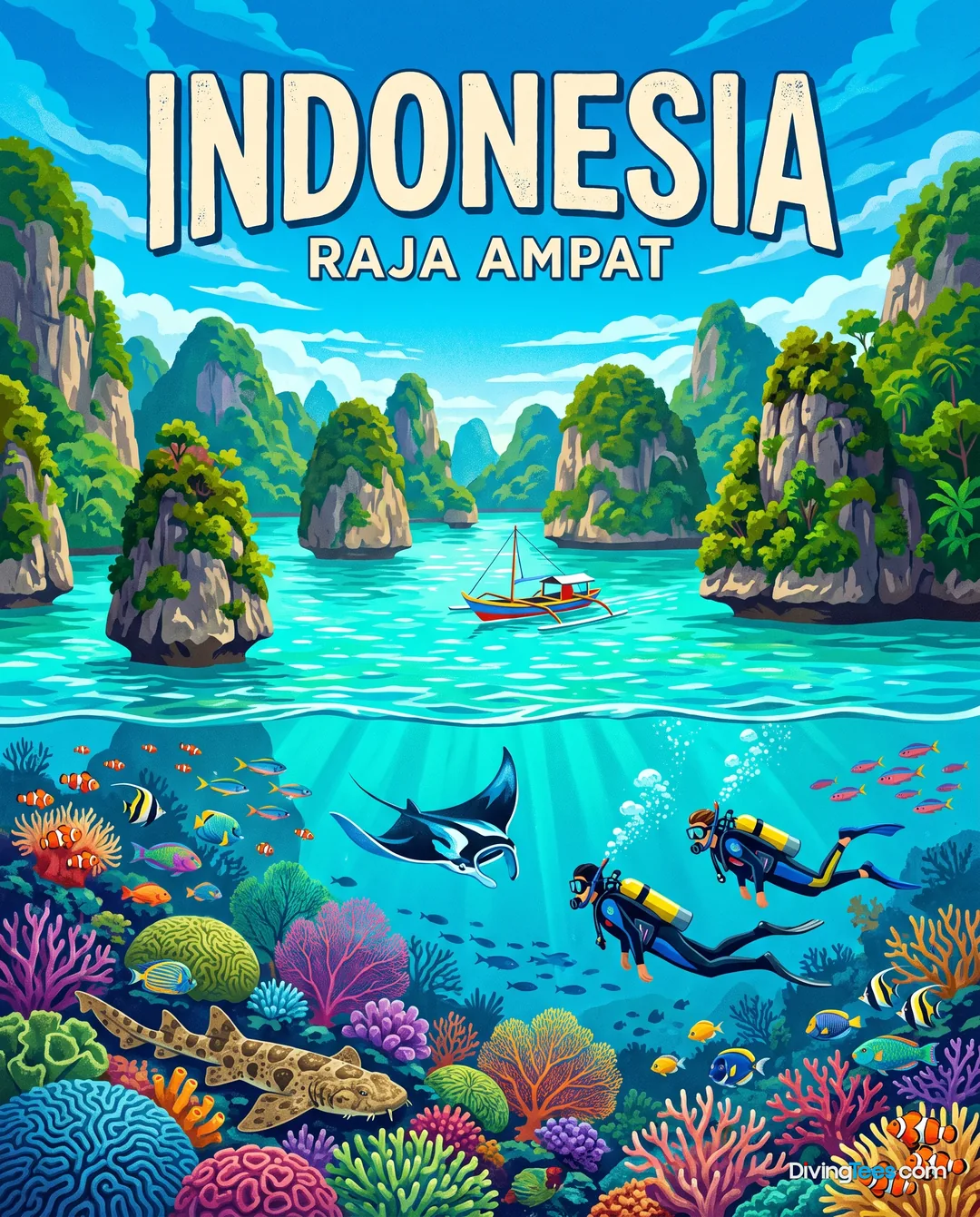
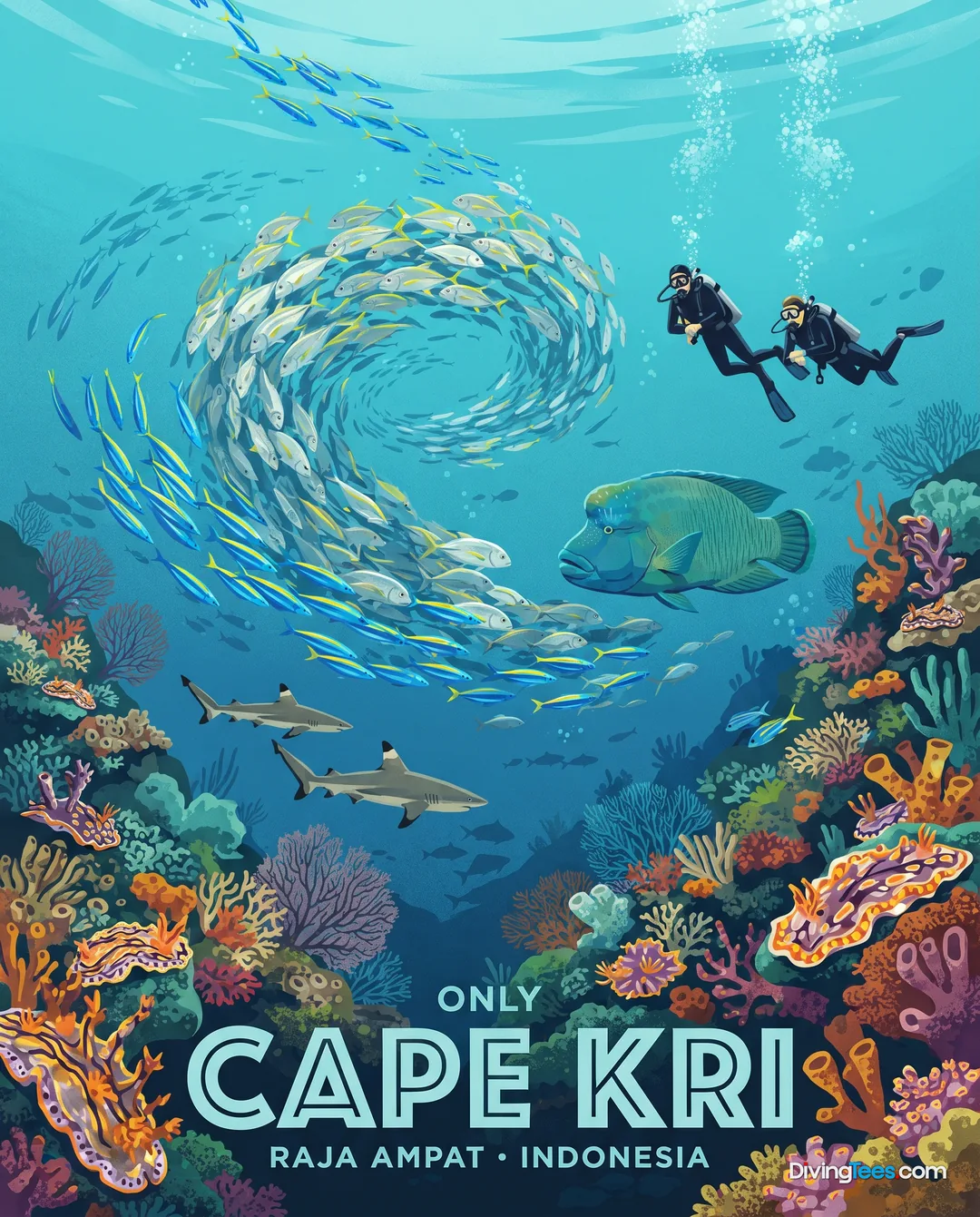
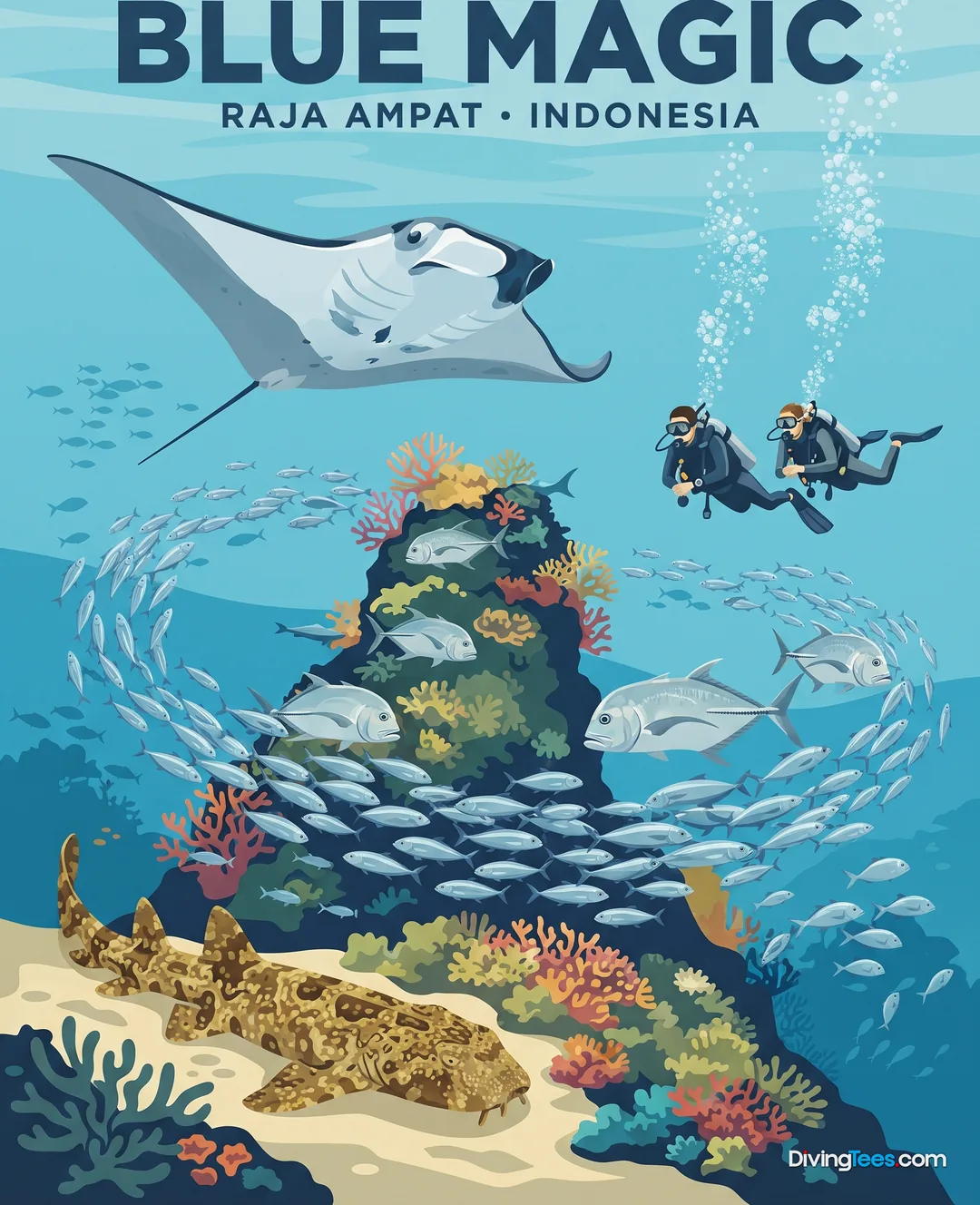
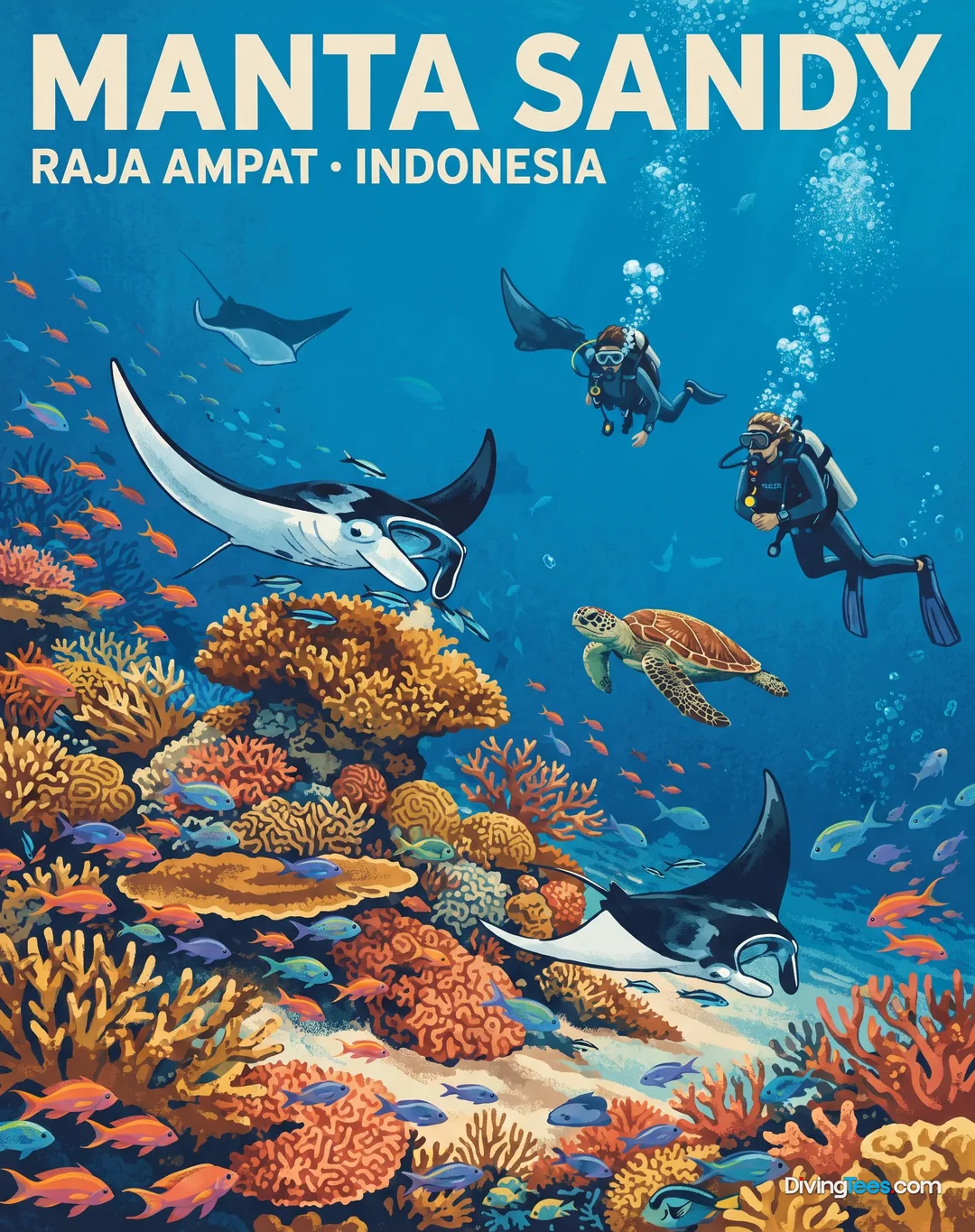
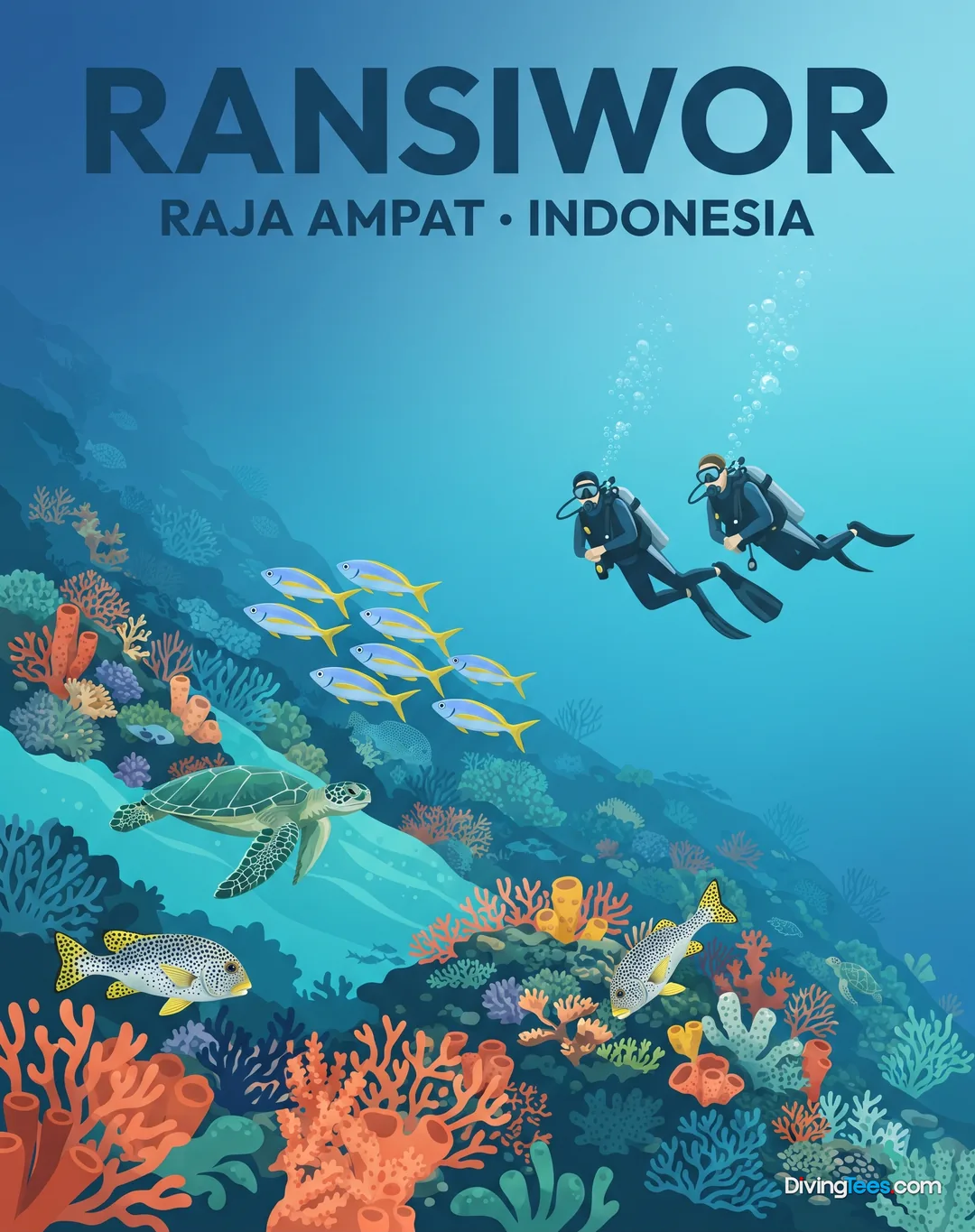
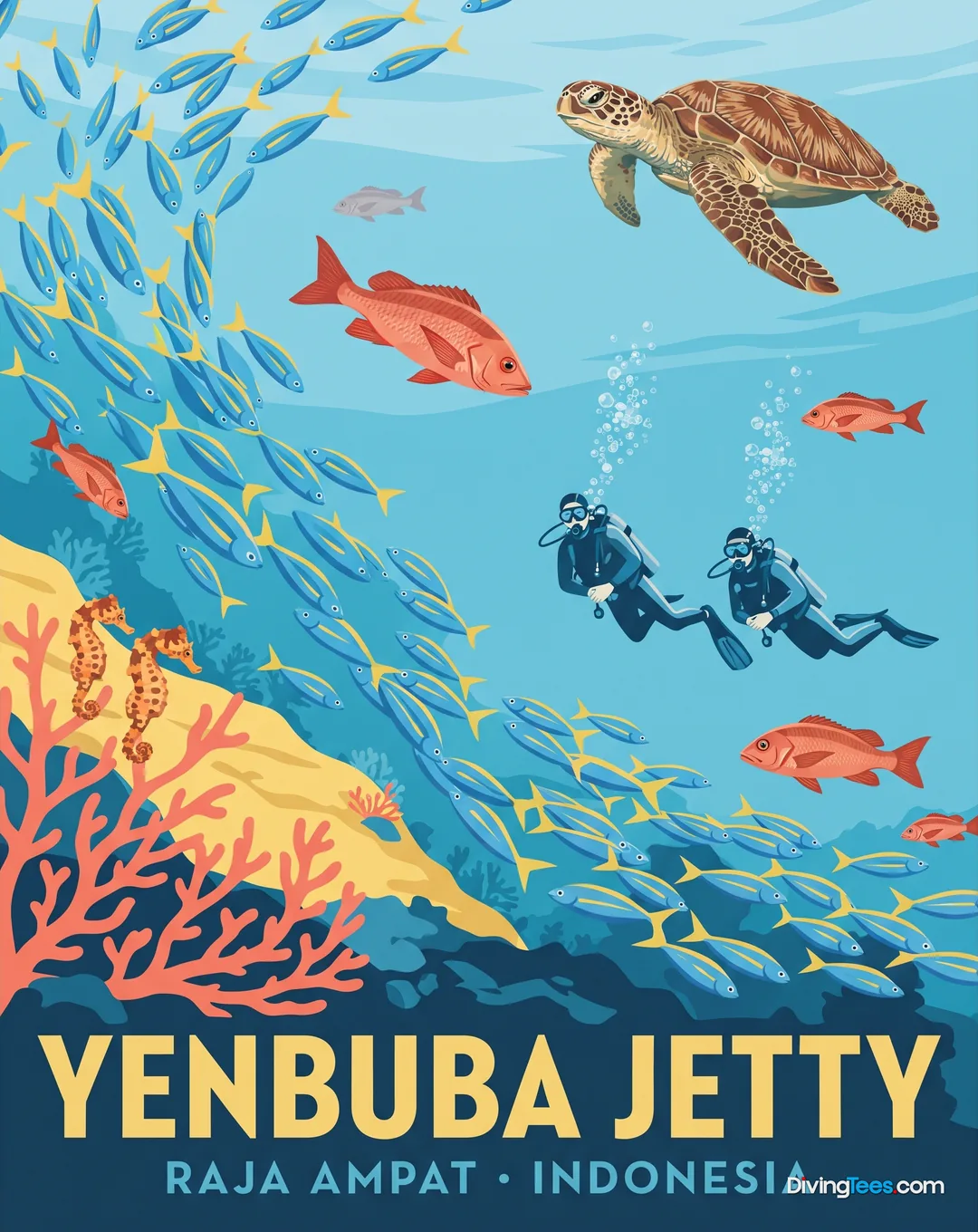
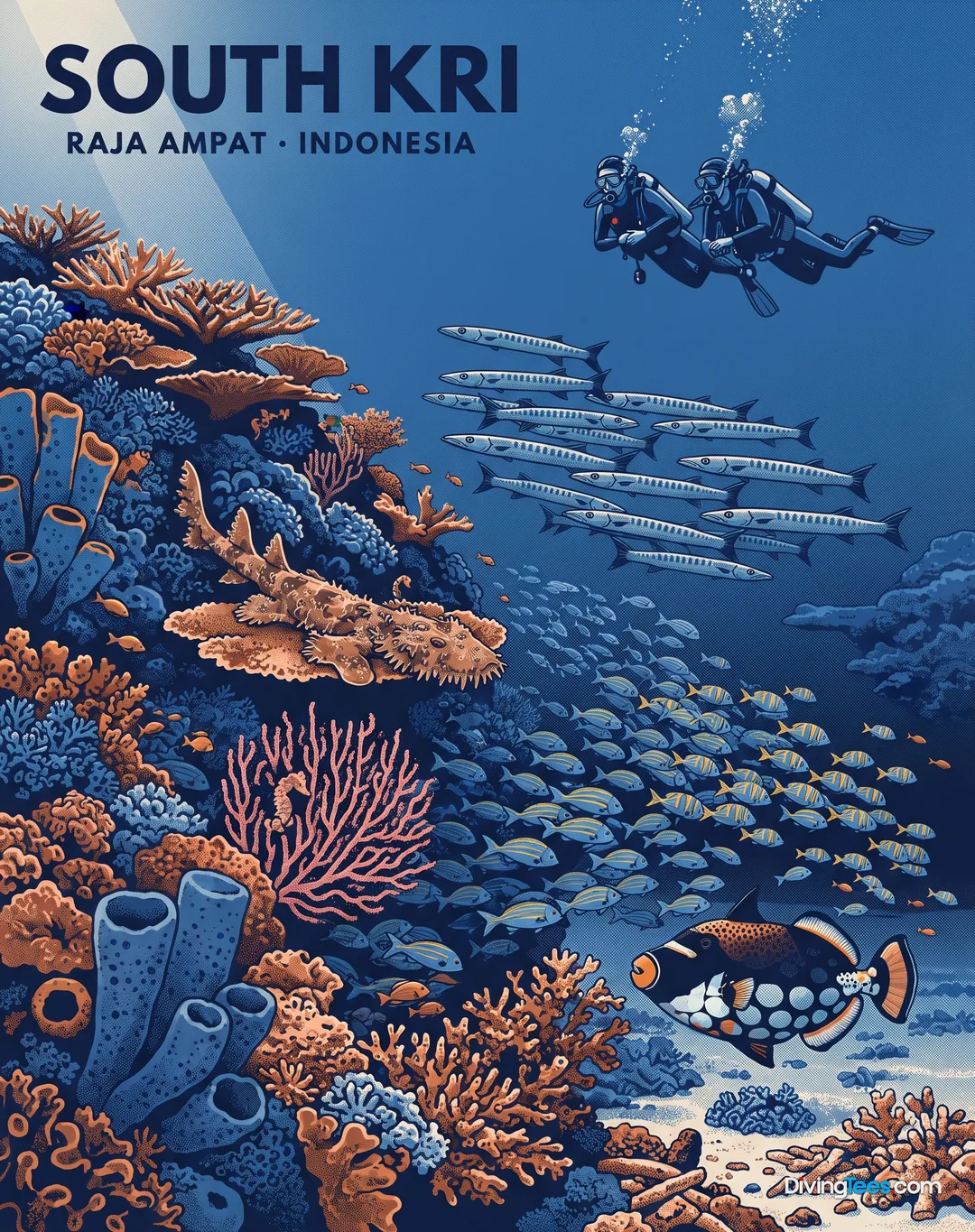
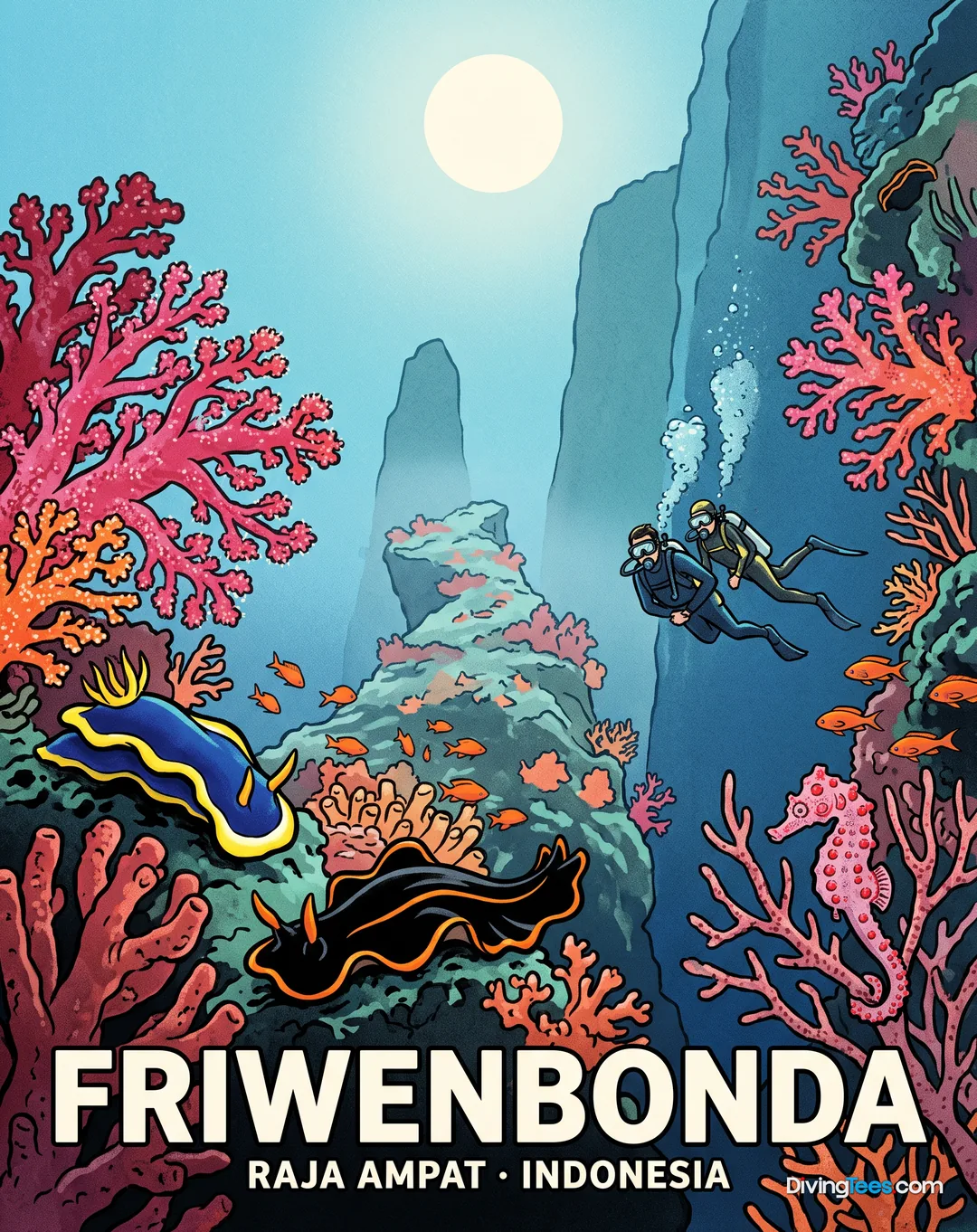
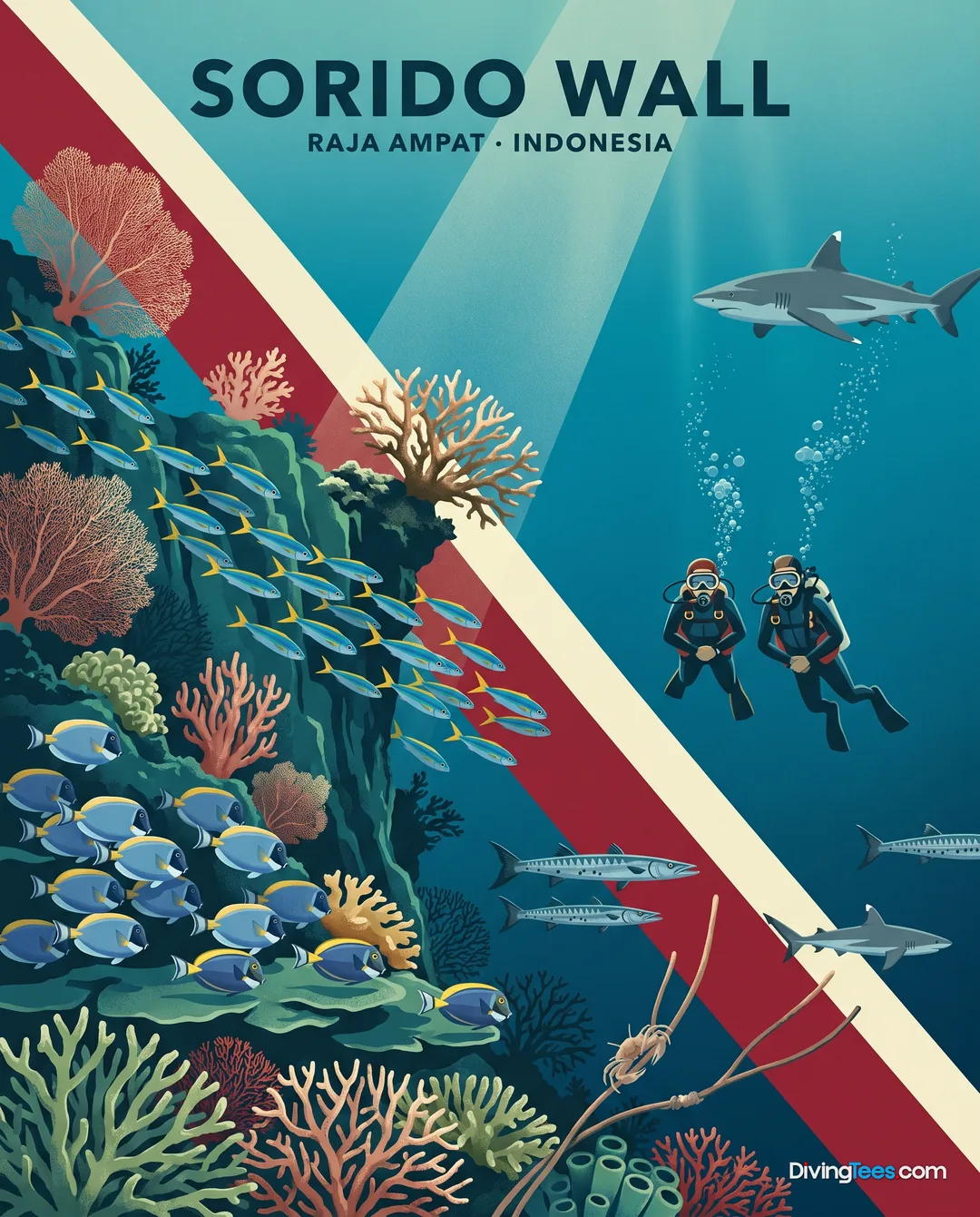
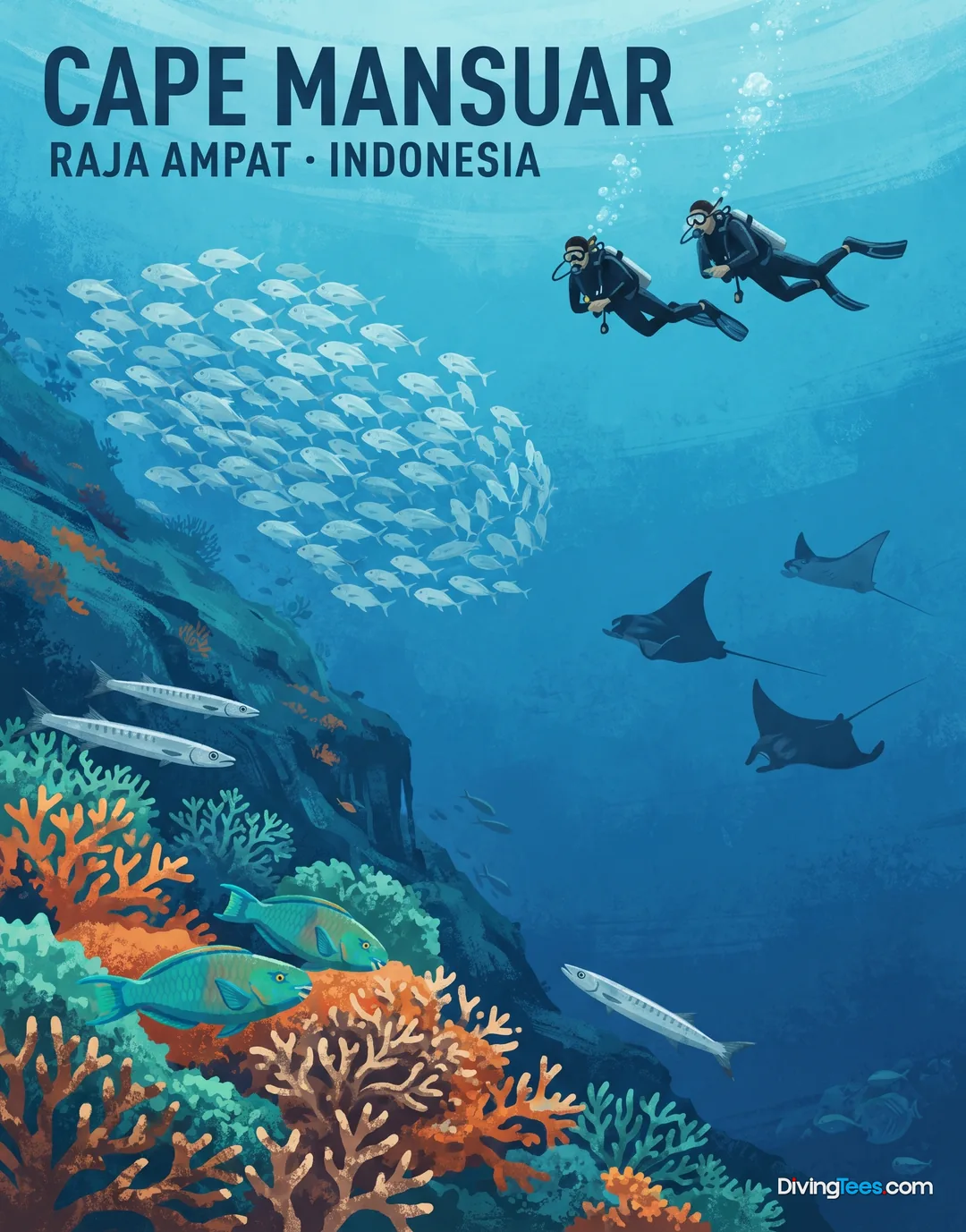
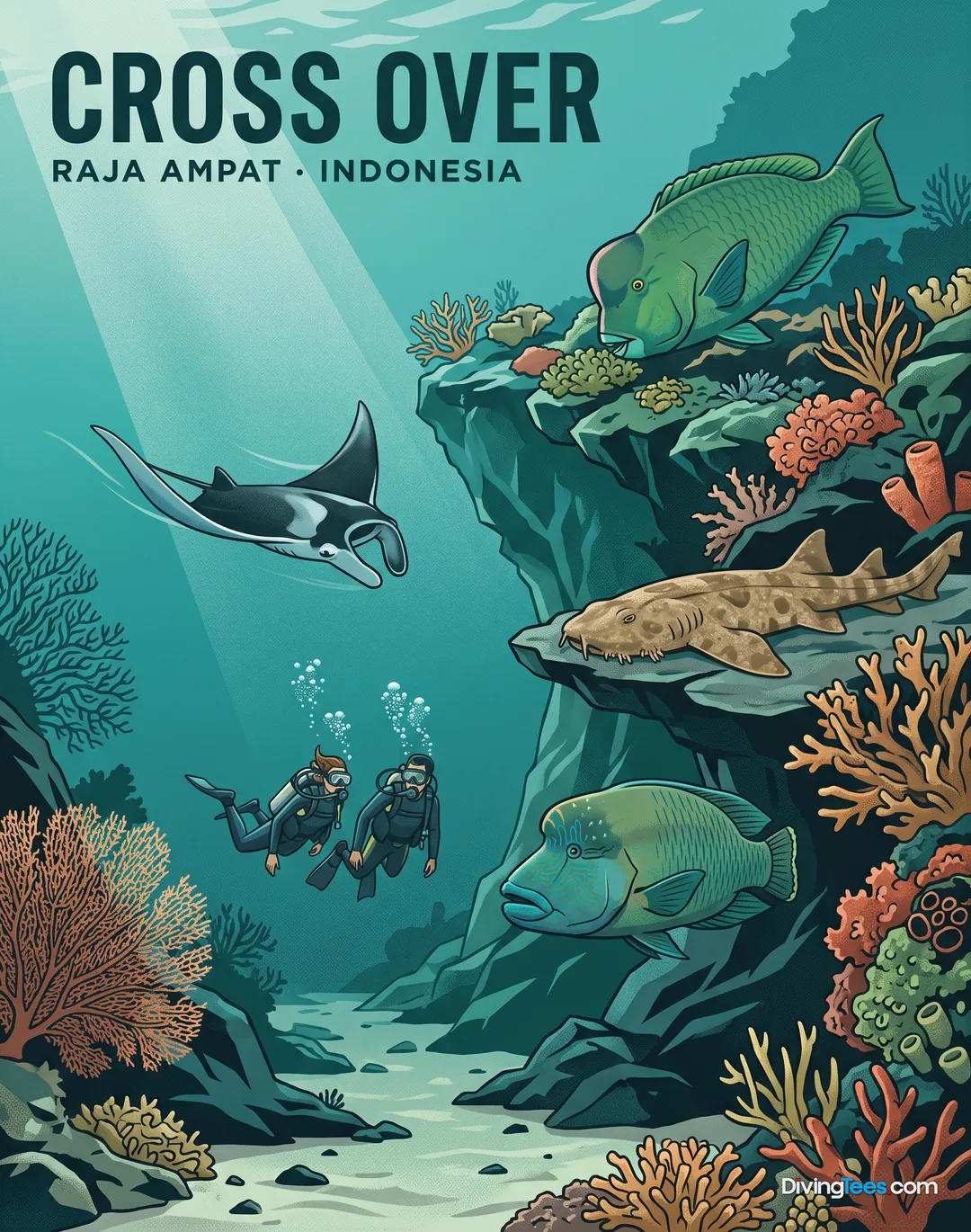
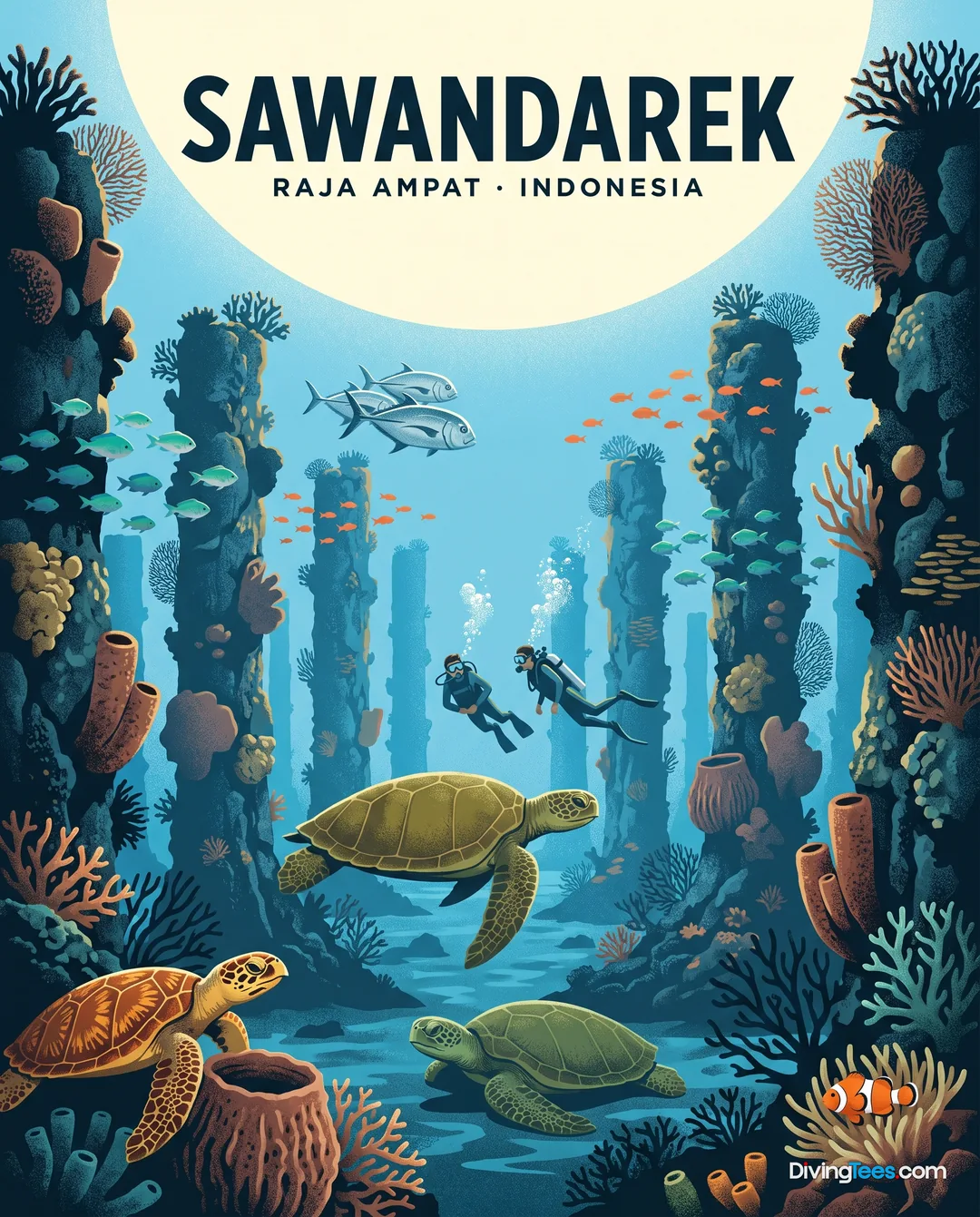
Raja Ampat gives this boat its strongest reason to sail. Cape Kri has recorded 374 fish species on a single dive, with dense schools of emperors and fusiliers, Napoleon wrasse and reef sharks. At Mike’s Point, overhangs carry soft corals and sweetlips, while eagle rays can cross the flat plateau; the site reaches a maximum of -40m. Melissa’s Garden is shallower in character, with soft corals and staghorn formations down to -35m. Blue Magic puts schooling fish, wobbegongs, giant trevally, dogtooth tuna, barracuda and oceanic manta rays into the same blue-water picture. Manta Sandy centres on reef mantas hovering over cleaning stations, accessible to snorkelers as well as divers. Ransiwor slopes to a maximum of -30m and brings divers past cleaning stations and yellow-back fusiliers. Yenbuba Jetty combines fish-packed coral pilings with a sloping reef and small creatures. South Kri is a current-shaped drift with schooling fish and macro life, while Friwenbonda adds a colourful soft-coral wall and pygmy seahorses. Sorido Wall, Cape Mansuar, Cross Over and Sawandarek complete the route with barracuda, sharks, turtles, coral walls and schooling reef fish. Listed departures include 7-day/6-night and 8-day/7-night Raja Ampat itineraries, plus an 11-day/10-night Ambon–Banda–Raja Ampat crossing ending in Sorong.
Itineraries, dates and prices
Prices per person. Each month shows its lowest price: click a month, or pick an itinerary.
Next departures · 18 departuresfrom £2,125$2,841€2,538
December 2026
January 2027
February 2027
March 2027
June 2027
See dates and prices
If you click these links and make a purchase on the partner site, DivingDeal may earn a commission, at no extra cost to you.
Dates and prices taken from Divebooker and liveaboard.com, updated 24 October 2026
What you’ll meet underwater
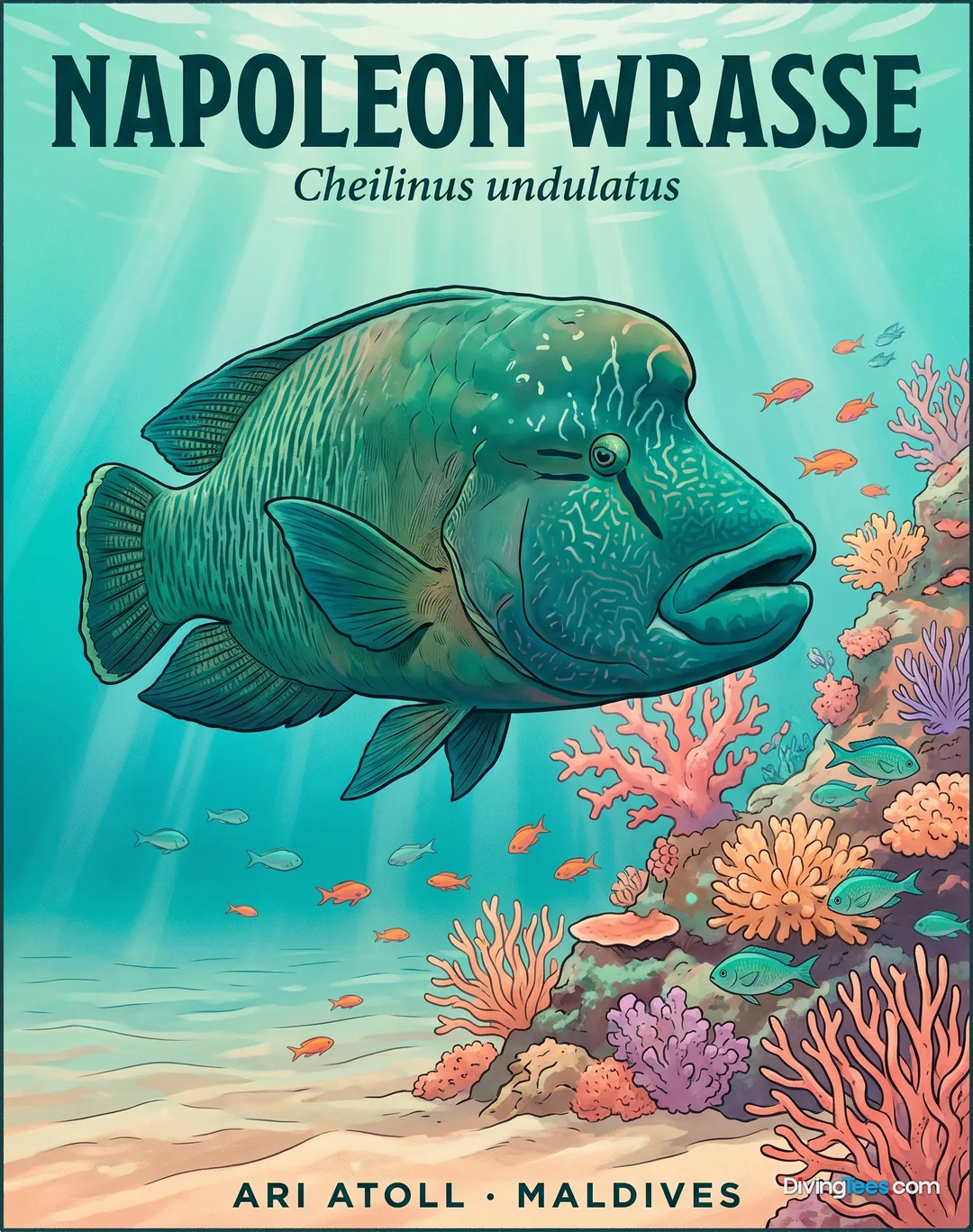
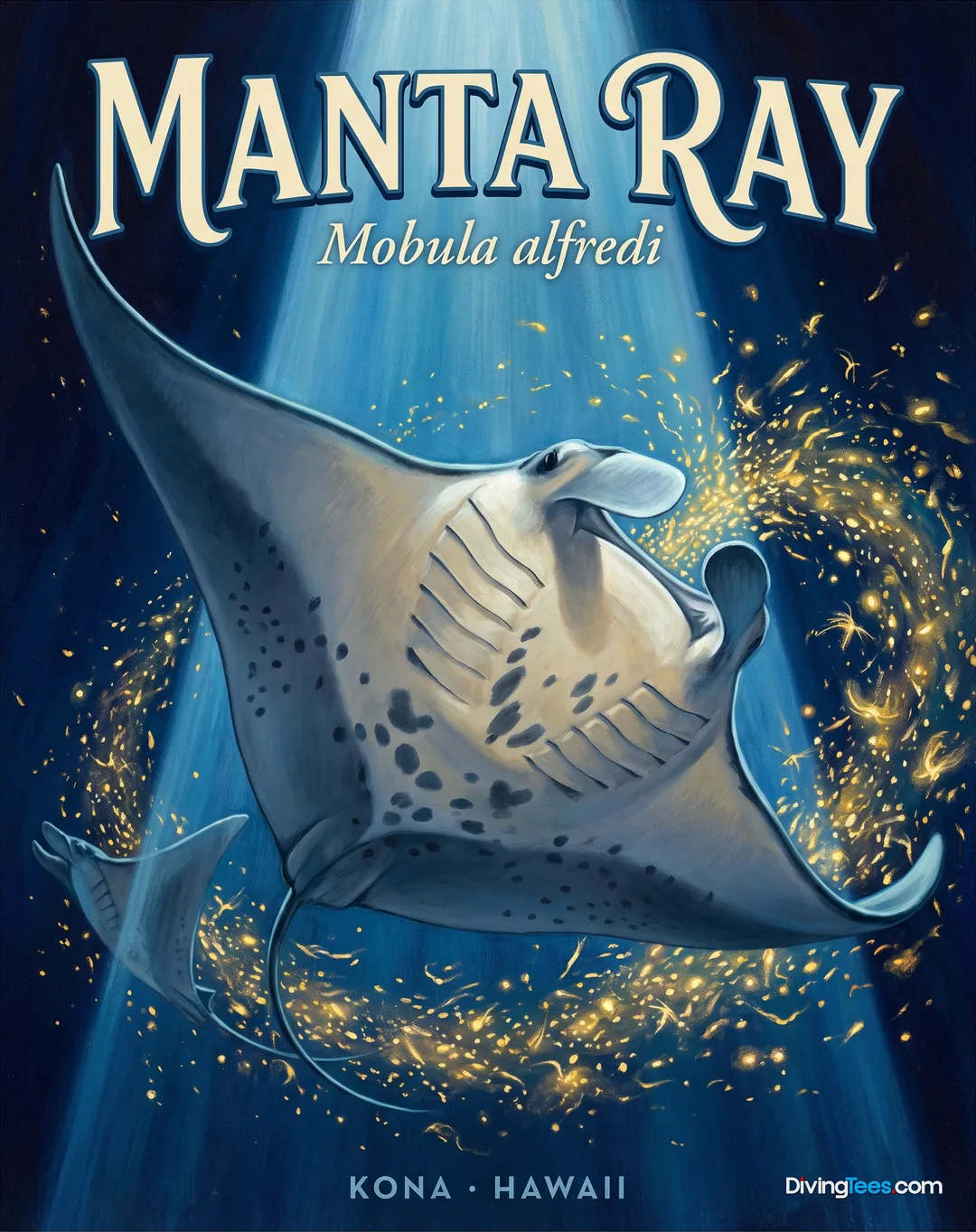
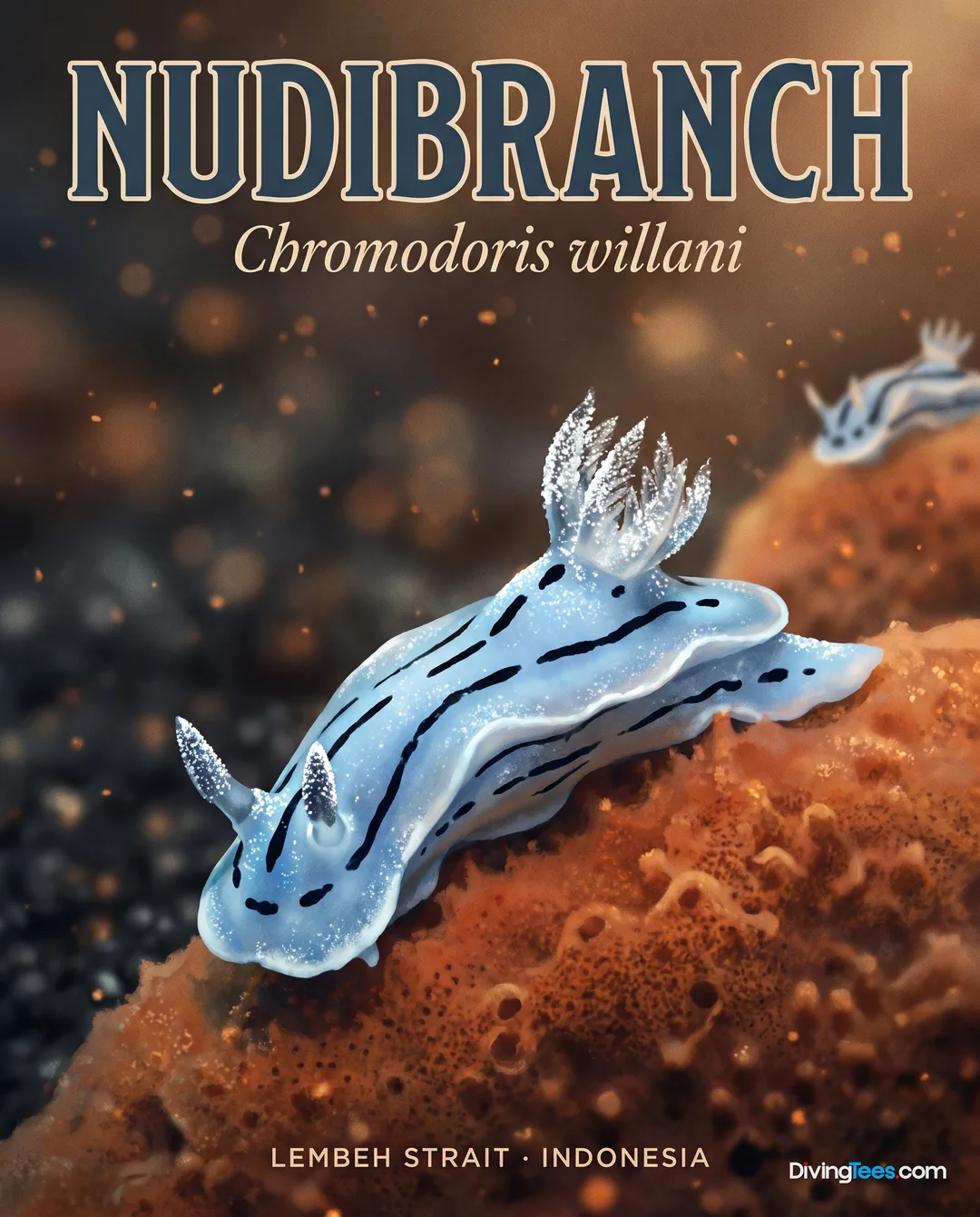
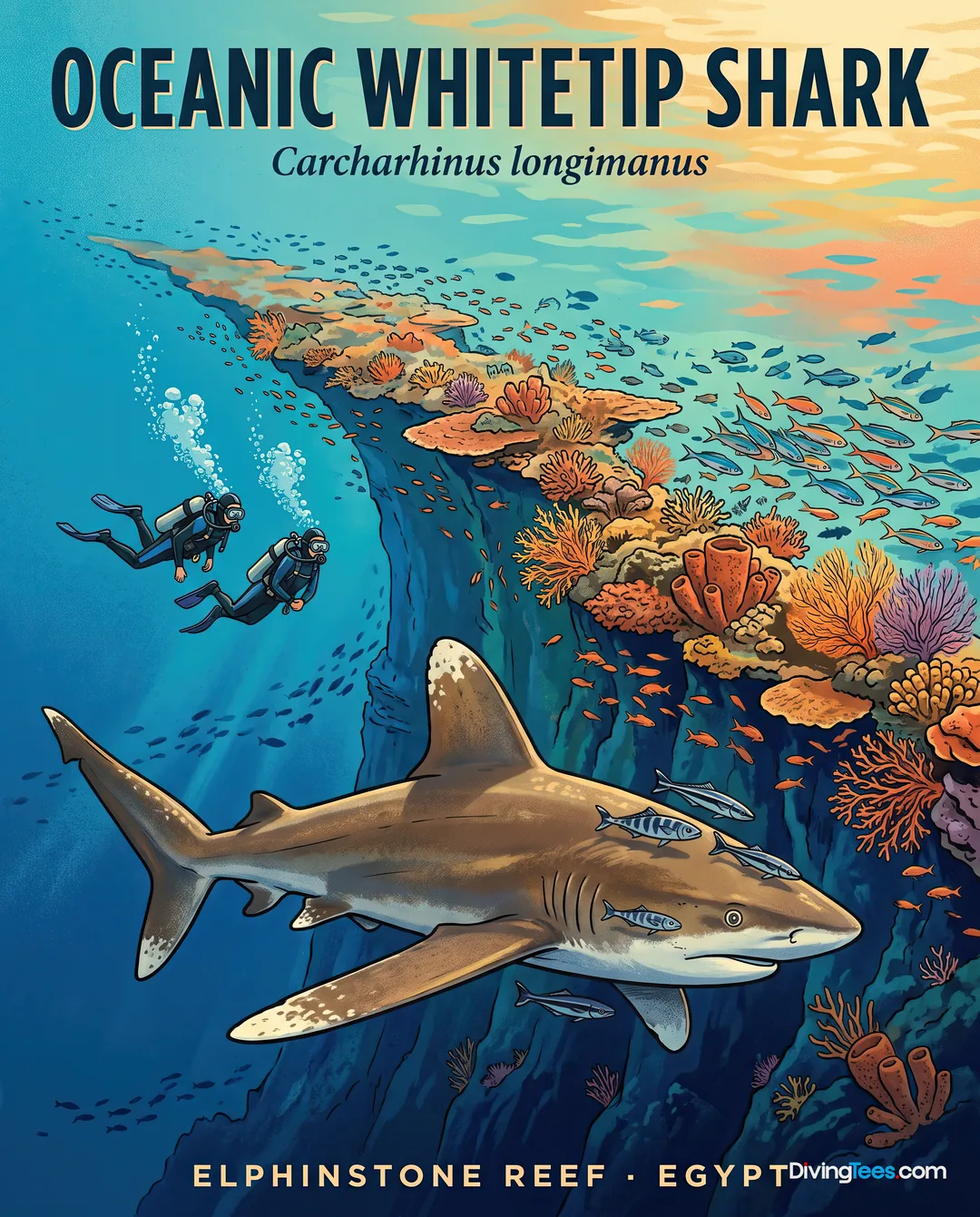
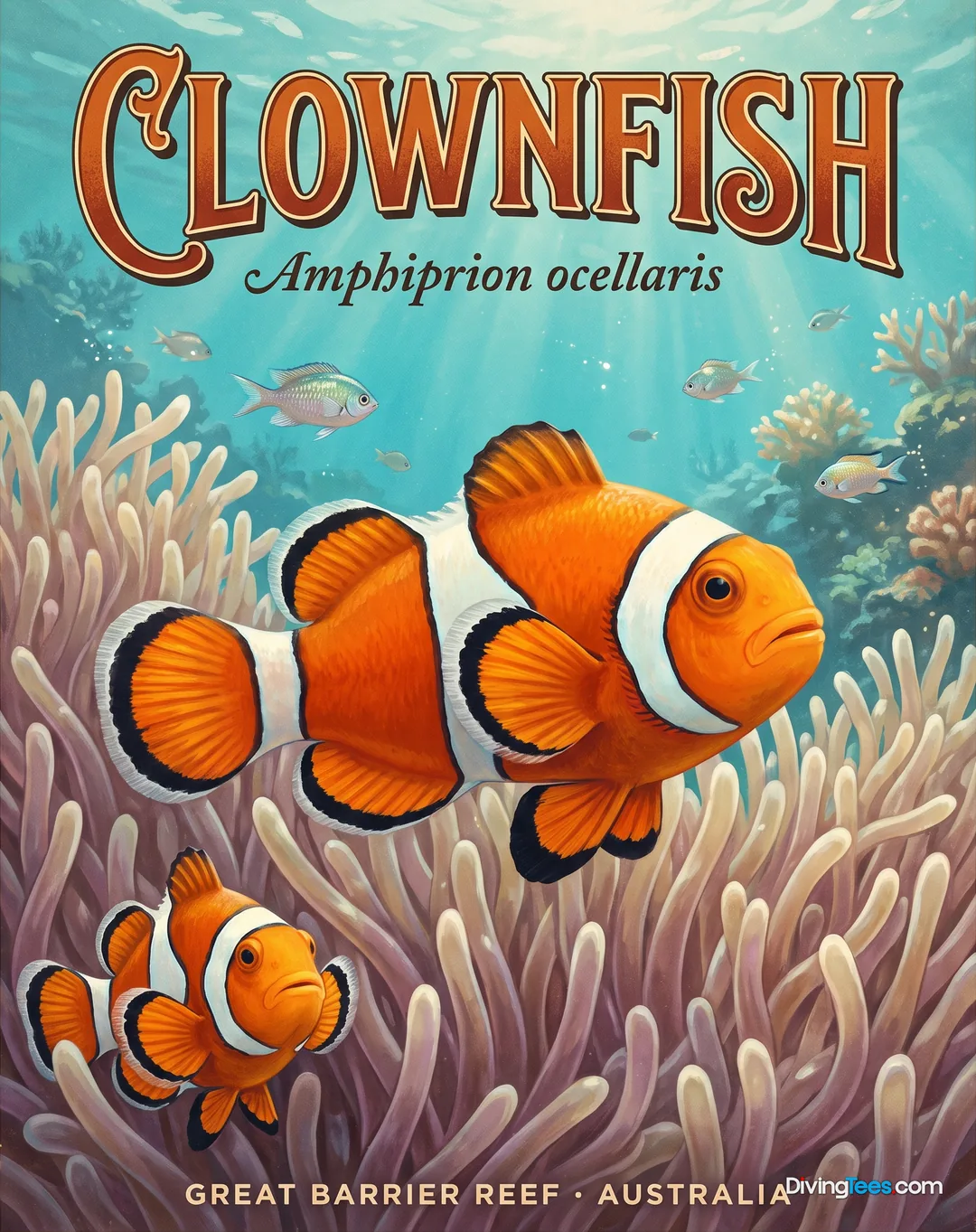
Across this Raja Ampat route, the recurring spectacle is movement: barracuda, reef sharks, trevally and fusiliers passing over coral, with Napoleon wrasse, bumphead parrotfish, turtles, sweetlips and soft corals filling the reef itself. Nudibranchs and pygmy seahorses reward a slower eye, especially where the reef structure gives them shelter. Manta Sandy is the place to wait at a cleaning station for reef mantas. Blue Magic is the site associated with oceanic mantas, and it is also where an oceanic whitetip shark and tuna appear in the route’s one-site records. Cape Kri is the only listed site for giant grouper and whitetip reef sharks. South Kri is the place to look for bigeye trevally, crabs and shrimp among the macro life. Ransiwor can produce an octopus and clownfish, while Sorido Wall brings surgeonfish alongside the barracuda and reef sharks. Yenbuba Jetty is where anthias and damselfish join the dense schools around the jetty pilings. These are possibilities, not promises; current, visibility and a diver’s timing still decide what comes close.
Who puts you in the water
Four professional dive guides work with the guest group, giving a ratio of one guide to four divers. That is a useful arrangement in Raja Ampat, where one diver may want to stay on a coral garden while another is watching the blue for mantas or schooling fish. Briefings cover the site and relevant safety procedures before the check dive and subsequent entries. The crew speaks English and Indonesian, and PADI courses can be arranged on board as an additional service. Raja Ampat Central itineraries ask for Advanced Open Water certification with a minimum of 20 logged dives; the Misool program asks for Advanced Open Water and at least 30 logged dives. The boat carries emergency oxygen and primary and secondary first-aid kits, while the crew is trained in diving first aid through DAN. Private guiding is possible separately.
The dive deck and the gear
The stern has a shaded wet area with a Bauer compressor, separate rinse facilities and direct access to the dive platform. Standard fills are 200 bar in 12-litre aluminium tanks, with valves accepting either DIN or yoke regulators. Weight belts and weights are available on board. Nitrox and 15-litre tanks are available as paid extras, while rental equipment can be arranged separately. Two Yamaha 40 HP tenders take divers from the platform to the site and handle collection after the dive, so the boat does not need to anchor directly over every entry point. The tender-based system is also useful when a group surfaces away from the descent point or when current carries divers along a reef. Camera users have a separate rinse area and a lower-deck digital lounge for preparation and charging. The setup is aimed at repeated recreational dives, with practical separation between cameras, wet equipment and the living spaces.
Between dives
Between dives, the best place is usually the shaded main deck, where the wet operation is close enough to hear without taking over the space. Day beds on the sundeck offer a place to dry out and watch the islands pass, while indoor seating and the air-conditioned salon give relief when the heat becomes tiring. The digital lounge on the lower deck is set up for cameras, drones and other electrical equipment, so photographers do not have to spread a charging and maintenance job across the dining tables. When the itinerary allows, kayaks and stand-up paddleboards take guests away from the hull, and shore excursions add walks or naturalist visits to the diving. Sailing time is part of the route, especially on passages between remote island groups. It gives the boat a second pace: gear is drying, cards are being backed up, and the next reef is still beyond the horizon.
A day on board
A normal diving day is built around three or four entries, with food and recovery placed between them rather than treated as separate events. The first briefing comes before the check dive or morning descent, and the guides then move equipment through the stern wet area and onto the tenders. After the dive, the tender collects divers where they surface, while the crew brings the equipment back into its working place and prepares the next cycle. Breakfast, lunch, dinner and snacks keep the day supplied without asking divers to leave the boat for every meal. On longer passages, the pattern opens up: the boat gets underway, cameras are backed up, wet kit dries, and the upper deck becomes a lookout rather than a staging area. Shore excursions, kayaking and stand-up paddleboarding can replace a dive interval when the itinerary allows. The first and last days carry fewer dives than a full day, depending on the program. This is a boat for people who want the water to structure the day.
What you eat aboard
The galley serves Indonesian food alongside Western dishes in a fine-dining format, with local cooking given a proper place at the table rather than reduced to one themed meal. Service can move between buffet and à la carte meals, with indoor or outdoor dining depending on the conditions and the mood of the group. Breakfast, lunch and dinner are supported by snacks through the day, which matters when the boat is running three or four dives and surface intervals are short. Vegetarian and vegan options are available, and the crew makes room for food preferences rather than treating them as an inconvenience. Non-alcoholic drinks, water, tea and coffee are included; beer and wine are available separately. The useful point is not simply that the food scores well. A strong galley changes the middle of a dive day: divers can return hungry, eat a real meal, and still have something worth sitting down for in the evening.
Nights at sea
The cabins are on the lower and upper decks, and every one has air conditioning, a private bathroom, hot and cold water, towels and organic toiletries. Arun 1 and Arun 2 are the most open-feeling options: queen beds, sea views and access to a public balcony on the upper deck. The four Anila cabins use a lower double bunk with a single upper bunk, making them the practical choice for couples, friends or a small family. The two Ambar cabins have two single bunks and wet-head bathrooms, where the shower also wets the toilet and sink area. That distinction matters after a long day in the water. The cabins are compact liveaboard rooms, not land-based suites, but the arrangement keeps sleeping space private and the shared areas usable. A hairdryer, basin and daily cabin cleaning remove some of the usual small irritations. The upper cabins gain the view; the lower cabins put the night closer to the working heart of the boat.
Master Cabin
Double Bunk Cabin
Single Bunk Cabin
What to know before boarding
Raja Ampat trips depart from and return to Sorong, West Papua. Amaya Explorer includes transfers from Sorong airport or a hotel on the embarkation and disembarkation days, with the crew handling the movement to or from the boat. For the long journey to Sorong, arriving the night before is the sensible choice, particularly when flight delays could affect embarkation. Other listed routes use Labuan Bajo, Ambon, Alor or Ternate as their departure and return ports, depending on the itinerary.
Deck plan
- Year built
- 2018
- Length
- 35 m
- Beam
- 75 m
- Maximum number of passengers
- 17
- Number of cabins
- 8
- Number of bathrooms
- 10
- Engines
- CAT 3406 Ci
- Cruising speed
- 7 - 10 knots
- Tenders
- 2 × YAMAHA 40 hp
- Website
- amaya-explorer.com ↗
Hello, I'm Marina, DivingDeal.com's AI assistant. I answer in detail about hotels, dive centres and liveaboards.
Thinking about the whole trip and the flights? Talk it over with Edith →
Marina is an AI. Some links are affiliate links: DivingDeal may earn a commission, at no extra cost to you. Bookings are made with the partner.