

Adventure Divers Bali
Google 5/5 (1,690 reviews)
20 km away as the crow flies
Bali · Indonesia · Asia
Max. depth · 40 mDescend into the heart of an ancient volcanic blowhole, where a dramatic crescent-shaped rock formation gives way to a spacious cave, a magnet for pelagic encounters.
For subtitles in English: start the video firstthen click the gearat the top right of the video, select “Subtitles/CC”, then “Auto-translate” and choose “English”.
Approaching Gili Biaha, you're immediately struck by the distinctive rocky outcrop, its surface often venting seawater through a blowhole – a clear indication of the powerful ocean forces at play here. As you descend, the rugged topography reveals itself, formed by ancient volcanic activity, creating a habitat that is both visually striking and ecologically rich. The dive profile allows for exploration along the outer walls and into the more protected inner crescent, where the true spectacle of this site begins to unfold.
The eastern flank of Gili Biaha harbors a significant cave, large enough to accommodate several divers comfortably, providing a fascinating sanctuary from the open ocean. This natural cavern, carved into the rock, offers a unique overhead environment, but its true draw lies in its sheltered waters where resident marine life thrives. It's a place where you can pause, observe, and feel the ancient pulse of the island, a moment of stillness before venturing back into the blue.
Beyond the allure of the cave, Gili Biaha's deeper sections, reaching down to 40 meters, present an opportunity for encounters with larger pelagics. Here, the currents, while not explicitly defined as strong in our data, undoubtedly play a role in concentrating nutrients and attracting a variety of marine fauna. You'll often find white-tip reef sharks (Triaenodon obesus) patrolling the deeper reef edges and cruising along the drop-offs, making the most of the nutrient-rich water.
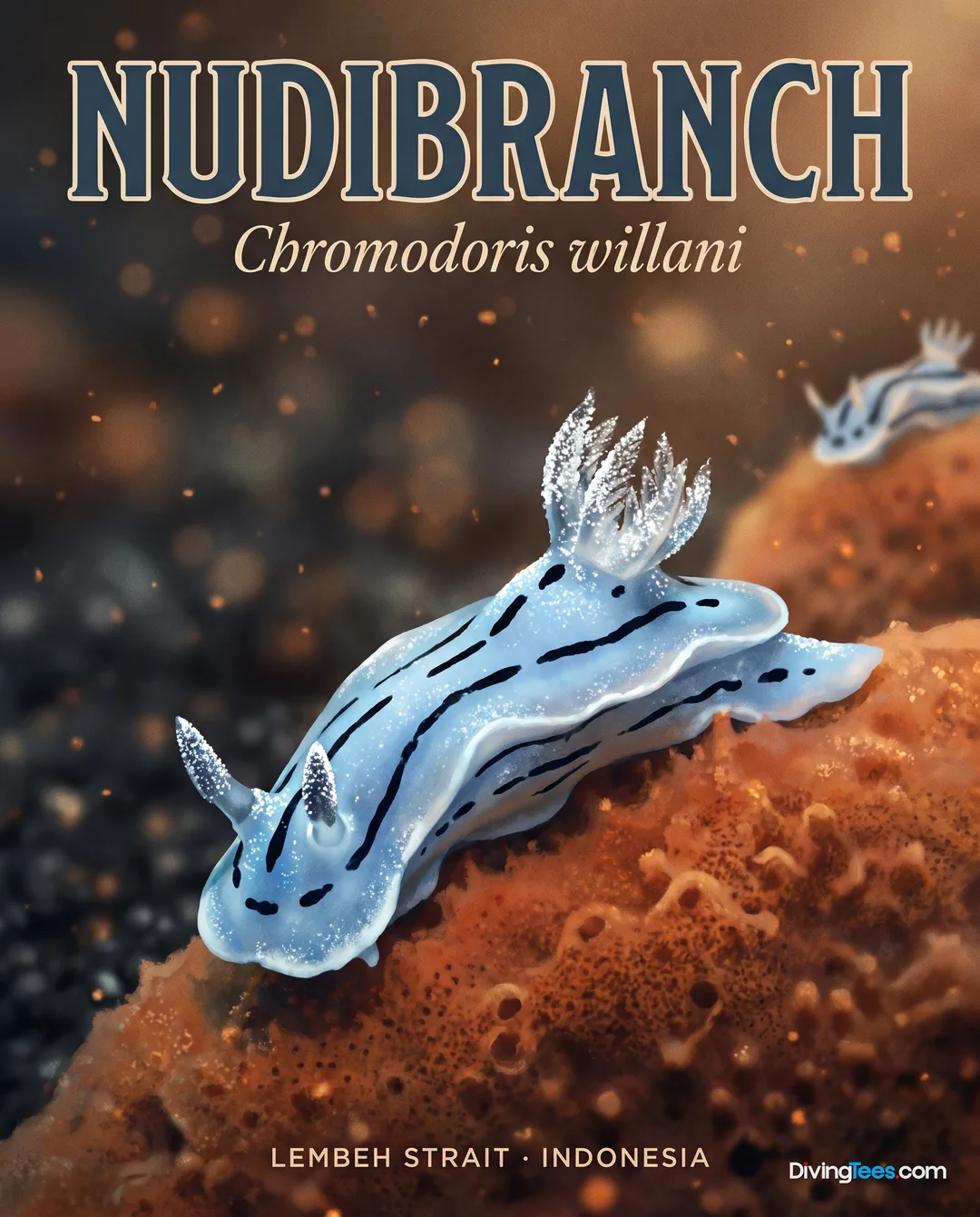
Exploring the contours of the rocky outcrop, keep an eye out for the smaller, intricate details that populate the reef. Nudibranchs, with their vibrant colors and delicate forms, bring moments of macro wonder to an otherwise grand-scale dive. These intricate gastropods cling to the reef, oblivious to the deeper currents, offering a contrast to the powerful presence of the sharks and the vastness of the surrounding ocean.
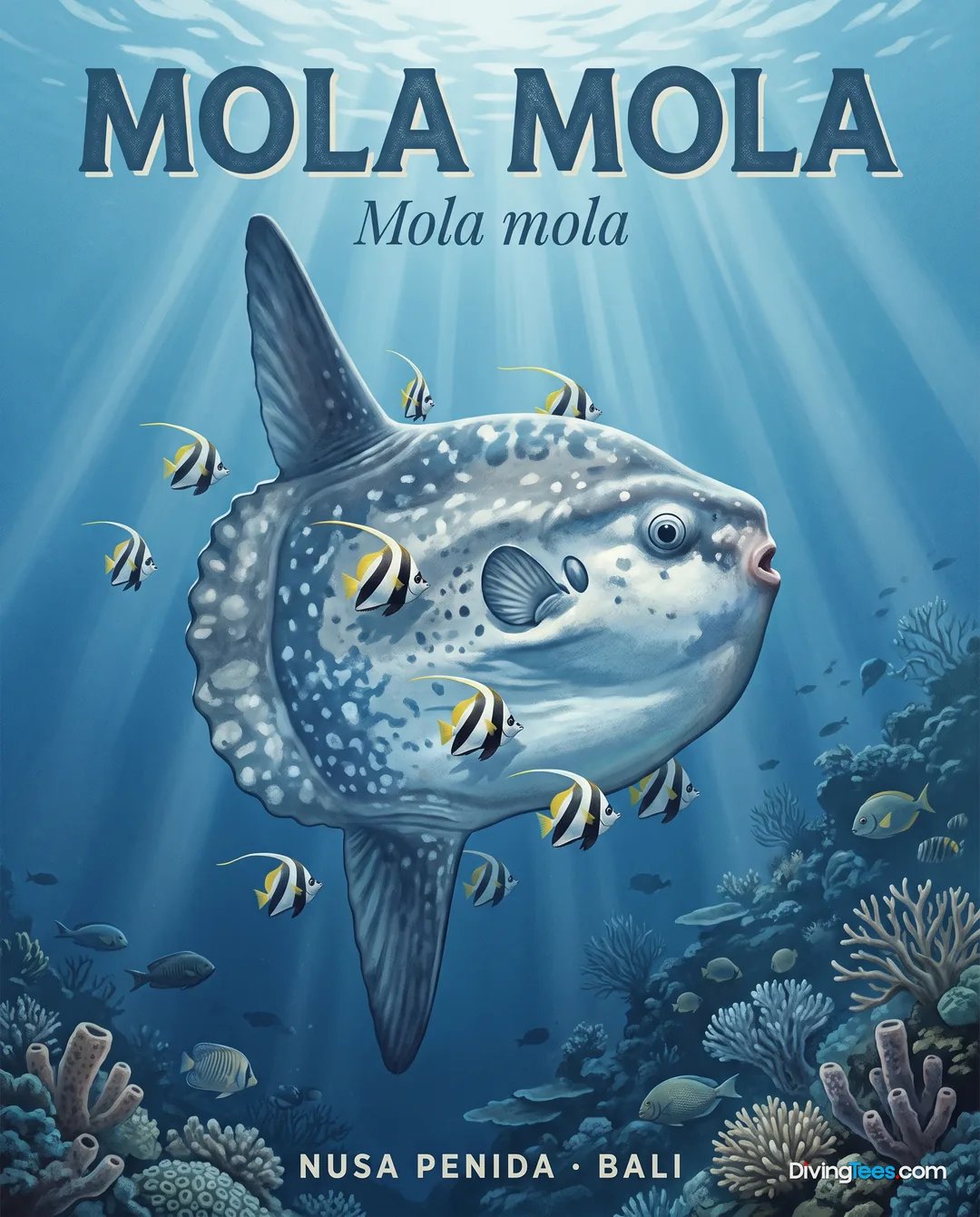
For those diving during the cooler months, specifically August and September, Gili Biaha becomes a prime location for encounters with the elusive Mola-Mola (Oceanic Sunfish). These colossal, sun-loving fish ascend from the deep, typically seeking cleaning stations in the colder upwellings. A silent vigil in the deeper sections, often near the 30-meter mark, can reward patient divers with a glimpse of these incredible oceanic giants gliding through the blue.
The site's unique structure, a combination of a volcanic outcrop, a significant cave, and deep surrounding waters, sets it apart from many other reef dives. It's not just a collection of corals; it's a geological marvel that creates a series of micro-environments, from the shadowed interior of the cave to the current-swept outer walls. This diversity in habit-forming structure is precisely what allows for such a varied cast of characters to call Gili Biaha home, promising a dive that continuously evolves with each turn of the reef.
This is an advanced dive, with depths ranging from 20 to 40 meters. Visibility is consistently around 20 meters. The best time to experience Gili Biaha, particularly for a chance to witness Mola-Mola, is during August and September.
You can dive Gili Biaha throughout the year, with visibility consistently around 20 meters. August and September are the key months for a chance to encounter Mola-Mola, when cooler waters bring these oceanic sunfish into the deeper sections. During these months, you can watch the blue for their seasonal appearance.
Gili Biaha is an advanced dive, with depths ranging from 20 to 40 meters. You can explore the outer walls, deeper reef edges, and the inner crescent, including a spacious cave. The cave creates an overhead environment, so you should be comfortable with advanced diving and the site's deeper profile.
At Gili Biaha, currents are not specifically defined as strong, but they play a role around the rocky outcrop, outer walls, and drop-offs. These moving waters concentrate nutrients and attract marine life, including white-tip reef sharks. You can also find more sheltered conditions inside the cave and inner crescent.
At Gili Biaha, you can explore a volcanic rocky outcrop with a seawater blowhole, a spacious cave, and deeper reef edges. White-tip reef sharks cruise the drop-offs, while vibrant nudibranchs cling to the reef. In August and September, cooler waters may bring Mola-Mola into the deeper sections.