Liveaboards · Indonesia
Mola Mola 2 — a purpose-built wooden liveaboard for Raja Ampat diving
What makes this boat unique
- Mola Mola 2 carries up to 16 divers in eight air-conditioned cabins with en-suite bathrooms.
- The Raja Ampat itineraries run for seven or eleven days, round trip from Sorong.
- Diving is organised around three to four dives per day, with two dives on the final day.
- The boat has two diving tenders, two Coltri 315 compressors, a camera table and charging stations.
- An Advanced Open Water certification or equivalent and at least 40 logged dives are required.
The invitation
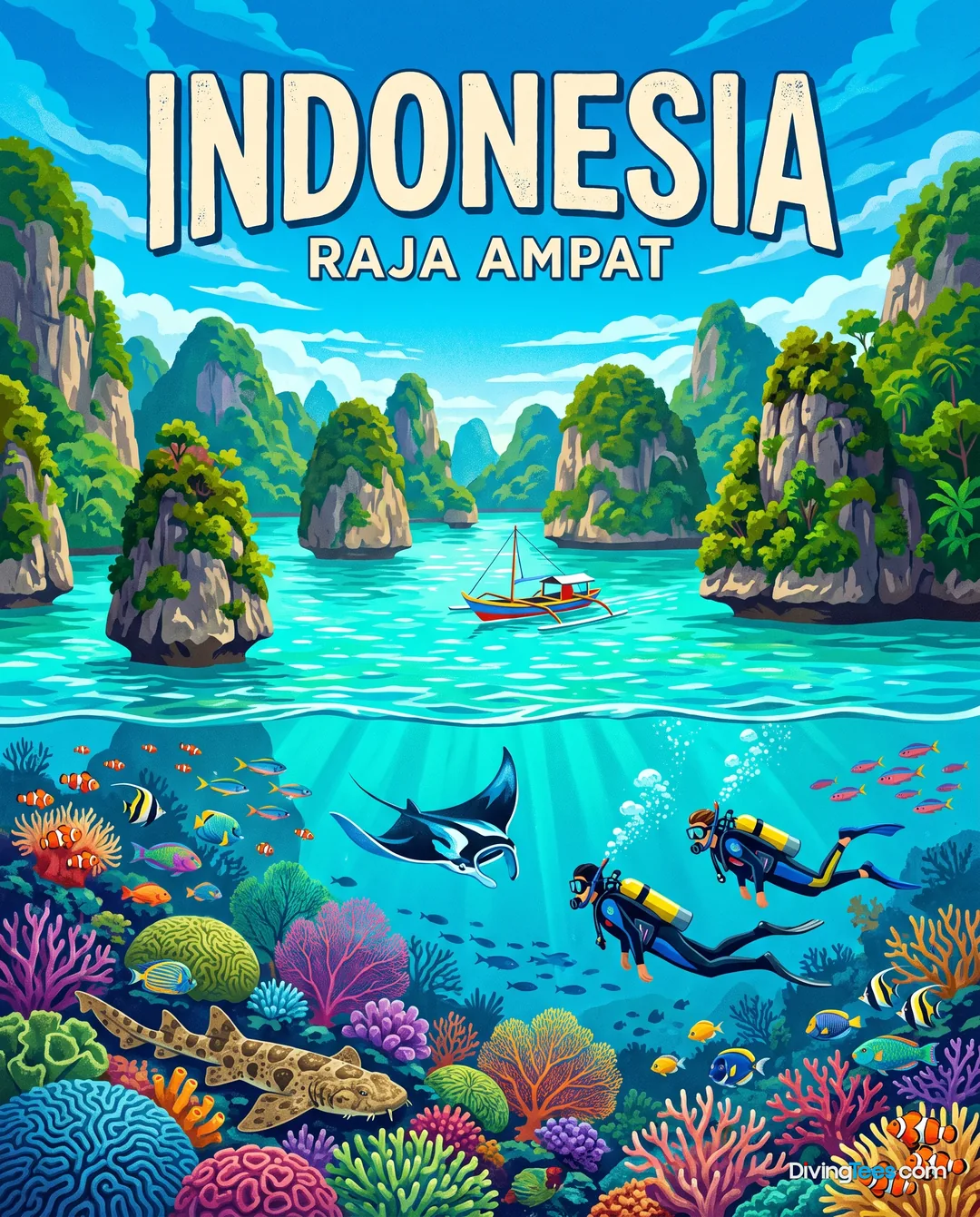
Mola Mola 2 is for divers who choose Raja Ampat for the reef life, not for a floating resort with a dive programme attached. The boat is a wooden Indonesian liveaboard built around repeated days in the water: a proper dive deck, two tenders, two compressors and enough capacity for three to four dives a day. That matters here, because Raja Ampat rewards time underwater more than a hurried list of famous names. The route brings cleaning stations, current-swept reefs, soft-coral walls and schools that can fill the whole view. Above water, the boat keeps things straightforward: air-conditioned cabins, an indoor saloon, a sun deck and full-board meals. It suits divers with some experience in current, a minimum of 40 logged dives and an Advanced Open Water level or equivalent. Those looking for technical diving, onboard Wi-Fi or a fully accessible vessel should choose elsewhere.
Boarding
The first impression is of a substantial wooden Indonesian liveaboard rather than a compact yacht. Mola Mola 2 has the practical character of a boat built to move divers through remote eastern waters: open areas for gear and tenders, a dive deck that keeps the water close, and indoor spaces for the heat between dives. The wood gives the boat a warmer feel than a metal hull, while the air-conditioned saloon offers a cool place to eat and regroup. Two tenders handle the transfers to the reefs, so the main hull can remain clear while dive groups are in the water. There is room for groups and private charters, but the boat is not designed for wheelchair access. The useful impression is simple: a working dive vessel with comfortable places to recover, rather than a ship built around formal luxury.
The atmosphere on board
The atmosphere is shaped less by formal service than by the crew's presence throughout the day. Guests describe a crew that handles the practical work closely: keeping people comfortable, helping with what they need and making the dive operation feel looked after. That matters on a liveaboard, where a small delay with gear or a missed detail is felt four times a day. The guides are part of the social centre of the trip because they lead the briefings, choose what to show and talk through what came up on the reef. With a maximum of 16 passengers, the group is large enough for different personalities but still small enough for the same faces at every meal and on every tender. Evenings are for food, conversation and reviewing the day's sightings rather than online entertainment.
The sites you’ll dive
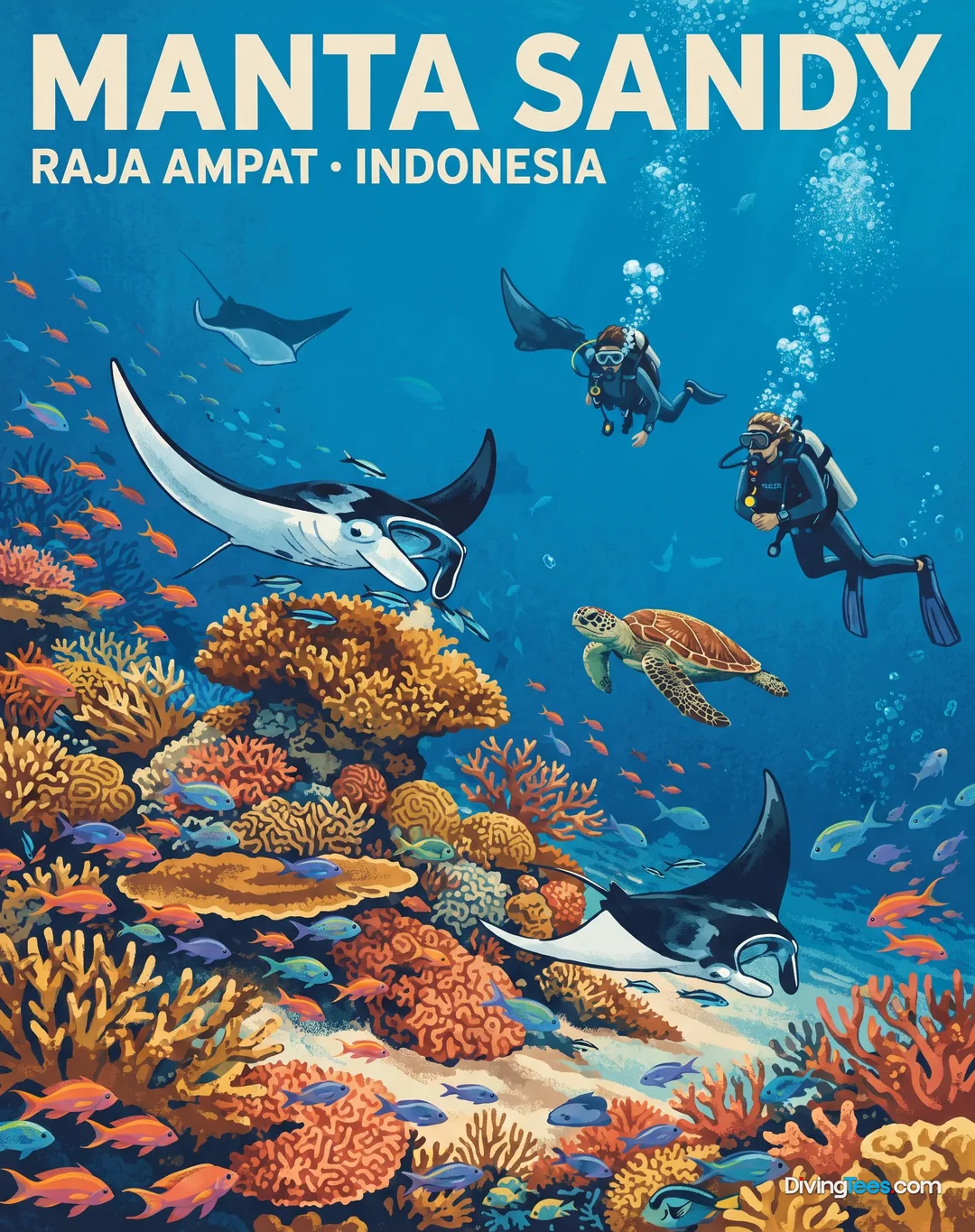
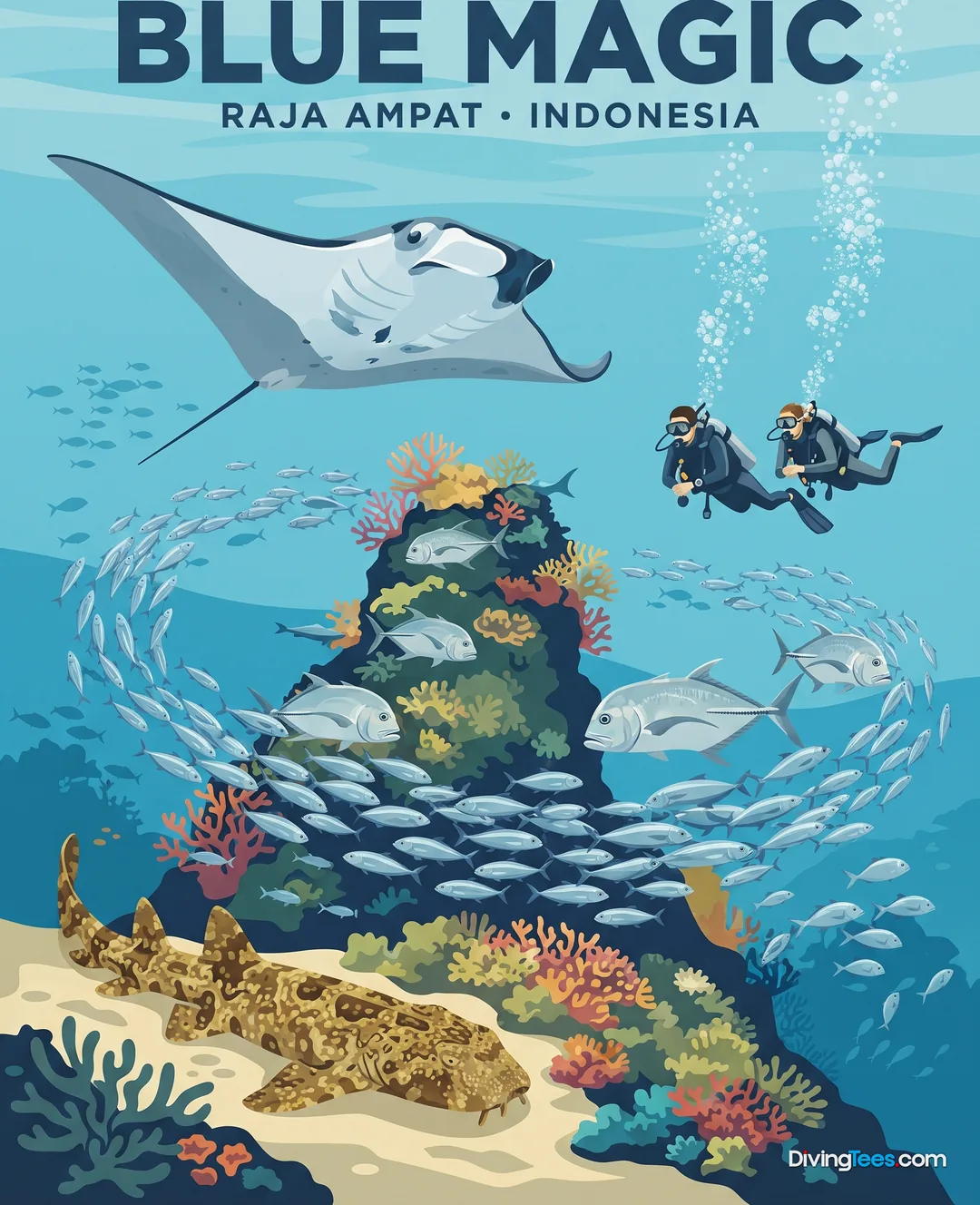
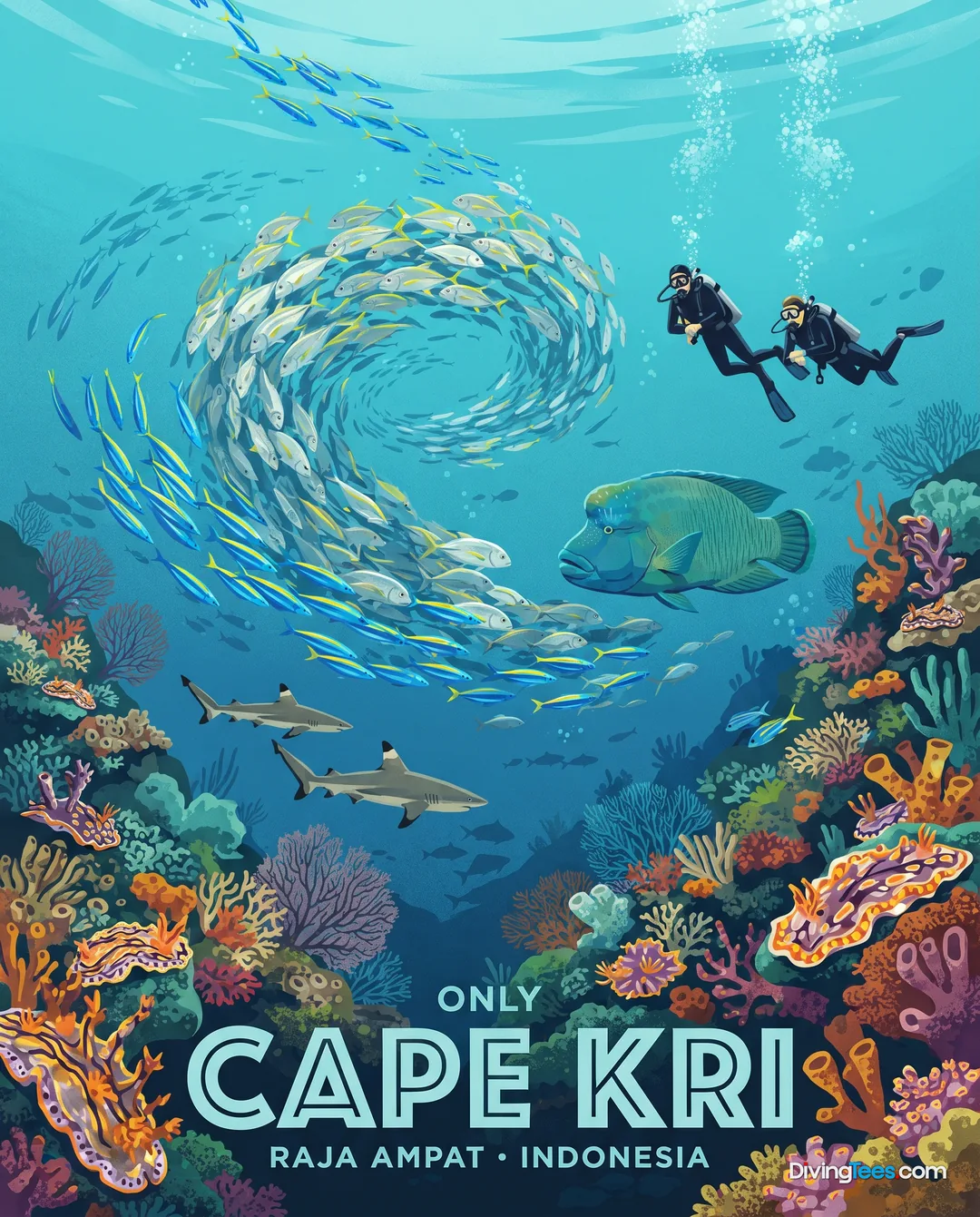
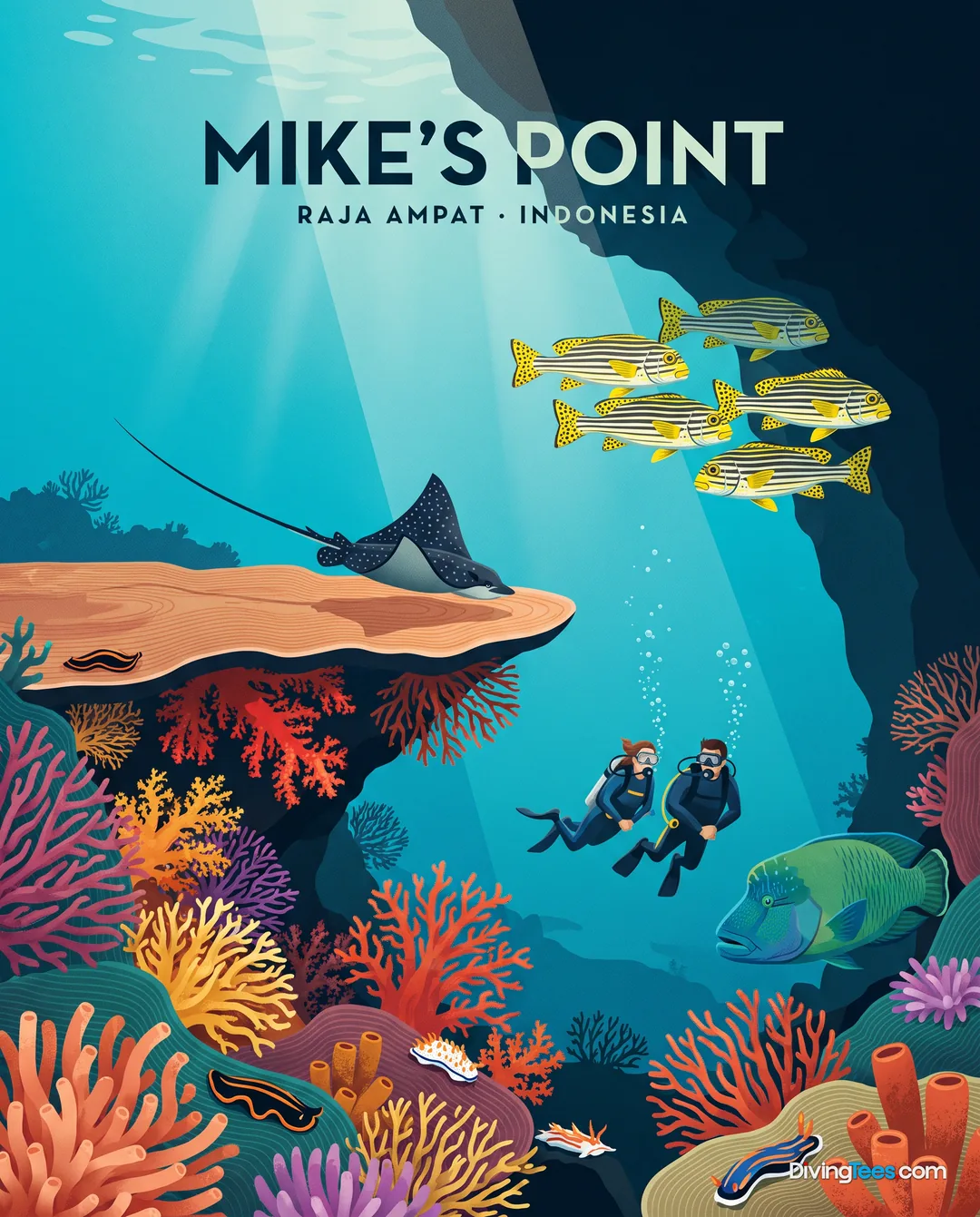
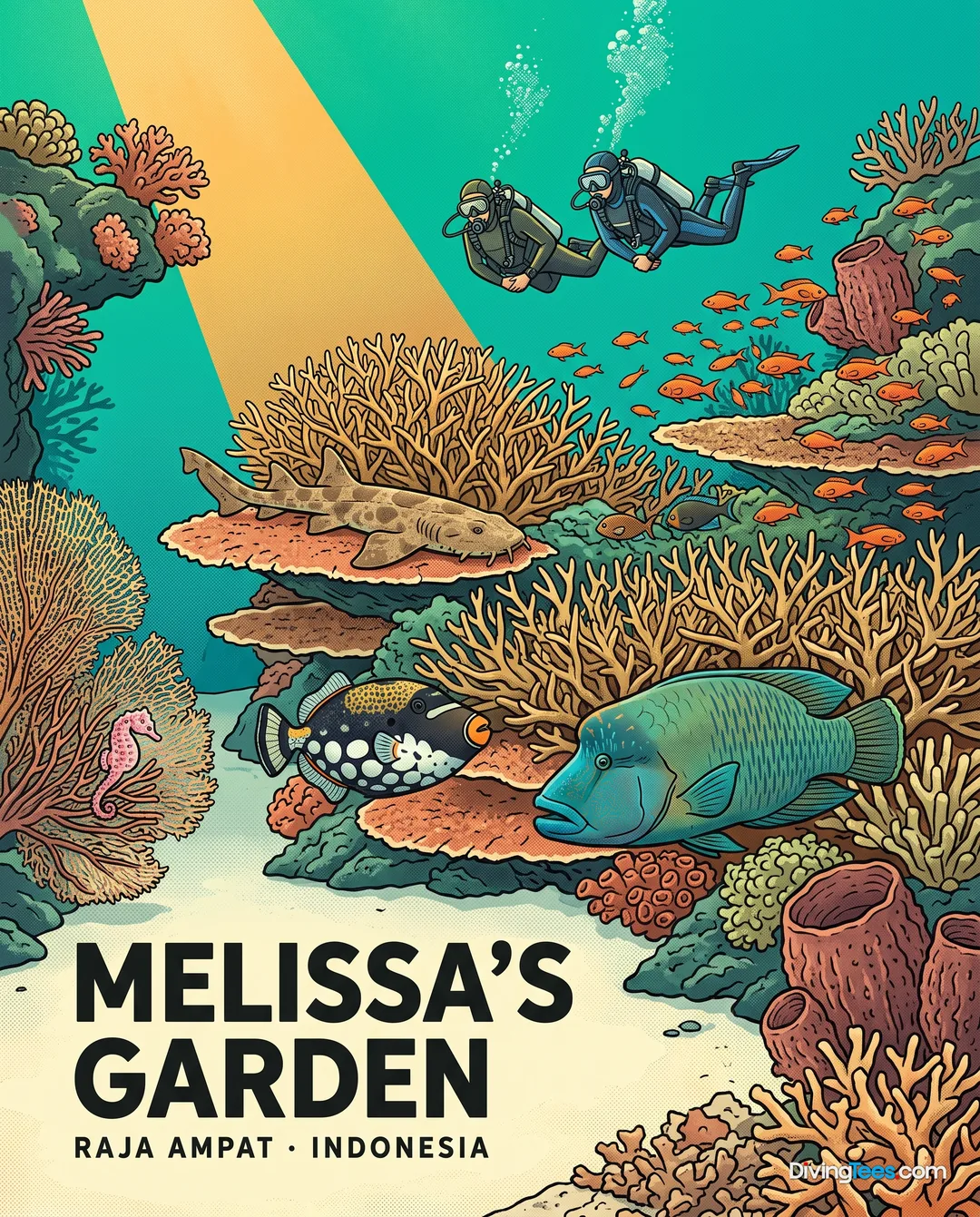
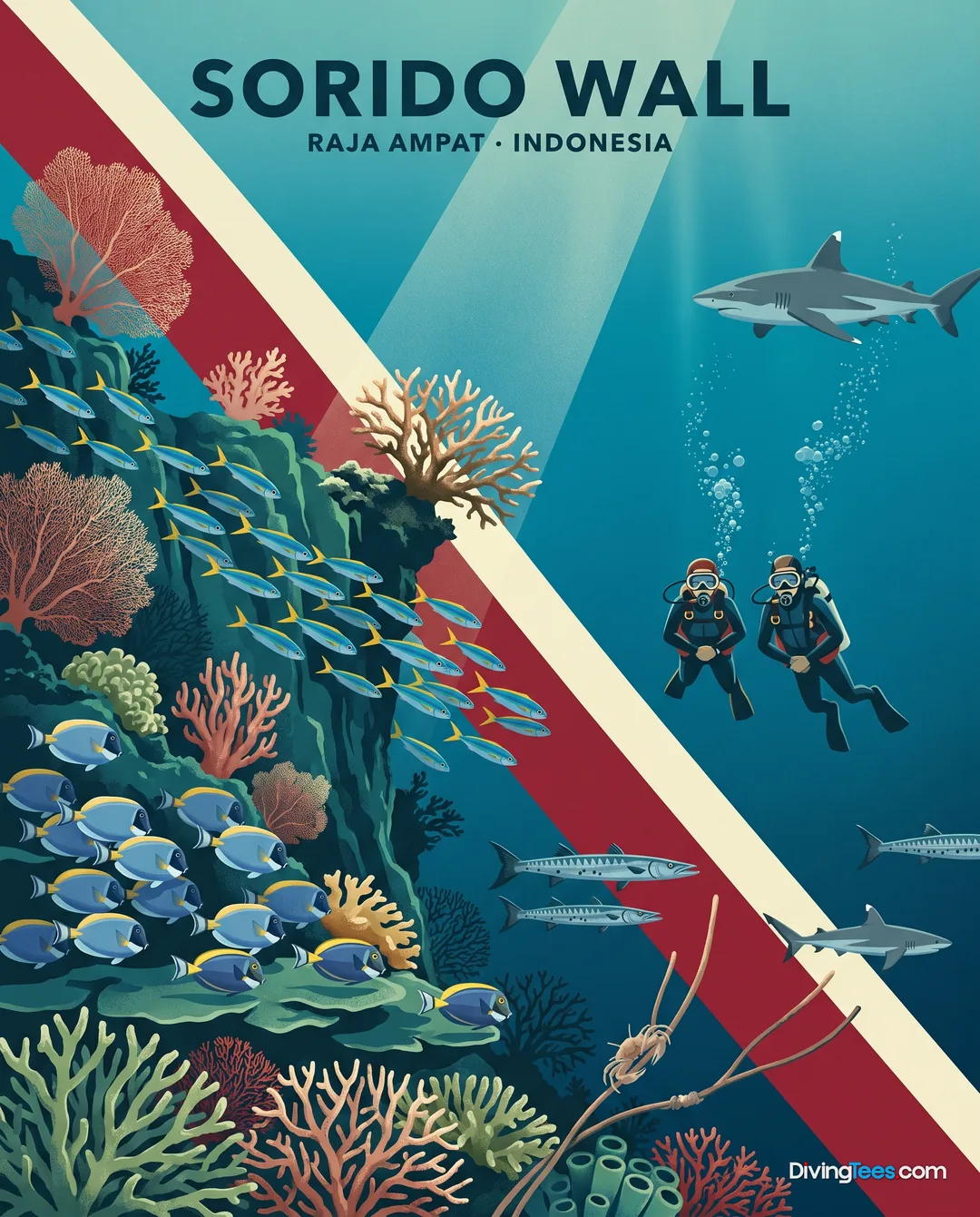
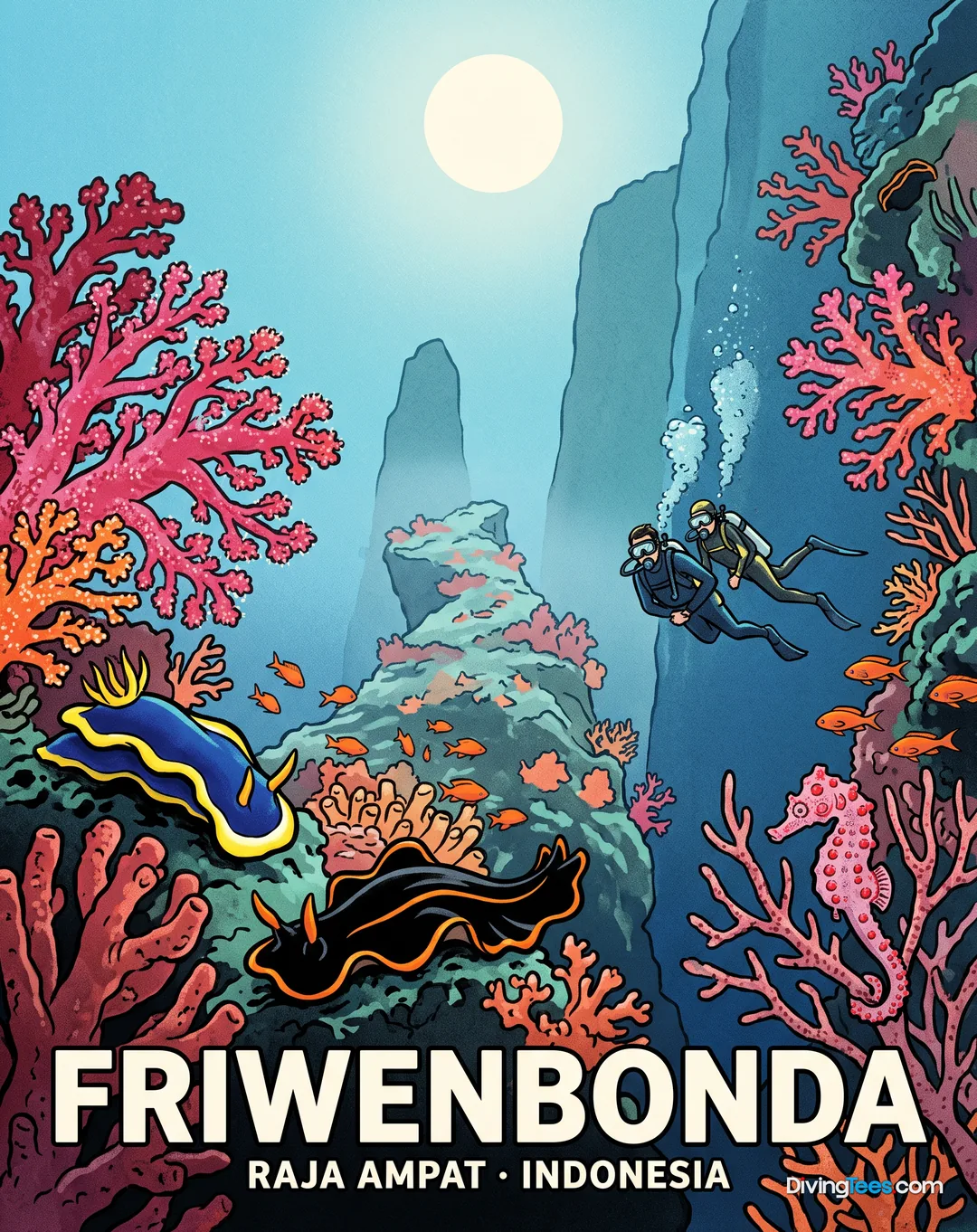
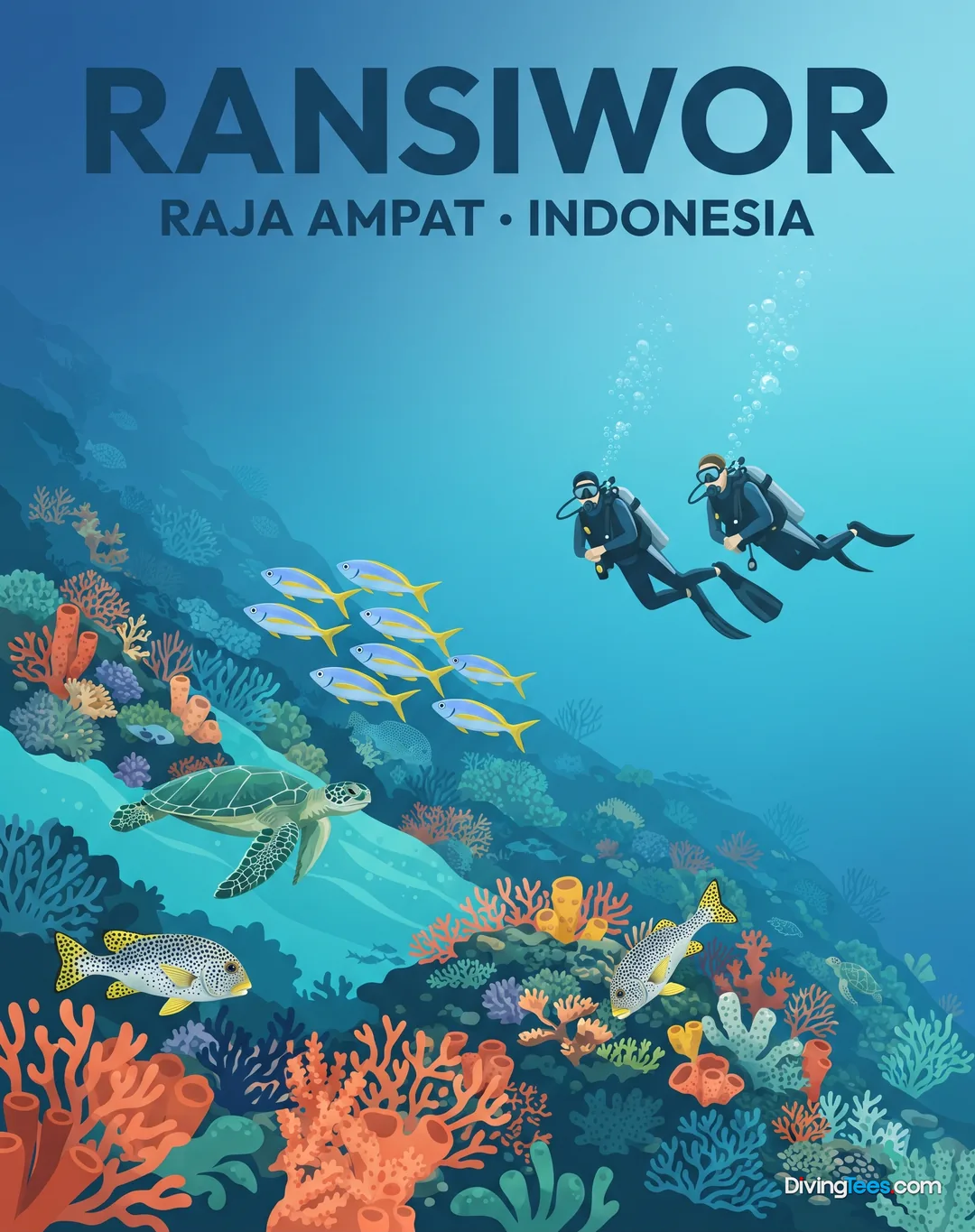
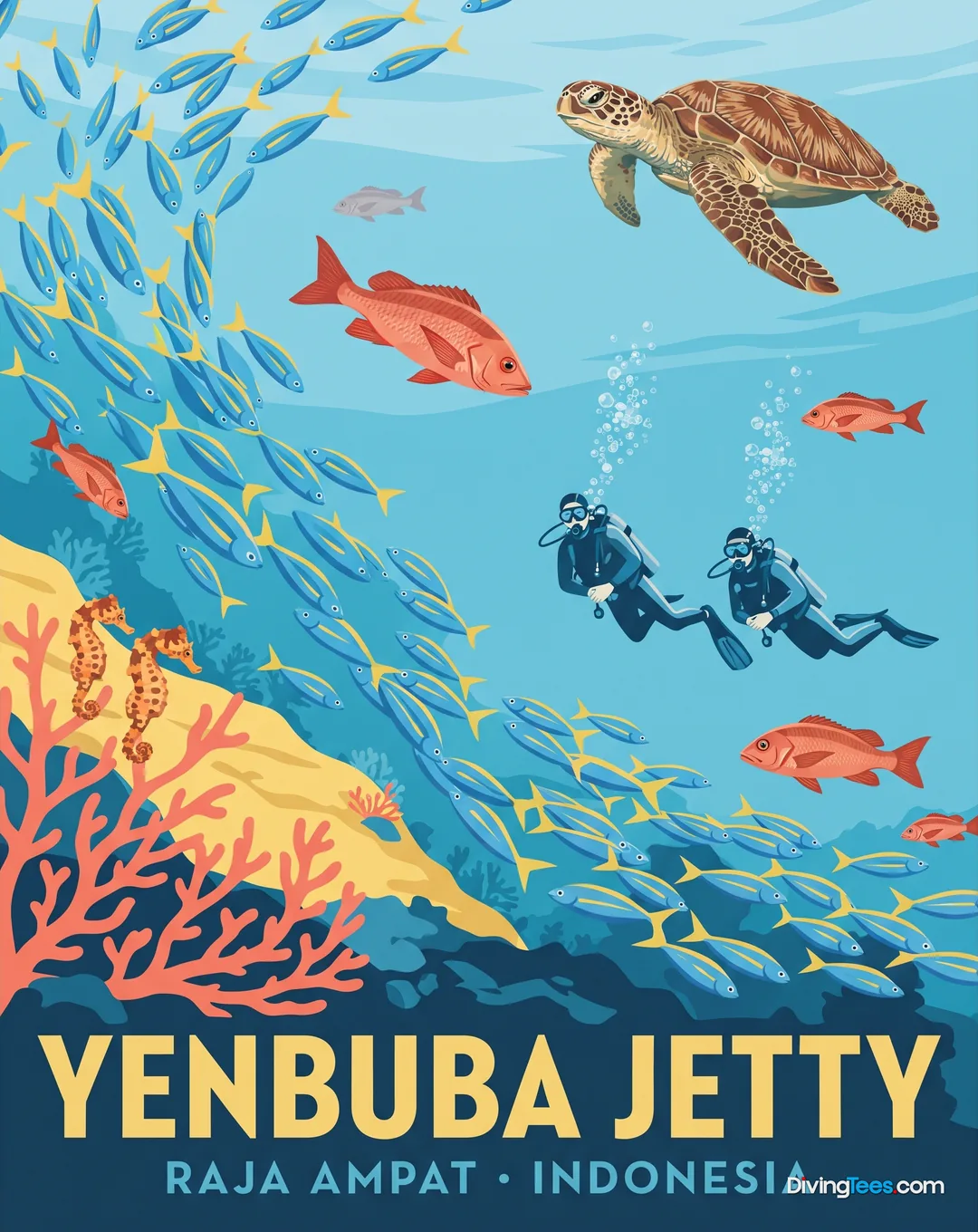
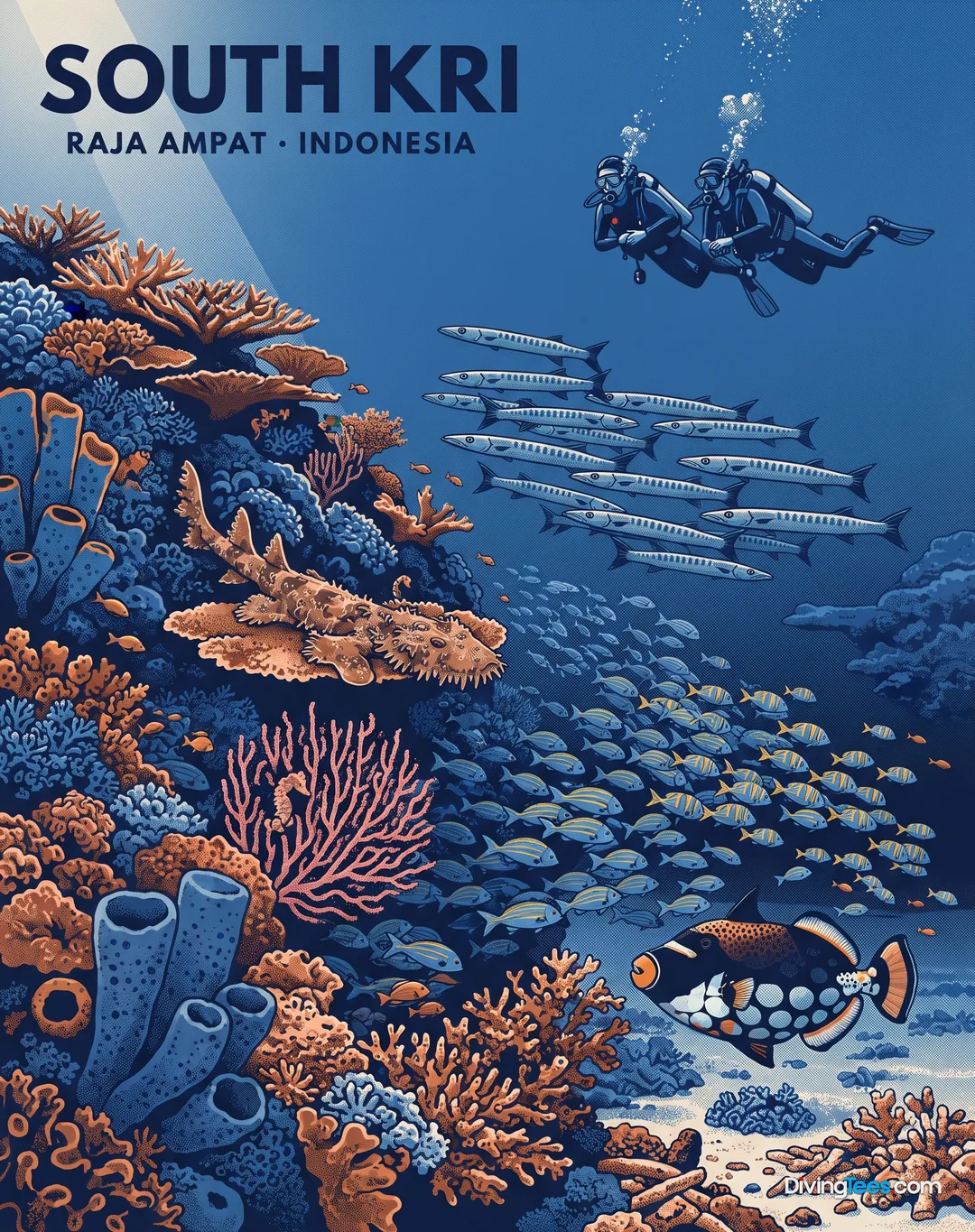
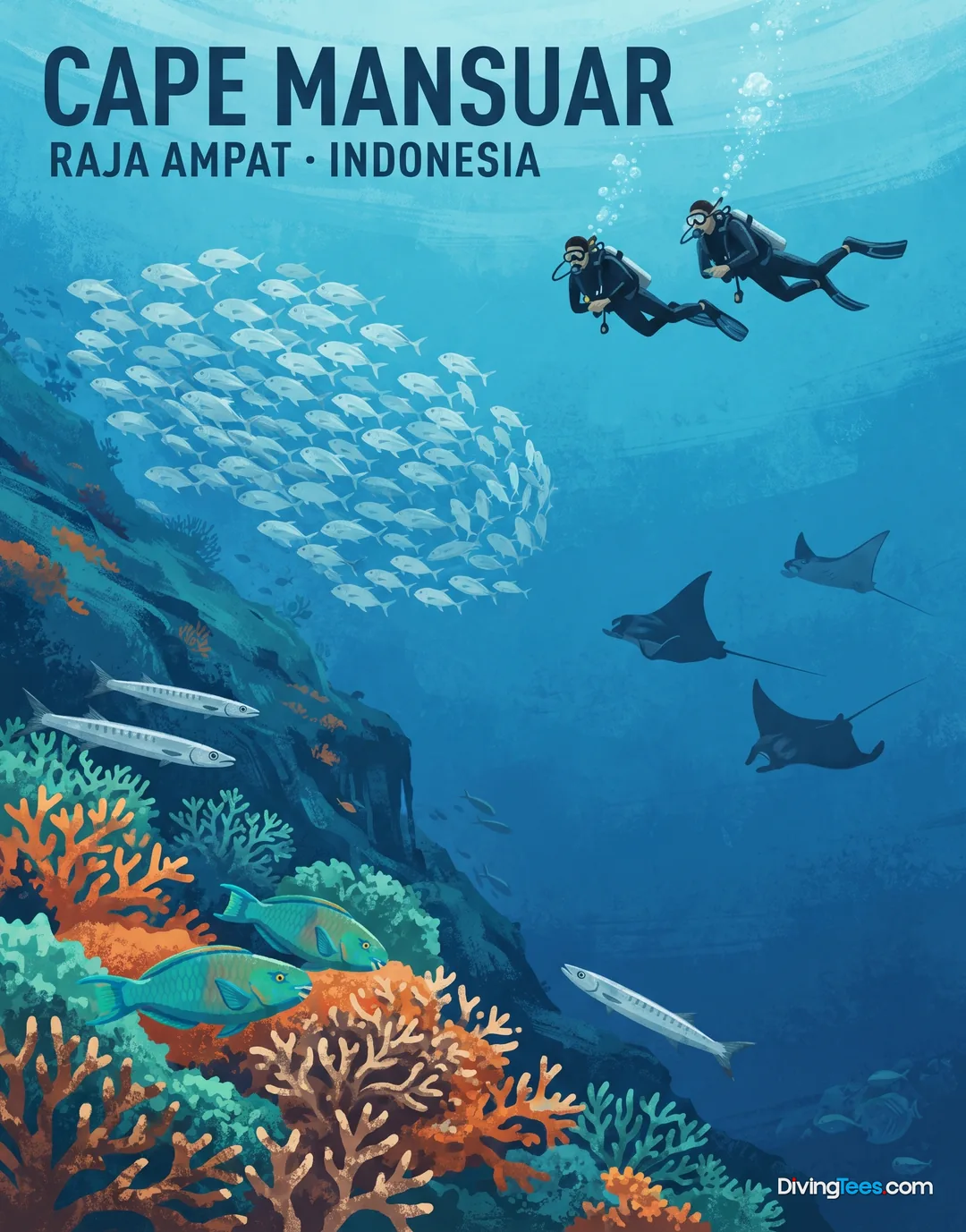
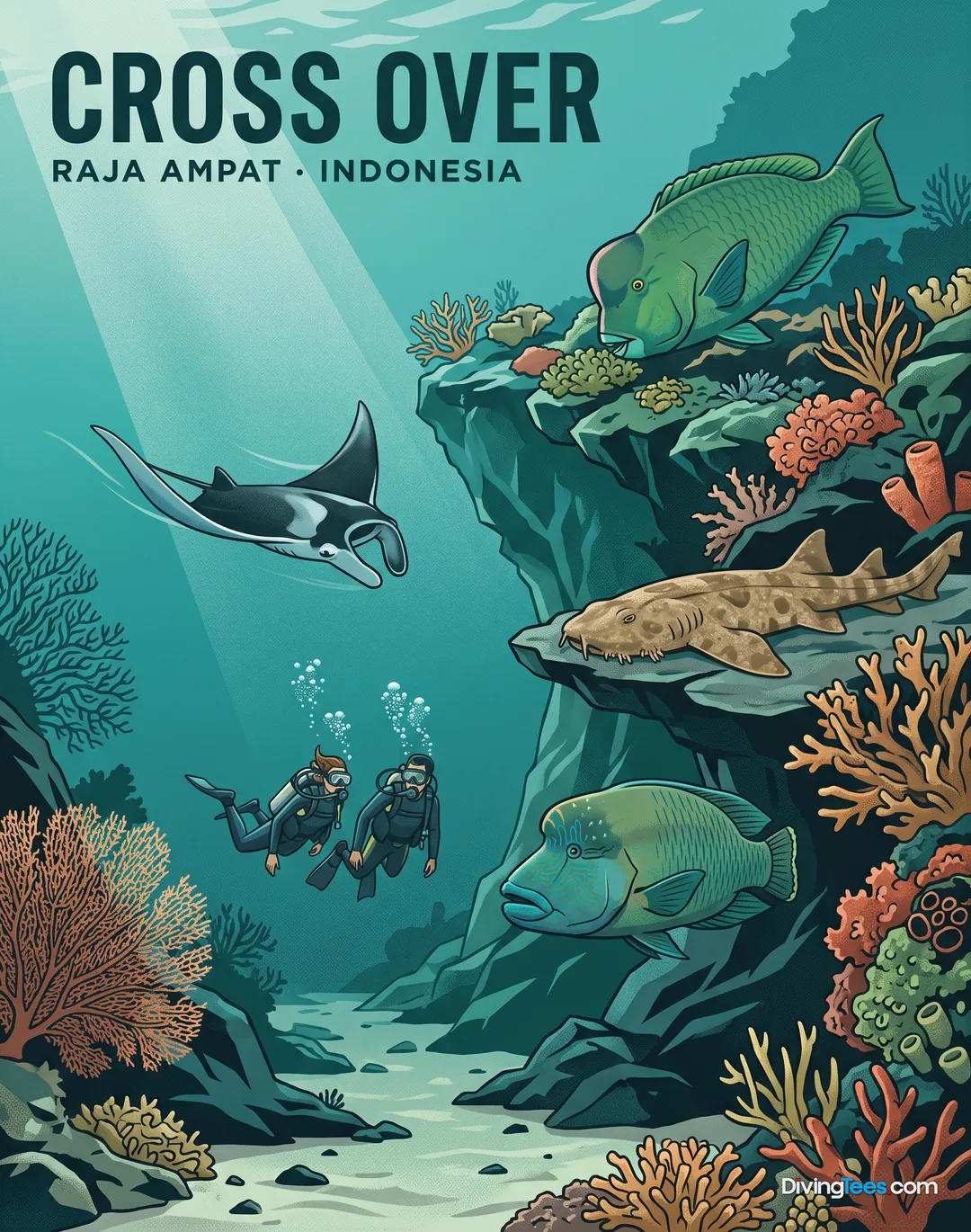
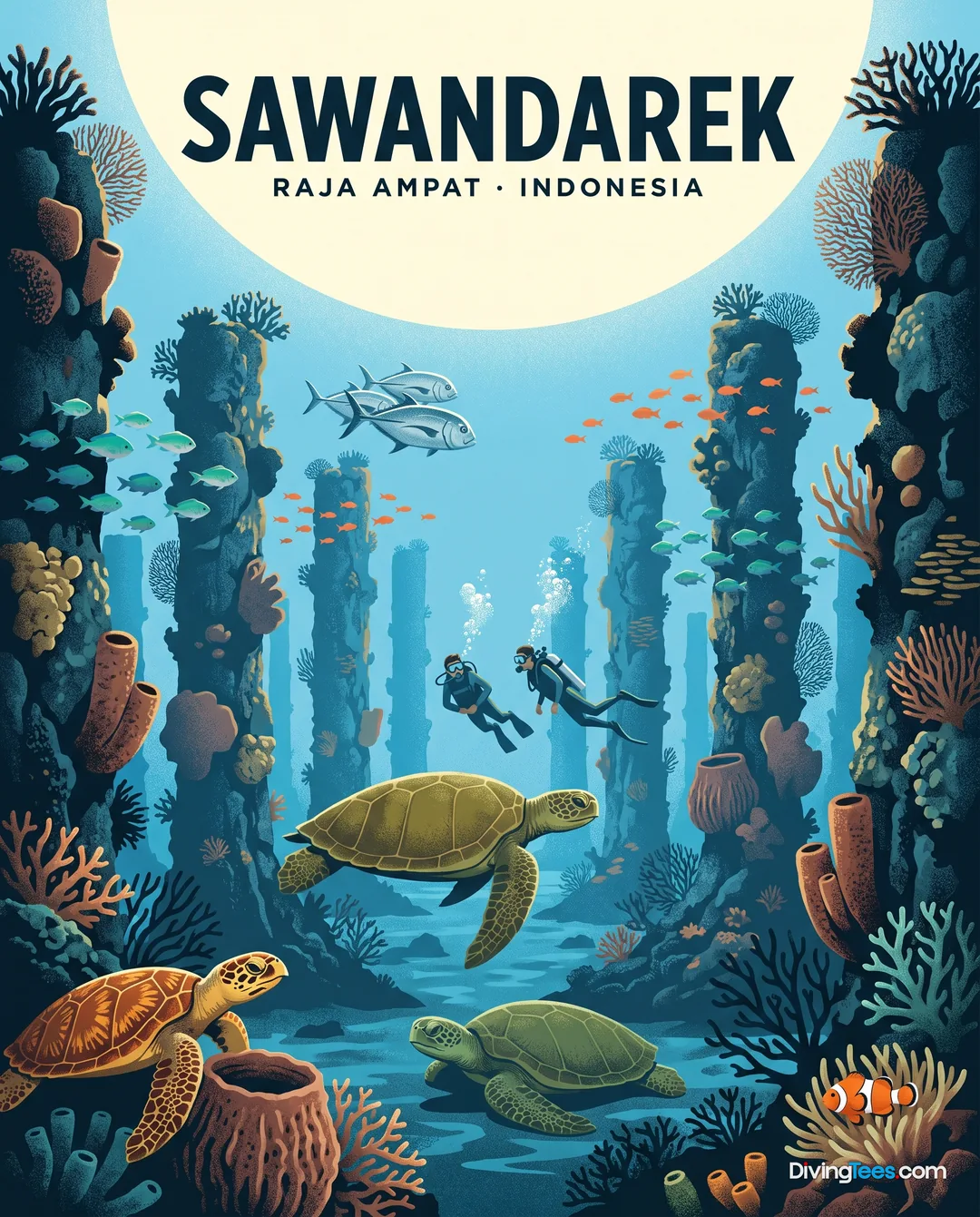
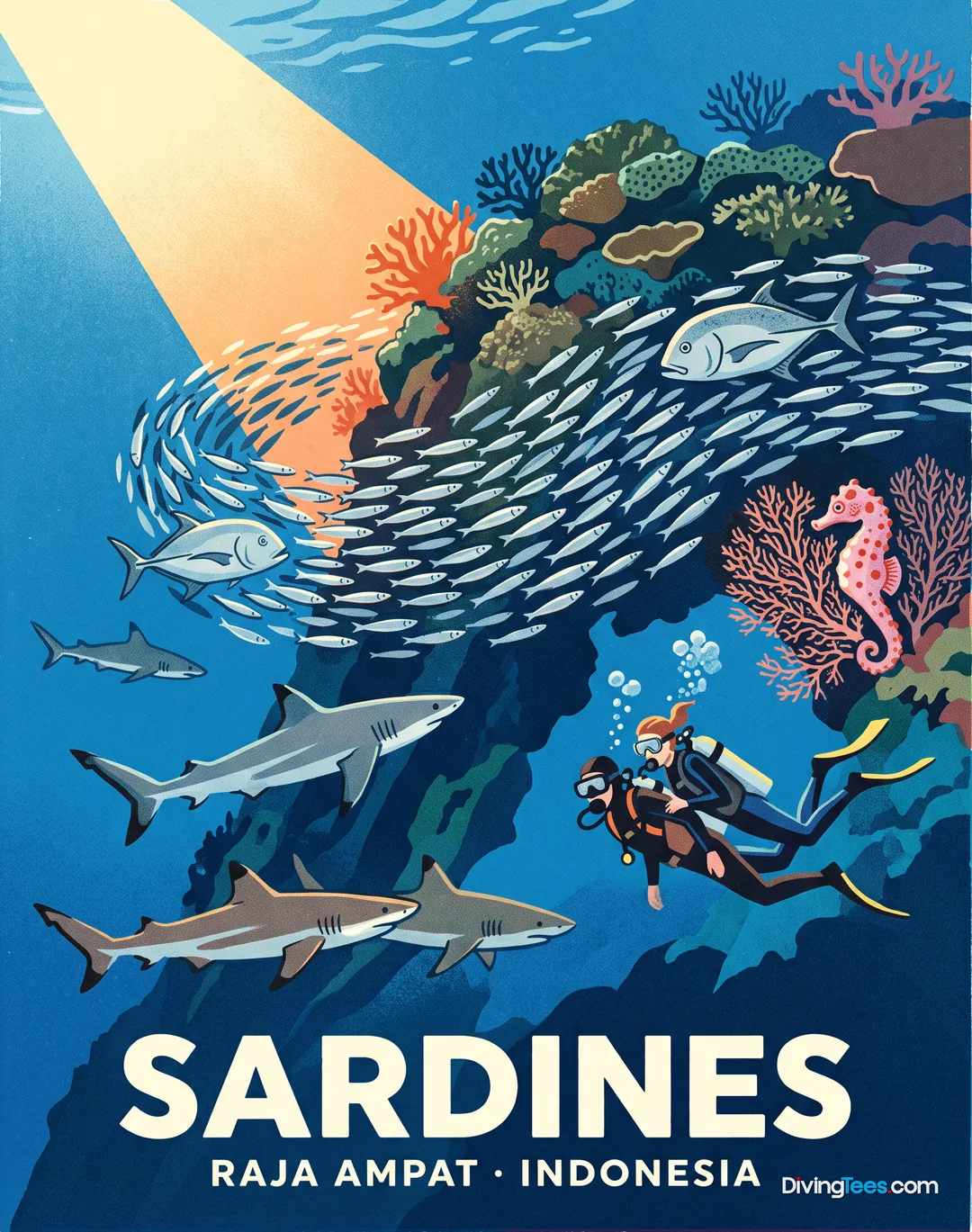
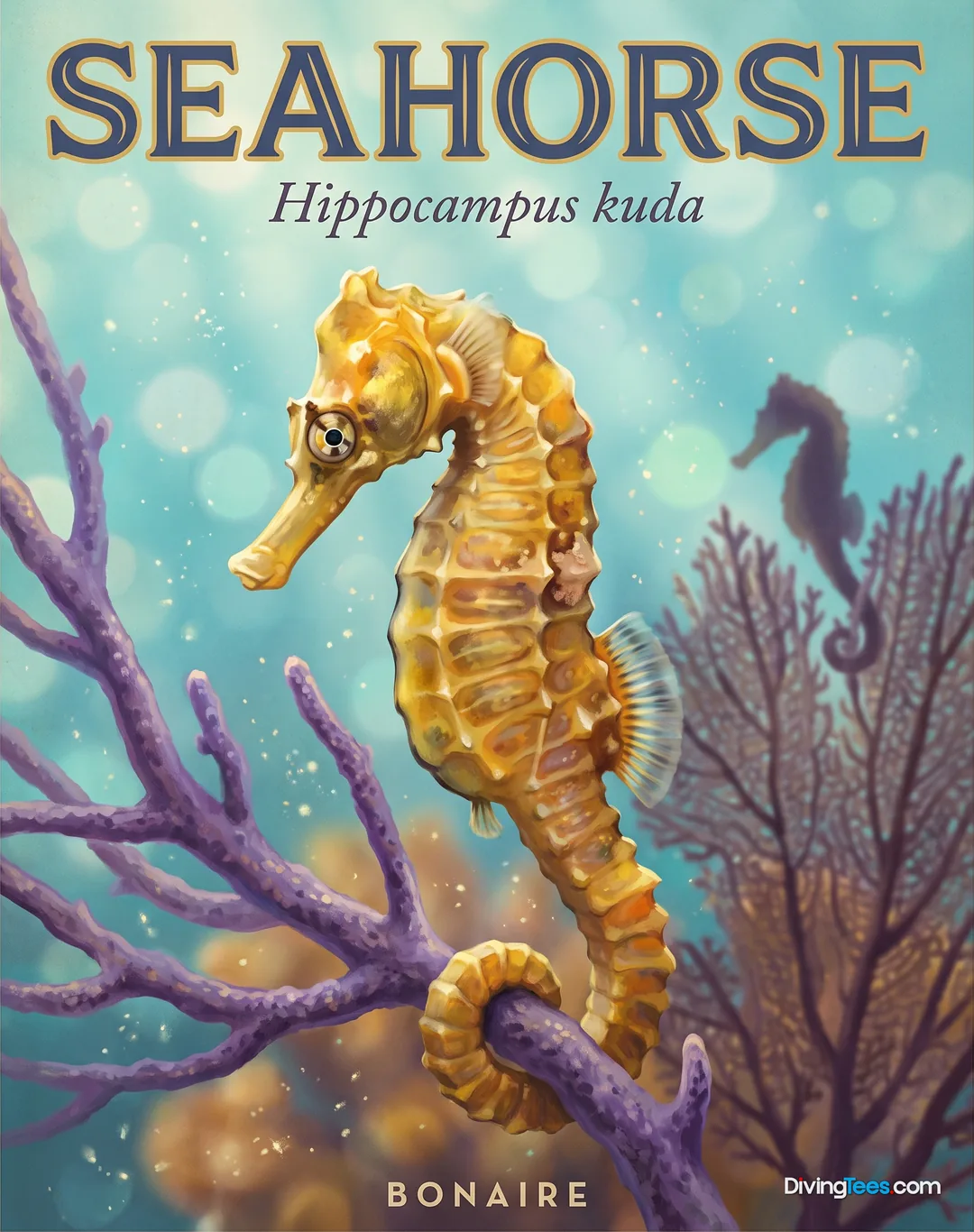
The Raja Ampat route is built around reefs that change character from one dive to the next. At Manta Sandy, reef mantas may hover over cleaning stations, while Blue Magic adds schooling fish and possible oceanic manta encounters. Cape Kri is the abundance dive, with dense fish life and a reported 374 fish species observed on one dive. Mike's Point combines overhangs, soft corals, sweetlips and a flat plateau where eagle rays may pass; its maximum depth is -40m. Melissa's Garden reaches -35m among soft coral and staghorn formations. Sorido Wall carries barracudas, reef sharks and clouds of fusiliers, while Friwenbonda follows a soft-coral wall with macro life and pygmy seahorses. Ransiwor slopes to -30m and includes cleaning stations; Yenbuba Jetty reaches -30m beneath fish-filled, coral-covered pilings. South Kri, Cape Mansuar, Cross Over, Sawandarek and Sardines add drift reefs, turtles, pelagics and schooling fish. Trips from Sorong run for seven days and six nights or eleven days and ten nights.
What you’ll meet underwater
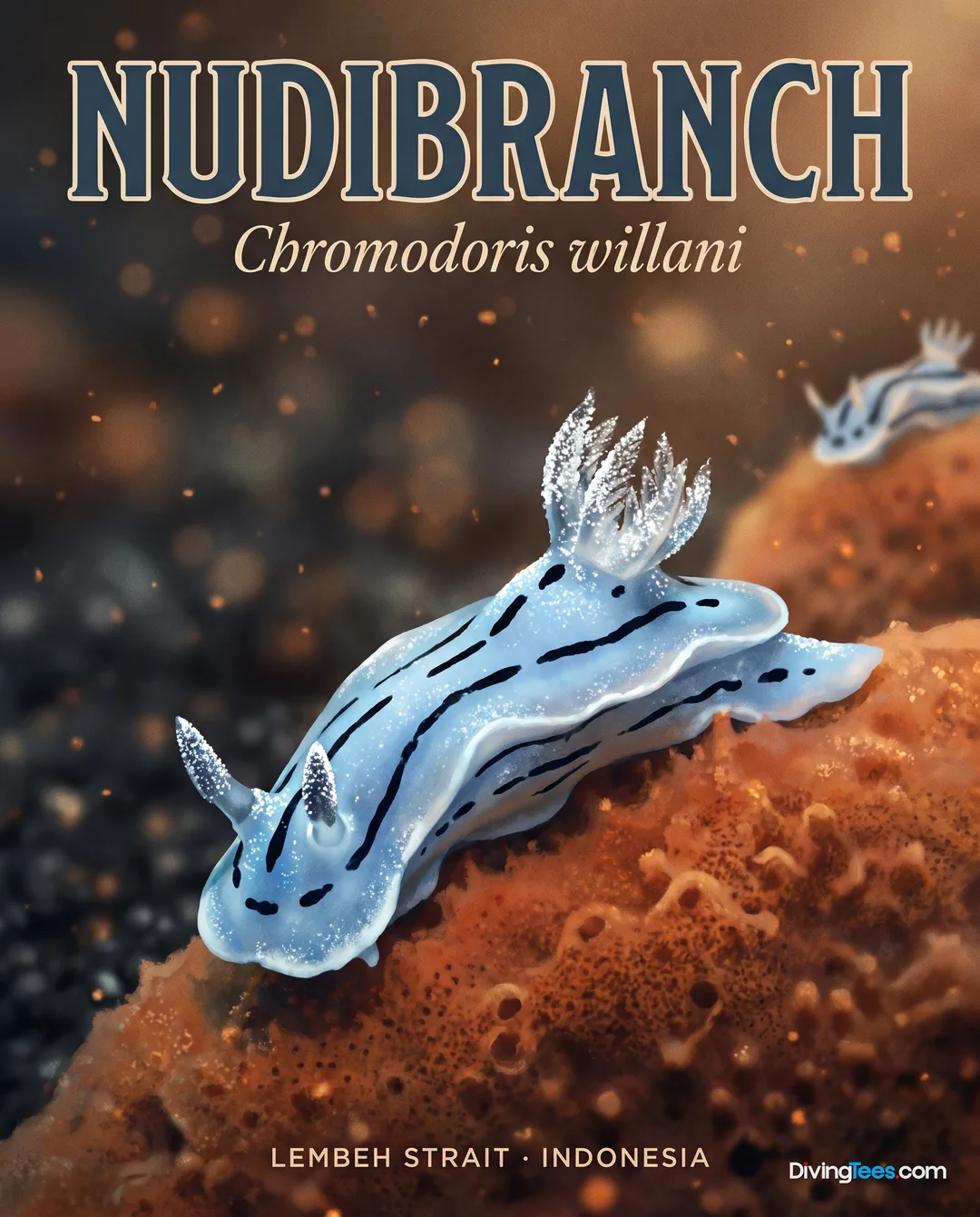
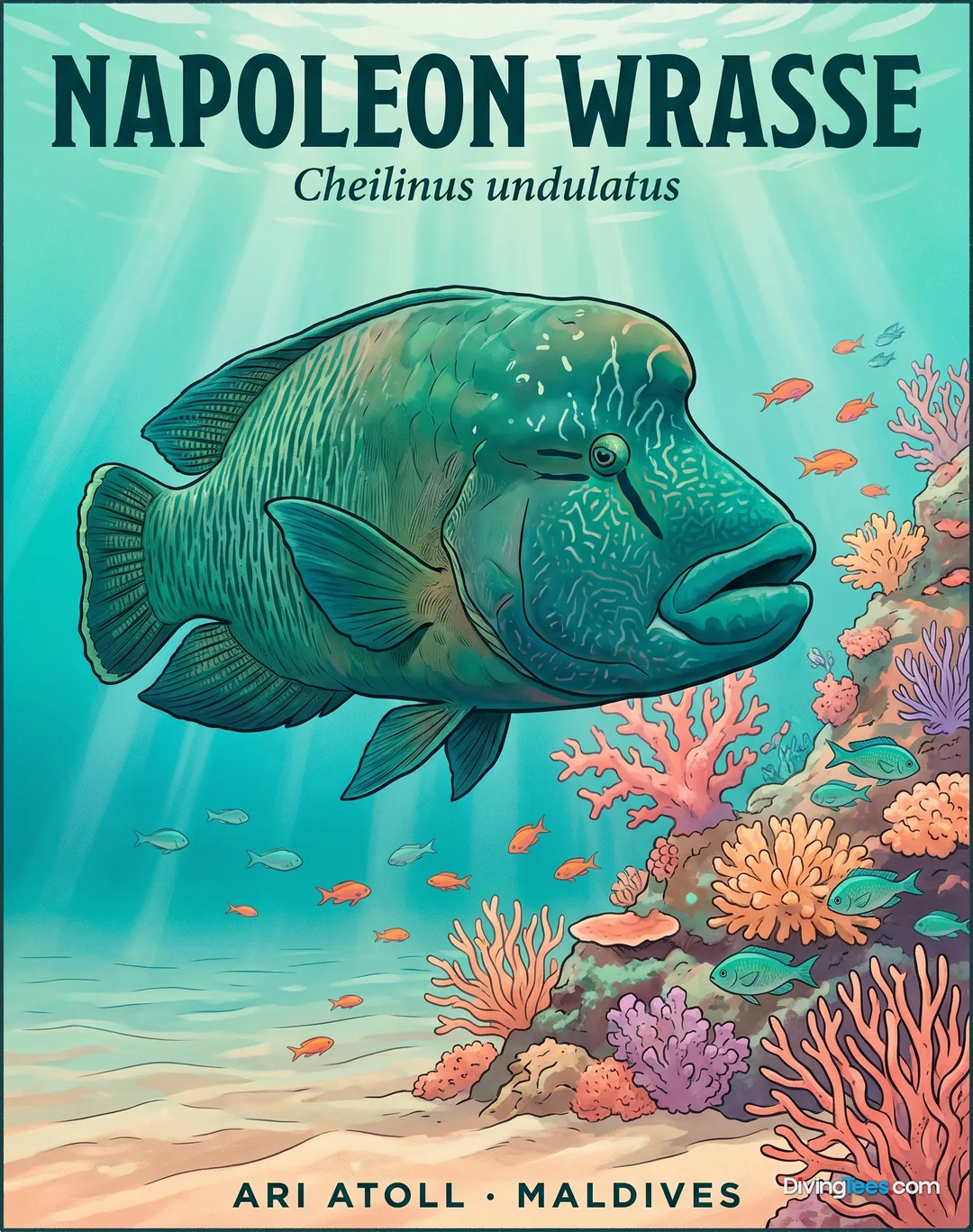
The route's regular cast is broad: barracudas and reef sharks occur across seven recorded sites, while nudibranchs do as well. Jacks, fusiliers, humphead parrotfish, Napoleon wrasse, blacktip reef sharks, turtles and sweetlips are recurring possibilities, with soft corals, pygmy seahorses and eagle rays adding the smaller and quieter encounters. The reason to move between sites is the species that has a particular address. Blue Magic is the place recorded for oceanic sharks and tuna. Cape Kri is the only site on this route recorded for giant grouper. Ransiwor is where a titan triggerfish, an ornate ghost pipefish? and an octopus may add something different; the verified list also records the Moorish idol there. South Kri is the only recorded site for bigeye trevally, crabs and shrimp. Yenbuba Jetty is the place for anthias and damselfish among the pilings, while Sorido Wall is the site recorded for surgeonfish. Current, cleaning stations and reef structure draw much of the larger life, but sightings remain sightings, not promises.
Who puts you in the water
English and Indonesian are spoken by the crew. A dive guide accompanies the trips, and the operation asks for at least 40 logged dives plus Advanced Open Water certification or an equivalent level. That threshold fits Raja Ampat better than an introductory itinerary: several sites are current-affected, and Cross Over is specifically described as having strong currents. Briefings need to cover the reef shape, the flow and the exit plan before each group leaves the tender. The available information does not give guide numbers, group ratios, instructor qualifications, onboard courses or the details of oxygen, defibrillator or recall equipment. The boat lists full safety equipment, but divers who need a particular emergency system should ask before booking.
The dive deck and the gear
The dive operation is built for regular recreational diving in Raja Ampat. Twelve-litre tanks and weights are included; 15-litre tanks and rental equipment are available at extra cost. Two Coltri 315 compressors fill the tanks, and a Coltri membrane system provides nitrox at extra cost. The boat is not intended for technical diving. Divers reach the sites through two tenders, then return to a dedicated dive deck, where the camera table and charging stations give photographers a place to prepare and power equipment between dives. The stated equipment information does not identify tank material, valve type, rental brands, rinse-tank layout or hot-water facilities, so those details should not be assumed. The basic arrangement is clear: a dive-first deck, shore-style tender access to the reef and the filling capacity needed for three to four dives per day.
Between dives
Between dives, the boat gives guests two different places to settle. The sun deck has loungers for those who want heat, wind and an open view, while the air-conditioned saloon and indoor dining area provide shade and cooler air. Sailing time can be spent moving between the dive deck and these spaces, checking a camera, talking through the last dive or simply getting out of the sun. Paddleboards and a banana board are available, and snorkeling equipment is provided for time in the water without a scuba tank. There is no Wi-Fi, so the quiet hours are genuinely disconnected. On a Raja Ampat route, that leaves the sea, the islands and the next briefing as the natural markers of the day.
A day on board
A day is organised around the dives rather than the clock. The first briefing comes before the first group leaves for the reef, followed by the next dives as the boat and tenders move with the sites and conditions. Three to four dives are scheduled on a normal day, with meals and drinks filling the intervals between them. Those gaps are long enough to eat, rinse cameras, rest in the air-conditioned saloon or sit on the sun deck before the next preparation begins. The boat may be underway while guests are recovering or while the crew resets the dive operation for the next site. On the final day, the programme drops to two dives, giving the trip a different close. The exact sites and sequence can change with weather, current and the needs of the diving.
What you eat aboard
Meals are served buffet style, with Western and local food prepared on board. Dietary restrictions are catered for, and hot and cold soft drinks are available alongside unlimited tea, coffee and drinking water. The buffet format fits a four-dive day better than a long formal meal: divers can eat, return to the dive deck and keep the day moving without waiting for a set course. Local dishes give the galley a connection to Indonesia, while familiar Western food helps after a demanding dive. Full board is included, but alcoholic drinks and soft drinks are extra. The table is part of the recovery cycle here—food appears between dives, not as an event that takes over the trip.
Nights at sea
At night, the important difference is having a private, air-conditioned place to come back to after a day of current and salt. The eight cabins are compact, with en-suite bathrooms and a wash basin; four have twin beds on the lower deck, two have twin beds on the upper deck and two have double beds on the upper deck. The rooms are arranged for two guests, so couples can choose a double while friends or dive partners can take a twin. Wood remains part of the boat's character, but the cabins are set up for function: sleep, shower, dry off and start again. The indoor saloon gives guests another quiet, cooled space when the deck is still warm. Wi-Fi is not available, which suits a trip where the day's real focus is below the surface.
Twin Cabin
Double Cabin
What to know before boarding
Raja Ampat trips depart from and return to the port of Sorong. A scheduled group transfer between the airport and the boat is included. Private transfers are separate, so the operator's instructions should be followed for the meeting point and timing. Arriving in Sorong the night before is sensible, leaving room for a delayed flight without putting embarkation at risk.
- Year built
- 2022
- Length
- 44 m
- Beam
- 35 m
- Maximum number of passengers
- 16
- Number of cabins
- 8
- Engines
- Mitsubishi 10m21 turbo, Mitsubishi 6d22 turbo
- Tenders
- × 2
- Website
- molaliveaboard.com ↗
Hello, I'm Marina, DivingDeal.com's AI assistant. I answer in detail about hotels, dive centres and liveaboards.

Thinking about the whole trip and the flights? Talk it over with Edith →
Marina is an AI. Some links are affiliate links: DivingDeal may earn a commission, at no extra cost to you. Bookings are made with the partner.