
Kemujan Diver's
Google 5/5 (234 reviews)
Java · Indonesia · Asia
Max. depth · 42 mBegin your dive directly from the jetty and follow the extensive slope of Pioneer Reef, where moray eels and schooling barracuda hold the deeper sections.
Pioneer Reef, often known as the House Reef, offers direct entry from a jetty, making it a straightforward dive from the surface. After a short swim, you drop onto a continuous, extended slope that gradually deepens. This profile is forgiving, allowing you to manage your depth according to your experience, from shallow reef exploration to deeper sections.
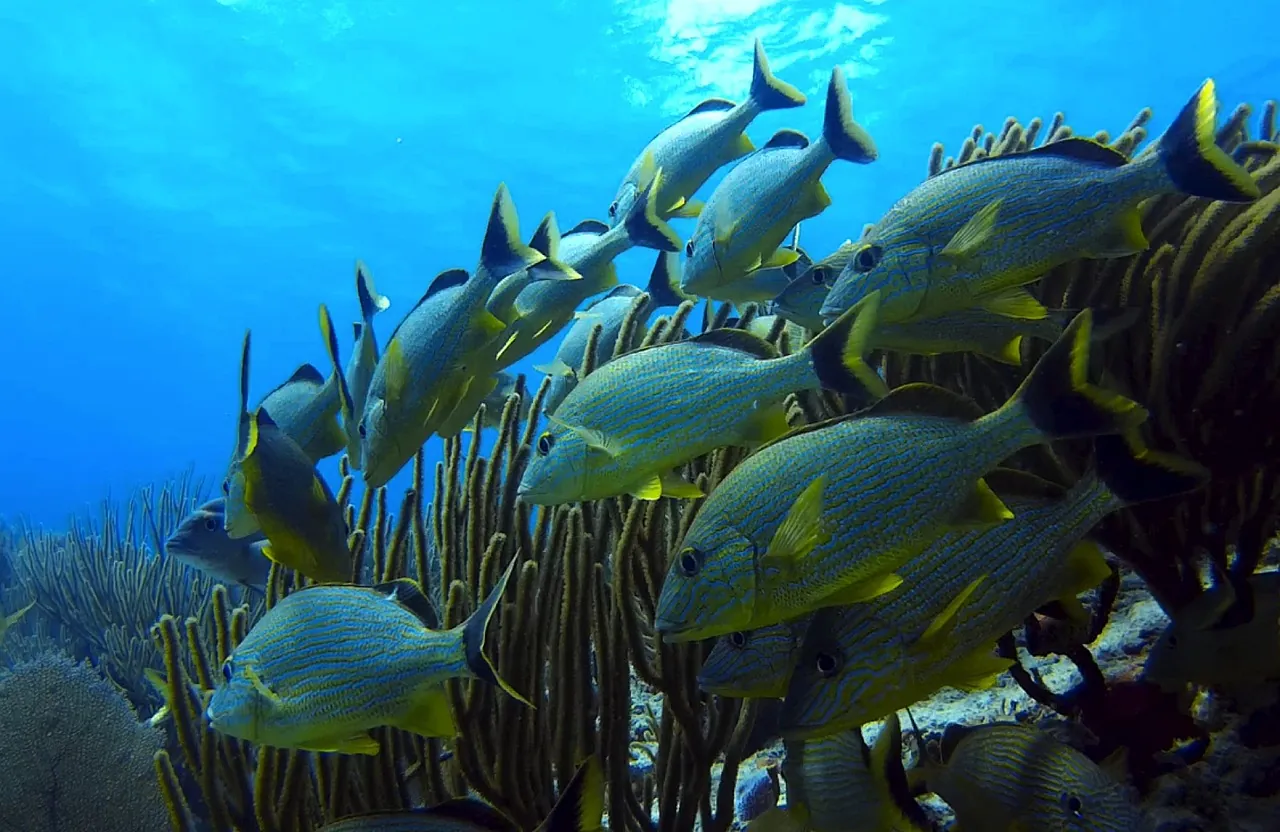
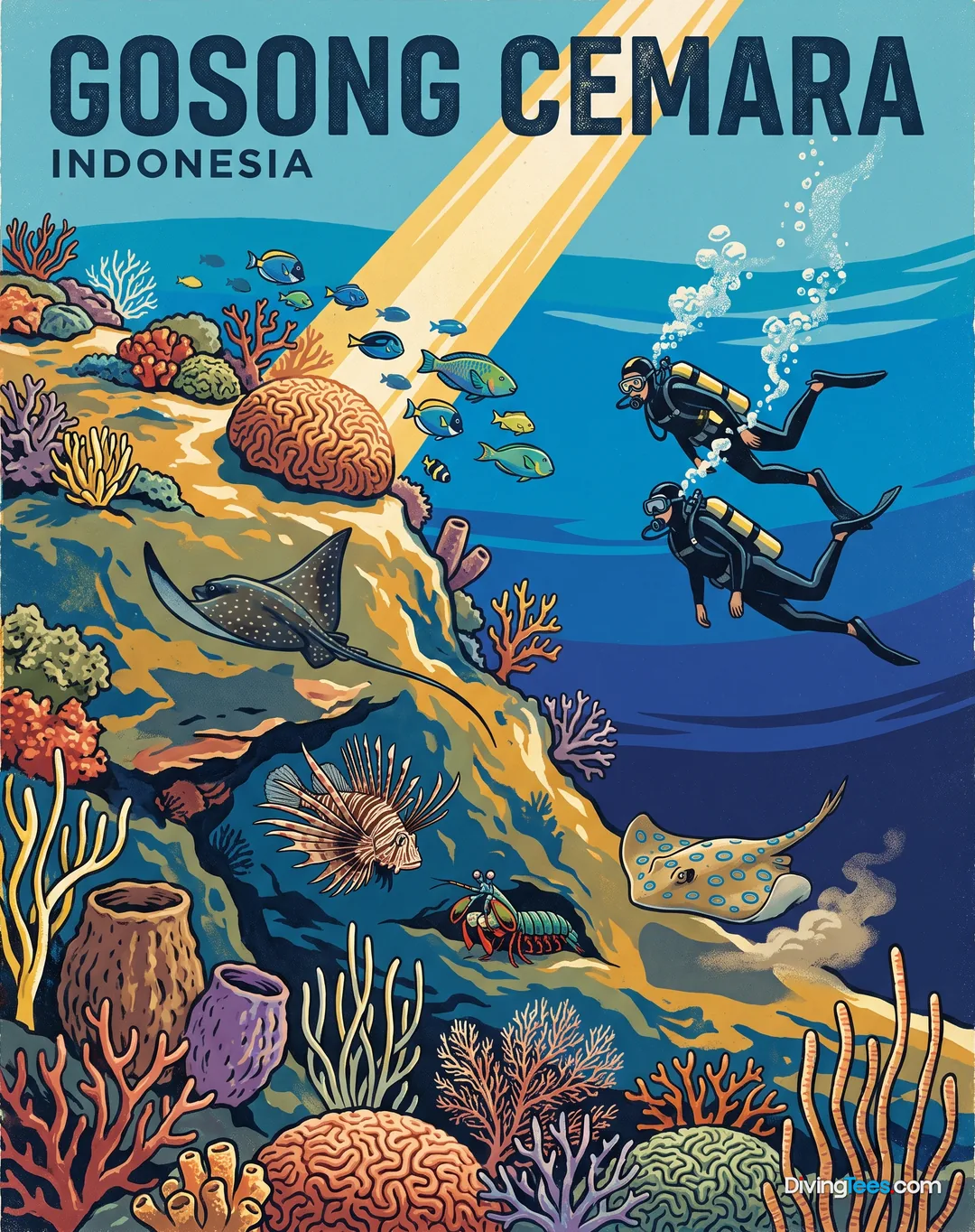
As you descend, the topography transitions from the initial reef flat to a more pronounced incline. While the coral cover here is not the site's primary draw, you will find scattered gorgonians anchoring the slope. Keep an eye on these for smaller reef inhabitants, or the occasional moray eel nestled into the rock work.
Following the slope down, you'll encounter a range of reef life. Razorfish often hover in sheltered spots near the bottom, while needlefish can be seen in the mid-water column. Further down, you may spot scorpionfish camouflaged against the substrate, blending in with the surrounding environment.
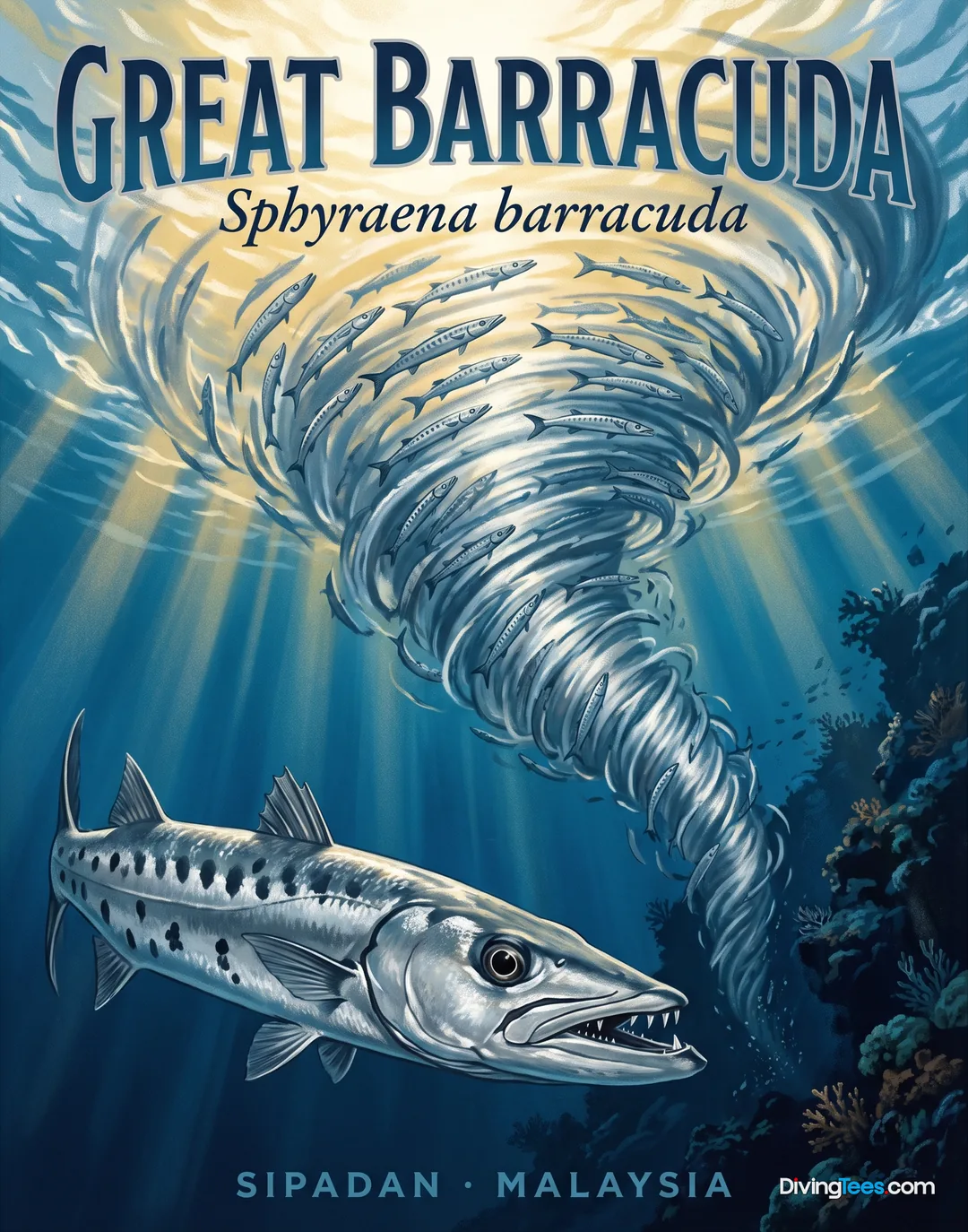
Closer to the maximum depth of 42 metres, the environment can bring in larger pelagic encounters. Barracuda, often in schooling formations, frequent these deeper zones. You'll also find jackfish moving through, and sardines navigating the open water, drawing in larger predators. Crocodilefish lie waiting on the sand, observing their surroundings.
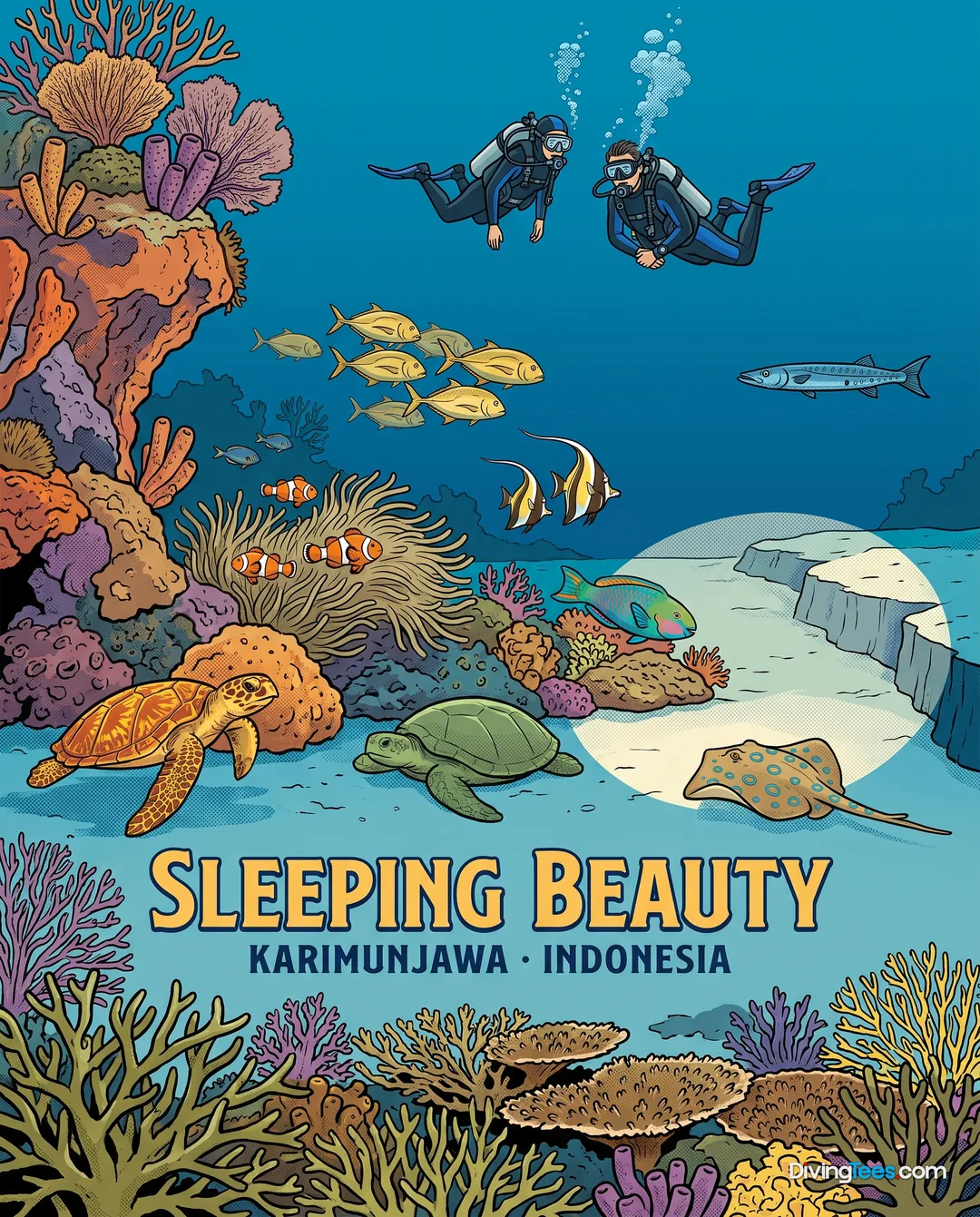
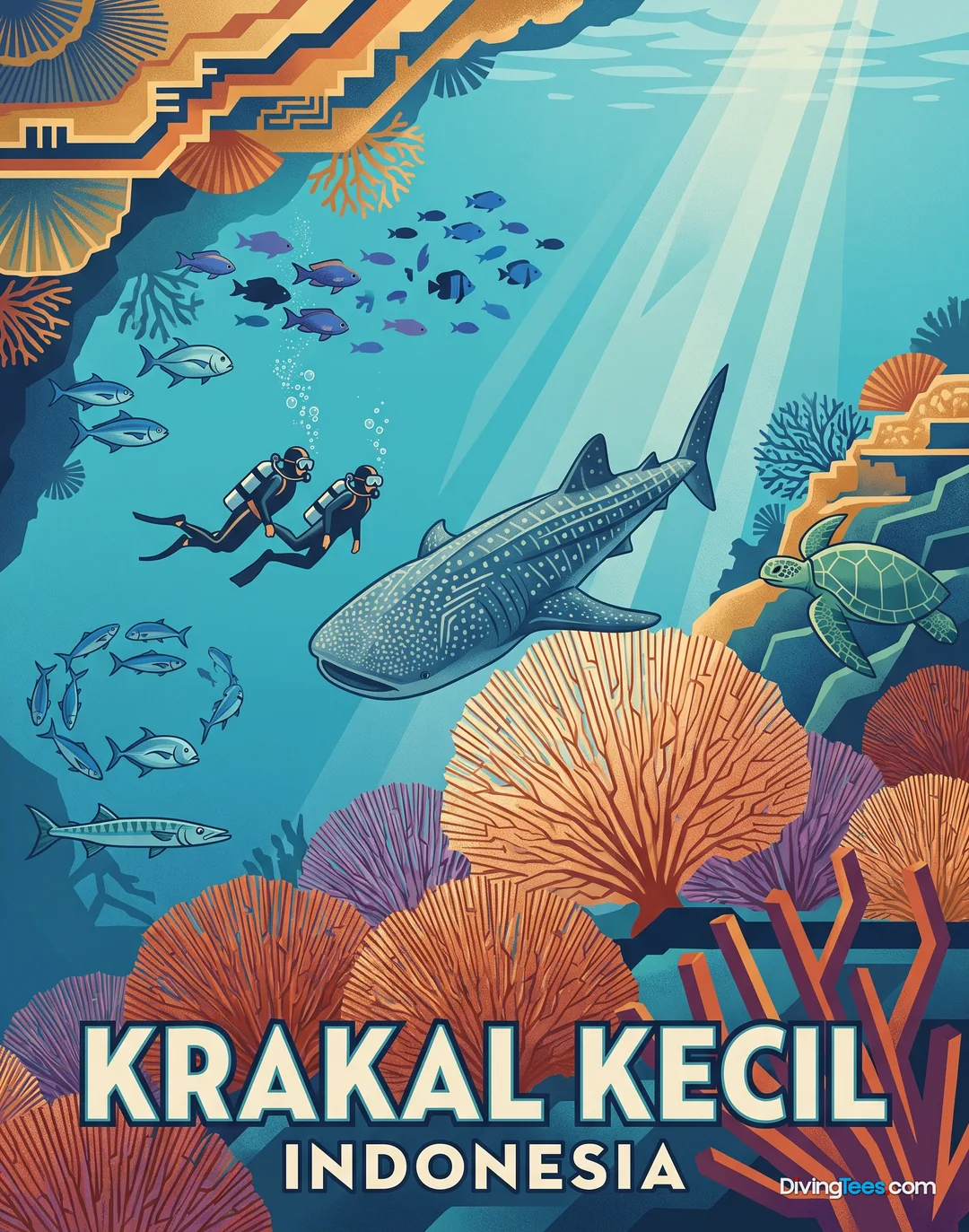
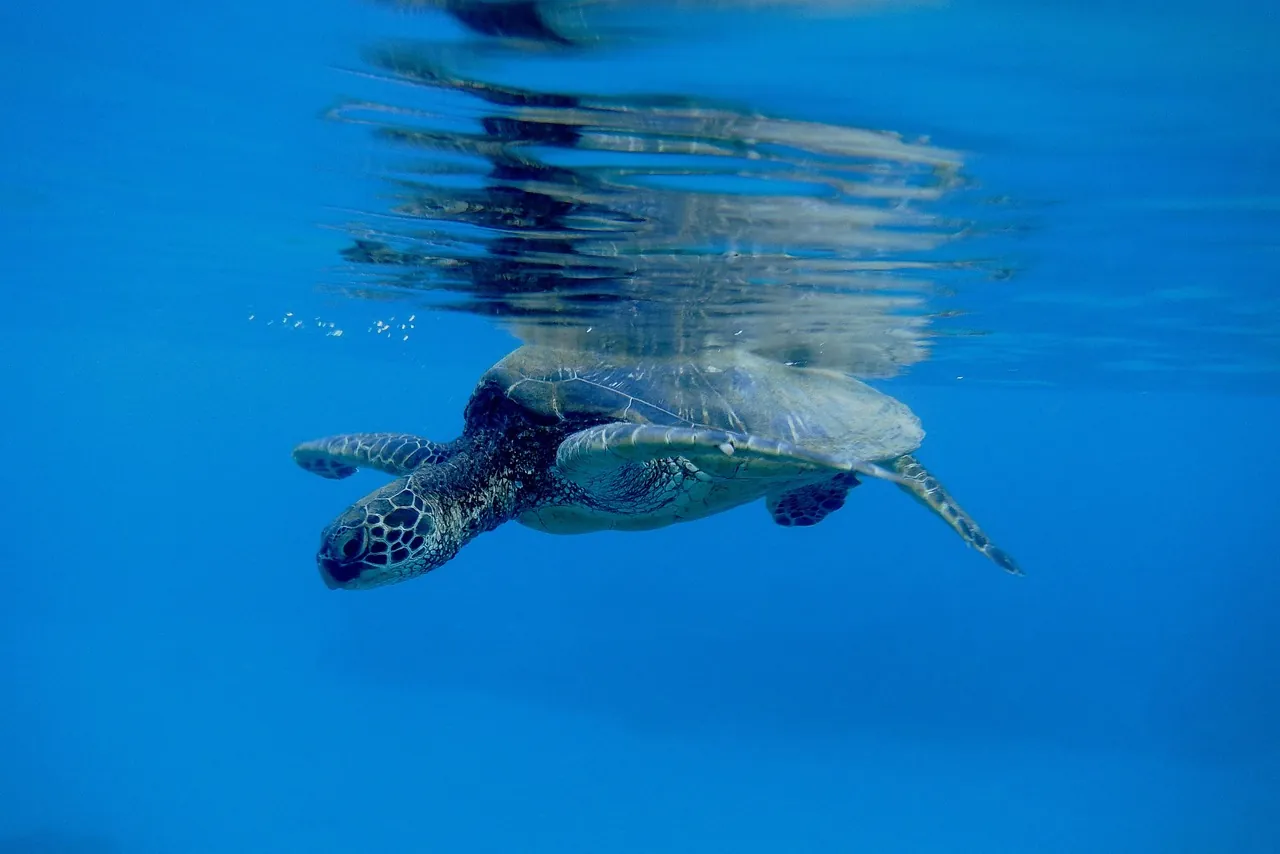
The deeper reaches of Pioneer Reef can also offer sightings of green turtles, often cruising along the slope, or ascending from greater depths. Their calm presence adds a distinct element to the dive, a reminder of the reef's function as a thoroughfare for a variety of marine life.
This site is often used for training and can be explored as a shore dive for more experienced divers. The extended slope allows for varied dive profiles, whether you are refreshing skills in the shallows or performing deeper exploration. The ability to return directly to the jetty provides flexibility in dive planning.
Pioneer Reef is accessible for all diver levels, offering a maximum depth of 42 metres. The site generally experiences calm conditions, typical for the region, allowing for relaxed exploration. The best time to dive here is between May and October when the local weather is most stable.
You can dive Pioneer Reef throughout the year, but the preferred period is from May to October, when local weather is most stable. This timing supports relaxed exploration of the reef slope, with direct jetty entry and exit making planning straightforward for a range of dive profiles.
Pioneer Reef is accessible to divers of all levels and is often used for training. You can explore shallow reef areas or follow the continuous slope into deeper sections, adjusting your profile to your experience. More experienced divers can also explore the site as a shore dive.
Pioneer Reef reaches a maximum depth of 42 metres along its continuous slope. Conditions are generally calm, supporting relaxed exploration. The profile begins at a reef flat and gradually becomes a more pronounced incline, so you can manage your depth while following the slope from shallower areas to deeper zones.
At Pioneer Reef, you may see barracuda, jackfish, sardines, needlefish, razorfish, moray eels, scorpionfish, crocodilefish and green turtles. Gorgonians grow along the slope, while green turtles may cruise the deeper sections. Barracuda can form schools, and jackfish move through open water near the deeper areas.