
Kemujan Diver's
Google 5/5 (234 reviews)
Java · Indonesia · Asia
Max. depth · 30 mDescend along the 'tongue of coral' at Burung, where the wall drops steeply into darker waters, bringing with it the promise of formidable pelagics.
Located a short 30-minute boat ride from the resort, Burung reveals itself as a small, unassuming atoll on the surface. Beneath the waves, however, the western side of this islet transforms into a dramatic dive site, defined by a distinctive 'tongue of coral' that protrudes from the reef. As you descend, you'll find this coral formation creating a steep, almost vertical wall that plunges into the blue, providing an immediate sense of exposure to the open ocean.
The dive profile at Burung is straightforward yet engaging; you begin your descent along this prominent coral tongue, following its contours as it slopes quite abruptly down to a maximum recorded depth of 30 metres. The light changes quickly as you move deeper, highlighting the rugged textures of the wall and the vibrant life clinging to its surfaces. This direct drop-off means you’re quickly immersed in significant depth, making proper buoyancy control and depth awareness paramount from the outset.
What often defines a dive at Burung is the presence of current, typically moderate, which tends to sweep along this exposed reef face. This flow of water acts as an attractant for larger, more mobile species, pulling them in from the deeper ocean. It’s along this current-swept wall that you're most likely to encounter significant pelagics, requiring divers to be mindful of their position and energy expenditure as they navigate the site.
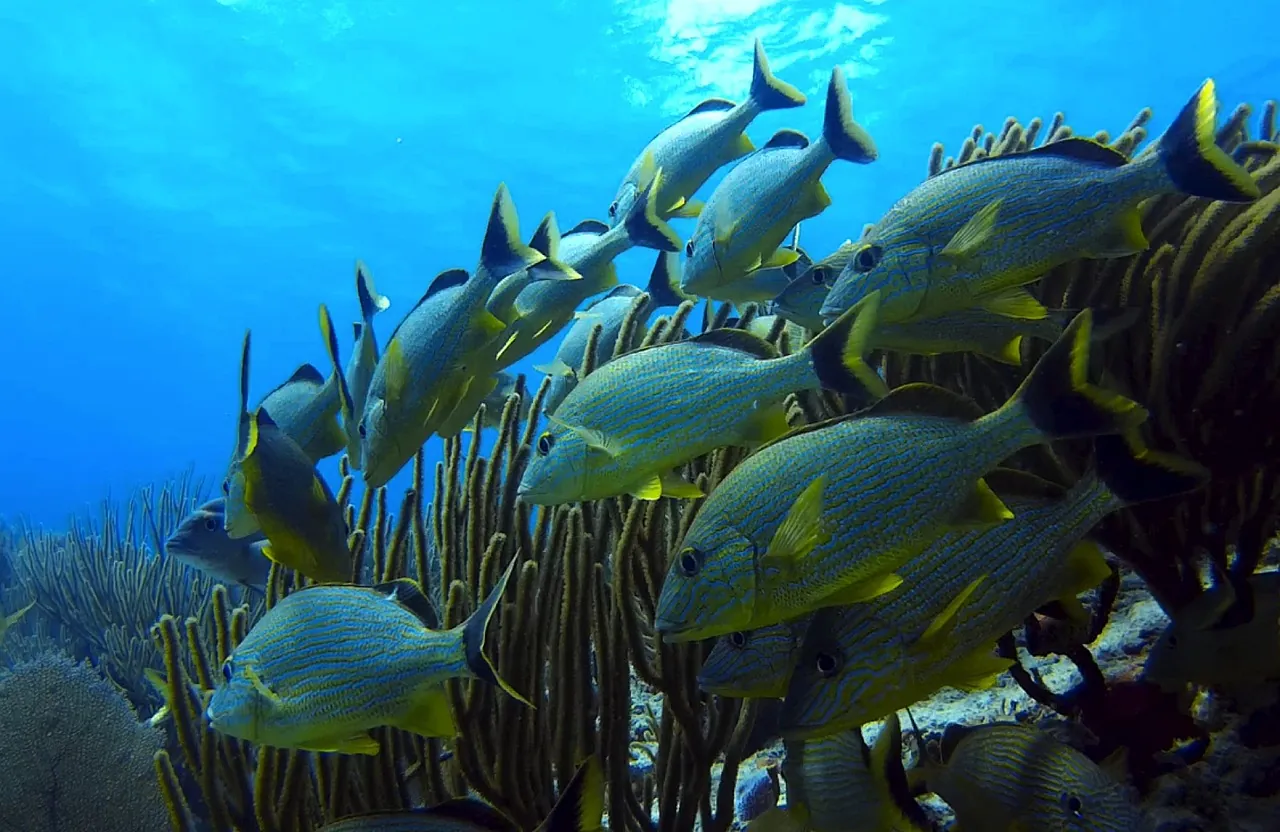
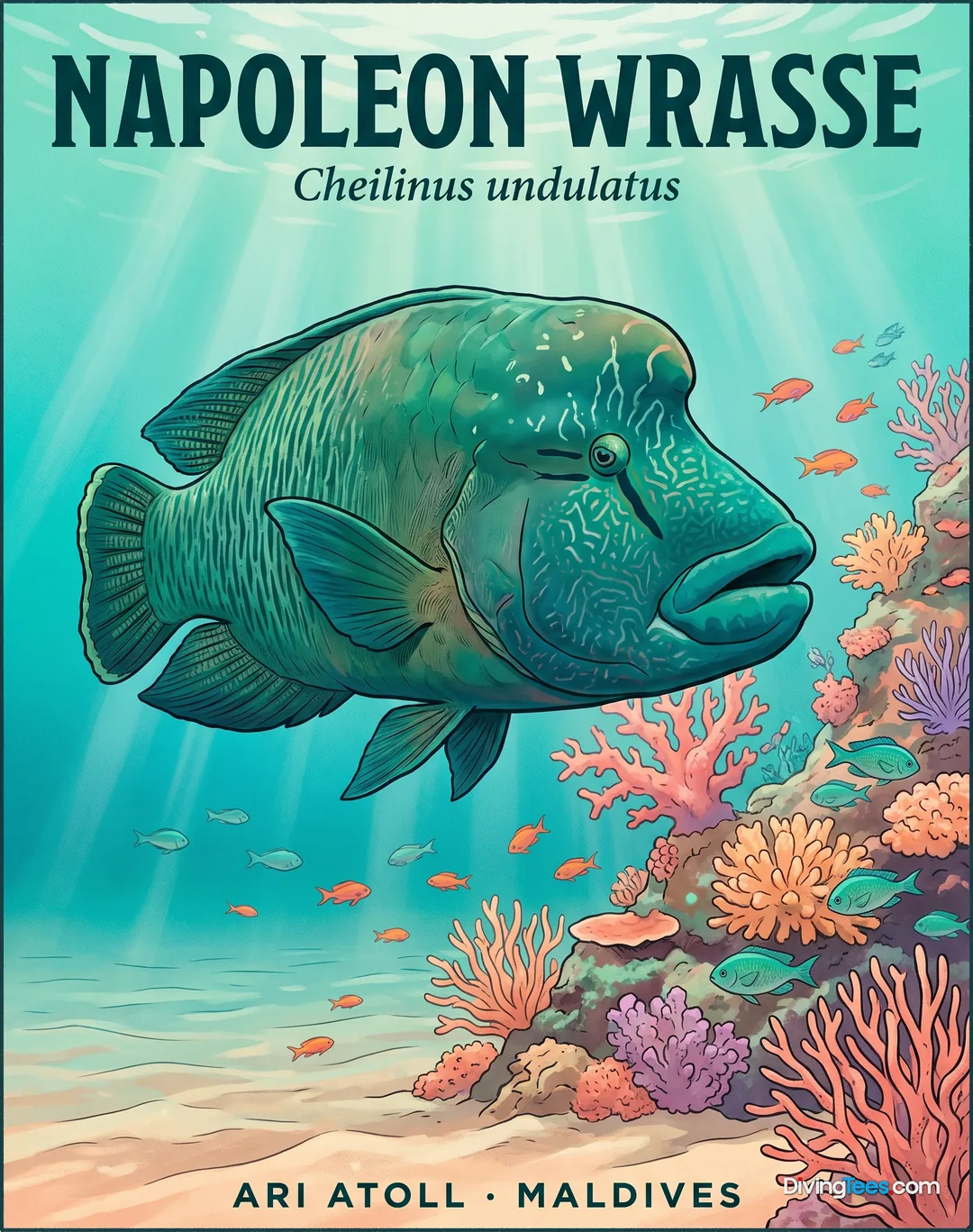
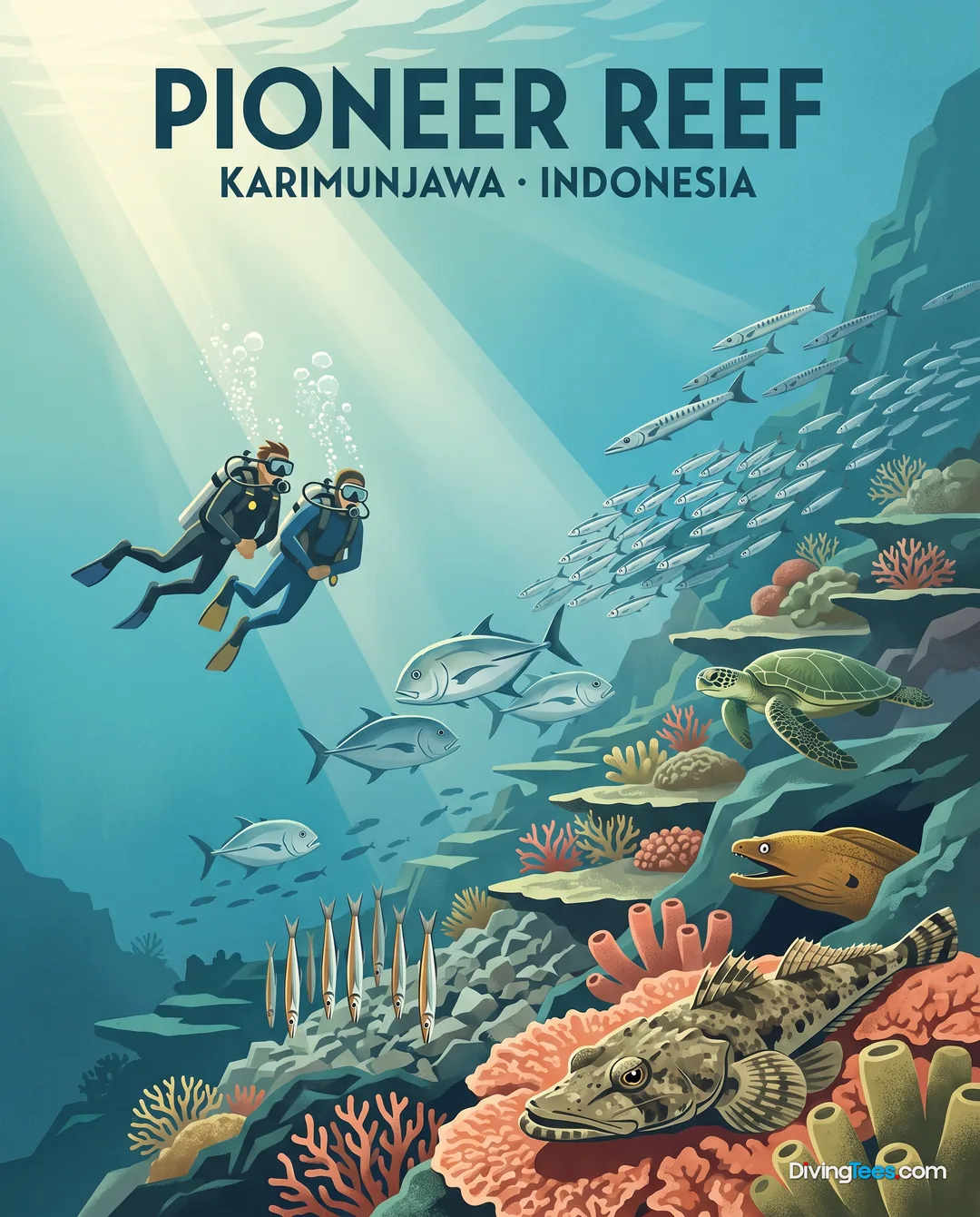
The surge of water brings with it larger fish species that cruise the wall. Keep your eyes peeled for the distinctive profiles of barracudas (Sphyraena barracuda) slicing through the blue, often in small schools, or the more solitary, inquisitive cobias (Rachycentron canadum) that might shadow you briefly. You may also spot magnificent Napoleon wrasse (Cheilinus undulatus), identifiable by their prominent hump, and various species of trevally (Caranx ignobilis) that patrol the reef edge, always searching for their next meal.
Burung is an advanced dive site, with a maximum depth of 30 metres. You can expect a moderate current along the reef, which is a key element of the diving experience here. While specific visibility varies, conditions in the region generally offer clear waters. The best period for diving aligns with the broader regional dry season, from May to October.
You can dive Burung during the regional dry season, from May to October. Conditions in the region generally offer clear waters, although visibility varies. The site is reached by a short boat ride from the resort, taking about 30 minutes, before you explore the western side of the islet.
Burung is an advanced dive site. Its western reef face forms a steep, almost vertical wall, and the descent reaches significant depth quickly. You need proper buoyancy control and depth awareness from the outset, while the moderate current along the exposed reef requires attention to your position and energy use.
Burung descends along a distinctive tongue of coral that forms a steep wall beneath the western side of the islet. The wall slopes abruptly into the blue, reaching a maximum depth of 30 metres. Light changes quickly as you descend, revealing rugged textures and life attached to the wall.
You can expect a moderate current sweeping along Burung’s exposed reef face. This flow attracts larger, mobile species from the deeper ocean. Watch for barracudas, cobias, Napoleon wrasse, and trevally along the wall and reef edge, while staying aware of your position and energy expenditure as you navigate the current.