
Kemujan Diver's
Google 5/5 (234 reviews)
Java · Indonesia · Asia
Just five minutes from shore, Sleeping Beauty transforms from a vibrant coral garden by day to a nocturnal wonderland teeming with unique marine life after sundown.
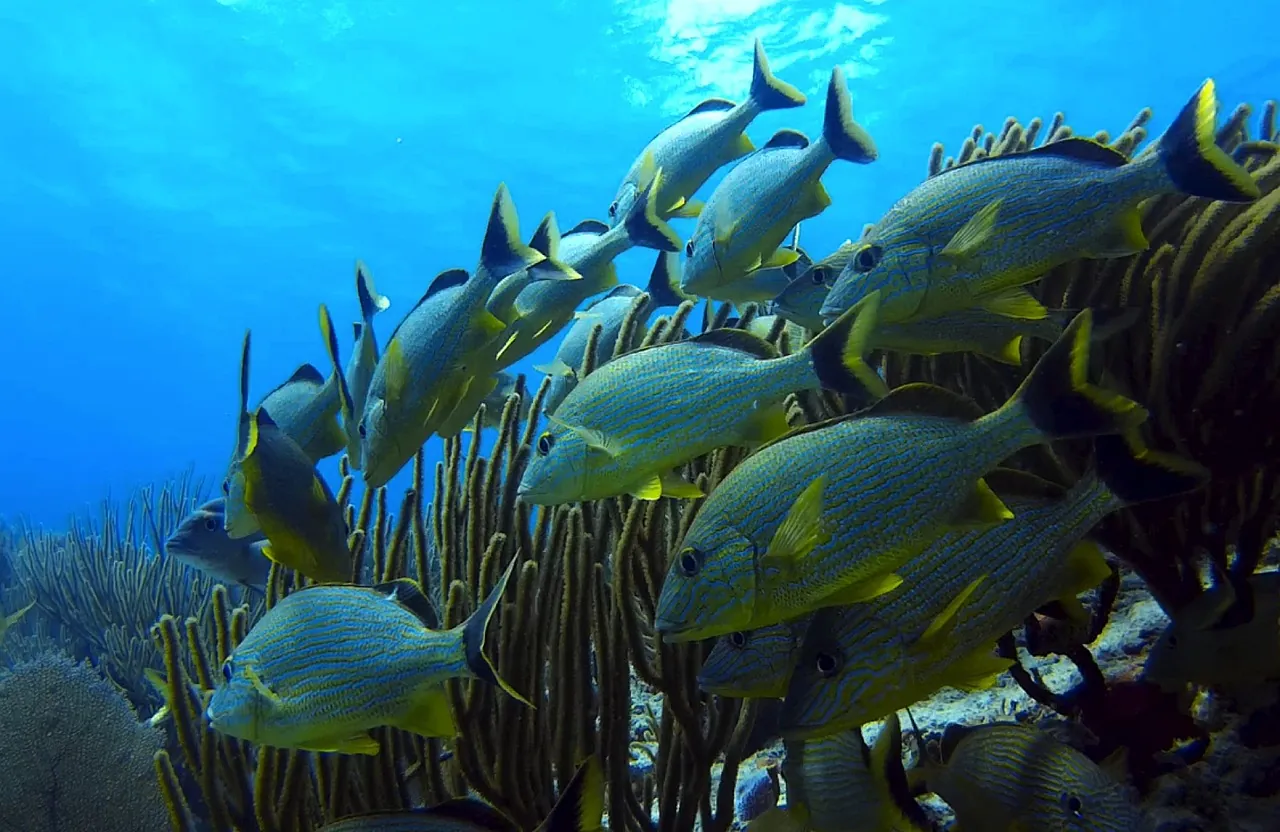
Dropping into Sleeping Beauty, you're immediately enveloped by the vibrant colours of a thriving coral garden, a world of life just a short boat ride from the coastline of Java. The site typically greets you with a gentle descent into this shallow, bustling ecosystem, where the sunlight penetrates easily, illuminating the intricate details of the reef structure and the countless inhabitants that call it home. This is a dive profile that encourages slow exploration, allowing you to absorb the diversity without the pressure of significant depths or complex navigation.
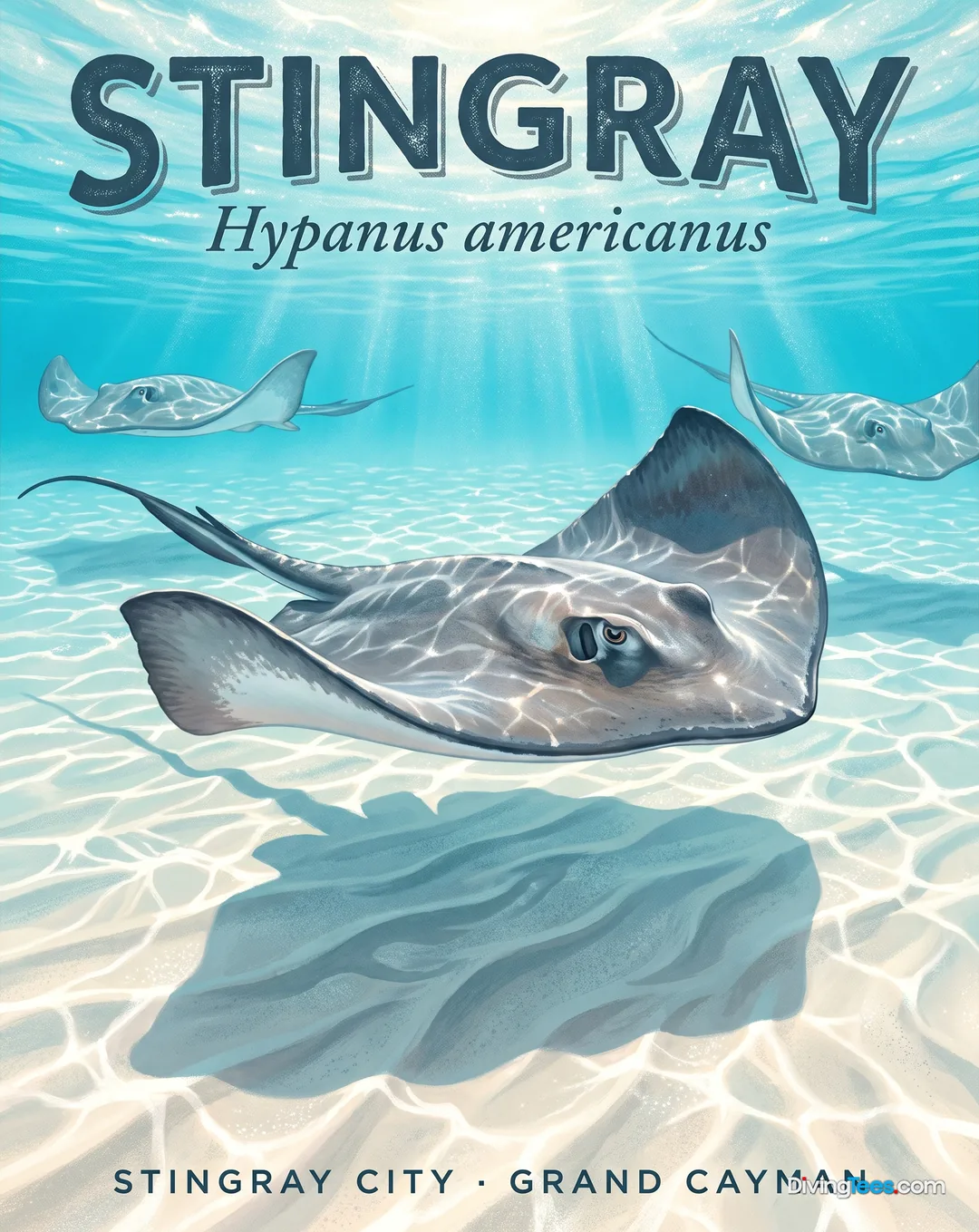
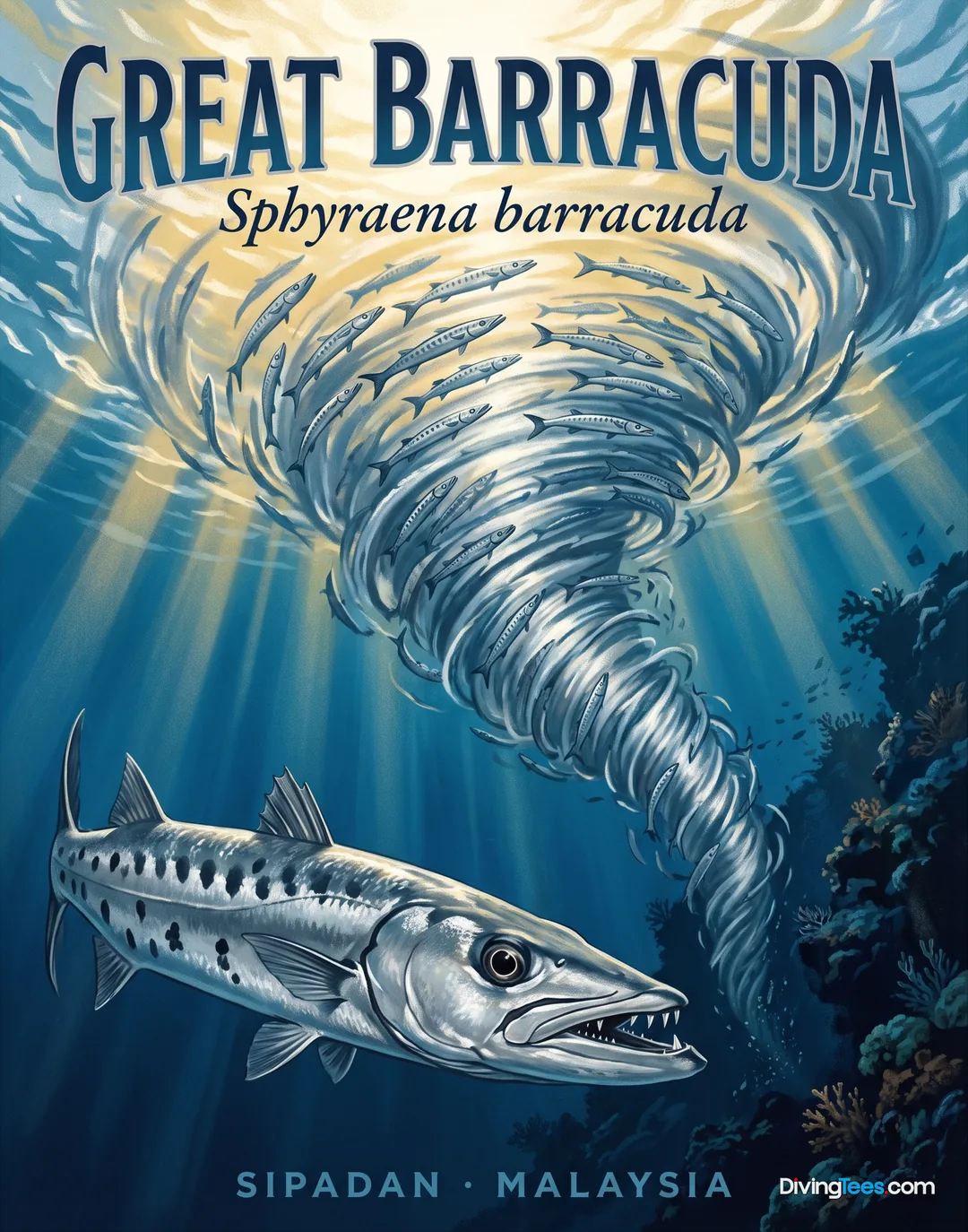
The daytime cast of characters here is a classic Indonesian ensemble, but with a vibrancy that holds your attention. You'll find yourself gliding past schools of barracuda, their silver forms catching the light, and discovering the often-overlooked blue-spotted stingrays (Taeniura lymma) resting on the sandy patches. Longfin bannerfish (Heniochus acuminatus) drift gracefully above the corals, while parrotfish (Scaridae family) continuously graze, their scales adding splashes of colour to the reef's tapestry.
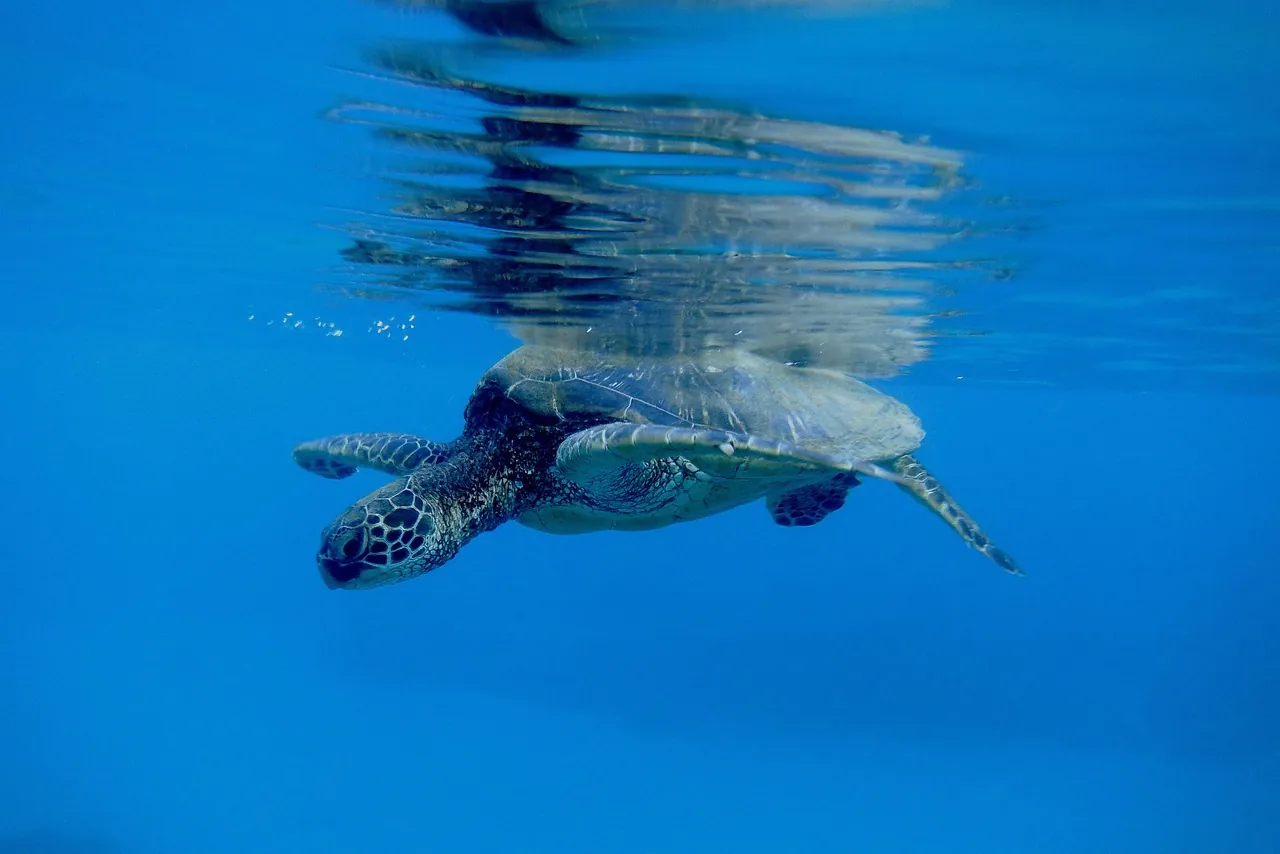
Look closer among the anemones, and you'll spot the unmistakable clownfish (Amphiprioninae), diligently guarding their territory with their characteristic darting movements. The reef is also home to jacks (Carangidae family) and the iconic Moorish idols (Zanclus cornutus), their striking black, white, and yellow patterns a constant delight. Green turtles (Chelonia mydas) and hawksbill turtles (Eretmochelys imbricata) are regular visitors, often seen serenely cruising through the coral formations or resting on the bottom, offering a truly peaceful encounter.
The real allure of Sleeping Beauty, however, is its transformation under the cover of darkness. While its name might initially seem puzzling when diving during the day, a night dive here fully explains its moniker. This shift is not just about different species coming out, but a complete change in the reef's character, where the familiar daytime landscape gives way to a stage for rare and fascinating nocturnal hunters and foragers.
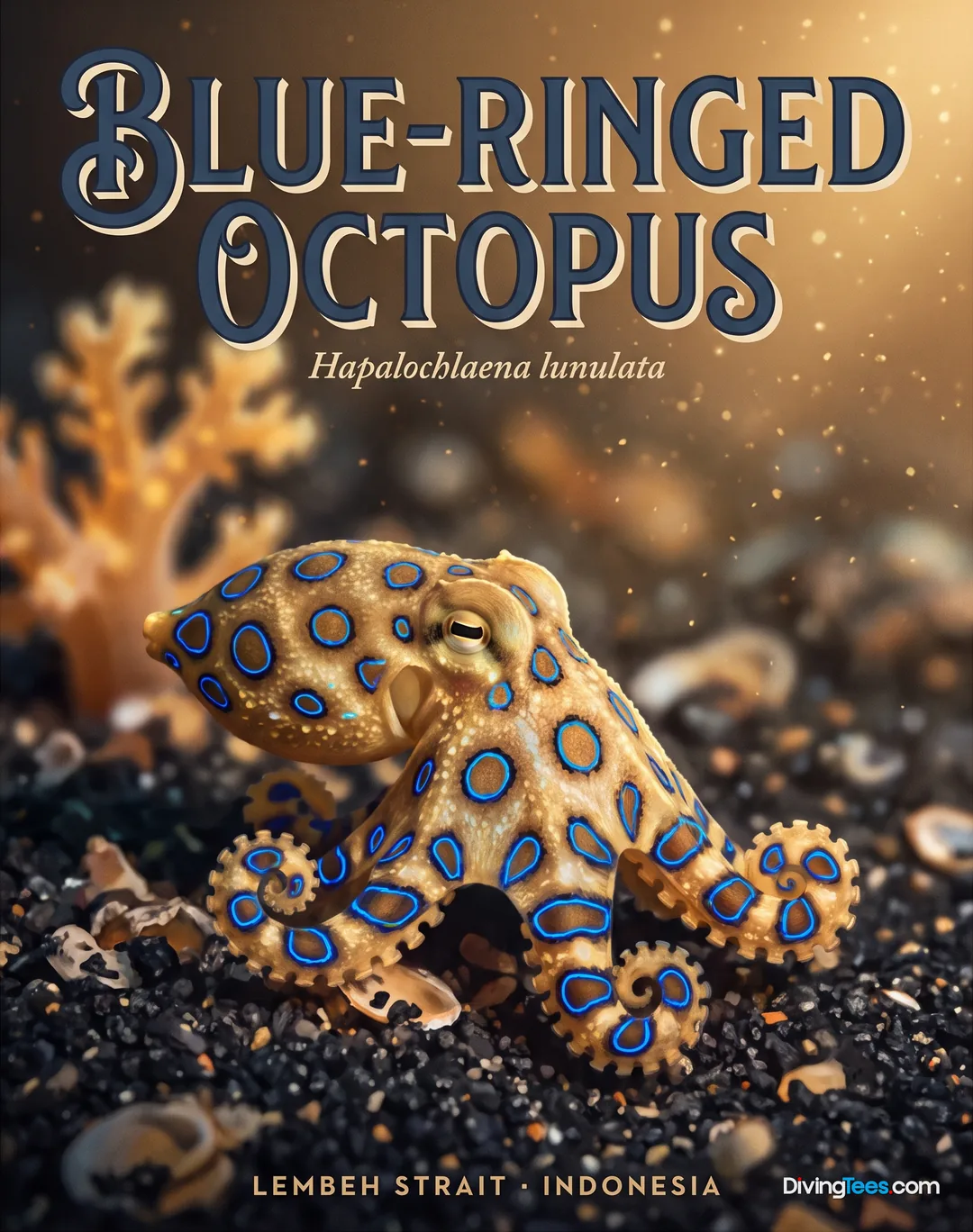
As your dive light cuts through the darkness, you'll begin to understand why this site becomes Sleeping Beauty at night. Suddenly, the reef is teeming with activity. Keep your eyes peeled for baby bamboo sharks (Chiloscyllium punctatum or similar species), miniature predators weaving through crevices, or the elusive blue-ringed octopus (Hapalochlaena maculosa), a creature whose beauty hides a potent secret. The change in light brings out a completely different set of behaviours and creatures.
Beyond the sharks and octopuses, the night dive reveals a hidden world of invertebrates. Squids (Teuthida order) are often seen hunting in the open water, their chromatophores flashing with mesmerising speed. Look closely at the substrate and you'll find mangrove crabs (Sesarmidae family) and sponge crabs (Dromiidae family) scuttling across the bottom, alongside fireworms (Hermodice carunculata) with their iridescent bristles. Lobsters (Nephropidae family) emerge from their daytime retreats, their antennae waving as they forage, completing the nocturnal panorama.
This coral garden dive offers a relaxed experience. The best time to visit is typically between May and October. The currents in the area are generally absent, making for comfortable and straightforward dives, allowing you to fully immerse yourself in the site's rich biodiversity.
You will generally find the best conditions for visiting Sleeping Beauty between May and October. During this period, you can explore the coral garden by day or experience the site's exceptional night diving. The reef changes after dark, revealing different activity and creatures, including nocturnal squids, crabs, lobsters, and macro life.
Sleeping Beauty offers a relaxed, straightforward dive through a shallow coral garden. You can explore slowly without significant depths or complex navigation, while sunlight illuminates the reef and its inhabitants. This profile suits divers who want an unhurried experience focused on observing biodiversity rather than managing demanding conditions.
Currents at Sleeping Beauty are generally absent, creating comfortable and straightforward diving conditions. You can take your time moving through the coral garden and focus on the reef's biodiversity without dealing with current-related challenges. The calm setting supports slow exploration during both the daytime and night-time experiences.
By day, Sleeping Beauty features vibrant coral, tropical fish, barracuda, blue-spotted stingrays, bannerfish, parrotfish, clownfish, jacks, Moorish idols, and green and hawksbill turtles. At night, you may encounter baby bamboo sharks, blue-ringed octopuses, squids, crabs, fireworms, and lobsters as the reef becomes active after dark.