Liveaboards · Indonesia
Scubaspa Zen — a floating resort built around serious diving
What makes this boat unique
- Scubaspa Zen combines a 53-metre liveaboard with a separate 21-metre dhoni dedicated to diving.
- The nine-cabin boat carries up to 20 passengers and includes a spa, private bathrooms, air conditioning and family cabins.
- Nitrox, DIN adapters, sidemount diving, camera rinsing and two diver tenders are available on board.
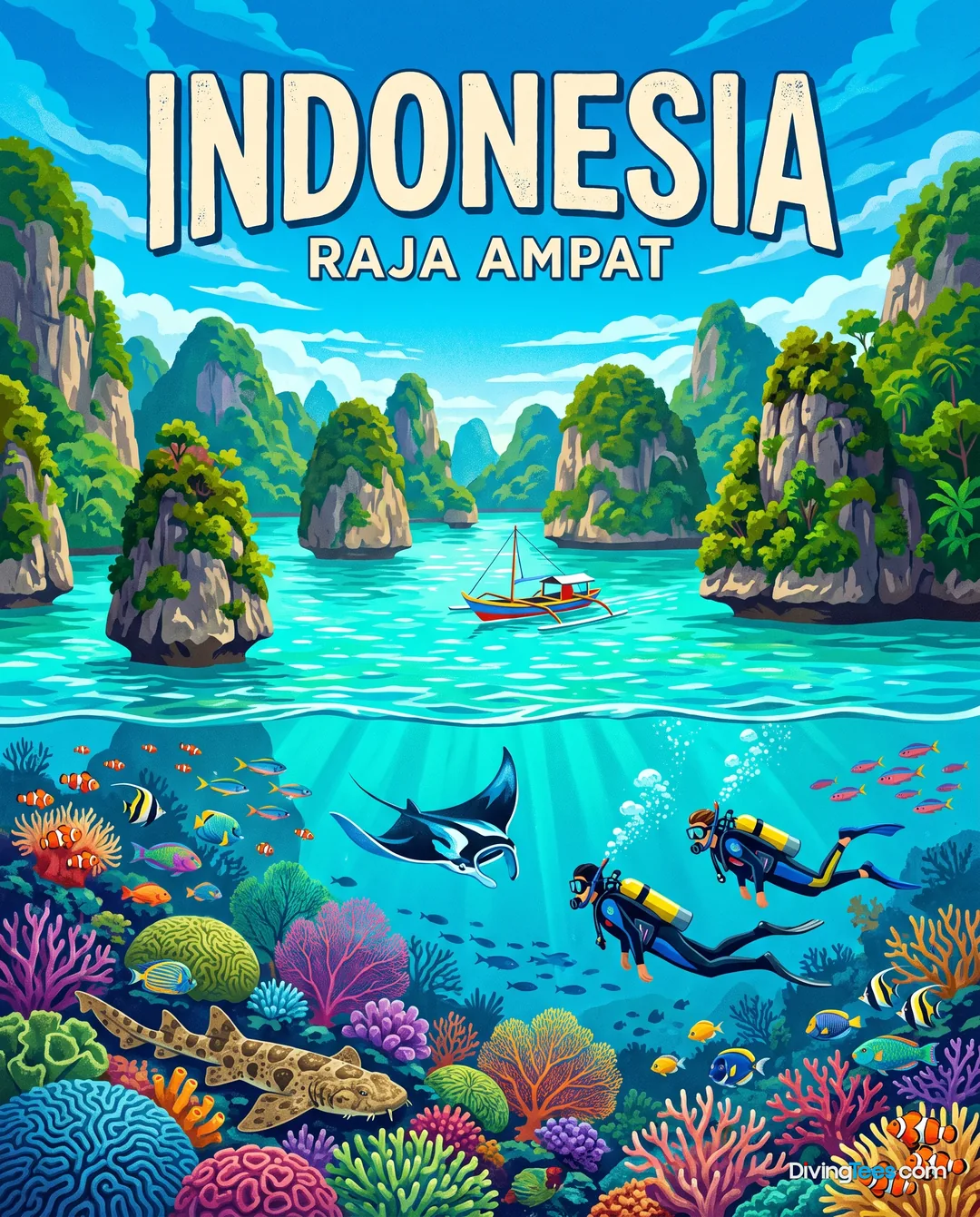
- Routes include Raja Ampat, Komodo National Park, the Forgotten Islands, Ambon–Kaimana and Kaimana–Sorong.
For subtitles in English: start the video firstthen click the gearat the top right of the video, select “Subtitles/CC”, then “Auto-translate” and choose “English”.
The invitation
Scubaspa Zen is for divers who want Indonesia's remote reefs without giving up the space and service of a small floating resort. The important distinction is the second boat: the 21-metre dhoni takes care of dive operations, leaving Zen quieter and less cluttered between dives. That suits a mixed group especially well. Divers can spend the week moving between current-swept reefs, macro slopes and pelagic sites while non-divers have a spa, yoga, kayaks, stand-up paddleboards and shore excursions to choose from. The boat is aimed at a dedicated team that values comfort as much as spectacular diving. It is not the right choice for someone looking for a stripped-back expedition boat where diving is the only activity. It is the better fit when the trip needs to work above water as well as below it.
Boarding
Boarding Scubaspa Zen means stepping onto a large, purpose-built liveaboard rather than a converted workboat. The separate dhoni changes the first impression: tanks, compressors and dive preparation stay away from the main vessel, so the living spaces are not built around a wet deck. Zen was renovated in 2020, which matters more here than a launch date; the boat's character is that of a maintained resort designed to support long days in the water. Movement is spread across several areas rather than concentrated in one salon, with an observation deck, terrace, bar and outdoor dining space. The crew speaks English and Indonesian. With nine cabins and a passenger-to-crew ratio close to one, the boat feels organised around individual routines rather than a large cruise crowd.
The atmosphere on board
The atmosphere is shaped by the crew's proximity to the guests. A ratio close to one crew member per passenger allows the staff to remember how each diver sets up, when a spa treatment is booked and whether the day is better spent in the water or ashore. English and Indonesian are spoken on board. The operation is polished rather than formal: the dive side works from the dhoni, meals can move outdoors, and the main boat has enough separate spaces for a quiet corner or a social bar. That makes Zen feel more like a floating resort than a communal expedition vessel. The trade-off is simple: divers looking for a small boat's rough edges and constant shared deck life may find it too managed; those who want the crew to remove small frictions over a week will understand why the service remains central to the experience.
The sites you’ll dive
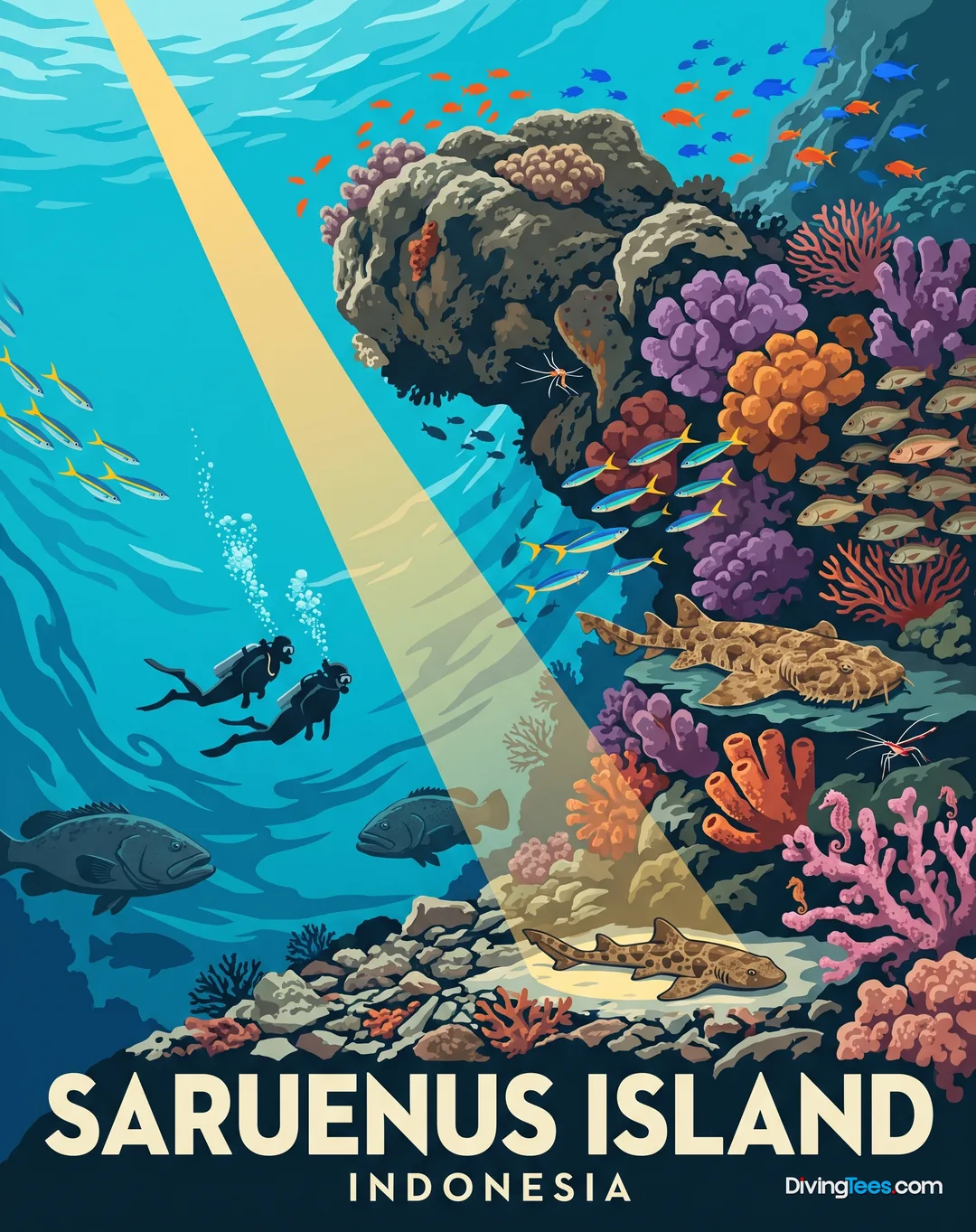
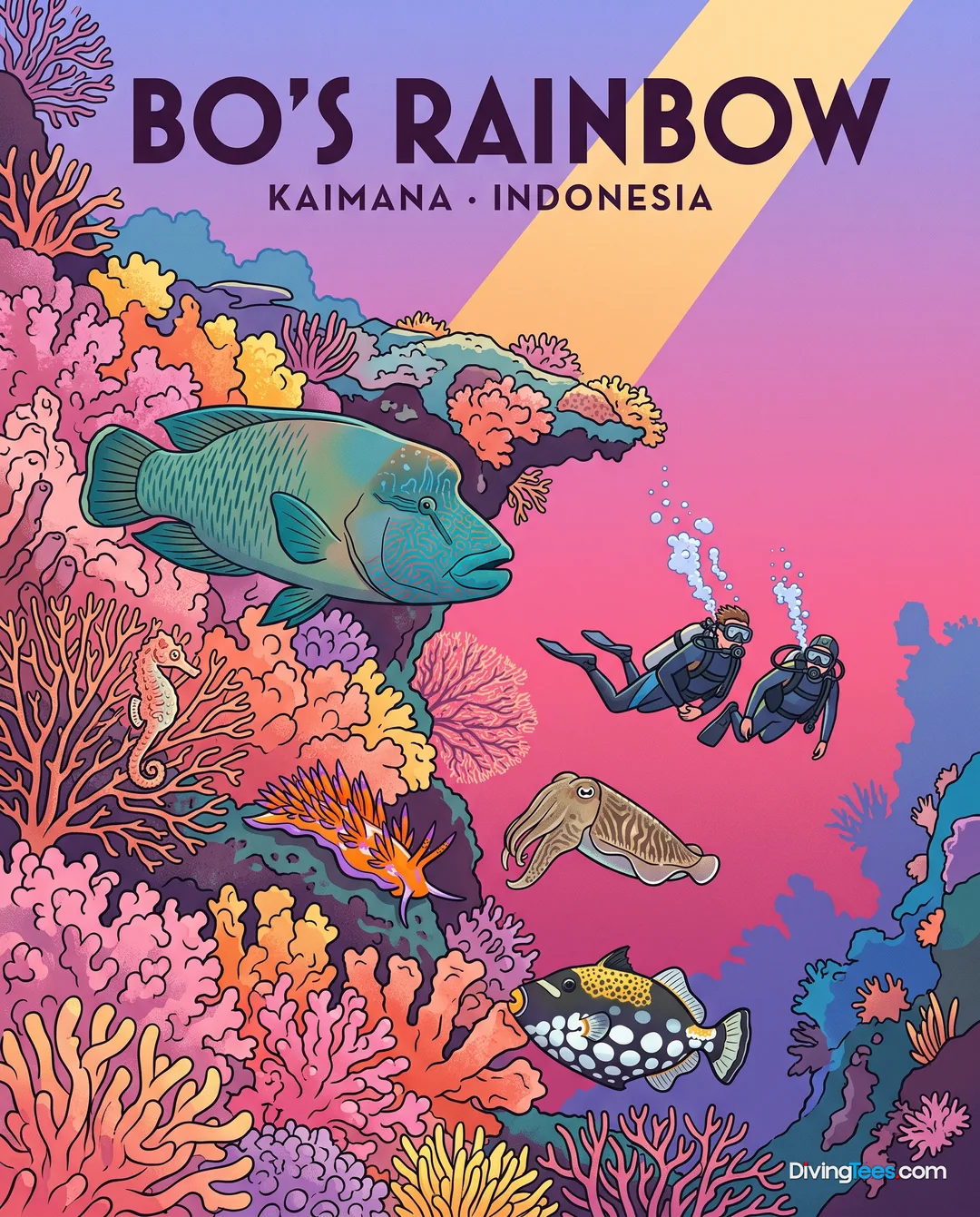
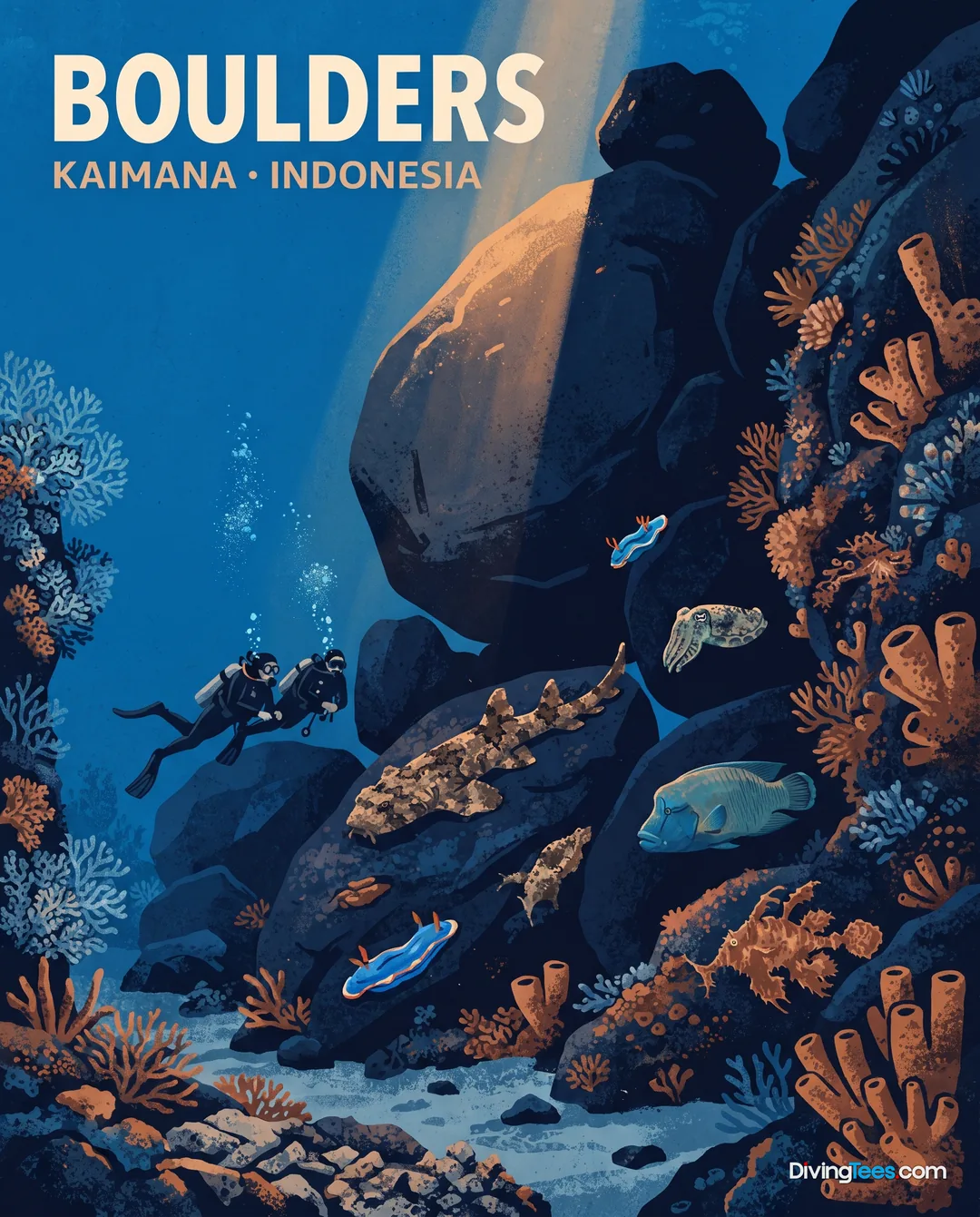
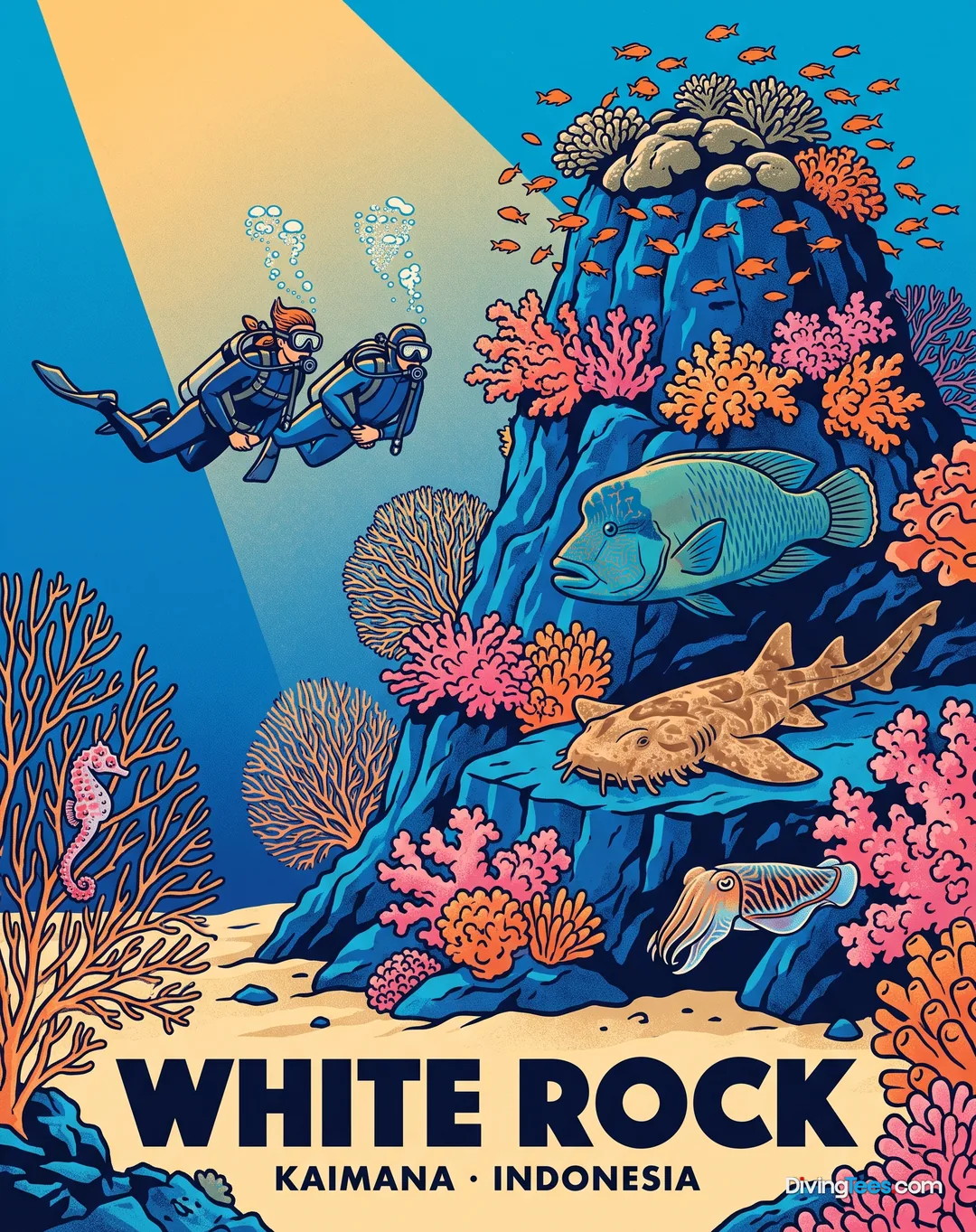
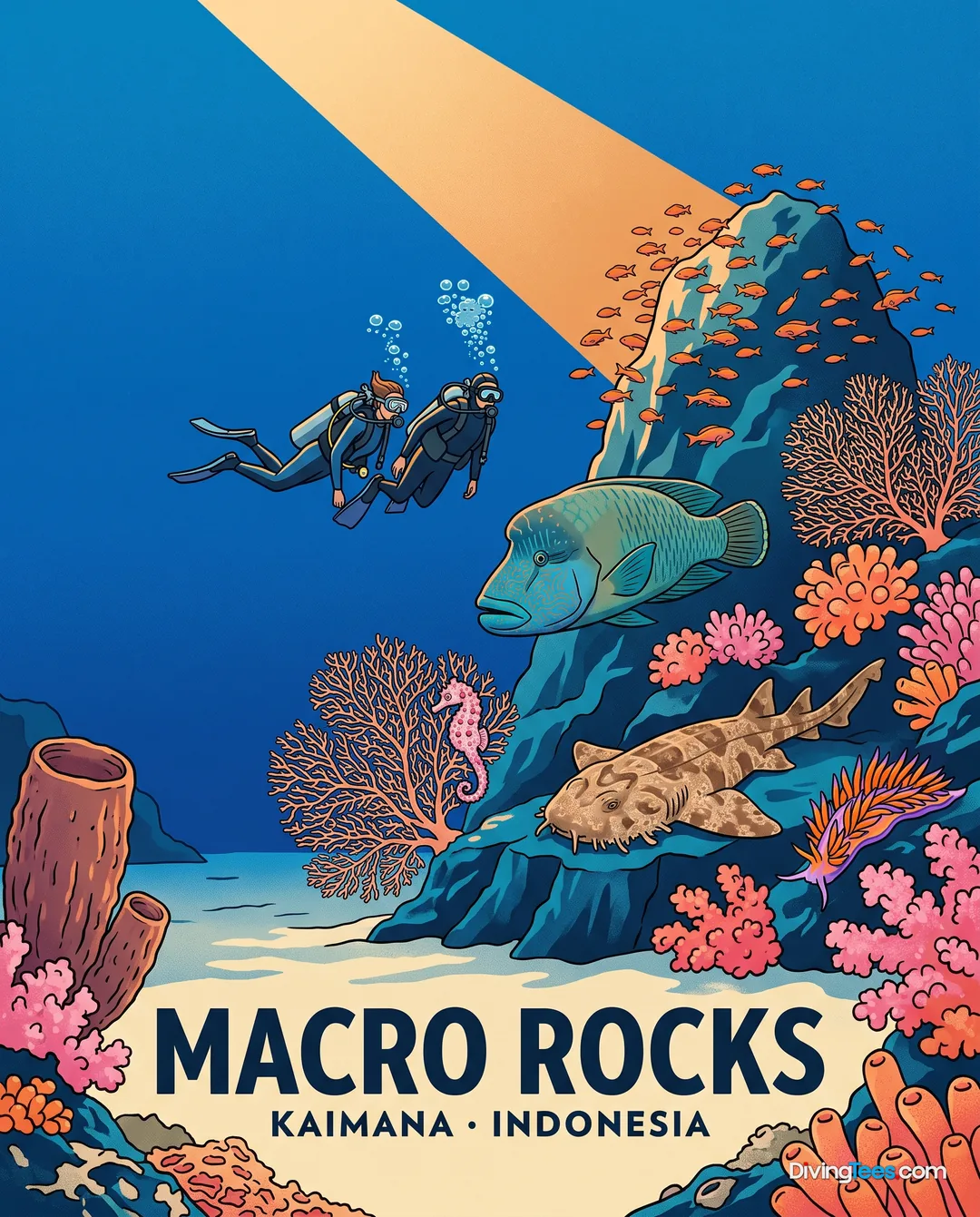
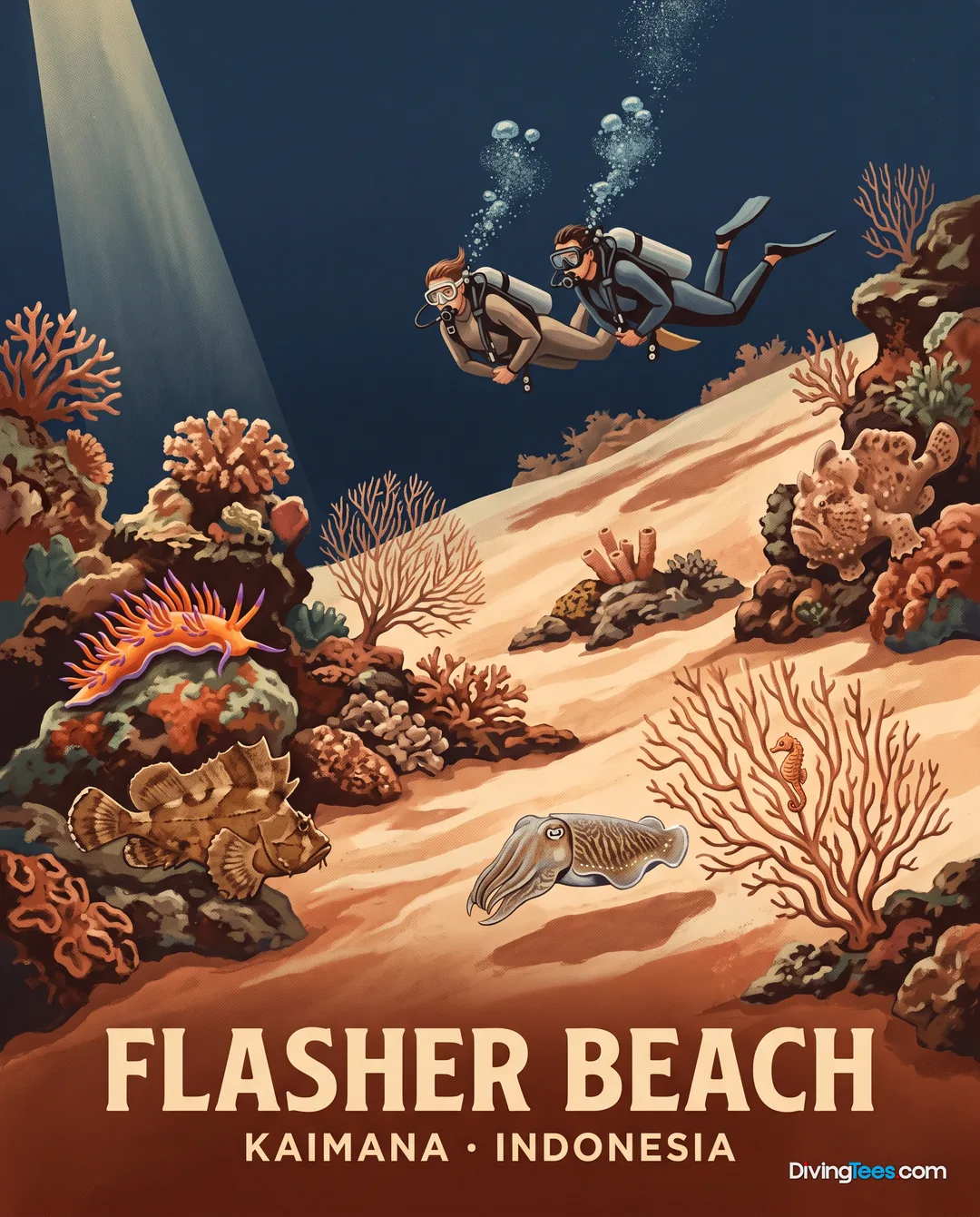
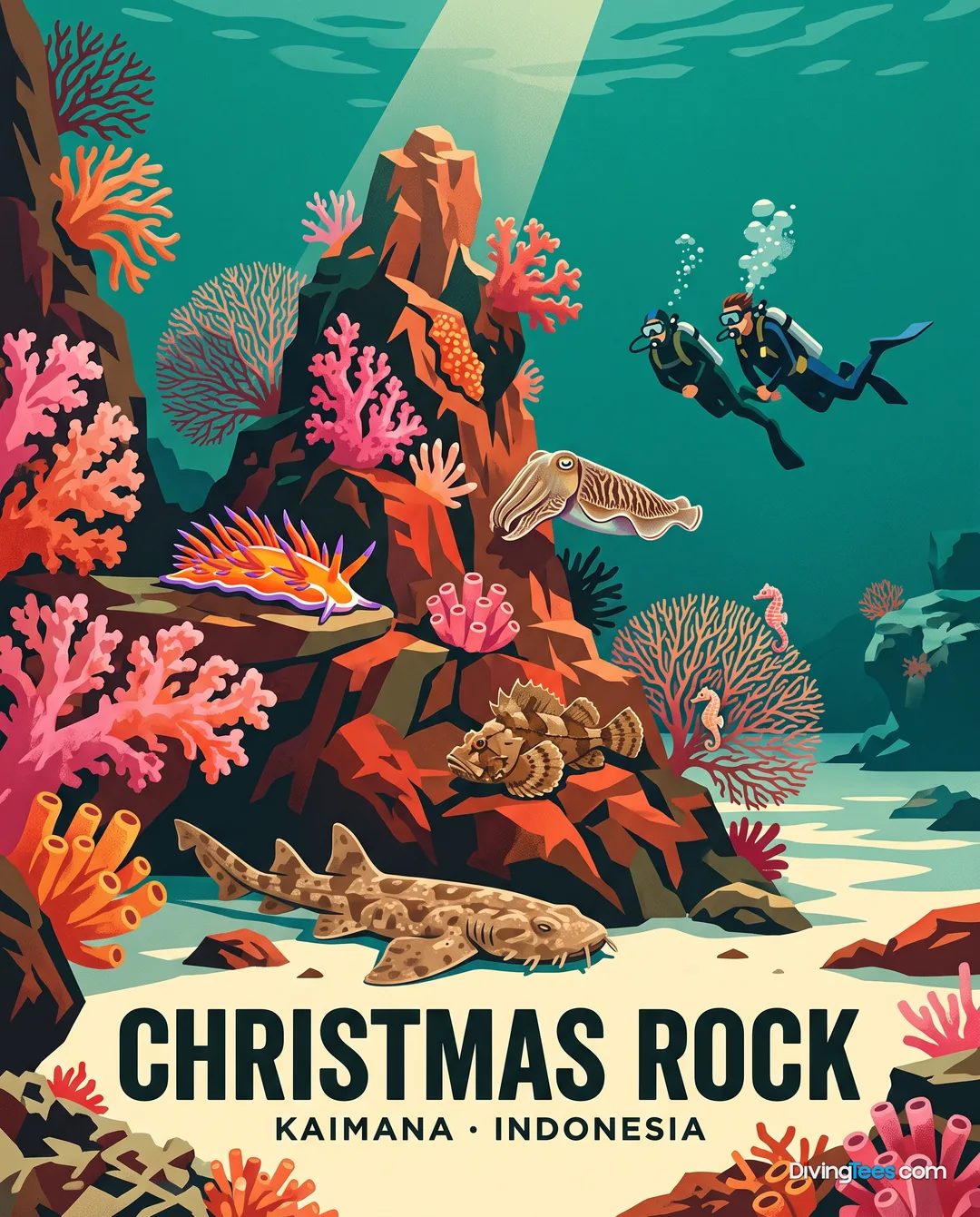
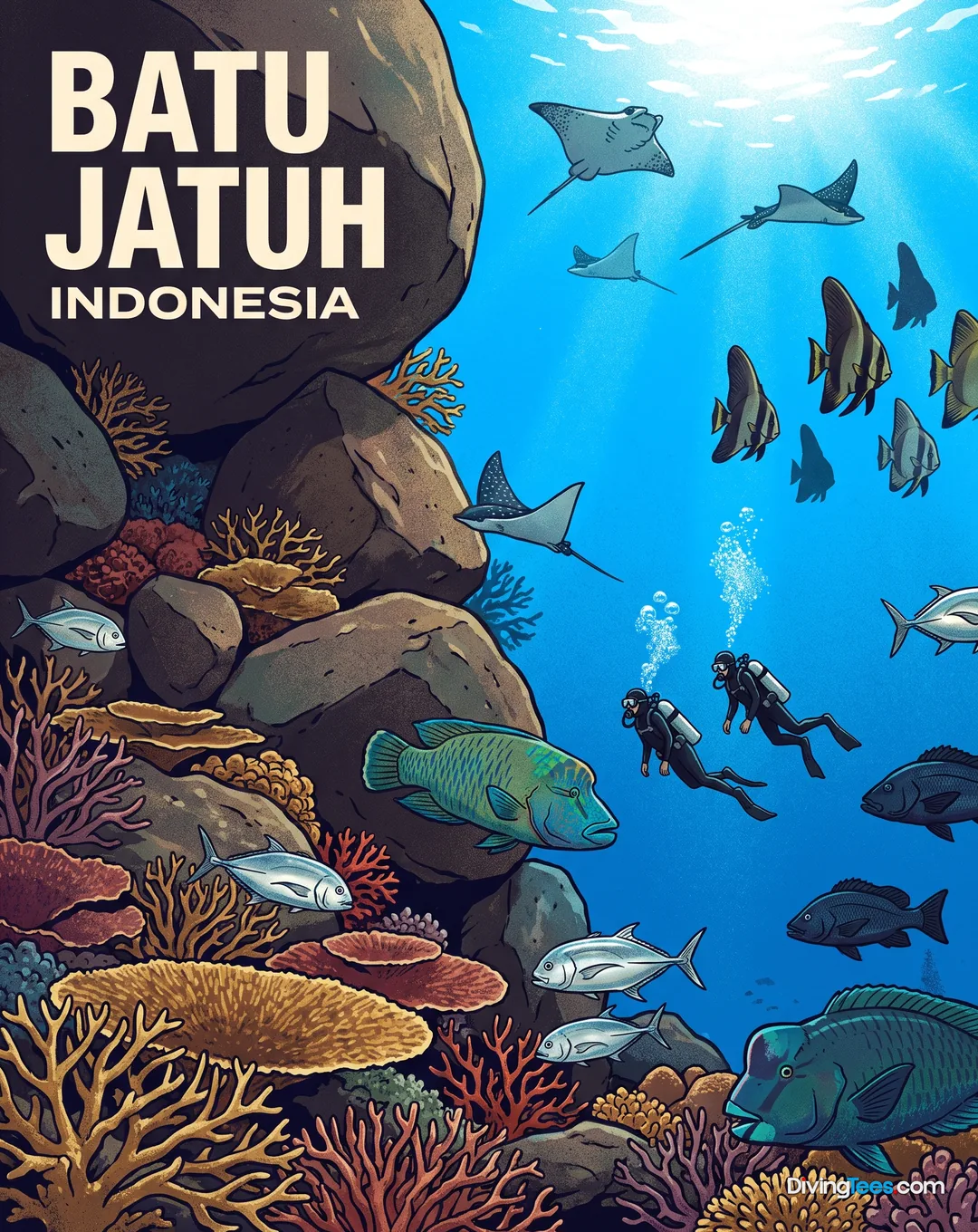
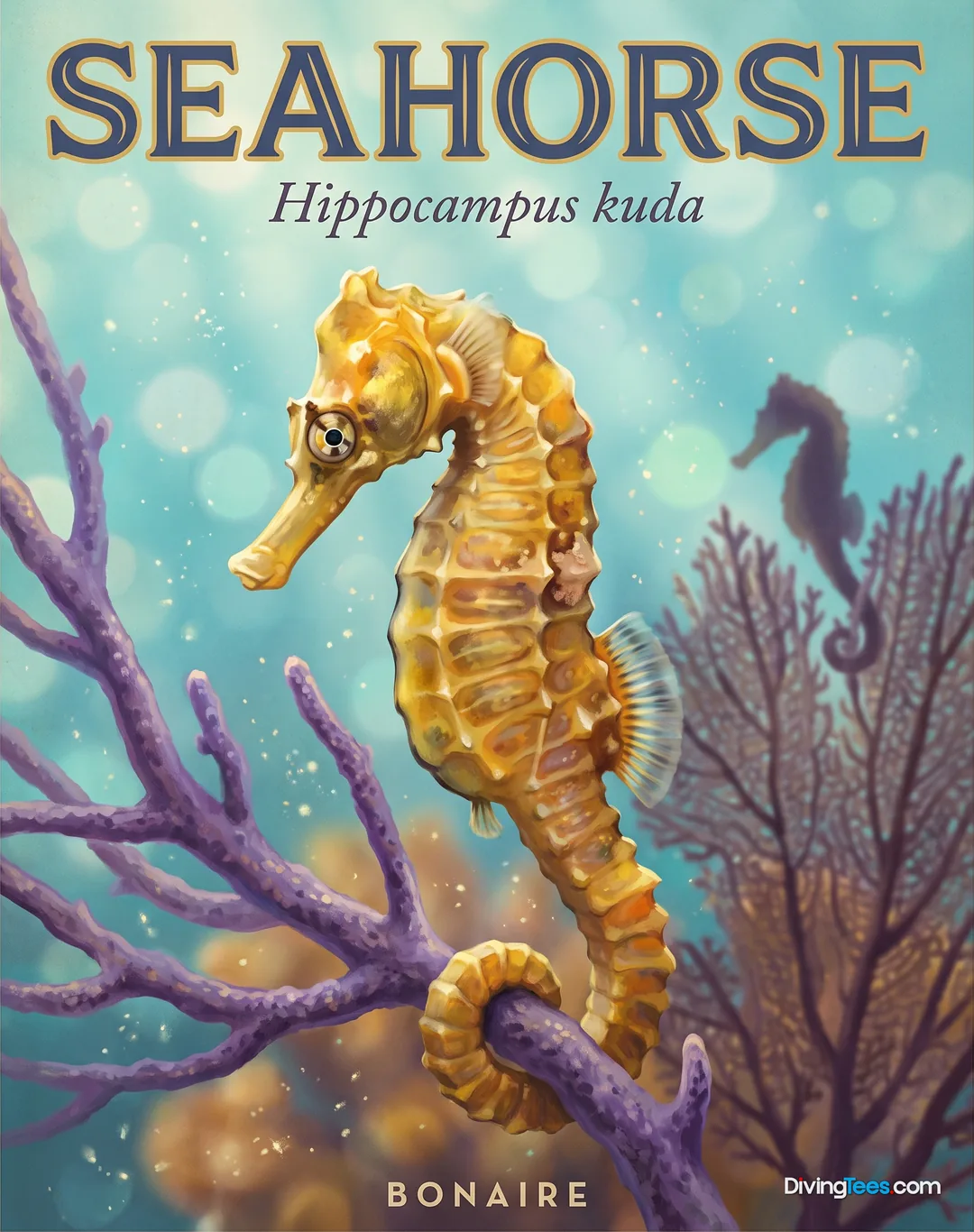
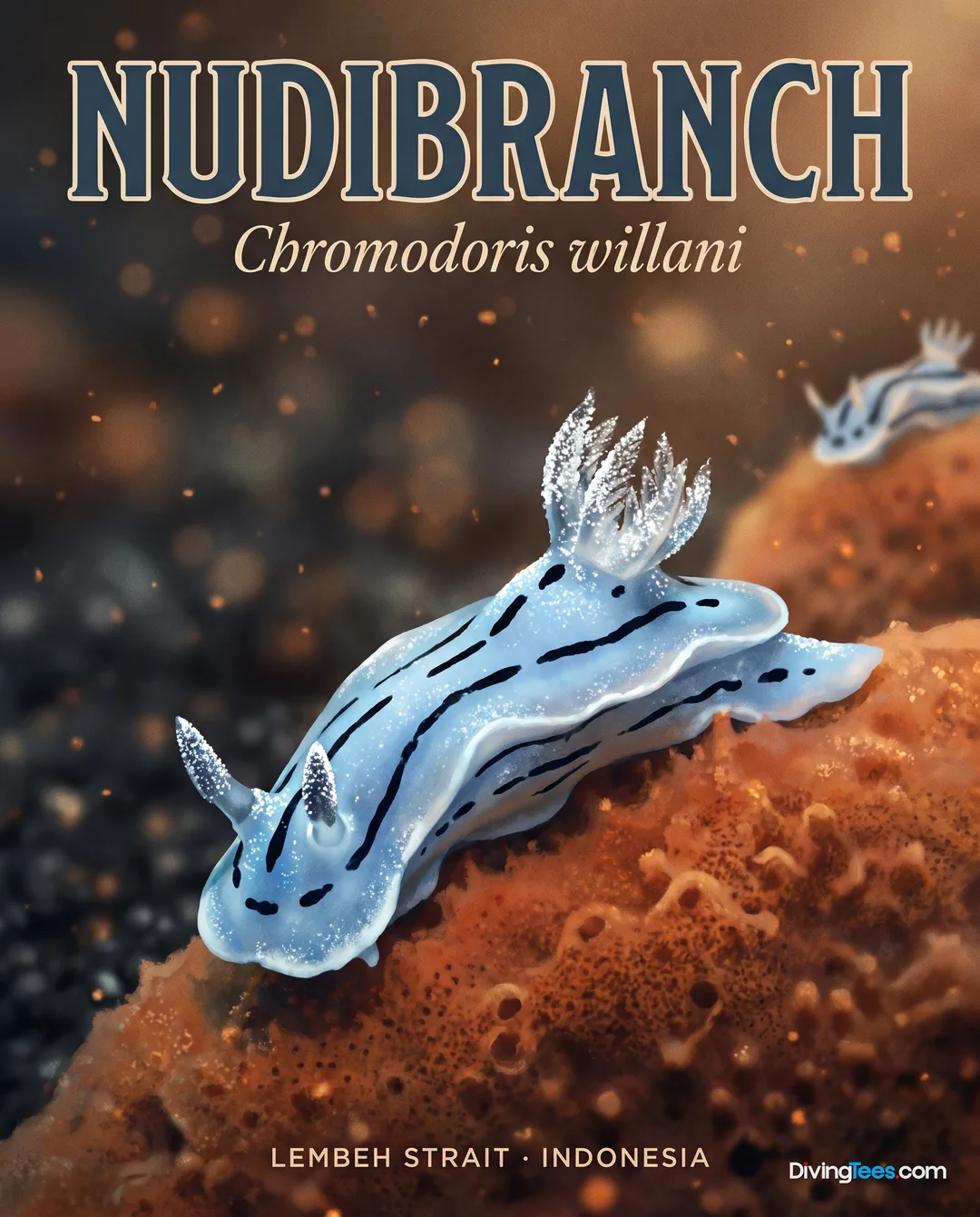
The Kaimana sites make the strongest case for this route. Saruenus Island is a current-led drift dive over soft-coral gardens, where pelagics may pass while wobbegongs, pygmy seahorses and nudibranchs hold the eye close to the reef. Bo’s Rainbow reaches a maximum of -16m, with coral-covered boulders dropping onto gentle sandy slopes that suit both wide-angle and macro work. White Rock reaches -14m and combines soft-coral slopes with chances for wobbegongs and frogfish. Macro Rocks reaches -20m; its white sand carries an unexpected density of nudibranchs. Flasher Beach, also at -20m, is sheltered and known for late-afternoon courtship displays by several flasher wrasses, including the endemic P. Nursalim. Christmas Rock reaches -18m, where strong currents feed soft-coral bommies and dense fish schools. Boulders brings sea fans, soft corals, glassfish and fusiliers around huge rocks, while Batu Jatuh's hard-coral boulders can produce mobula rays, eagle rays and mantas. Recorded departures include Komodo Expedition voyages of 8 days/7 nights or 10 days/9 nights, plus Ambon–Kaimana and Kaimana–Sorong voyages of 11 days/10 nights.
Itineraries, dates and prices
Prices per person. Each month shows its lowest price: click a month, or pick an itinerary.
Next departures · 45 departuresfrom £3,924$5,246€4,687
December 2026
January 2027
February 2027
March 2027
See dates and prices
If you click these links and make a purchase on the partner site, DivingDeal may earn a commission, at no extra cost to you.
Dates and prices taken from Divebooker and liveaboard.com, updated 25 October 2026
What you’ll meet underwater
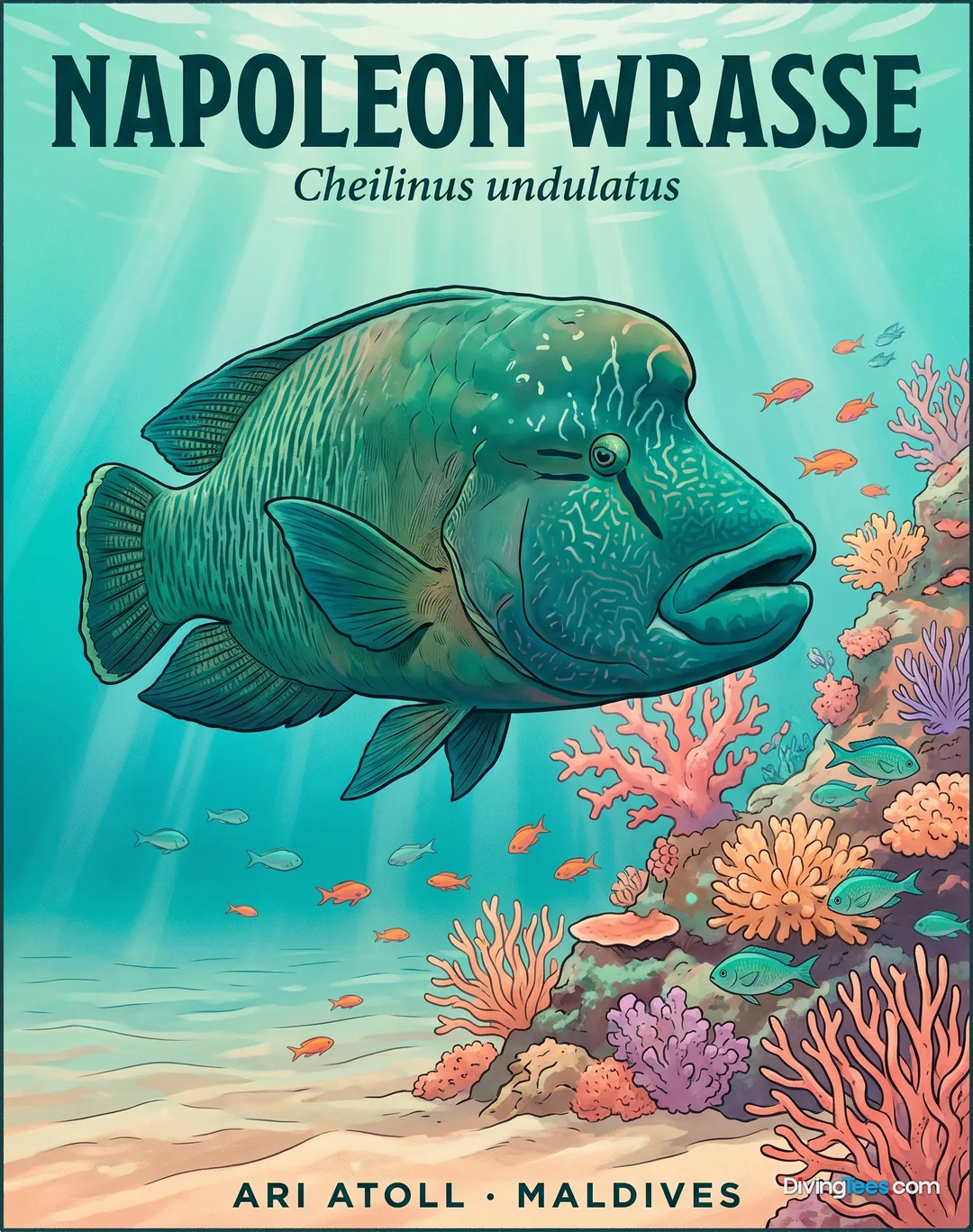
Across this Kaimana route, nudibranchs, pygmy seahorses and fusiliers are the recurring subjects, but the diving is not only about ticking off a common list. Current brings the larger fish onto exposed reefs: Saruenus Island can produce groupers, giant groupers and wobbegongs among the soft corals, while Andy’s Point uses stronger flow to draw yellowfin barracuda, humphead parrotfish, devil rays and reef sharks into view. Batu Jatuh is the site to watch for mantas, Napoleon wrasse and trevally, alongside batfish and eagle rays. At Boulders, glassfish, morays and puffers occupy the spaces around the boulders. Christmas Rock adds surgeonfish and sweetlips to its mixed schools. Flasher Beach is the specialist stop: the late-afternoon displays of flasher wrasses, including Triton Bay's endemic P. Nursalim, reward a slow, observant dive. The route works because it alternates the chance of pelagics in current with the small life waiting on sand, coral and rock.
Who puts you in the water
The diving team operates from the dhoni and includes a naturalist guide; the crew speaks English and Indonesian. The close staff-to-passenger ratio supports personal attention on Indonesian sites where current, visibility and the best position on the reef can change the character of a dive. Guided diving is part of the operation, and a private dive guide can be arranged as an optional extra. The boat welcomes non-diving snorkellers and offers guided snorkelling. Safety equipment includes oxygen, first-aid kits, fire alarms and extinguishers, life rafts, life jackets, radar, sonar, GPS and marine radios.
The dive deck and the gear
The dive operation is moved onto a separate 21-metre dhoni, the feature that most changes how the week works. It carries the diving equipment and air compressors, with a shaded dive area, diver platform, rinse tanks and separate camera rinsing. Two tenders handle transfers and diver support. Nitrox is available as an optional extra, and DIN adapters are carried for regulators that need them. Sidemount diving is supported. Night dives are included in the package, while rental equipment, nitrox and extra dives are optional extras. The division of labour is clear: the dhoni is the working dive platform, while Zen keeps its decks open for eating, resting and spa time.
Between dives
Between dives, the boat gives the trip another pace. The shaded relaxation areas and observation deck are the practical places to dry off, read or watch the route, while the spa and massage treatments offer a deliberate reset for shoulders and legs. Morning yoga is included, and kayaks and stand-up paddleboards make the water around a quiet anchorage part of the day rather than just a transfer point. Shore time can mean a guided excursion, a naturalist itinerary, a village visit or a barbecue on the beach, depending on the route. There is also a dedicated photo area and a separate camera rinse tank, so wet cameras do not have to compete with cups and towels in the main living spaces. Zen works best for divers who want these gaps to have their own purpose, not simply more time waiting for the next dive.
A day on board
A day on Zen begins with the dive operation rather than the breakfast room. The dhoni prepares first, the briefing comes before the group enters, and the return to the main boat is followed by food, shade and the choice of another activity. The schedule can hold several daytime dives, snorkelling, a shore excursion or water sports, with the exact order changing around the site and conditions. Between dives, the spa can take over, or the boat can head for a sandbank, village or beach barbecue. Night dives are included, so the day does not necessarily finish when the sun leaves the reef. Dinner may be served as a buffet, à la carte meal or outdoor barbecue. The useful rhythm is the separation: the dhoni handles the repetition of diving, while Zen gives the hours between entries enough room to feel like part of the trip rather than recovery time.
What you eat aboard
Meals are full board, with local and Western cooking served as buffets or à la carte dishes. Vegetarian and vegan choices are available, along with snacks through the day, beer, wine and cocktails; selected wines are part of the offering, while alcoholic and non-alcoholic drinks beyond the included service are optional extras. The boat also serves barbecue meals outdoors and can put on a beach barbecue during an excursion. That range matters on a diving trip: a buffet lets divers eat quickly after a return, while an à la carte or outdoor dinner gives the evening a slower shape. The galley is clearly aimed above basic liveaboard fare, but the reason to choose Zen is the combination of reliable meals with the Indonesian route, not the promise that every dish will surpass a resort restaurant.
Nights at sea
The cabins are on the lower deck, with porthole windows and private bathrooms. The categories run from Sea Star Suites through Dolphin and Cowrie Suites to the Owner's Manta Suite; some cabins also have balconies or sea views. The useful point after a long dive is not the category name but the separation from the working dive boat: Zen remains the dry, quiet side of the operation while the dhoni carries the equipment and preparation. Air conditioning, hot showers, daily housekeeping, cabin towels and a safe are provided. Family cabins make the boat workable for a group travelling together, while the suite layout gives couples more privacy than a typical compact liveaboard. The lower-deck position and portholes are part of the trade-off: these are comfortable cabins, not rooms built around a full picture window.
Owner's Manta Suite
Cowrie Suite
Dolphin Suite
Sea Star Suites
What to know before boarding
Recorded itineraries depart and return through Labuan Bajo for the Komodo Expedition, while the longer routes run from Ambon to Kaimana or from Kaimana to Sorong. Airport and hotel transfers are included. Arrangements are made as part of the booking and transfer information is provided for the embarkation plan. Arriving the night before is sensible, especially for the one-way Ambon–Kaimana and Kaimana–Sorong routes.
Deck plan
- Year built
- 2012
- Year renovated
- 2020
- Length
- 53 m
- Beam
- 9.5 m
- Maximum number of passengers
- 20
- Number of cabins
- 9
- Number of bathrooms
- 9
- Engines
- Doosan Type V 180 TIH
- Cruising speed
- 7 knots
- Tenders
- 2
- Website
- scubaspa-indonesia.com ↗
Hello, I'm Marina, DivingDeal.com's AI assistant. I answer in detail about hotels, dive centres and liveaboards.
Thinking about the whole trip and the flights? Talk it over with Edith →
Marina is an AI. Some links are affiliate links: DivingDeal may earn a commission, at no extra cost to you. Bookings are made with the partner.