
Uber Scuba Komodo
Google 5/5 (1,538 reviews)
41 km away as the crow flies
Komodo · Indonesia · Asia
Descend into the vibrant coral gardens of Pink Beach, where the unique rose-hued sand creates a backdrop for diverse reef life.
For subtitles in English: start the video firstthen click the gearat the top right of the video, select “Subtitles/CC”, then “Auto-translate” and choose “English”.
Pink Beach earns its name from the crushed red coral fragments mixing with white sand, creating a visually striking gradient as you descend. This unique coloration extends below the surface, influencing the ambient light and offering a distinct atmosphere not found in typical reef environments. The dive begins over shallow, sheltered areas, gradually leading into the more expansive coral gardens that characterize the site.
The primary topography here consists of extensive, healthy coral reefs, a mix of both hard and soft coral species, forming a rich and complex habitat. You'll find yourself navigating through intricate coral formations that provide shelter for smaller reef dwellers. The structure is generally gentle, sloping gradually, which allows for relaxed exploration and an easy profile for various experience levels.
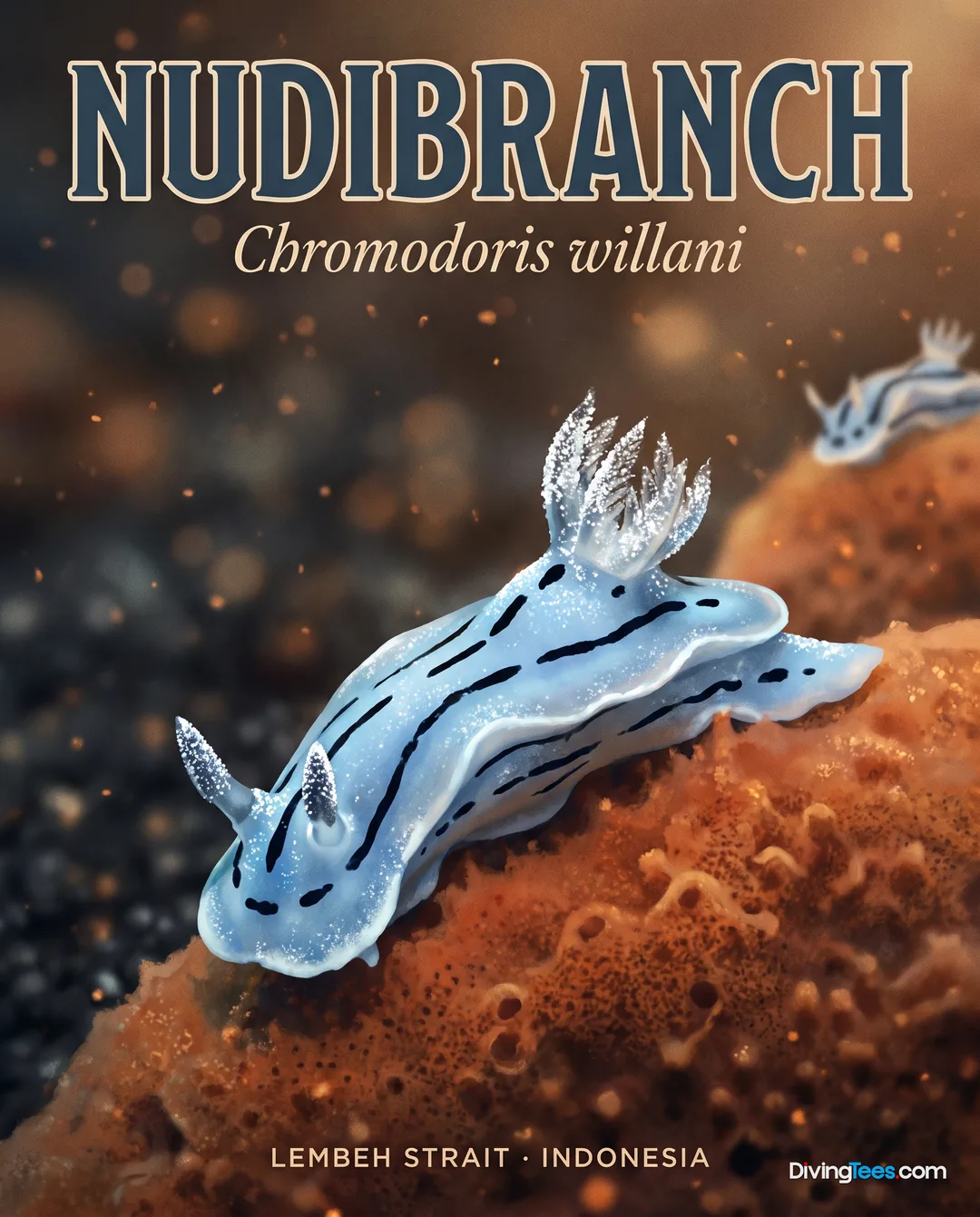
Among the coral heads, look closely for the smaller inhabitants that define this ecosystem. Nudibranchs in an array of colours are common, often found grazing on sponges and hydroids. Moray eels (Muraenidae), tucked into crevices, will occasionally peer out, while clownfish (Amphiprioninae) diligently guard their anemone homes, unfazed by passing divers. These are resident species, consistently present and forming integral parts of the reef community.
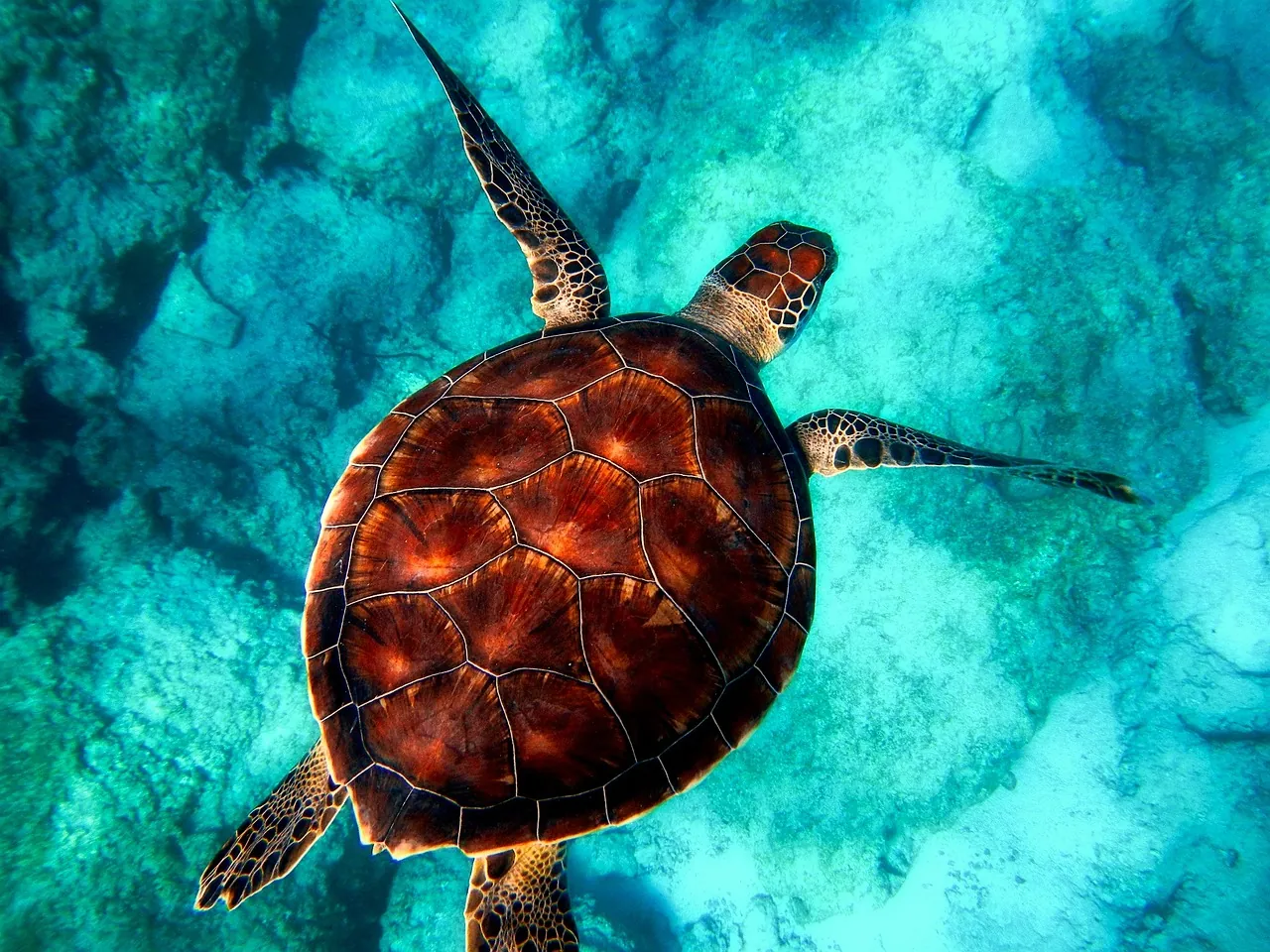
While the site is primarily known for its vibrant reef life, the broader Komodo area is renowned for its pelagic activity. Though Pink Beach maintains a more sheltered profile, sightings of green sea turtles (Chelonia mydas) gliding gracefully over the reef are frequent. Occasional encounters with various ray species (Batoidea) can also occur, particularly in the slightly deeper, less disturbed sections of the reef.
The conditions at Pink Beach typically offer clear visibility, enhancing the panoramic views of the coral gardens and the distinct pink undertones of the seafloor. The shallow nature of much of the reef means sunlight penetrates well, illuminating the colours and making it an excellent site for photographers. The calm current often experienced here makes it an accessible dive for divers looking to explore at a leisurely pace without being pushed along.
Dive depths at Pink Beach are best explored in the recreational range. Visibility here extends from 15 to 30 metres, offering clear views of the extensive coral gardens. The best time to dive is between April and November, during the dry season, when water clarity is at its peak. Currents at Pink Beach are generally calm, making it suitable for divers of all experience levels.
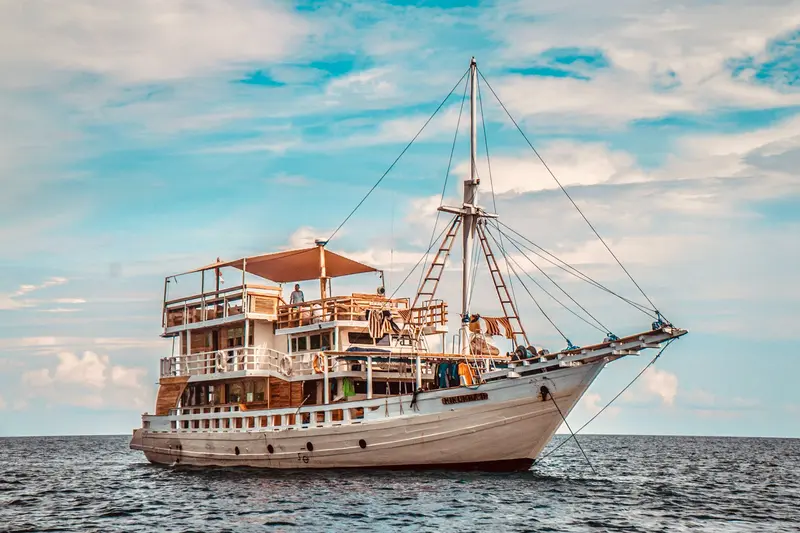
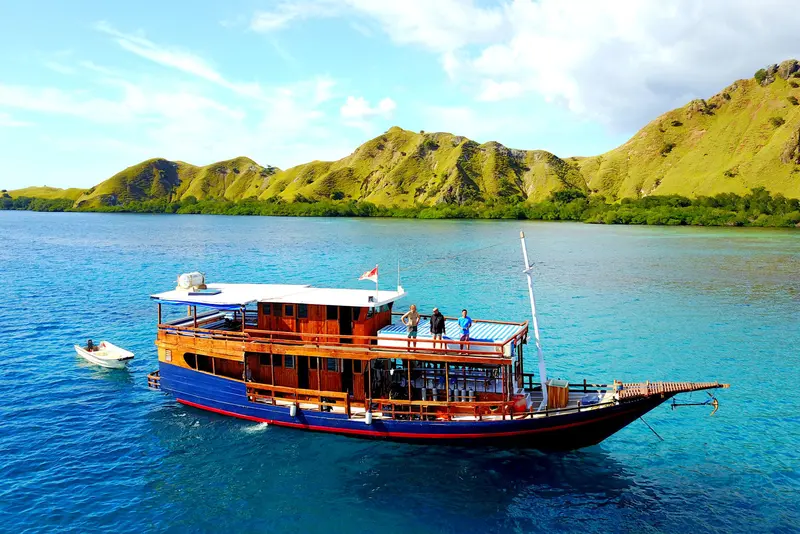
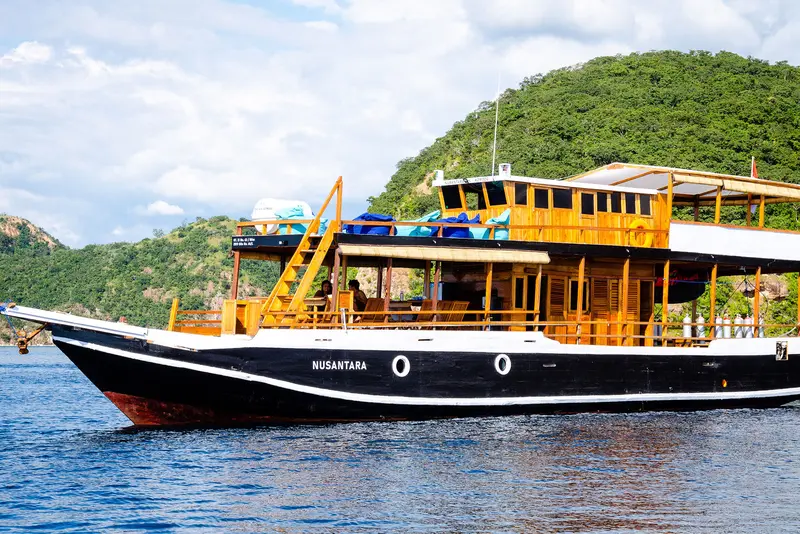
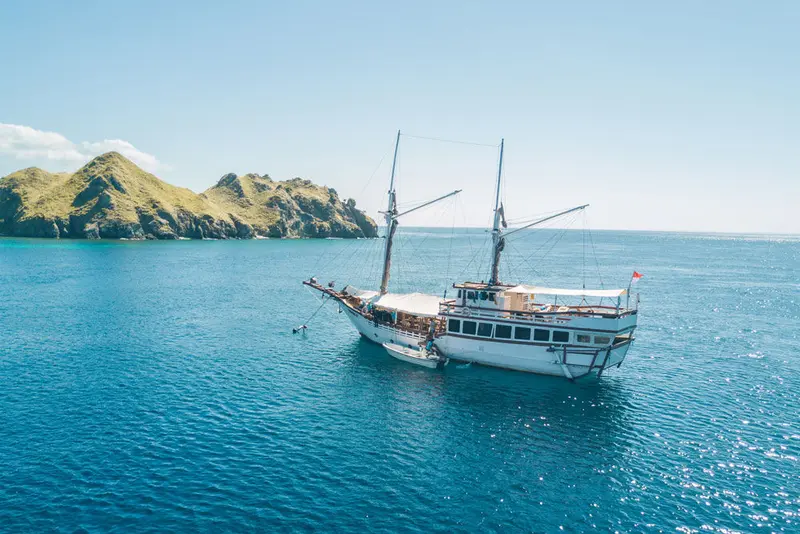
37 liveaboards depart from Komodo another way to explore the region, over several days at sea.
You will find the clearest conditions at Pink Beach during the dry season, from April through November. Visibility typically ranges from fifteen to thirty metres, giving you clear views across the coral gardens. Sunlight also reaches the shallow reef, helping illuminate the underwater pink tones and coral colours.
Pink Beach is suitable for divers of all experience levels because its currents are generally calm. You can explore at a relaxed pace without being pushed along, while the sheltered setting and gentle reef profile provide comfortable conditions for leisurely underwater observation and photography.
At Pink Beach, you begin over shallow, sheltered areas before reaching broader coral gardens. The reef slopes gently and offers an easy profile for relaxed exploration. Its underwater pink coloration comes from crushed red coral fragments mixed with white sand, creating a distinctive atmosphere as you descend.
You can look for colourful nudibranchs among the coral, moray eels tucked into reef crevices, and clownfish sheltering in anemones. Green sea turtles may glide over the reef, while rays can occur in slightly deeper, less disturbed sections. Hard and soft corals fill the surrounding gardens.