
Menjangan Snorkeling Trip & Diving
Google 5/5 (1,008 reviews)
Menjangan · Indonesia · Asia
Max. depth · 28 mDescend into Coral Garden, where the vibrant reef life of Menjangan's northeast point unfolds between 3 and 28 metres.
For subtitles in English: start the video firstthen click the gearat the top right of the video, select “Subtitles/CC”, then “Auto-translate” and choose “English”.
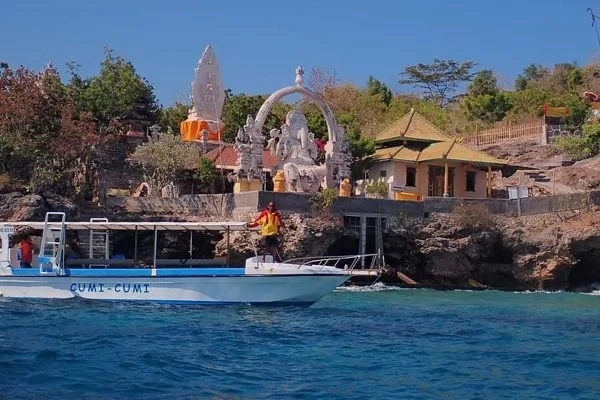
Approaching Coral Garden, you'll find yourself on the northeast tip of Menjangan Island, a short 30-minute boat ride from Pemuteran. The descent immediately brings you into a thriving reef ecosystem. Unlike a dramatic wall, this site presents a gentle, sloping topography rich with hard and soft corals, inviting you to explore its contours as you go deeper. The initial shallows are a kaleidoscope of colour, setting the stage for the abundant life sustained by these healthy reefs.
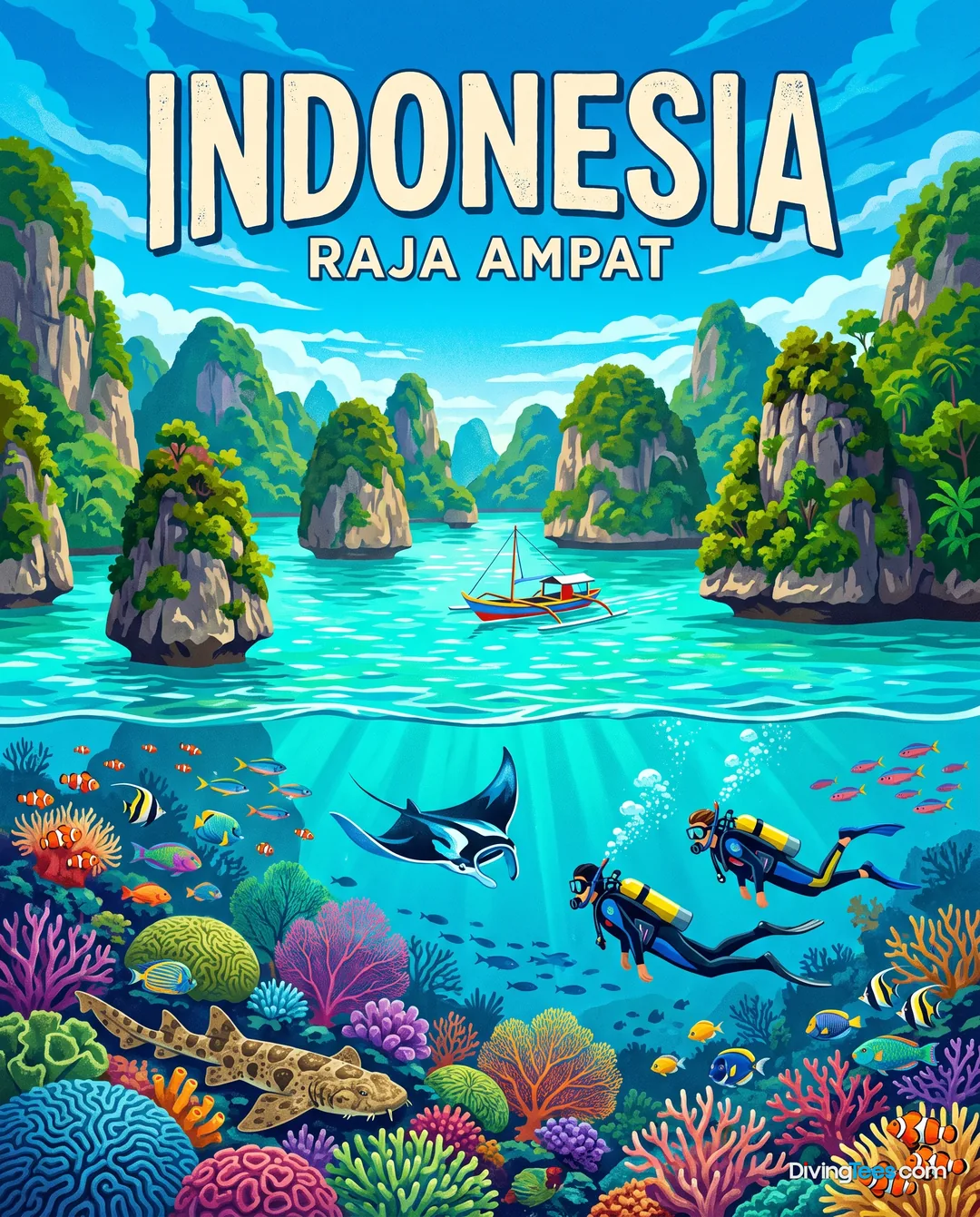
As you progressively explore, the reef spreads out, featuring extensive fields of gorgonians that stand prominently, filtering nutrients from the gentle flow. Keep a keen eye out for green turtles (Chelonia mydas) and hawksbill turtles (Eretmochelys imbricata) frequently spotted at around 7 metres, often browsing on sponges or resting within coral formations. The ease of the descent and the calm environment here make it perfect for observing these ancient mariners in their natural habitat without feeling rushed.
Further along the reef, the diversity of fish life is significant. You'll encounter schools of butterflyfish and parrotfish, their vivid hues adding to the spectacle as they graze the corals and algae. Surgeonfish move in coordinated groups, while the more solitary triggerfish patrol their territories. Pufferfish, anthias, and various crustaceans also populate the intricate reef structure, showcasing the sheer density of life supported by this well-preserved Bali dive site.
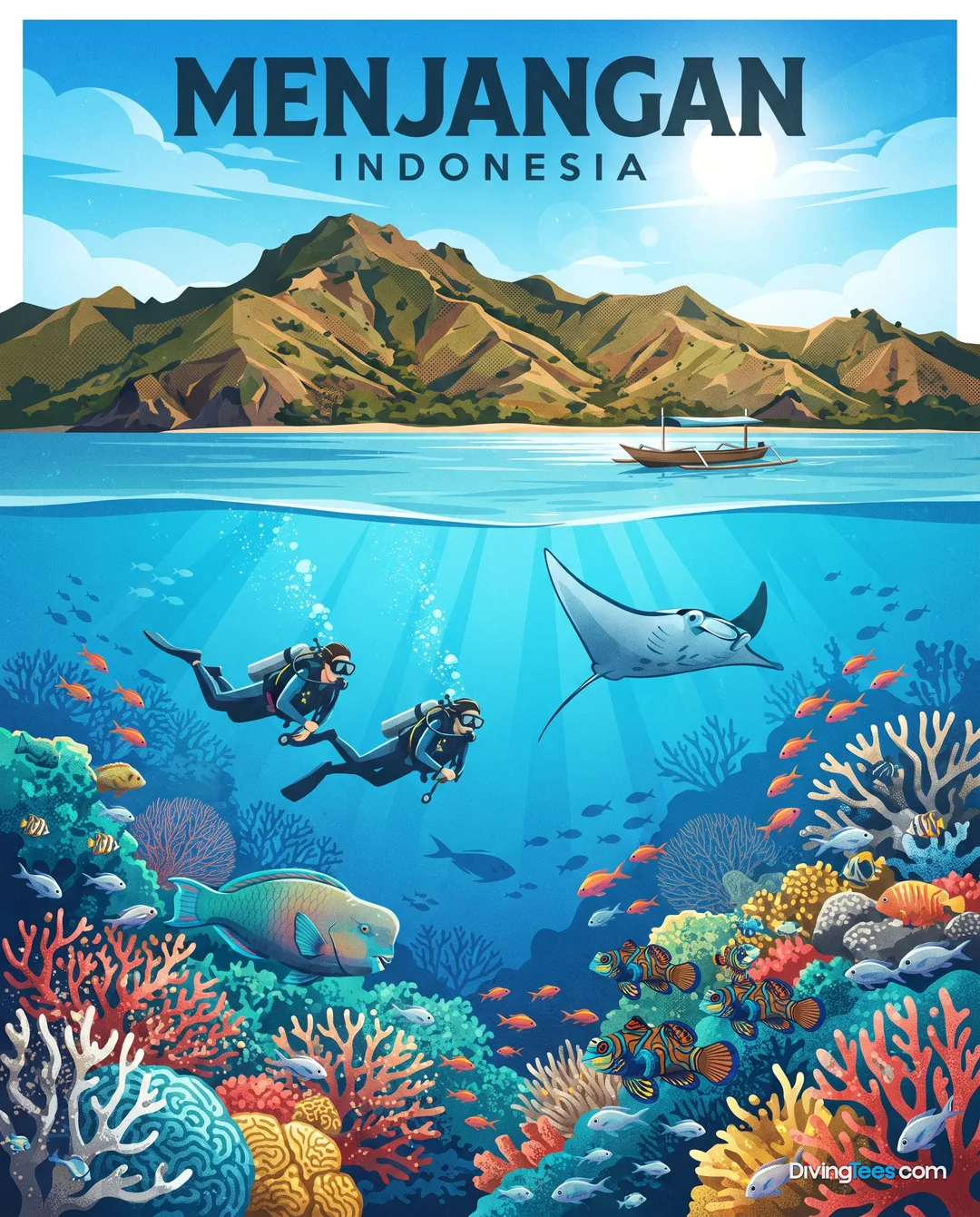
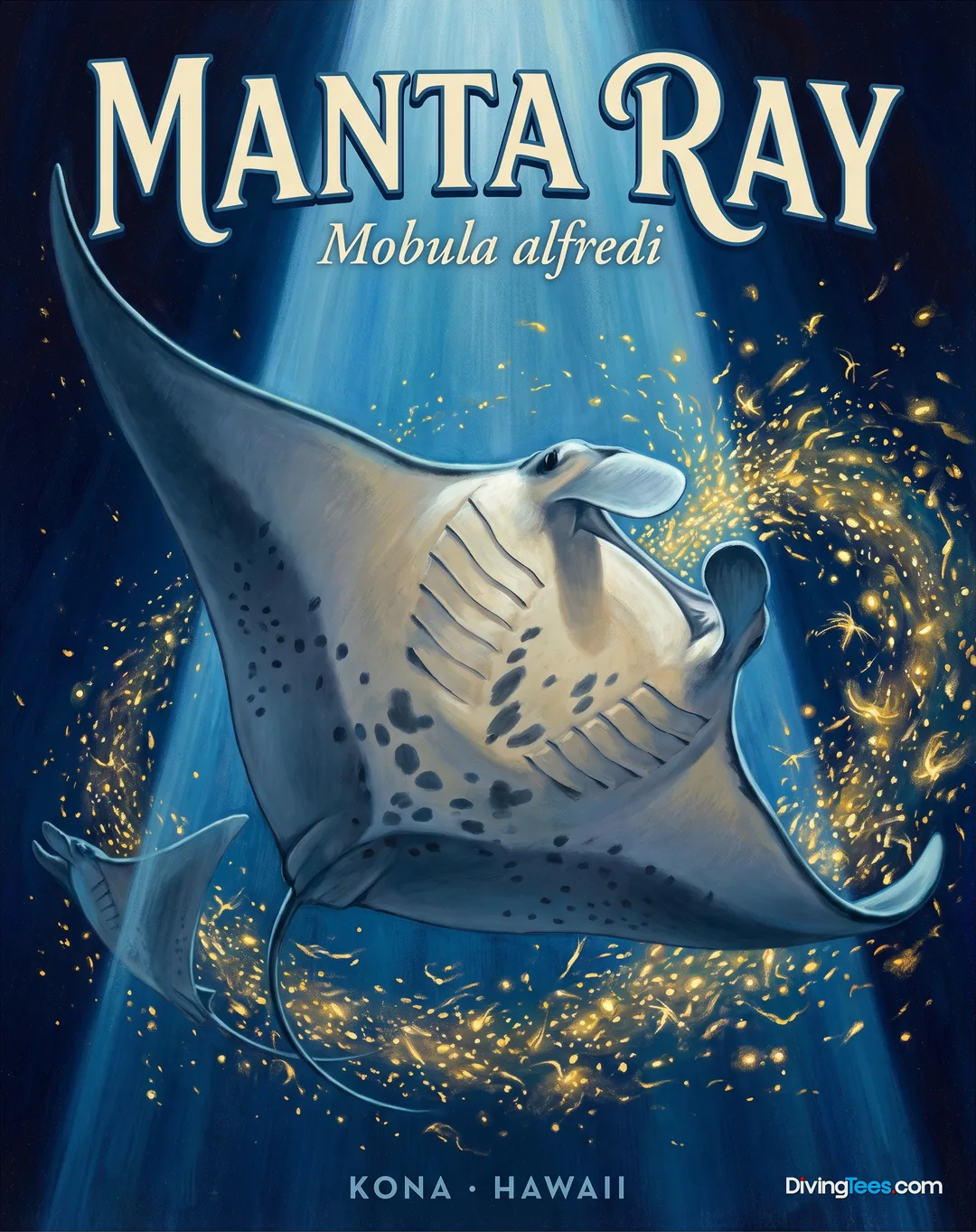
While the reef teems with smaller inhabitants, Coral Garden also draws in larger, pelagic visitors. Reef sharks occasionally pass through, cruising the deeper sections of the site, maintaining a respectful distance. For those diving between June and September, there's an increased chance of encountering manta rays (Manta birostris or Mobula alfredi) gliding gracefully over the reef, a truly humbling experience as these giants pass silently overhead. The exceptional visibility, often between 15 and 40 metres, enhances these encounters, allowing clear views of marine life from a distance.
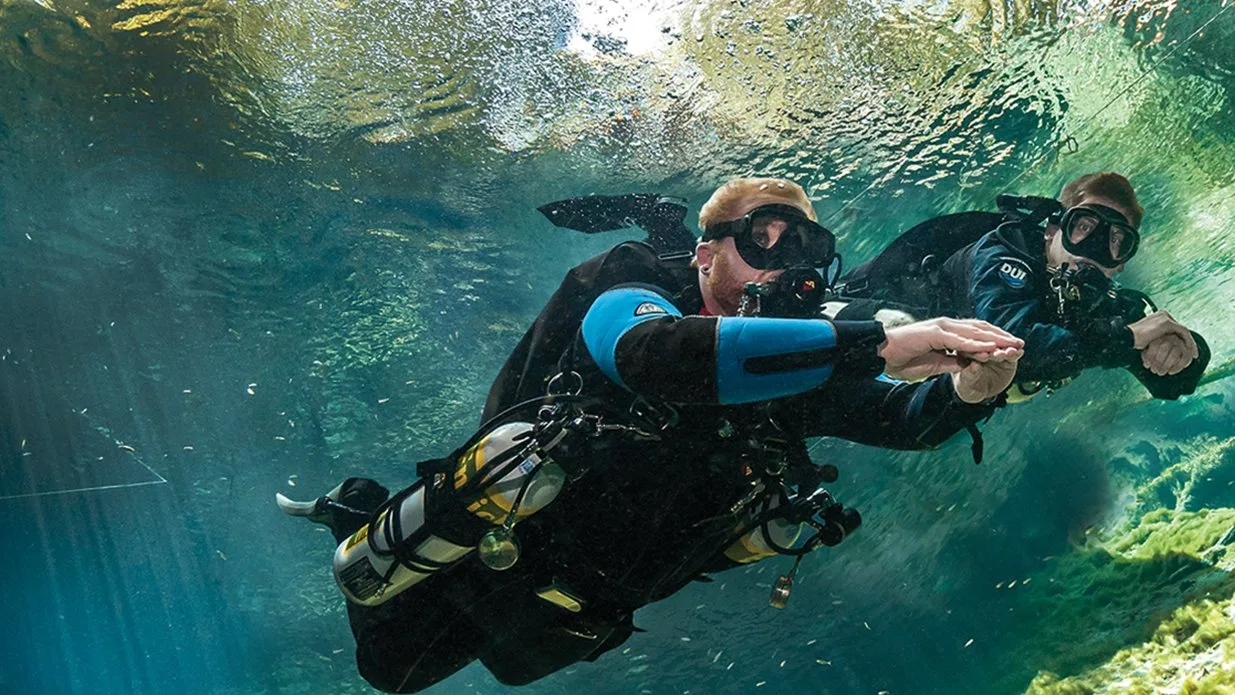
This site is accessible to divers of all levels, making it a welcoming spot whether you're just starting out or have thousands of dives under your belt. Depths here range from a shallow 3 metres down to 28 metres, offering plenty of scope for exploration. Current activity is generally weak, ensuring a relaxed dive profile. Visibility is consistently good, often ranging between 15 and 40 metres, providing expansive views of the coral formations and marine life. The best time to dive Coral Garden is from April to November, with manta ray encounters more probable between June and September.
You can dive Coral Garden from April to November, when conditions are suited to exploring its reef. If manta rays are a priority, plan your dive between June and September, when encounters with these visitors are more probable. Visibility is consistently good, ranging from 15 to 40 metres.
Coral Garden is accessible to divers of all levels, from beginners to highly experienced divers. Its gently sloping reef begins at 3 metres and reaches 28 metres, giving you room to choose an appropriate depth while exploring healthy hard and soft corals, gorgonians, and reef life.
You can expect weak, generally calm currents at Coral Garden, supporting a relaxed dive profile. The gentle flow passes through extensive gorgonian fields and coral structures without changing the site's welcoming character. These conditions let you spend time observing turtles, reef fish, and other marine life along the sloping reef.
At Coral Garden, you can see healthy coral structures, extensive gorgonians, butterflyfish, parrotfish, surgeonfish, triggerfish, pufferfish, anthias, and crustaceans. Green and hawksbill turtles are frequently spotted around 7 metres, while diverse reef sharks pass through deeper sections. From June to September, manta rays are more probable.