
Menjangan Snorkeling Trip & Diving
Google 5/5 (1,008 reviews)
Menjangan · Indonesia · Asia
Max. depth · 35 mDescend the vibrant walls of Bat Cave, where a hidden air pocket above the surface houses a bustling colony of bats.
For subtitles in English: start the video firstthen click the gearat the top right of the video, select “Subtitles/CC”, then “Auto-translate” and choose “English”.
Dropping into Bat Cave, you immediately encounter a dramatic wall plunging from shallow depths, characterized by a series of overhangs and intricate crevasses. The initial descent reveals a habitat teeming with smaller, often overlooked creatures. As you explore, the changing light against the wall creates a dynamic backdrop, highlighting the textures and colors of the reef structure. The site's diverse topography provides ample hiding spots and foraging grounds, making every section of the wall worth a close inspection for subtle movements.
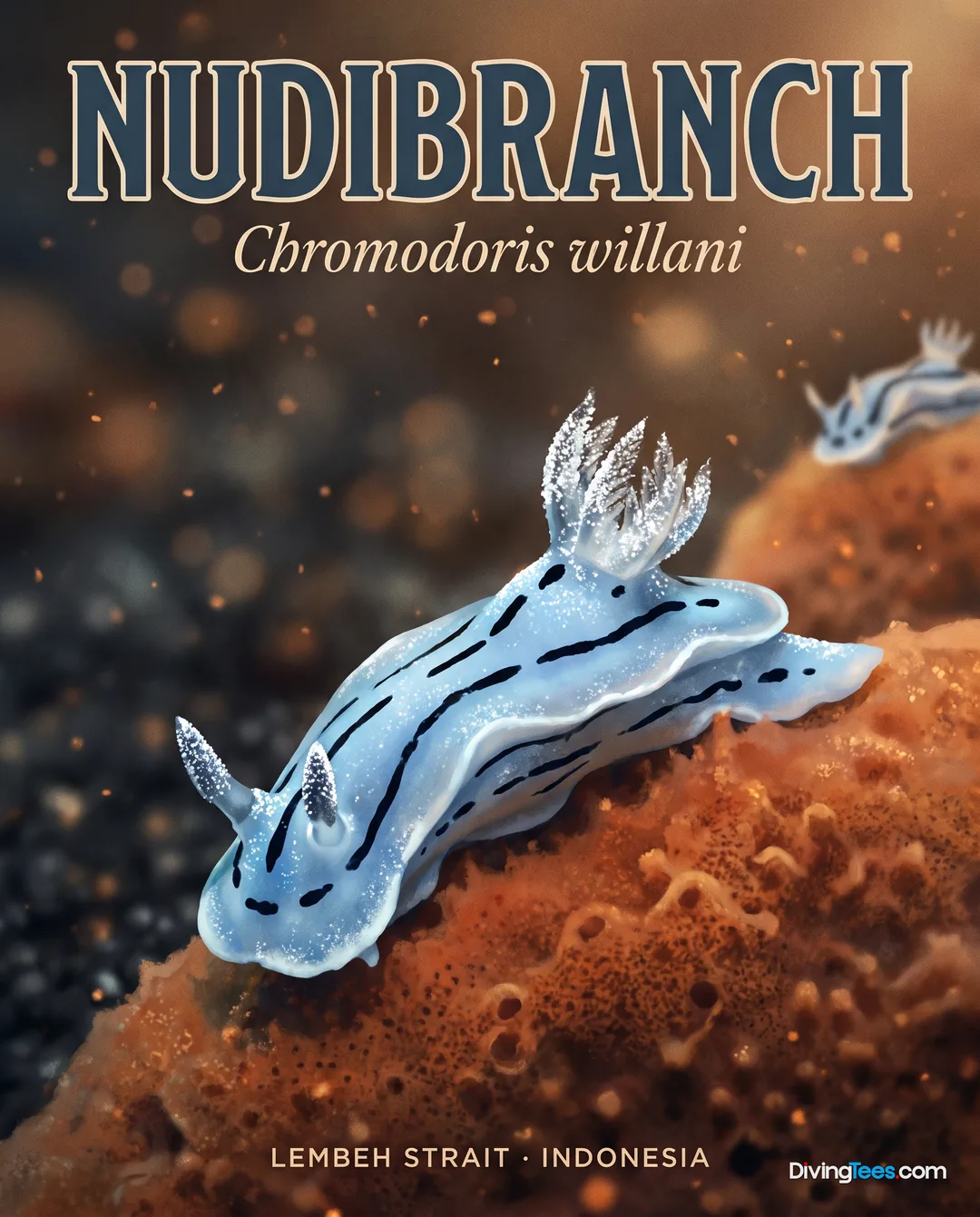
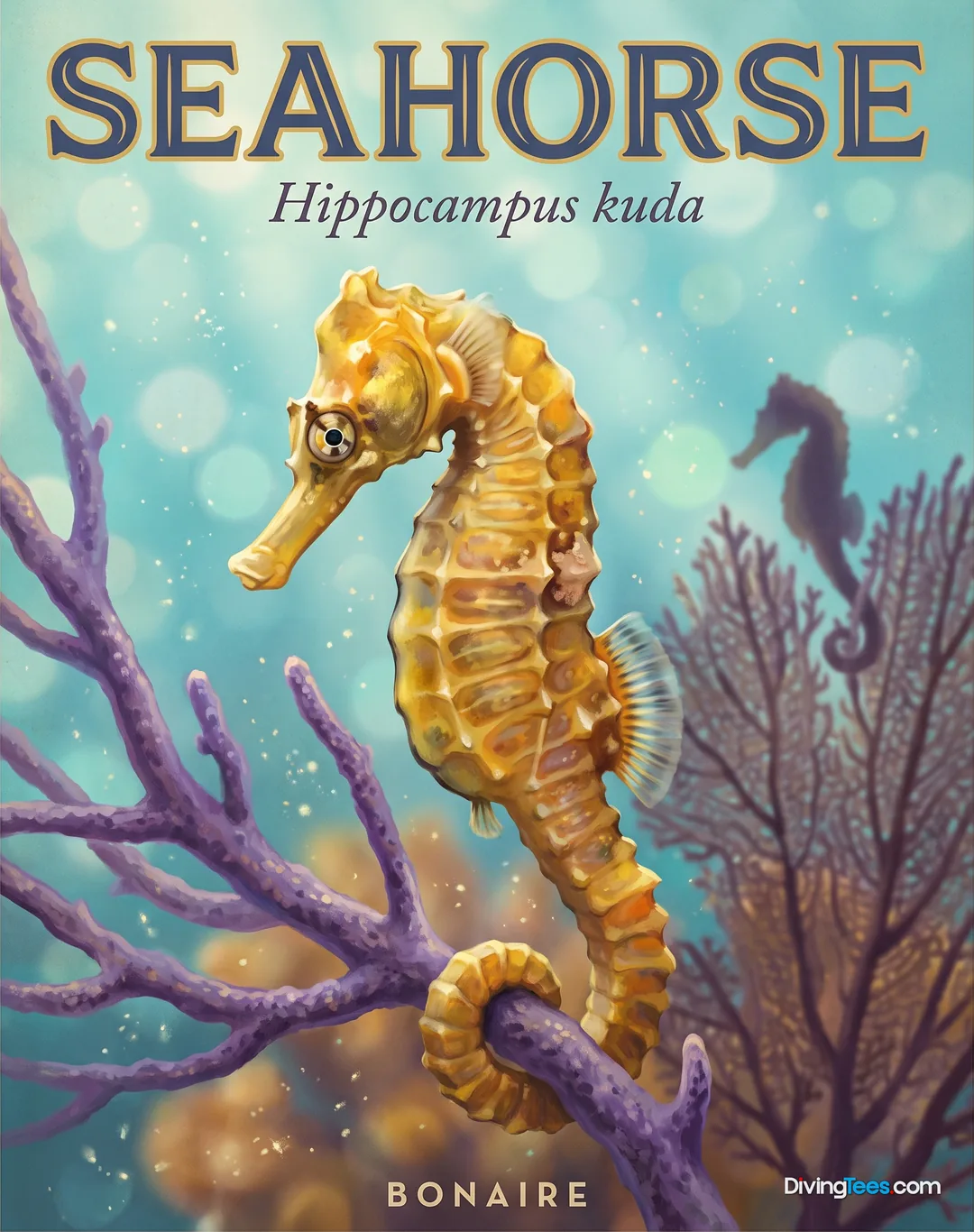
This wall dive is a macro photographer's haven, with an abundance of nudibranchs of various species showcasing their vibrant hues against the reef. Keep an eye out for cleaner shrimp diligently working on their hosts, and the more elusive harlequin shrimp with their distinctive markings. The labyrinth of crevices also serves as a perfect home for pygmy seahorses, blending seamlessly with their gorgonian hosts, requiring a keen eye and patience to spot them.
Further along the wall, the intricate reef structure supports a healthy population of frogfish, masters of camouflage, often found clinging to sponges or coral branches. Octopus frequently dart between the rocks, their intelligence evident in their shifting colors and movements. Scorpionfish and stonefish, equally adept at blending in, lie in wait, reminding you to maintain awareness of your surroundings as you glide along the reef.
The open water adjacent to the wall is often alive with anthias, their bright orange and pink bodies forming shimmering clouds, while various butterflyfish gracefully flit amongst the corals. Pufferfish, with their distinctive patterns, are also common residents. As you ascend towards shallower depths, the wall transitions into a shallower reef structure, yet the diversity of life persists, offering continued exploration.
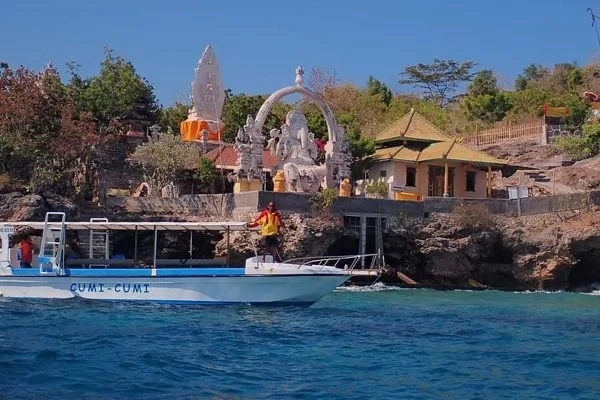
One of the defining features of Bat Cave is the actual air pocket above the surface that gives the site its name. While not directly a dive feature, the presence of a bat colony roosting there adds an unusual and distinctive element to the overall experience, a reminder of the unique interaction between the terrestrial and marine environments at this specific location. It's a testament to the diverse ecosystems supported within the Menjangan area.
Encounters with larger reef inhabitants are also possible, with slow-moving turtles often seen grazing on sponges or resting on ledges. The relatively weak currents at this site allow for relaxed exploration, giving you the time to fully appreciate the intricate details of the marine life without the added challenge of battling stronger flows. This calm environment contributes to the impressive visibility, which can range from 15 to 40 meters, making for clear and expansive views of the underwater landscape.
Bat Cave offers a rich tapestry of life against a dramatic wall, making it a compelling dive for those who appreciate both the subtle wonders of macro life and the broader beauty of a healthy reef system. The combination of intricate topography, a diverse community of smaller marine organisms, and the unique topside feature sets it apart, ensuring a dive that satisfies both novice and experienced divers alike in its blend of natural beauty and unusual characteristics.
Bat Cave is a wall dive accessible to all levels of divers, with a minimum depth of 5 meters and a maximum depth reaching 35 meters. The currents here are generally weak, providing a calm environment for exploration. You can expect visibility to be impressive, typically ranging from 15 to 40 meters. The best time to experience Bat Cave is during the period from April to November.
You can experience Bat Cave during the period from April to November. Visibility is typically between 15 and 40 meters, supporting clear views of the wall, overhangs, crevasses, and marine life. The site’s generally weak currents also create a calm setting for exploring its changing underwater scenery.
Bat Cave is accessible to all levels of divers. Its generally weak currents provide a calm environment for exploration, while the wall’s varied overhangs and crevasses offer points of interest for both newer and experienced divers. You can focus on the reef structure and smaller creatures at a relaxed pace.
Bat Cave is a wall dive with a minimum depth of 5 meters and a maximum depth of 35 meters. The currents are generally weak, so you can explore the wall, overhangs, and crevasses in calm conditions. Visibility typically ranges from 15 to 40 meters.
At Bat Cave, you can look for nudibranchs, harlequin shrimp, pygmy seahorses, frogfish, octopus, scorpionfish, stonefish, anthias, butterflyfish, pufferfish, and turtles. The site also features a wall with overhangs and crevasses, plus an overhead air pocket above the surface where a bat colony roosts.