
Oasis Explorers
Google 4.8/5 (122 reviews)
1.8 km away as the crow flies
North Sulawesi · Indonesia · Asia
Ron's Point offers a dynamic drift diving experience, where strong currents deliver an abundance of pelagic life and vibrant reef ecosystems.
For subtitles in English: start the video firstthen click the gearat the top right of the video, select “Subtitles/CC”, then “Auto-translate” and choose “English”.
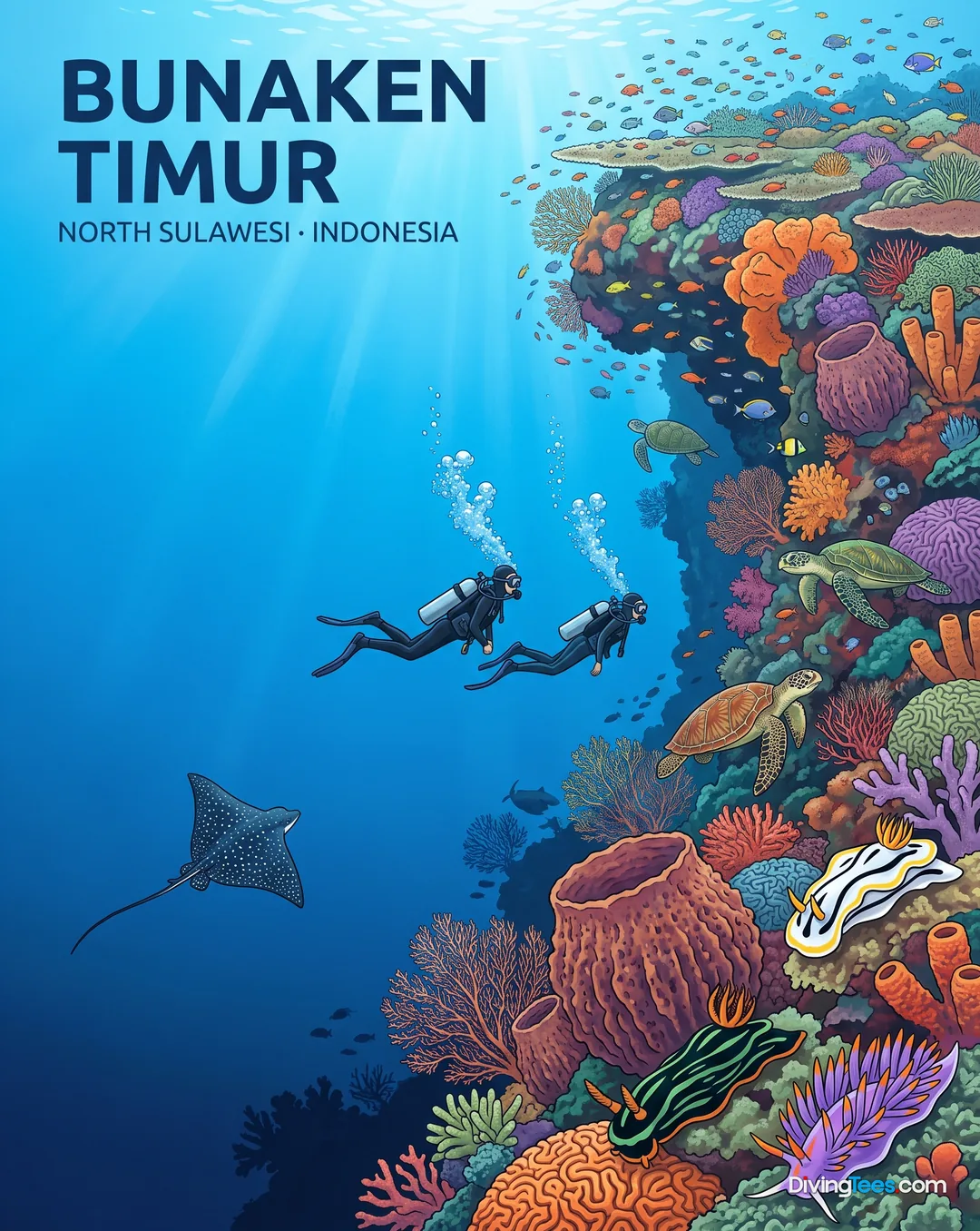
Approaching Ron's Point, located on the southwestern flank of Bunaken Island, you'll find yourself on a substantial sloping reef that emerges as a natural continuation of the Fukui reef system. The initial descent reveals a tropical reef environment bursting with life, a vivid kaleidoscope of colours that sets the stage for deeper exploration. The topography here transitions from this vibrant sloping reef into an expansive plateau, the primary draw for advanced divers. This geological feature extends to depths of 35 metres, offering a distinct change in landscape and a unique habitat. The shift from the immediate reef face to this flatter, deeper expanse creates a natural stage for encounters with larger, more transient species moving through the deep blue.
Ron's Point is often exposed to energetic currents, which are the lifeblood of the site, serving as a magnet for bigger fish into both the shallower and deeper sections of the reef. While the currents can be intense, the rewards for embracing them are clear in the abundance of life. It is on this deeper plateau, between 35 and 40 metres, that the true character of Ron's Point for advanced divers comes into its own. Here, the moderate to strong currents become your ally, ushering in the impressive pelagic species that patrol these waters. Keep your eyes peeled beyond the immediate reef, as this deeper vantage point provides the best opportunities to observe some of the ocean's more powerful inhabitants.
Visibility at Ron's Point typically ranges between 15 and 25 metres, allowing for clear views of both the intricate reef structure and the vastness of the blue. Even with strong currents, the clarity of the water ensures that your gaze can stretch far, giving you ample time to react to the passing parade of marine life. This combination of good visibility and movement of water makes for a constantly engaging dive.
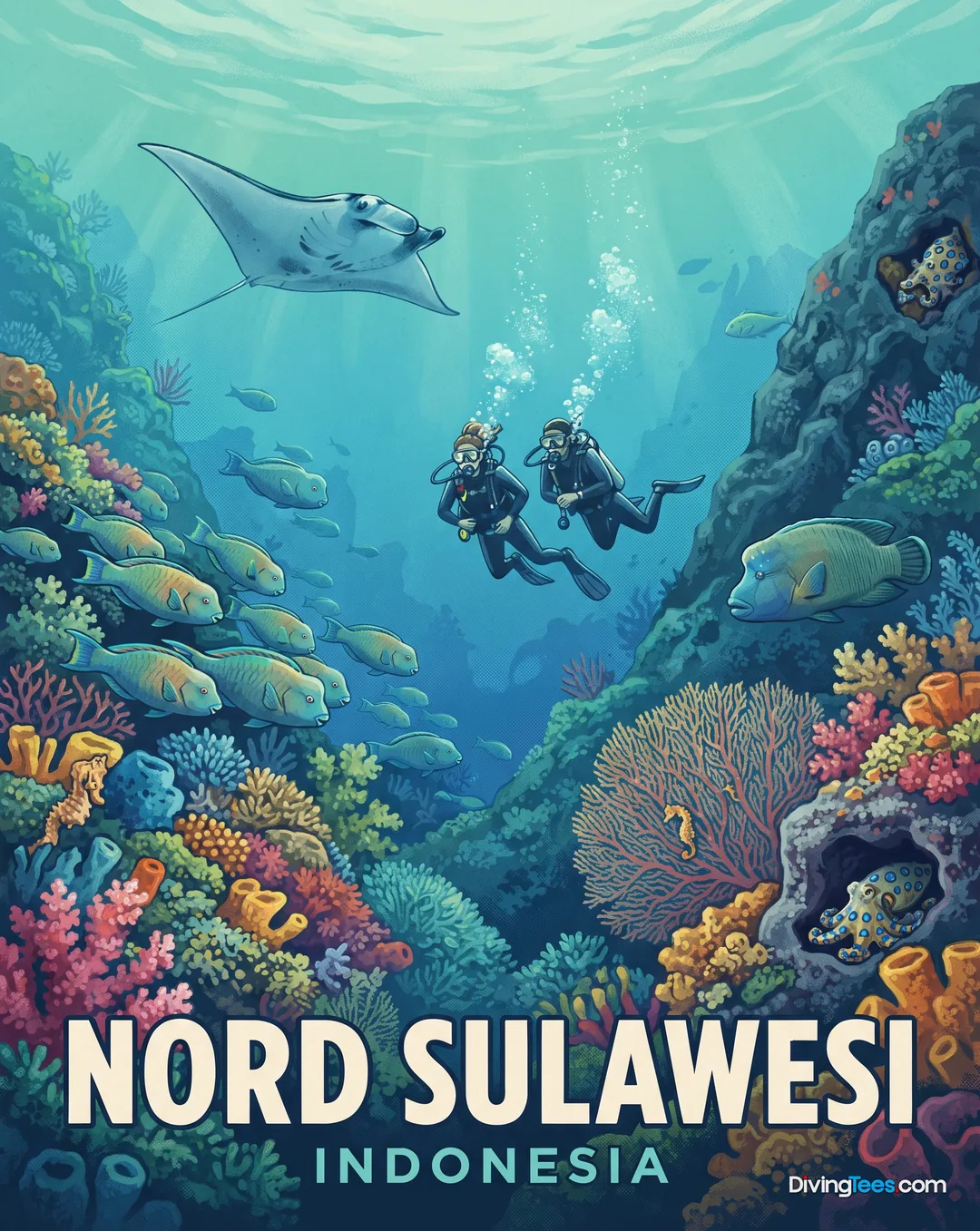
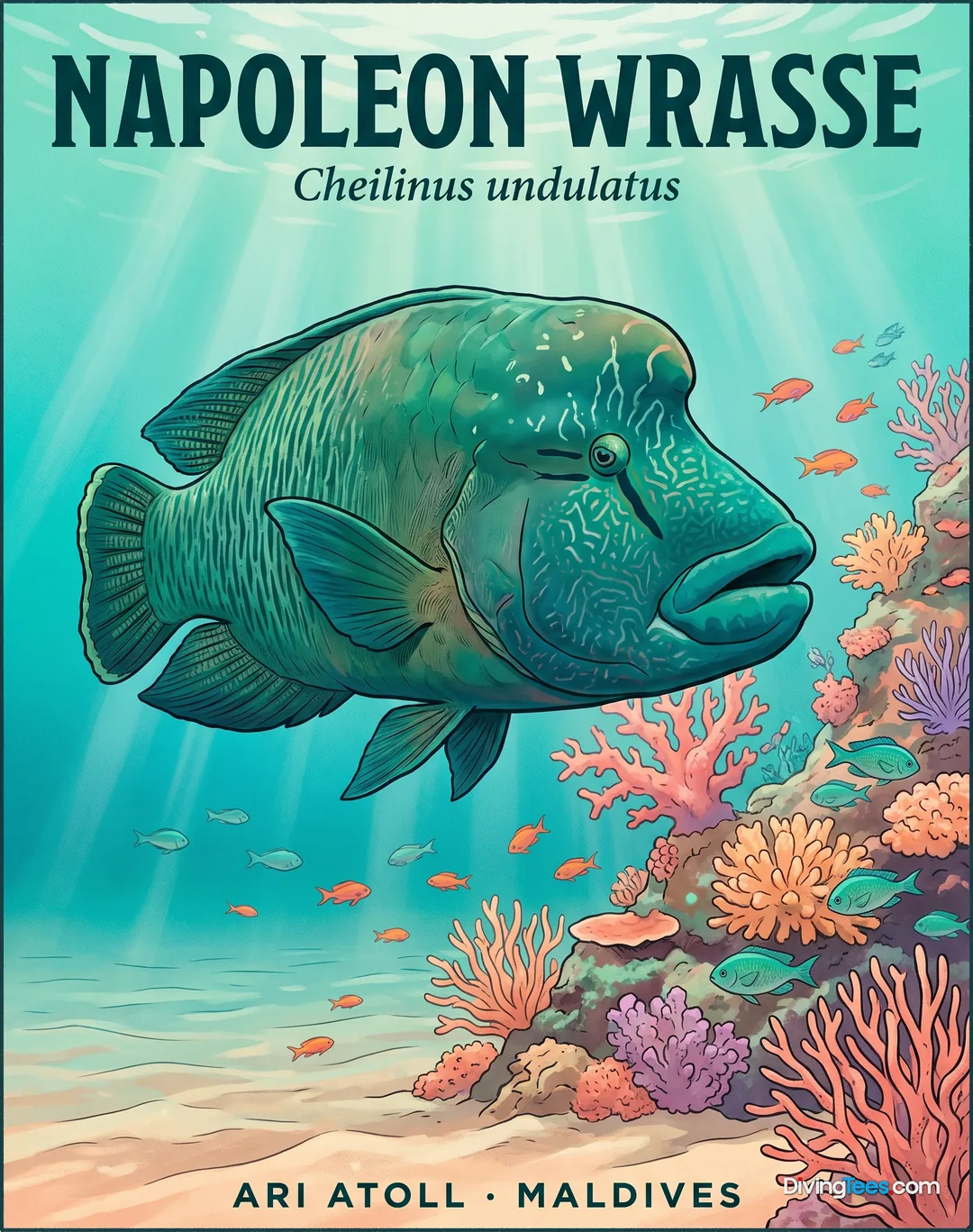
Among the regular inhabitants and visitors, you can expect encounters with powerful reef sharks (Carcharhinidae), often seen patrolling the reef's edge or gliding through the deeper sections, their sleek forms a testament to the health of the ecosystem. Schools of tuna (Thunnus spp.) are common, their sleek forms cutting through the blue, drawn by the nutrient-rich currents. Keep an eye out for the graceful movements of eagle rays (Aetobatus narinari), gliding effortlessly against the water's push, a sight that always elevates the dive experience. This site is also a consistent hunting ground for the impressive Napoleon wrasse (Cheilinus undulatus), their distinctive profiles making them easily identifiable as they navigate the reef.
While the deeper plateau is a magnet for pelagic action, the shallower areas closer to the island are teeming with tropical reef fish. Ascending from the depths, you'll re-enter a bustling ecosystem where these smaller, colourful species dart among the corals, creating a stark but equally captivating contrast to the open-ocean encounters. This diversity ensures that even after searching for pelagics, your safety stop or shallower exploration will be anything but dull, with countless fish species to observe. The interaction between the deeper, open-water environment and the protected, vibrant reef showcases the rich biodiversity inherent in Bunaken's marine park.
Ron's Point is largely accessible to advanced divers, with a maximum depth of 35 metres, though the deeper plateau extends to 40 metres. It is also suitable for divers of all levels who want to experience current diving. Currents here can be strong, dictating a professional drift diving approach. Visibility typically sits between 15 and 25 metres. The best period to dive at Ron's Point, in line with the regional dry season, is from the end of March until the end of November. Snorkelling is possible, but only in periods of very gentle current due to the potential for strong water movement pushing towards the shallow reef.
Plan your Ron's Point dive from the end of March until the end of November, during the regional dry season. Visibility typically ranges from 15 to 25 metres during this period. Snorkelling is possible only when the current is very gentle, because stronger movement can push you toward the shallow reef.
Ron's Point is largely accessible to advanced divers, particularly because its deeper plateau and energetic water require experience. Divers of all levels can visit if they want to experience current diving, but strong currents may dictate a professional drift diving approach. Your comfort with moving water is important when choosing this site.
At Ron's Point, the sloping reef leads to an expansive plateau reaching 35 metres, while the deeper plateau extends to 40 metres. The deeper area is intended for advanced divers and provides a vantage point over the blue, where larger transient species move through the current beyond the reef.
Ron's Point can have strong, energetic currents, creating a dynamic drift diving experience and attracting larger fish. You may see reef sharks, eagle rays, schools of tuna and Napoleon wrasse around the deeper reef and plateau. Shallower areas contain abundant tropical reef fish, while visibility typically ranges from 15 to 25 metres.