

Abyss Ocean World
Google 5/5 (264 reviews)
2.3 km away as the crow flies
Pemuteran · Indonesia · Asia
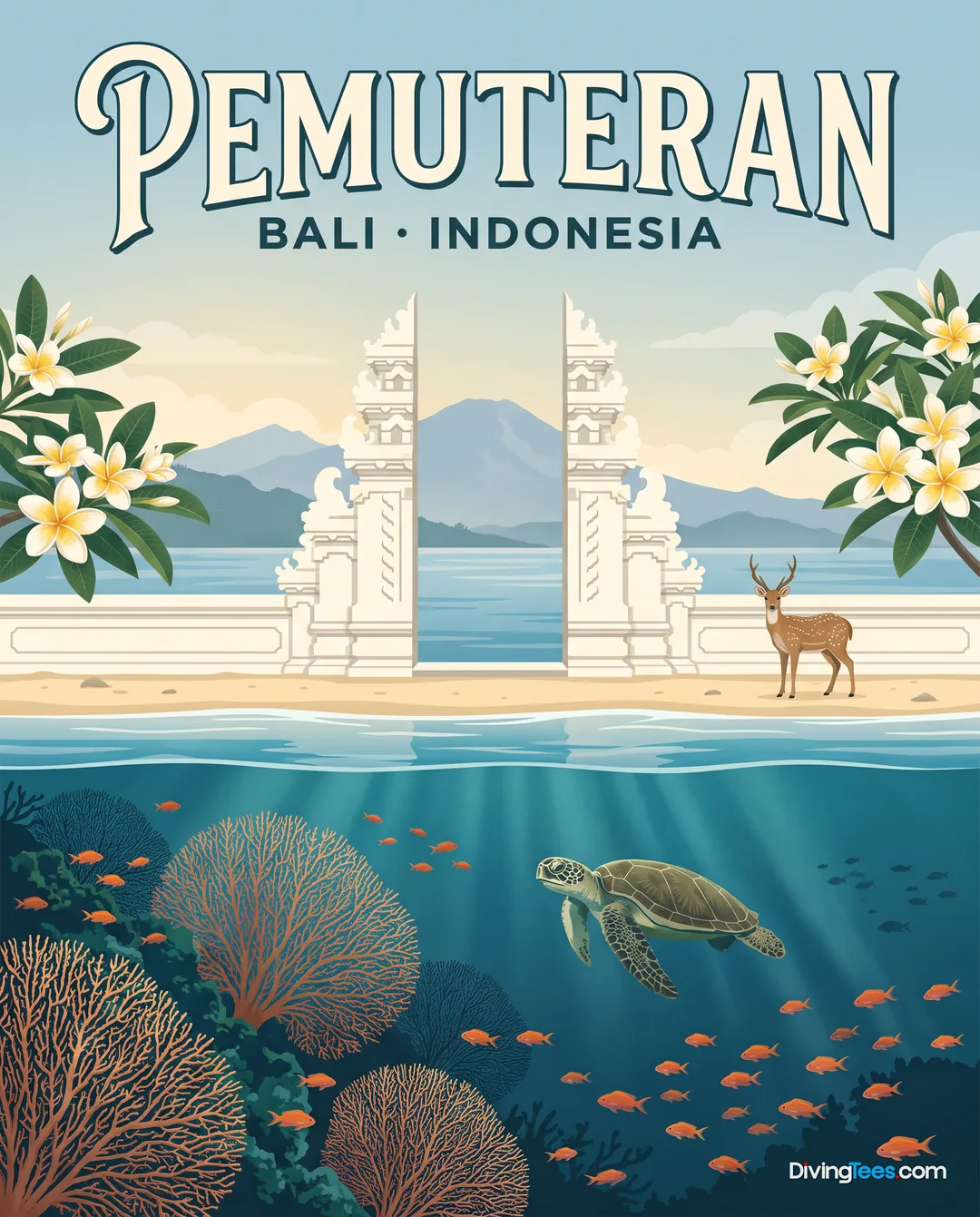
Max. depth · 35 mNapoleon Reef in Pemuteran offers a diverse underwater landscape, from shallow coral gardens to dramatic 35-meter walls, all within an ancient volcanic chain.
For subtitles in English: start the video firstthen click the gearat the top right of the video, select “Subtitles/CC”, then “Auto-translate” and choose “English”.
Napoleon Reef is a captivating dive site, situated approximately 1 km off the coast of Pemuteran, Bali. What awaits you here is not just a single reef, but an intricate chain of submerged islands and vibrant reef structures, all remnants of a long-extinct underwater volcano. This geological history has carved out a diverse topography, offering a compelling blend of dramatic underwater walls and expansive, shallower coral plateaus. The entire complex is easily accessible, typically reached within a 10 to 15-minute boat ride from the shore, making it a convenient destination for various dive profiles.
As you descend at Napoleon Reef, you'll find yourself navigating a varied underwater terrain that caters to a broad spectrum of diving preferences. The site boasts impressive walls that plummet to depths of up to 35 meters, providing a thrilling vertical exploration for experienced divers. These sheer faces are often adorned with a rich tapestry of corals and sponges, hinting at the vibrant ecosystem thriving within their crevices. In contrast, the shallower sections transition into sprawling coral gardens, bright and active, where sunlight permeates the water column, illuminating the intricate details of the reef.
The sheer variety of depths and structures at Napoleon Reef fosters an incredible biodiversity. While specific species for this site are not enumerated, the general conditions in Pemuteran and Bali suggest a dynamic reef ecosystem. On the walls, you might find yourself exploring overhangs and small caves, while the plateaus invite closer inspection of macro life nestled amongst the corals. The interface between the deep walls and the shallower gardens creates distinct microhabitats, each supporting unique communities of marine organisms, ensuring something new to discover on every dive.
Navigating these ancient volcanic structures, whether hugging a deep wall or meandering through a sunlit plateau, offers different experiences. The deeper sections present a fascinating play of light and shadow, revealing the subtle colours of corals that thrive with less direct illumination. Further up, the shallow areas benefit from stronger light penetration, which often highlights the vivid hues of the reef. The overall structure, born from volcanic activity, gives Napoleon Reef its unique character, differentiating it from purely sedimentary formations and contributing to its distinct ecological makeup.
Napoleon Reef is accessible to divers of all levels, offering a minimum depth of 5 meters and descending to a maximum of 35 meters. Visibility at the site typically ranges between 10 and 30 meters, providing ample opportunity to appreciate the reef's features. The best time to dive here generally coincides with the regional dry season, from April to November.
Napoleon Reef is generally best visited during the regional dry season, from April to November. Visibility typically ranges between 10 and 30 meters, giving you favorable conditions for appreciating the reef’s walls, shallow coral gardens, and volcanic underwater structures during a dive.
Napoleon Reef is accessible to divers of all certification levels. You can choose among its varied underwater profiles, from shallow coral gardens beginning at 5 meters to deeper wall sections. The site is also conveniently reached by boat, with the journey from shore typically taking 10 to 15 minutes.
Napoleon Reef ranges from a minimum depth of 5 meters to a maximum of 35 meters. You can explore shallower coral plateaus or follow walls that descend through the site’s varied underwater terrain. This depth range supports different dive profiles across submerged islands and reef structures formed by an extinct underwater volcano.
At Napoleon Reef, you can see dramatic underwater walls, shallow coral gardens, overhangs, small caves, and coral plateaus. Corals and sponges cover sections of the walls, while macro life can be found among the corals. The reef’s submerged islands are remnants of a long-extinct underwater volcano.