

Tarzan-Diving
Google 4.9/5 (424 reviews)
Raja Ampat · Indonesia · Asia
Max. depth · 25 mExplore a dense reef of coral-covered bommies where wobbegong sharks hide beneath rocky overhangs.
For subtitles in English: start the video firstthen click the gearat the top right of the video, select “Subtitles/CC”, then “Auto-translate” and choose “English”.
Mioskon Island presents a classic reef structure where a steep slope leads down to a sandy floor at approximately 25 metres. The topography is defined by a high density of bommies, which are large, isolated coral formations that rise from the seabed to create a complex three-dimensional landscape. As you descend, these structures create a labyrinth of coral, offering countless crevices and sheltered pockets throughout the site. The transition from the upper reef to the deeper sandy plateau provides a varied environment for both reef-dwelling species and those that prefer open sand.
The dive profile typically begins on the side of the island that is more exposed to the prevailing currents. This entry point allows you to experience the nutrient-rich waters that sustain the heavy coral growth before transitioning into a drift. You will generally follow the natural flow of the water as you move around the island towards the eastern side. This eastern sector is significantly more sheltered, offering a calmer environment for observing finer details of the reef. This shift in conditions from exposed to protected is a fundamental part of the Mioskon diving experience.
The most striking feature of the Mioskon reef is the sheer density and variety of its coral life. The bommies are heavily carpeted with both hard and soft corals, creating a vibrant ecosystem that thrives in the varying light levels. Between 7 and 12 metres, the coral density reaches its peak, providing an intense visual landscape of textures and colours. This specific depth zone is where much of the reef's biological activity is concentrated. The structure of these bommies provides the essential framework for the diverse marine life that calls this island home.
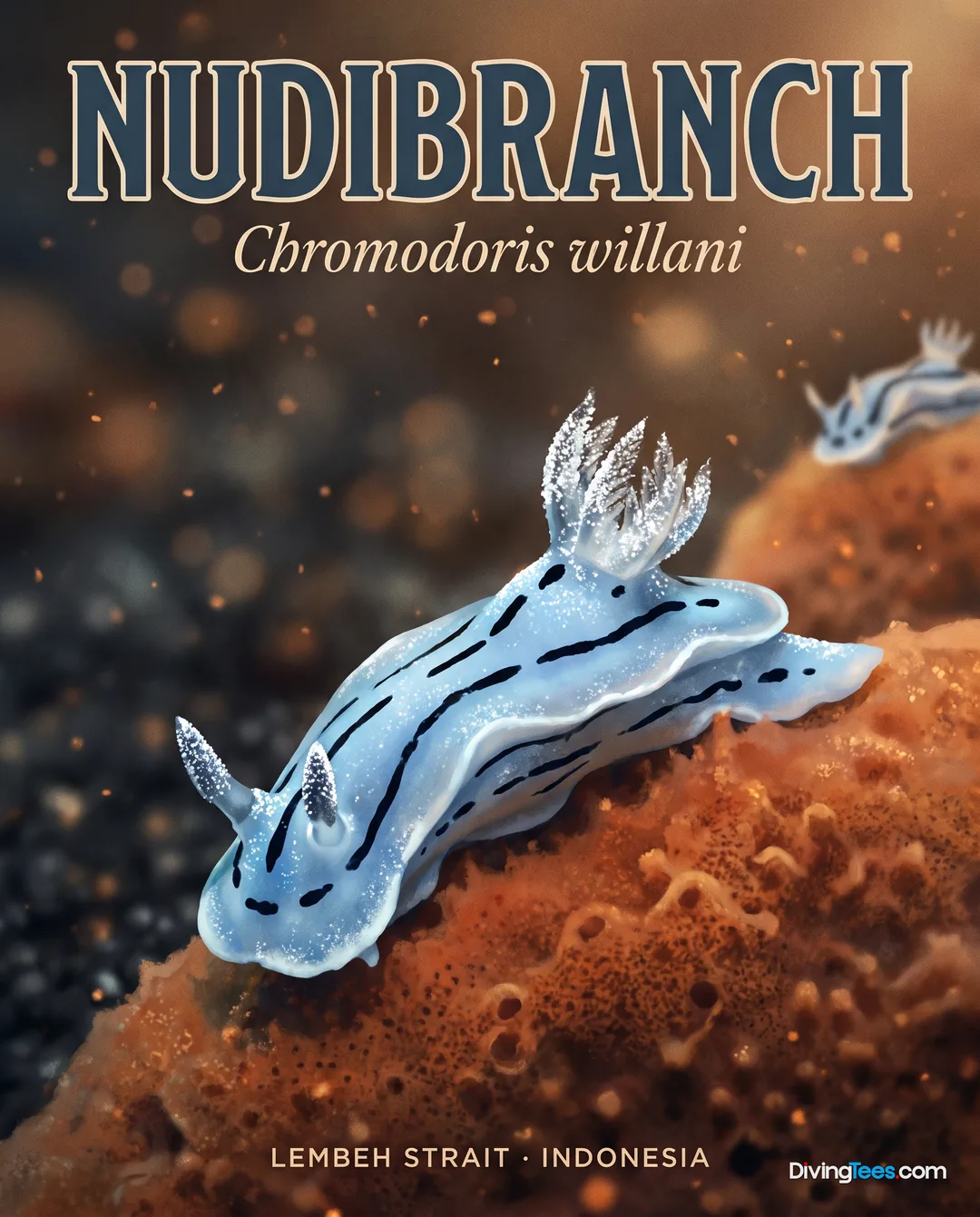
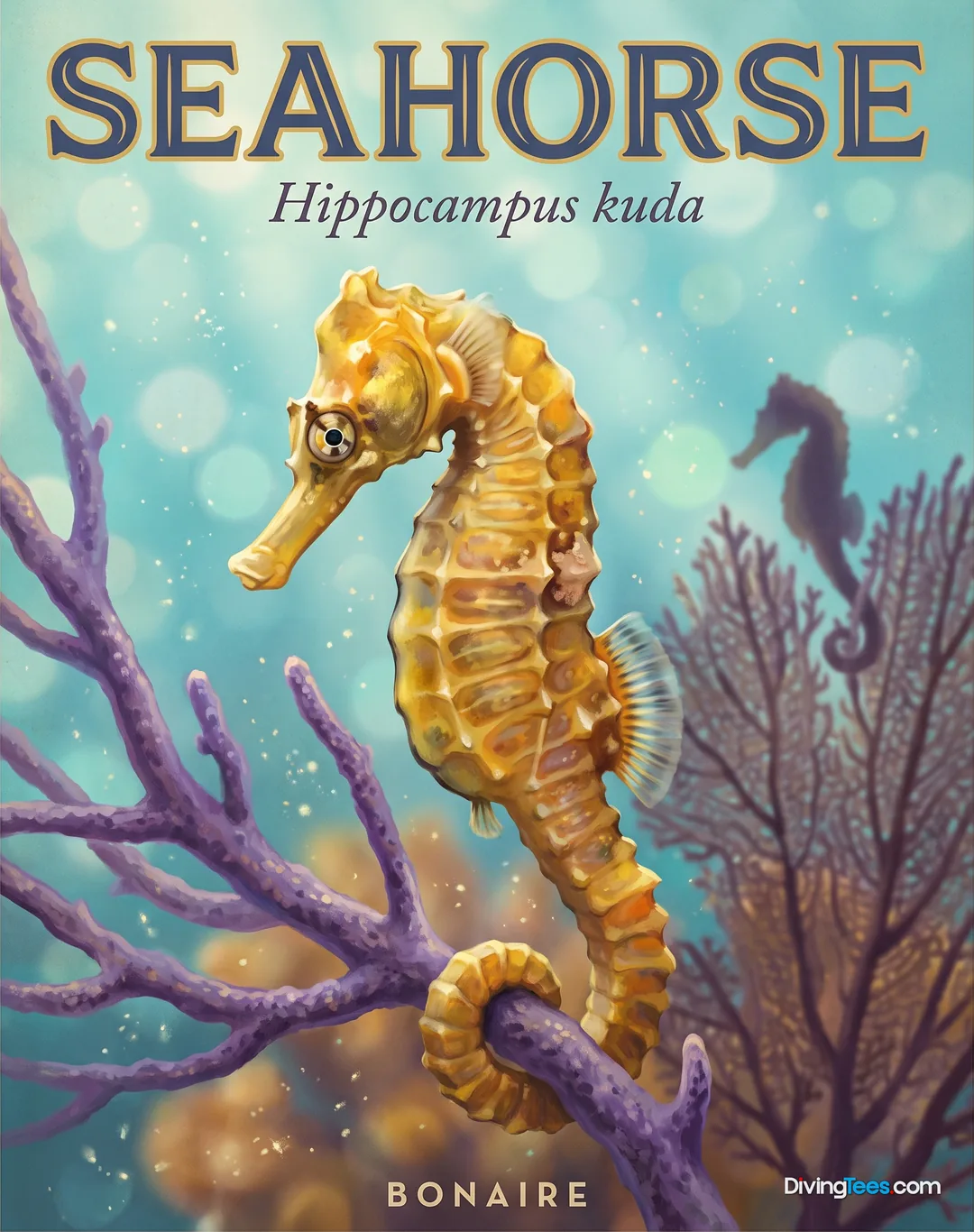
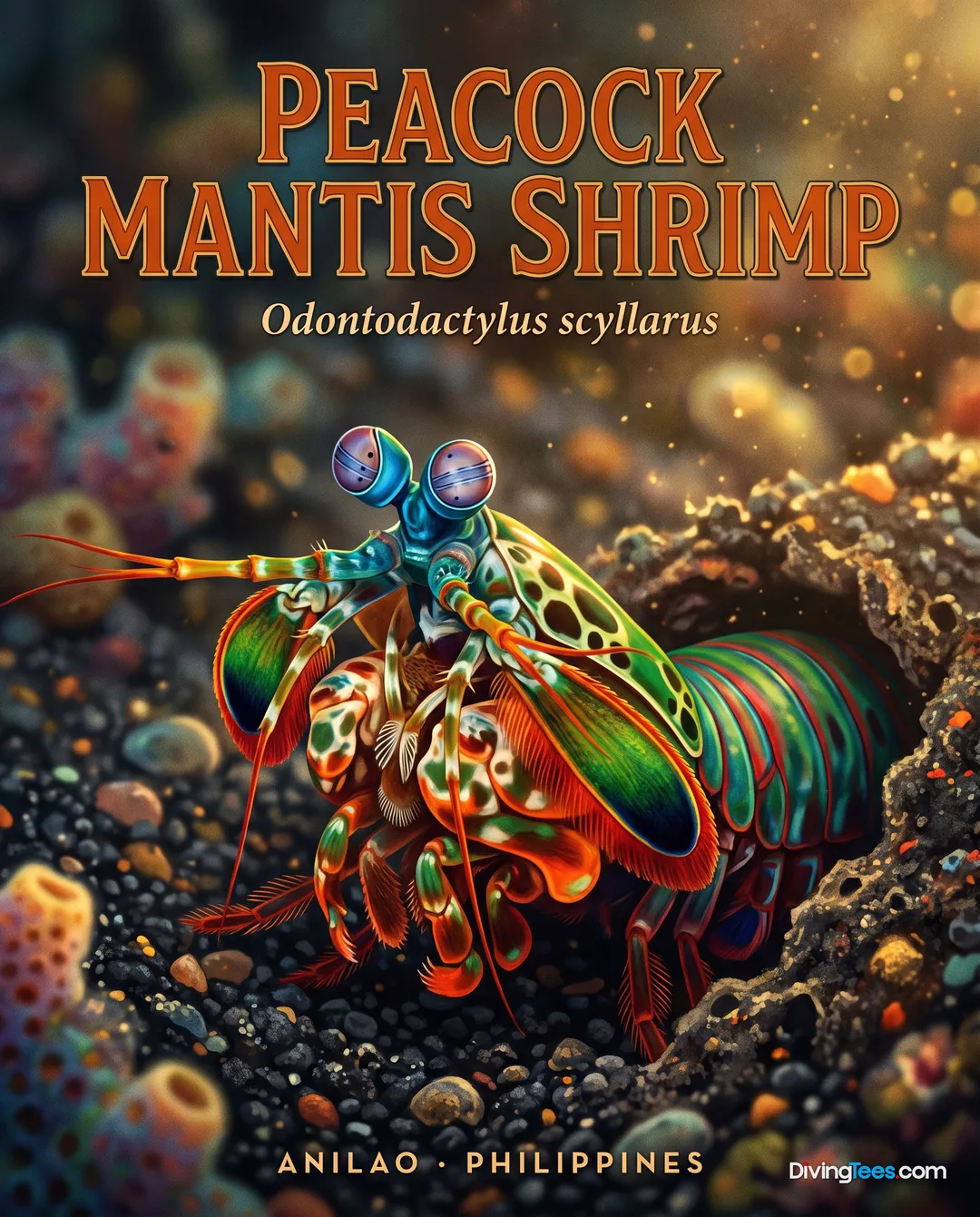
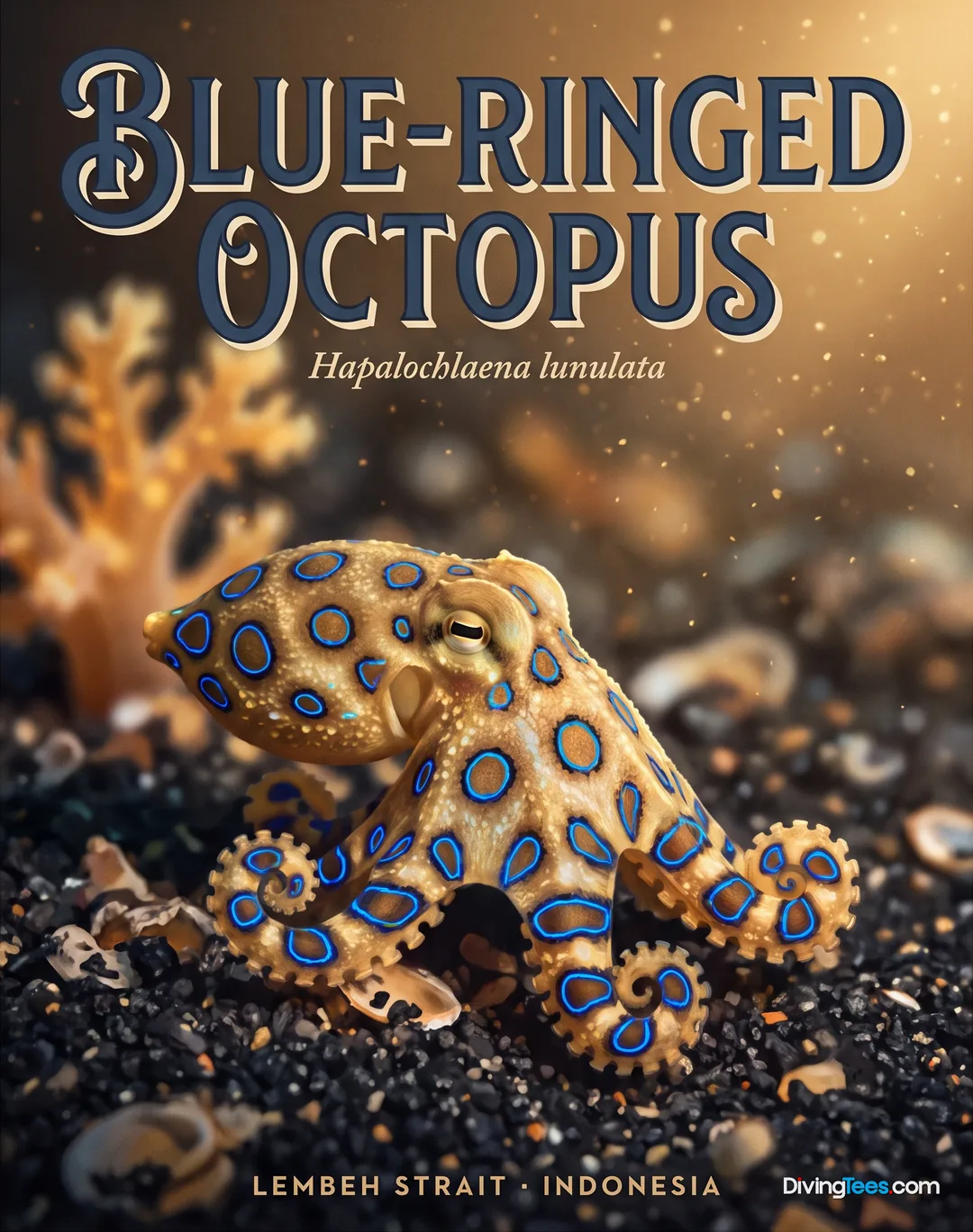
For those looking for macro life and specific reef residents, the complex architecture of the bommies is ideal. You can find various species of pygmy seahorses, including Pontohi and Denise's pygmy seahorses, tucked away within the coral branches. The reef also hosts a wide array of smaller organisms such as nudibranchs, peacock mantis shrimp, and the blue-ringed octopus. These species rely on the intricate gaps and overhangs provided by the coral structures for protection. Careful observation of the coral heads often reveals these smaller, more elusive inhabitants.
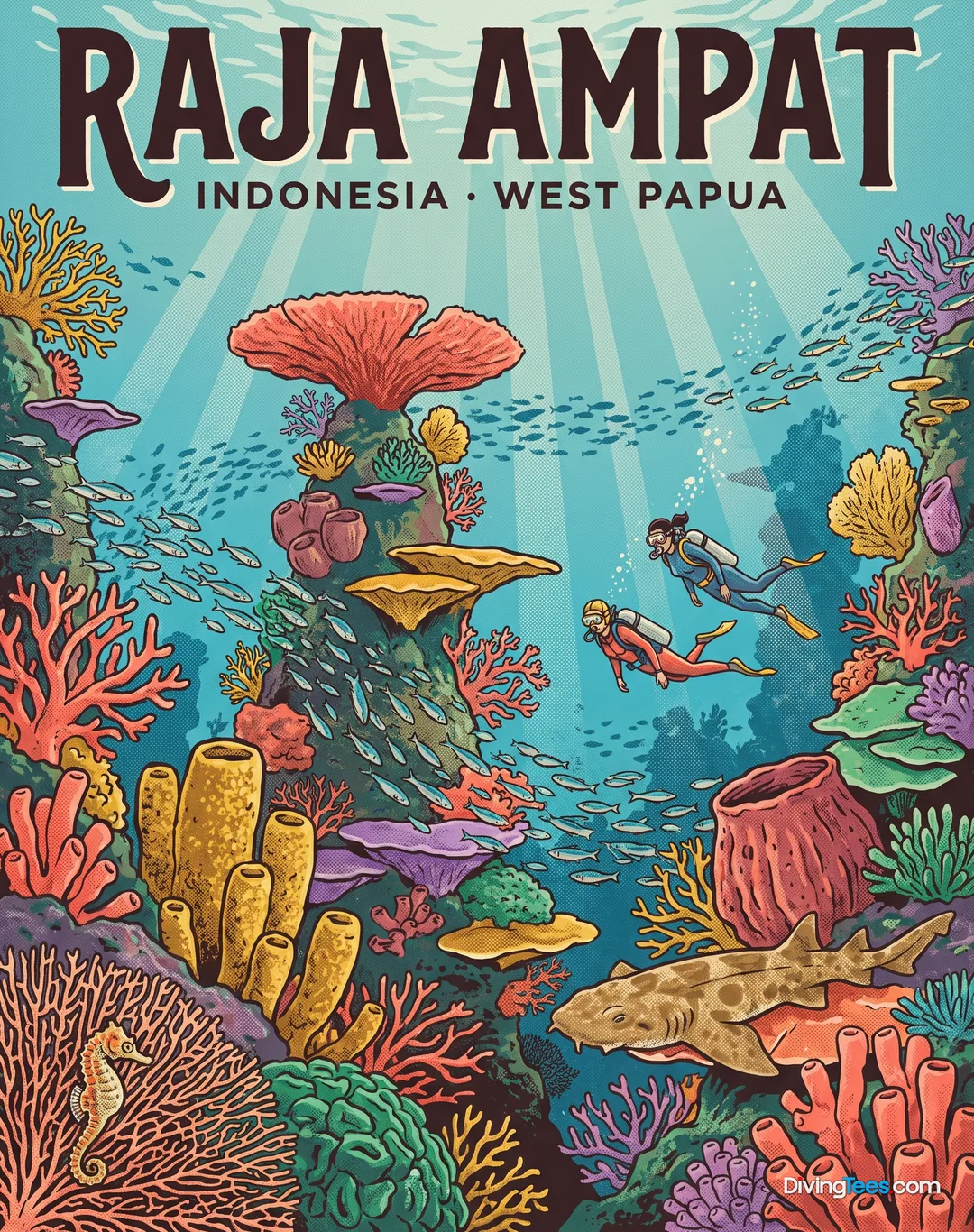
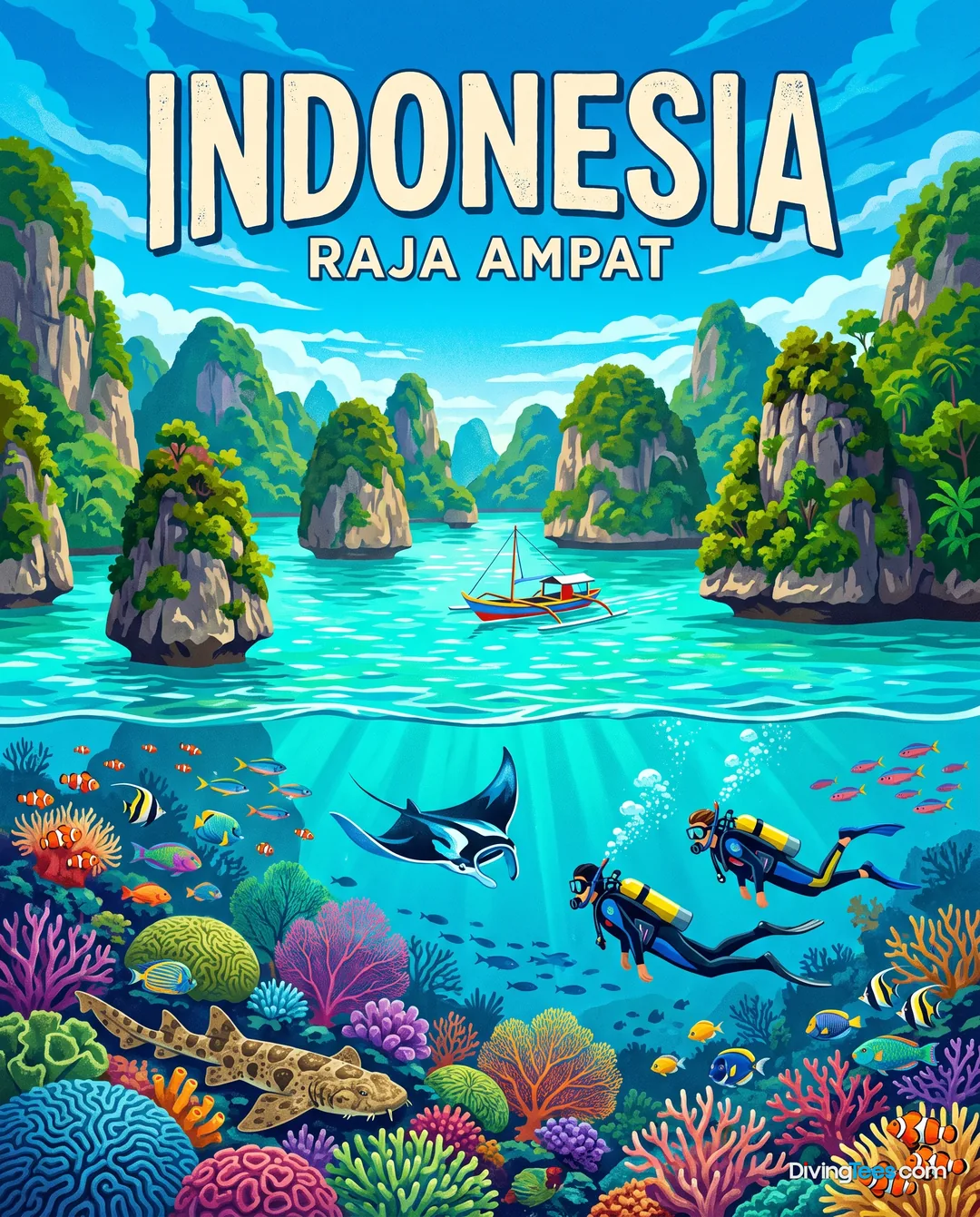
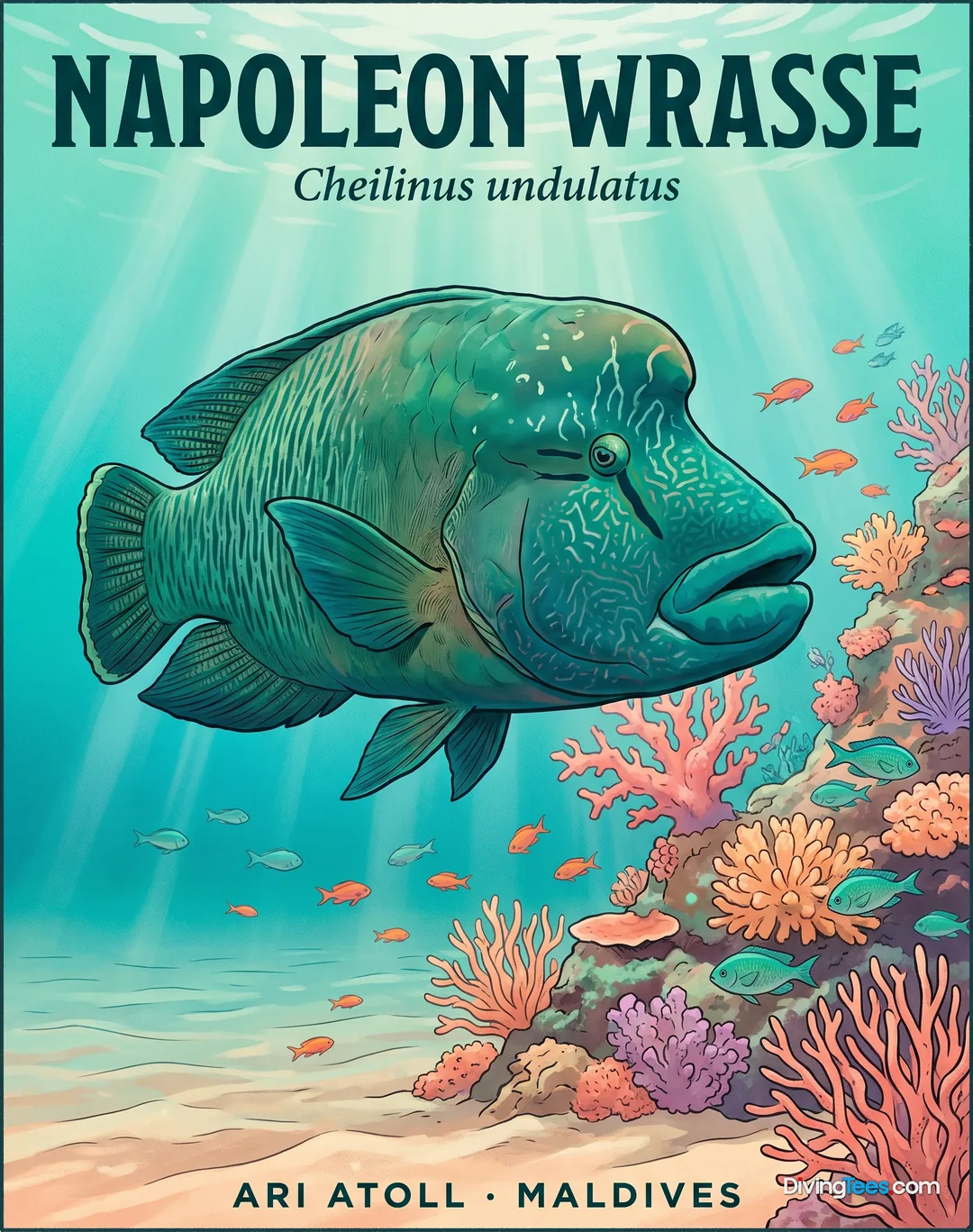
The larger predators of the site are often found utilizing the topological features of the reef. Wobbegong sharks are a regular presence at Mioskon, frequently seen resting in the shadows of overhangs or tucked under ledges on the bommies. Their camouflage makes them difficult to spot at first, requiring a steady eye to identify them against the reef background. Beyond these bottom-dwellers, you will encounter various larger fish such as Napoleon wrasse, groupers, and giant trevally. These predators move between the coral structures and the more open water surrounding the island.
Mid-water columns and reef edges are frequently populated by large schools of fish that add movement to the dive. You can expect to see large numbers of yellowtail snapper, blue-lined snapper, and fusiliers moving in coordinated groups. These schools are often joined by batfish, sweetlips, and various species of parrotfish and surgeonfish. Larger predatory fish like barracuda often patrol these areas, watching the movement within the reef. The interaction between the schooling prey and the resident predators creates a dynamic environment throughout the dive.
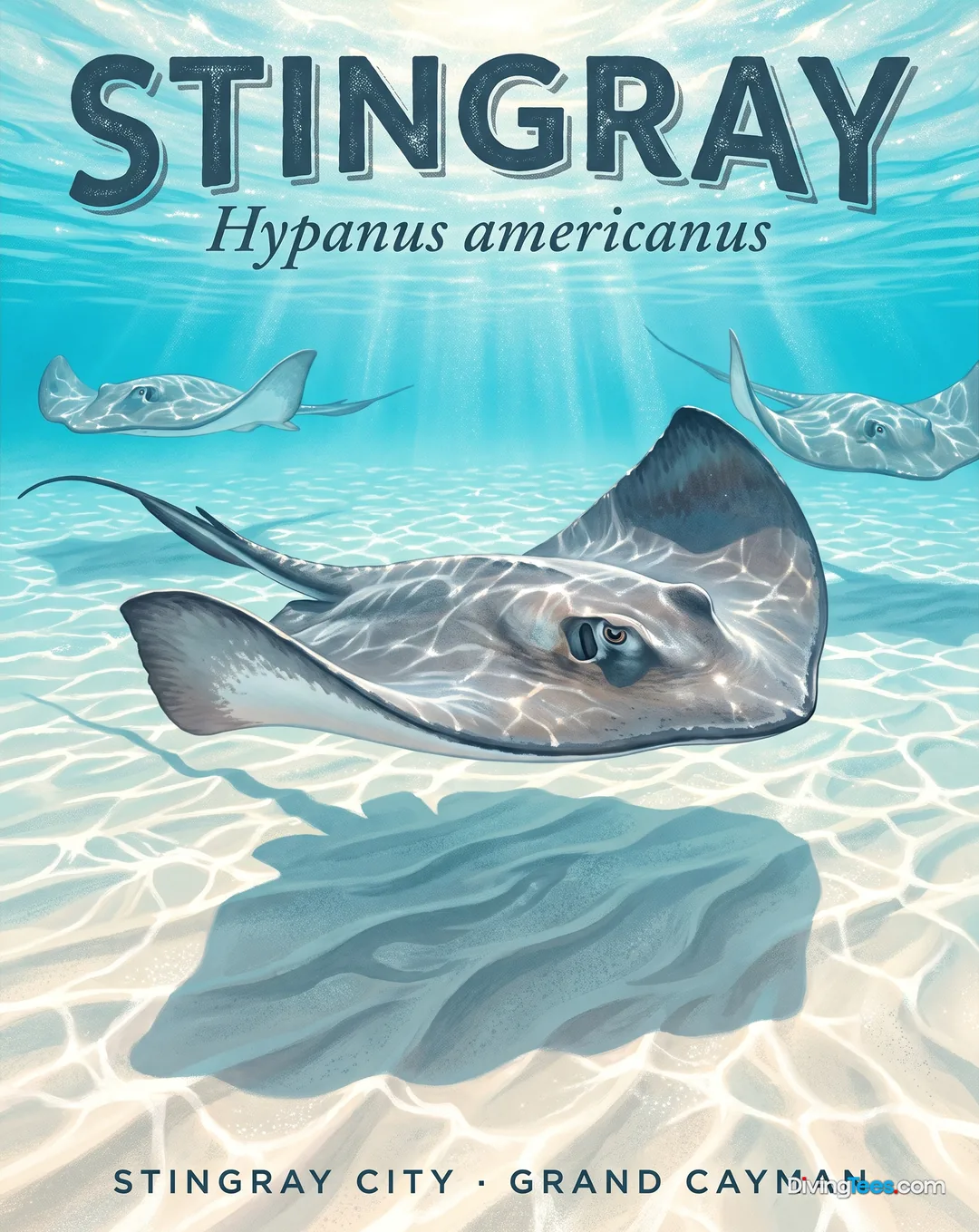
As you navigate the deeper sections of the slope, the fauna shifts towards larger, more mobile species. Bumphead parrotfish are often seen grazing near the reef edges, while blue-spotted stingrays may be found on the sandy patches near the base of the bommies. The visibility at Mioskon is typically high, often reaching between 20 and 30 metres, which allows for long-range sightings of these larger animals. This clarity helps in spotting movement against the blue before you are directly upon the subject, whether it is a passing ray or a cruising grouper.
The environmental conditions at Mioskon are heavily influenced by the tide and your position relative to the island's geometry. While the dive is often described as manageable, the current on the exposed side can be a defining factor of the ascent. The drift movement from the exposed side to the eastern sheltered side is the standard way to navigate the site. Understanding this transition is key to managing your air consumption and maintaining a comfortable position in the water column. The site offers a balanced experience of current-driven movement and calm observation.
The site has a depth range of 2 to 25 metres. It is accessible from an Open Water Diver level, though experience with drift diving is recommended due to the transition from the exposed side to the sheltered east. Visibility is typically between 20 and 30 metres.
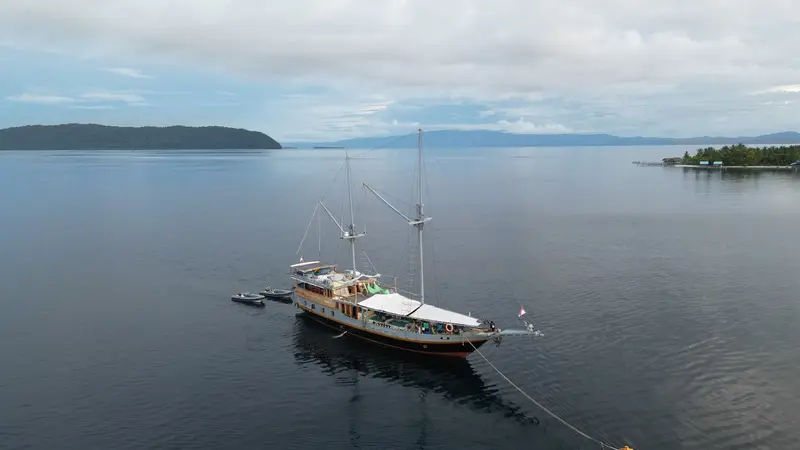
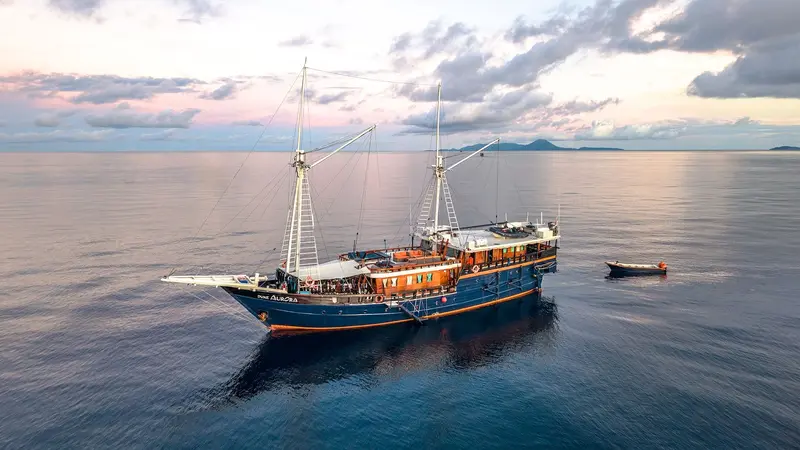
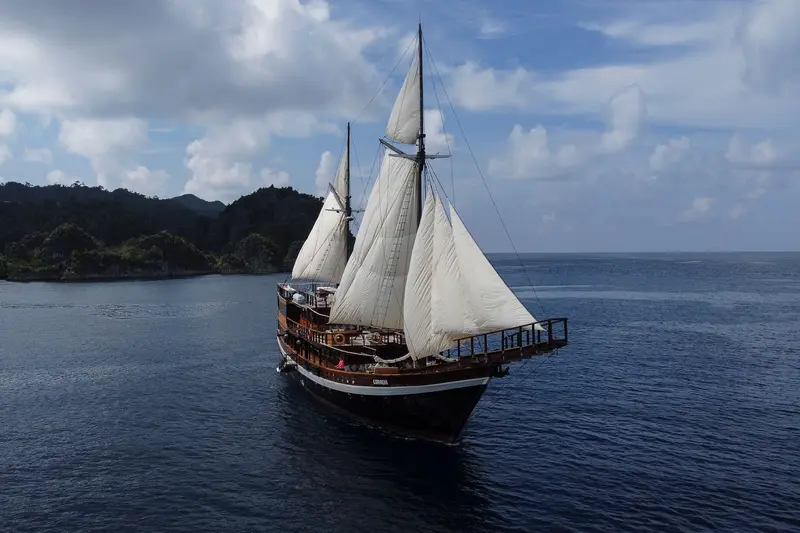
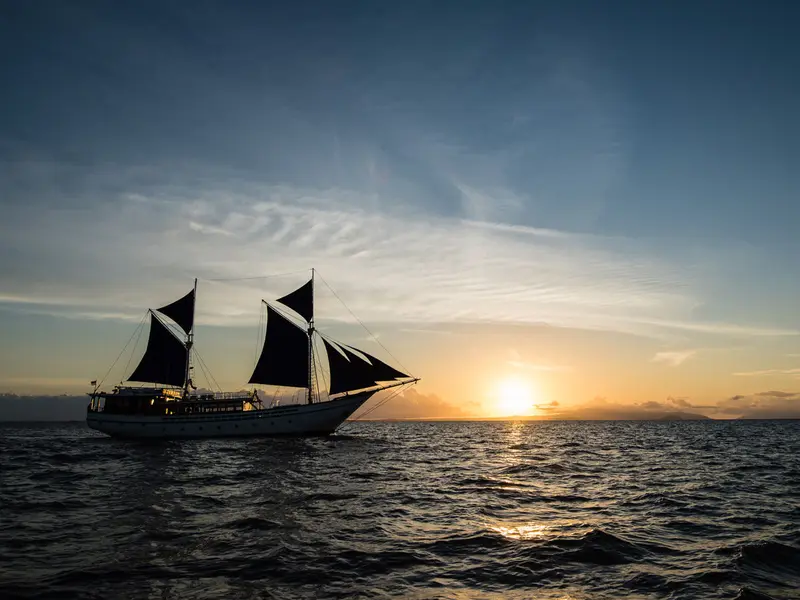
31 liveaboards depart from Raja Ampat another way to explore the region, over several days at sea.
Mioskon is influenced by the tide and by your position around the island. The dive generally starts on the exposed side, where nutrient-rich water and current support dense coral, then follows a drift toward the more sheltered eastern side. The eastern sector provides calmer conditions for close reef observation.
Mioskon is accessible to you as an Open Water Diver, but experience with drift diving is recommended. The route moves from the exposed side toward the sheltered east, so you need to manage your position and air consumption while following the natural flow. Conditions are manageable but current can shape the ascent.
Mioskon ranges from 2 to 25 metres. A steep slope descends to a sandy floor at approximately 25 metres, with coral bommies creating a complex reef landscape above it. Coral density is particularly high between 7 and 12 metres, while sandy patches and larger animals occur near the base.
You can explore dense bommies covered in hard and soft corals, with pygmy seahorses including Pontohi and Denise’s species among the branches. Wobbegong sharks rest beneath overhangs, while Napoleon wrasse, giant trevally, barracuda, schooling snapper and fusiliers, stingrays, nudibranchs, and blue-ringed octopuses add variety across the reef.