
Papua Explorers Dive Resort
Google 4.9/5 (245 reviews)
9.5 km away as the crow flies
Raja Ampat · Indonesia · Asia
Max. depth · 40 mDescend onto a shallow reef plateau in the Dampier Strait, where strong currents deliver consistent manta ray encounters against a backdrop of a dramatic drop-off.
For subtitles in English: start the video firstthen click the gearat the top right of the video, select “Subtitles/CC”, then “Auto-translate” and choose “English”.
Manta Ridge is located in the Dampier Strait, positioned between Mansuar and Arborek islands. The dive begins on a hard coral ridge that sits shallow, sometimes just a few metres below the surface, before sloping down beyond 40 metres. This topography, with its exposed ridge and abrupt drop-off, acts as a natural funnel for the strong currents that define the site, drawing in the plankton that sustains its rich pelagic life. You'll feel the pull of the water almost immediately upon descent, a clear indicator of the dynamic environment you're entering.
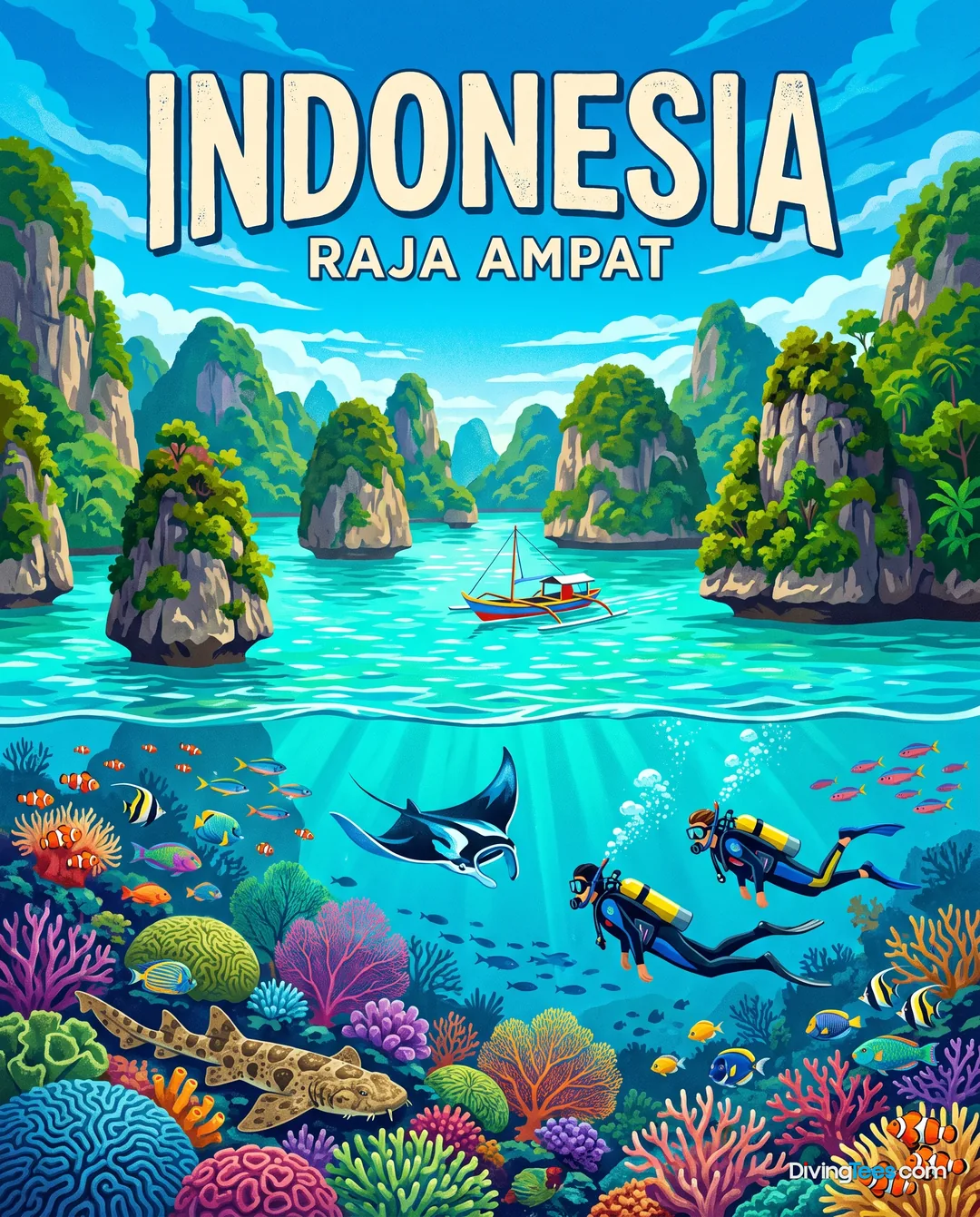
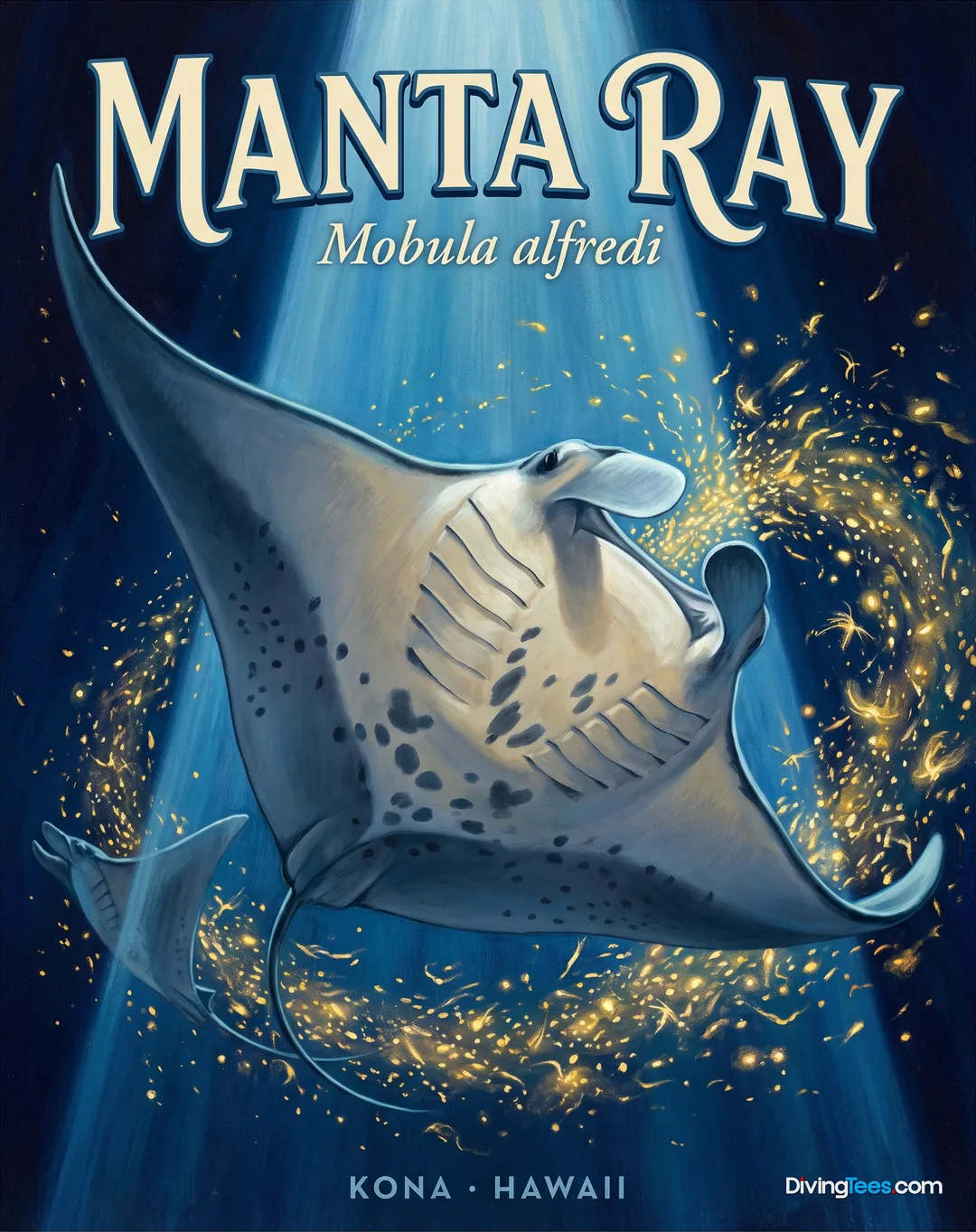
The primary draw here is the consistent presence of manta rays. As you descend, the strategy often involves finding a stable position on the shallow reef, typically between 6 and 18 metres. This is where a reef hook becomes an essential piece of equipment, allowing you to secure yourself against the current. From this vantage point, you can observe reef manta rays and occasional oceanic manta rays as they effortlessly glide through the water, seemingly oblivious to the force that holds you in place. This allows for extended observation periods, giving you time to appreciate their size and graceful movements.
Manta Ridge functions as both a cleaning and feeding station for these large pelagics. The powerful surge of water, while challenging, is also what sustains the rich ecosystem that attracts them. You'll witness mantas cruising, feeding, and sometimes even performing courtship trains in the current. The energy of the site is palpable, from the constant movement of the water to the ever-present possibility of a manta appearing from the blue, making each moment underwater exciting and unpredictable.
While manta interactions are the main event, the site's ecosystem supports other pelagic life. White-tip reef sharks and black-tip reef sharks are often seen patrolling the reef edges. Schooling fusiliers, trevally, and tuna move through the blue, drawn by the same nutrient-rich currents that attract the mantas. Sea turtles are also regular visitors, navigating the currents with ease, adding to the diversity of encounters.
The dive profile at Manta Ridge is less about exploring intricate reef structures and more about observing the grand spectacle unfolding before you. You're effectively taking a front-row seat to one of nature's most impressive ballets. While the main manta action is typically between 6 and 20 metres, the reef slope continues beyond 40 metres, offering deeper exploration for those with the experience to manage the conditions. However, the focus remains on the shallower ridge where the mantas congregate.
Currents at Manta Ridge are consistently strong to very strong, and can include dangerous downcurrents, particularly on the southern slope. This variability means that while slack tide can occasionally bring calmer conditions, timing your dive with the tides is crucial for both safety and optimal manta activity. The best period to experience Manta Ridge, and indeed Raja Ampat, runs from October to April, when plankton concentrations are high, promising excellent pelagic encounters and visibility typically ranging from 20 to 30 metres.
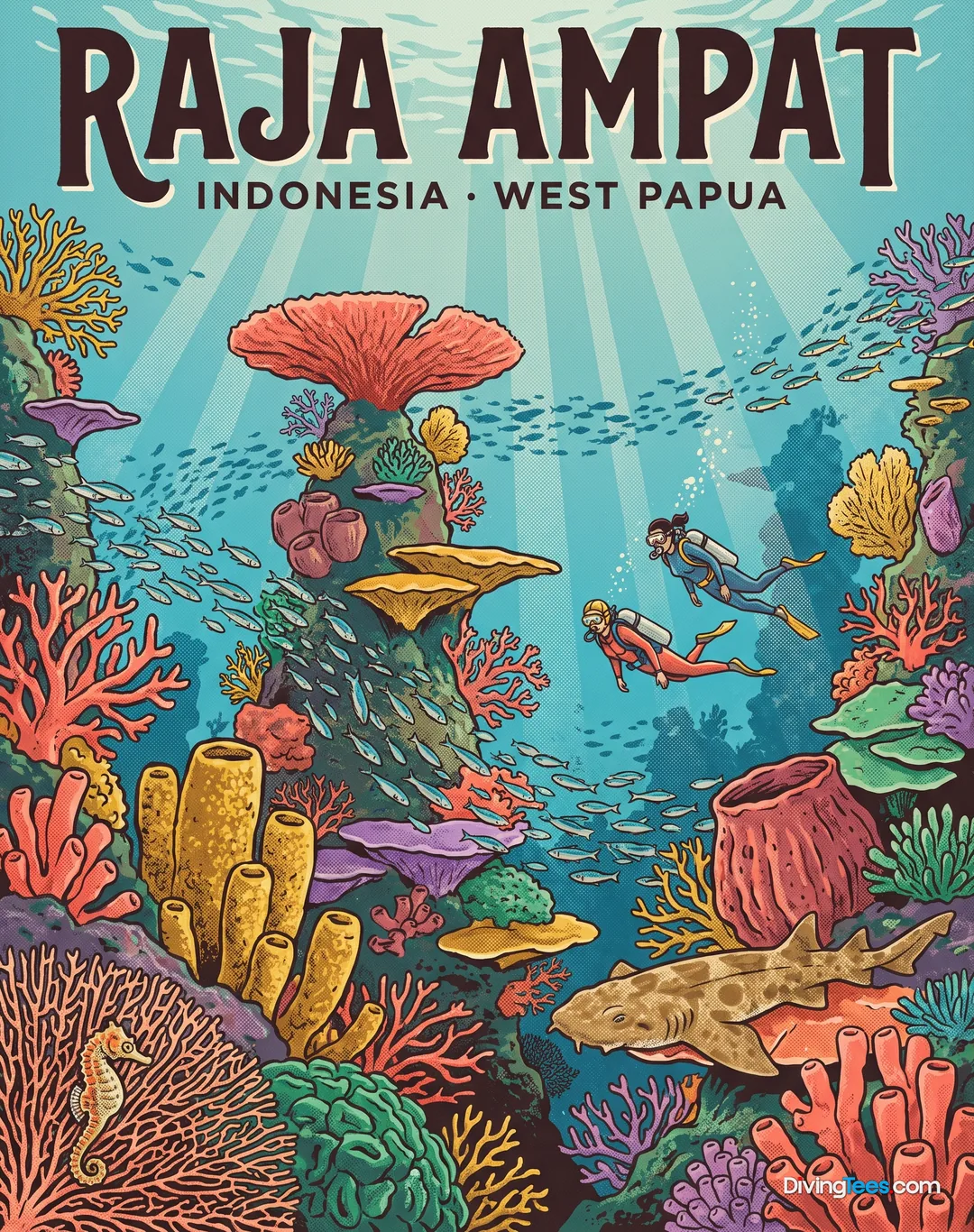
Beyond the mantas, the hard coral ridge itself is vibrant, teeming with various reef fish. While the focus is often on the larger animals, taking a moment to observe the smaller inhabitants clinging to the reef in the strong flow reveals a resilient ecosystem. Wobbegong sharks can sometimes be found resting in sheltered spots, a reminder of the diverse marine life that thrives in this dynamic environment. This site offers a unique blend of pelagic action and reef biodiversity, all shaped by the powerful oceanic currents.
Manta Ridge is an Advanced level dive, requiring experience in strong currents and the use of a reef hook. Many operators recommend an Advanced Open Water certification with at least 30 logged dives due to the exposed drift conditions and potential for strong to very strong currents, including downcurrents on the southern slope. Depths range from a minimum of 6 metres to a maximum of 40 metres, with the main manta activity typically between 6 and 20 metres. Visibility generally ranges from 20 to 30 metres. The best period for diving Manta Ridge is from October to April, coinciding with higher plankton concentrations and peak manta activity, though diving is possible year-round.
31 liveaboards depart from Raja Ampat another way to explore the region, over several days at sea.
You can dive Manta Ridge year-round, but October to April brings higher plankton concentrations and peak manta activity. Tides also matter because slack tide can sometimes produce calmer conditions. Timing your dive with the tides helps you manage the current and may support better manta encounters, with visibility generally ranging from 20 to 30 metres.
Manta Ridge is an Advanced level dive for experienced divers comfortable in strong currents and using a reef hook. Many operators recommend Advanced Open Water certification with at least 30 logged dives because the site is exposed to drift conditions, strong to very strong currents, and possible downcurrents on the southern slope.
Manta Ridge ranges from 6 to 40 metres, with the main manta activity typically between 6 and 20 metres. Expect consistently strong to very strong currents, including potentially dangerous downcurrents on the southern slope. A shallow ridge leads to a steep drop-off, and a reef hook helps you hold position during observation.
At Manta Ridge, you can observe reef manta rays and occasional oceanic manta rays at a cleaning and feeding station. White-tip and black-tip reef sharks patrol the edges, while fusiliers, trevally, tuna, and sea turtles move through the current. You may also encounter wobbegong sharks and vibrant reef fish.