
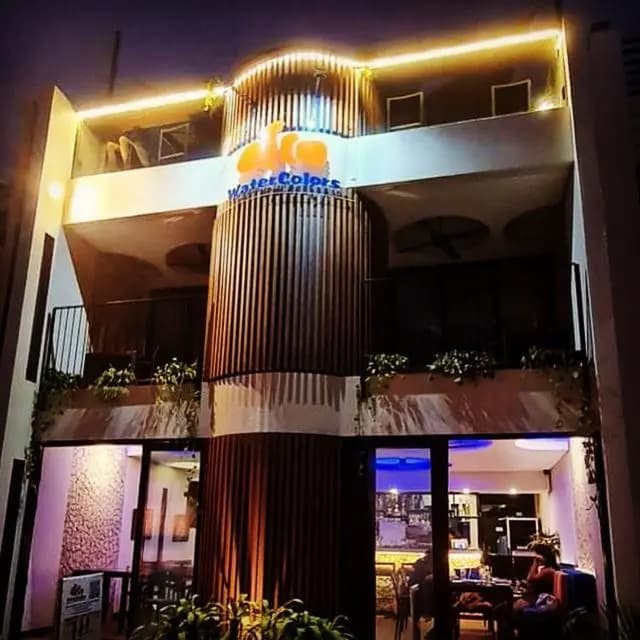
WaterColors Boracay Dive Resort
★★★
★ 9.2/10 (40 reviews)
less than 1 km away as the crow flies
Dive centre · Boracay · Philippines
4.9315 Google reviewsWith over 30 years of experience, this PADI 5 Star Instructor Development Centre offers professional training and wreck diving at the Camia wreck.
For subtitles in English: start the video firstthen click the gearat the top right of the video, select “Subtitles/CC”, then “Auto-translate” and choose “English”.
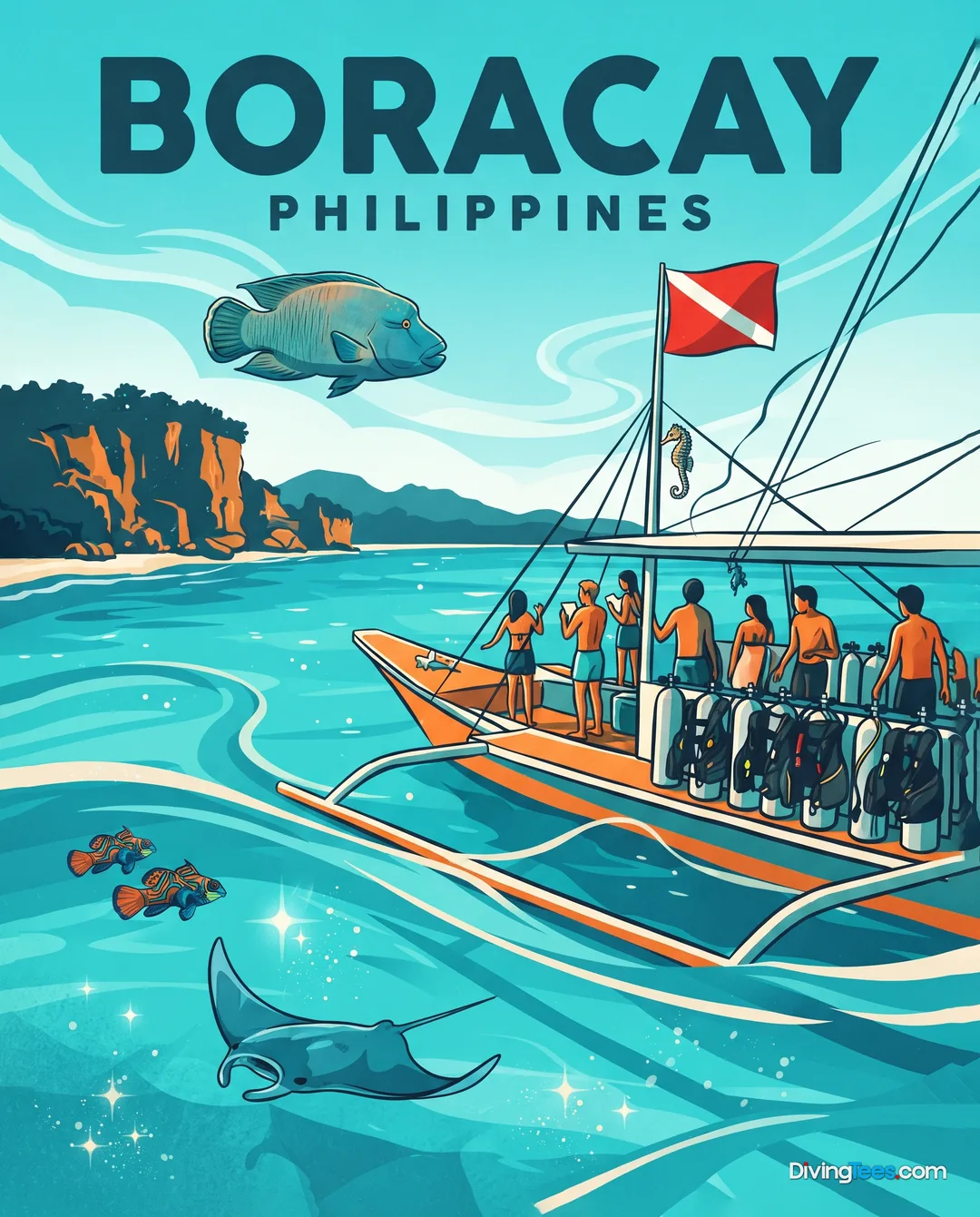
Fisheye Divers is a well-established PADI 5 Star Instructor Development Centre situated in Station 1, Boracay. With more than 30 years of experience in the Philippines, the centre has built a reputation for professional organisation and high safety standards.
The local waters are characterised by exceptional visibility and a diverse range of marine life. Whether you are looking for a relaxed reef dive or more challenging conditions, the area offers a broad spectrum of underwater environments.
As the only active PADI 5 Star Instructor Development Centre on the island, the centre is geared towards both recreational divers and those pursuing professional careers. They provide instruction through small groups or one-to-one sessions to ensure personalised attention during training.
The team is experienced in guiding divers through a wide range of environments, from shallow reef flats to deeper walls. For those looking to professionalise their skills, the centre offers the full suite of PADI professional courses, including Divemaster and Instructor Development Courses (IDC).
The course catalogue is extensive, covering the entire PADI progression. Beginners can start with Discover Scuba Diving or the PADI Open Water Diver course, moving up through the Advanced Open Water Diver and Rescue Diver programmes.
Specialty training is a core part of the curriculum, with options including PADI Wreck Diver Specialty, Deep Diver Specialty, and Drift Diver Specialty. They also offer the PADI Enriched Air Diver (Nitrox) specialty, available in various formats. For those interested in non-traditional disciplines, the centre provides a range of Freediver and Mermaid courses.
The centre provides full equipment hire for divers, covering all the essentials needed for a dive. For those looking to extend their bottom time, Nitrox is available, and fun dives including Nitrox are offered.
On the boat, you will find snacks, drinks, and towels provided to ensure you are comfortable between dives. The centre also offers professional underwater photography services to help you document your dives.
The Camia Wreck is an artificial reef created from a fishing boat that rests at depths between 18 and 27 metres. It is an excellent site for those undertaking a PADI Wreck Specialty, offering compartments for penetration and a high concentration of marine life including groupers and lionfish.
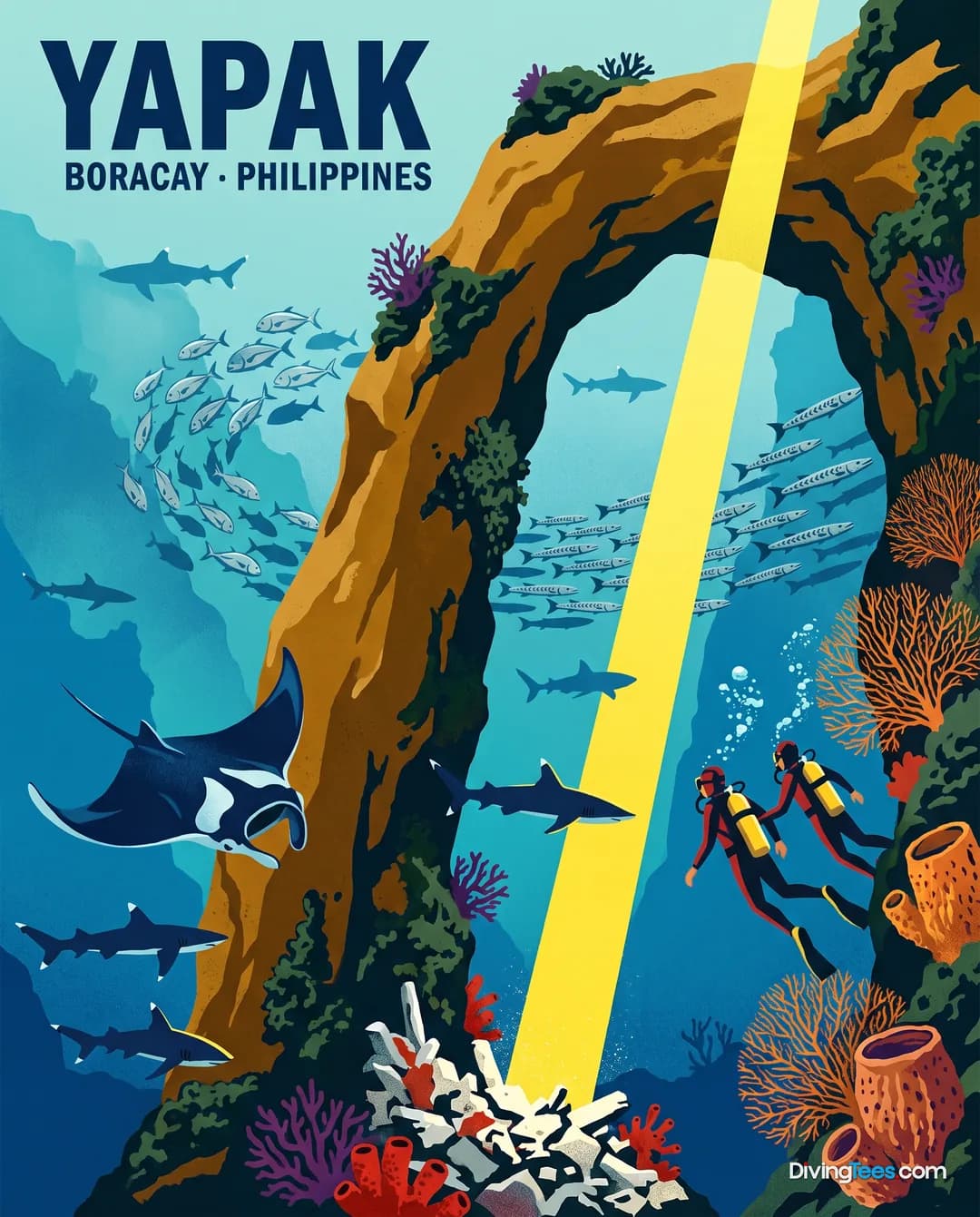
Yapak is a site designed for more experienced divers, featuring deep walls and strong currents. It is a prime location for spotting pelagics such as sharks, tuna, and manta rays against vibrant coral formations.
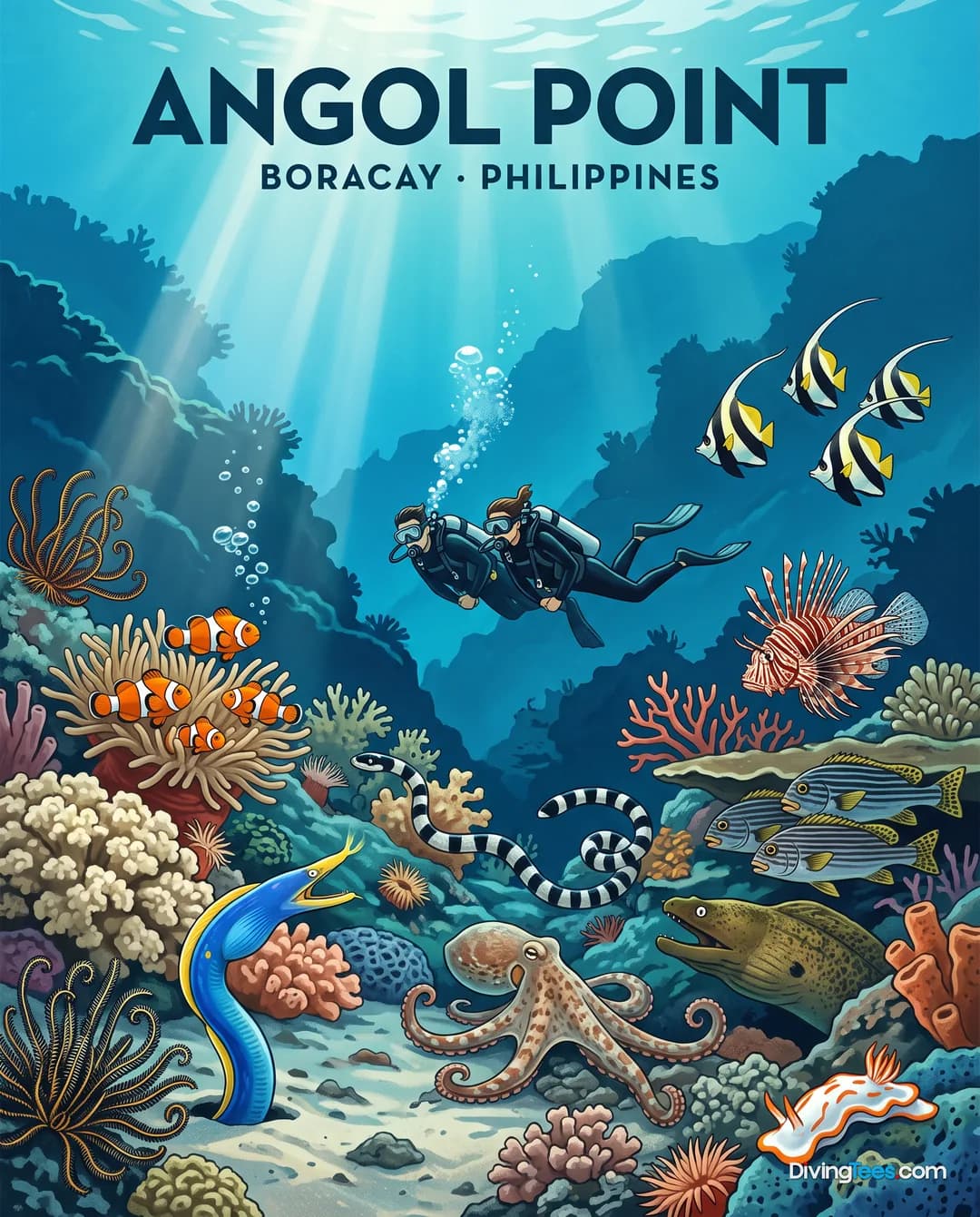
Angol Point is a versatile site with gentle slopes and sandy bottoms, making it suitable for beginners and those completing Open Water Diver training. The shallow depths and clear water make it a frequent choice for photography and seeing reef life like moray eels and octopuses.
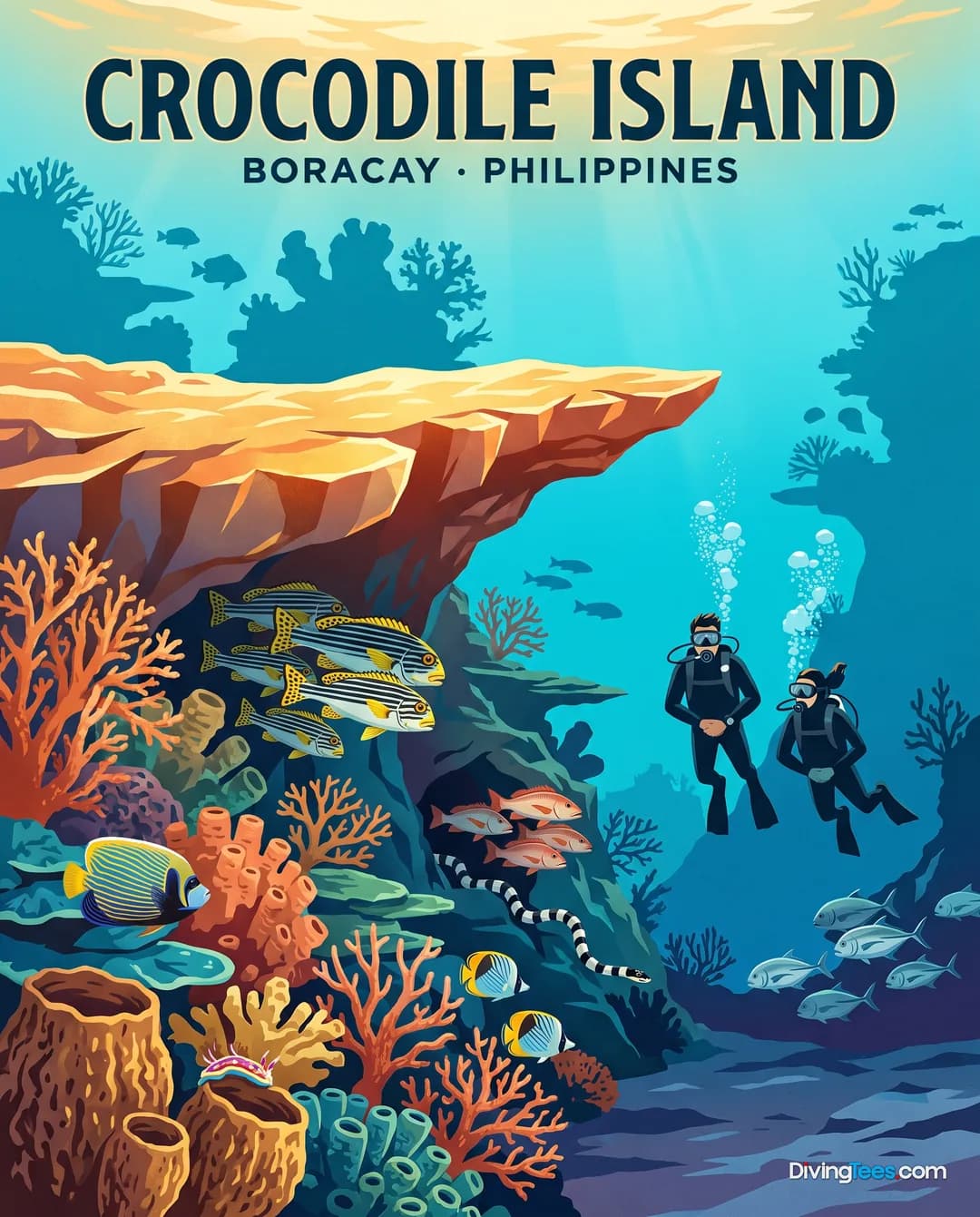
Crocodile Island offers colourful corals and large schools of fish in an environment accessible to all experience levels. It is a reliable spot for seeing nudibranchs and sea snakes in excellent visibility.
And some of the dive sites the centre runs.
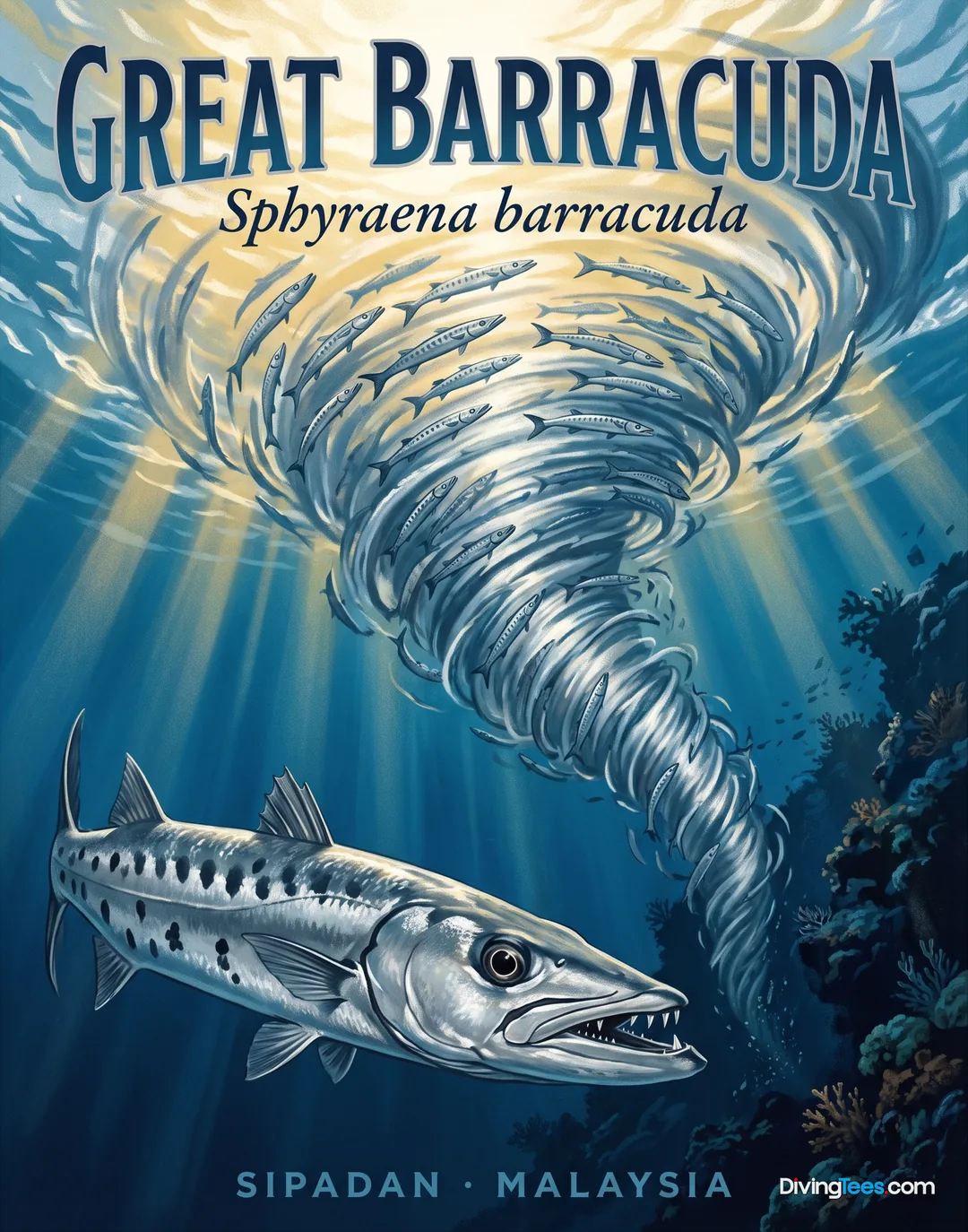
The reefs are home to a vast array of tropical fish, including parrotfish (Calotomus), butterflyfish (Chaetodon), angelfish (Pomacanthidae), and various species of snapper. You will frequently see schools of fusilier (Caesio), damselfish, and sergeant majors. Larger predators such as jack (Carangidae), tuna (Thunnus), and great barracuda (Sphyraena barracuda) are also part of the local ecosystem.
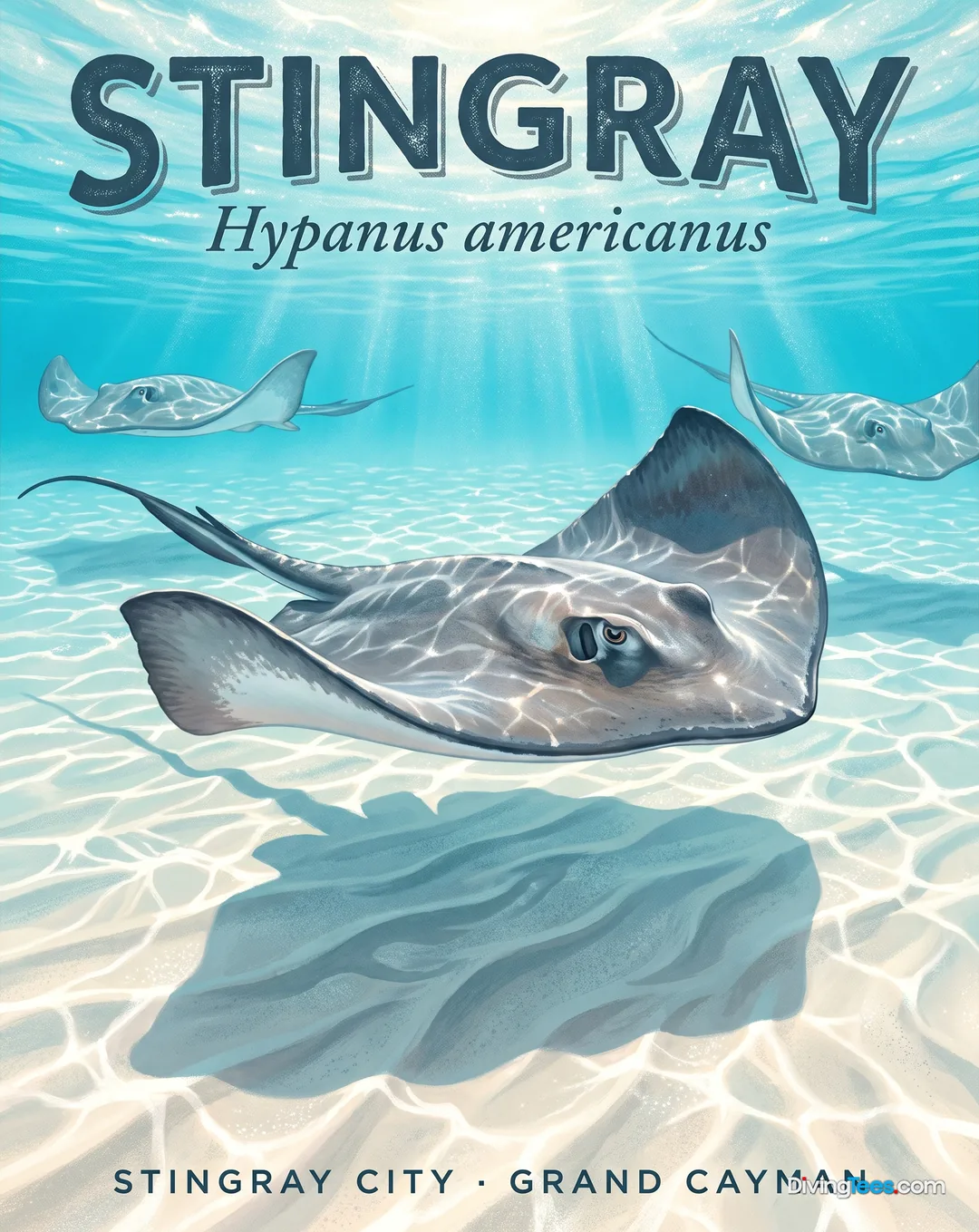
For those interested in larger species, the area can host reef sharks (Selachimorpha), manta rays (Mobula alfredi), and even whale sharks. Eagle rays (Aetobatus) and southern stingrays (Hypanus americanus) are also known to frequent the region.
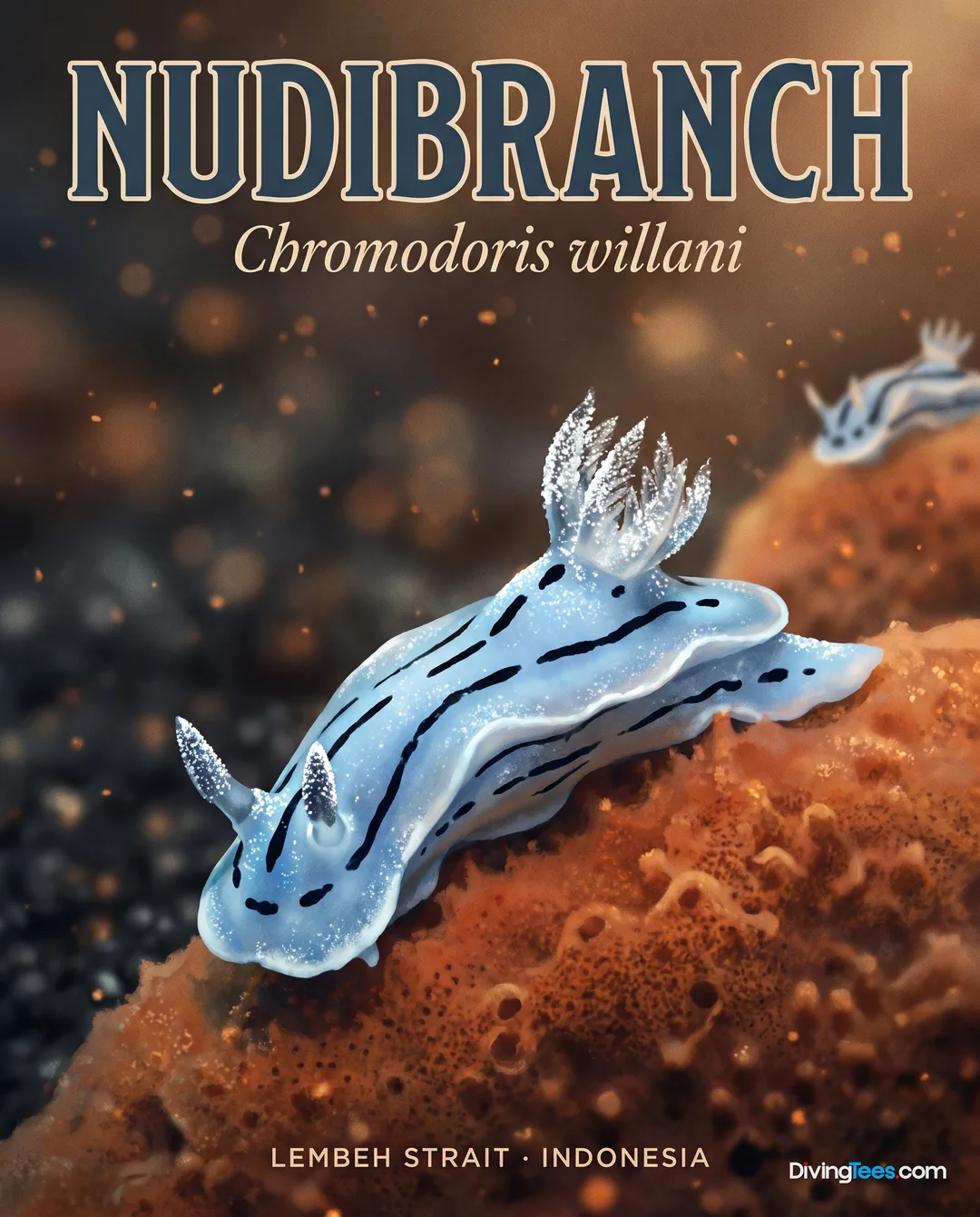
The macro life is particularly diverse, offering plenty for photographers. You can find various nudibranchs (Chromodoris willani), scorpionfish (Scorpaenidae), and lionfish. Crustaceans such as lobsters, octopus (Octopus vulgaris), and various crabs, including the orangutan crab and candy crab, inhabit the reef structures.
The seafloor and reef architecture are built upon a rich foundation of hard corals (Scleractinia), soft corals (Alcyonacea), and large coral heads. You will also encounter sea anemones (Actiniaria), sea fans (Gorgoniidae), sponges (Porifera), and various types of sea stars (Asteroidea) and crinoids.
The diving environment in Boracay varies significantly depending on the location. While many sites consist of gentle slopes and shallow coral gardens, the northern and southern extremities of the area feature steep drops and vertical walls.
Some sites, specifically Yapak, are known for having strong currents, which may require more advanced buoyancy control and experience. Other areas, such as Balinghai Beach, offer calm, low-current conditions suitable for more relaxed diving.
Hello, I'm Marina, DivingDeal.com's AI assistant. I answer in detail about hotels, dive centres and liveaboards.

Thinking about the whole trip and the flights? Talk it over with Edith →
Marina is an AI. Some links are affiliate links: DivingDeal may earn a commission, at no extra cost to you. Bookings are made with the partner.
Your last day stays dry: no diving in the 18-24 hours before a flight the perfect window to see the destination from another angle.
 Nature
⏱ 4 h · ★ 3.2 (11 reviews)
from €70
see on Viator ↗
 City
City⏱ 6 h
from €202
see on Viator ↗
Ratings and reviews collected by Viator and Tripadvisor.