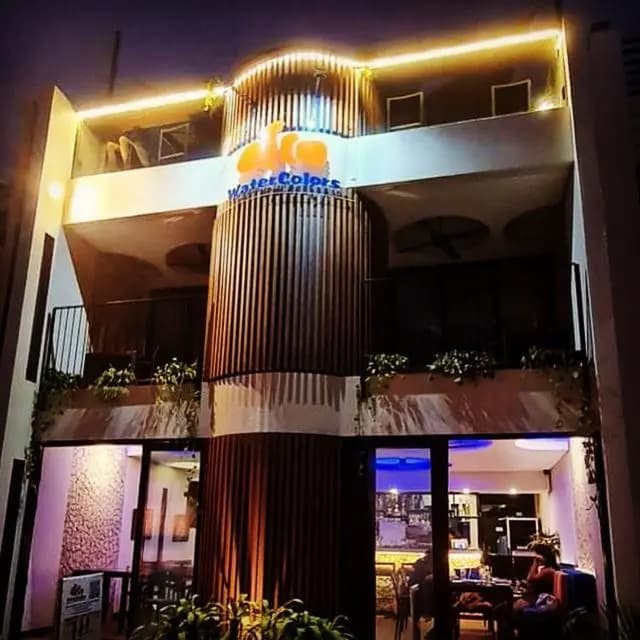
WaterColors Boracay Dive Resort
★★★
★ 9.2/10 (40 reviews)
2.1 km away as the crow flies
Dive centre · Boracay · Philippines
4.7262 Google reviewsDive directly from the White Beach shoreline into the vibrant reefs of Boracay with an SSI-affiliated team established in 2000.
For subtitles in English: start the video firstthen click the gearat the top right of the video, select “Subtitles/CC”, then “Auto-translate” and choose “English”.
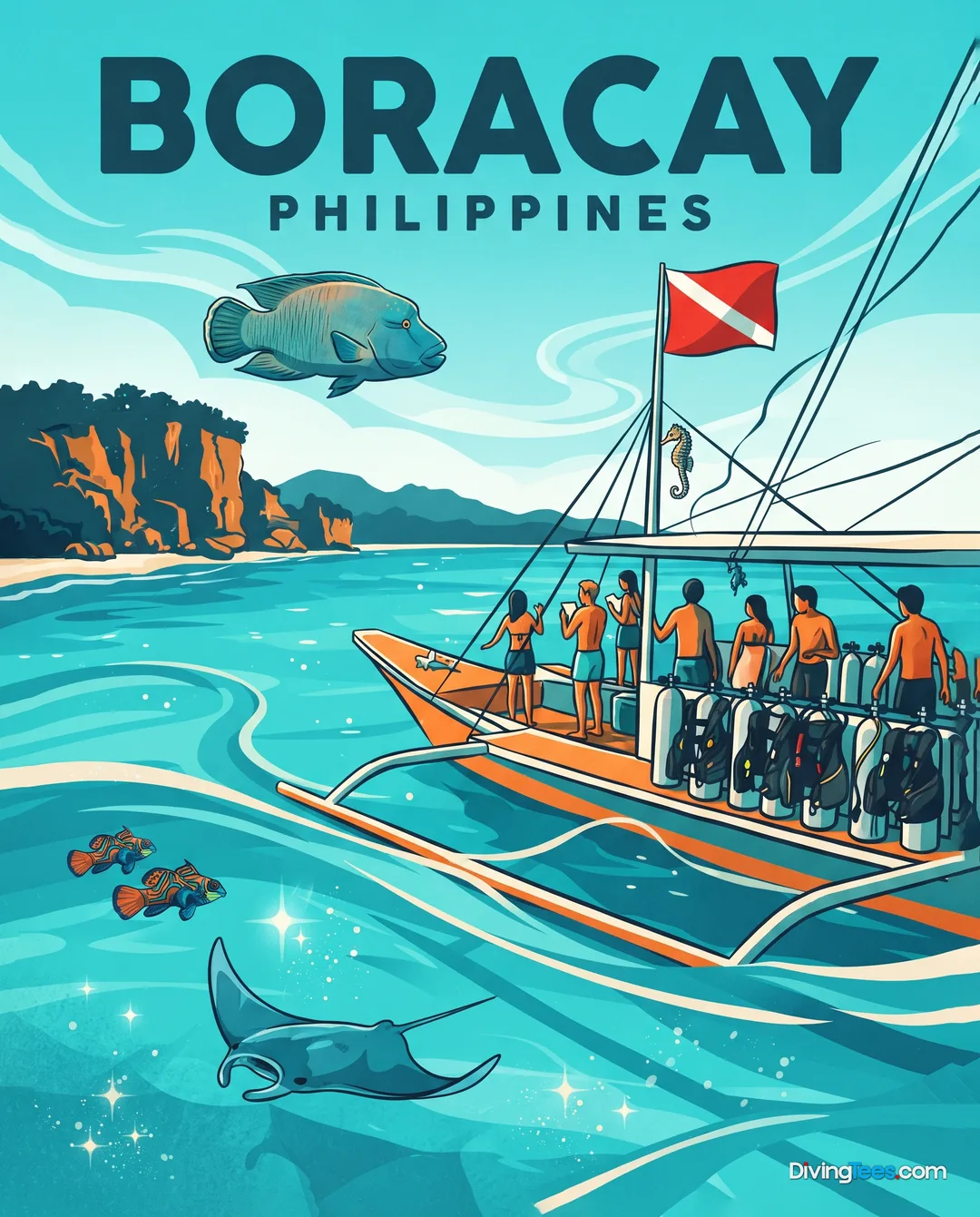
DiveGurus Boracay has been a fixture of the local diving community since 2000. Situated directly on White Beach near Station 3, the centre offers a rare level of convenience, with its beachfront location providing immediate access to the water for shore dives and easy departures for boat trips.
The centre operates as an SSI dive centre, providing a structured environment for both recreational divers and those pursuing professional paths. By combining on-site accommodation with professional diving services, it creates a dedicated environment for those looking to immerse themselves fully in the marine life of the Philippines.
The team is composed of experienced instructors and ocean enthusiasts dedicated to a high standard of safety and skill development. They cater to a wide spectrum of divers, from those taking their first breaths underwater through Try Scuba to professionals working towards Dive Guide qualifications.
Instruction is tailored to the individual, whether you are refining your buoyancy in a Perfect Buoyancy course or exploring the technical requirements of Decompression Diving. The instructors' experience is particularly evident when guiding divers through more demanding environments like the strong currents of the channel drifts or the intricate passages of local caves.
The course catalogue is extensive, covering the full SSI progression. Beginners can start with Try Scuba, Basic Diver, or the standard Open Water Diver and Scuba Diver programmes. For those looking to build on their foundation, Advanced Open Water and specialty courses such as Deep Diving, Wreck Diving, and Computer Diving are available.
Technical and skill-specific training is also a core part of the curriculum, including Enriched Air Nitrox, Diver Stress & Rescue, Sidemount Diving, and Decompression Diving. Divers looking to professionalise their skills can undertake the Dive Guide programme. Beyond scuba, the centre offers a complete Freediver course for those interested in breath-hold diving.
The centre provides a full range of equipment for hire, ensuring you have the necessary kit for everything from shallow reef explorations to deep wall dives. This includes regulators, wetsuits, fins, and masks, as well as torches for night diving sessions.
Nitrox is available on-site, allowing for extended bottom times on deeper sites like the Camia wreck or the walls of Yapak. The facility is designed to support all aspects of a diver's needs, from initial training to advanced specialty dives.
Angol Point is a shallow reef site, with depths between 5 and 12 metres, making it a primary location for Open Water Diver training and macro photography. The site features coral pinnacles and a variety of small reef inhabitants.
Balinghai offers a more challenging experience for intermediate divers, featuring two parallel walls that drop to 40 metres. The topography includes overhangs and crevices that attract larger pelagics such as sharks and tuna.
Camia is the iconic wreck of Boracay, a 30-metre cargo vessel resting at depths between 18 and 30 metres. It has become a thriving artificial reef, hosting large schools of fish and colourful coral growth.
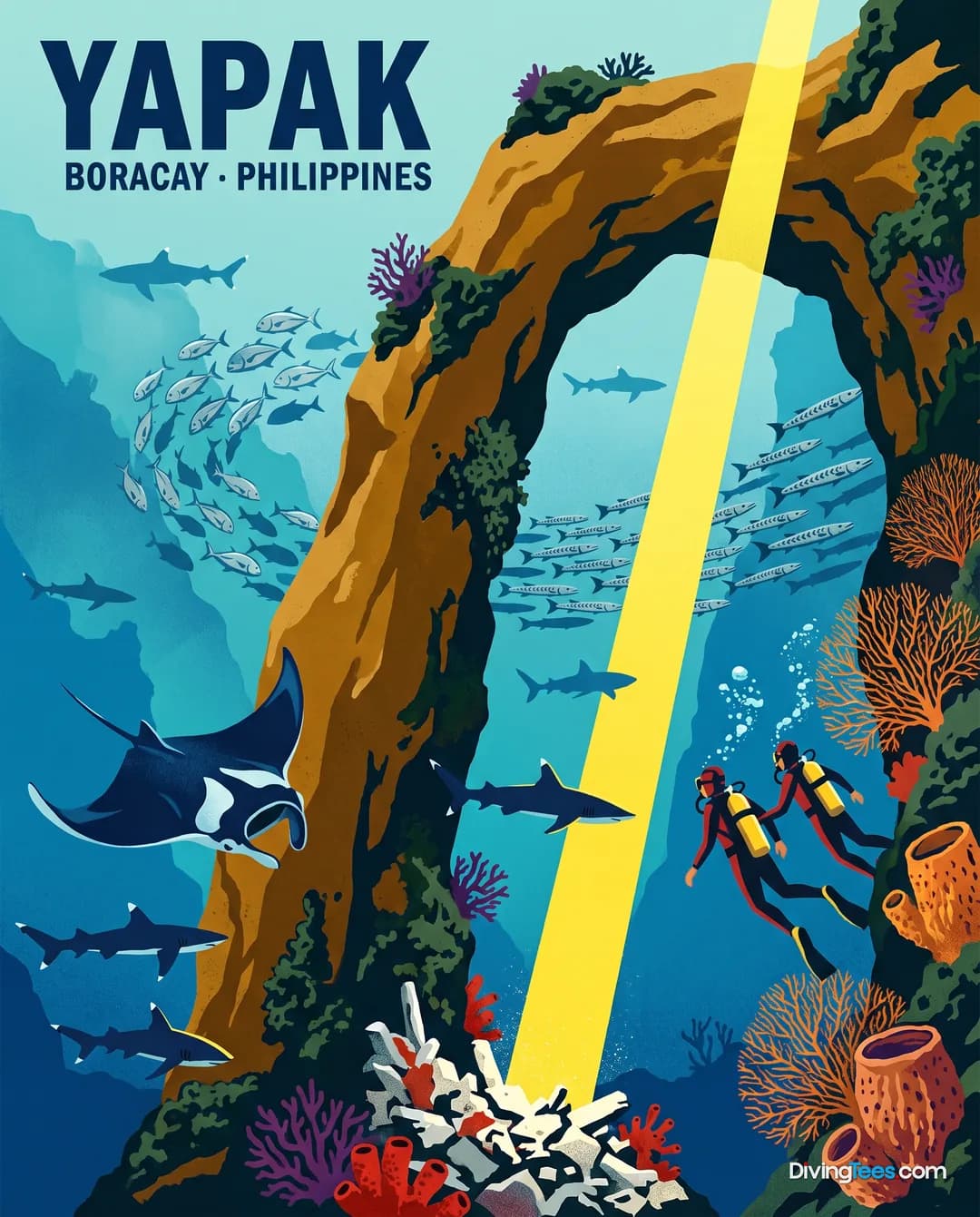
Yapak is the most demanding site in the area, suited for experienced divers comfortable with strong currents and deep walls. The vertical drop reaches 35 metres and is known for sightings of jacks, tuna, and whitetip reef sharks.
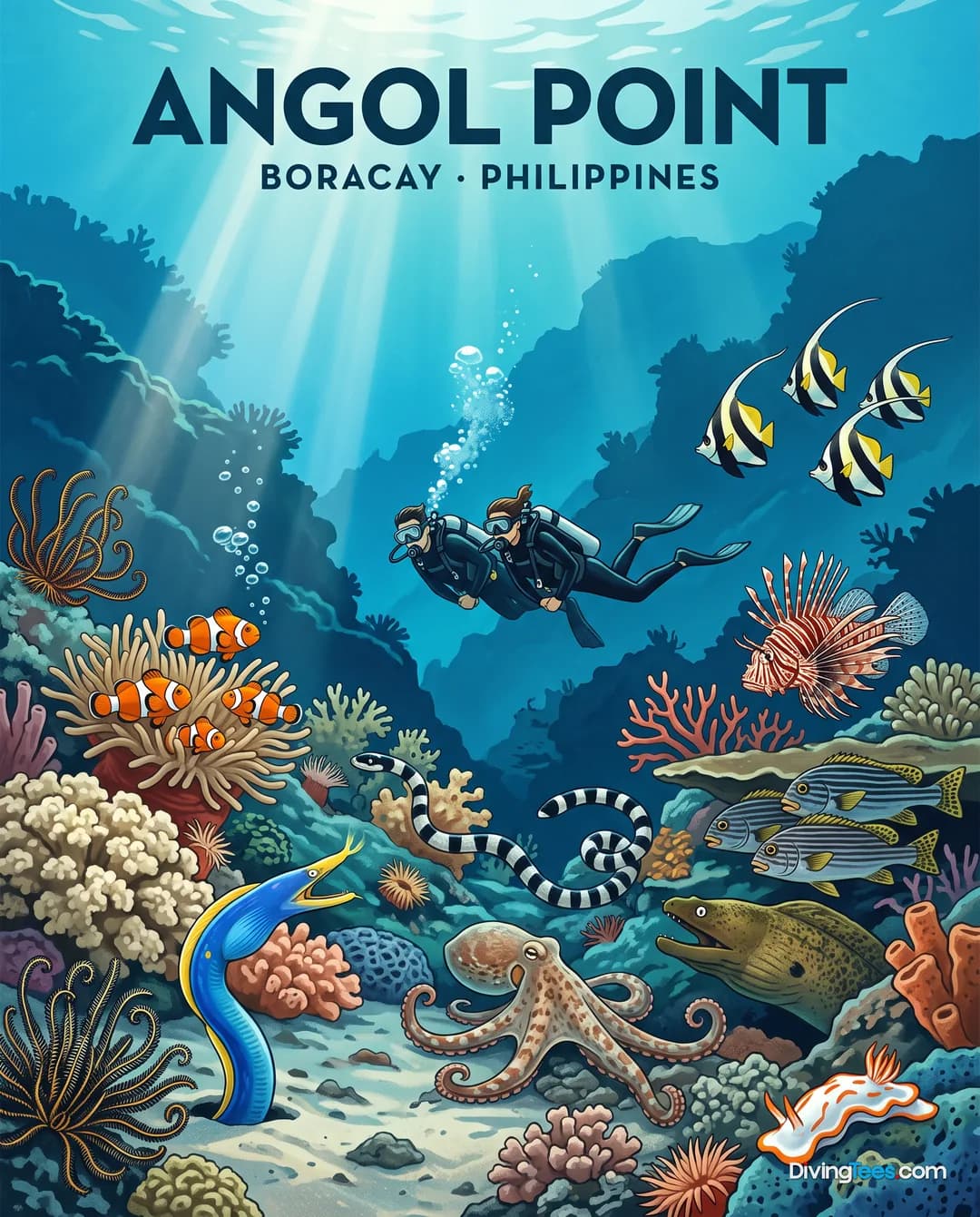
down to 20 m
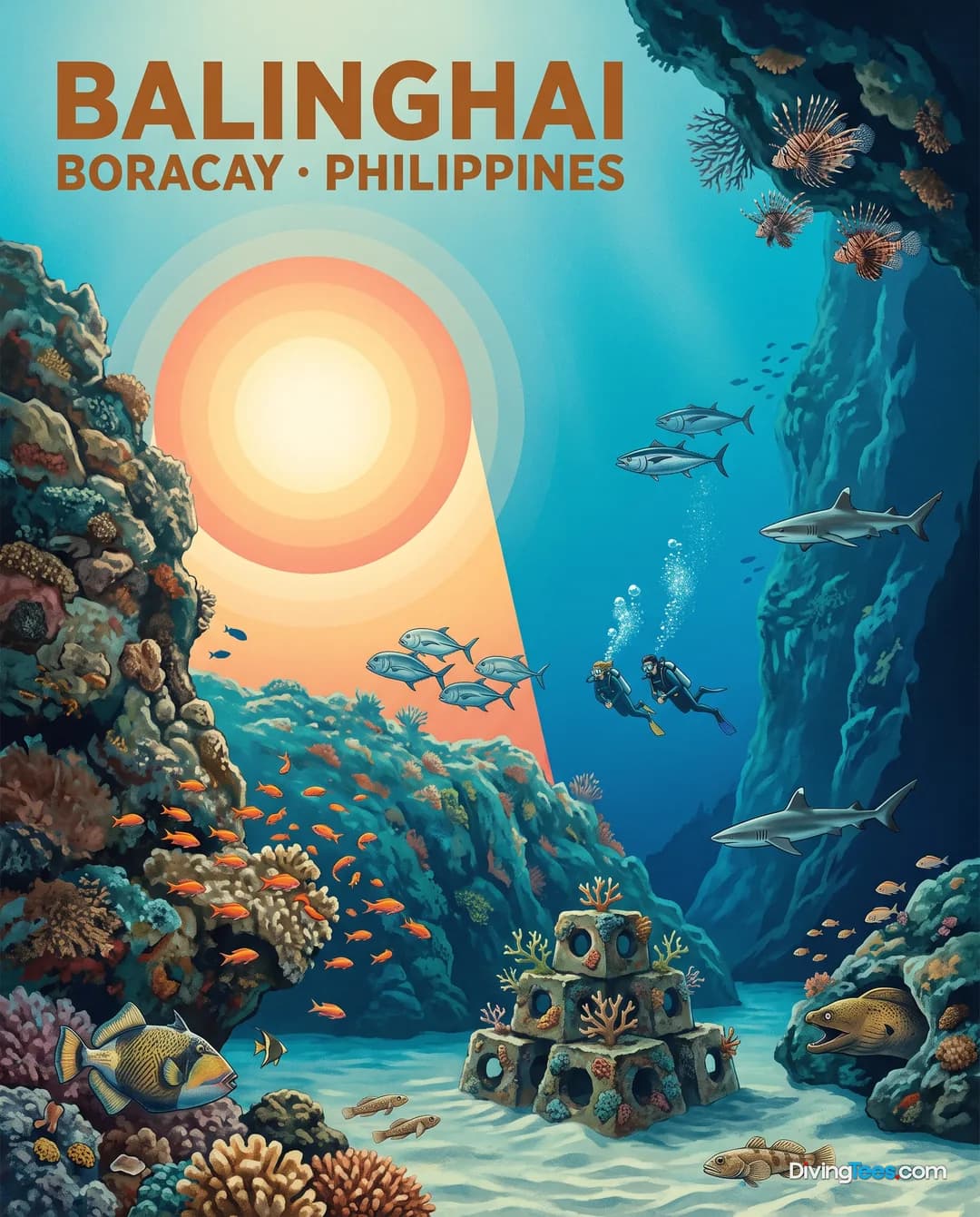
down to 40 m
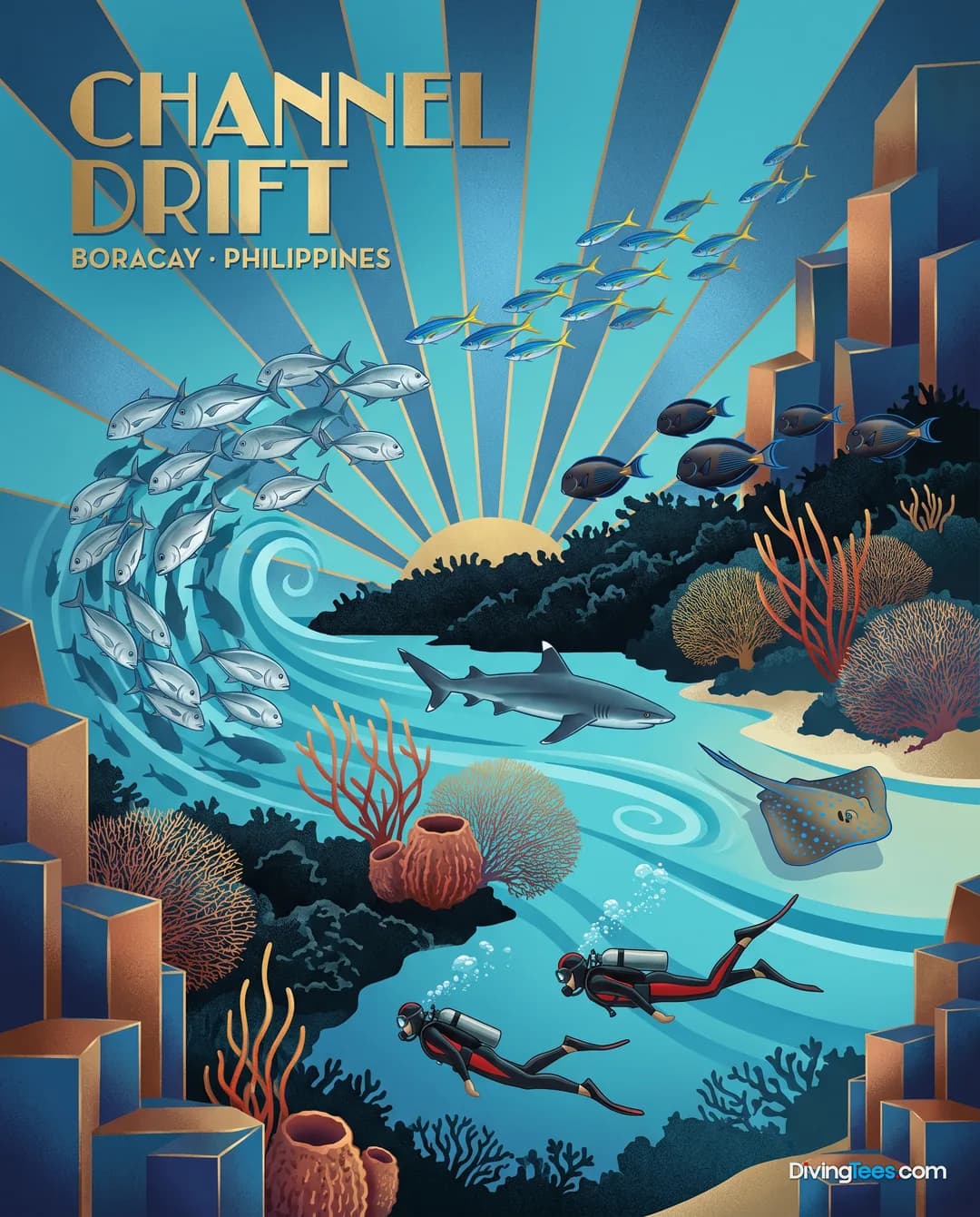
down to 35 m
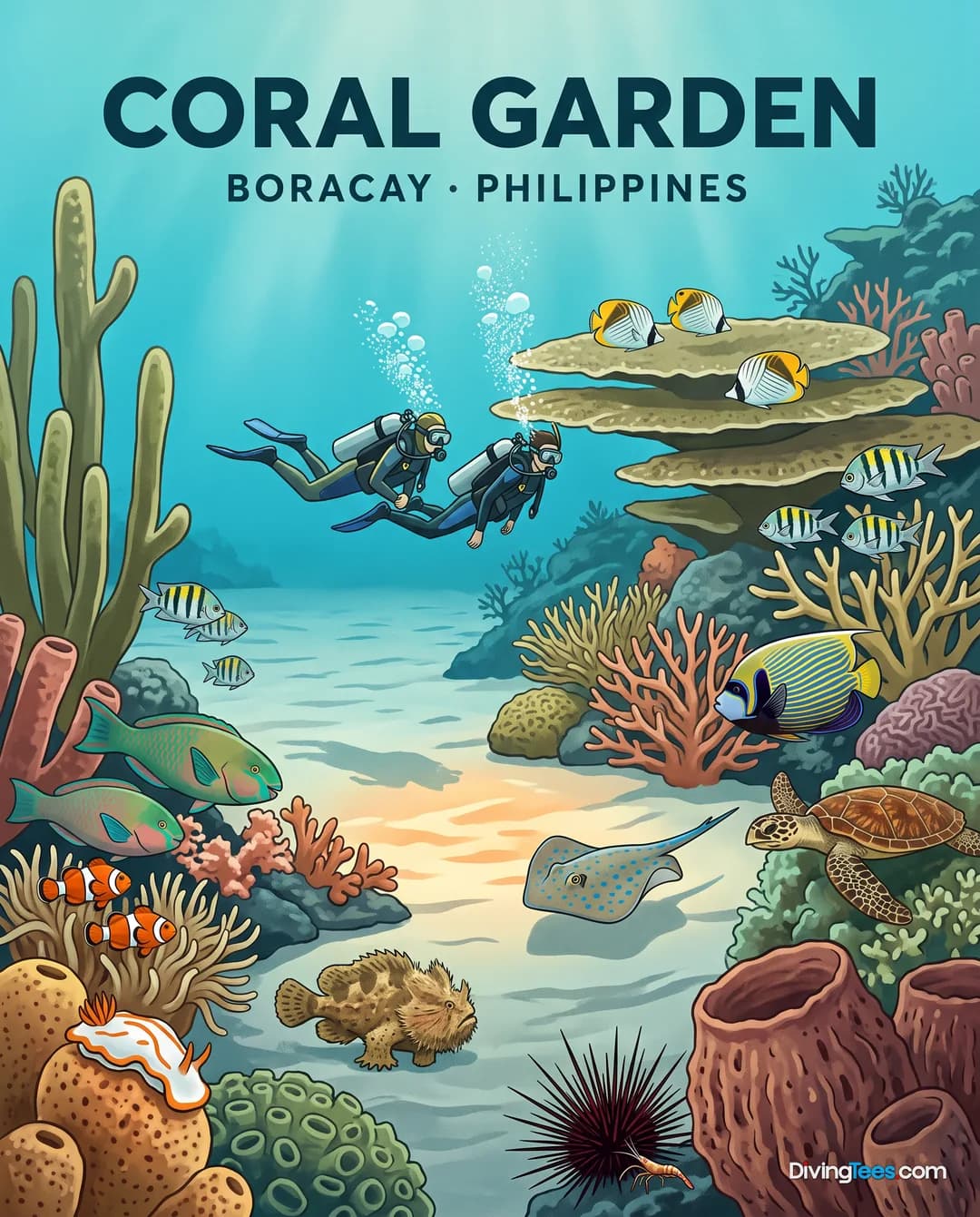
down to 20 m
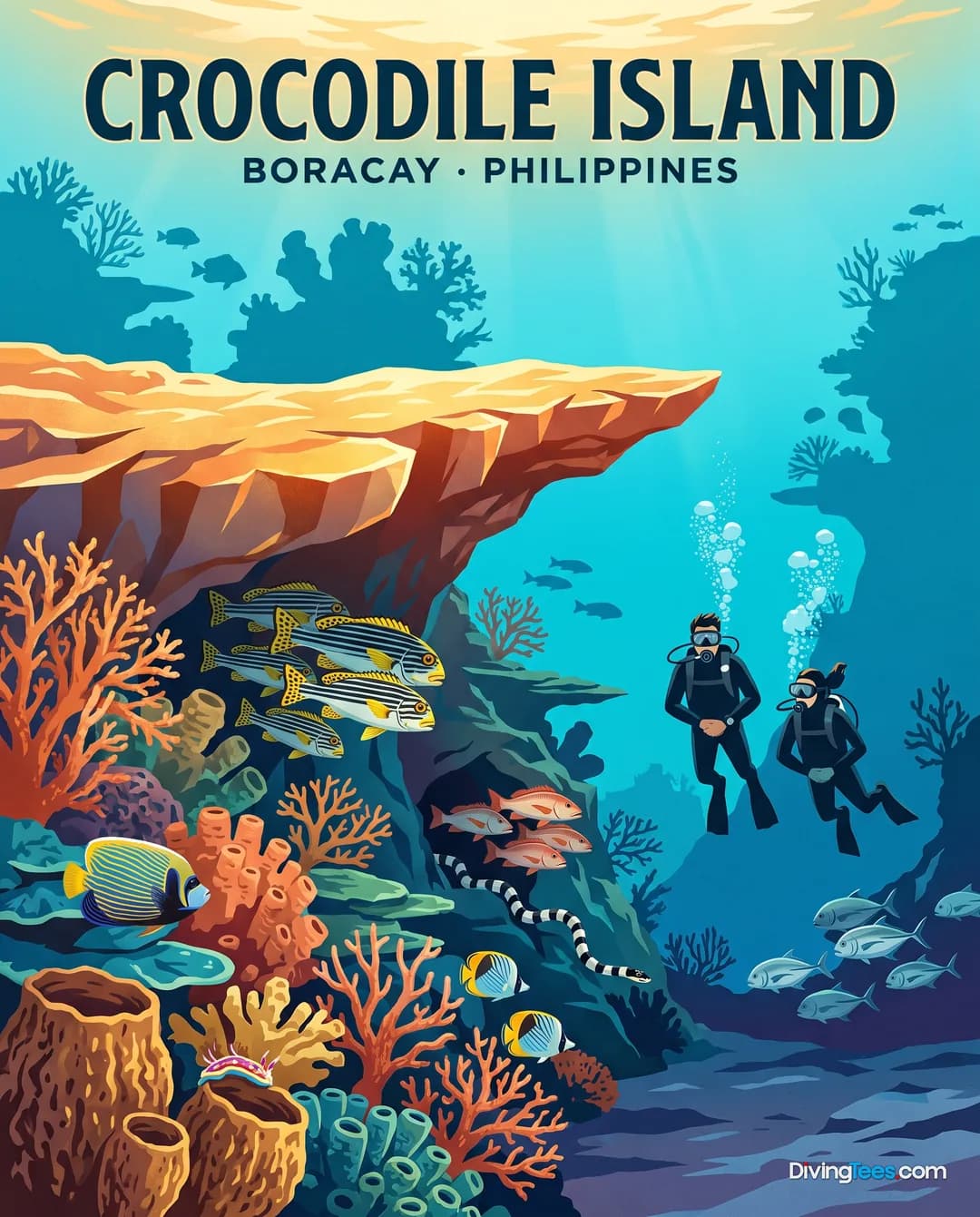
down to 25 m
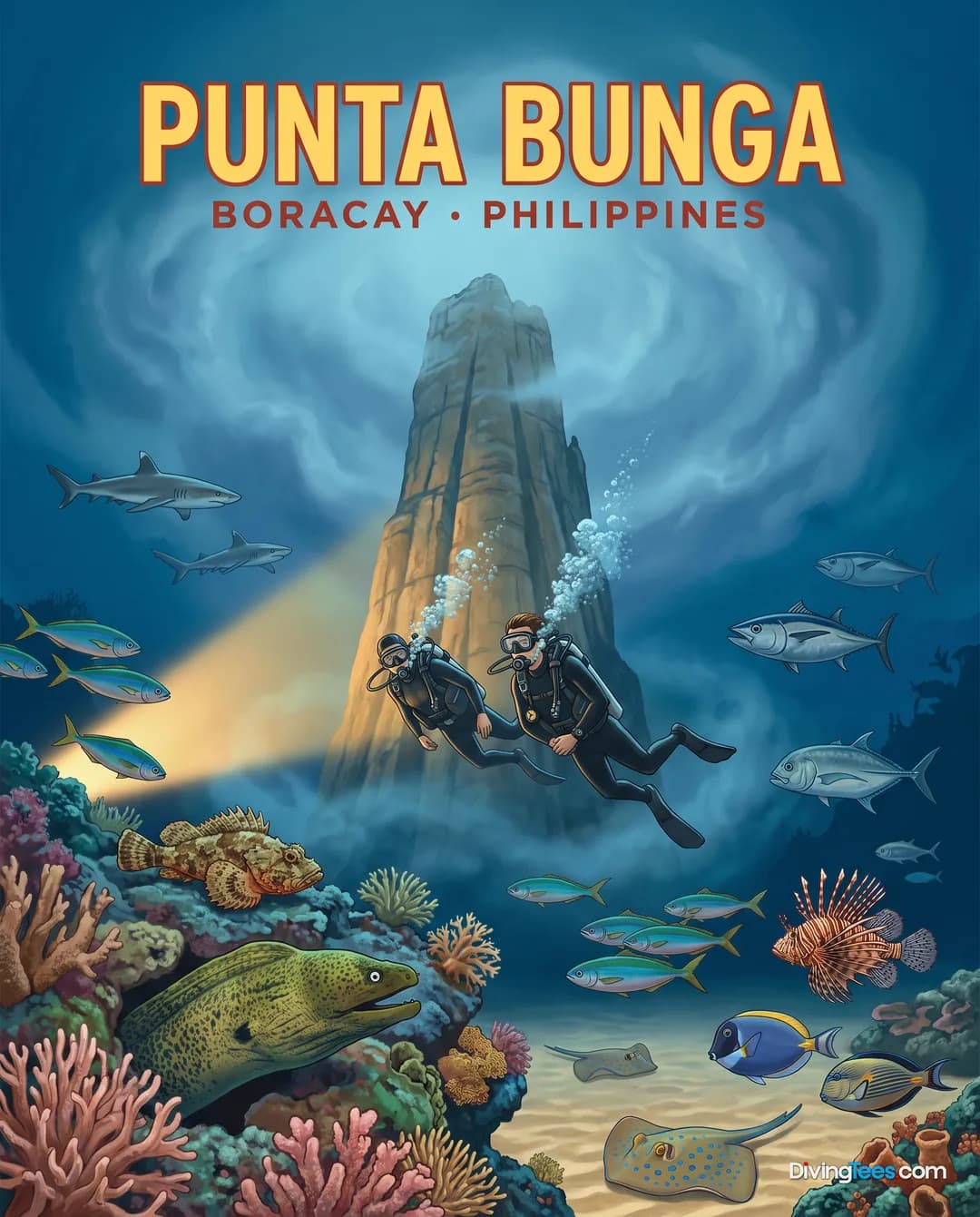
down to 40 m
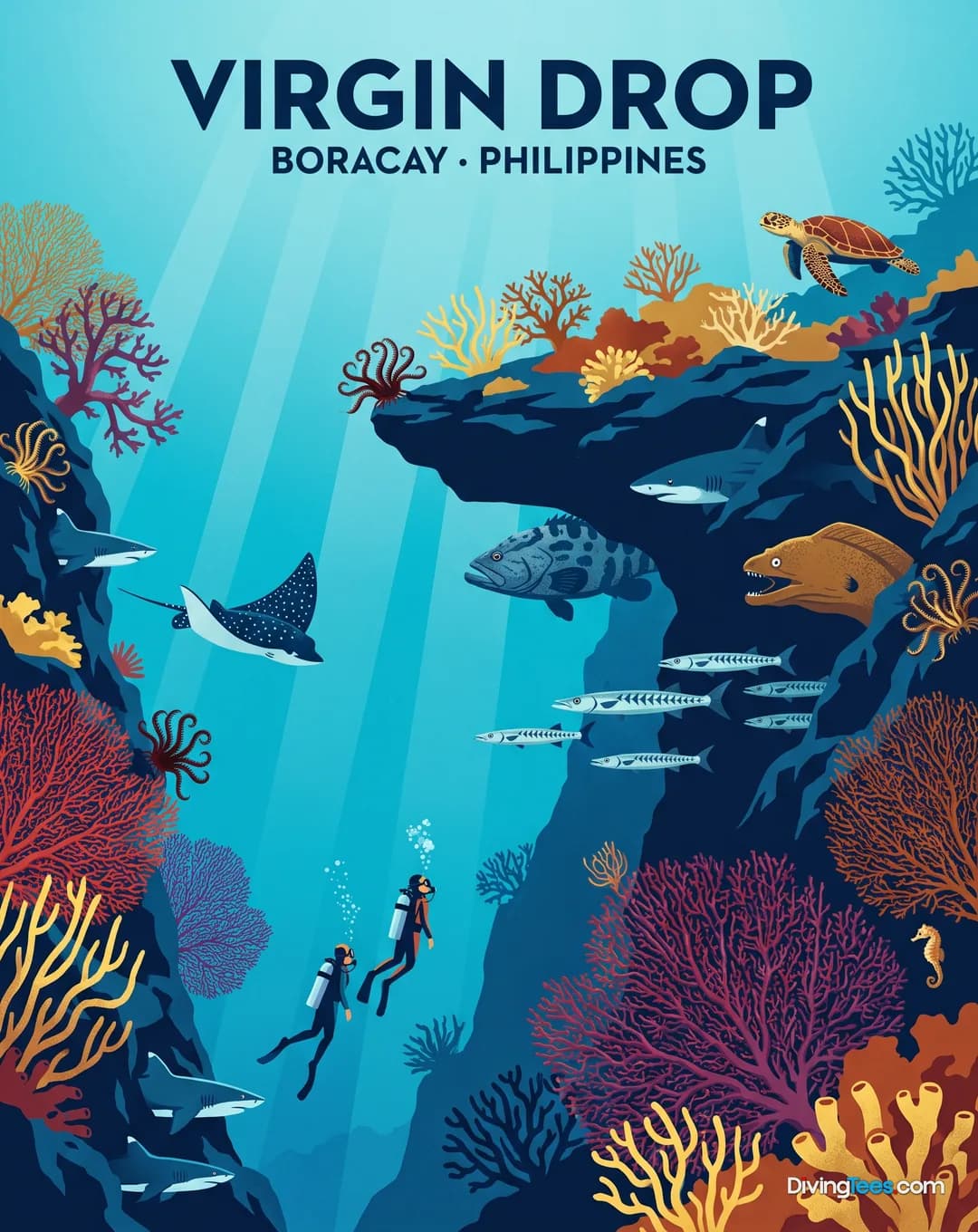
down to 40 m
down to 40 m
And some of the dive sites the centre runs.
The reef systems around Boracay are defined by a rich tapestry of hard and soft corals, including stony corals, leather corals, sea fans, and various sponges. Gorgonians and sea anemones provide habitat for a diverse array of reef fish such as butterflyfish, damselfish, sergeant majors, and clownfish.
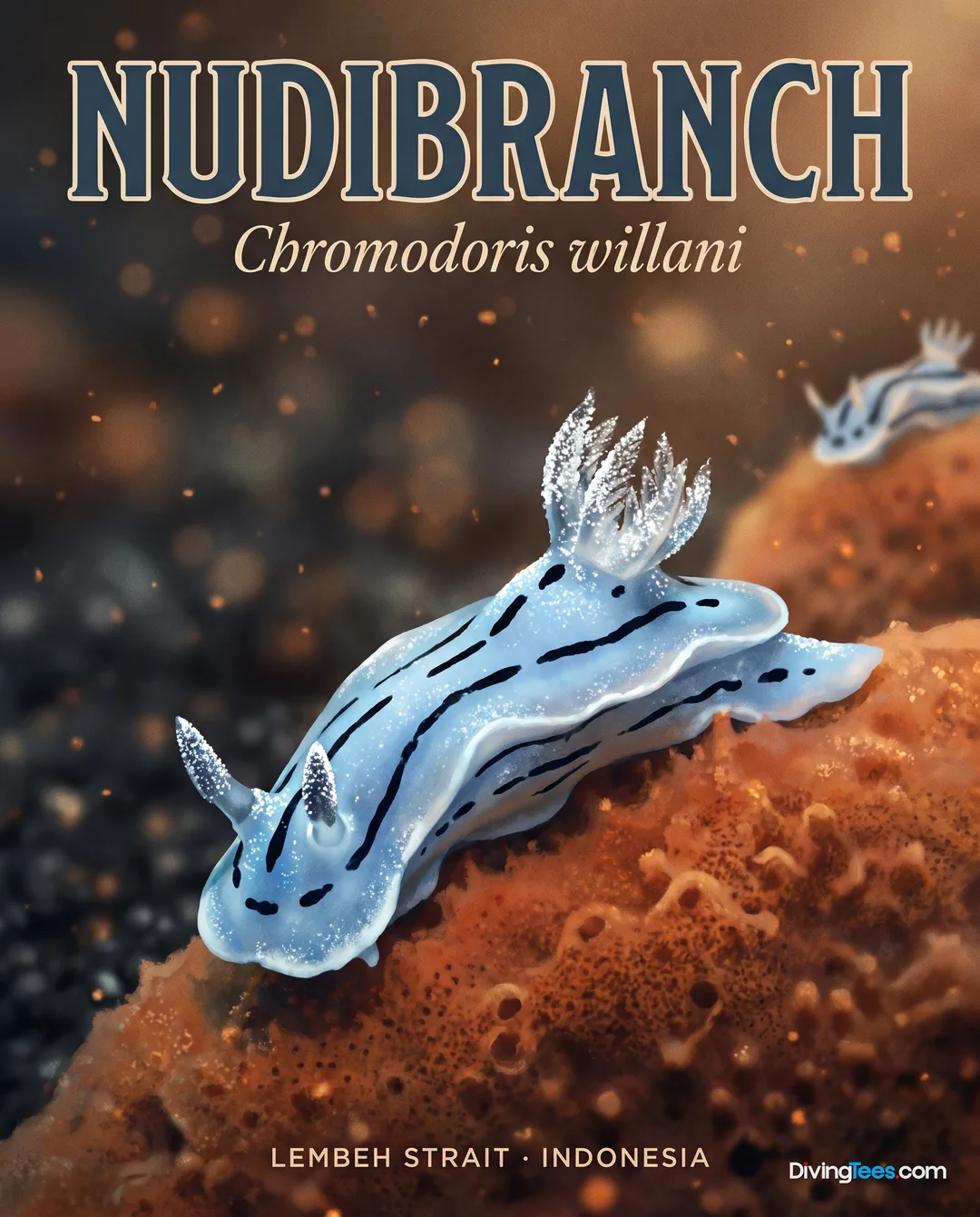
Macro enthusiasts will find plenty to observe in the smaller details of the reef. The sandy patches and coral crevices are home to nudibranchs, shrimps, crabs, and garden eels, alongside various species of gobies and ribbon eels.
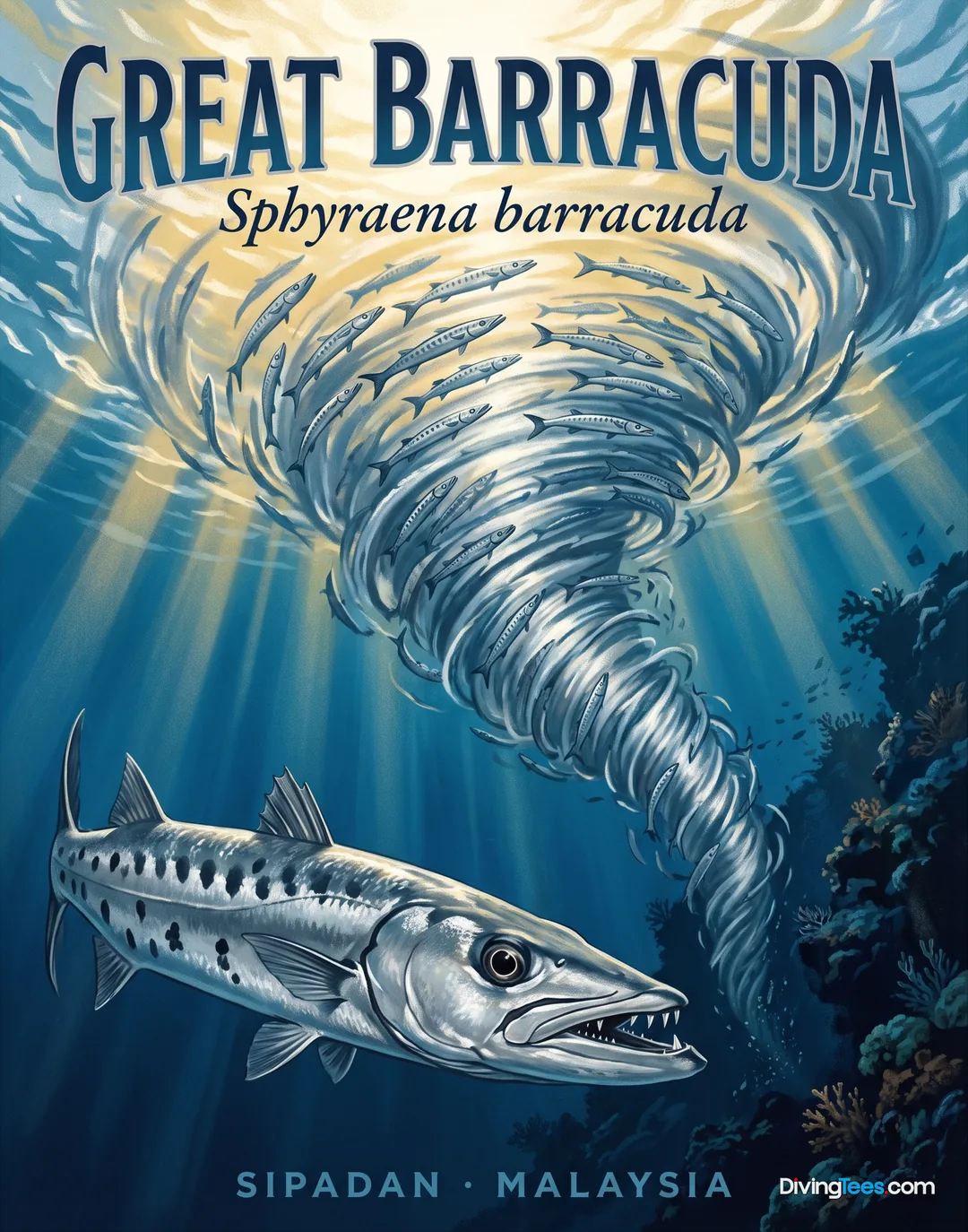
For those seeking larger encounters, the deeper walls and channel drifts frequently host pelagics. You may encounter sharks, tuna, jacks, and barracuda, with eagle rays and stingrays occasionally seen patrolling the blue or resting on the seabed. Turtles are also a regular presence across many of the local sites.
Conditions in Boracay vary significantly depending on the site and the tide. Some locations, such as Angol Point and Coral Garden, offer calm, low-current environments suitable for beginners. In contrast, sites like Channel Drift and Yapak are known for strong currents that require advanced buoyancy control and experience.
The topography also dictates the experience, ranging from shallow reef flats and sandy bottom night dives to deep, vertical walls and semi-cavern environments like Bat Cave. Divers should always be mindful of swell and tide changes, particularly when navigating cave entrances or drifting through narrow channels.
Hello, I'm Marina, DivingDeal.com's AI assistant. I answer in detail about hotels, dive centres and liveaboards.

Thinking about the whole trip and the flights? Talk it over with Edith →
Marina is an AI. Some links are affiliate links: DivingDeal may earn a commission, at no extra cost to you. Bookings are made with the partner.
Your last day stays dry: no diving in the 18-24 hours before a flight the perfect window to see the destination from another angle.
 Nature
⏱ 4 h · ★ 3.2 (11 reviews)
from €70
see on Viator ↗
 City
City⏱ 6 h
from €202
see on Viator ↗
Ratings and reviews collected by Viator and Tripadvisor.