WaterColors Boracay Dive Resort
★★★
★ 9.2/10 (40 reviews)
less than 1 km away as the crow flies
Dive centre · Boracay · Philippines
5.0188 Google reviewsMaster the art of breath-hold diving with specialised Molchanovs and Apnea Total training on Boracay's premier freediving school.
For subtitles in English: start the video firstthen click the gearat the top right of the video, select “Subtitles/CC”, then “Auto-translate” and choose “English”.
Located in Brgy. Balabag, Freedive Boracay Training Center is the island's first and only facility dedicated exclusively to the discipline of apnea. While the island is a known hub for various water sports, this centre provides a specific sanctuary for those looking to move beyond recreational snorkeling and into structured breath-hold training.
The school operates with a focus on the physiological and psychological aspects of freediving, prioritising relaxation and environmental adaptation over simple depth acquisition. This approach ensures that whether you are a beginner or an advanced athlete, the emphasis remains on safe, efficient, and mindful movement underwater.
The team consists of three experienced instructors who manage a strict ratio of one guide to a maximum of three students. This low ratio allows for highly personalised coaching, which is essential for the technical nuances of equalization and pressure management.
Instruction covers a broad spectrum of expertise, from foundational Ocean Confidence programmes for non-swimmers to professional instructor training. The pedagogical style is designed to be student-centred, ensuring that every session is tailored to the individual's progression and comfort levels.
The course catalogue is extensive, catering to both recreational enthusiasts and aspiring professionals. For those following the Apnea Total pathway, training is available from Freediver through to Advanced and Master levels, as well as the Instructor course.
In addition to Apnea Total, the centre offers Molchanovs Wave 1 and Wave 2 certifications, alongside PADI Freediver and Advanced Freediver courses. For those interested in more niche disciplines, the school provides PADI Basic Mermaid training, Ocean Confidence Snorkeling, and Ocean Confidence Skindiving. Technical skills are further supported by dedicated static apnea and equalization clinics.
The centre provides complete equipment hire for your sessions. Long plastic fins are included as standard, though divers have the option to upgrade to high-performance fibre glass fins for better propulsion and efficiency.
A selection of high-quality apnea equipment is also available for purchase in the on-site shop, allowing you to build your own kit following your training.
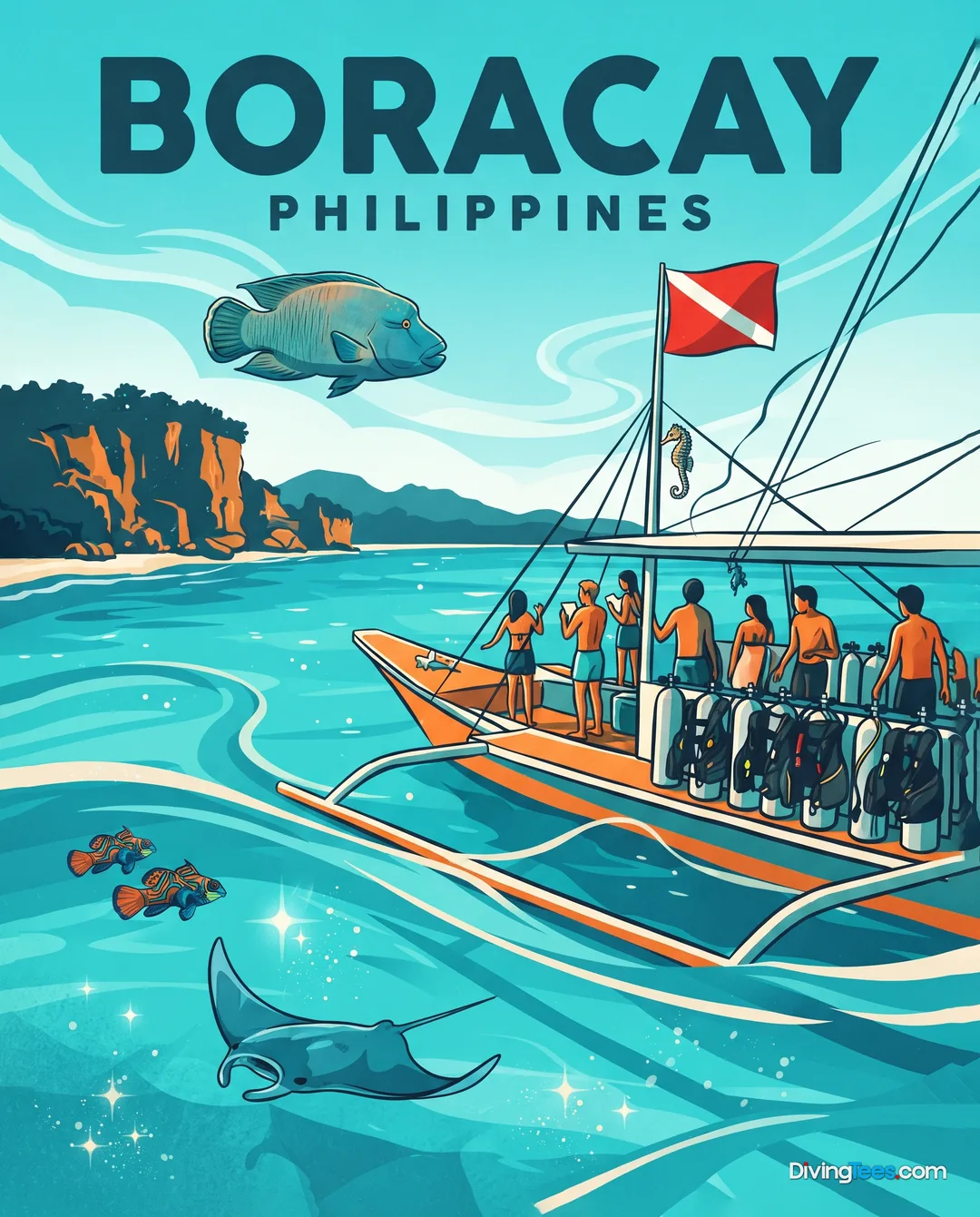
Boracay Coral Reefs: These shallow reefs are ideal for those starting their journey, with depths typically around 10 metres. They offer a perfect environment for beginners or those completing introductory apnea courses to practice buoyancy and relaxation.
Boracay Wrecks: For more experienced, certified freedivers, the local wrecks provide a more challenging environment. These sites offer the opportunity to explore submerged structures, requiring a higher level of technical proficiency and breath-hold control.
And some of the dive sites the centre runs.
The local reefs are vibrant ecosystems, featuring a wide array of hard corals (Scleractinia), soft corals (Alcyonacea), and large coral heads. You will find a diverse landscape of stony corals, table corals, and sea fans (Gorgoniidae) providing structure for the resident marine life.
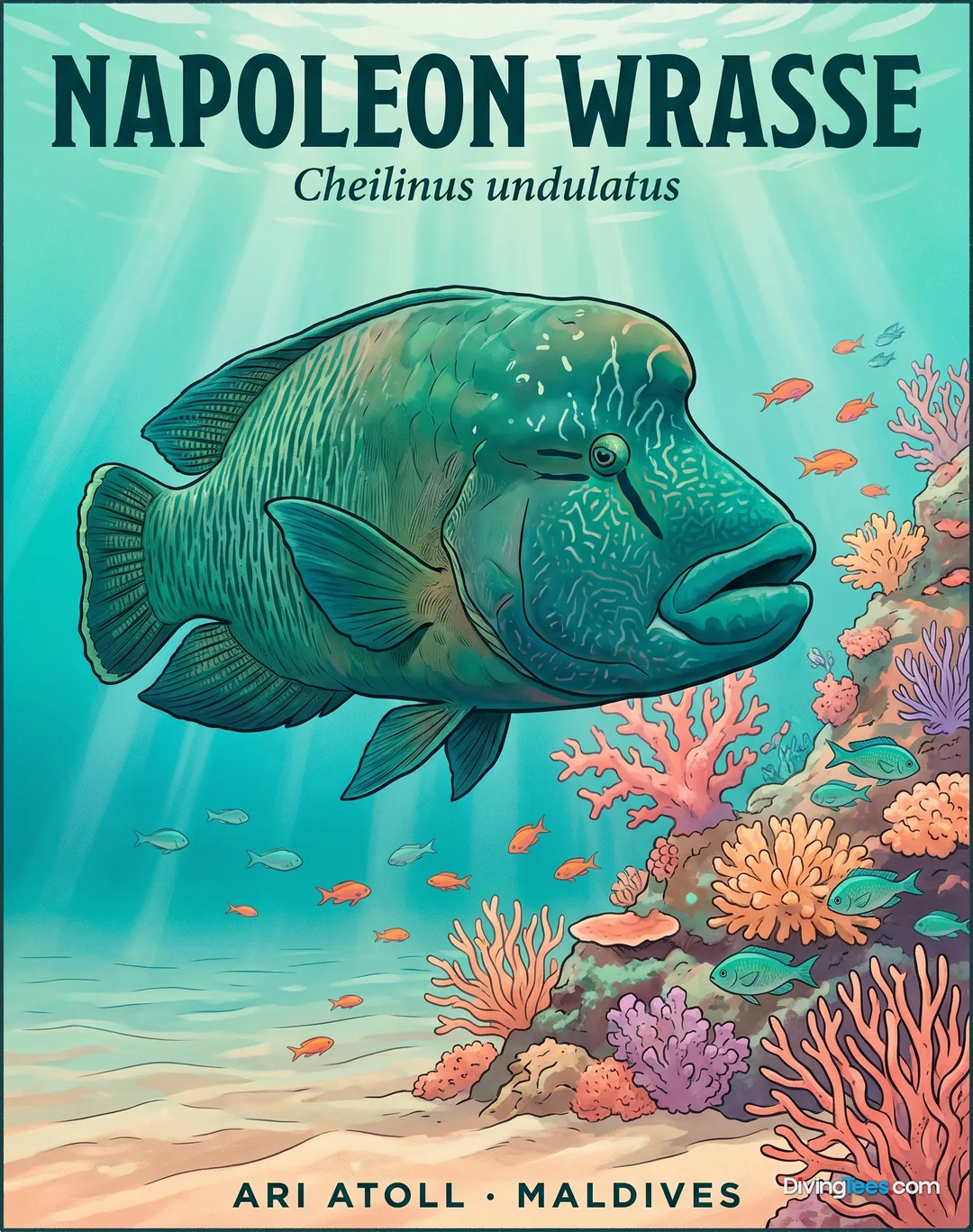
In the water column and around the reef, you can encounter various tropical reef fish, including many species of Wrasse (Labridae), Butterflyfish (Chaetodon), and Angelfish (Pomacanthidae). Schools of Anthias (Anthias), Fusilier (Caesio), and Sergeant majors frequently move through the area, alongside Damselfish (Pomacentridae) and Snappers.
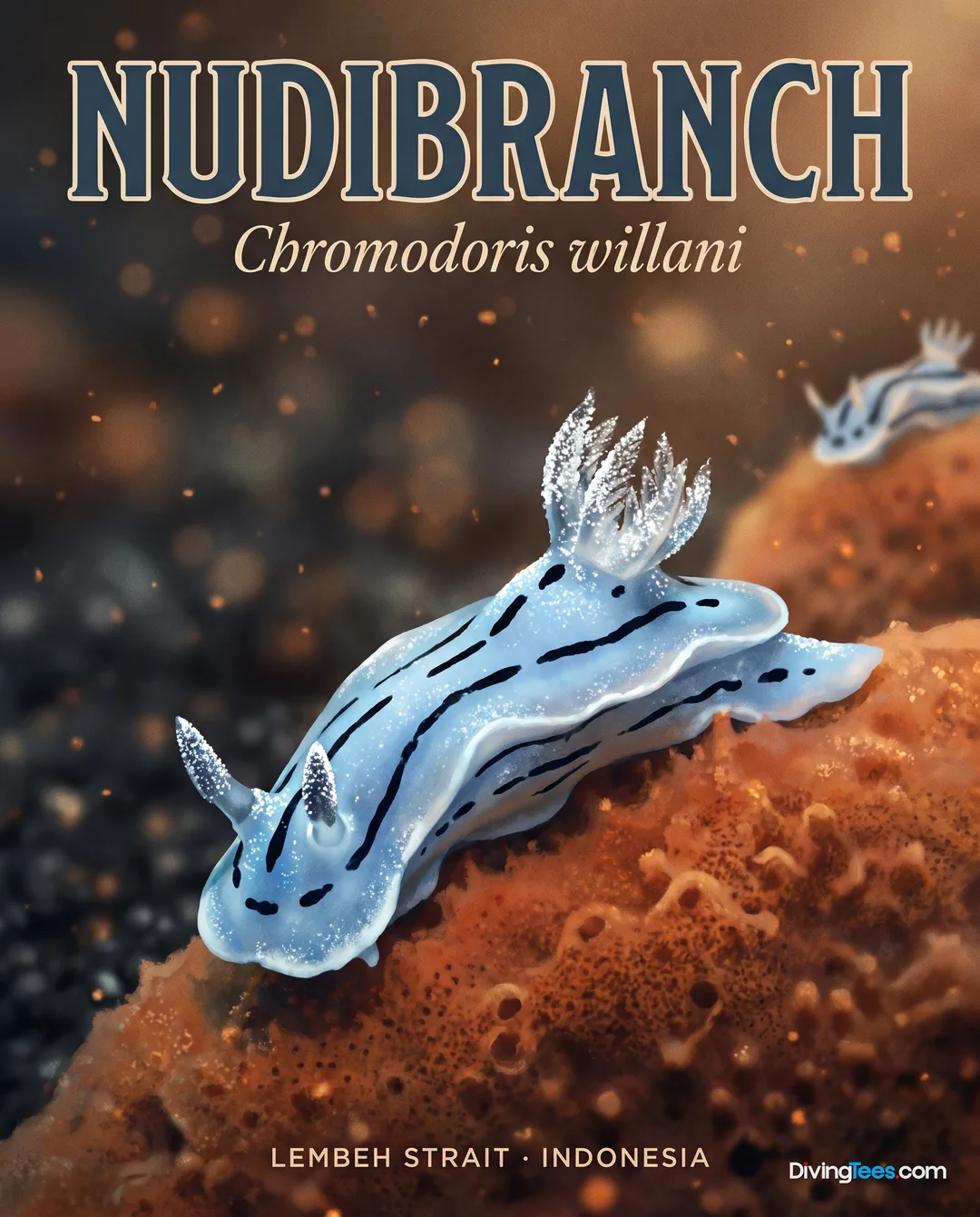
Macro life and smaller residents add significant detail to the dives. Keep an eye out for Nudibranch (Chromodoris willani), Ghost pipefish (Solenostomidae), and various species of Shrimp (Caridea). You may also encounter Octopus (Octopus vulgaris), Cuttlefish (Sepiidae), and various species of Sea snail or sea stars (Asteroidea).
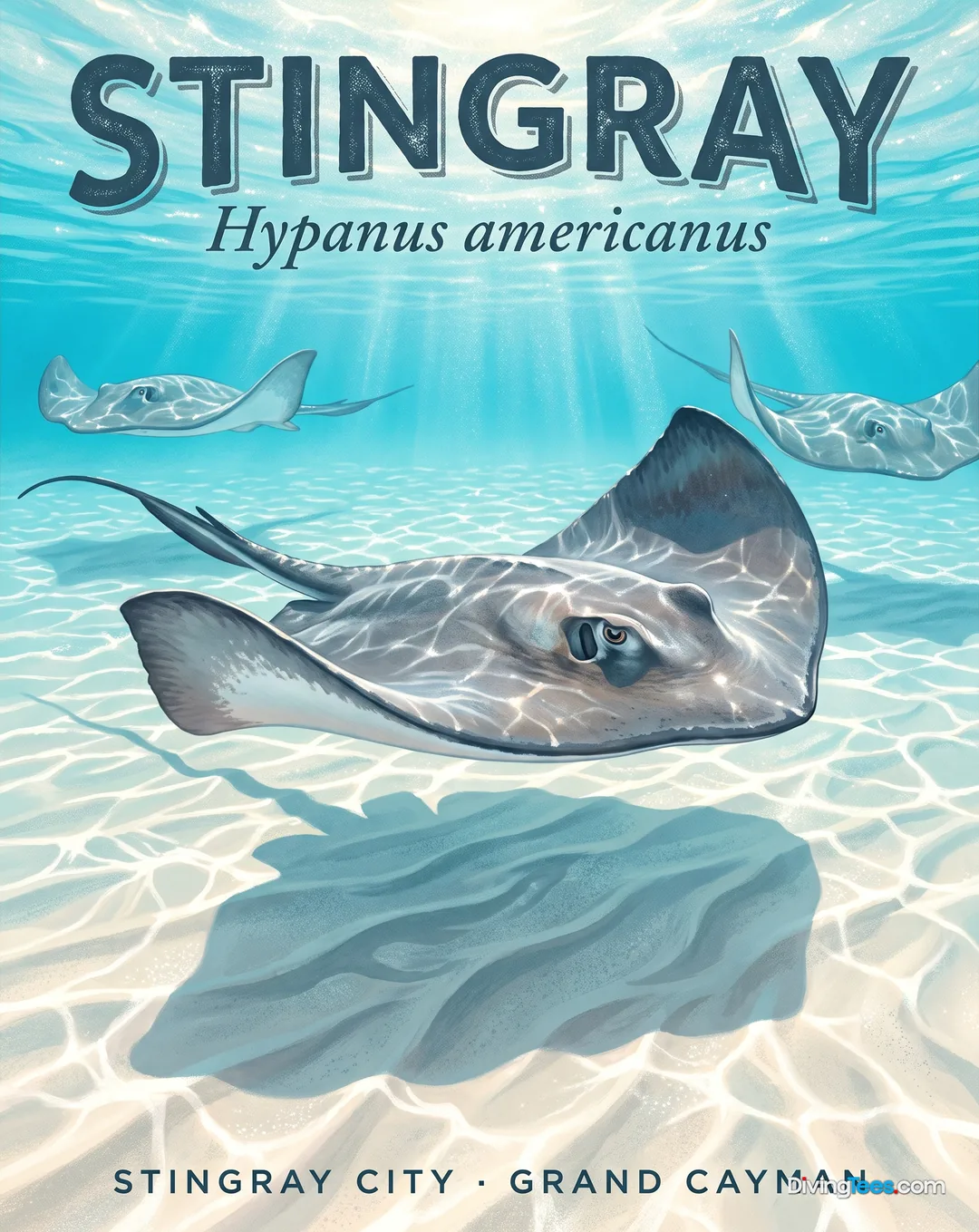
Larger animals occasionally visit the reefs, including Sea turtles (Cheloniidae), Rays (Batoidea), and various species of Grouper (Epinephelus). You might also spot Moray eels (Muraenidae), Lionfish, or even the occasional Whitetip reef shark (Triaenodon obesus) patrolling the deeper sections.
The best time to visit the area is between November and March. During this period, the conditions are generally favourable, though the months of December to February see the strongest winds, which are preferred by kitesurfers and windsurfers.
During the monsoon season, which runs from July to September, maritime activities typically shift towards Bulabog Beach to account for the change in weather and sea states.
Hello, I'm Marina, DivingDeal.com's AI assistant. I answer in detail about hotels, dive centres and liveaboards.

Thinking about the whole trip and the flights? Talk it over with Edith →
Marina is an AI. Some links are affiliate links: DivingDeal may earn a commission, at no extra cost to you. Bookings are made with the partner.
Your last day stays dry: no diving in the 18-24 hours before a flight the perfect window to see the destination from another angle.
 Nature
⏱ 4 h · ★ 3.2 (11 reviews)
from €70
see on Viator ↗
 City
City⏱ 6 h
from €202
see on Viator ↗
Ratings and reviews collected by Viator and Tripadvisor.