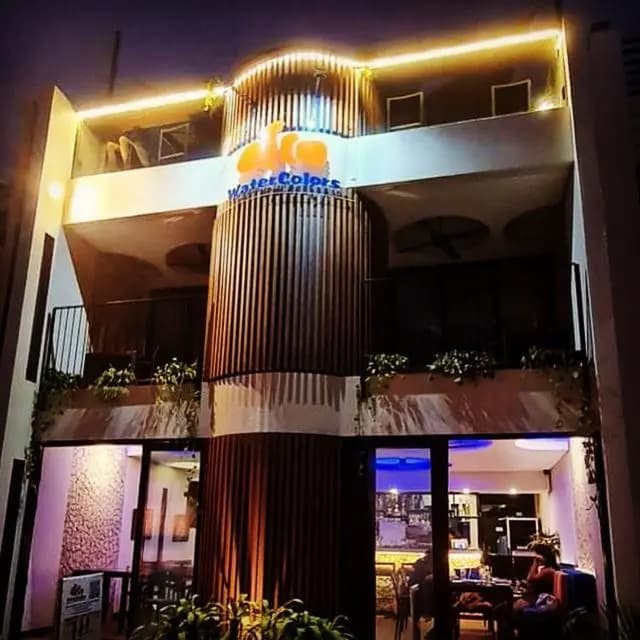
WaterColors Boracay Dive Resort
★★★
★ 9.2/10 (40 reviews)
less than 1 km away as the crow flies
Dive centre · Boracay · Philippines
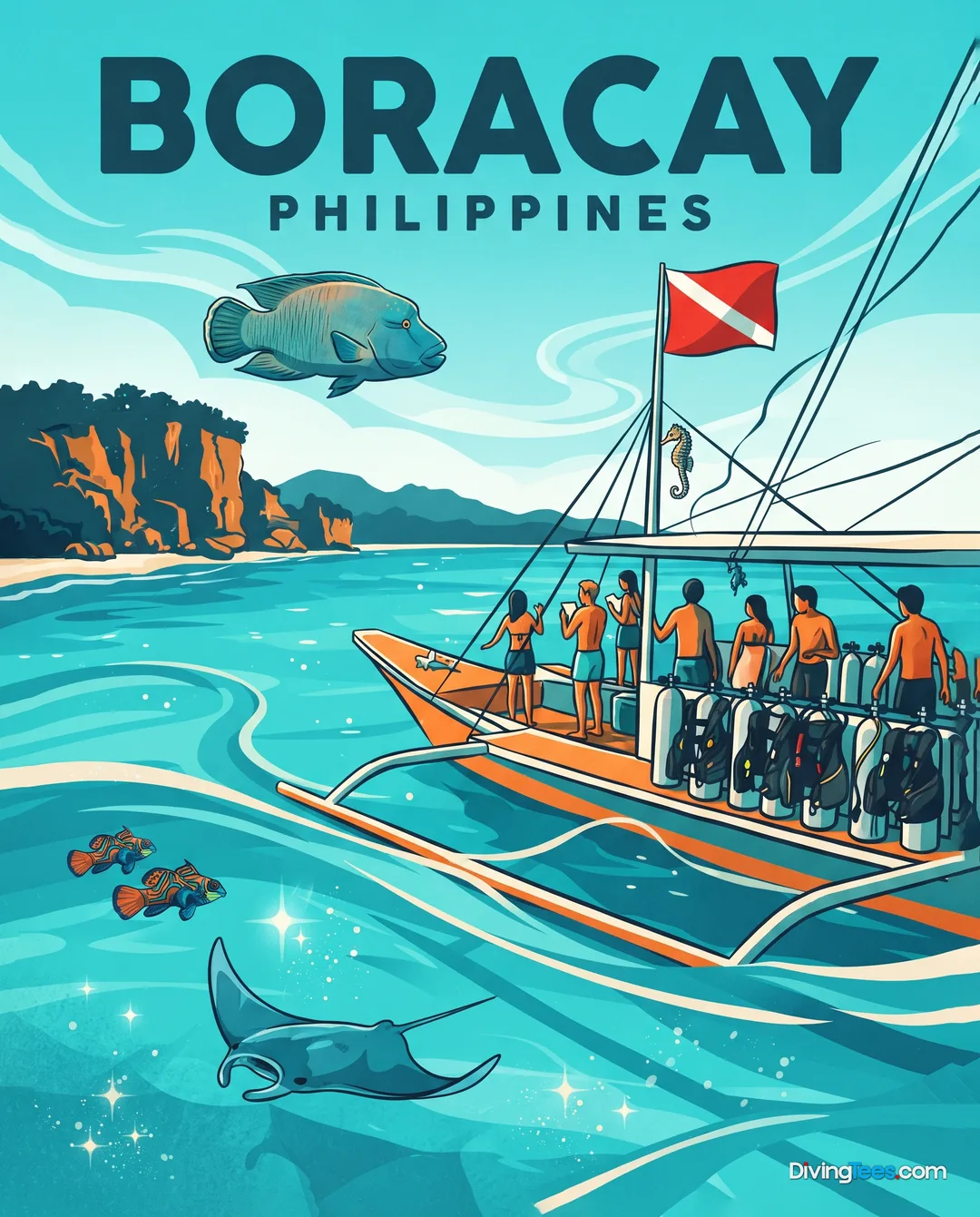
4.890 Google reviewsExplore the diverse reefs and local wrecks of Boracay, from the shallow Coral Garden to the deep walls of Yapak.
For subtitles in English: start the video firstthen click the gearat the top right of the video, select “Subtitles/CC”, then “Auto-translate” and choose “English”.
Watercolors Boracay Diving Adventures is situated in the Station 1 area of Balabag on Boracay Island. The centre is positioned to provide easy access to the island's varied underwater topography, ranging from calm, shallow reef flats to more challenging deep walls.
The diving here caters to a wide spectrum of experience levels. You can find gentle sites for those working through their initial certifications, as well as more advanced environments involving currents and significant depths for those looking to push their limits.
The centre operates with a focus on structured training and guided exploration. They offer a variety of courses to help you progress through your diving career, from your first breaths underwater to more specialised training.
Beyond training, the team facilitates guided dives to the local sites, including night dives for those interested in seeing the reef's nocturnal activity. For those looking to stay close to the action, the centre also provides beachfront accommodation, including Penthouse De Luxe options.
The centre provides a full range of training through recognised certification programmes. You can begin your journey with the Open Water Diver course, progress to Advanced Open Water Diver, or specialise with the Wreck Specialty Divers course.
These courses are designed to build your skills progressively, moving from basic buoyancy and navigation to more technical skills required for exploring submerged structures.
Camia is the local wreck site, a 30-metre cargo ship sunk in 2001 that has become a thriving artificial reef. It sits at depths between 18 and 30 metres and is home to red snappers, squid, and pygmy seahorses.
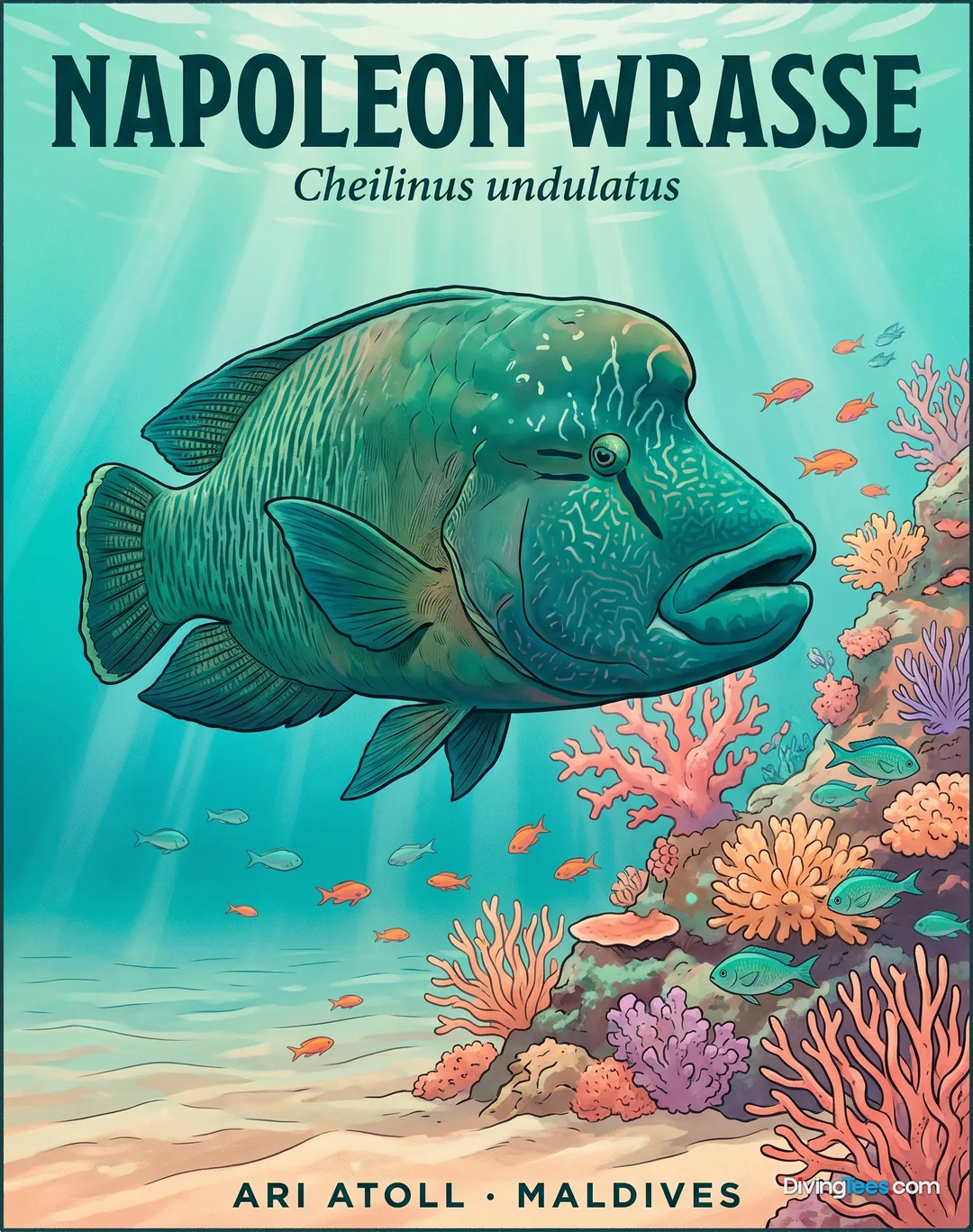
Yapak 1 and 2 consist of two distinct walls that descend from 30 metres to 70 metres. These sites are for advanced divers, often requiring a negative entry due to surface conditions, and offer encounters with whitetip sharks and Napoleon wrasse.
Channel Drift is a site for Advanced Open Water Divers where tidal currents carry you through canyons and crevices. You can expect to see gorgonians and occasionally whitetip sharks or jacks passing through the channel.
Coral Garden is a shallow site, between 5 and 12 metres, making it ideal for Open Water Diver training. The area is characterised by calm conditions and a high density of fairy basslets and nudibranchs.
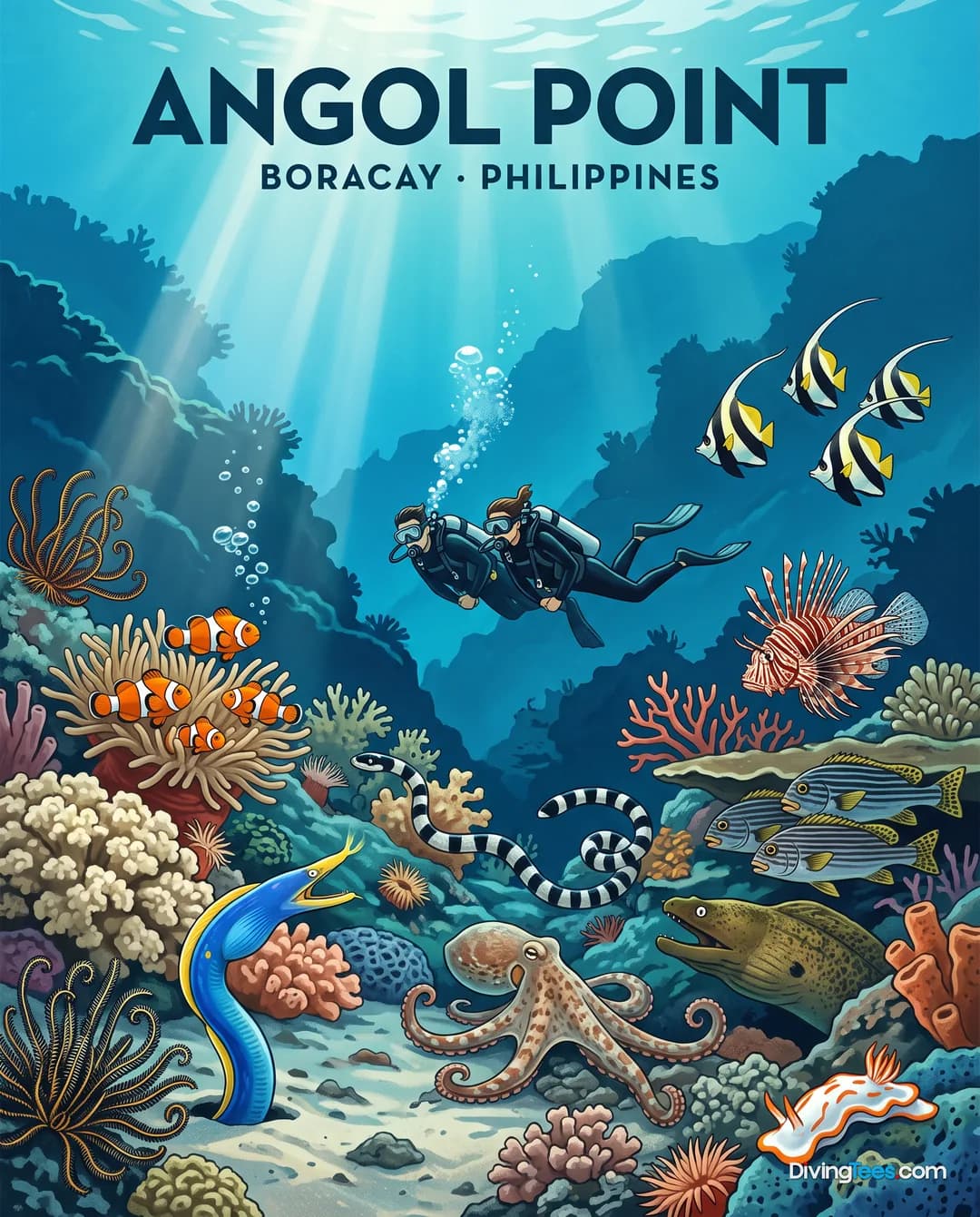
down to 20 m
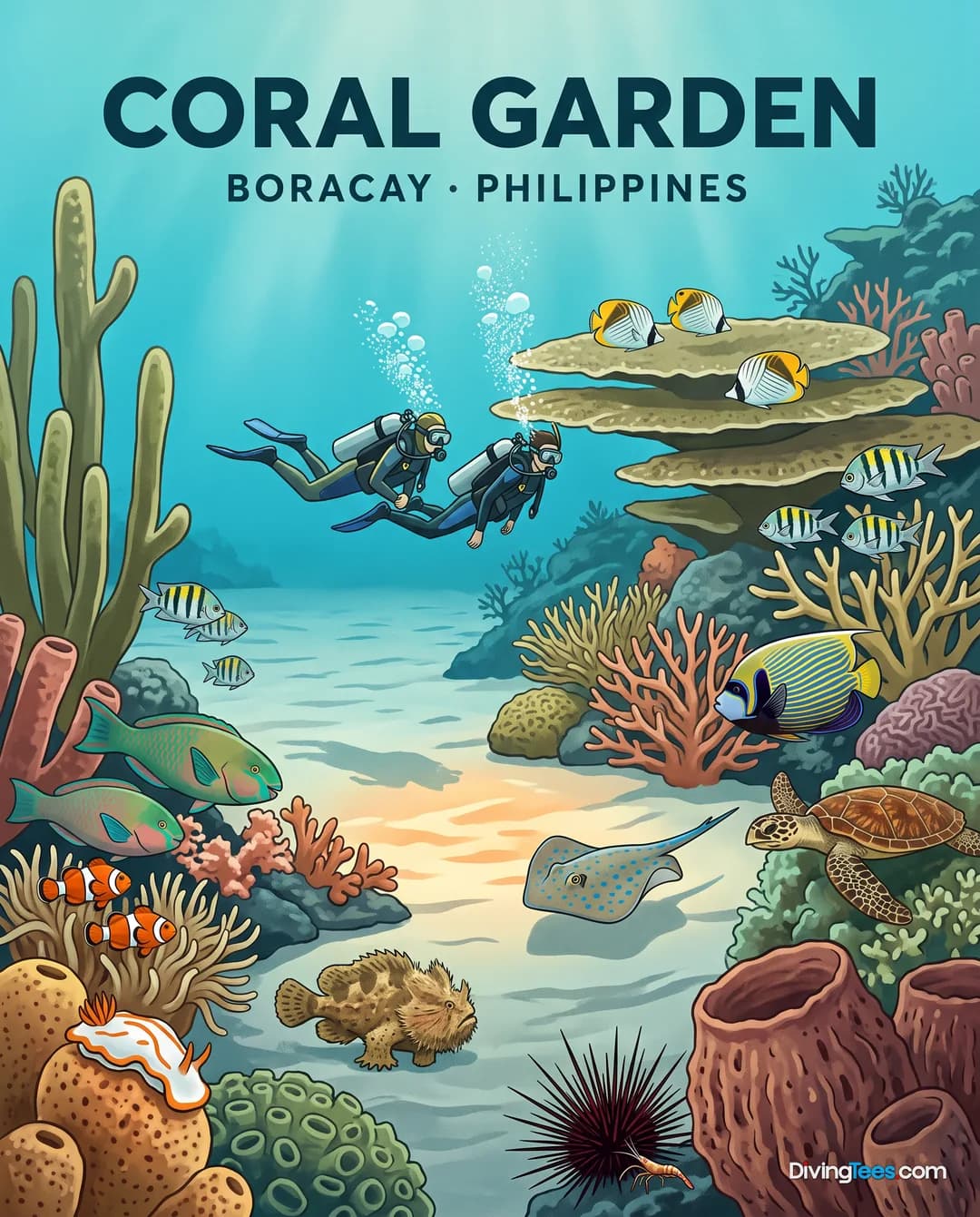
down to 20 m
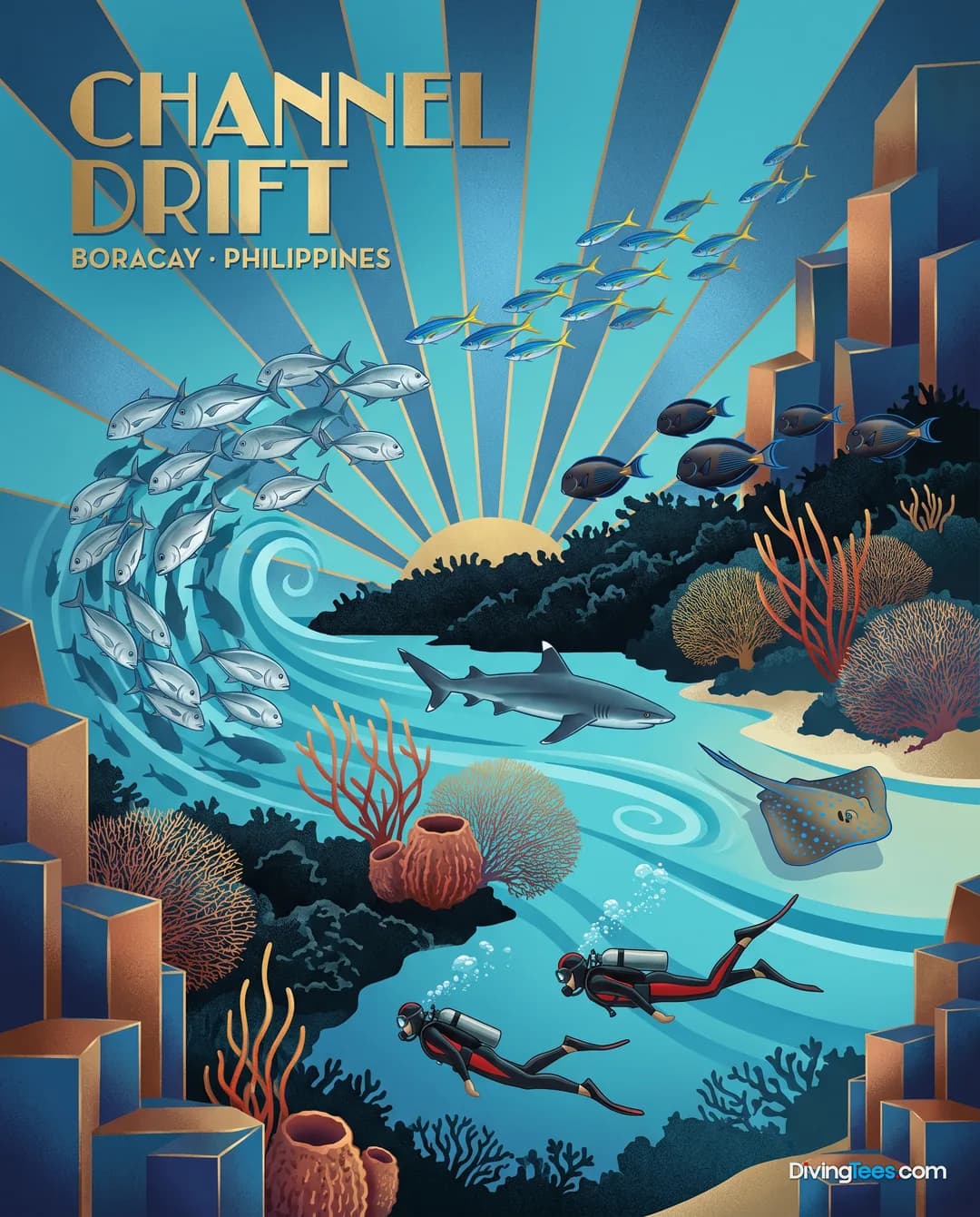
down to 35 m
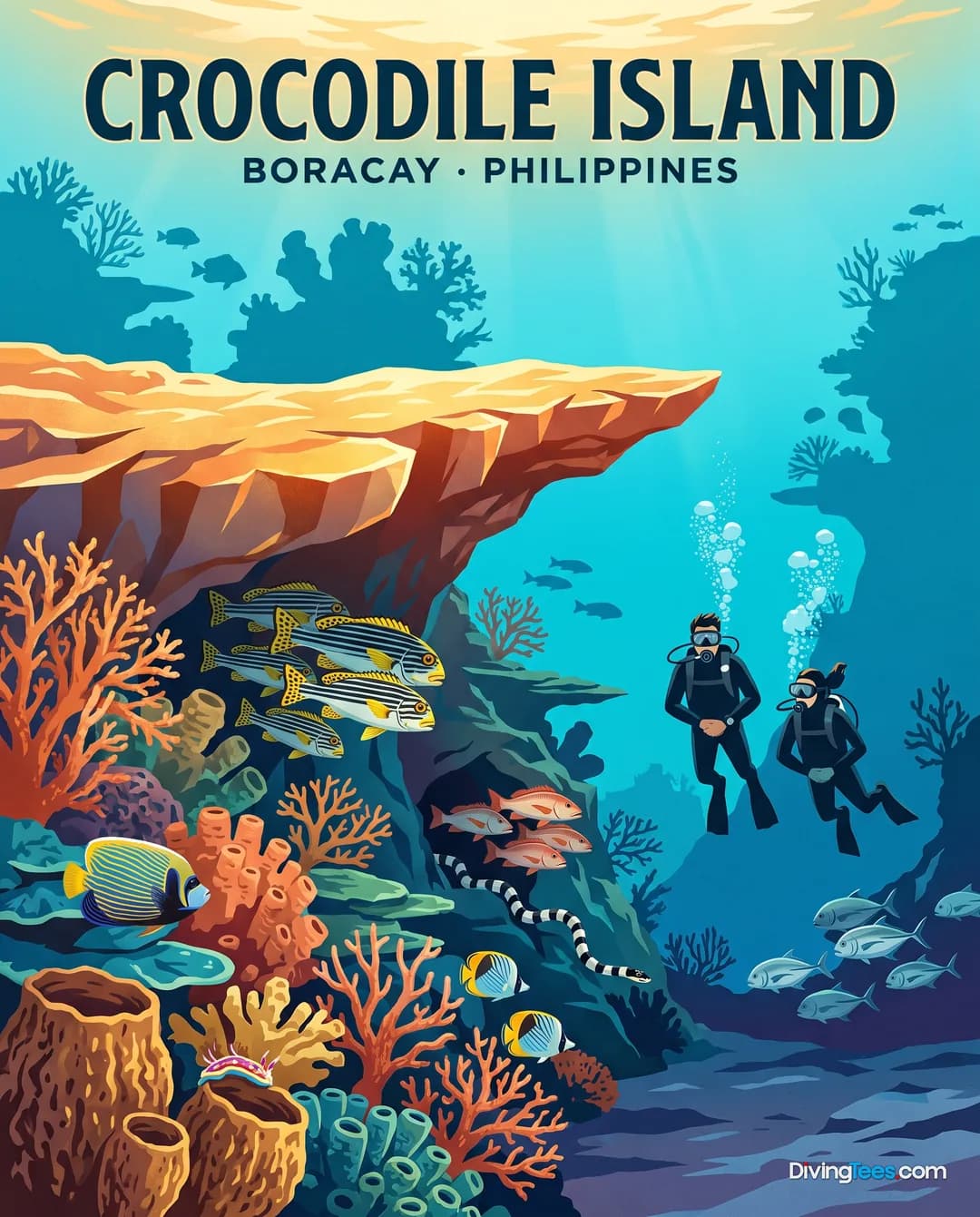
down to 25 m
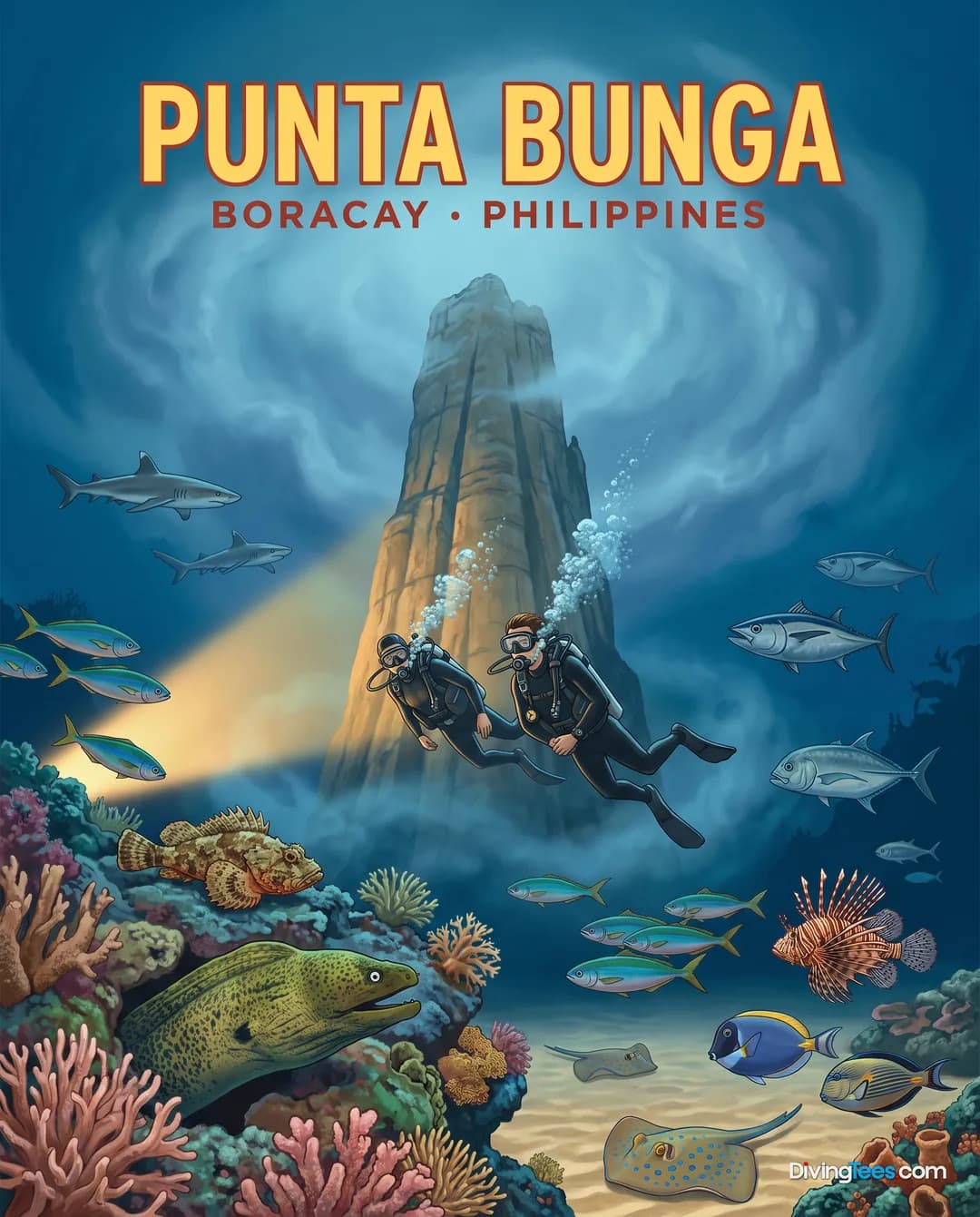
down to 40 m
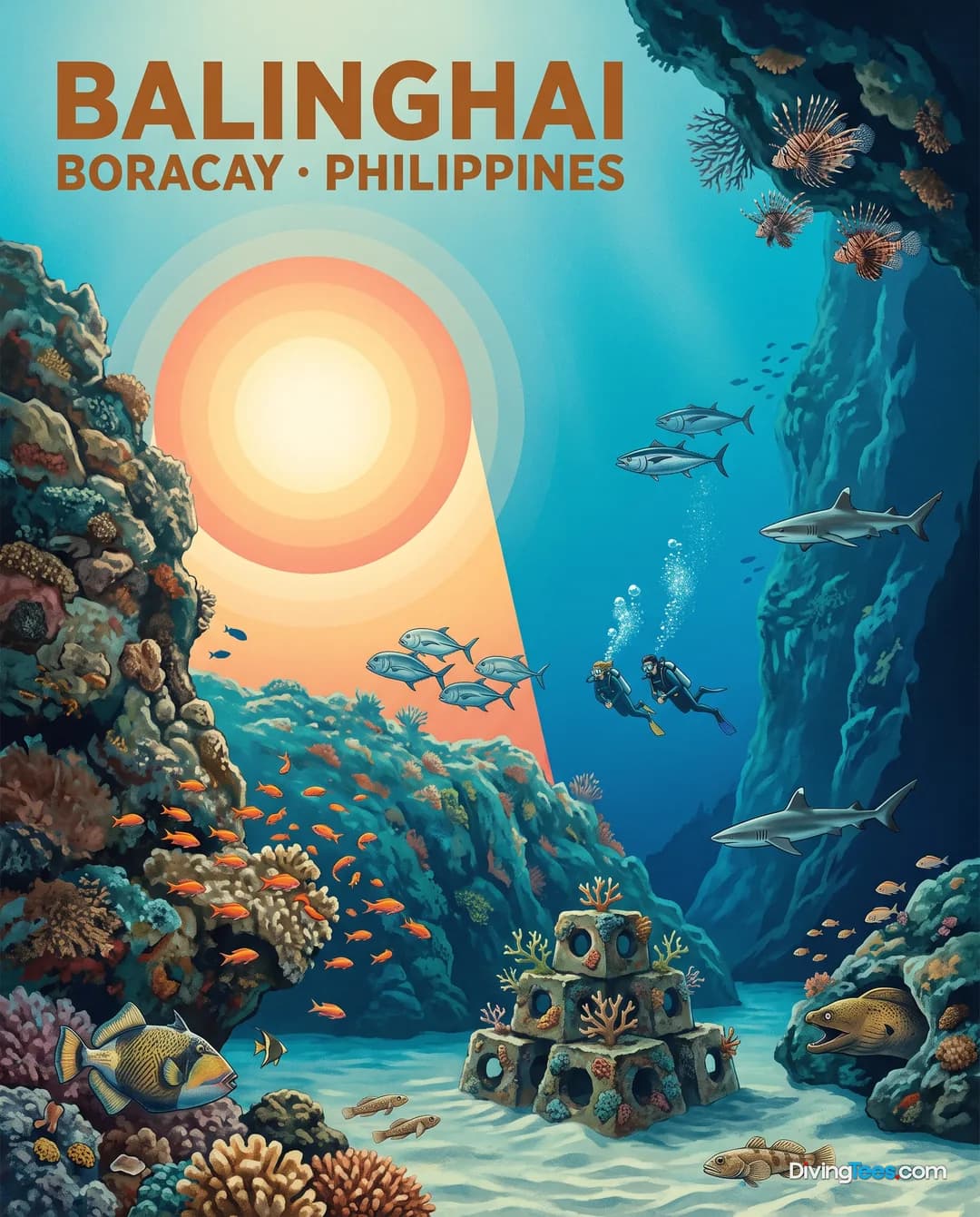
down to 40 m
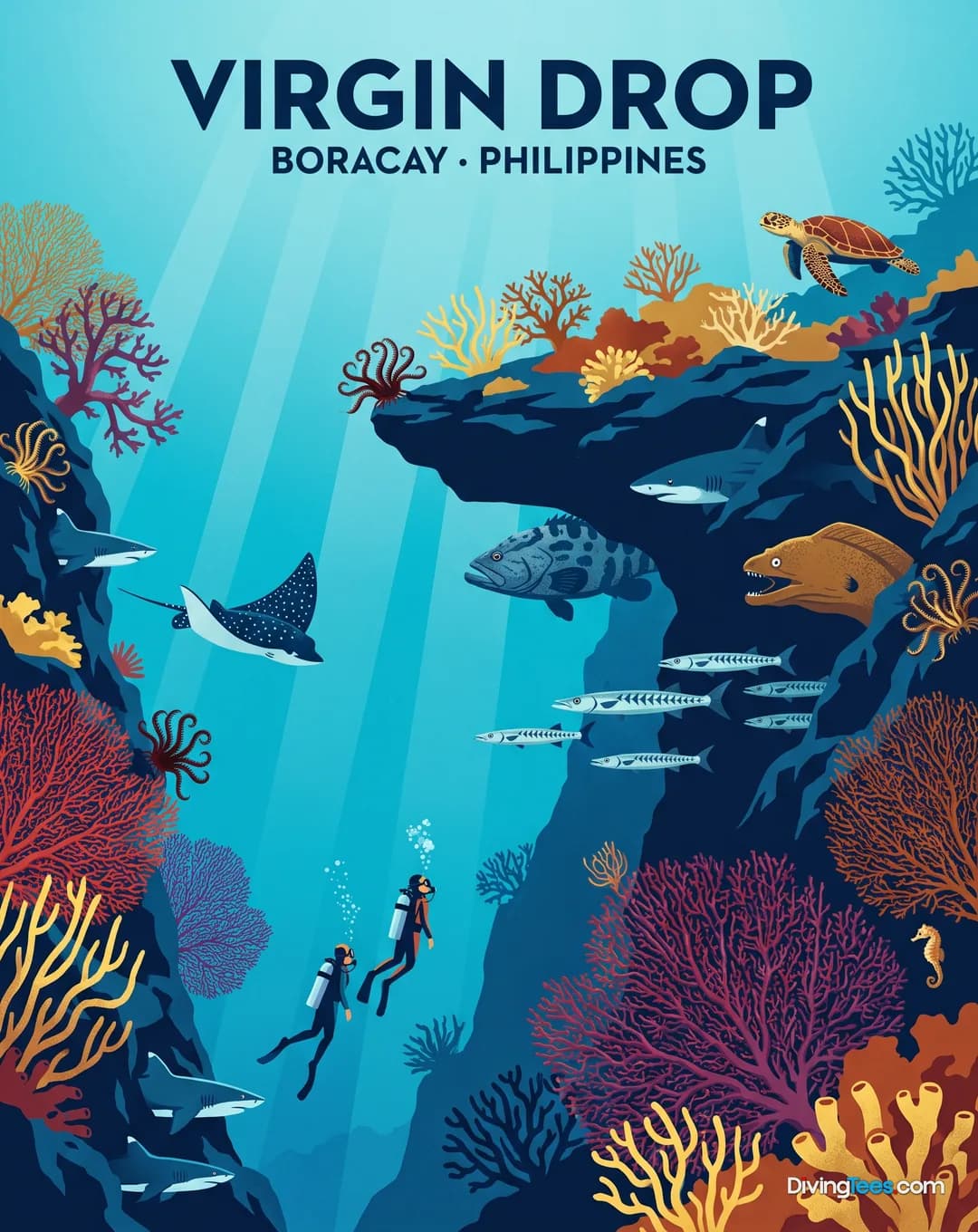
down to 40 m
And some of the dive sites the centre runs.
The reefs are defined by a vibrant hardscape of stony corals, soft corals, table corals, and large coral heads. You will find plenty of sea fans (Gorgoniidae), sponges, and anemones (Actiniaria) providing structure for the local inhabitants.
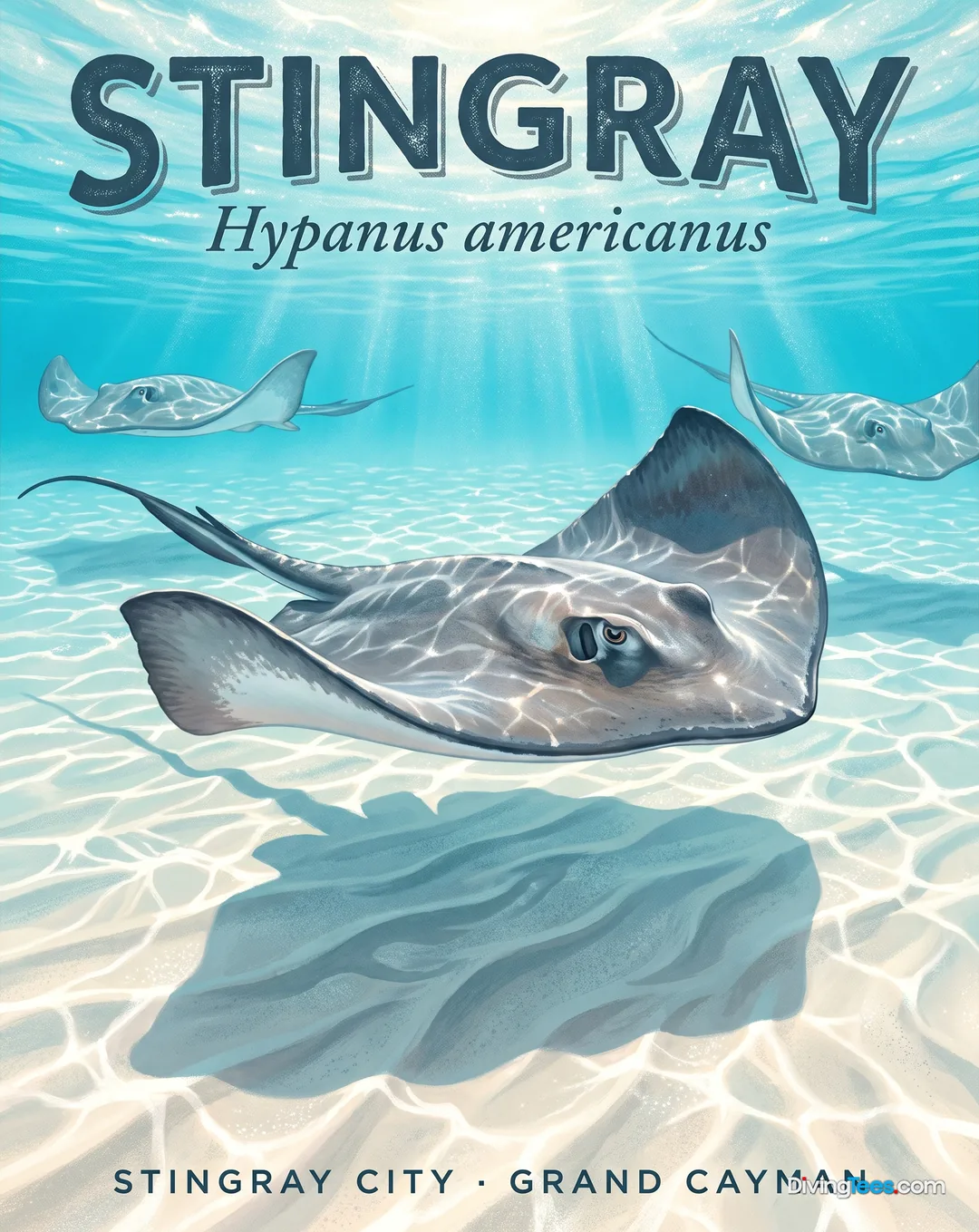
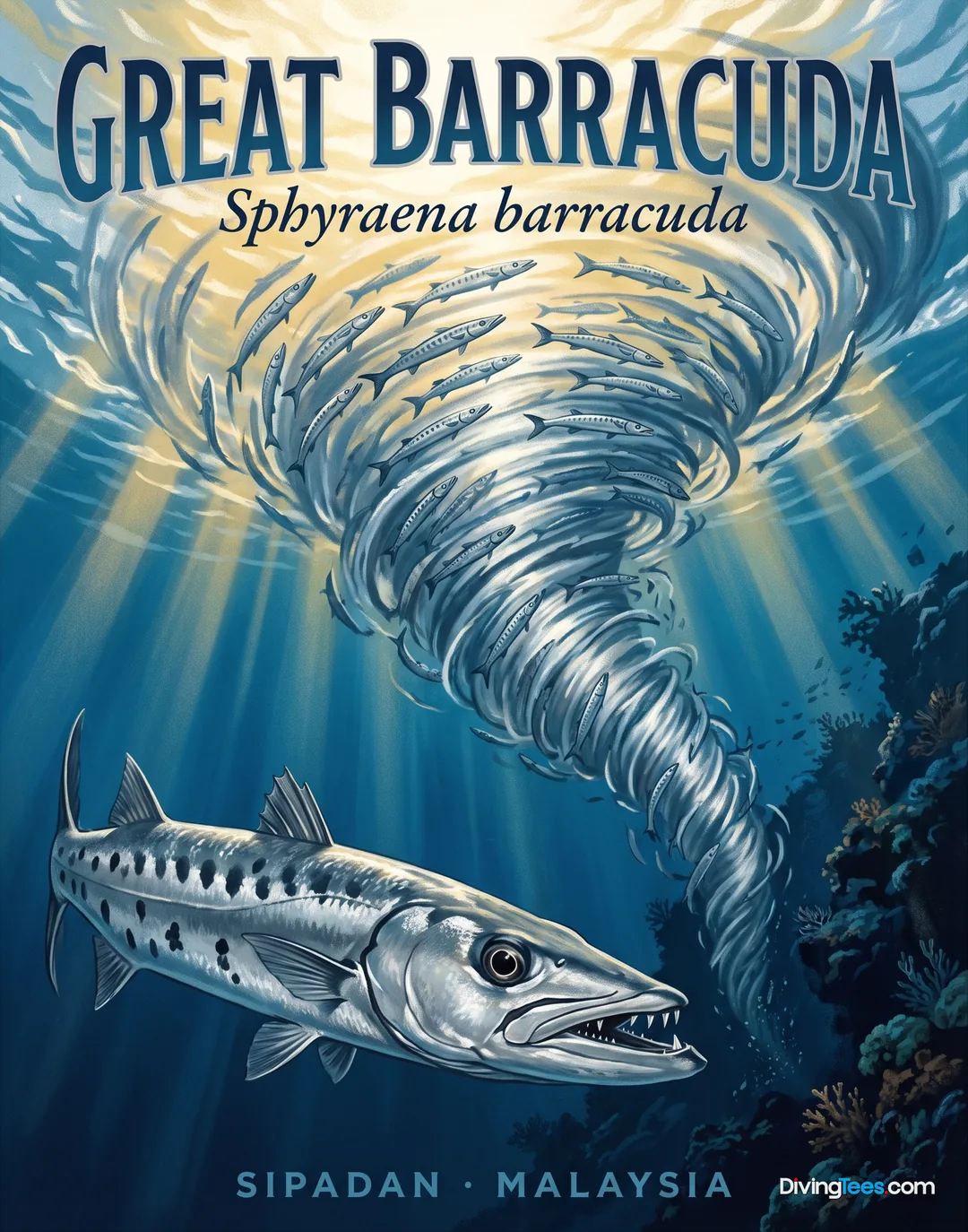
For those interested in larger pelagics, the deeper walls and channels offer sightings of whitetip reef sharks (Triaenodon obesus), grey reef sharks (Carcharhinus amblyrhynchos), and various species of tuna (Thunnus). You may also encounter eagle rays (Aetobatus), jack (Carangidae), and dogtooth tuna (Gymnosarda unicolor) patrolling the currents.
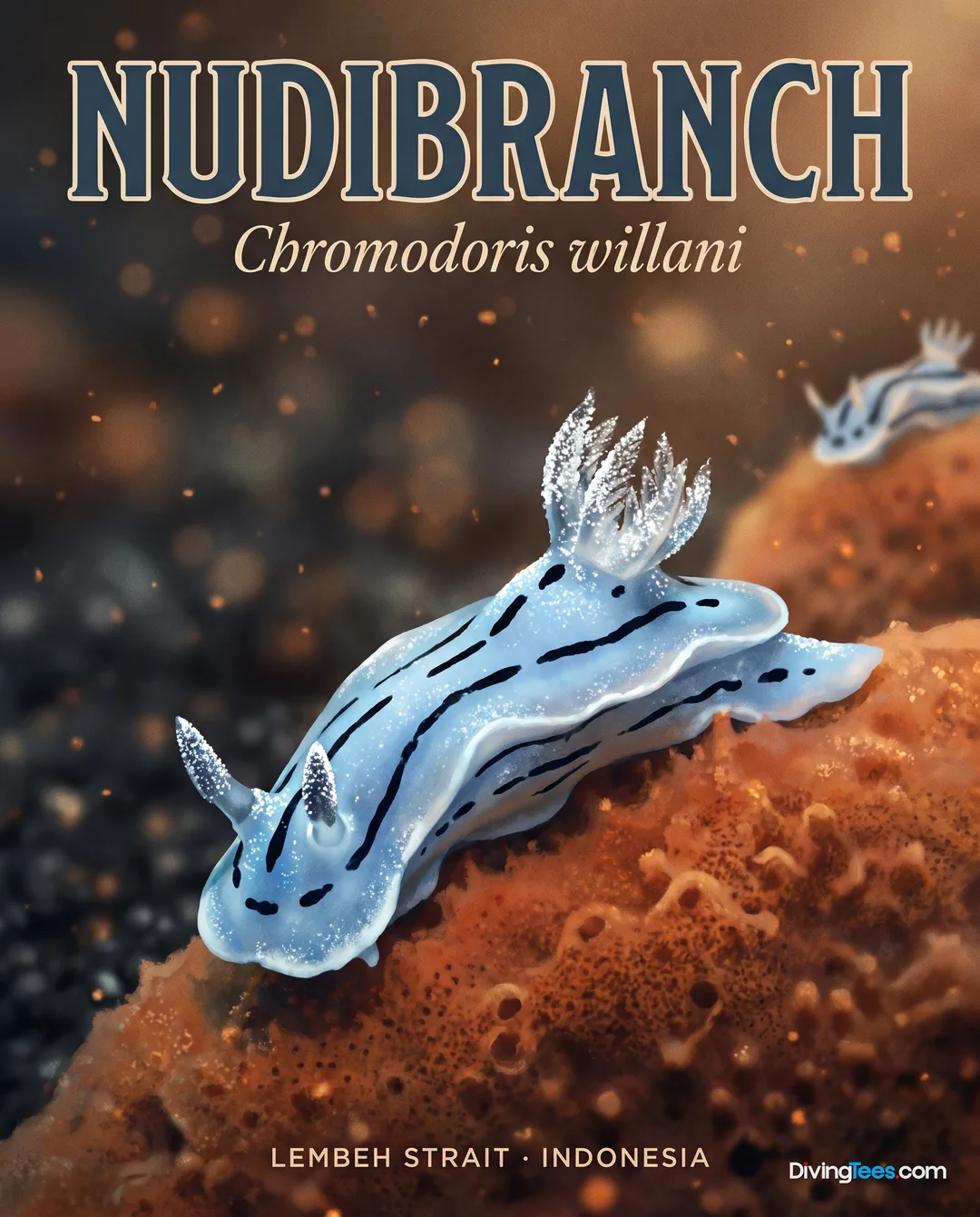
Macro enthusiasts will find plenty to observe on the reef flats and around the wrecks. The area is known for its diversity of nudibranchs (Chromodoris willani), frogfish (Antennarius), ghost pipefish (Solenostomidae), and pygmy seahorses (Hippocampus bargibanti). You can also look for various species of shrimp, crabs, and sea snails among the corals.
Common reef residents include many species of colourful fish such as parrotfish, angelfish (Pomacanthidae), butterflyfish (Chaetodon), and damselfish. Larger fish like groupers (Epinephelus), moray eels (Muraenidae), triggerfish (Balistidae), and various snappers are frequently seen near the ledges and wrecks.
Diving conditions can vary depending on the tides, with some sites experiencing strong currents. Sites like Channel Drift and Crocodile Island are known for more significant water movement.
Visibility can be affected by rainfall, particularly when river runoff from the mainland reaches the coast. It is best to check local conditions before heading out to ensure the best experience.
Hello, I'm Marina, DivingDeal.com's AI assistant. I answer in detail about hotels, dive centres and liveaboards.

Thinking about the whole trip and the flights? Talk it over with Edith →
Marina is an AI. Some links are affiliate links: DivingDeal may earn a commission, at no extra cost to you. Bookings are made with the partner.
Your last day stays dry: no diving in the 18-24 hours before a flight the perfect window to see the destination from another angle.
 Nature
⏱ 4 h · ★ 3.2 (11 reviews)
from €70
see on Viator ↗
 City
City⏱ 6 h
from €202
see on Viator ↗
Ratings and reviews collected by Viator and Tripadvisor.