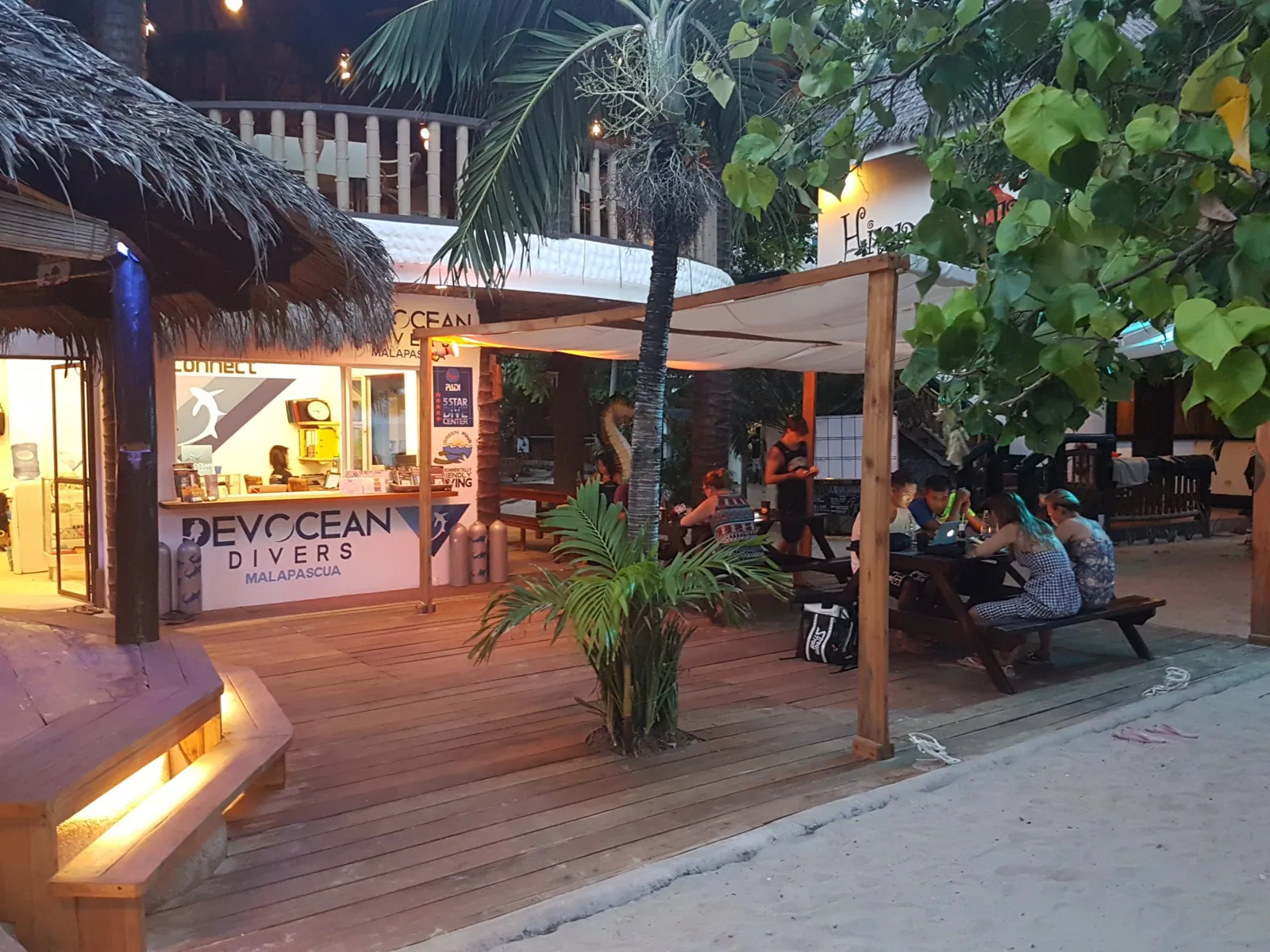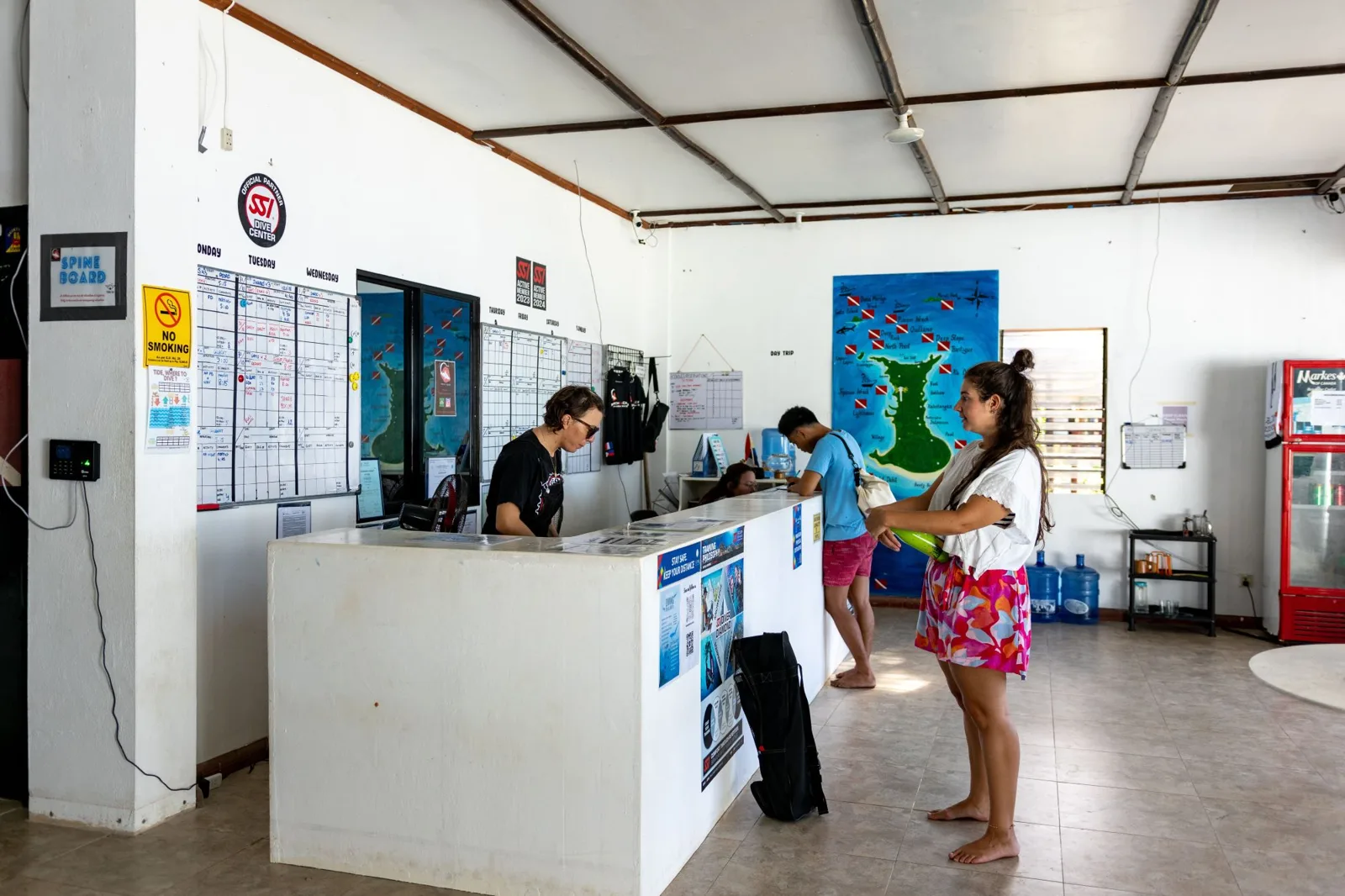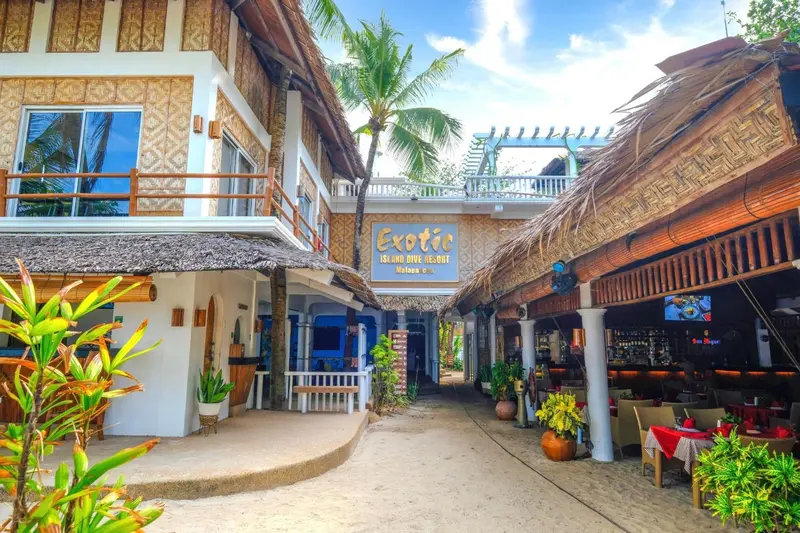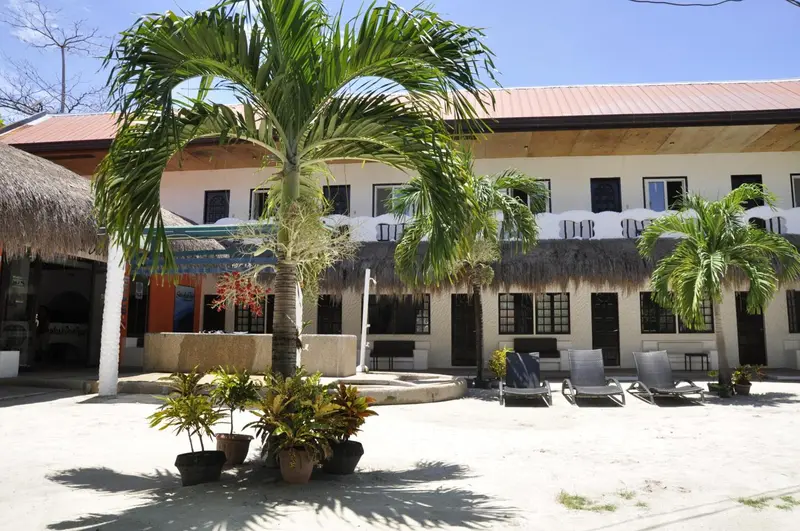

SK Divers Center
Google 5/5 (445 reviews)
less than 1 km away as the crow flies
Malapascua · Philippines · Asia
Max. depth · 5 mExplore the shallow, solidified remnants of a World War II Japanese wreck, where cement cargo has fused with the seabed, creating a unique historical landscape.
The Lighthouse Japanese Wreck, also known as Japanese Wreck Marine Sanctuary, lies just off the northeast side of Malapascua Island, near the island's lighthouse. This shallow World War II vessel, a Japanese supply or war ship, rests on a gently sloping reef bottom. What remains is a low, broken skeleton of hull and deck structure, largely broken down over decades. You can reach the site by a short 10-minute boat ride from Malapascua dive centers, or by swimming out from the northern beach, aligning yourself with the lighthouse.
As you descend, the defining feature of this wreck becomes immediately apparent: the solidified cement cargo. Bags of cement, carried by the ship, have fused into geological-like masses scattered across the seabed around the main hull. These formations tell a tangible story of the vessel's final moments, creating a unique underwater landscape that blends history with natural processes. The way these masses are dispersed gives you a clear sense of the ship's impact and how it settled.
Exploring the Lighthouse Japanese Wreck offers a different perspective on wreck diving compared to deeper, more intact sites. Here, the focus is less on cavernous penetrations and more on the interplay between the vessel's decay and marine colonization. You'll find yourself tracing the faint outlines of the hull, observing how hard corals and soft corals have begun to encrust these static remnants. This creates new ecosystems from the debris of the past, making the wreck a living historical artifact.
The shallow depth profile, ranging from 1 to 7 metres, makes this site highly accessible. Parts of the wreck lie only about a metre below the surface, depending on the tide, allowing for clear observation even from above. This accessibility means you can appreciate the wreck's narrative from various vantage points, whether you're diving, snorkeling, or even just looking down from the surface. The conditions here are consistently calm, with little to no current, which contributes to its suitability for extended exploration.
Visibility at the Lighthouse Japanese Wreck is variable, often ranging between 10 and 20 metres under typical Malapascua conditions. This allows for good views of the scattered remains and the marine life that has taken hold. Among the resident species, you'll find mandarin fish, seahorses, and pipefish, often nestled within the corals and crevices of the wreck. Nudibranchs, various reef fish, and tunicates also inhabit this site, adding to the biodiversity.
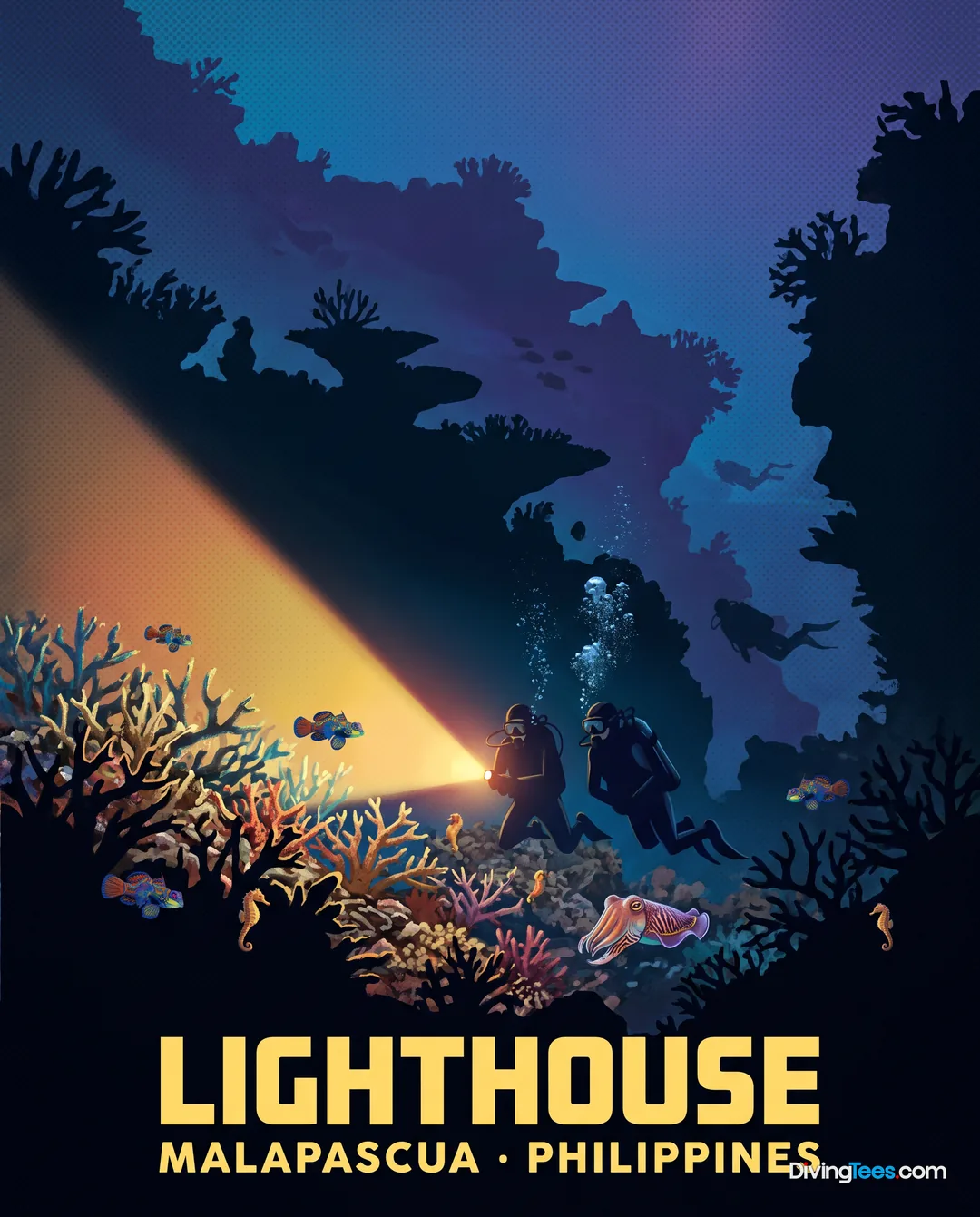
The site is particularly renowned for its mandarin fish, making it a popular choice for sunset or night dives. These small, colourful fish emerge from their hiding spots at dusk, offering a unique behavioural display. The calm conditions and shallow depth make these specialized dives comfortable and rewarding. Observing these creatures in their natural habitat, against the backdrop of the historical wreck, provides a memorable experience that combines history with vibrant marine life.
The Lighthouse Japanese Wreck stands out as an easy-access historical wreck that has been thoroughly integrated into the marine environment. Its broken-down structure, now overgrown by corals and invertebrates, serves as a testament to both wartime history and the ocean's regenerative power. This site provides a clear historical reference point, allowing you to connect with the past while observing the present marine ecosystem thriving on its remains.
The Lighthouse Japanese Wreck is a shallow dive, with depths ranging from 1 to 7 metres. It is accessible for snorkelers and divers of all certification levels, including Open Water Diver, and is frequently used for try-dives and beginner training. The site experiences little to no current, making it suitable for all experience levels. Visibility is variable, typically between 10 and 20 metres.
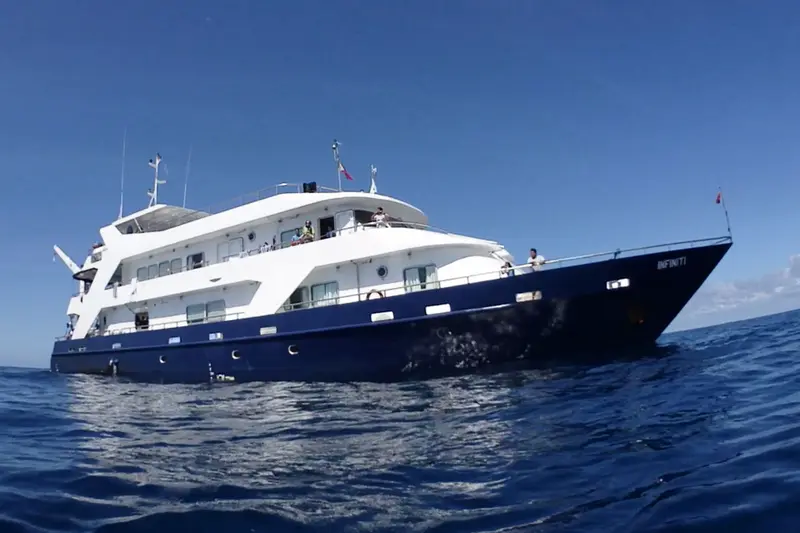
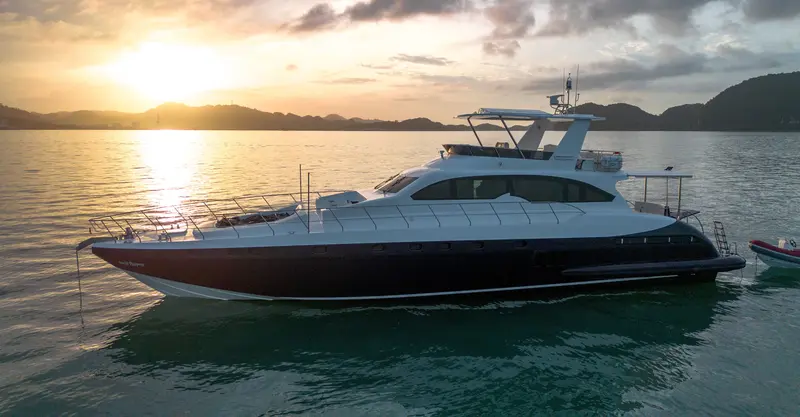
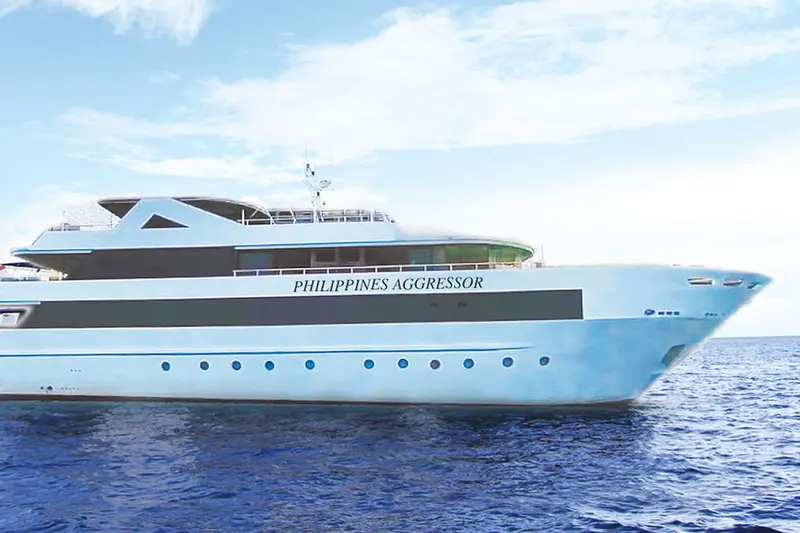
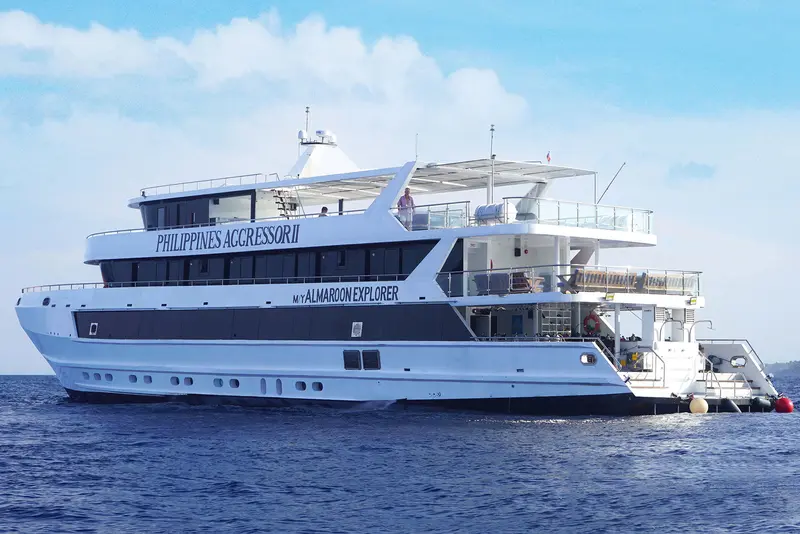
7 liveaboards run trips to Malapascua.
You can explore Lighthouse Japanese Wreck during sunset or at night, when mandarin fish emerge from their hiding places. Daytime visits also let you observe the shallow World War II wreck remains, solidified cement cargo, coral growth, and marine life across the gently sloping reef bottom.
Lighthouse Japanese Wreck is suitable for snorkelers and divers of all certification levels, including Open Water Divers. Its shallow profile and little to no current make it useful for try-dives and beginner training, while the wreck remains, corals, and resident marine life provide interest for experienced visitors.
Lighthouse Japanese Wreck lies in shallow water, with depths ranging from 1 to 7 metres. Some remains are only about a metre below the surface, depending on the tide, so you can view parts of the wreck while snorkeling, diving, or looking down from above.
Lighthouse Japanese Wreck has little to no current, with visibility typically ranging from 10 to 20 metres. You can see the broken World War II hull, solidified cement cargo, hard and soft corals, mandarin fish, seahorses, pipefish, nudibranchs, reef fish, and tunicates.