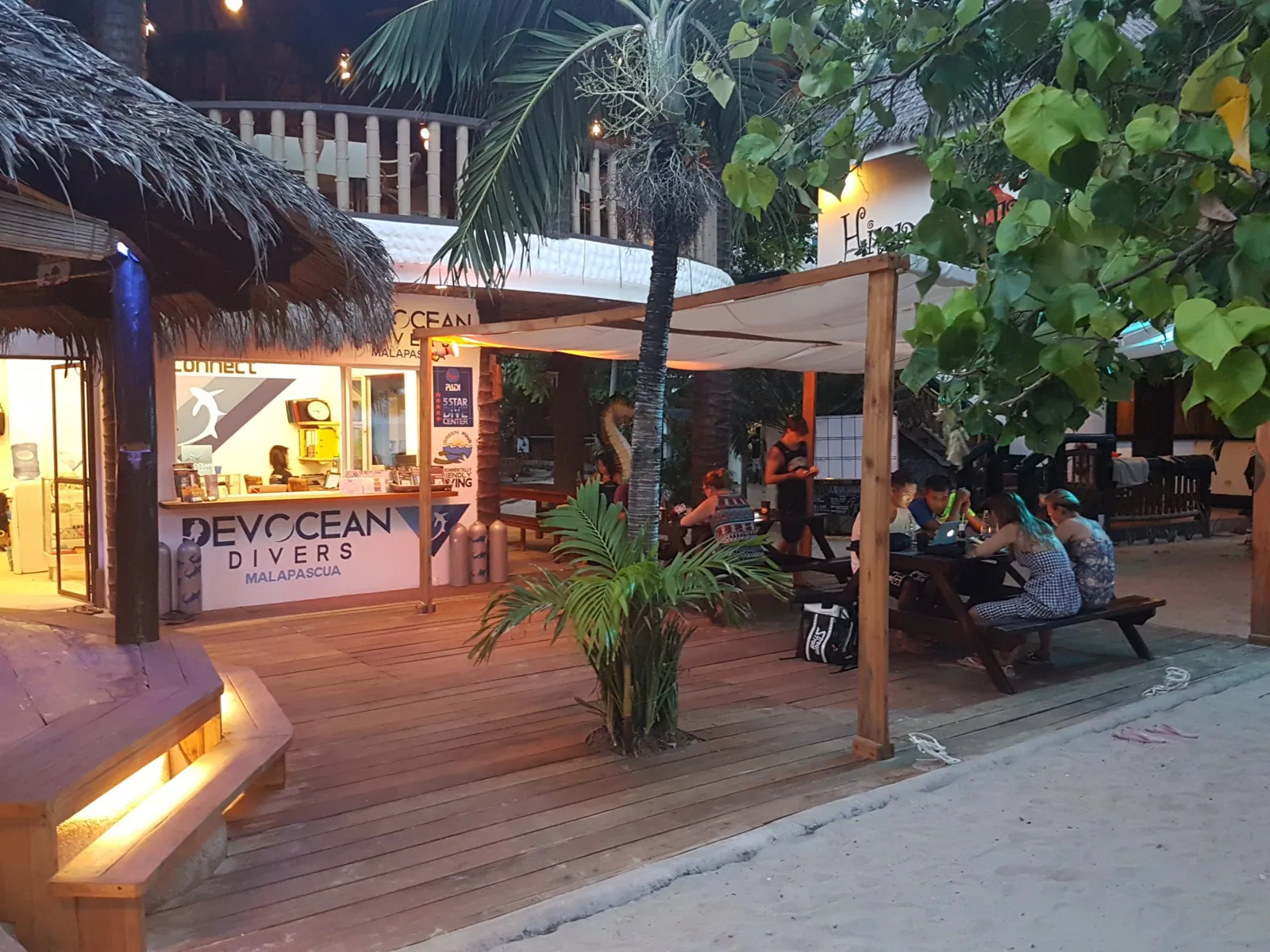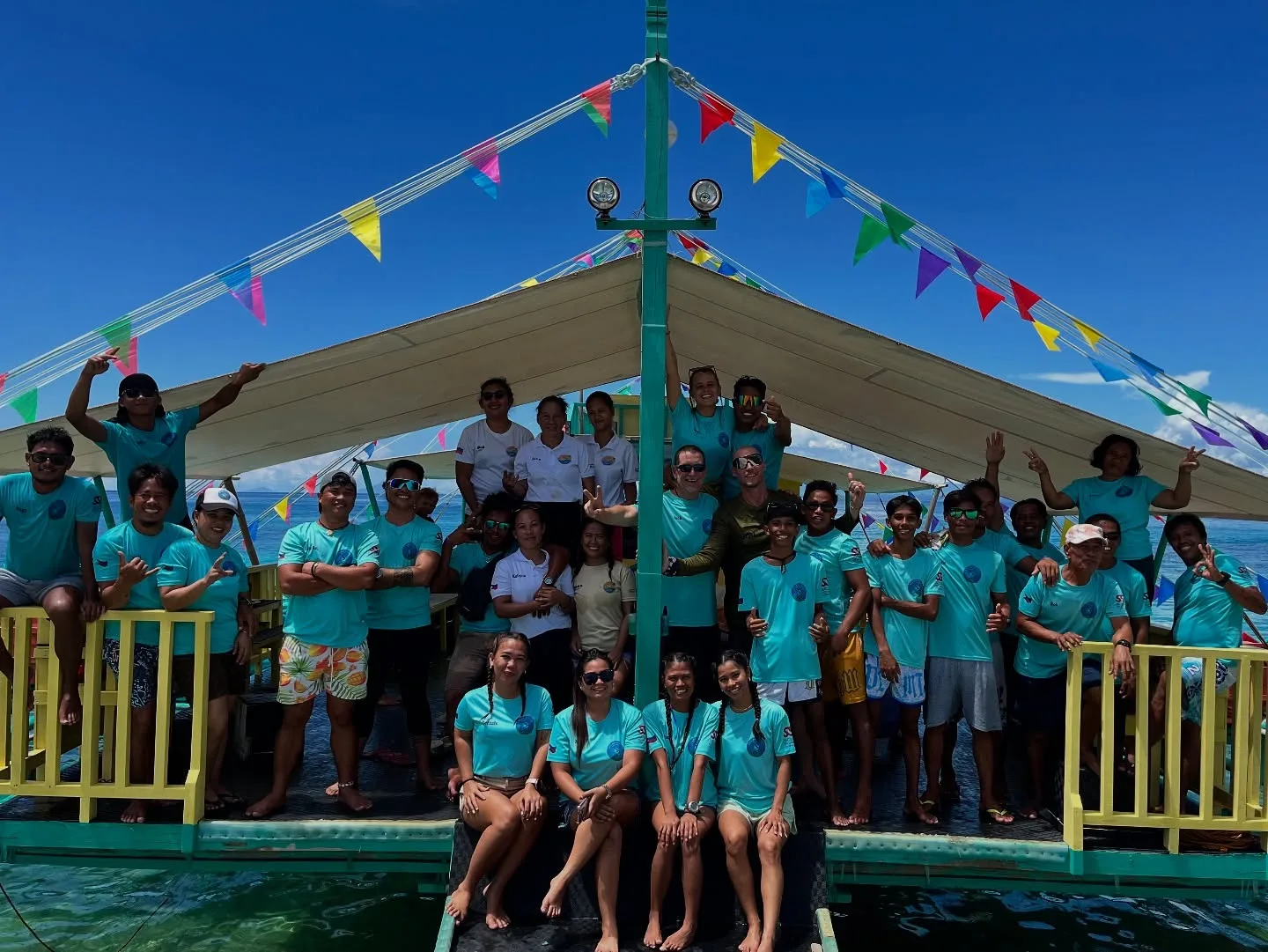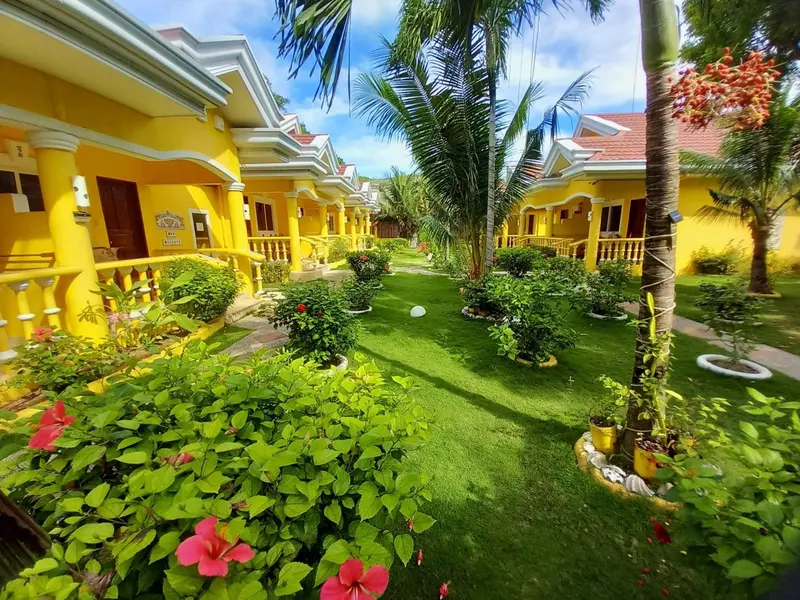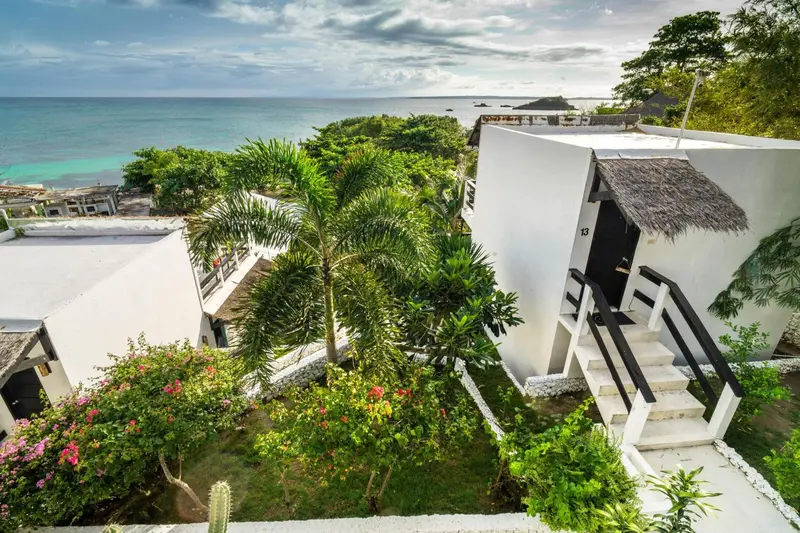

SK Divers Center
Google 5/5 (445 reviews)
less than 1 km away as the crow flies
Malapascua · Philippines · Asia
Max. depth · 20 mWitness the vibrant courtship dance of mandarin fish as dusk settles over a shallow, protected reef.
For subtitles in English: start the video firstthen click the gearat the top right of the video, select “Subtitles/CC”, then “Auto-translate” and choose “English”.
Lighthouse dive site, named for the island's established landmark, sits in one of Malapascua’s more sheltered bays. The topography is primarily a shallow reef, descending gently from a minimum depth of 5 metres. While it extends to around 12 metres, a section of the site also features a wall dropping to approximately 20 metres. This varies the dive profile, offering options for different experience levels and types of exploration, often starting shallow and moving deeper into the reef’s structure, particularly on the wall section.
This site truly comes alive as the sun begins to set. It is a reliable location to observe the mandarin fish, known for their elaborate courtship rituals. Around twilight, these colourful dragonets emerge from their coral hideaways to perform their mating dance, an event that draws both seasoned macro photographers and new divers alike. The most active period for this display often coincides with the full moon, though you can generally observe this activity on most evenings.
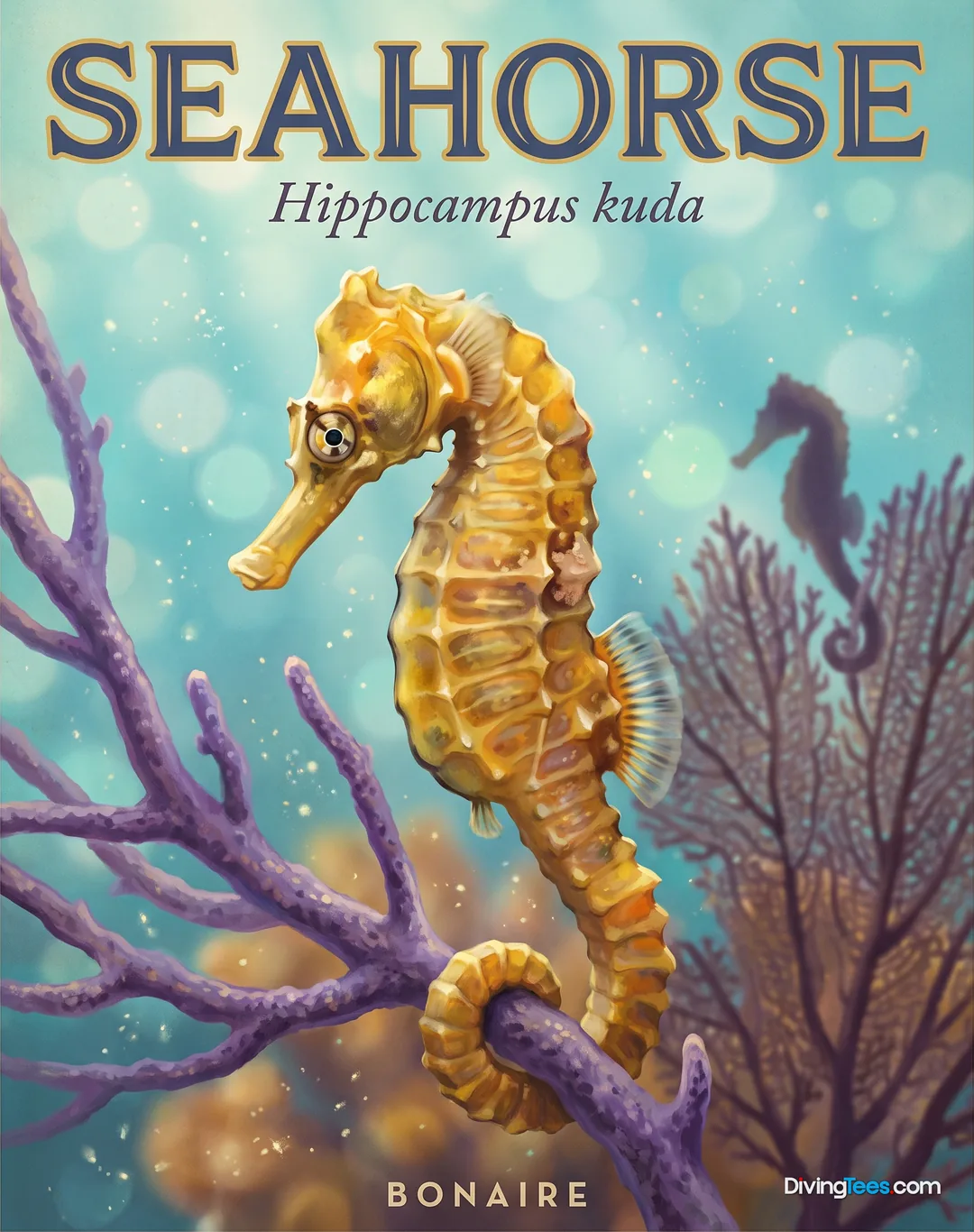
Beyond the mandarin fish, the shallower part of the reef provides an excellent environment for macro life. As you slowly move across the substrate, you'll encounter various species of seahorses (Hippocampus spp.), camouflaged among the hard coral branches. Different types of crabs and shrimps are abundant, with careful observation revealing their presence within crevices and under ledges. The site's protected nature fosters this delicate ecosystem, making for an unhurried exploration.
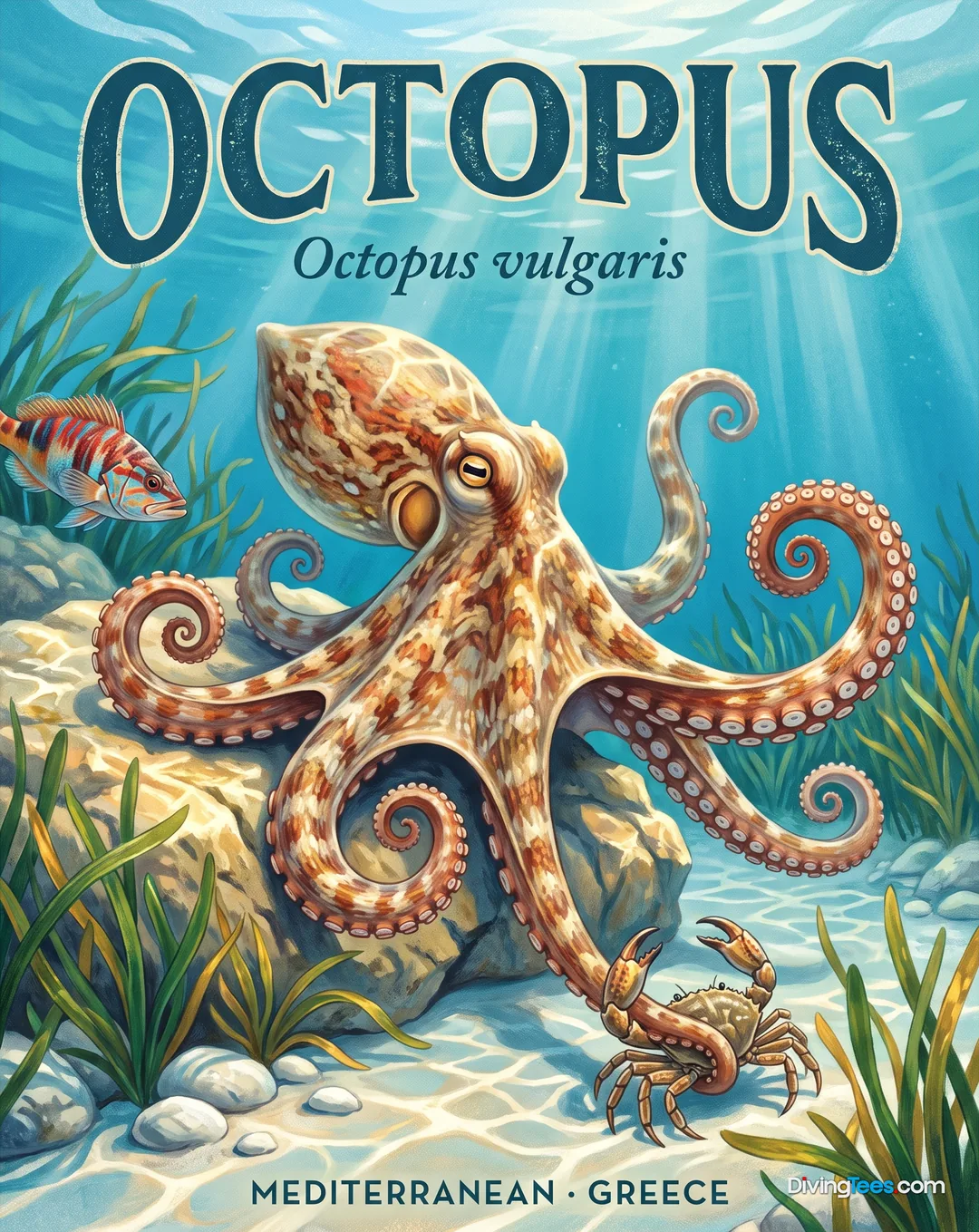
As proper night diving conditions set in, the site transforms. Species not typically seen during daylight hours become active. You might spot a variety of cephalopods, including the tiny bobtail squid (Sepiola spp.) and the starry night octopus (Octopus luteus). Flamboyant cuttlefish (Metasepia pfefferi) are also common here, often putting on a vibrant colour show. These smaller residents add another layer of intrigue to the dive, rewarding careful and patient scanning.
The deeper section, reaching down to 20 metres along the wall, extends the possibilities for exploration, though the primary focus for many remains the shallow reef. Here, you'll find more coral diversity and potentially different macro subjects. Even at night, the ecosystem remains dynamic, with species like moray eels (Muraenidae) becoming more observable as they hunt. This deeper segment can offer a sense of relief from any focus on confined areas and allows for a broader perspective of the site’s overall health.
Lighthouse provides a contrast to Malapascua's more current-driven or pelagic-focused sites. Its sheltered location means it generally experiences no perceptible current, allowing for relaxed diving and extended observation time, particularly crucial for macro photography. This lack of current makes it an ideal spot for training dives and for divers who prefer a more tranquil experience, especially beginners getting comfortable with night diving.
The rich hard coral garden that defines much of Lighthouse's topography serves as a foundational habitat. This coral structure provides shelter and hunting grounds for the diverse invertabrate population. This solid base supports the entire ecosystem, creating a consistent environment for the resident marine life. It's the health and extent of this coral reef that sustain the density and variety of creatures you encounter here.
This is a shallow dive site, with depths primarily ranging from 5 to 12 metres, though a wall section reaches 20 metres. It is accessible for Open Water Divers and is often used for training and first night dives. Current is typically absent, providing calm conditions for observation. The best time to observe mandarin fish activity is around the full moon, although they are generally active nightly at sunset.
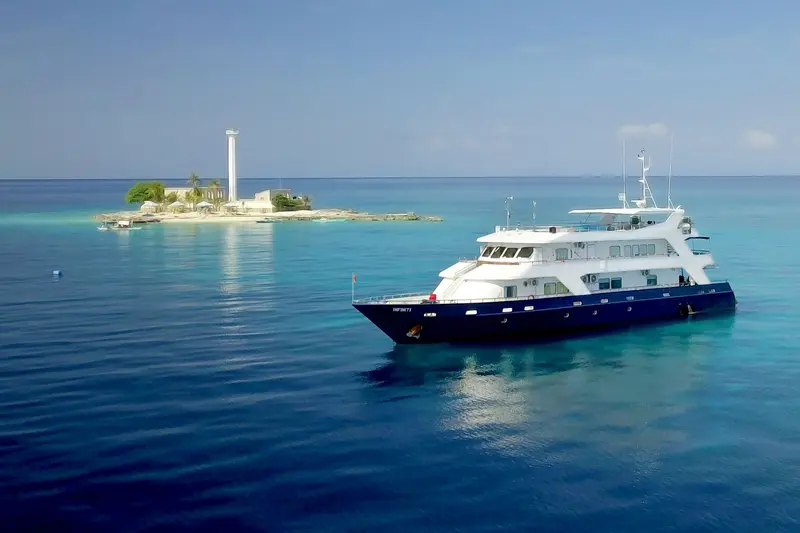
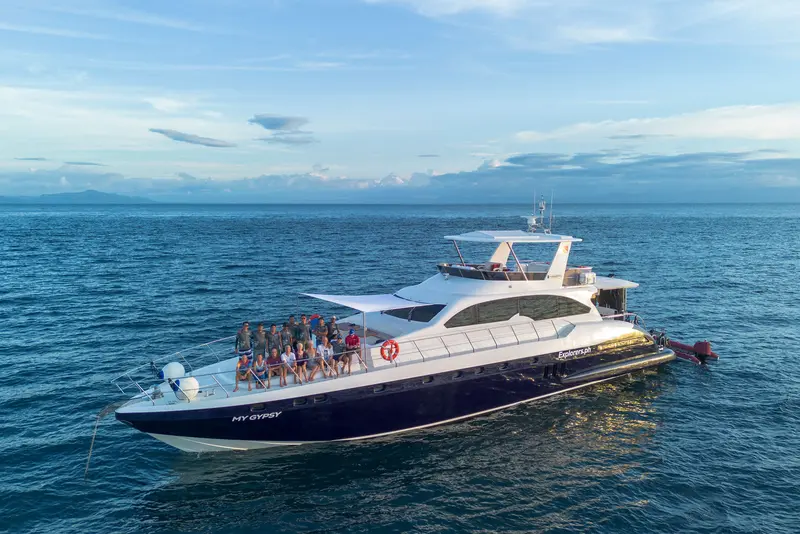
7 liveaboards run trips to Malapascua.
Dive Lighthouse around sunset, when mandarin fish emerge from their coral hideaways for courtship. Their activity is generally visible on most evenings, while the display often becomes more active around the full moon. Sunset and night dives also reveal species that are not typically seen during daylight hours.
Lighthouse is accessible to Open Water Divers and is often used for training and first night dives. Its shallow reef and protected setting suit beginners building confidence, while the wall section provides a deeper option for different types of exploration. The calm conditions also support careful macro observation.
Lighthouse begins at a minimum depth of five metres and generally extends to around twelve metres across its shallow reef. A wall section drops to approximately twenty metres, allowing you to start shallow and move deeper into the reef’s structure. The primary focus remains the shallow area.
Lighthouse is sheltered and virtually current-free, creating calm conditions for relaxed observation and macro photography. In the coral, you may see seahorses, crabs, shrimps, flamboyant cuttlefish, bobtail squid, and octopuses. At night, mandarin fish, moray eels, and other cephalopods become active around the reef.