



Malapascua Mbi Dive Center
Google 4.9/5 (1,054 reviews)
1 km away as the crow flies
Malapascua · Philippines · Asia
Max. depth · 12 mDakit-Dakit offers a serene reef dive, characterized by expansive and colorful coral gardens just offshore, inviting you into the heart of the Visayan marine ecosystem.
For subtitles in English: start the video firstthen click the gearat the top right of the video, select “Subtitles/CC”, then “Auto-translate” and choose “English”.
Dakit-Dakit presents itself as a classic Philippine reef dive, beginning directly from the shore or a short boat ride from Malapascua Island. As you descend, you quickly encounter the sprawling coral gardens that define this site. These formations are not merely scattered patches but extensive, living tapestries of hard and soft corals, providing both shelter and sustenance for a myriad of reef inhabitants, creating an immediate sense of immersion in a thriving ecosystem.
The topography here centres around these vibrant coral structures, forming a diverse habitat that undulates across the seafloor. You'll find yourself gliding over plateaus brimming with intricate coral formations, then gently navigating slight slopes and gentle depressions where different species have taken root. The consistent presence of these healthy corals is what makes each section of the dive unique, offering new perspectives on the reef's architecture and the life it supports.
The dive profile at Dakit-Dakit is predominantly horizontal, allowing for ample time to explore the intricate details of the coral gardens without significant depth changes. This gentle topography encourages a leisurely pace, giving you the opportunity to observe the macro life hidden within the coral branches and the schools of colourful reef fish that weave through the aquatic landscape. The light filters down beautifully through the shallows, illuminating the colours of the corals and enhancing the visual spectacle of the dive.
What truly distinguishes Dakit-Dakit is the sheer vitality and extent of its coral gardens. Unlike some sites where corals might be more sporadic, here they form a continuous, flourishing environment. This healthy substrate attracts a steady population of smaller reef fish, creating a dynamic scene where life is constantly unfolding around you, from the tiniest nudibranch to the watchful gaze of a territorial damselfish.
The site is formed by a scattering of small rocky islets and pinnacles, some breaking the surface and others submerged. The main pinnacle rises from approximately 12 to 14 metres, with its shallowest point around 5 metres, providing a focal point for marine life. This structure is surrounded by a mix of hard and soft coral growth, interspersed with sandy patches, offering varied habitats within a compact area.
While the current at Dakit-Dakit can be variable, it often shapes the soft coral gardens, contributing to their growth and distribution across the reef. You might encounter periods of stronger flow, particularly around the pinnacles, but the site is generally manageable and frequently used for training and refresher dives due to its accessible nature. This variability means staying aware of your position relative to the reef structure.
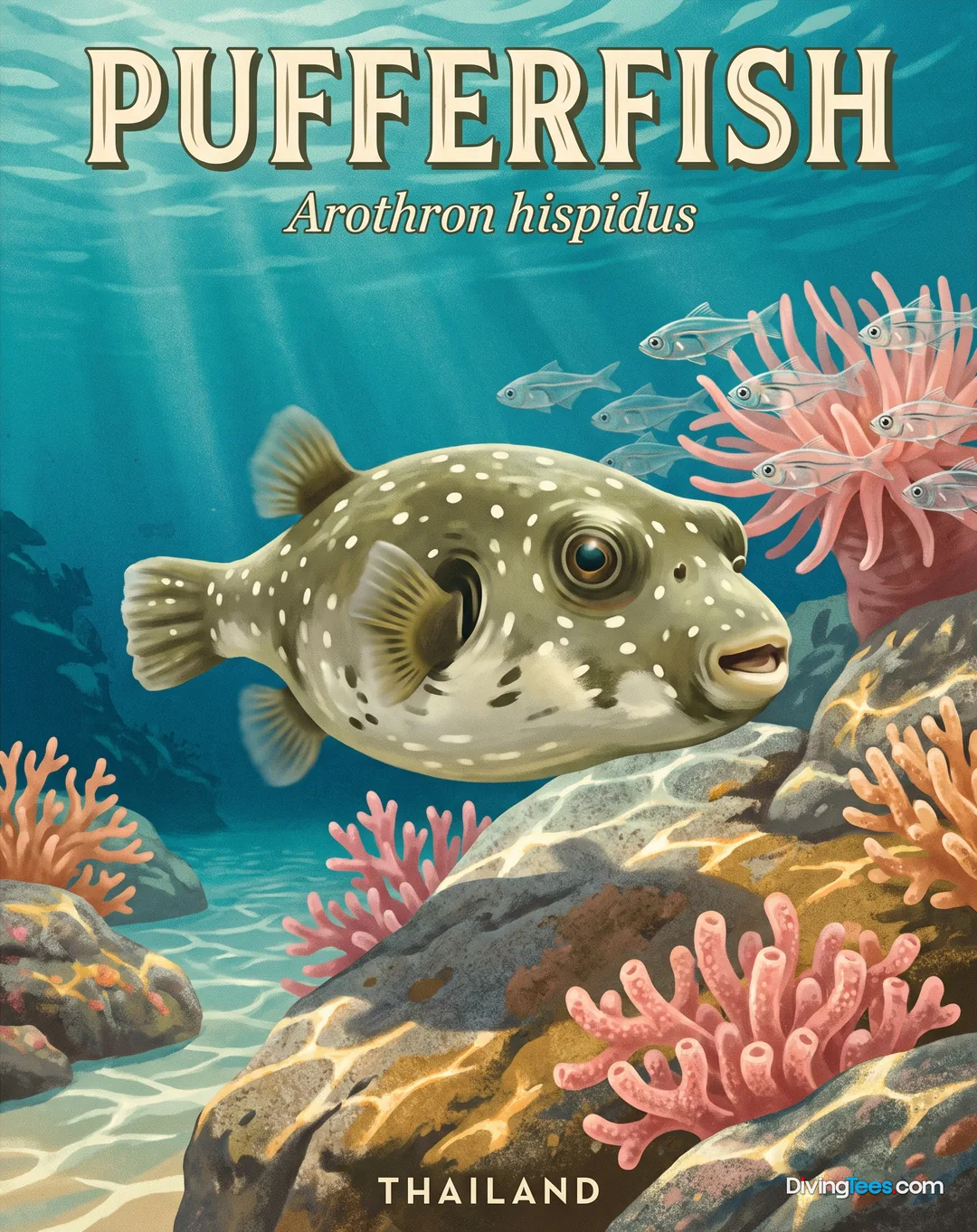
Within the coral branches and sandy areas, you'll find a range of macro life. Keep an eye out for nudibranchs and flatworms moving across the corals, or pipefish and seahorses camouflaged among the growth. Crabs are often seen scuttling in crevices, while pufferfish and various reef fish navigate the coral formations, making it a rewarding site for close observation and photography.
Dakit-Dakit is accessible from Open Water Diver level, commonly used for training and skill refreshers due to its shallow profile. Depths range from 5 metres to a maximum of 12 metres. Visibility typically averages between 8 and 12 metres. Currents can be variable and occasionally strong, so maintaining situational awareness is important, especially around the pinnacles.
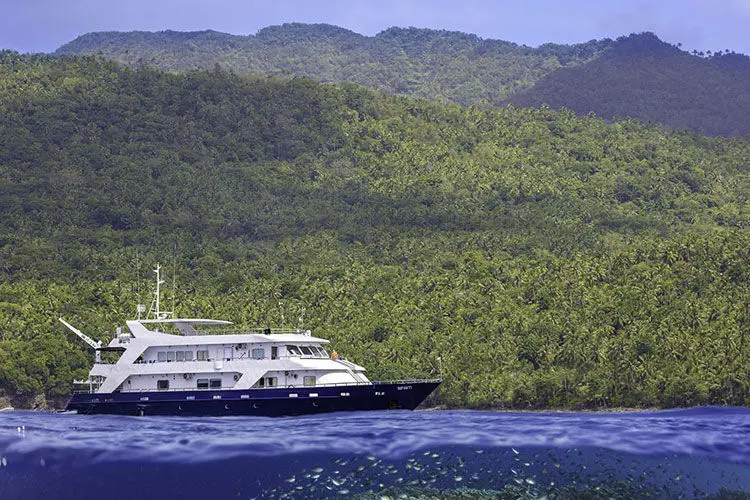
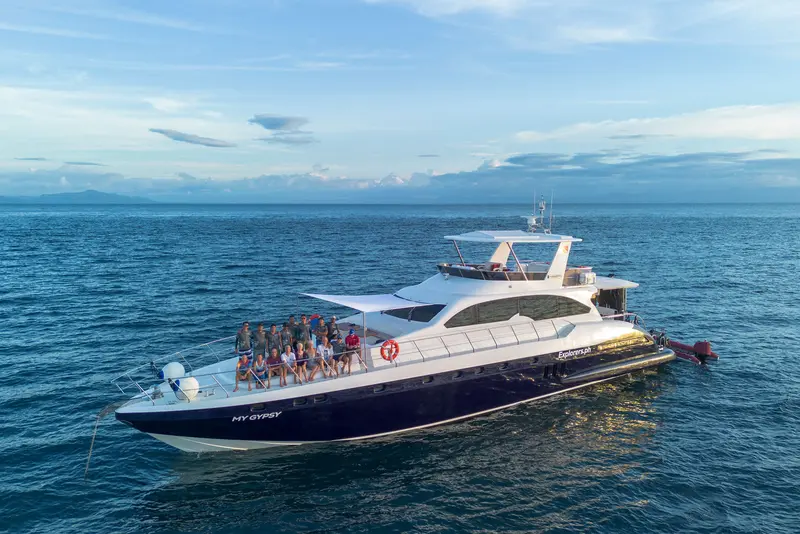
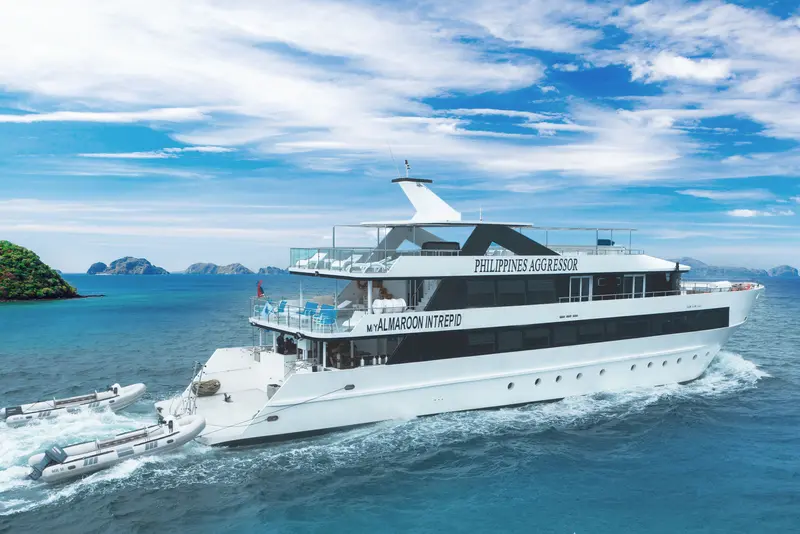
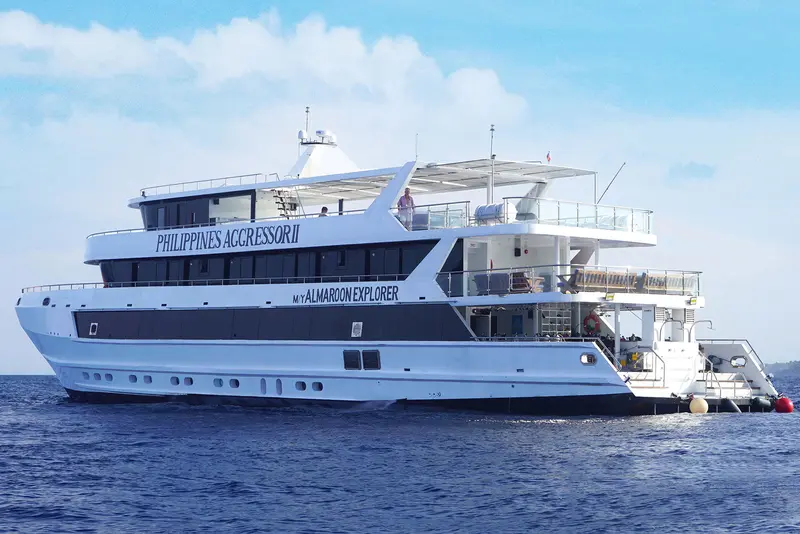
7 liveaboards run trips to Malapascua.
You can dive Dakit-Dakit with an Open Water Diver level. Its shallow profile and generally manageable layout make it commonly used for training and skill refreshers. The predominantly horizontal route lets you explore the coral gardens at a steady pace, while you still need to stay aware of your surroundings near the pinnacles.
Dakit-Dakit ranges from 5 metres to a maximum of 12 metres. The main pinnacle rises from approximately 12 to 14 metres, with its shallowest point around 5 metres. The dive profile is predominantly horizontal, so you can explore the coral gardens without significant depth changes while light filters through the shallow water.
Currents at Dakit-Dakit can be variable and occasionally strong, particularly around the pinnacles. The flow often shapes the soft coral gardens, but the site is generally manageable and frequently used for training and refresher dives. Maintain situational awareness and monitor your position relative to the reef structure throughout the dive.
You can explore extensive hard and soft coral gardens supporting a thriving reef ecosystem, with colourful reef fish moving through the formations. Look closely for nudibranchs, flatworms, pipefish, seahorses and crabs among the corals and sandy patches. Pufferfish and territorial damselfish also inhabit the reef, offering opportunities for close observation and photography.