Malapascua · Philippines · Asia View on the map
Max. depth · 56 mMogami Maru Wreck, Malapascua: deep WWII Japanese wreck
A deep, historical Japanese wreck resting on a sandy bottom north of Malapascua.
What makes this site special
- Deep WWII Japanese wreck
- Intact bow and anchor equipment
- Damaged stern structure
- Yellow cup corals on hull
- Deep sandy bottom habitat
For subtitles in English: once the video has started, click the gearat the top right of the video, select “Subtitles/CC”, then “Auto-translate” and choose “English”.
Mogami Maru about the site
Located north of Malapascua, the Mogami Maru lies in relatively deep water on a sandy seabed. The wreck sits upright on its keel, presenting a significant profile that is distinct from the shallower reef structures nearby. You will descend into a zone where the light begins to fade, approaching a site that demands precise buoyancy and navigation. The site is a significant historical feature, identified by many as a Japanese vessel from the Second World War.
The topography of the wreck is defined by its substantial size and its orientation on the seabed. The shallowest part of the structure sits around 45 to 47 metres, while the deeper sections reach down to 56 metres depending on the tide. You will find that the bow and its anchor equipment remain relatively intact, offering clear silhouettes in the deep water. In contrast, the stern has sustained significant damage, leaving a complex area for those exploring the perimeter.
Navigation requires careful planning due to the depth and the nature of the site. The hull itself presents several openings that provide access to internal spaces, though these require specific technical training to explore safely. This is not a site for recreational decompression diving, as the depth exceeds the limits for standard air or nitrox profiles. You will need to manage multiple gas mixes and a rigorous decompression schedule to dive this wreck safely.
The marine life at the Mogami Maru is characteristic of deep, hard-bottomed structures. You can observe various species of coral, including yellow cup corals, which have colonized the wreck's surface. These corals provide a base for other inhabitants, such as scorpionfish that hide among the debris. The combination of the wreck’s structure and the surrounding sandy bottom creates a diverse habitat for both resident and passing species.
Pelagic activity adds another dimension to the dive as you hover near the wreck or its edges. You can expect to encounter larger species such as barracuda and various types of groupers patrolling the structure. Rays and larger sharks are also known to visit the area, making the site interesting for those watching the water column. The presence of these species is a common feature of the deep-water currents in this region.
The site is subject to variable conditions, primarily dictated by the tidal movements of the area. You will find a specific window of opportunity where the current is manageable for a controlled descent and ascent. Because the site is located in open water, the water column can change rapidly. Monitoring your depth and your gas consumption is essential as you navigate the perimeter of the hull.
What sets the Mogami Maru apart from other sites around Malapascua is its depth and its historical character. While most local dives focus on shallower reefs or specific shark encounters, this wreck offers a more technical challenge. It is a site for those who have moved beyond basic reef exploration and are looking for deeper, more complex environments. The scale of the vessel and its presence on the sand make it a unique landmark in the local diving scene.
Diving Mogami Maru: the marine life you’ll meet

Diving conditions
Depth ranges from 45 to 56 metres. Technical certification is required; this site is not suitable for recreational divers and requires experience with trimix or deep decompression diving. Current is variable and dependent on the tide.
Three dives not to miss

Map of hotels, dive sites and dive centres in Malapascua
Dive centres in Malapascua

SK Divers Center
Malapascua
Google 5/5 (458 reviews)
1.4 km away as the crow flies
Nearest hotel: 1.9 km
Slam's Garden Dive Resort
Google 4.3/5 (453 reviews)



Hotels in Malapascua
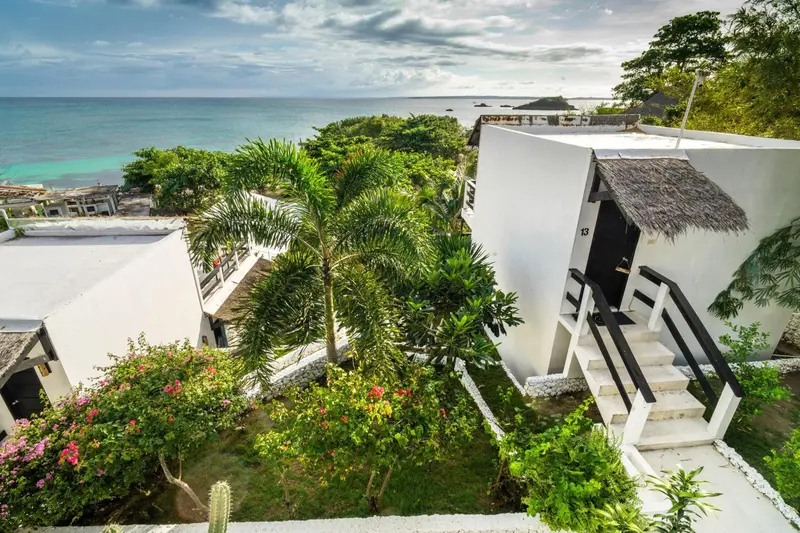
Blanco Beach Resort Malapascua
Malapascua
Google 4.6/5 (226 reviews)
3.2 km away as the crow flies
Nearest dive centre: 200 m
Kokay’s Maldito Dive Resort
Google 4.4/5 (331 reviews)
Dive liveaboards Malapascua
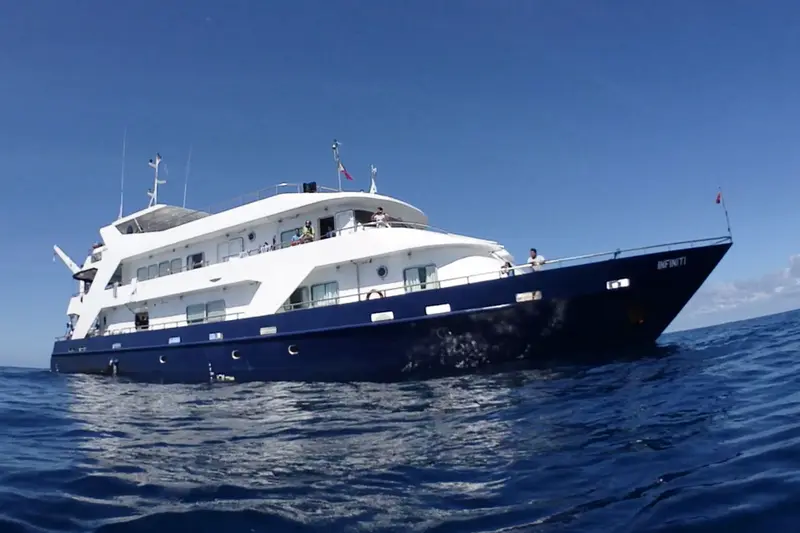
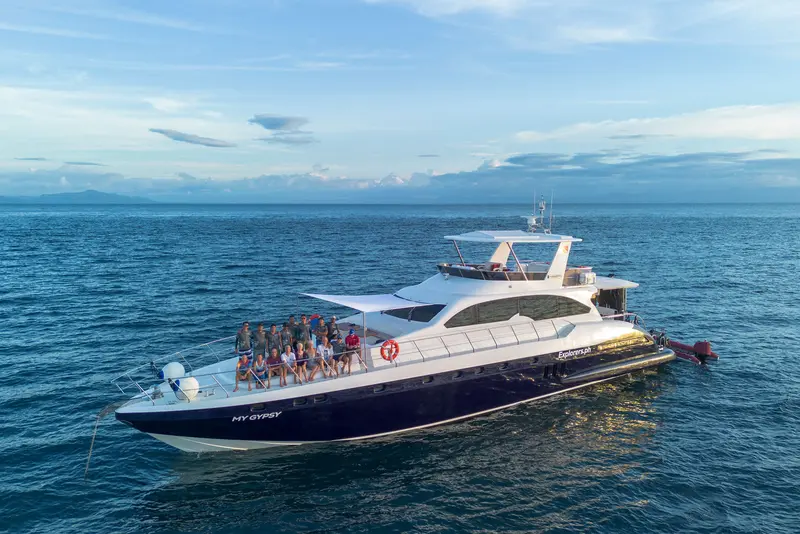
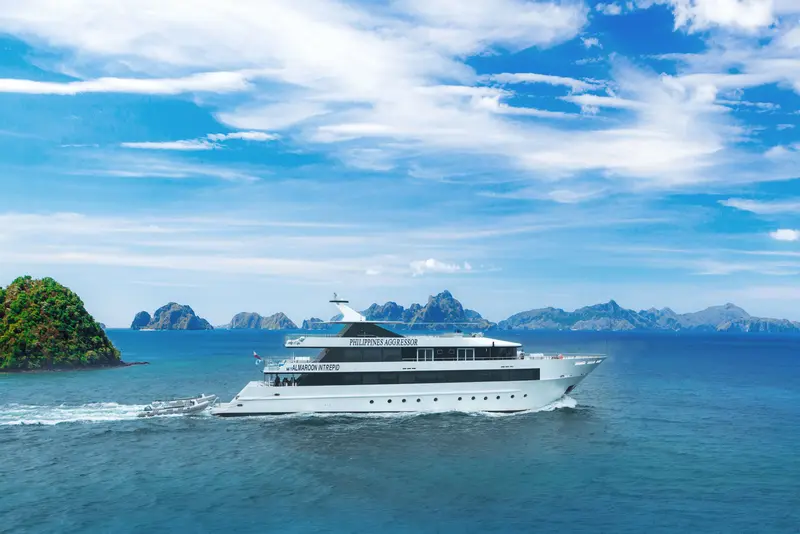
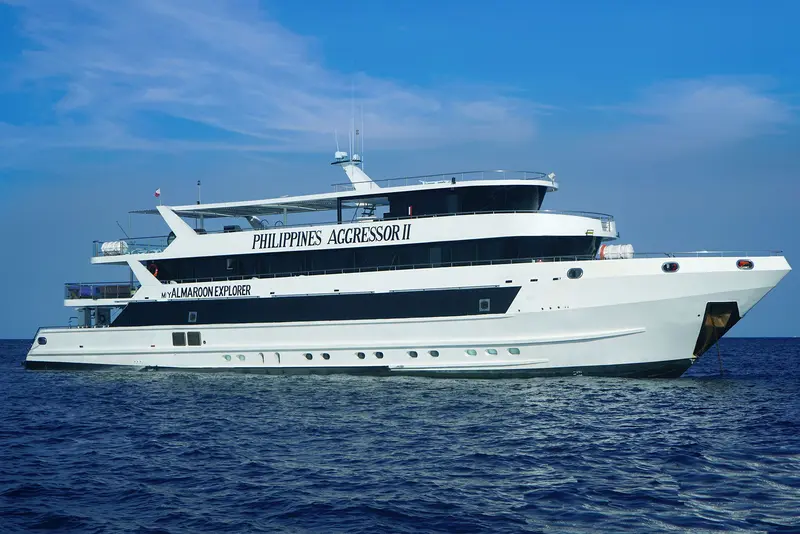
7 liveaboards run trips to Malapascua.
Frequently asked questions about Mogami Maru
When should you dive Mogami Maru?
You should plan the dive around a tidal window when the current is manageable for a controlled descent and ascent. Conditions can change quickly in the open water, so monitoring the tide, your depth and your gas consumption is essential while navigating the wreck and its perimeter.
What certification and experience do you need for Mogami Maru?
Mogami Maru requires technical certification and experience with trimix or deep decompression diving. It is not suitable for recreational divers or recreational decompression diving. Exploring the hull openings also requires specific technical training, along with careful navigation, multiple gas mixes and a rigorous decompression schedule.
How deep is Mogami Maru, and what currents should you expect?
Mogami Maru lies in water from 45 to 56 metres, with the shallowest structure around 45 to 47 metres and deeper sections reaching 56 metres depending on the tide. The current is variable and tide-dependent, and the open-water column can change rapidly during the dive.
What can you see on Mogami Maru?
You can see an upright deep WWII Japanese wreck on a sandy seabed, with an intact bow and anchor equipment, a damaged stern and yellow cup corals on the hull. Scorpionfish may shelter among debris, while barracuda, groupers, rays and larger sharks can pass around the structure.