Malapascua · Philippines · Asia View on the map
Max. depth · 23 mGiliano Reef, Malapascua: macro life and soft coral pinnacles
A specialized pinnacle dive where a sandy bottom at 23 metres meets a vibrant plateau of soft corals.
What makes this site special
- Macro life on the sandy bottom at 23 metres
- Pink soft coral plateau at 15 metres
- Steep walls covered in gorgonians
- Presence of frogfish and ghost pipefish
- Diverse reef fish including anthias and fusiliers
For subtitles in English: once the video has started, click the gearat the top right of the video, select “Subtitles/CC”, then “Auto-translate” and choose “English”.
Giliano about the site
Giliano sits as an isolated pinnacle located to the north of Malapascua, rising from a base of sandy and detritic substrate. The site's topography is defined by steep flanks that form a wall-like structure, providing a vertical element to the dive. As you descend, you move from the shallower upper sections towards the more rugged terrain of the deeper slopes. The site is approached by boat, often using a mooring line as a primary reference point for the descent. This line helps maintain orientation as you transition from the open water toward the reef structure.
The dive profile follows a clear vertical progression through distinct biological zones. At the deepest part of the site, around 21 to 23 metres, the seabed is composed of sand and detritus, creating a specific habitat for bottom-dwelling species. Moving upward, the terrain shifts into steep walls covered in various gorgonians and soft corals. The upper reaches of the pinnacle reach a plateau at approximately 12 to 15 metres, where the environment changes significantly. This shallower zone is characterized by a high density of colorful life that differs from the darker, deeper sections.
For divers interested in macro photography, the deepest section offers a different experience than the rest of the reef. The sandy and detritic floor at 21 to 23 metres serves as a prime hunting ground for several small, elusive species. You will find various types of frogfish, as well as ghost pipefish and ghost fish hiding within the substrate or nearby vegetation. The presence of nudibranchs and mandarins in these deeper or more sheltered pockets requires a slow, methodical approach to spotting. This focus on small-scale life is what distinguishes Giliano from the larger pelagic-focused sites nearby.
As you ascend from the sandy bottom towards the 15-metre mark, the visual environment shifts toward more aesthetic reef structures. The plateau at this depth is heavily populated by soft corals, including prominent pink varieties that catch the light. The vertical walls between the bottom and this plateau are lined with gorgonians, creating a complex three-dimensional landscape. This middle zone acts as a transition between the macro-heavy depths and the more active, shallower reef sections. The contrast between the dark, sandy floor and the brightly colored coral plateau provides a unique dive profile.
The mid-water and shallower sections of the pinnacle are driven by the movement of larger reef fish. You can expect to see schools of anthias and fusiliers moving through the water column, often attracted to the structure of the corals. Butterflyfish are also common residents of the plateau, patrolling the reef edges. Smaller groups of clownfish can be found tucked into the crevices of the coral formations. These species add constant movement to the site, providing a lively counterpoint to the stationary macro life found at depth.
Current conditions at Giliano are generally manageable, typically remaining low to moderate throughout most of the dive. However, you must be aware that the current can pick up noticeably during tidal changes. The topography of the pinnacle can also cause localized shifts in water movement, creating small eddies around the reef edges. It is wise to monitor your depth and position, especially when moving between the protected plateau and the more exposed vertical walls. Staying close to the reef structure can often provide relief if the current increases unexpectedly.
The site is particularly well-suited for divers who prefer a combination of macro exploration and reef scenery. Unlike many Malapascua sites that focus on large pelagics, Giliano rewards those who pay attention to the small details on the bottom. The ability to move from a specialized macro environment at 23 metres to a beautiful coral-covered plateau at 15 metres makes it a versatile location. Whether you are searching for syngnathids or simply enjoying the colorful reef architecture, the site offers a diverse range of visual stimuli in a relatively compact area.
Diving Giliano: the marine life you’ll meet


Diving conditions
The site depth ranges from 10 to 23 metres. It is accessible from the Open Water Diver level, though experience in deep dives (20-23m) and macro searching is highly recommended. Currents are generally low to moderate but can become stronger during tidal changes.
Three dives not to miss
Map of hotels, dive sites and dive centres in Malapascua
Dive centres in Malapascua
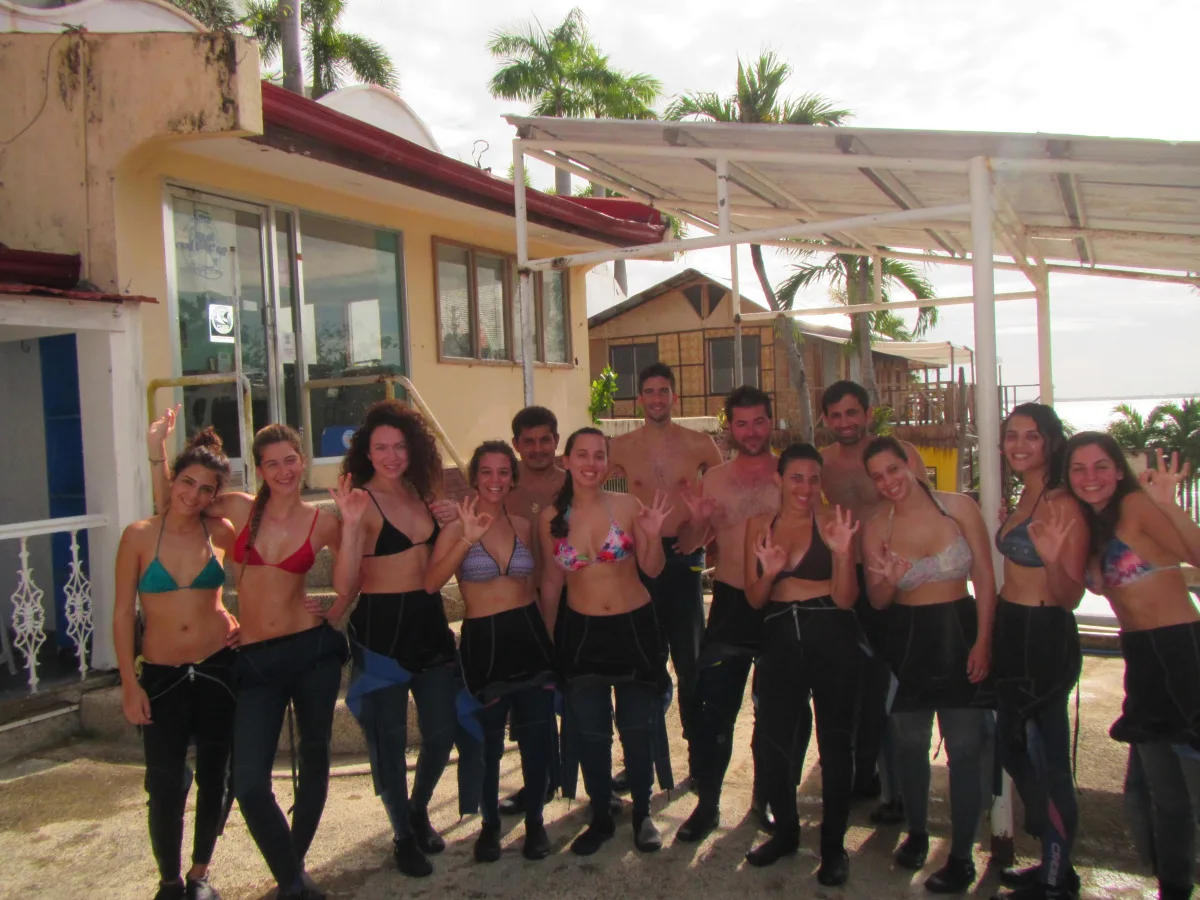

SK Divers Center
Malapascua
Google 5/5 (458 reviews)
1.2 km away as the crow flies
Nearest hotel: 1.9 km
Slam's Garden Dive Resort
Google 4.3/5 (453 reviews)


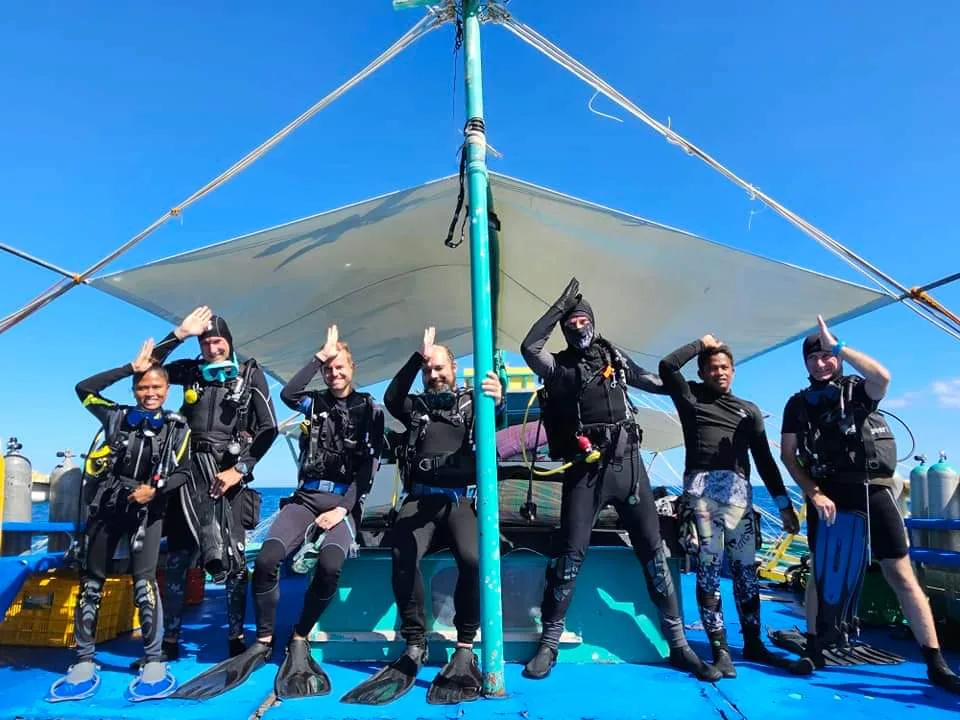

Hotels in Malapascua
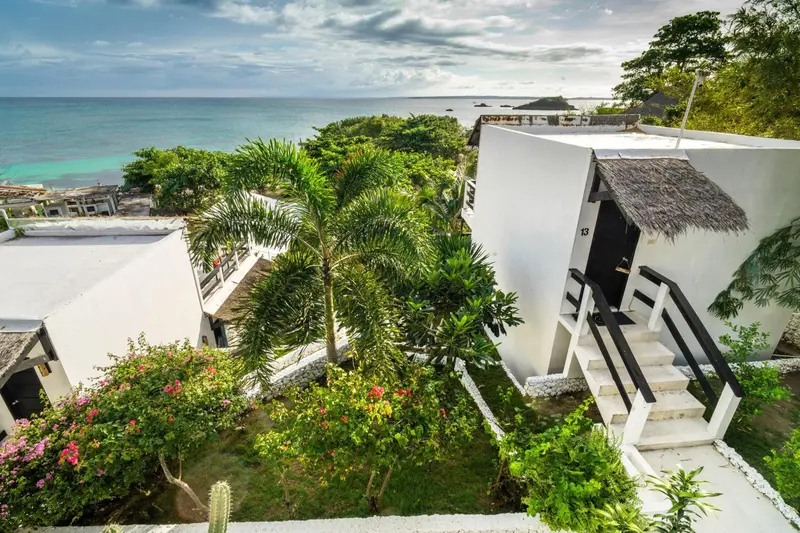
Blanco Beach Resort Malapascua
Malapascua
Google 4.6/5 (226 reviews)
2.9 km away as the crow flies
Nearest dive centre: 200 m
Kokay’s Maldito Dive Resort
Google 4.4/5 (331 reviews)
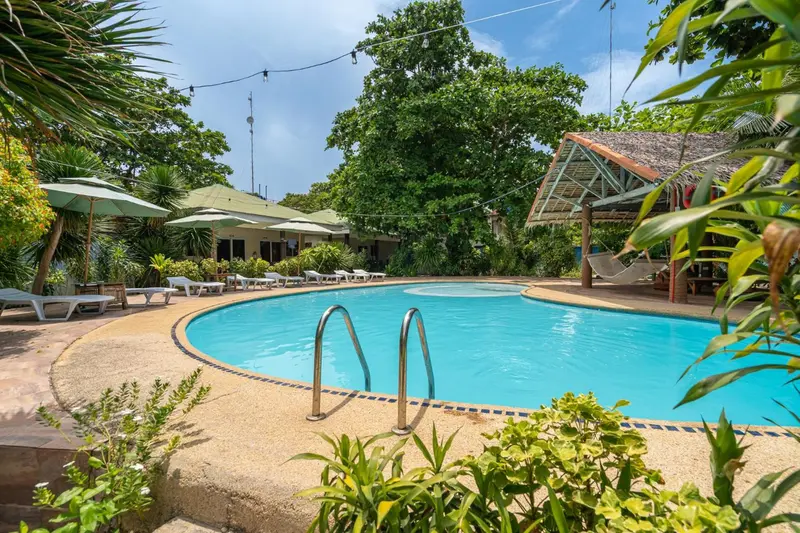
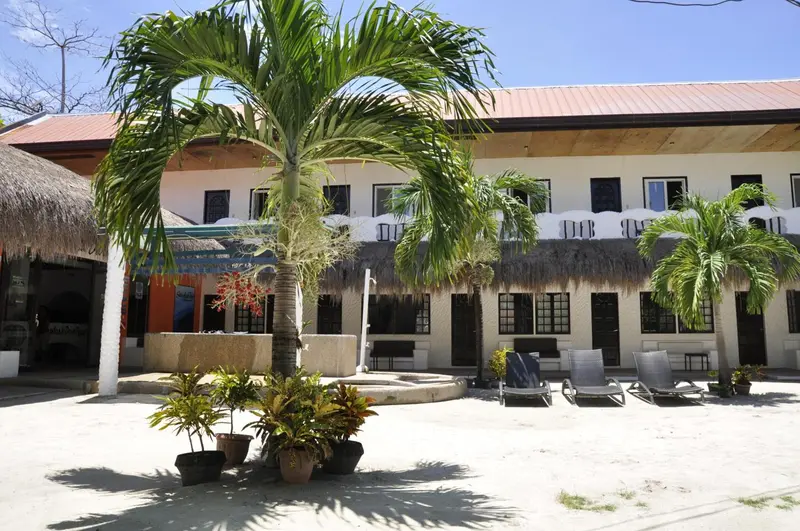
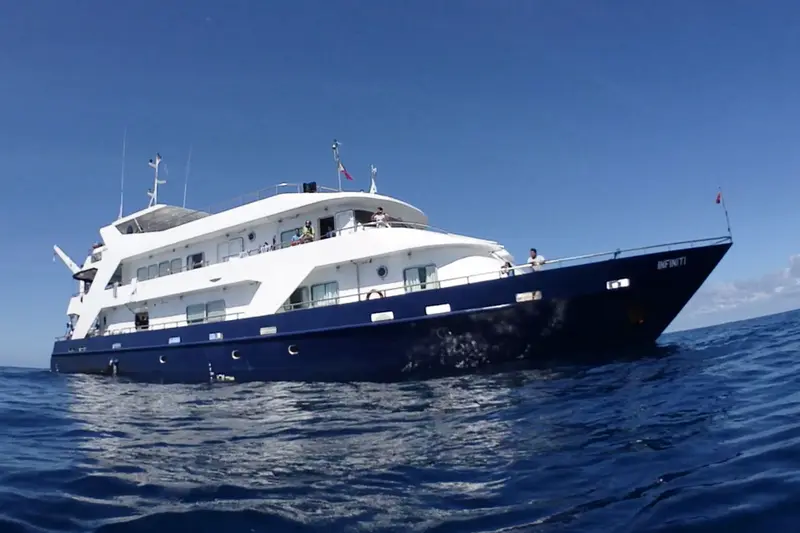
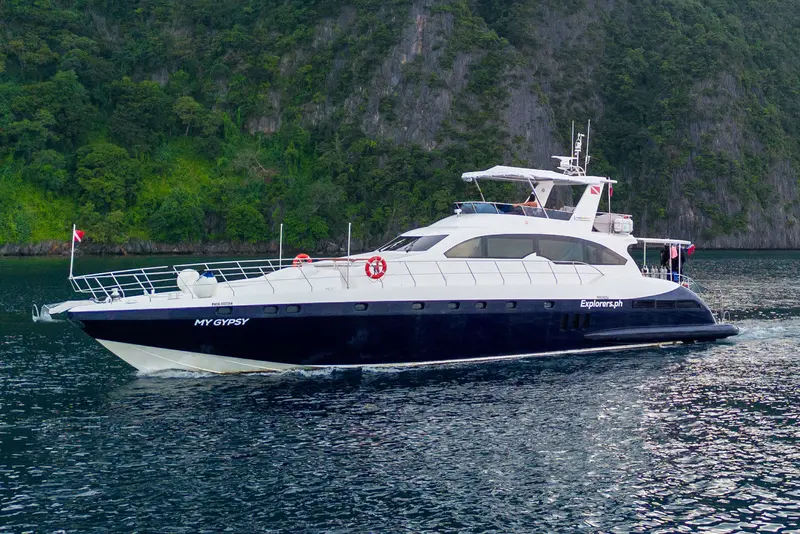
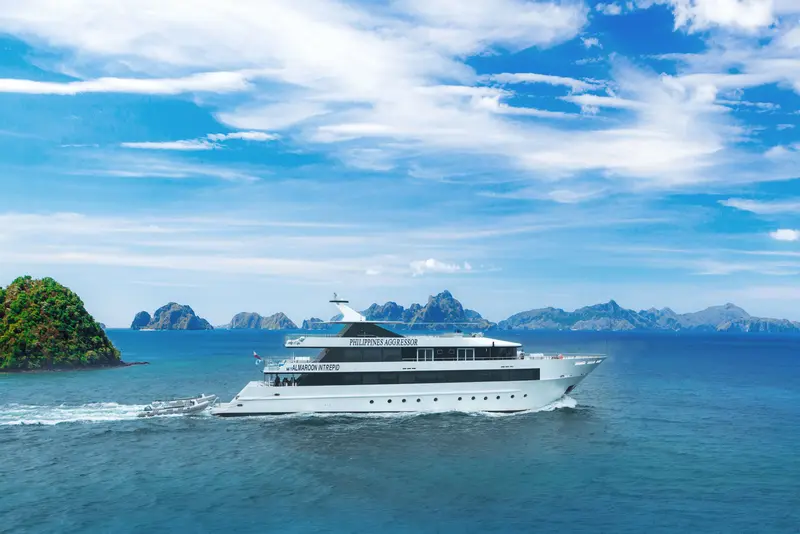
Dive liveaboards Malapascua
7 liveaboards run trips to Malapascua.

Frequently asked questions about Giliano
What diving level do you need for Giliano?
Giliano is accessible from the Open Water Diver level. Experience with deep dives is recommended for exploring the sections between 20 and 23 metres. Macro searching experience is also recommended, since finding frogfish, ghost pipefish, ghost fish, nudibranchs and mandarins requires a slow, methodical approach over the sandy and detritic bottom.
How deep is Giliano, and what changes as you descend?
Giliano ranges from 10 to 23 metres. The deepest area consists of sand and detritus, where you can search for small bottom-dwelling species. Between the deeper slopes and the upper sections, steep walls covered in gorgonians and soft corals lead toward a pink soft coral plateau around 15 metres.
What currents should you expect at Giliano?
Currents at Giliano are generally low to moderate, but they can become stronger during tidal changes. The pinnacle’s shape may create localized shifts and small eddies around the reef edges. Monitor your depth and position as you move between the more protected plateau and the exposed vertical walls, staying near the structure for relief.
What can you see while diving Giliano?
At Giliano, you can look for frogfish, ghost pipefish, ghost fish, nudibranchs and mandarins around the sandy bottom and sheltered areas. Steep walls carry gorgonians and soft corals, while the plateau features pink soft corals, butterflyfish and clownfish. Schools of anthias and fusiliers move through the reef.