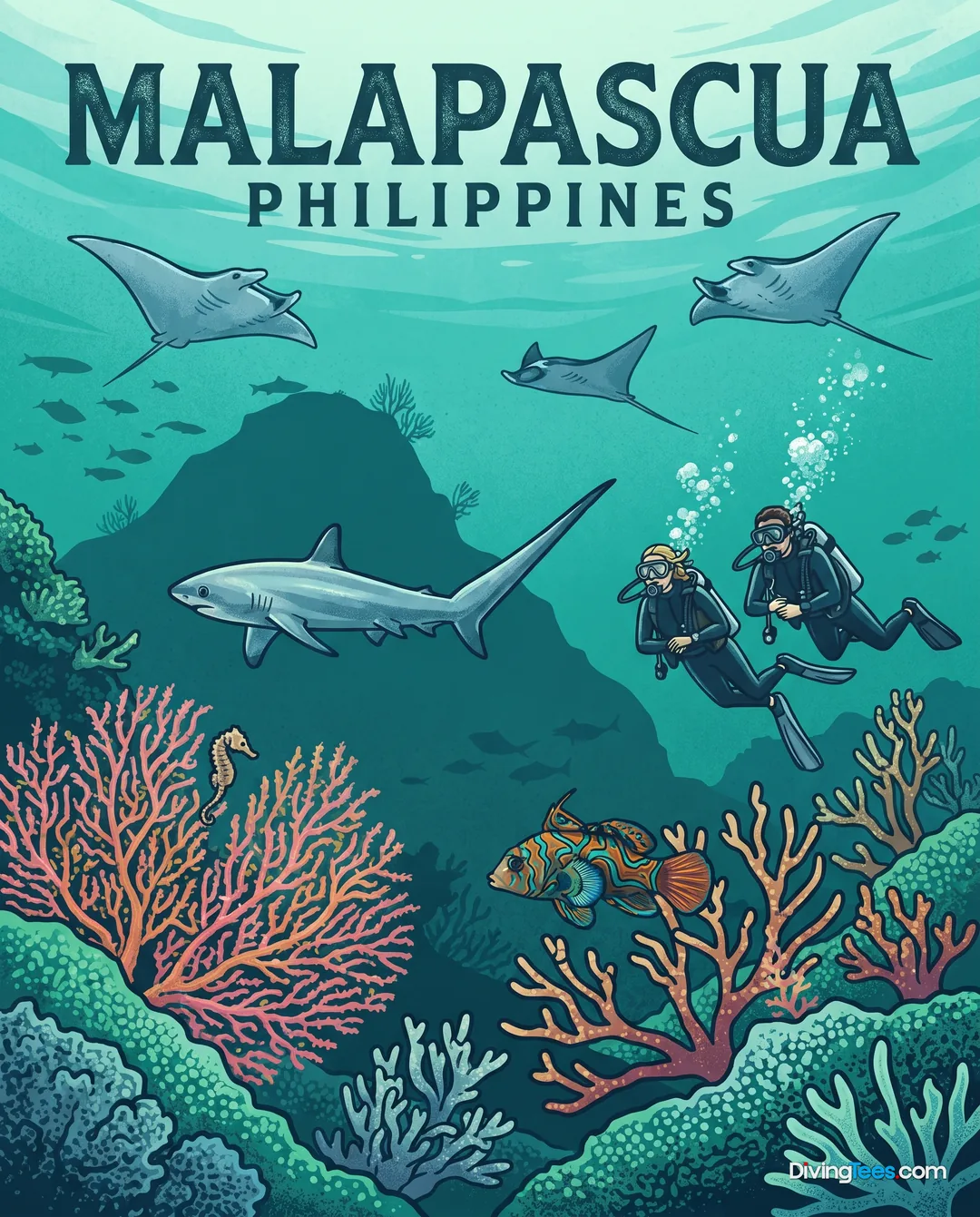
Malapascua · Philippines · Asia View on the map
Max. depth · 15 mKa Osting, Malapascua: shallow reef for macro photography
A shallow muck diving site focused on finding hairy frogfish and diverse macro life among coral debris.
What makes this site special
- Shallow depth between 3 and 15 metres
- Ideal for macro photography and observation
- Presence of hairy frogfish
- Diverse cephalopod life including octopus and cuttlefish
- Calm conditions with light currents
- Short five-minute boat ride from Malapascua
For subtitles in English: once the video has started, click the gearat the top right of the video, select “Subtitles/CC”, then “Auto-translate” and choose “English”.
Ka Osting about the site
Ka Osting, sometimes referred to as East Garden, offers a completely different environment from the deep walls and pelagic encounters typical of the Malapascua region. Instead of dramatic drop-offs, you will find a shallow, coastal reef structure characterized by a gentle slope of sand and coral debris. This topography is specifically suited for divers who prefer to focus on the seabed rather than the blue water. The site is comprised of small coral bommies and patches of seagrass scattered across the bottom. It provides a sheltered setting that makes it an ideal location for meticulous observation.
The descent at Ka Osting is straightforward, as the site maintains a relatively shallow profile between 3 and 15 metres. You will move through a landscape of mixed substrates, where fine sand meets areas of broken coral and organic matter. This variety of textures is essential for the type of life found here, as different species rely on the specific cover provided by the rubble or the seagrass. The light penetration at these depths is high, which aids in the visibility of small details. It is a site designed for slow, methodical swimming rather than long, deep profiles.
For those interested in macro life, the site functions as a classic muck diving location. The presence of sand, debris, and small reef structures creates numerous hiding spots for cryptic species. You will spend much of your time scanning the bottom for organisms that rely on camouflage to survive. This requires a patient approach and careful buoyancy control to avoid disturbing the silt. The environment is less about the scale of the reef and more about the density of small, interesting inhabitants living within the substrate.
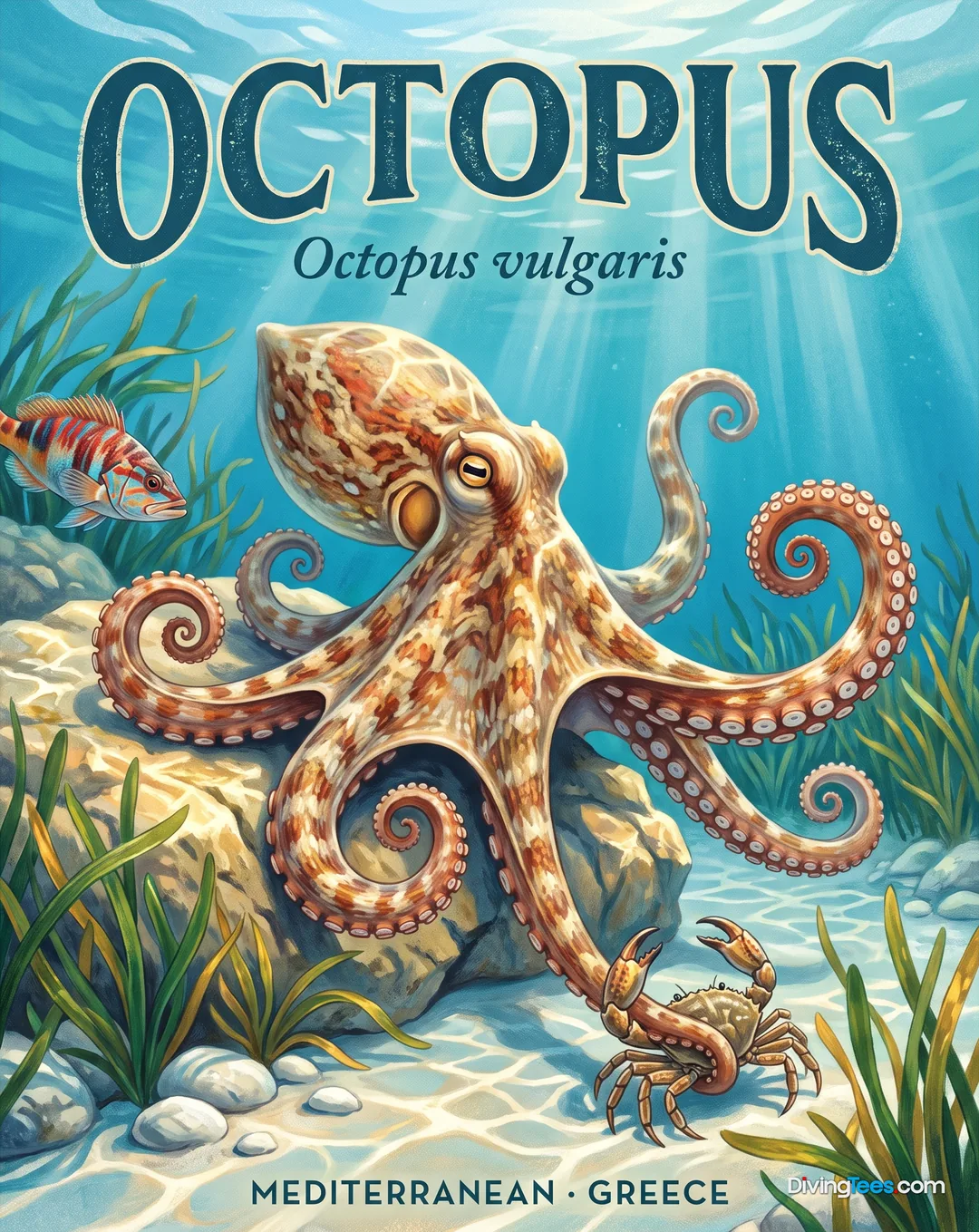
The hairy frogfish is one of the primary targets for divers visiting this site. These ambush predators blend seamlessly into the coral rubble and debris, making them difficult to spot without a keen eye. Beyond the frogfish, the site hosts a variety of cephalopods and crustaceans. You can expect to encounter octopus, cuttlefish, and bobtail squid throughout the different sections of the reef. These animals move through the seagrass and sand, often utilizing the small bommies for protection or hunting.
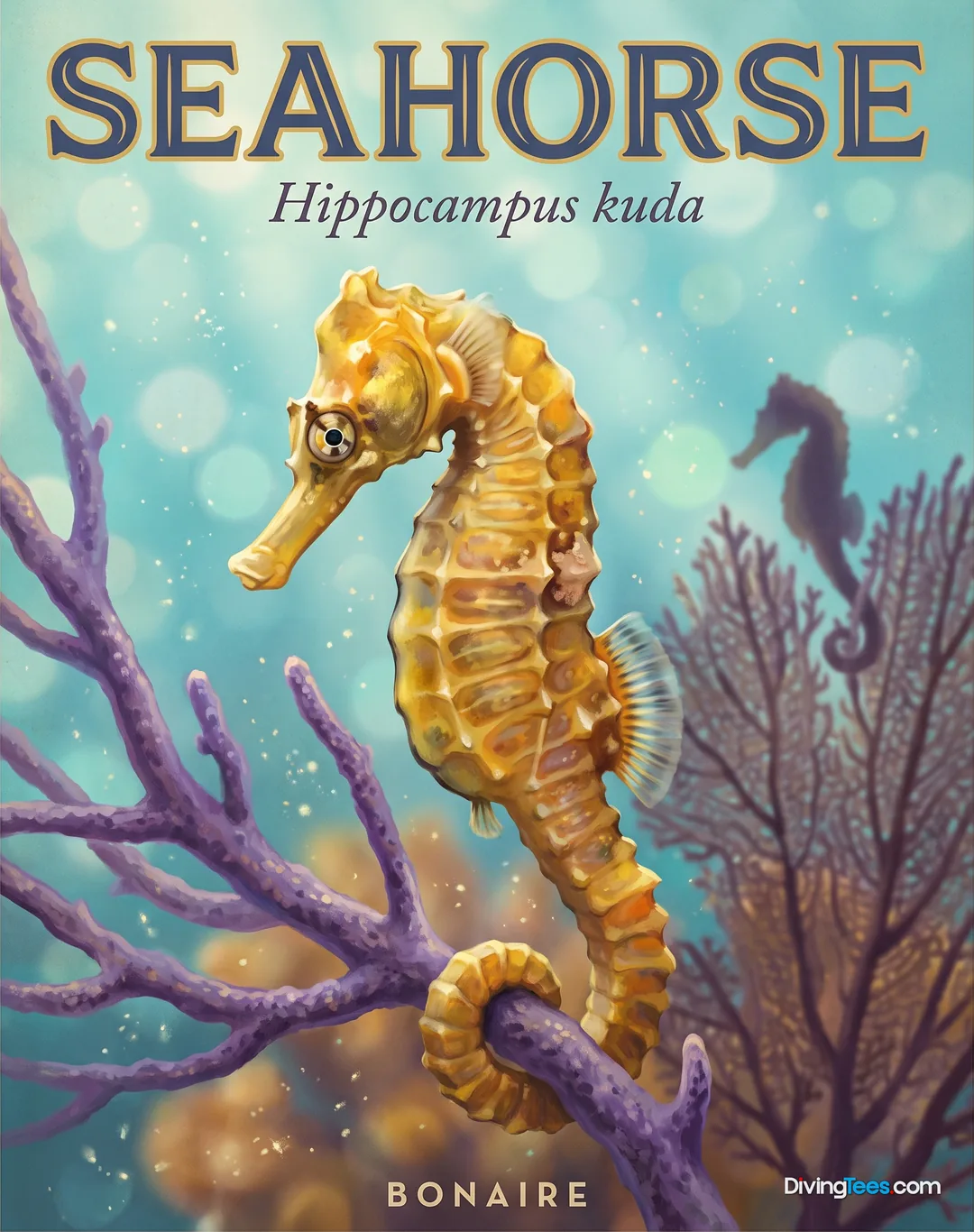
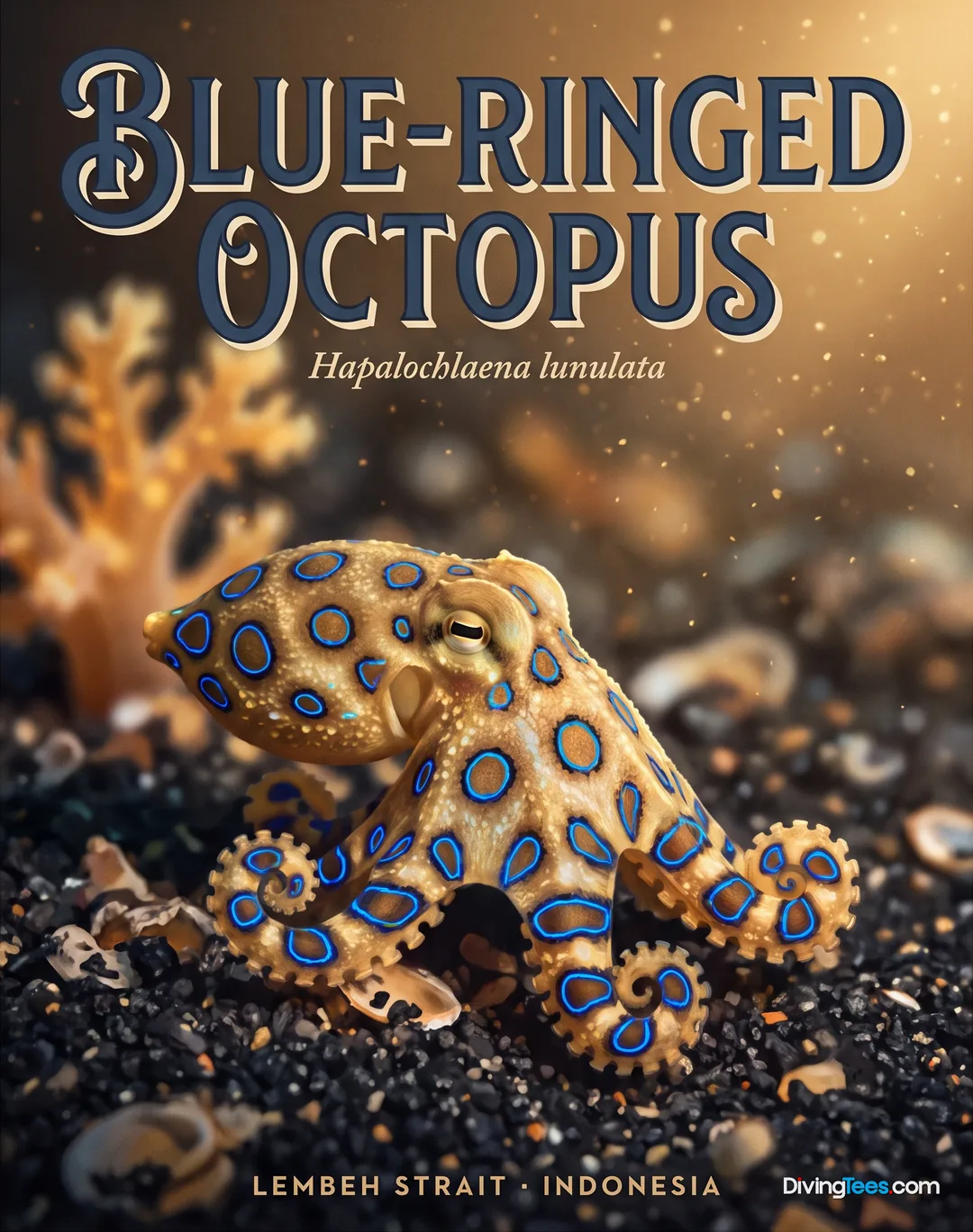
Small, specialized fauna are abundant across the sandy patches and reef edges. Decorator crabs and seahorses can be found tucked into the vegetation or resting on the seabed. The presence of blue-ringed octopus and various other invertebrates makes the site a high-interest area for macro enthusiasts. Mandarinfish may also be observed, adding to the biological diversity of this shallow ecosystem. Every corner of the site, from the herbier to the coral fragments, holds the potential for a significant macro encounter.
Current conditions at Ka Osting are generally light, making it a very manageable site for most divers. While tidal shifts can cause minor variations in water movement, the site remains largely calm compared to the deeper channels of Malapascua. This lack of strong current is a functional advantage for macro photography and close-up observation. It allows you to hover steadily over the bottom without fighting a surge. This calm nature is a defining characteristic that sets it apart from the more demanding dive sites in the area.
The proximity to the shore and the shallow depth make this an easy site to integrate into a dive plan. Located only a five-minute boat ride from Malapascua, it serves as an excellent option for a relaxed dive or a dedicated macro session. Because the depth is limited to 15 metres, nitrogen loading is less of a concern than on deeper sites, allowing for more bottom time to search for small subjects. It provides a necessary change of pace for those who want to explore the smaller residents of the reef.
Diving Ka Osting: the marine life you’ll meet
Diving conditions
The site has a depth range of 3 to 15 metres. It is accessible from the Open Water Diver level. Currents are generally light.
Three dives not to miss
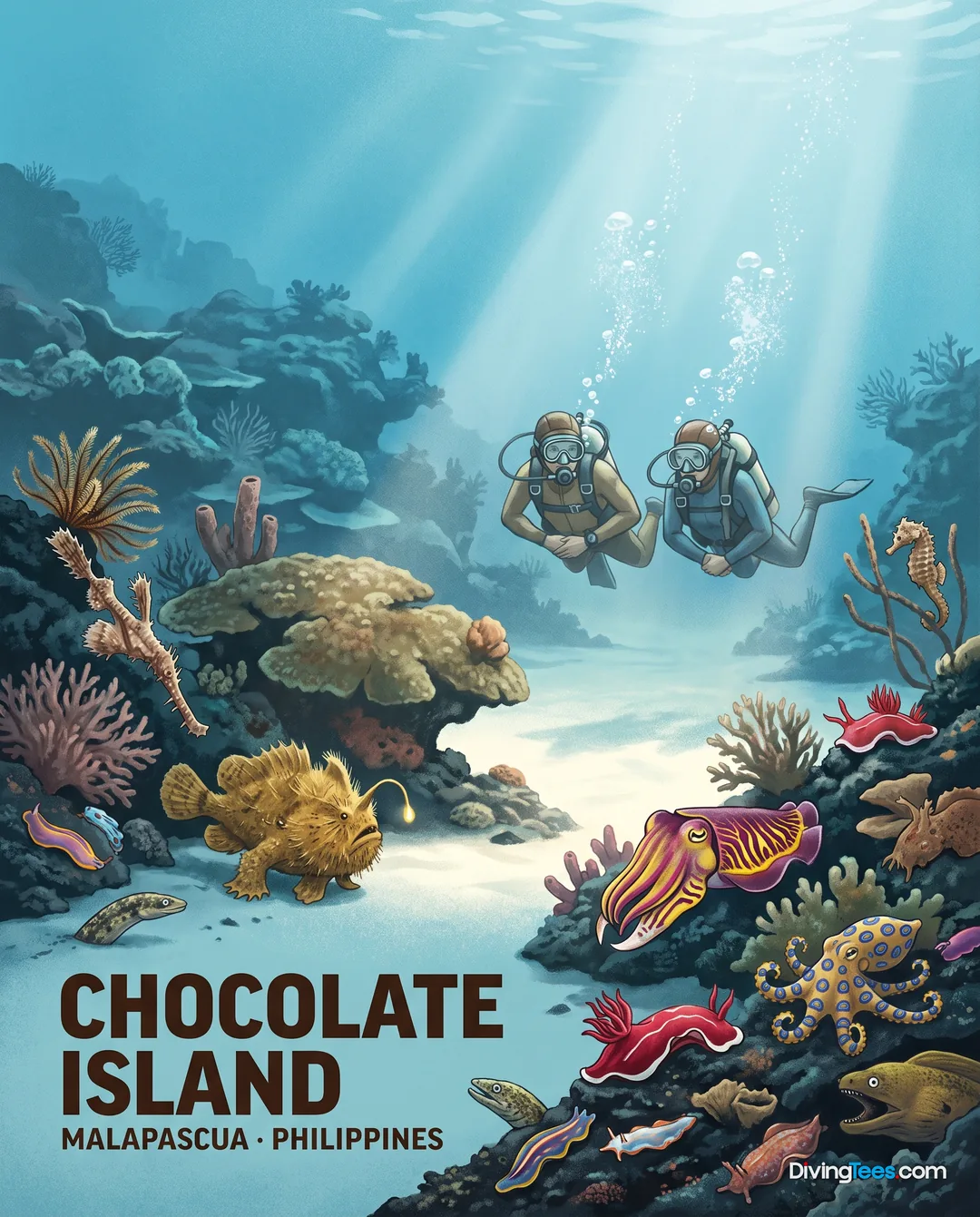
Map of hotels, dive sites and dive centres in Malapascua
Dive centres in Malapascua

SK Divers Center
Malapascua
Google 5/5 (458 reviews)
1.1 km away as the crow flies
Nearest hotel: 1.9 km
Slam's Garden Dive Resort
Google 4.3/5 (453 reviews)



Hotels in Malapascua
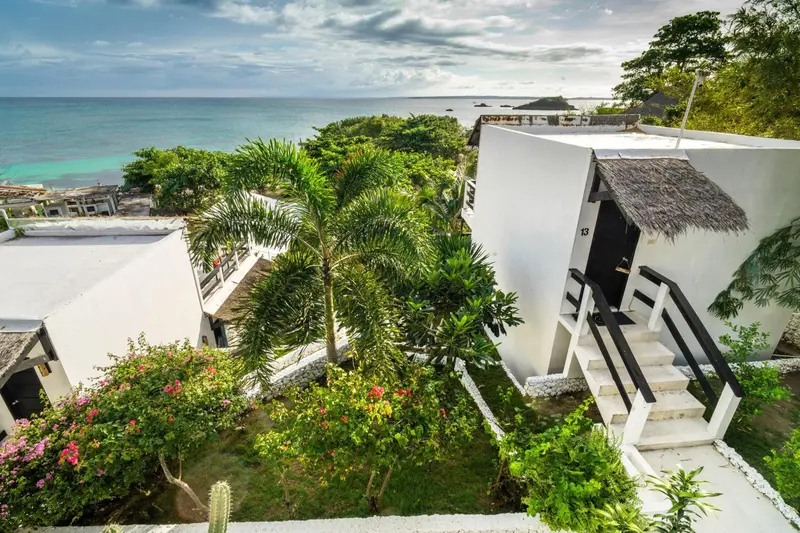
Blanco Beach Resort Malapascua
Malapascua
Google 4.6/5 (226 reviews)
2.3 km away as the crow flies
Nearest dive centre: 200 m
Kokay’s Maldito Dive Resort
Google 4.4/5 (331 reviews)
Dive liveaboards Malapascua
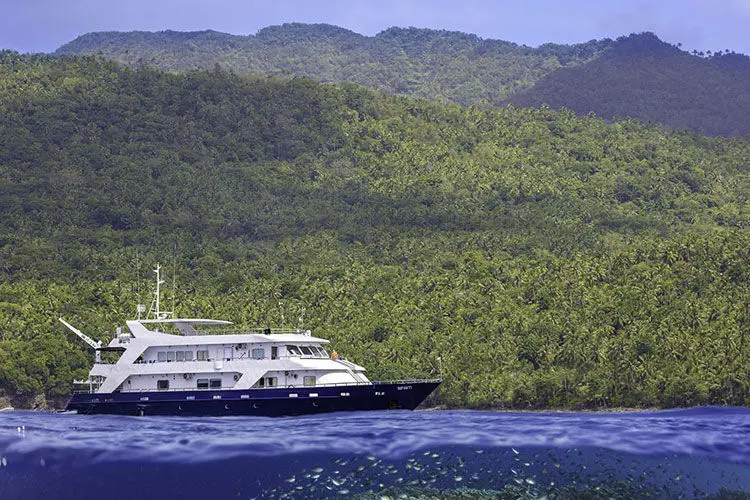
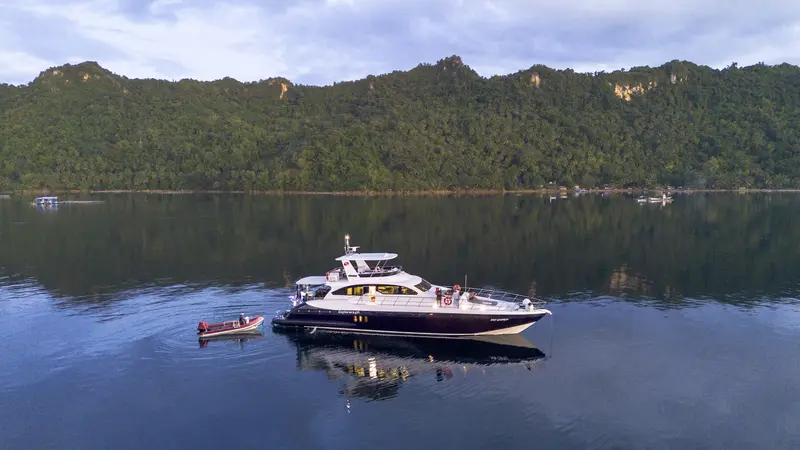
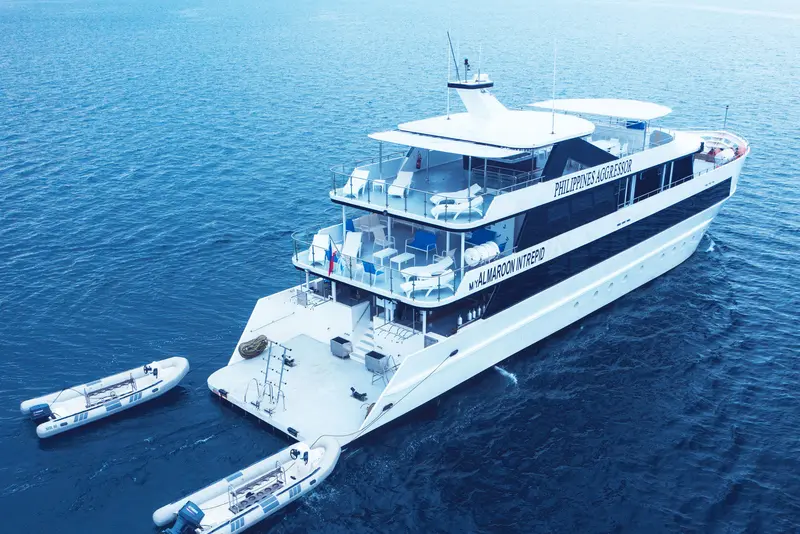
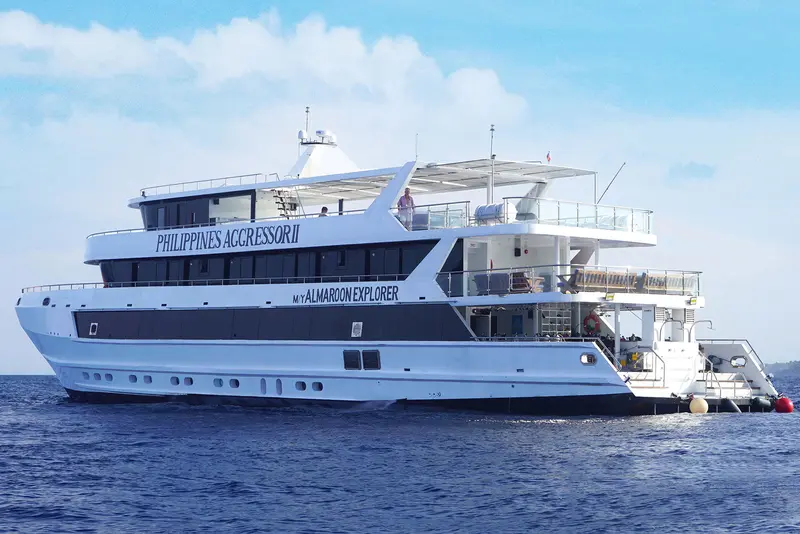
7 liveaboards run trips to Malapascua.
Frequently asked questions about Ka Osting
What diver level is Ka Osting suitable for?
Ka Osting is accessible from the Open Water Diver level, making it suitable if you are beginning your exploration of Malapascua’s underwater sites. Its shallow profile, sheltered setting, and generally light currents support a manageable dive focused on careful movement, buoyancy control, and close observation of the seabed.
How deep is Ka Osting?
Ka Osting ranges from 3 to 15 metres deep. You will explore a shallow, gently sloping environment where sand, coral debris, small coral bommies, and seagrass patches create varied habitats. The depth and strong light penetration suit slow swimming, detailed searching, and macro photography rather than deep profiles.
What are the currents like at Ka Osting?
Currents at Ka Osting are generally light, and the site remains largely calm compared with Malapascua’s deeper channels. Tidal shifts can cause minor changes in water movement, but you can usually hover steadily above the bottom for close observation and photography without fighting strong current or surge.
What can you see at Ka Osting?
At Ka Osting, look through coral rubble, sand, seagrass, and small bommies for hairy frogfish, octopus, cuttlefish, bobtail squid, decorator crabs, seahorses, and blue-ringed octopus. Mandarinfish and other invertebrates may also appear, making the site especially suited to patient macro observation and photography.