Malapascua · Philippines · Asia View on the map
Max. depth · 30 mBugtong Bato, Malapascua: Reef slope and macro life
Explore a diverse reef system featuring pygmy seahorses, frogfish, and a descent from a shallow reef to a 30-metre sandy bottom.
What makes this site special
- Pygmy seahorses (Hippocampus bargibanti) on the reef.
- Frogfish and nudibranches in the coral garden.
- Transition from reef slope to 30-metre sandy bottom.
- Harlequin shrimp and needlefish in the water column.
- Fixed mooring for controlled descent and ascent.
For subtitles in English: once the video has started, click the gearat the top right of the video, select “Subtitles/CC”, then “Auto-translate” and choose “English”.
Bugtong Bato about the site
Bugtong Bato is an isolated rocky reef structure situated off the northern extremity of Malapascua. The site offers a varied topography that begins with a gentle reef slope between 8 and 12 metres. From this upper section, the reef descends into a small wall that reaches approximately 20 metres before transitioning into a coral garden. The final section of the site descends further onto a sandy bottom at 30 metres.
The site is organized around a fixed mooring located in the middle of the reef, which allows for two distinct dive itineraries. You can choose to follow the steeper wall sections or the shallower reef slope depending on your preferred depth profile. This structure ensures that the site caters to different buoyancy control requirements while providing access to different ecosystems within the same reef system.
For macro photographers and enthusiasts, the site is a significant location for finding specific species. You can find Bargibant's pygmy seahorse (Hippocampus bargibanti) and various frogfish among the reef structure. The presence of nudibranches and harlequin shrimp adds to the diversity of the small-scale life found across the reef sections.
The resident fauna includes several species that inhabit the reef slope and the coral gardens. You will frequently encounter butterflyfish, damselfish, and anthias moving through the water column. For those watching the more mid-water transitions, barracuda and batfish are common sights near the base of the reef.
The site's layout provides several different micro-habitats within a single dive. The transition from the coral garden to the sandy bottom at 30 metres creates an environment where different species overlap. You can observe needlefish cruising through the upper reef sections while searching for small prey near the coral edges.
Current conditions at Bugtong Bato are generally manageable, but they can change based on the tide. While the water is often calm, you should be prepared for shifts in movement as the tide changes. This variability means you should always pay attention to your positioning relative to the mooring and the reef structure.
Diving Bugtong Bato: the marine life you’ll meet



Diving conditions
The site reaches depths of 8 to 30 metres. While accessible to Open Water divers, experience is recommended to manage depth and potential current shifts. Current is variable and can change according to tidal conditions.
Three dives not to miss



Map of hotels, dive sites and dive centres in Malapascua
Dive centres in Malapascua

SK Divers Center
Malapascua
Google 5/5 (458 reviews)
less than 1 km away as the crow flies
Nearest hotel: 1.9 km
Slam's Garden Dive Resort
Google 4.3/5 (453 reviews)



Hotels in Malapascua
Blanco Beach Resort Malapascua
Malapascua
Google 4.6/5 (226 reviews)
2.8 km away as the crow flies
Nearest dive centre: 200 m
Kokay’s Maldito Dive Resort
Google 4.4/5 (331 reviews)
Dive liveaboards Malapascua
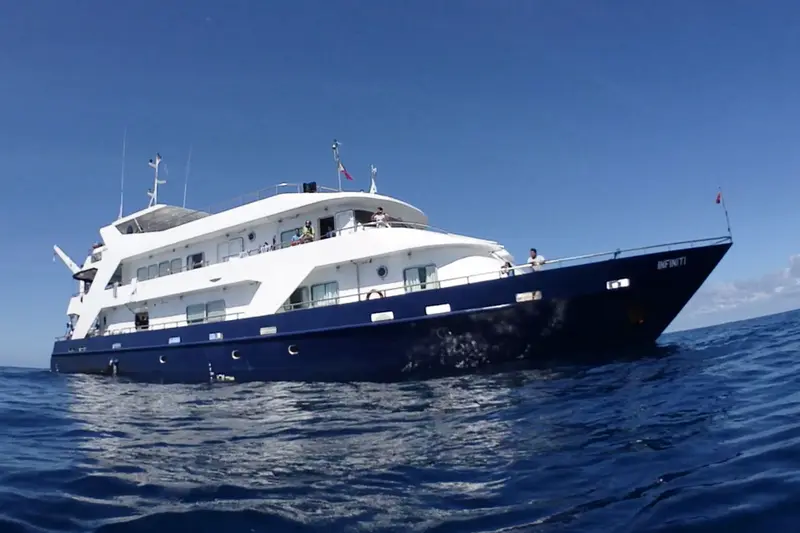
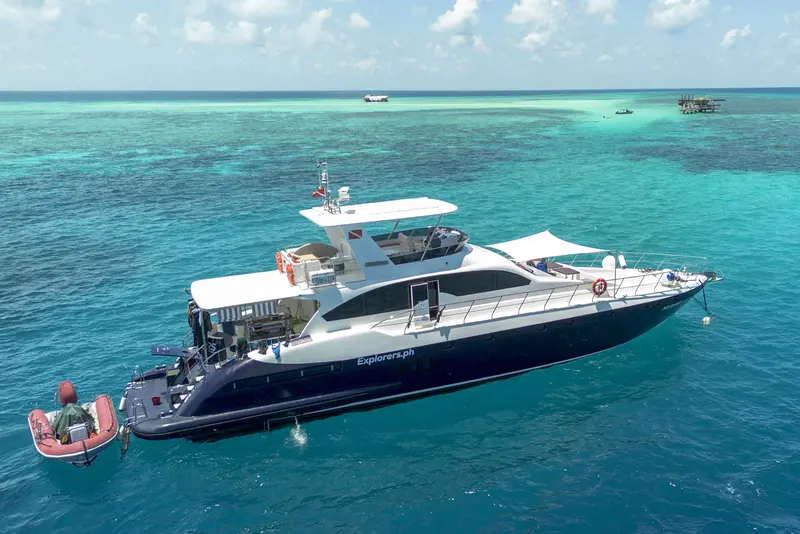
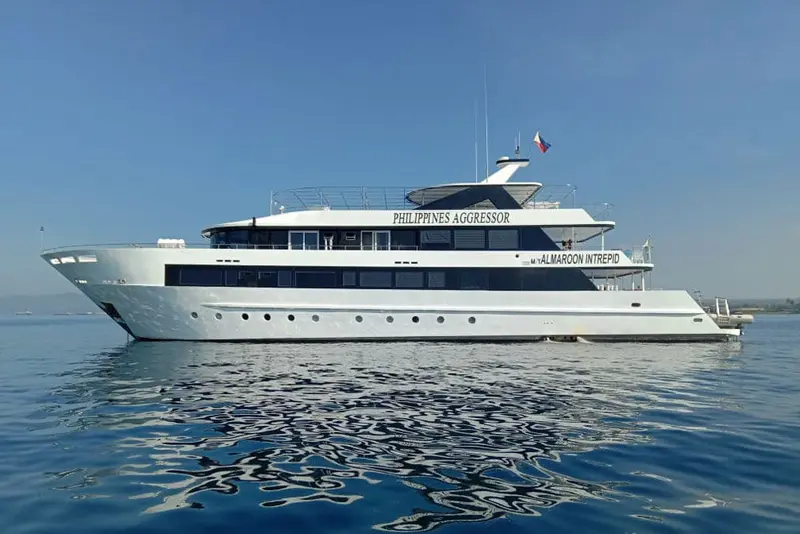
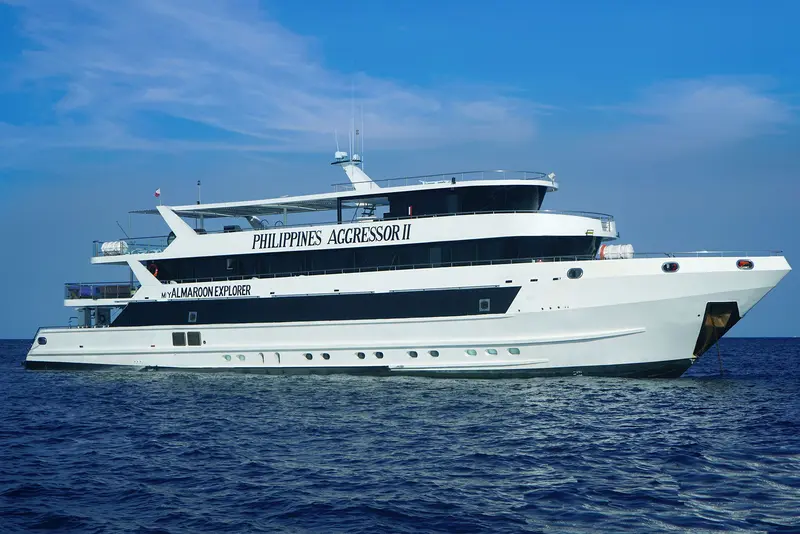
7 liveaboards run trips to Malapascua.
Frequently asked questions about Bugtong Bato
When should you dive Bugtong Bato, and what current conditions should you expect?
Bugtong Bato is often calm, but current can change with tidal conditions. You should be prepared for shifts in water movement during the dive and pay attention to your position around the fixed mooring and reef structure. The mooring supports a controlled descent and ascent while you adjust to changing conditions.
What diver level is suitable for Bugtong Bato?
Bugtong Bato is accessible to Open Water divers, although experience is recommended. The site reaches substantial depth and may experience changing currents, so you should be comfortable managing depth, buoyancy, and movement in variable conditions. You can choose a shallower reef slope or follow steeper wall sections according to your preferred profile.
How deep is Bugtong Bato, and what depth profiles can you follow?
Bugtong Bato ranges from eight to thirty metres. The dive begins on a gentle reef slope between eight and twelve metres, continues to a wall reaching approximately twenty metres, and then descends through a coral garden to a sandy bottom at thirty metres. The fixed mooring supports two different itineraries.
What can you see while diving Bugtong Bato?
Bugtong Bato offers pygmy seahorses on the reef, along with frogfish, nudibranches, and harlequin shrimp in its coral areas. Butterflyfish, damselfish, and anthias move through the water column, while barracuda and batfish can appear near the reef base. Needlefish cruise through upper sections near the coral edges.