
Cebu Fun Divers
Google 4.9/5 (481 reviews)
5.7 km away as the crow flies
Moalboal · Philippines · Asia
Max. depth · 30 mA stepped wall topography featuring diverse gorgonians and sea fans accessible via shore entry.
For subtitles in English: start the video firstthen click the gearat the top right of the video, select “Subtitles/CC”, then “Auto-translate” and choose “English”.
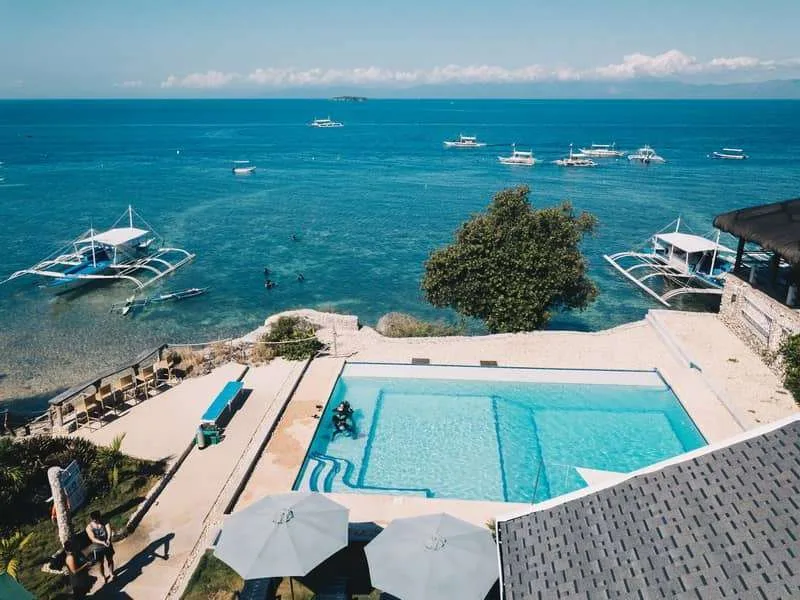
Blue Orchid serves as the house reef for the Blue Orchid Resort in Saavedra, Moalboal. The site is primarily defined by its wall topography, which descends in a series of distinct steps rather than a single sheer vertical drop. This stepped structure provides different depth zones that cater to various levels of experience. You can begin your descent in the shallower sections where the reef is more accessible. As you move further out, the terrain transitions into more pronounced drop-offs that allow for a more technical dive profile.
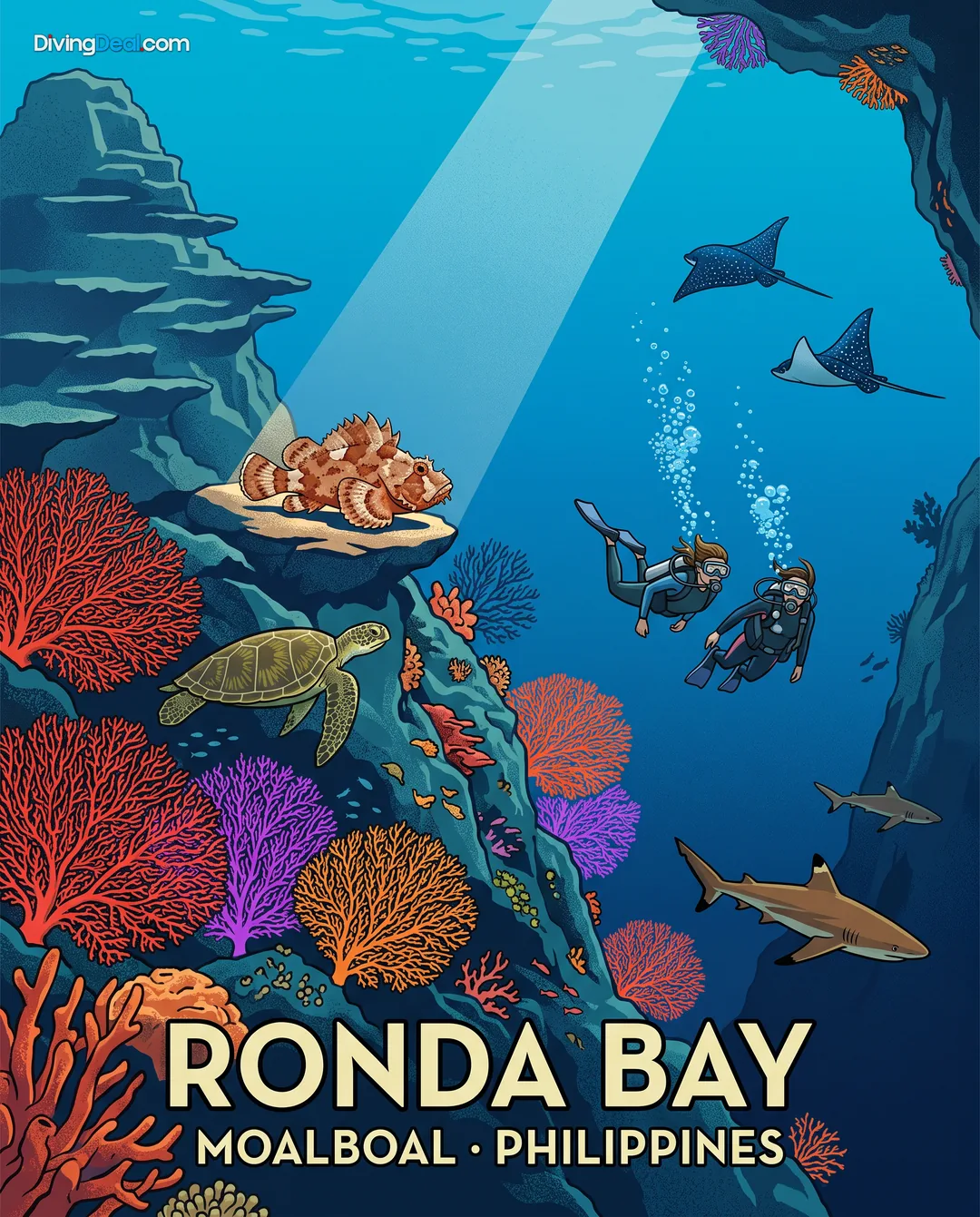
The physical structure of the reef is heavily decorated with a variety of hard and soft corals. Large gorgonians and sea fans are prominent features, often anchoring themselves to the rock faces of the wall. These structures create a complex three-dimensional environment that serves as a focal point for the site. The coral gardens are particularly dense along the mid-section of the wall. This density provides numerous hiding spots and crevices for smaller reef inhabitants to move through.
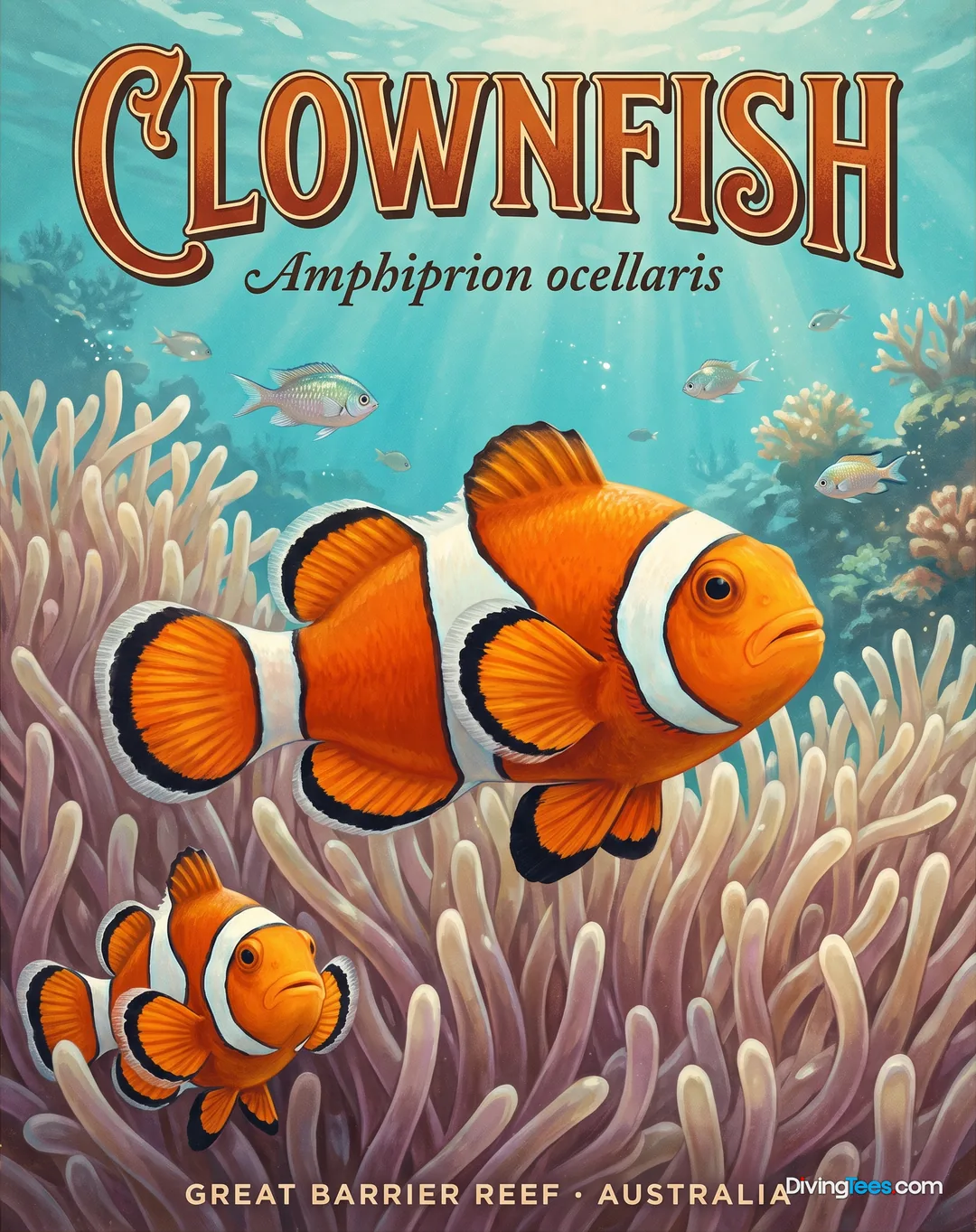
For those exploring the shallower depths, the reef presents a different set of interests. You will find garden eels swaying in the sandy patches between coral outcrops. These eels require a stable substrate and a gentle current to feed, making the calmer areas of the reef an ideal habitat. Moving along the reef edge, you will encounter various species of clownfish residing within anemones. The interaction between the reef structure and the sandy areas creates a diverse micro-environment within the site.
As you descend along the stepped wall, the fish population shifts towards larger reef residents. Triggerfish are frequently observed patrolling the edges of the coral formations. These fish are active and move purposefully along the reef boundaries. The presence of these predators indicates a healthy and functioning ecosystem. Observing their territorial behavior is a standard part of the experience when navigating the reef's contours.
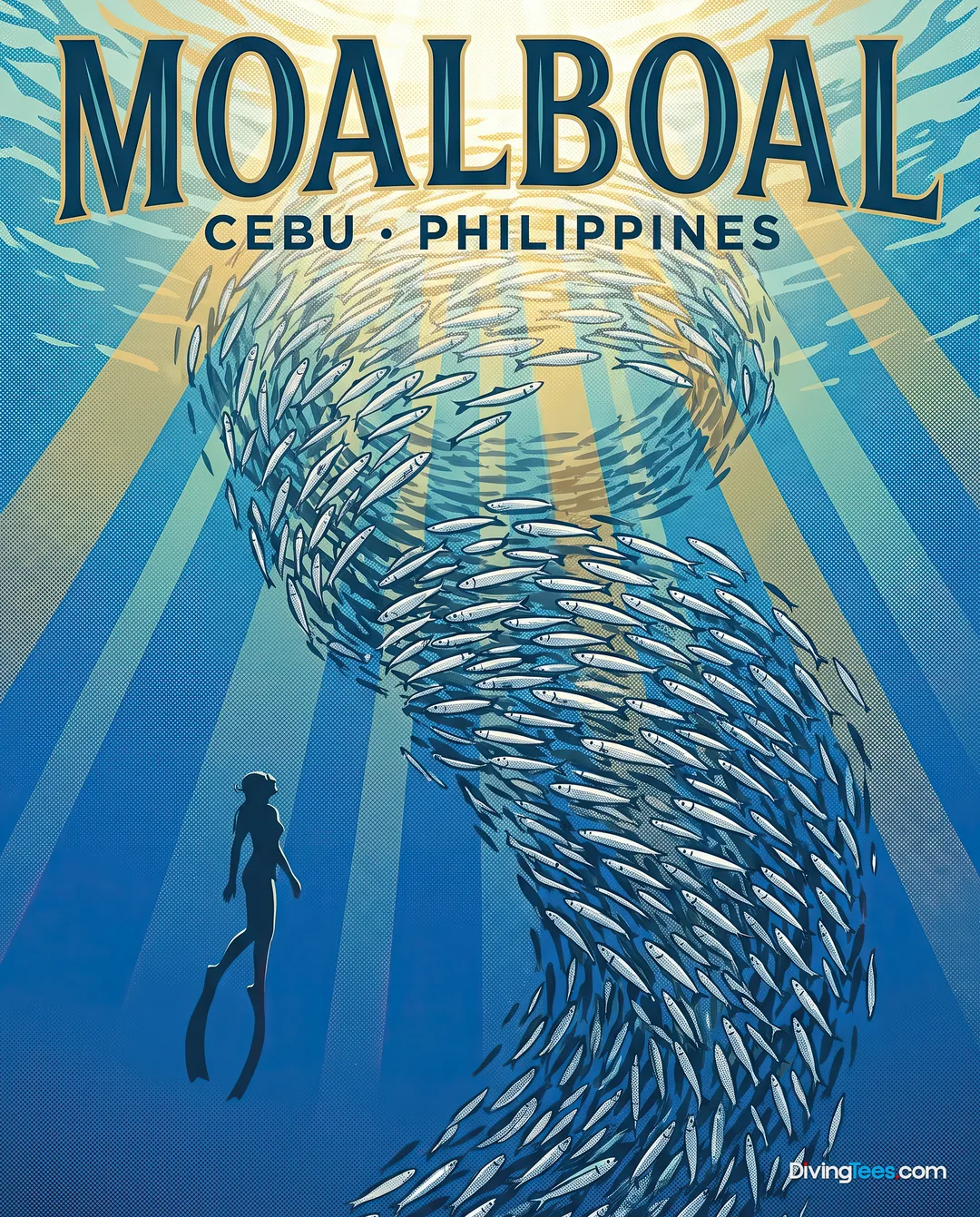
The deeper sections of the site, reaching down to 30 metres, are where the wall becomes most significant. Here, the light begins to attenuate, and the focus shifts to the larger gorgonians that thrive in the deeper, more stable currents. This zone is where you are most likely to see pelagic fish passing through the area. These larger species often move in the open water column adjacent to the wall. Watching them glide past the drop-off provides a sense of the scale of the local marine environment.
Visibility at Blue Orchid is generally high, often reaching between 10 and 30 metres. This clarity allows you to see the transitions between the shallow reef and the deeper wall from a distance. The light penetration in the upper 15 metres is particularly good, highlighting the colours of the soft corals. As you reach the deeper limits of the site, the environment becomes more subdued. This change in light and pressure marks the transition from the reef slope to the deeper oceanic edge.
The site has a depth range of 5 to 30 metres. It is accessible from Open Water Diver level, though the stepped wall topography provides more interesting profiles for those with more experience. Visibility typically ranges from 10 to 30 metres.
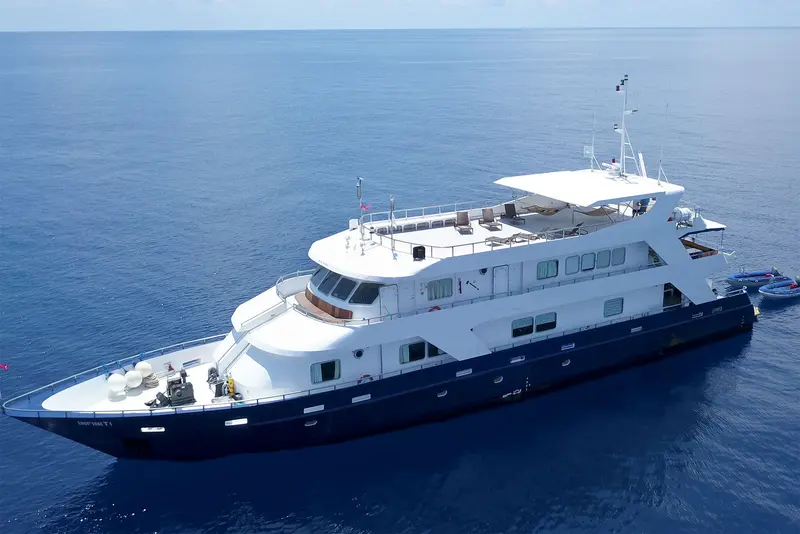
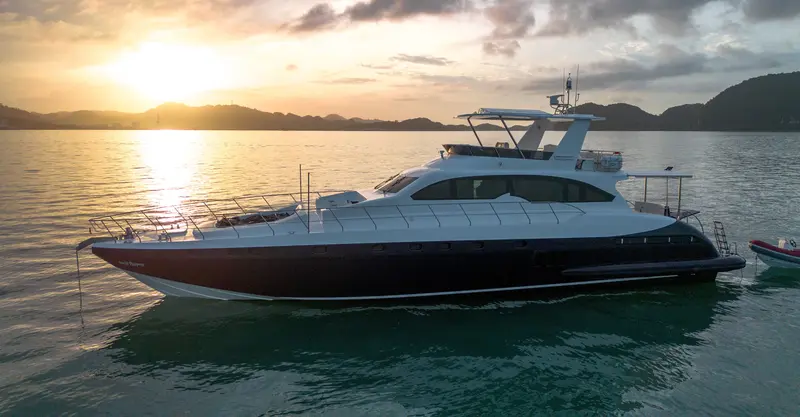
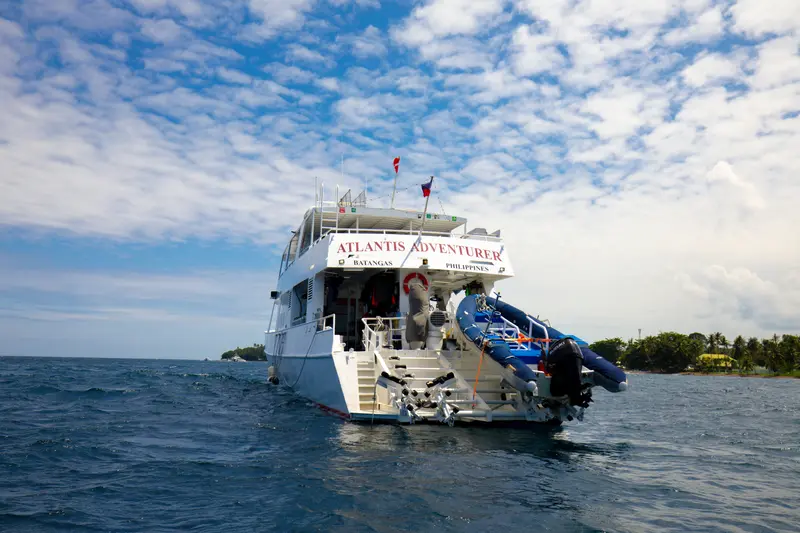
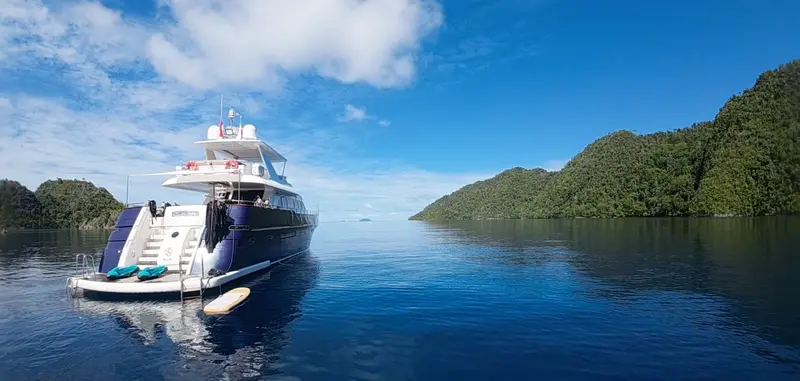
4 liveaboards run trips to Moalboal.
Blue Orchid is accessible from Open Water Diver level, with shallower sections that make the reef approachable. Its stepped wall also creates more pronounced drop-offs and varied profiles as you move farther out, offering added interest for more experienced divers.
Blue Orchid ranges from 5 to 30 metres in depth. You can begin in shallower reef sections, then follow the stepped wall through distinct depth zones toward more pronounced drop-offs. The deeper sections reach 30 metres, where the wall becomes more significant and the environment more subdued.
At Blue Orchid, garden eels occupy sandy patches where a gentle current supports their feeding. The deeper sections have more stable currents around the larger gorgonians. The site description does not define one overall current pattern, so conditions can differ between the calmer sandy areas and deeper wall zones.
At Blue Orchid, you can see soft corals, gorgonians, sea fans, garden eels in sandy patches, and clownfish within anemones. Triggerfish patrol the reef edges, while pelagic fish may pass in open water beside the deeper wall. Visibility typically ranges from 10 to 30 metres.