Liveaboards · Philippines
Philippines Explorer II — a private, steady yacht for small-group diving
What makes this boat unique
- A private charter yacht for up to six guests, with scheduled 7-day, 6-night Sharks & Shoals voyages between Malapascua and Dauin.
- A gyro-stabiliser and silent generators make the boat a calmer place to cross, eat and sleep.
- Four en-suite, air-conditioned cabins include one Premium Suite, one Deluxe Suite and two single Comfort Cabins.
- The diving setup includes a dedicated dive deck, one 5 m tender, 12-litre and 15-litre aluminium tanks, air and membrane nitrox.
The invitation
Philippines Explorer II is for divers who would rather have a small yacht than a crowded liveaboard. The boat takes up to six guests on private charters, so the people sharing the deck, the meals and the dive briefings are the people chosen for the trip. That changes the point of the voyage: there is room to shape the pace around a group instead of fitting into a large boat’s timetable. The gyro-stabiliser matters on the crossings, while the dive route brings together Dauin’s patient macro hunting, Apo Island’s protected reefs and Malapascua’s thresher-shark sites. The same boat also works for mixed groups, because the spaces above water are not built around diving alone. Come aboard for a week that joins serious sites to a quieter yacht routine, with three dives a day as the upper limit rather than a promise to fill every hour.
Boarding
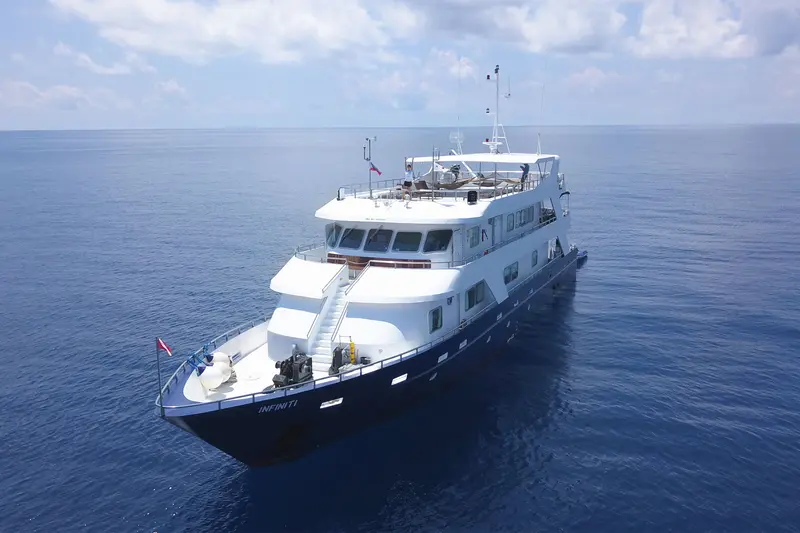
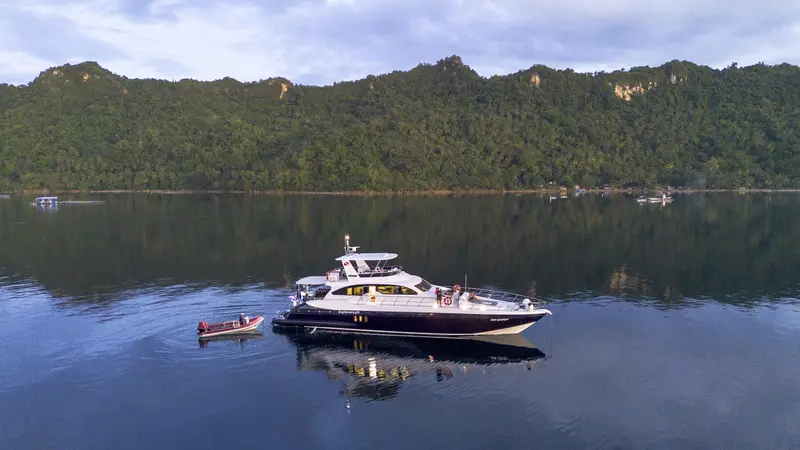
At the dock, Philippines Explorer II presents as a compact motor yacht rather than a converted passenger carrier. Its GRP hull, clean interior lines and three usable decks give the boat a private-yacht feel, while the dedicated dive areas keep wet equipment away from the saloon. Once aboard, the silent Kohler generators remove one of the usual liveaboard irritations at anchor: the constant mechanical thrum behind the walls. The gyro-stabiliser has a more direct effect when the sea builds, reducing the rolling that can turn a crossing into an endurance test. Movement between the cabins, saloon, open-air areas and dive deck stays simple, with no large group to negotiate around. A 2026 renovation supports the boat’s newer, more finished character without disguising what it is: a small working yacht designed to carry divers and their kit between Philippine islands.
The atmosphere on board
The atmosphere is closer to borrowing a well-run private yacht than joining a resort with a dive operation attached. With only a few guests, the same people meet at breakfast, on the dive deck and back at the evening table; there is no large group to disappear into. The crew’s role is visible in the small transitions that make the day easy: preparing the boat, moving the tender, keeping the diving areas usable and leaving guests free to choose how much time they spend together. English and Filipino are spoken on board. In the evening, guests can stay in the indoor saloon, use the open-air space or settle on the sun deck, while the quiet generators keep the boat from feeling like a machine room. That combination—private scale, stabilisation and room to separate when needed—is the real reason this boat suits couples, families and small groups of friends.
The sites you’ll dive
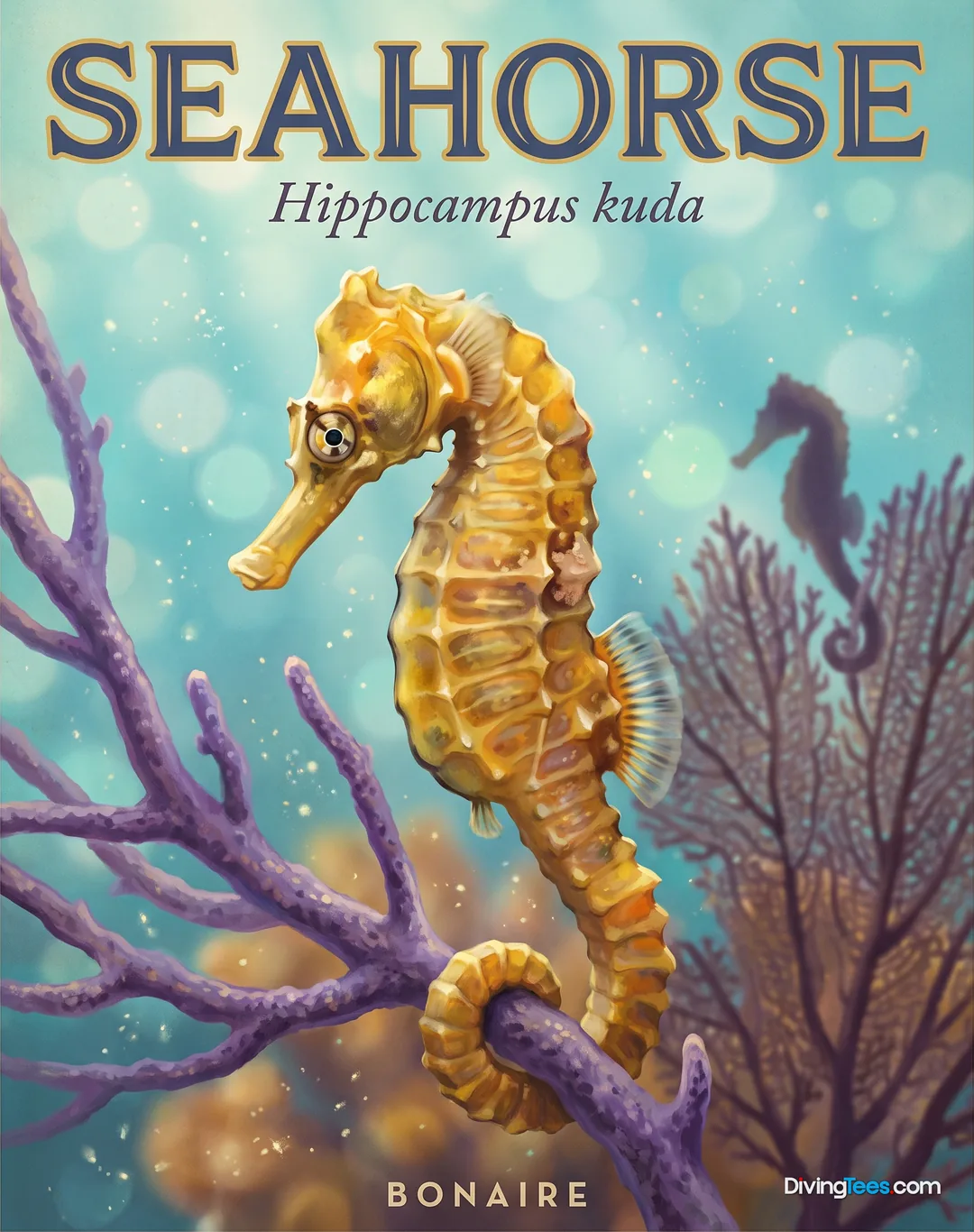
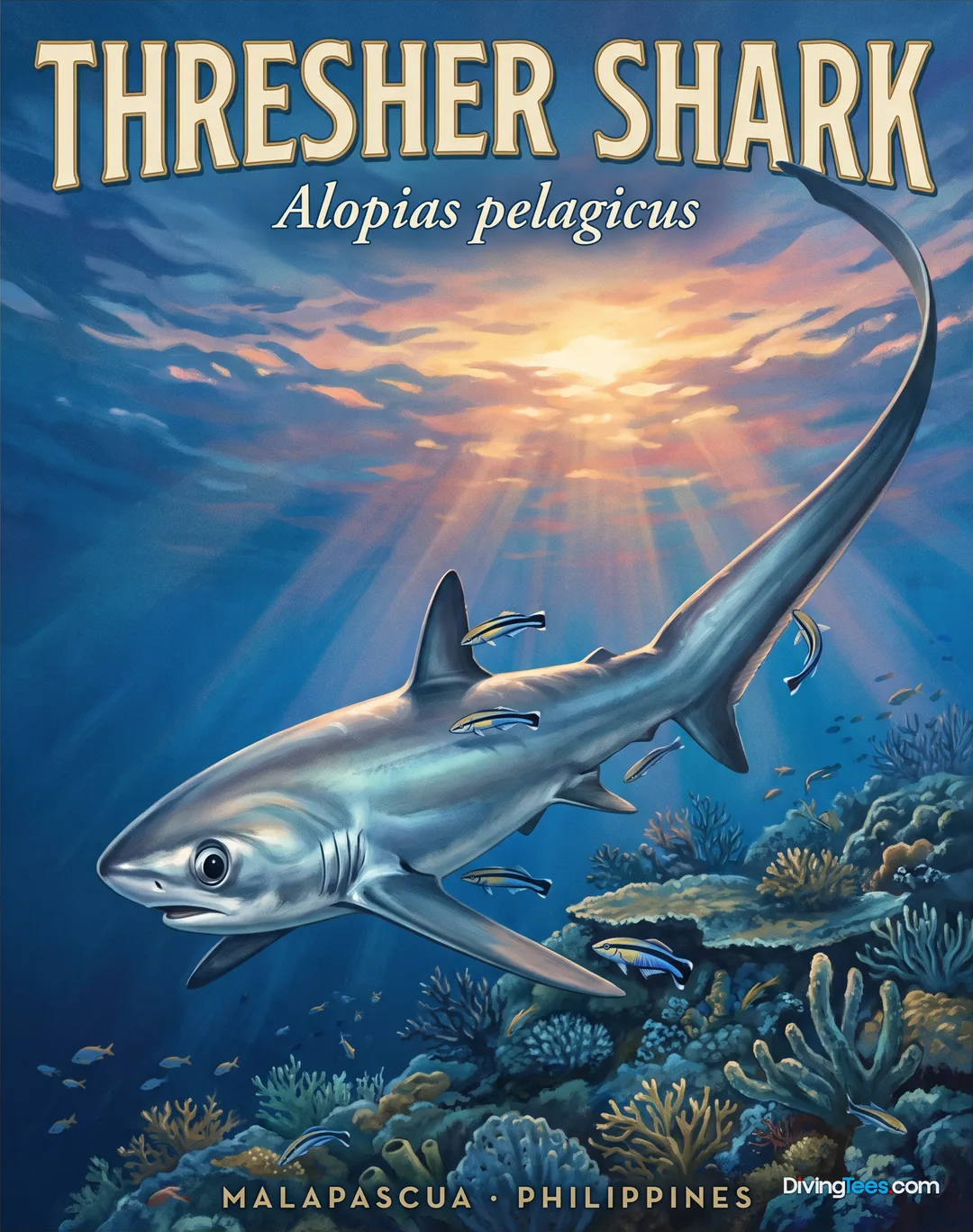
The Sharks & Shoals route runs for 7 days and 6 nights between Dauin and Malapascua, or in reverse. It links very different kinds of diving. Apo Island is a mature marine protected area where coral and approachable sea turtles are the main draw; garden eels, barracuda and humpback parrotfish add scale to the reef. Along the Dauin coastline, black-sand slopes turn the dive into a slow search for frogfish, ghost pipefish, seahorses, nudibranchs and mimic octopus, with a maximum depth of -25m. The House Reef reaches -30m and combines muck with coral slopes and green turtles, while Pura Vida Housereef reaches -30m around an artificial reef. At Malapascua, Kimud Shoal reaches -22m and offers reliable thresher-shark encounters, with hammerheads possible. Monad Shoal is the cleaning-station site, listed to -200m, where thresher sharks draw divers back for sustained observation. Dona Marilyn wreck is the upright 98-metre ferry at -33m; Lighthouse Japanese Wreck is a shallow -5m historical site. Lapus Lapus reaches -20m, Dakit-Dakit -12m and Eva’s Point -32m, while Sunken Island reaches -30m and Patchy-patchy is a reef of coral mountains and swim-throughs.
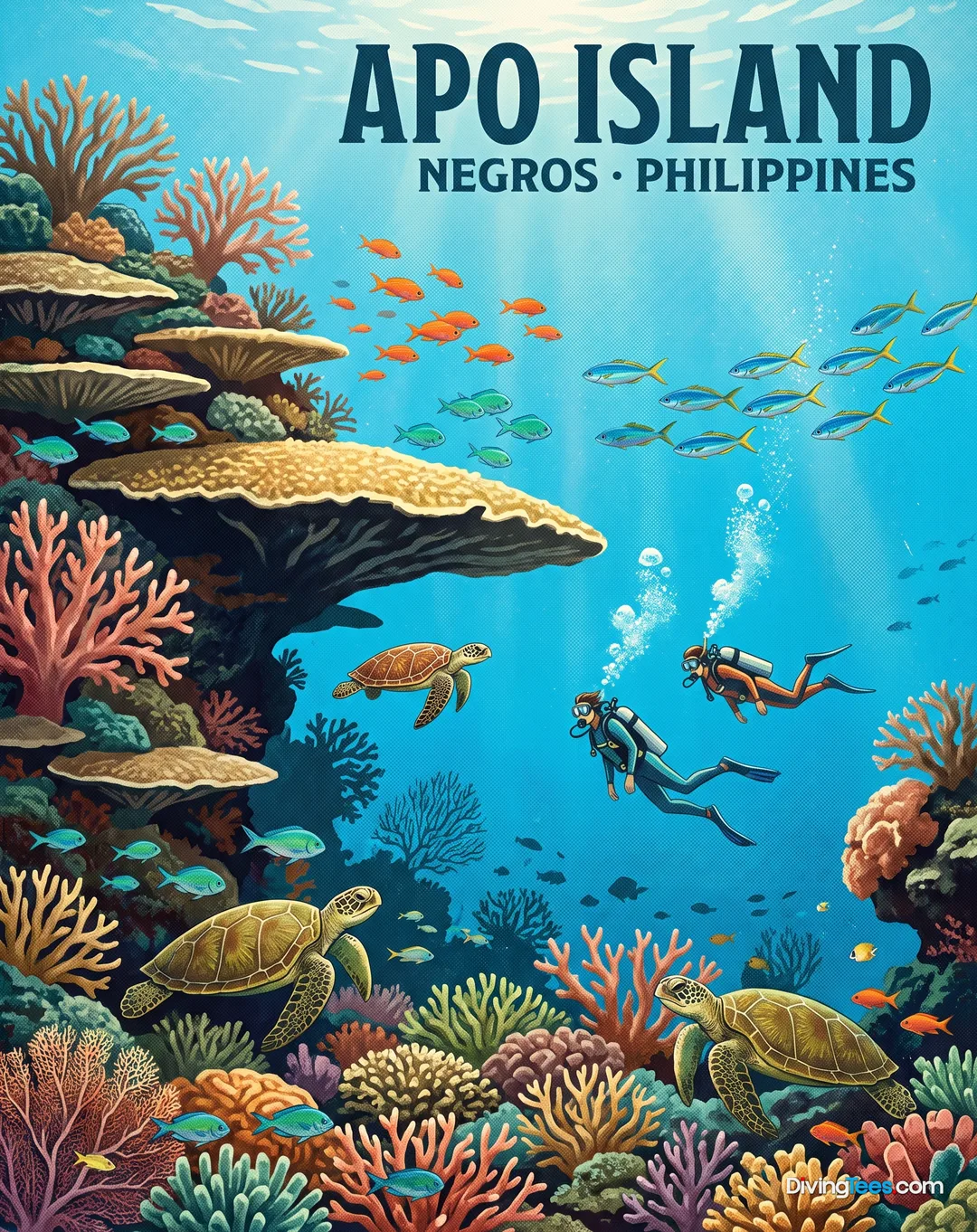
Apo Island →
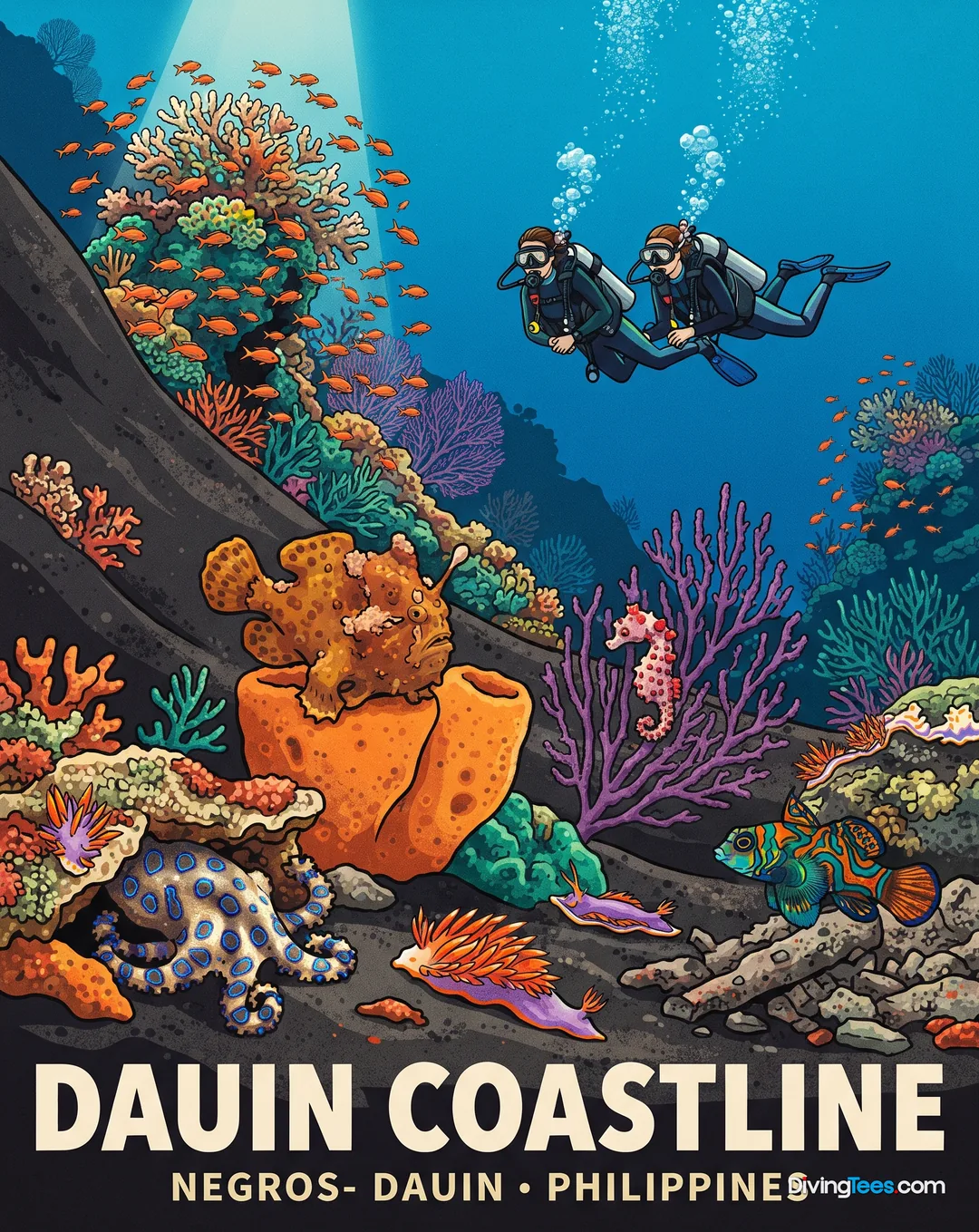
Dauin coastline →
Max. depth · 25 m
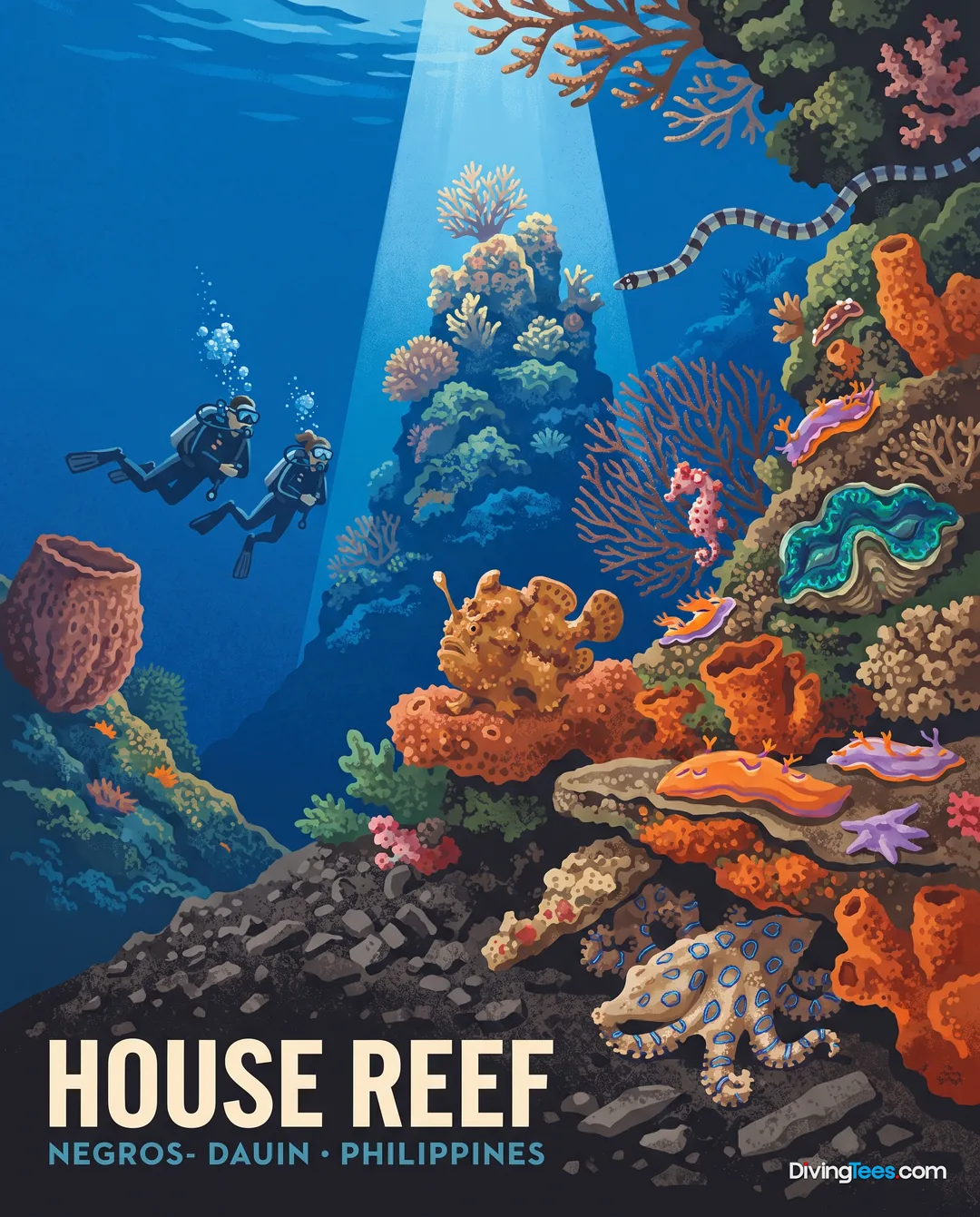
House Reef →
Max. depth · 30 m
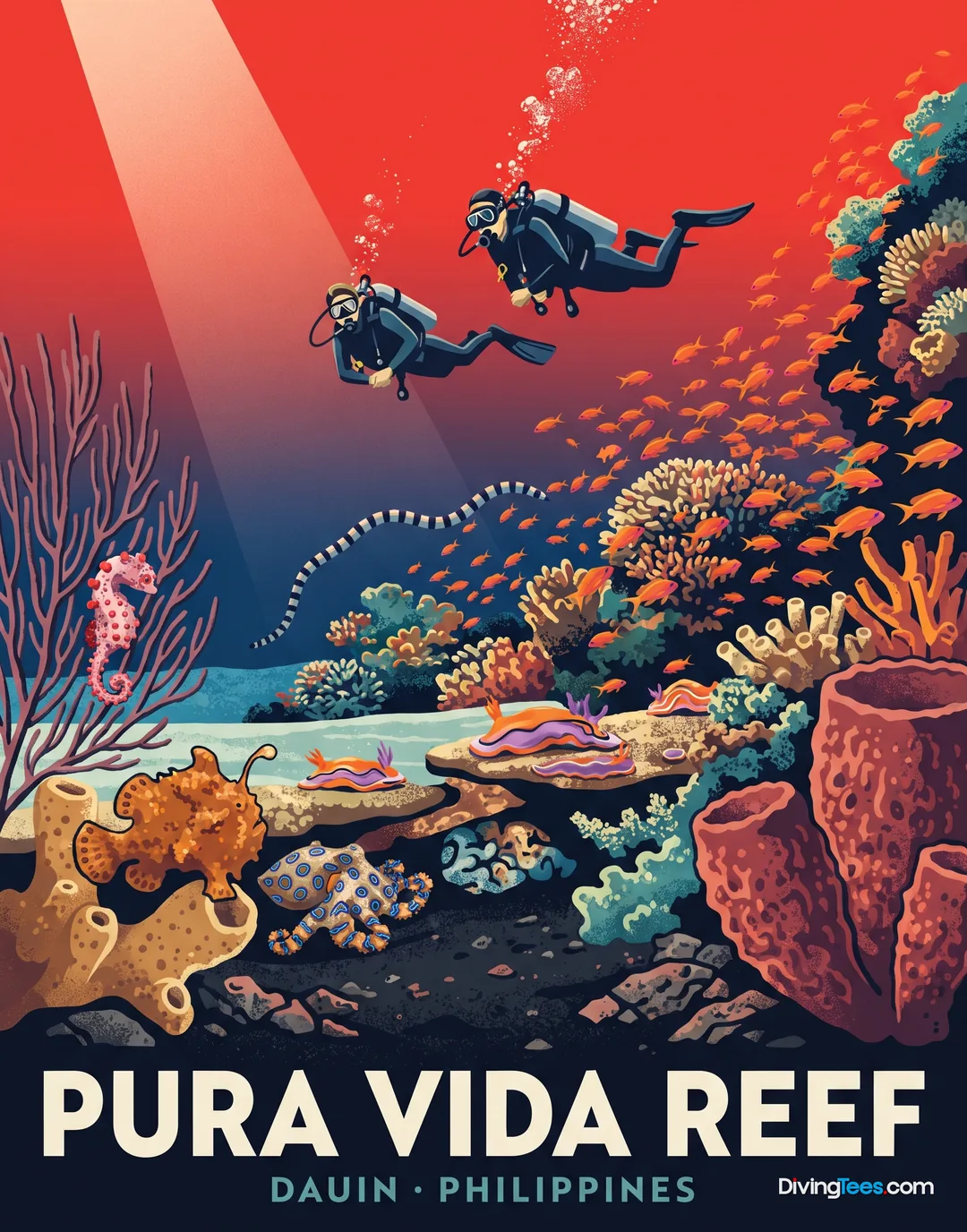
Pura Vida Housereef →
Max. depth · 30 m
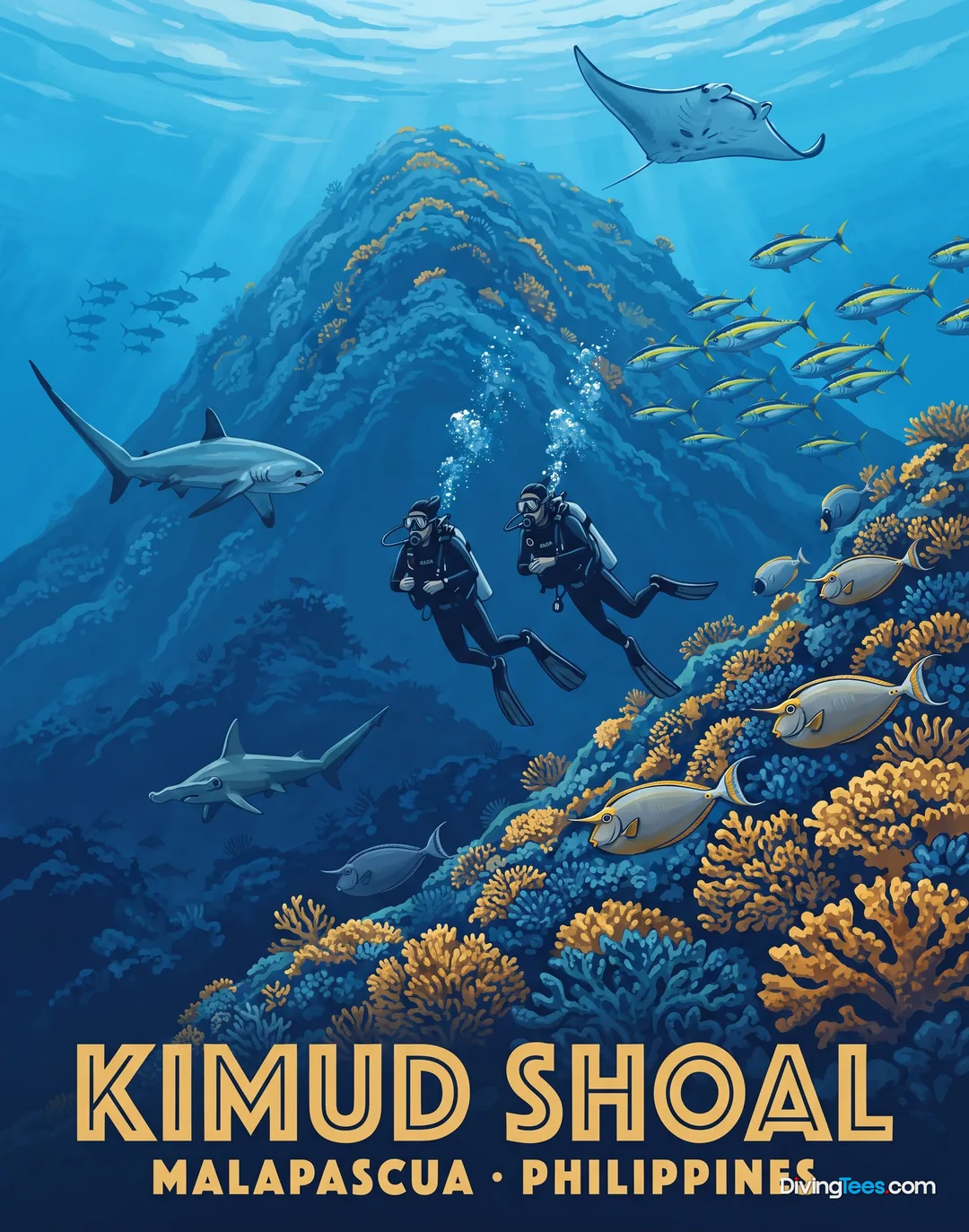
Kimud Shoal →
Max. depth · 22 m
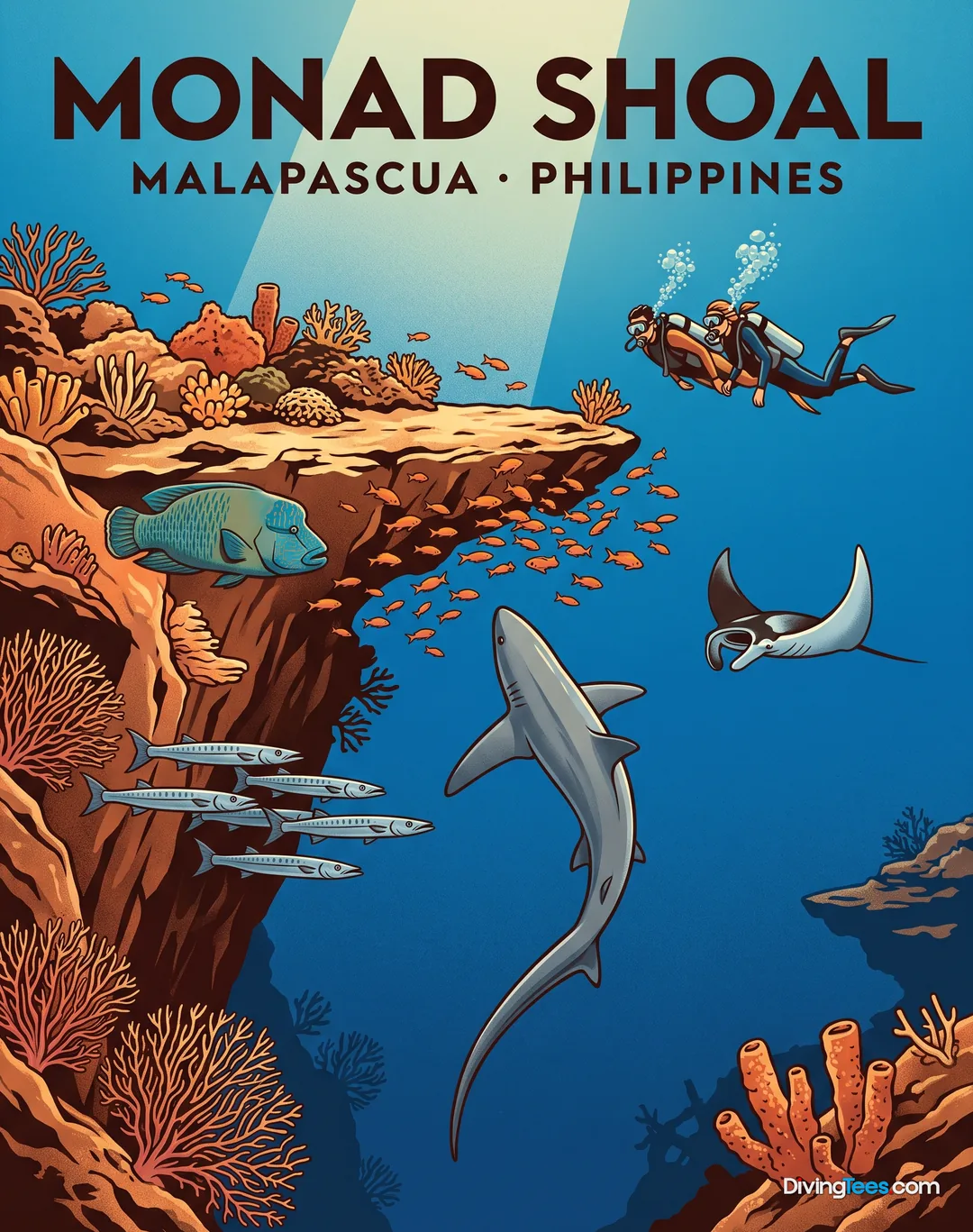
Monad Shoal →
Max. depth · 200 m
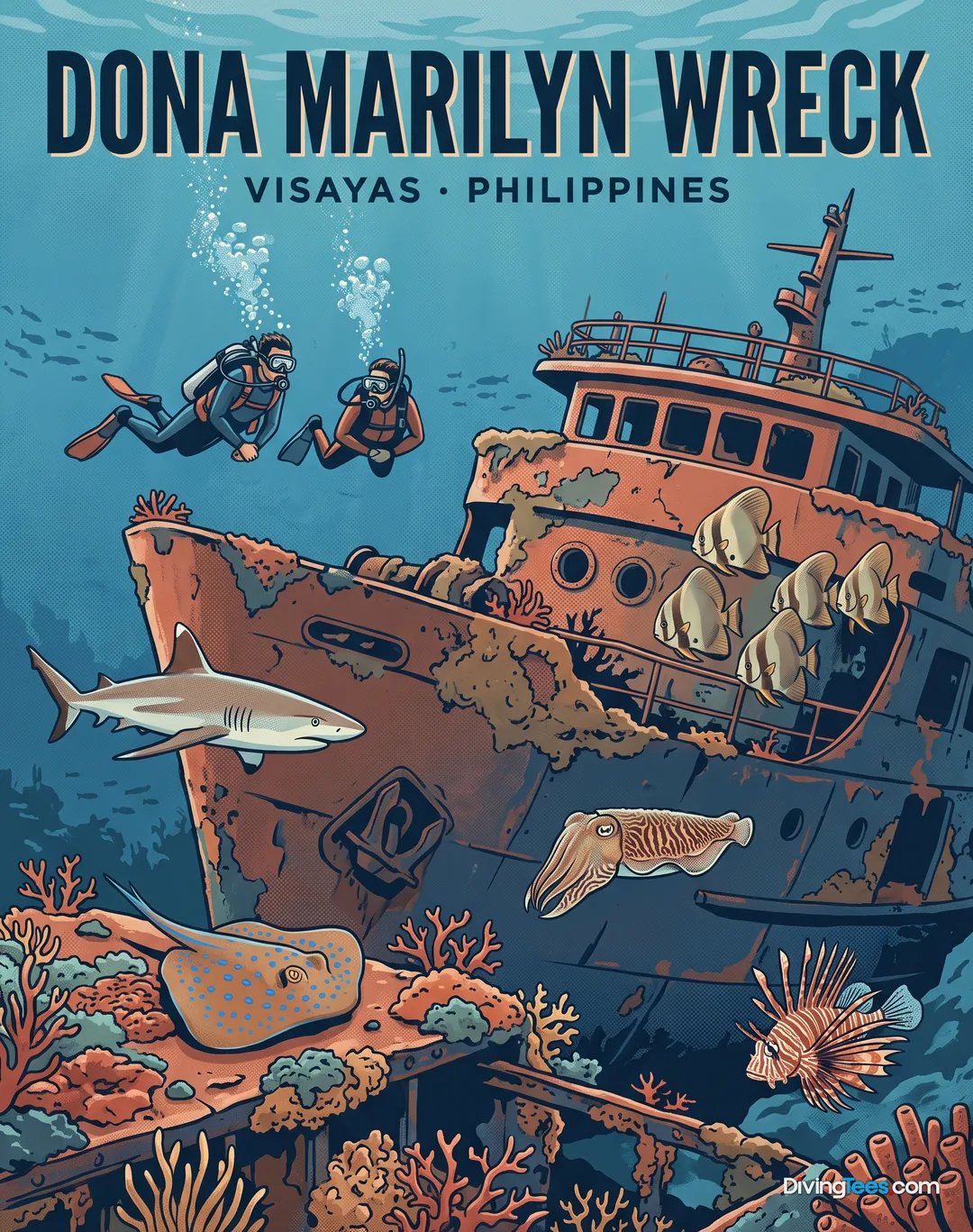
Dona Marilyn wreck →
Max. depth · 33 m
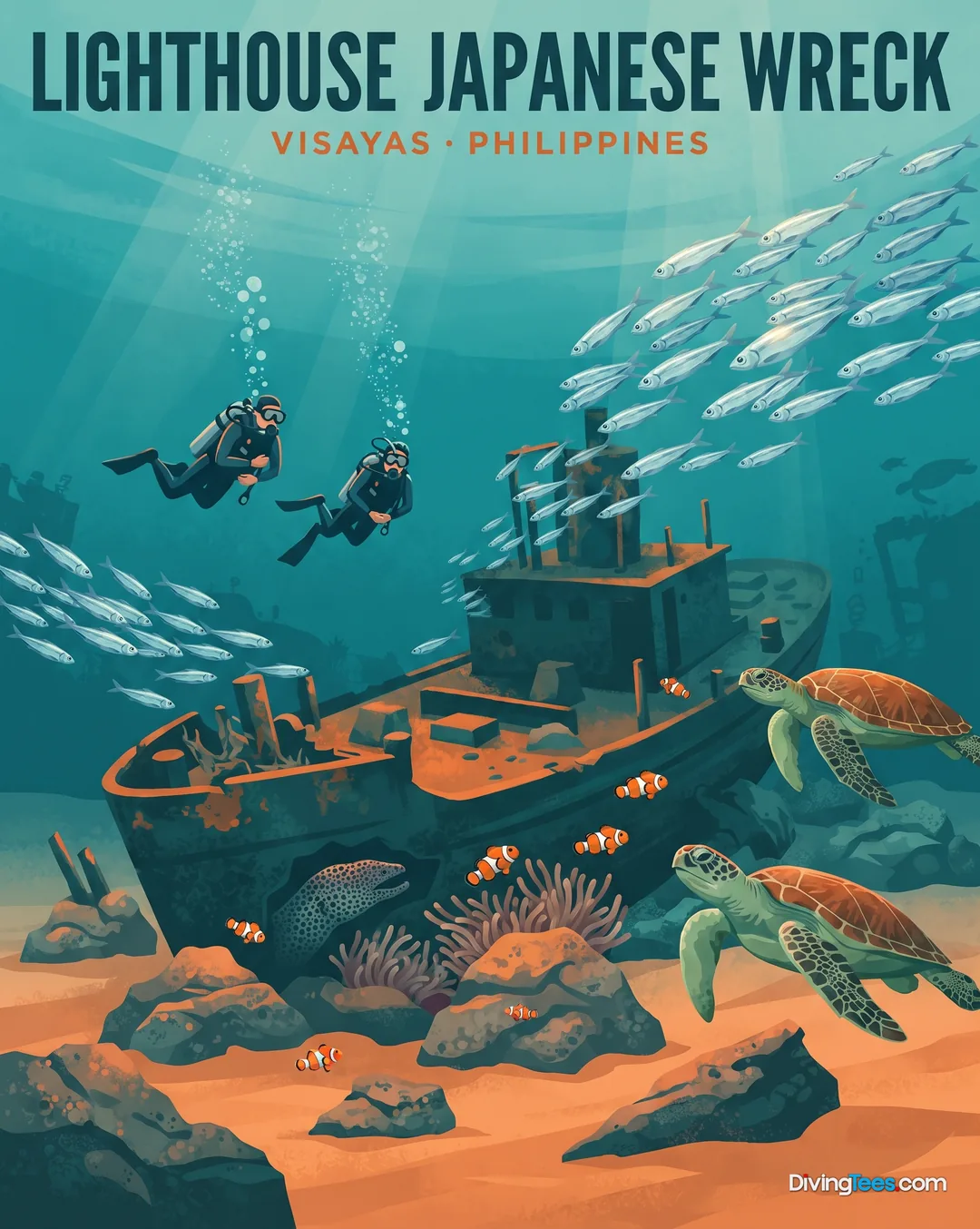
Lighthouse Japanese Wreck →
Max. depth · 5 m
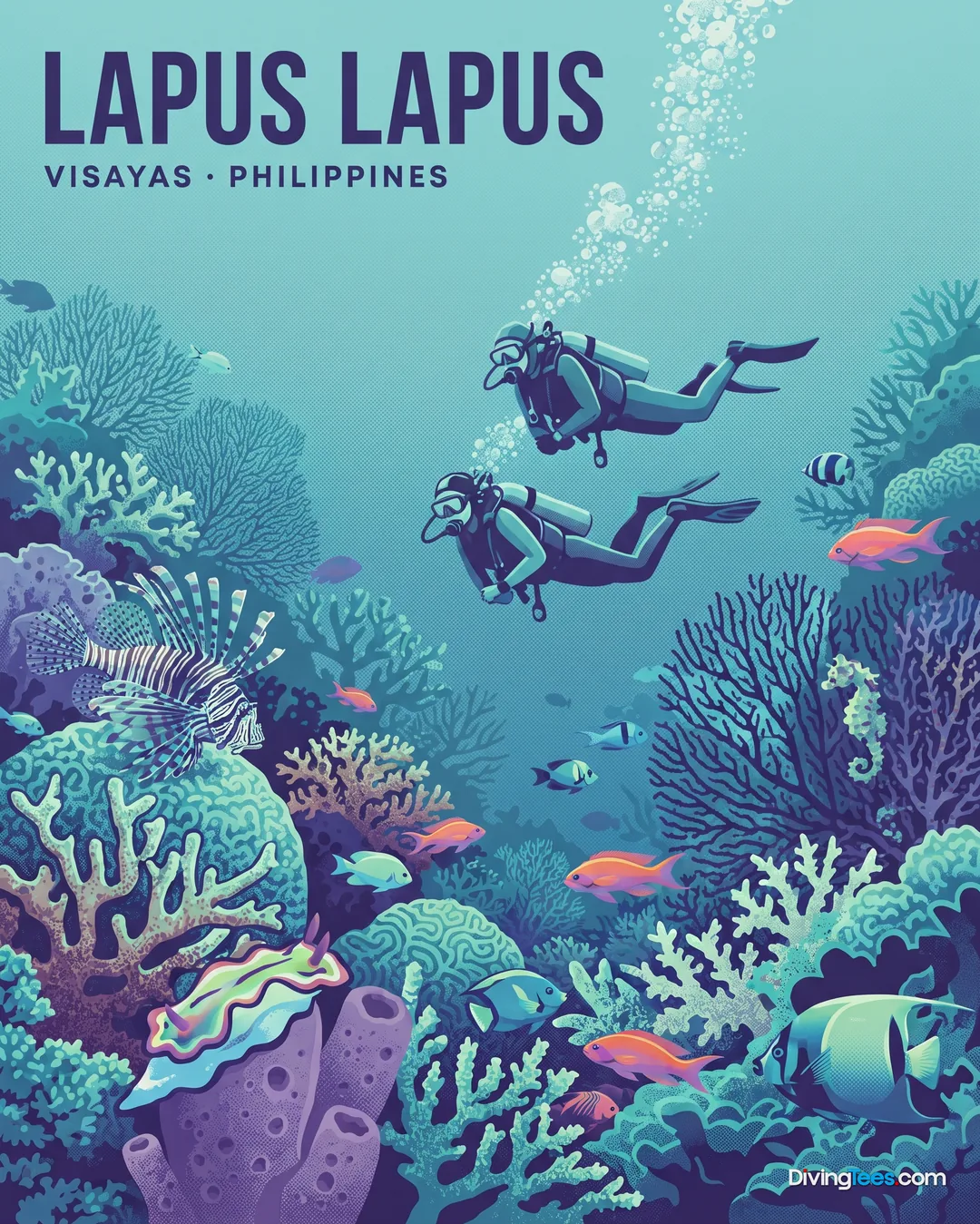
Lapus Lapus →
Max. depth · 20 m
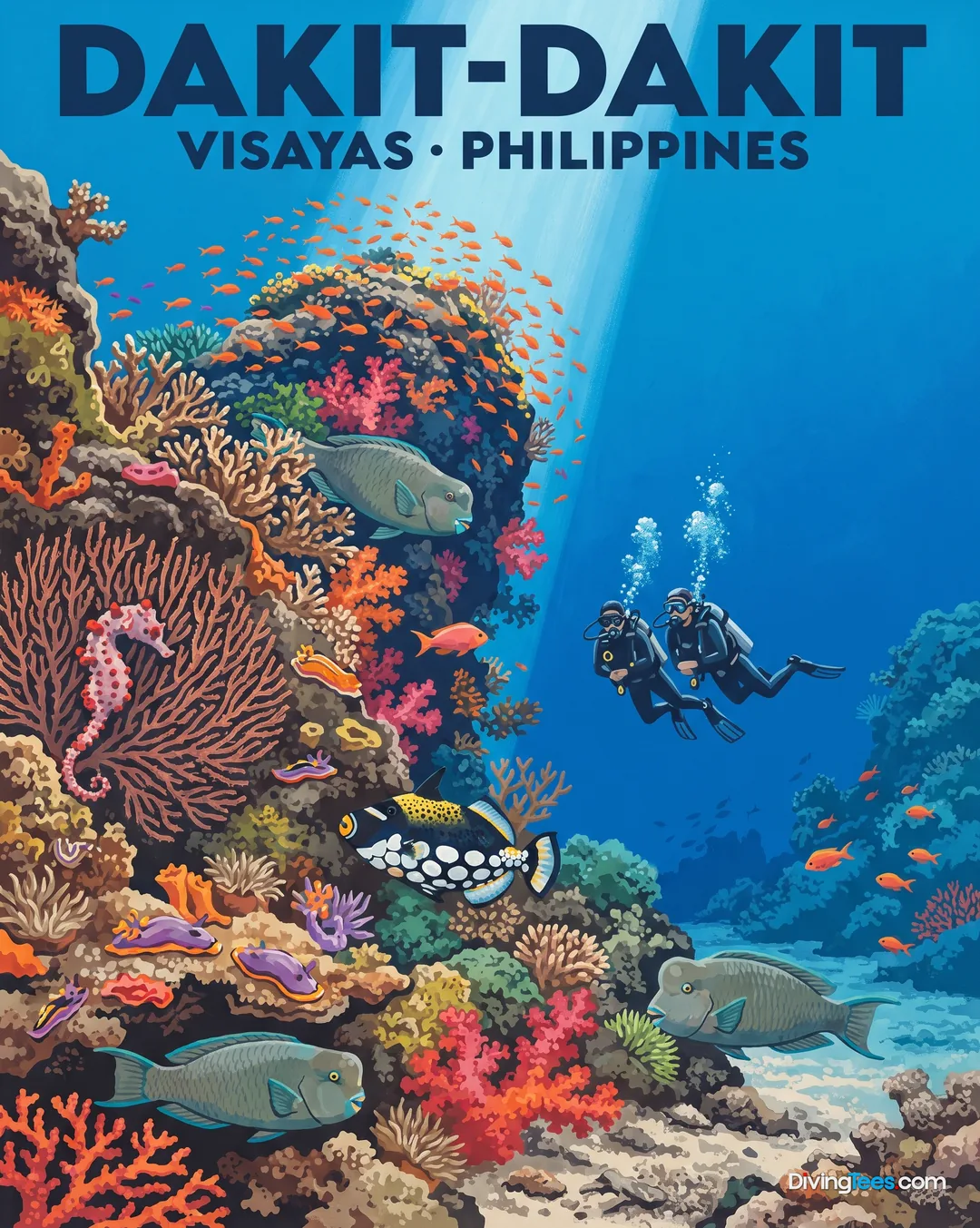
Dakit-Dakit →
Max. depth · 12 m
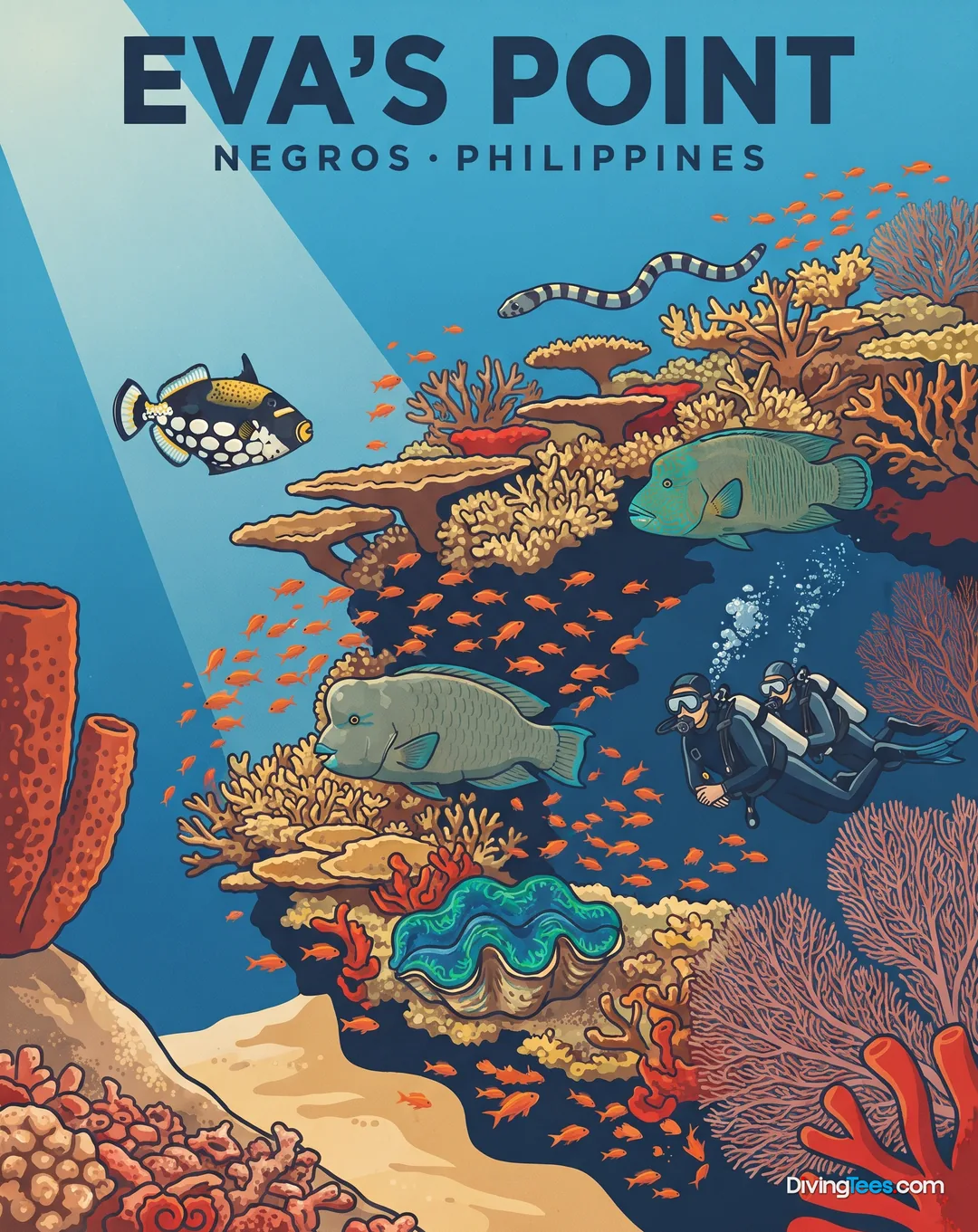
Eva’s Point →
Max. depth · 32 m
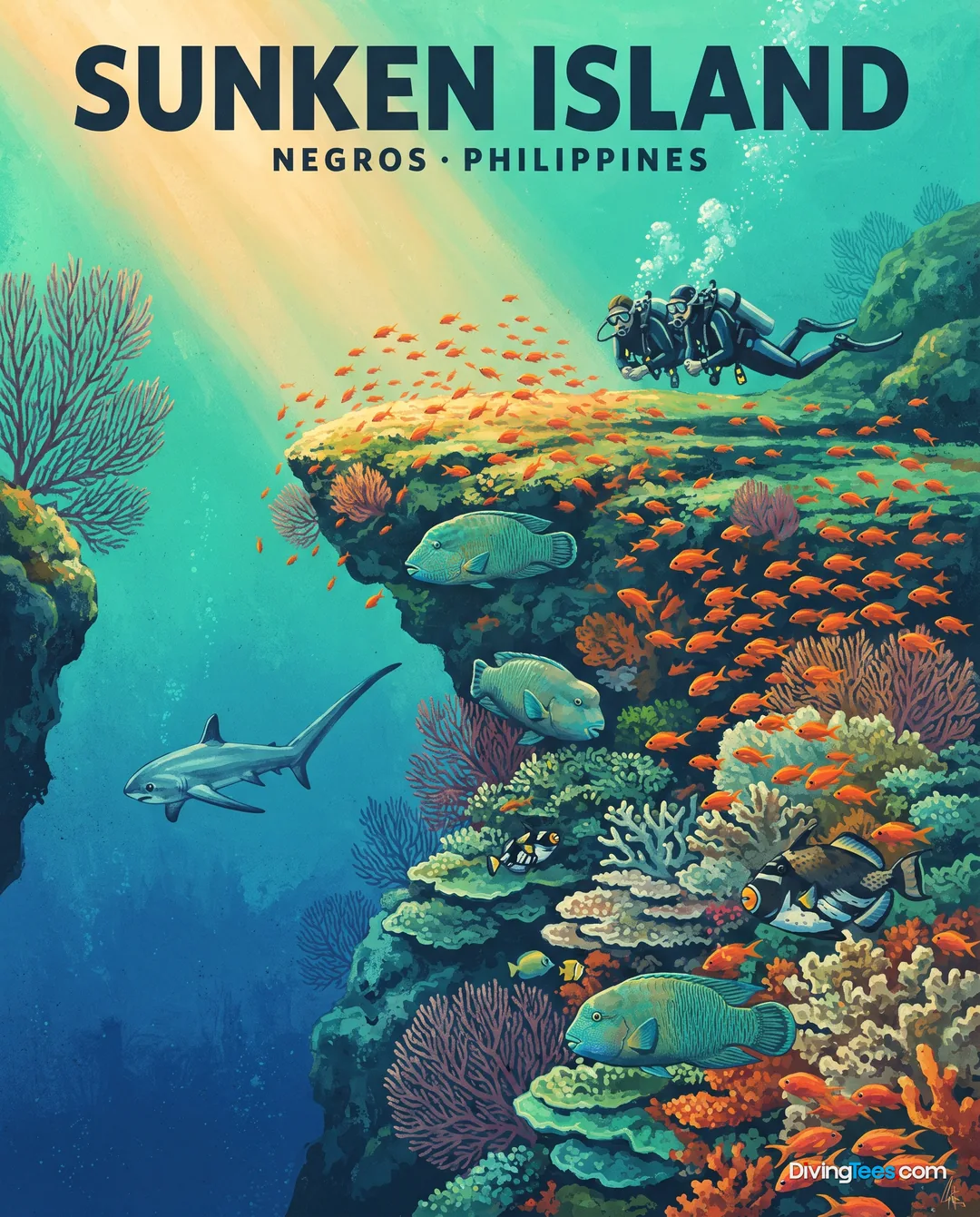
Sunken Island →
Max. depth · 30 m
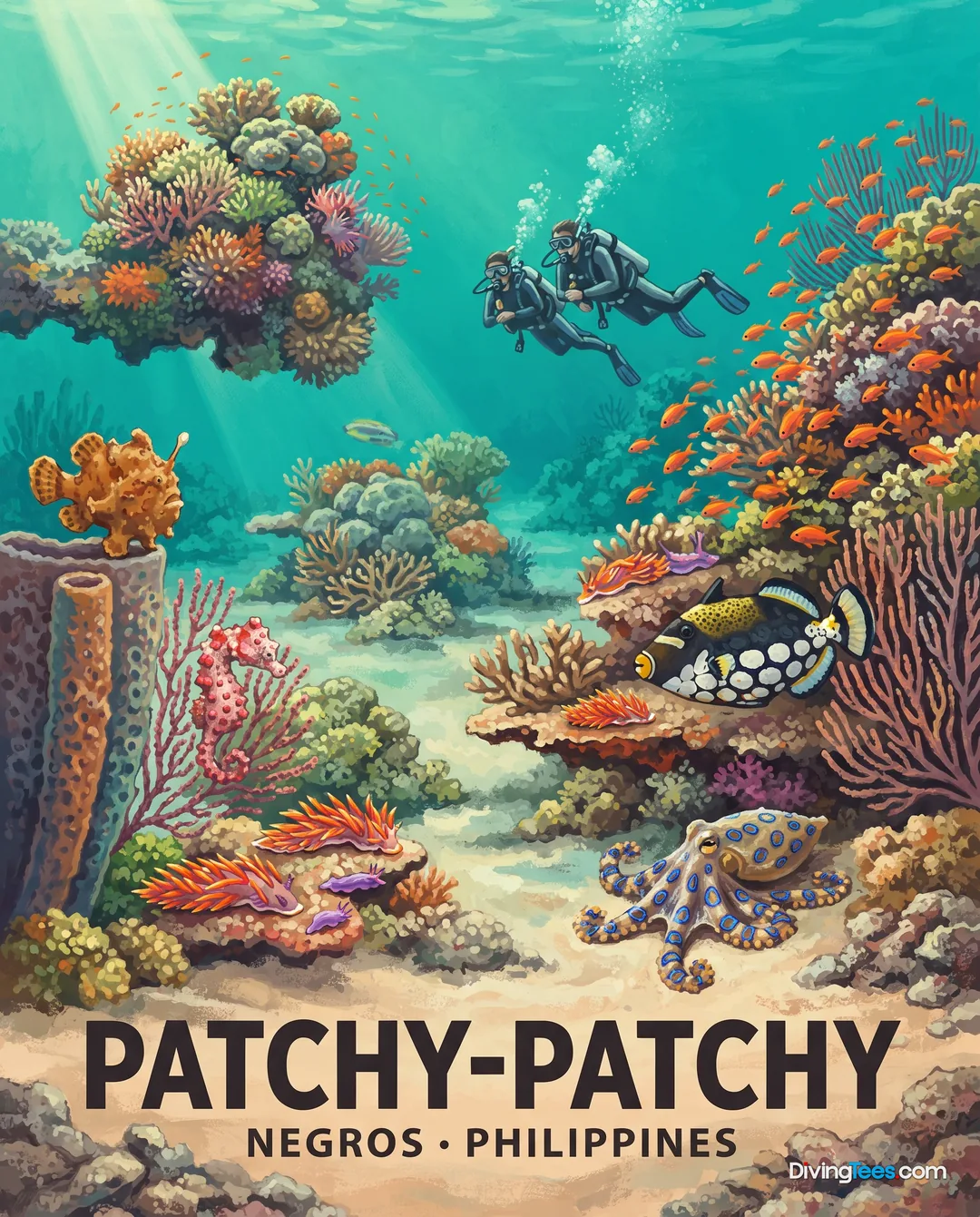
Patchy-patchy →
Itineraries, dates and prices
Prices per person. Each month shows its lowest price: click a month, or pick an itinerary.
Next departures · 42 departuresfrom £2,241$2,996€2,677
December 2026
January 2027
See dates and prices
If you click these links and make a purchase on the partner site, DivingDeal may earn a commission, at no extra cost to you.
Dates and prices taken from Divebooker and liveaboard.com, updated 26 October 2026
What you’ll meet underwater
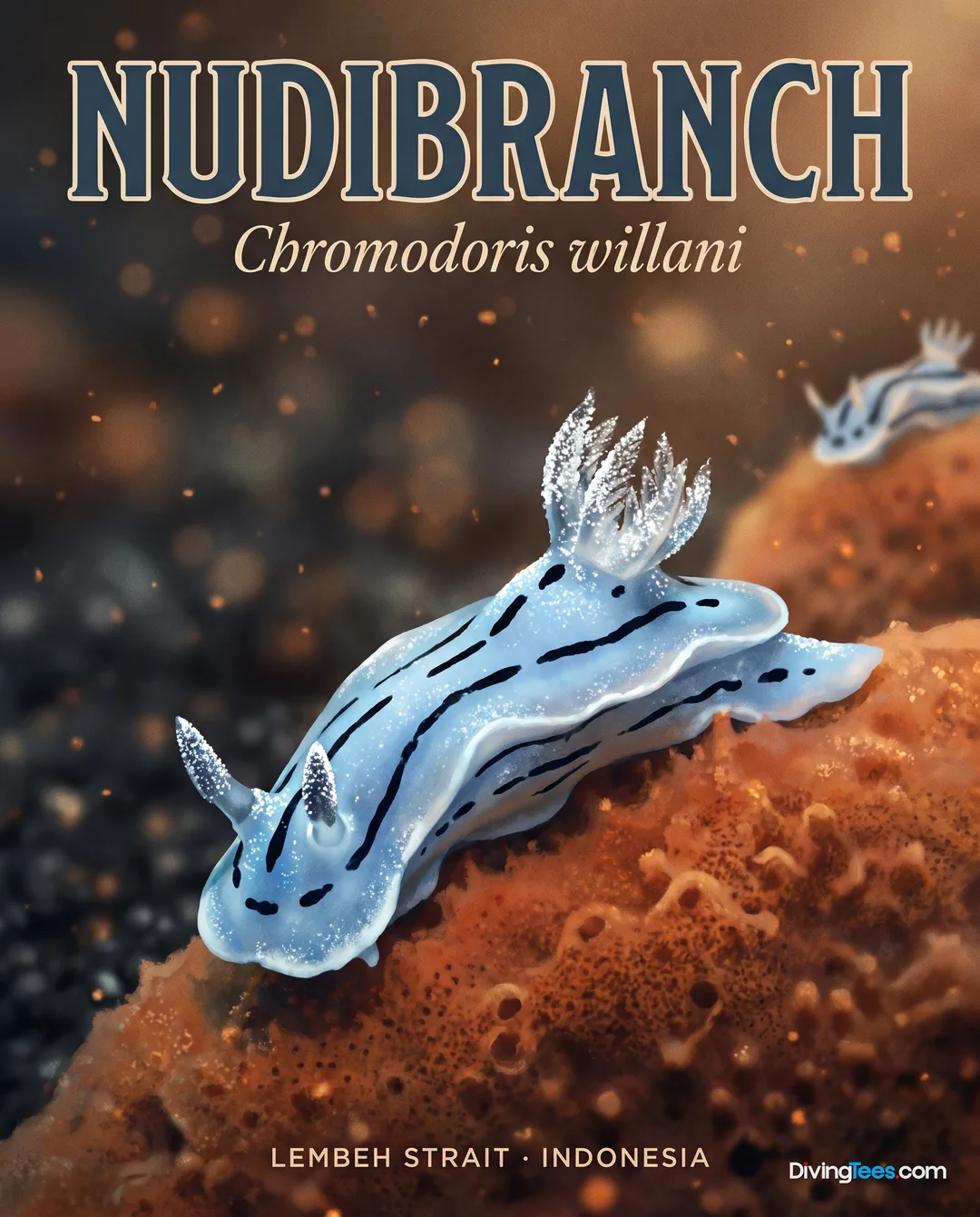
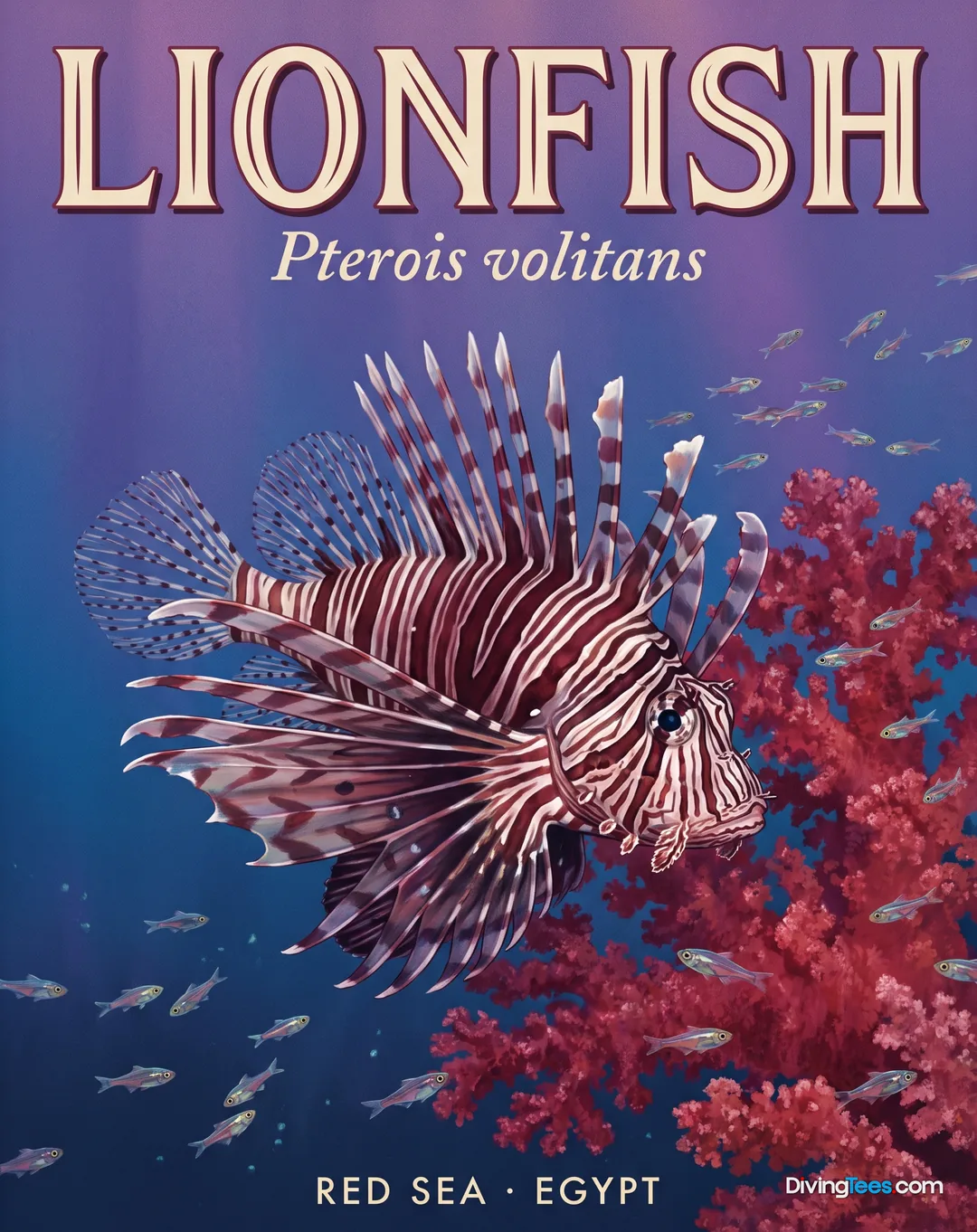
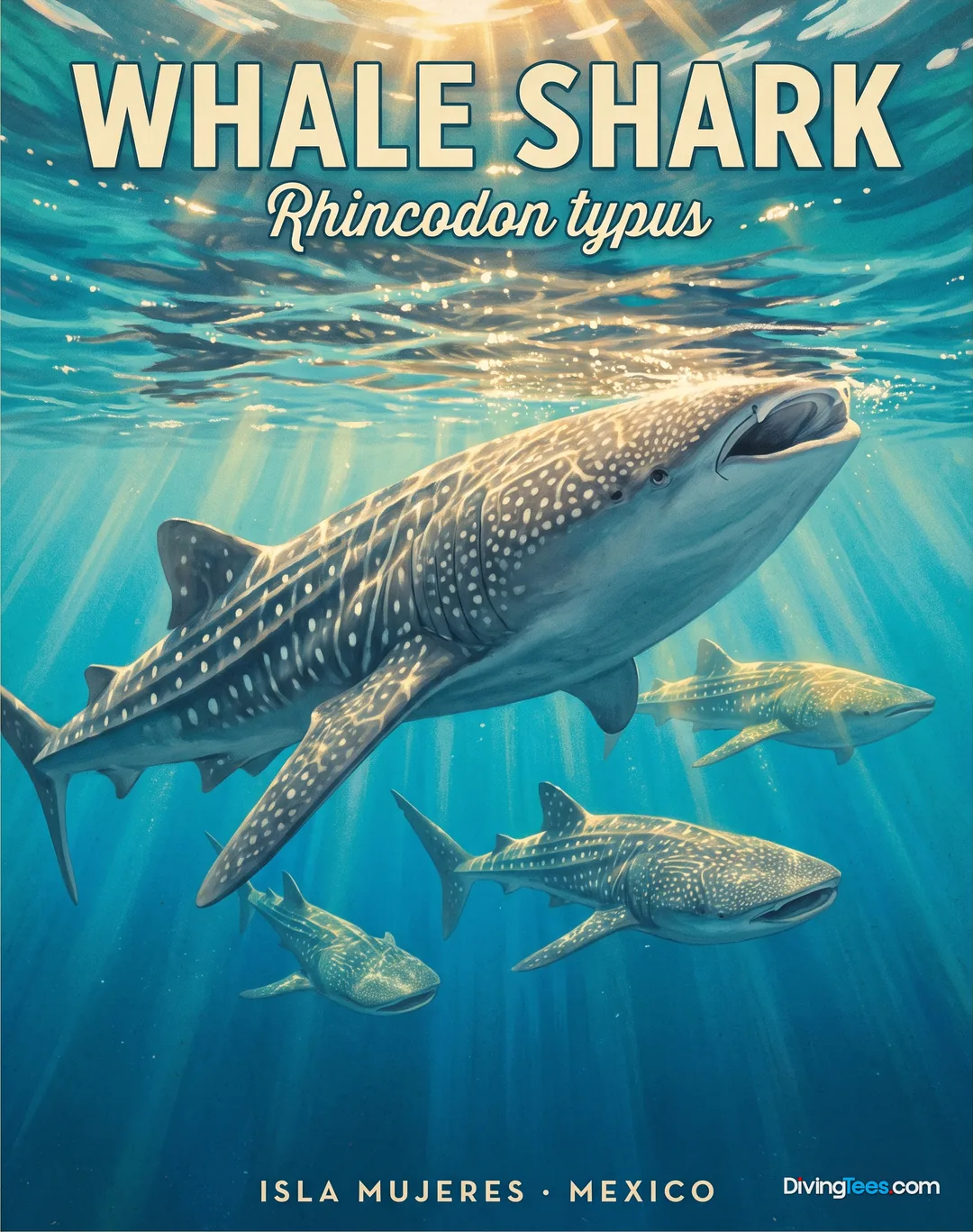
Across the route, the smaller animals are as important as the sharks. Nudibranchs occur at nine listed sites; lionfish, frogfish, seahorses, scorpionfish, pipefish and soft corals recur through the Dauin and Malapascua sections. That makes the black-sand dives a test of observation rather than a hunt for one headline animal. The larger encounters have precise addresses. Monad Shoal is the place for thresher sharks at cleaning stations, with tunas, gobies and mobulas also recorded there. Kimud Shoal is where a hammerhead may join the thresher-shark encounter. Apo Island adds garden eels and a reef shark to its protected coral setting. At Dakit-Dakit, the list includes a whale shark and moray eel; at House Reef, a squid is the site-specific possibility. Dona Marilyn holds glassfish around the wreck, Lapus Lapus has anemones, and Patchy-patchy is the route’s recorded site for black coral. None of these sightings is automatic. The point is that each site gives the search a different reason.
Who puts you in the water
The stated guide-to-diver ratio is 1:6, matching the boat’s maximum guest capacity rather than promising several small teams on every departure. The crew speaks English and Filipino. Guests need at least 30 logged dives and an Open Water Diver certification or equivalent, so the boat is not aimed at a first-ever dive holiday; divers should be comfortable preparing their own equipment and following a liveaboard briefing. The route includes sites where currents, pelagic encounters and wreck structure reward attention to the briefing rather than a rushed descent. Full boat safety equipment is carried, including an oxygen kit, first-aid kit, life rafts, life vests, fire and bilge alarms, EPIRB, SART, AIS, radar and marine VHF. The crew puts the group in the water from the tender, while the guide ratio keeps the operation small enough for briefings to remain specific to the site and conditions.
The dive deck and the gear
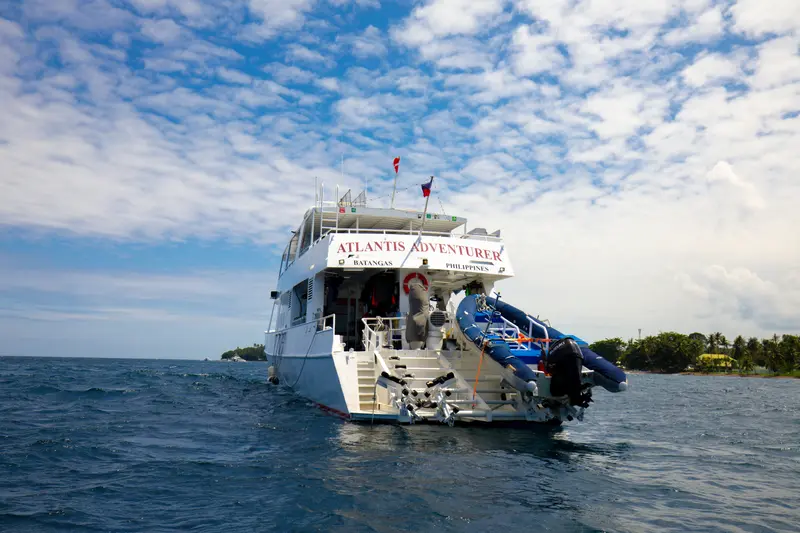
The dive operation is built around a dedicated dive deck and a 5 m tender with an 85 hp outboard. Divers enter and exit the water through the tender rather than relying only on the yacht’s hull, allowing the boat to work sites where the tender can position the group over the dive point. The equipment inventory includes ten 12-litre aluminium tanks and two 15-litre aluminium tanks. DIN adaptors are carried. Air is produced by a Coltri MCH-16 compressor, while nitrox comes from a Nuvair EANx membrane system; nitrox is available at extra cost. Rental gear is also an extra, and the boat lists full sets, regulators, BCDs, wetsuits, masks, fins and torches among the rental options. Separate rinse tanks are provided for underwater cameras, which is the detail photographers notice first after a sandy muck dive. Technical diving is not supported.
Between dives
Between dives, guests can move from the air-conditioned indoor saloon to the open-air saloon or sun deck instead of being confined to one lounge. That matters on a small boat: six guests can spread out, find shade, or sit forward with a book while the crew prepares the next activity. The yacht is also set up for more than diving, with fishing, massage and water activities available on the charter experience. A quiet crossing can be used for island views and conversation; an afternoon with fewer dives has room for the boat itself to become the destination. Wi-Fi is available for a surcharge, but the better use of a surface interval is often a camera rinse, a drink and a place in the breeze. Scheduled voyages keep the pace deliberately below three dives a day, leaving genuine gaps rather than merely renaming transit time as leisure.
A day on board
A day starts with the boat already arranged around the next dive rather than around a fixed resort timetable. The briefing comes before the group moves to the tender, and the first water entry gives way to a surface interval, food and time to dry out before the next site. On this itinerary, three dives a day is the maximum and two is common, so the gaps are large enough for a proper meal, a camera rinse, a nap or a look at the coastline while the yacht moves. The route can place a protected reef, black-sand slope, shoal or wreck in the day’s sequence, with the crossing connecting the sites instead of being hidden behind a night passage. Meals punctuate the operation without forcing every guest into the same pace. By evening, the diving is done, the tender is secured and the group can eat, talk through the encounters or leave the saloon quiet before sleep.
What you eat aboard
Meals cover both Western and local food, served buffet-style, with dietary restrictions accommodated when arranged. The kitchen also provides snacks between meals, so a diver does not have to wait for the next formal sitting after coming back from the water. Standard non-alcoholic drinks, coffee and tea are part of the full-board routine; alcoholic drinks and spirits are available separately. The useful feature of buffet service on a small charter is flexibility: guests can eat without turning every surface interval into a fixed appointment. A local dish can sit beside familiar food, which suits a group where not everyone has the same appetite after a dive. The table is therefore part of the diving day, not a restaurant interlude—food appears around the water work, gives people time to talk through what they saw, and gets them ready for the next entry.
Nights at sea
The four cabins are air-conditioned and en suite, so the practical work of showering, drying off and getting ready stays private. The two Comfort Cabins are single rooms on the lower deck, each with a single bed, storage and workspace; they suit solo guests who do not want to share a bunk. The Deluxe Suite occupies the bow, with windows on both sides, a skylight, double bed and a desk. The full-beam Premium Suite gives the most room, with a queen natural-latex mattress, sofa seating, a work area, panoramic window and rain shower. Natural light-toned wood and cream carpet make the rooms feel more like a small yacht than a basic dive boat. At night, the combination of stabilisation, quiet generators and individually controlled air-conditioning matters more than decoration. It is what lets a diver sleep properly before the next water entry.
Comfort Cabin
Deluxe Suite
Premium Suite
What to know before boarding
The Sharks & Shoals voyage embarks and disembarks at either Dauin or Malapascua, depending on the direction booked. Arrange transport to the relevant port separately and allow extra time for the approach to the dock. Arriving the night before is the sensible choice, especially when the trip begins in Malapascua or Dauin after a domestic connection. The reverse itinerary follows the same route in the opposite direction.
- Year built
- 2008
- Year renovated
- 2026
- Length
- 23.8 m
- Beam
- 5.5 m
- Maximum number of passengers
- 6
- Number of cabins
- 4
- Engines
- 2 × Volvo Penta D6 480 hp
- Tenders
- 1 × 5 m with an 85 hp outboard engine
- Website
- philippines-explorer.com ↗
Hello, I'm Marina, DivingDeal.com's AI assistant. I answer in detail about hotels, dive centres and liveaboards.
Thinking about the whole trip and the flights? Talk it over with Edith →
Marina is an AI. Some links are affiliate links: DivingDeal may earn a commission, at no extra cost to you. Bookings are made with the partner.