


Cebu Fun Divers
Google 4.9/5 (481 reviews)
2.8 km away as the crow flies
Moalboal · Philippines · Asia
Max. depth · 40 mA diverse wall dive featuring a 140-metre cave system and occasional whale shark encounters.
For subtitles in English: start the video firstthen click the gearat the top right of the video, select “Subtitles/CC”, then “Auto-translate” and choose “English”.
The topography of Kasai Wall offers a progressive descent that transitions from a shallow reef plateau into a vertical drop. Starting in the upper sections, you will navigate through coral gardens that provide a complex habitat for smaller reef residents. As you move further along the site, the terrain shifts into a steep slope before becoming a true vertical wall. This transition is central to the dive profile, allowing for a variety of experiences within a single descent. The structure is defined by its intricate crannies and crevices that host diverse marine life.
One of the most distinctive features of this site is the Kasai Cave, located at the foot of the wall. This cave system extends for approximately 140 metres along the base of the drop. Access to the cave is found through a fissure at the bottom of the wall, offering a different perspective of the marine environment. While the cave provides a significant point of interest for those with the appropriate training, the main wall remains the primary focus for most profiles. The presence of this cave system adds a layer of complexity to the site's geography.
Current management is a key part of the experience at Kasai Wall, as the site is frequently dived as a drift dive. Depending on the local tides and conditions, the current can pick up significantly as you move along the wall. Rather than fighting the movement, the standard practice is to follow the flow, allowing the current to carry you along the topography. This drift often makes the dive feel more dynamic, especially when navigating the transition from the plateau to the deeper sections. Being aware of your position relative to the wall is essential during these periods.
The verticality of the wall, reaching depths of around 40 metres, creates various ecological zones. The shallower sections are rich in coral and serve as a home for many resident species. As you descend, the light changes and the structure becomes more defined by overhangs and cracks. These deep crevices are ideal spots for finding larger predators or creatures that prefer shaded environments. The depth range allows for both recreational profiles and more controlled, deeper explorations for those with the necessary experience.
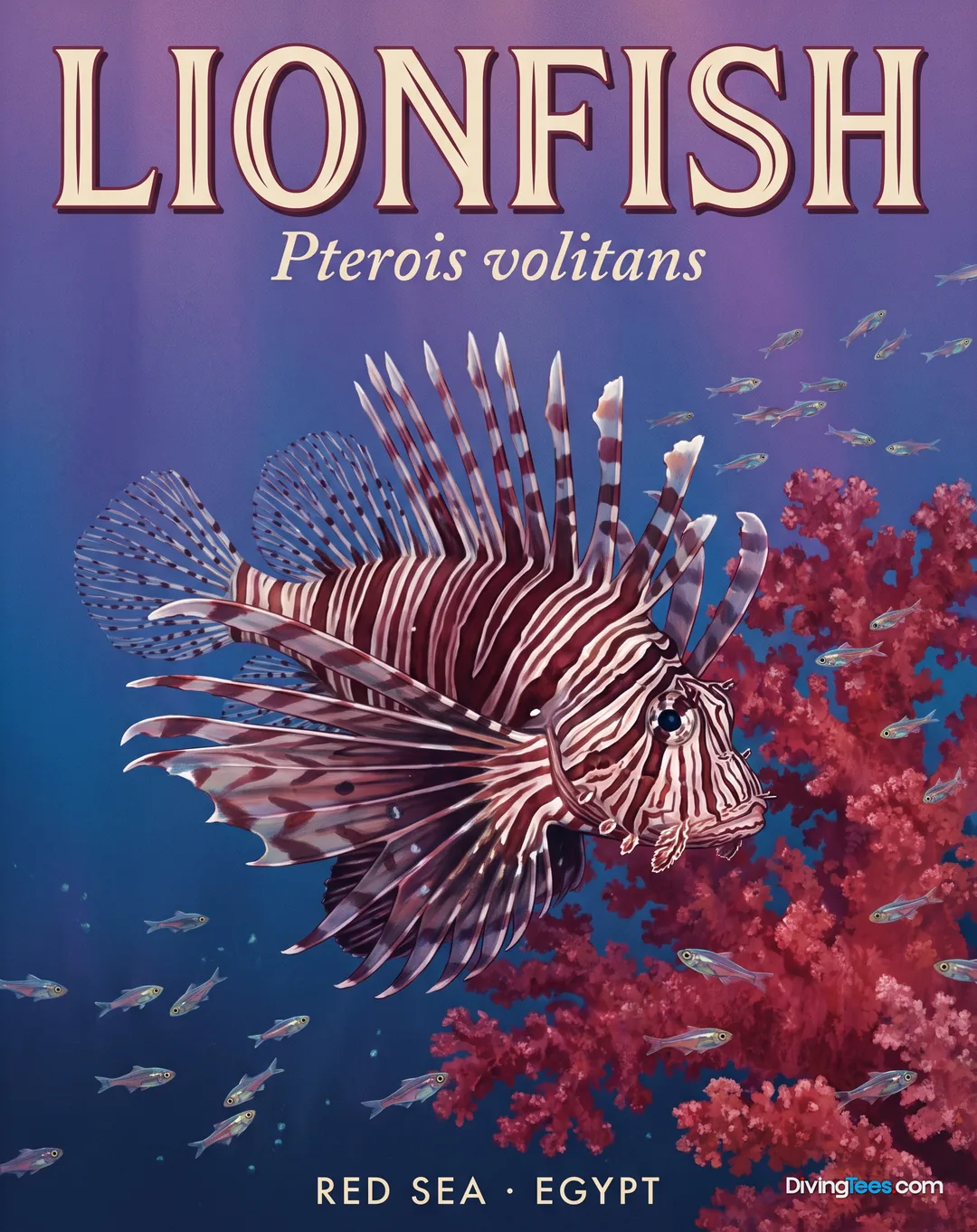
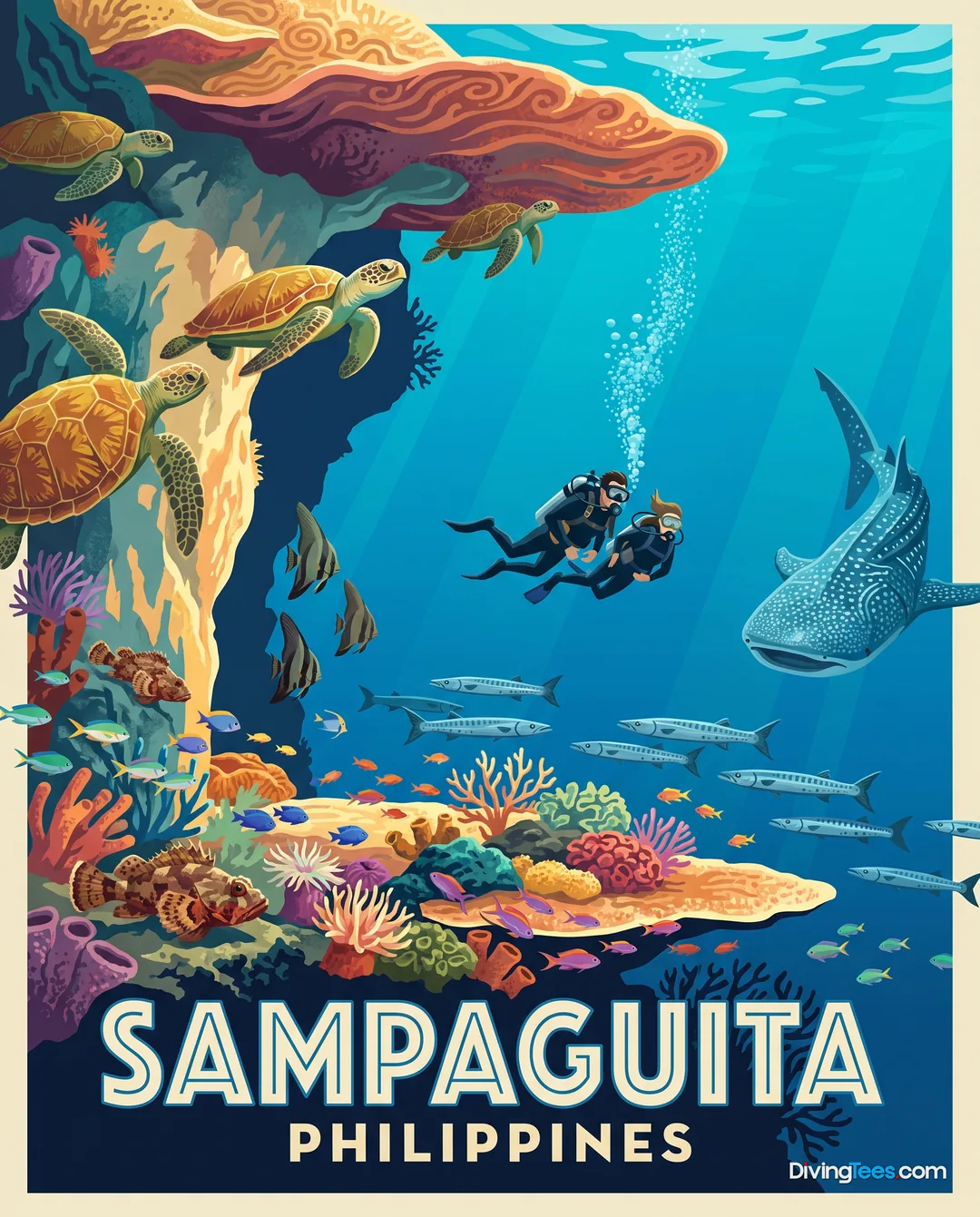
Marine life at Kasai Wall is widespread across the different depth zones. You will encounter various species such as lionfish, moray eels, and scorpionfish hiding within the reef's structure. Smaller organisms like nudibranchs, anemonefish, and anthias are common in the shallower coral gardens. Larger residents, including clown triggerfish and sea turtles, can often be spotted moving along the wall. The diversity of the habitat, from the sunlit plateau to the shadowed cracks of the wall, supports this range of fauna.
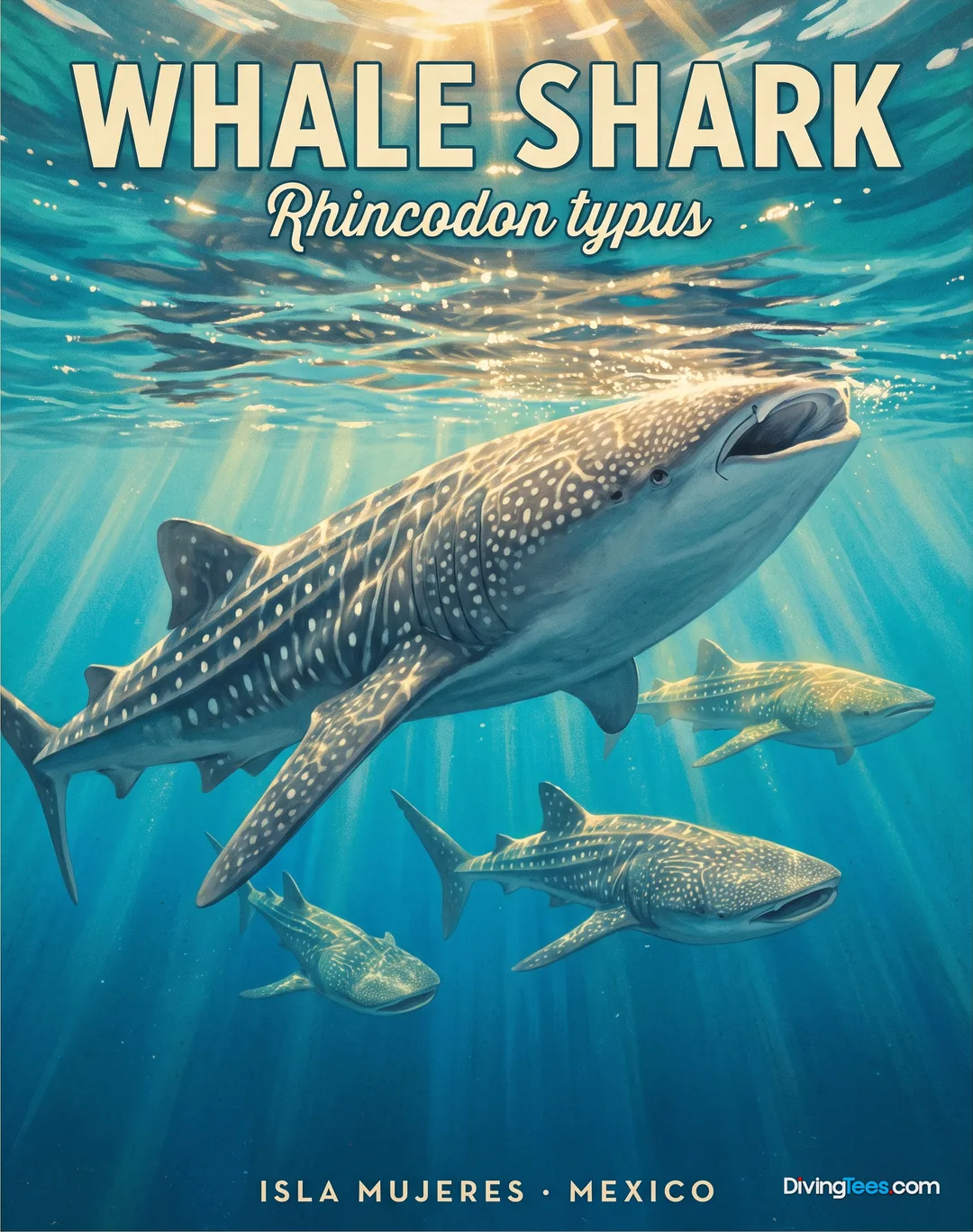
For those looking toward the blue, the site offers the potential for larger pelagic encounters. While not a guaranteed occurrence, sightings of whale sharks are documented at this location. These encounters are occasional and depend entirely on the movement of the animals through the area. When present, they are often seen near the wall or in the water column above. This possibility adds an element of anticipation to the dive, though it should be treated as a chance encounter rather than a scheduled event.
The site is highly accessible due to its location near Moalboal. It can be reached via a short boat ride from Panagsama, typically taking around five minutes. Alternatively, the site is accessible directly from the shore in front of the Kasai Village area. This dual accessibility makes it a convenient location for both boat-based and shore-based diving operations. Whether you enter via the fissure or follow the slope, the site provides a consistent structure for exploration.
The site has a depth range from 5 to 40 metres. It is accessible to Open Water Divers, though experience with drift diving is highly recommended. The current is variable and often requires a drift dive approach. Visibility typically ranges between 15 and 18 metres.
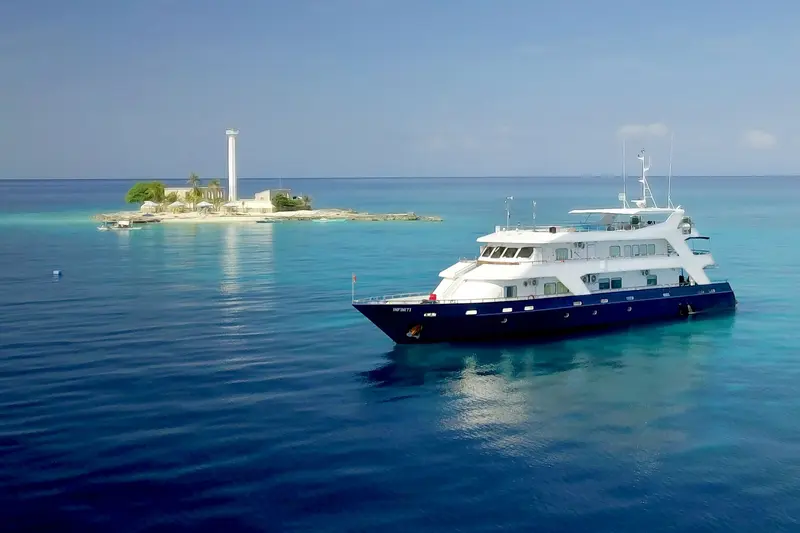
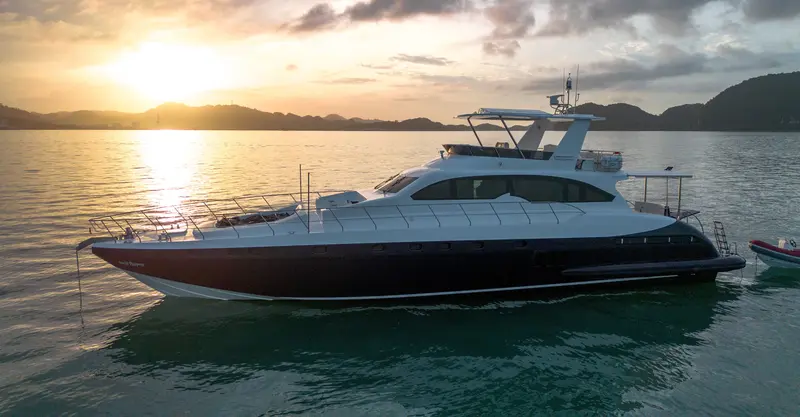
4 liveaboards run trips to Moalboal.
Kasai Wall is accessible to Open Water Divers, allowing you to explore its shallow reef plateau and wall. Experience with drift diving is highly recommended because the site is frequently dived as a drift dive. Access to the cave requires appropriate training, while the main wall suits most recreational profiles.
At Kasai Wall, you can descend from shallow coral gardens through a sloping section to a vertical wall reaching forty metres. The depth range supports recreational profiles as well as more controlled deeper explorations for divers with the necessary experience. The cave lies at the foot of the wall.
You should expect variable current at Kasai Wall, with movement that can increase along the wall depending on local tides and conditions. The site is often approached as a drift dive, so you follow the flow rather than fight it. Staying aware of your position relative to the wall is essential.
At Kasai Wall, you may see coral gardens, lionfish, moray eels, scorpionfish, nudibranchs, anemonefish, anthias, clown triggerfish, and sea turtles. The wall’s crannies, crevices, overhangs, and shaded areas support varied marine life. Whale shark sightings are occasional and depend on animals moving through the area.