

Cebu Fun Divers
Google 4.9/5 (481 reviews)
6 km away as the crow flies
Moalboal · Philippines · Asia
Max. depth · 55 mA massive wall of gorgonian sea fans provides a complex habitat for macro life and larger pelagics.
For subtitles in English: start the video firstthen click the gearat the top right of the video, select “Subtitles/CC”, then “Auto-translate” and choose “English”.
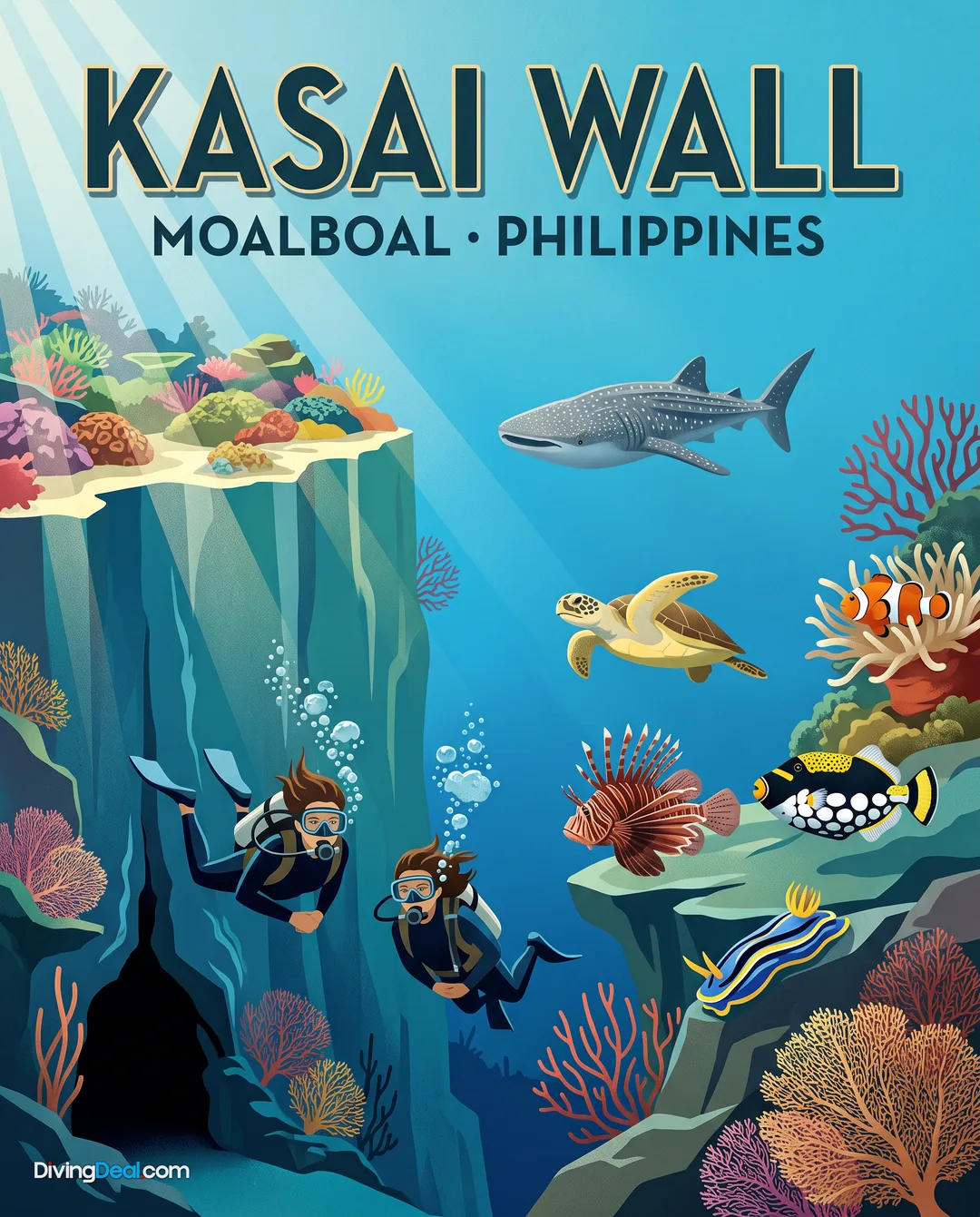
Ronda Bay, also known as the Saavedra Marine Sanctuary, offers a distinct topographical profile compared to the shallow sardine runs closer to the Moalboal shore. Your dive begins on a gently sloping coral reef that descends towards a primary depth of 18 to 23 metres. At this transition point, the seabed shifts abruptly into a steep, vertical wall. This wall continues its descent significantly, reaching depths of 45 to 55 metres, providing a large vertical playground for both reef and pelagic species.
The defining feature of this sanctuary is the density of its gorgonian sea fans. You will encounter a concentrated area along the wall where roughly one hundred large gorgonians thrive, creating a complex, three-dimensional structure. These fans are interspersed with hard and soft corals, rocky outcrops, and various crevices. This architecture creates a high-density habitat that supports a vast range of marine life, making the site a centerpiece for both reef enthusiasts and macro photographers.
The topography of the sanctuary is not limited to the main wall. In the broader Ronda Bay area, the underwater landscape includes smaller caverns and narrow swim-throughs. These features provide sheltered pockets within the reef, often serving as refuge for smaller organisms. For divers navigating the wall, these topographical breaks offer a chance to transition from wide-angle scenery to more intimate, close-up observations of the reef structure.
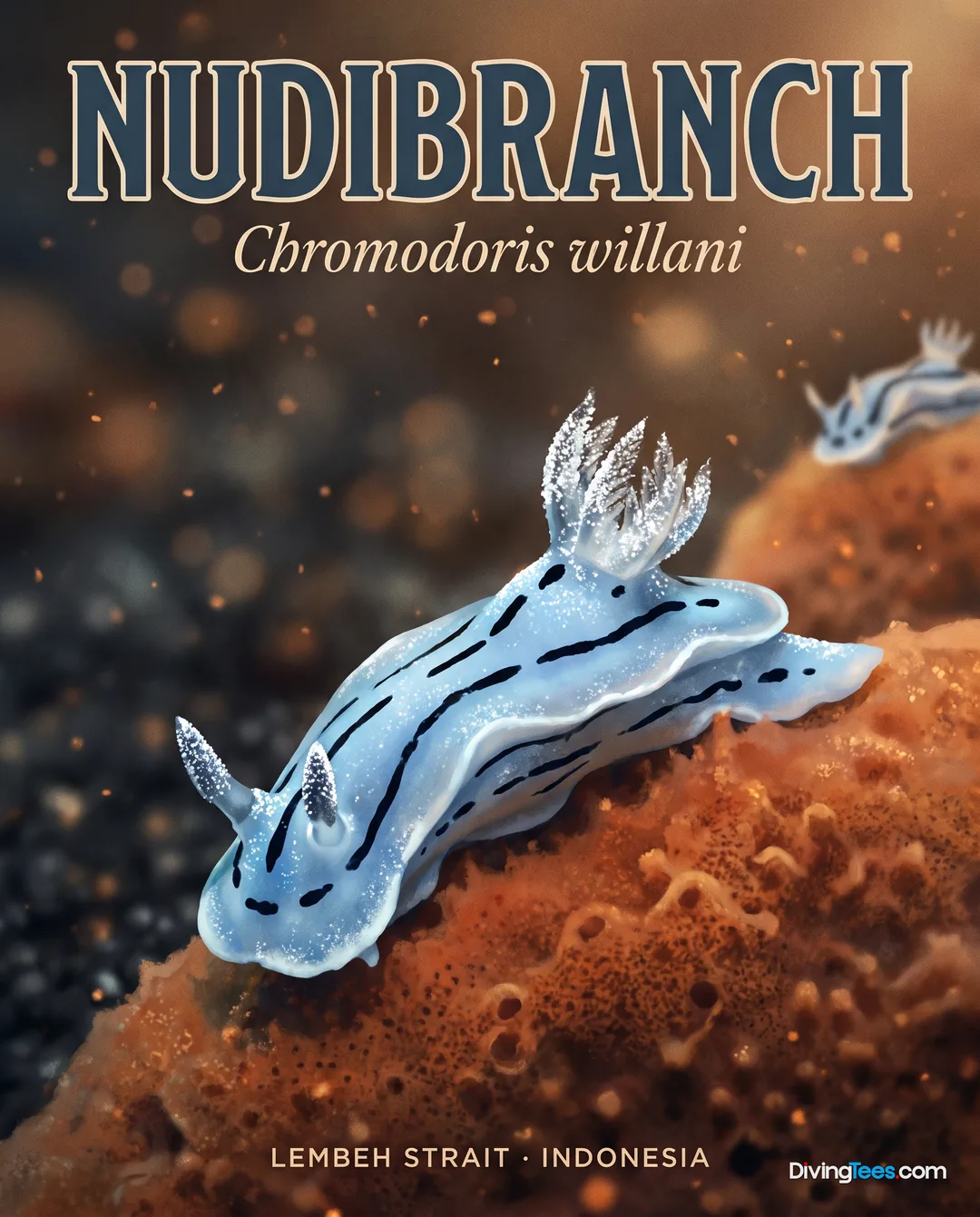
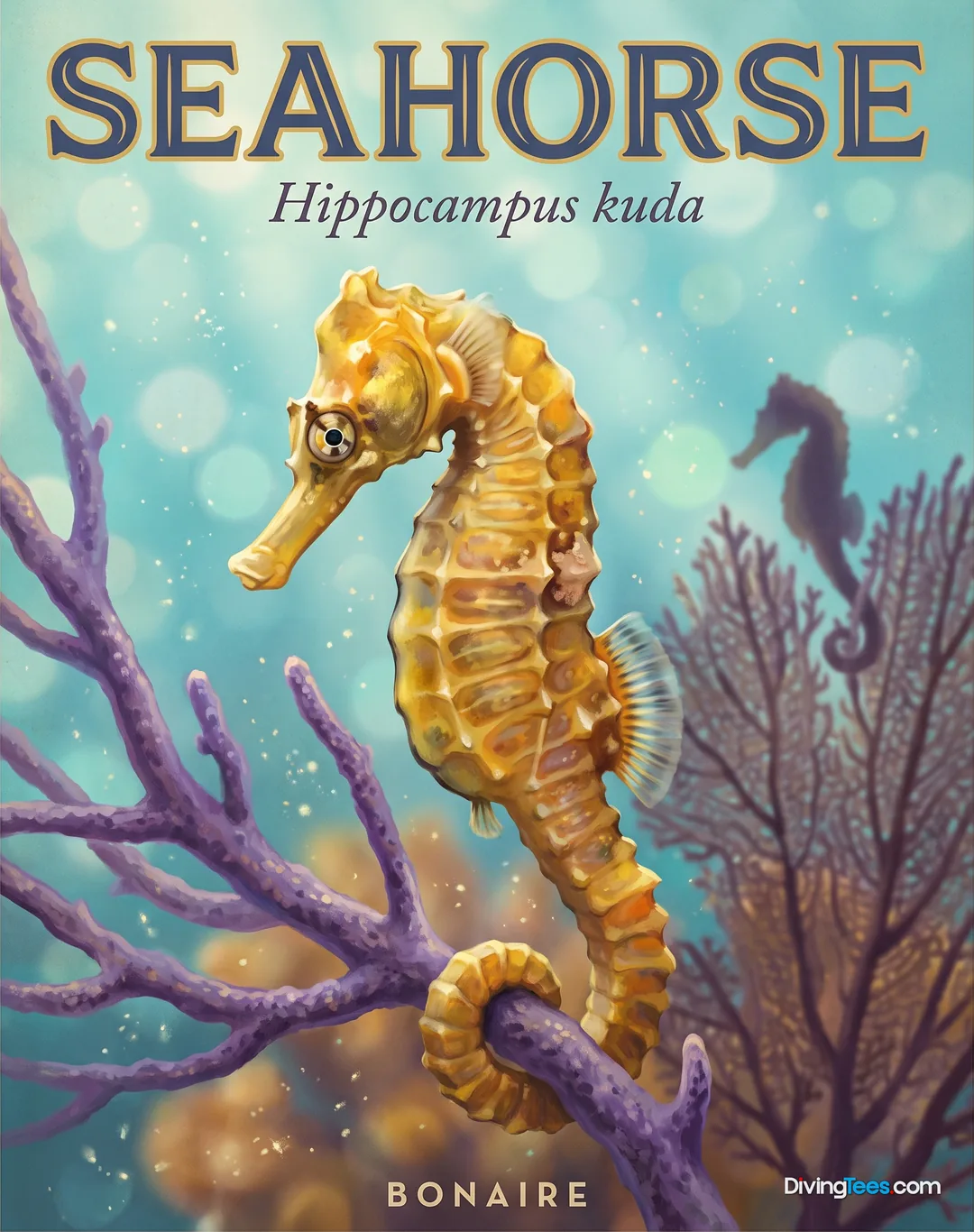
Macro life is highly prevalent in the intricate crevices and rocky outcrops that line the descent. You can find specialized organisms like the ghost pipefish or the leaf scorpionfish tucked into the reef's architecture. Pygmy seahorses and various nudibranchs are also documented in these small, protected habitats. For those focused on small-scale photography, the presence of the frogfish and the sheer variety of nudibranchs makes the reef crevices a primary focus.
The site's depth profile also attracts larger, more mobile species. You may observe blacktip reef sharks patrolling the outer edges of the reef or spotted eagle rays cruising through the water column. Green sea turtles are a regular presence around the reef slopes. The presence of these larger animals, combined with the intricate details of the gorgonian fans, provides a vertical scale that is rare in shallower reef environments.
The experience of the site is heavily influenced by the tidal movement. The current is generally suitable for drift diving, often sweeping along the outer reef wall. This movement is driven by tidal cycles, and while the site is often calm, the current can become notable on the outer reef during these transitions. Planning your dive to coincide with these movements can improve your ability to observe the larger species patrolling the wall.
Because the site is a marine sanctuary, the biological density is notably high. The combination of the deep wall, the sheer number of gorgonian fans, and the variety of micro-habitats allows for a dual experience. You can move from observing large-scale reef scenery to finding tiny, specialized species like the pygmy seahorse within the same dive profile. This duality is what makes the sanctuary a standout location in the Moalboal region.
Depth ranges from 5 to 55 metres. The site is accessible from Open Water Diver level, but the deeper sections of the wall require appropriate depth certification and experience. Current is variable, often used for drift diving along the outer reef wall depending on the tides.
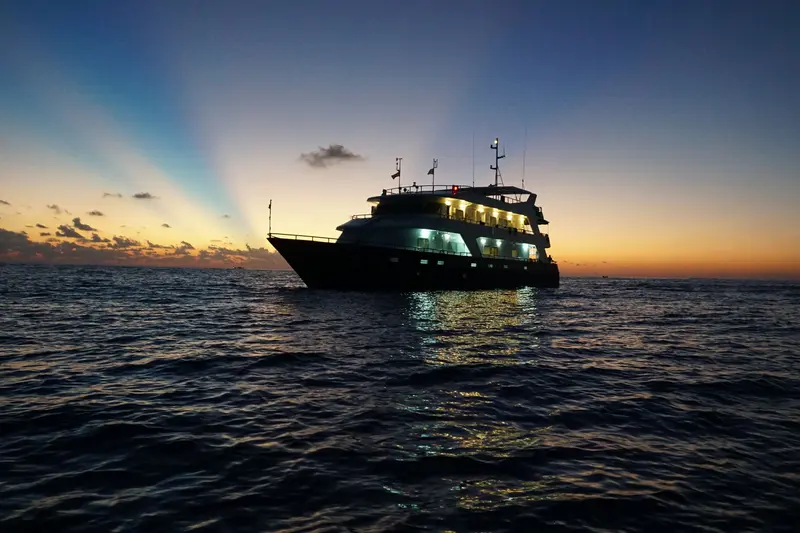
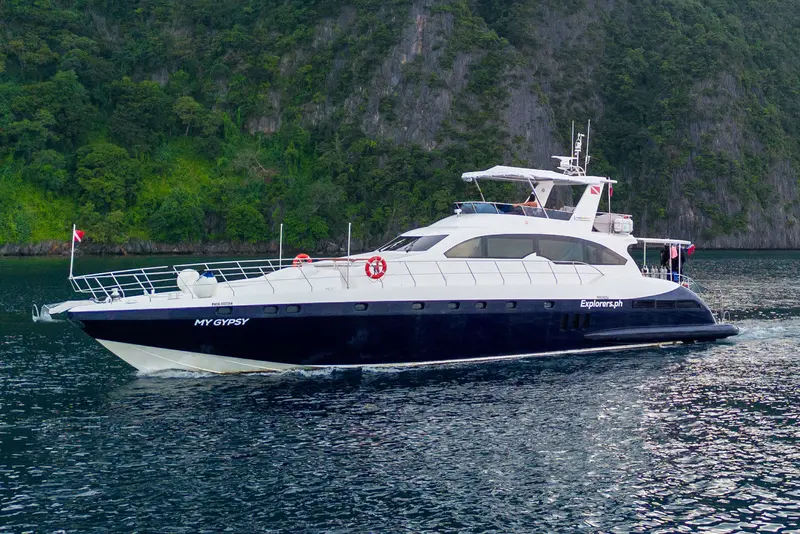
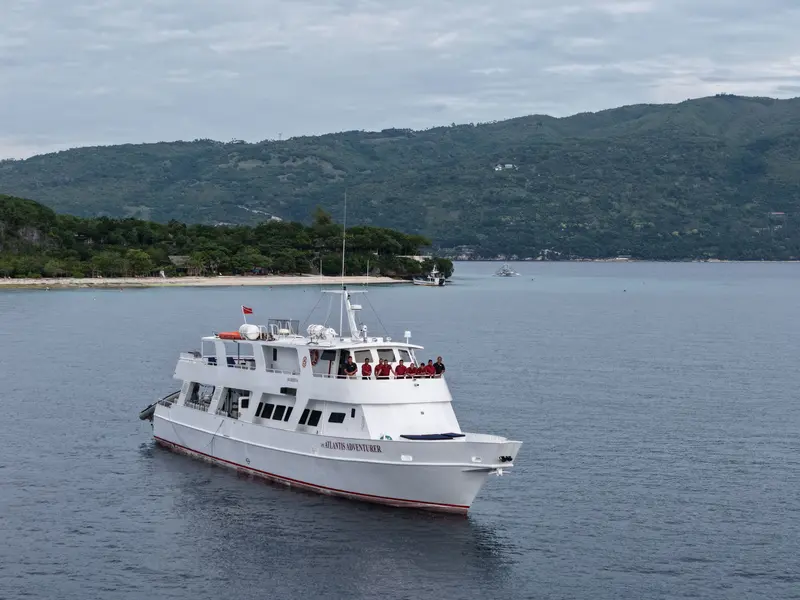
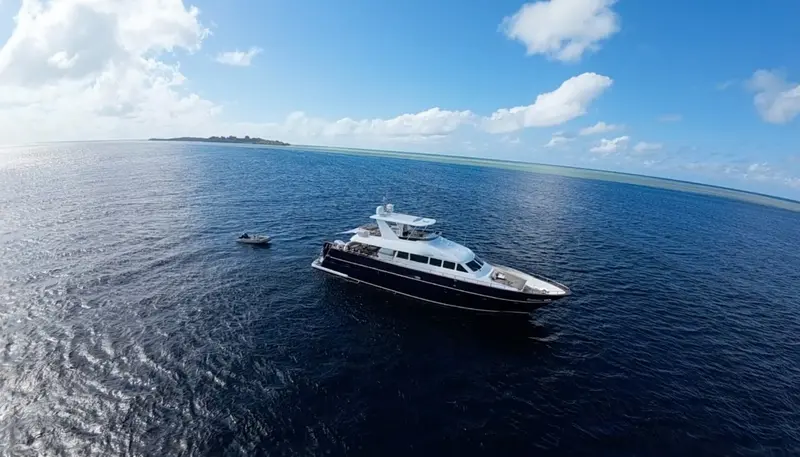
4 liveaboards run trips to Moalboal.
Ronda Bay is accessible to Open Water Divers, allowing you to explore the gently sloping reef and shallower sections. The wall descends much deeper, so you need appropriate depth certification and experience to visit those deeper areas. Your training and experience should match the section of the site you plan to dive.
Ronda Bay ranges from 5 to 55 metres. You begin on a gently sloping coral reef that reaches a primary depth of 18 to 23 metres before dropping into a steep vertical wall. The wall continues down to 45 to 55 metres, giving you options across different depth profiles.
At Ronda Bay, the current is variable and influenced by the tides. It is often suitable for drift diving along the outer reef wall, although the current can become notable during tidal transitions. The site is often calm, and planning your dive around tidal movement can help you follow the wall.
At Ronda Bay, you can see dense gorgonian sea fans, hard and soft corals, rocky crevices, caverns, and narrow swim-throughs. Look for ghost pipefish, leaf scorpionfish, pygmy seahorses, nudibranchs, and frogfish, while blacktip reef sharks, spotted eagle rays, and green sea turtles may appear around the reef.