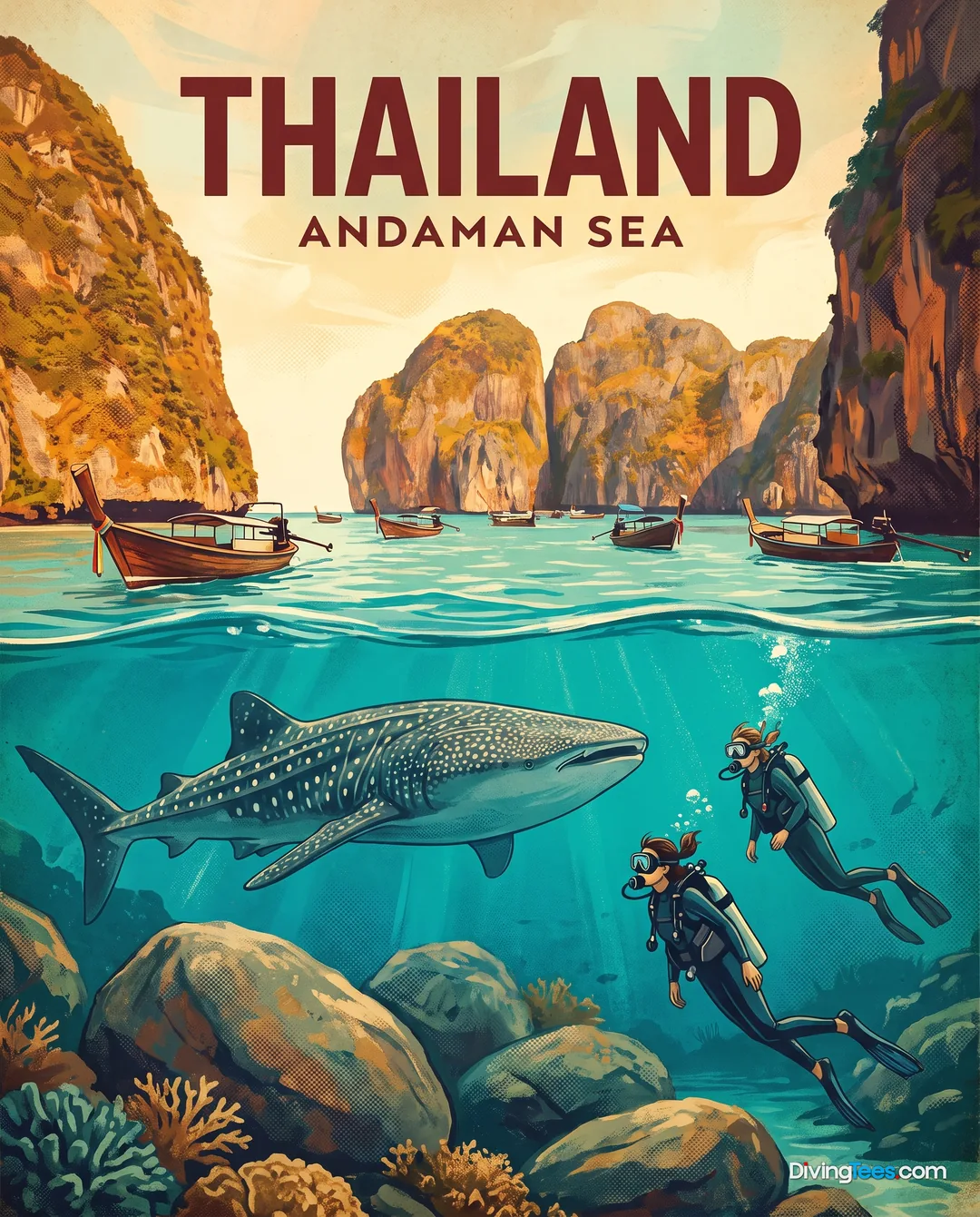
Liveaboards · Thailand
Krishna 3 — A new, practical Andaman liveaboard built around diving
What makes this boat unique
- Built in 2025, Krishna 3 carries up to 24 passengers in ensuite, air-conditioned cabins.
- The dive setup supports DIN adapters, nitrox, technical diving, sidemount and rebreathers.
- Recorded programs include 5-day/4-night Lipe trips and South Andaman departures from Phuket.
- The boat offers flexible itineraries, night dives, full-board meals and local and international crew.
The invitation
Krishna 3 makes sense for divers who want a recent boat, a proper dive platform and enough flexibility to follow the conditions rather than force a fixed itinerary. It is not being sold on nostalgia or polished design details. The attraction is simpler: ensuite cabins throughout, a complete diving setup and routes that reach the Andaman sites around Phuket and Lipe. The boat is especially suited to divers bringing specialised equipment, since nitrox, DIN adapters, technical diving, sidemount and rebreathers are supported. Non-divers and snorkellers can also come aboard, but diving is clearly the centre of the trip. Choose Krishna 3 when the priority is clean, comfortable liveaboard diving with a crew whose helpfulness is one of the strongest parts of the experience.
Boarding
Krishna 3 is a new boat, and that shows in the way the trip is organised rather than through any claim of old-boat character. The layout is made for multi-day diving: a shaded dive area, a dedicated platform, tenders for transfers and separate camera rinsing. Inside, the air-conditioned saloon gives the group somewhere cool to regroup after a dive, while the terrace and observation deck open the boat back to the sea. With 24 guests at full capacity, it is large enough to carry a substantial dive operation but still small enough for the crew to remain present in the daily routine. The impression is clean and functional. Krishna 3 is built to get divers fed, rested and back into the water without unnecessary ceremony.
The atmosphere on board
The strongest part of Krishna 3 is the people running it. The crew is local and international, speaks Thai and English, and is described as notably kind and helpful in day-to-day contact. That is useful on a boat carrying different cabin types, diving styles and experience levels: questions get answered before they become problems, and the crew stays involved beyond the formal briefing. Food and diving also score strongly with passengers, which points to a trip that works because the operation is looked after from several sides, not because the hull is being treated as a luxury resort. Evenings are likely to centre on the next day's plan, food and conversation rather than entertainment programmed around the dives.
The sites you’ll dive
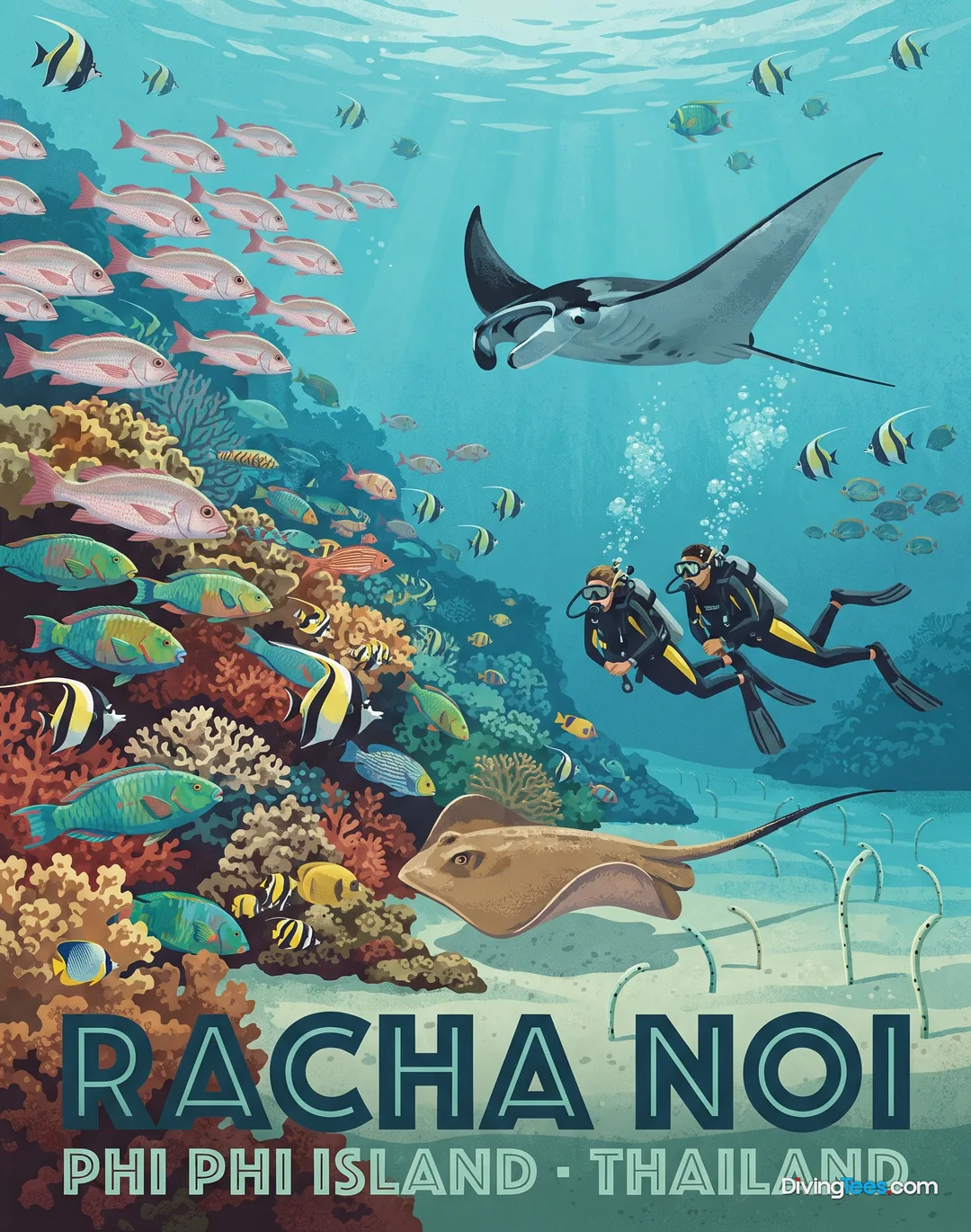
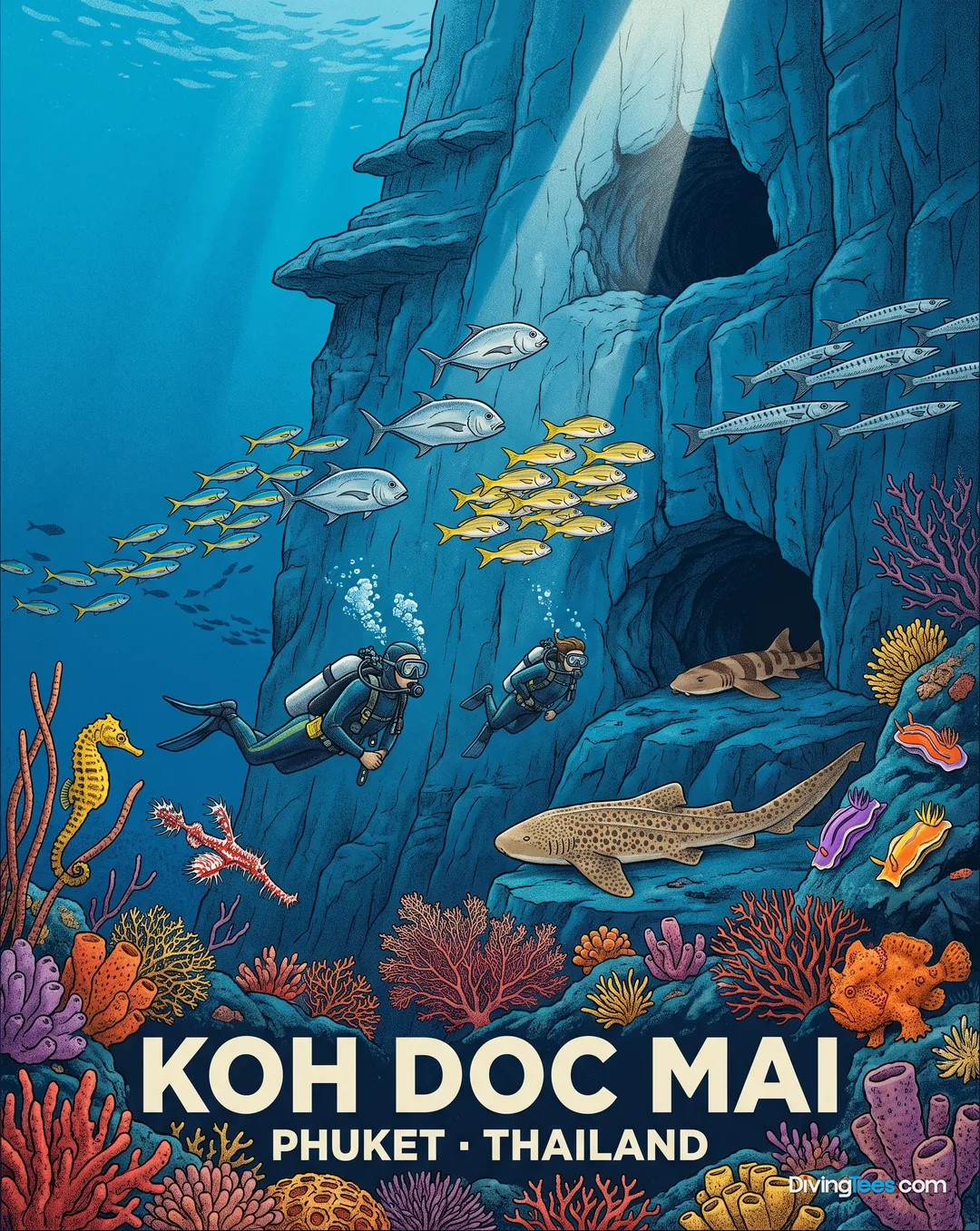
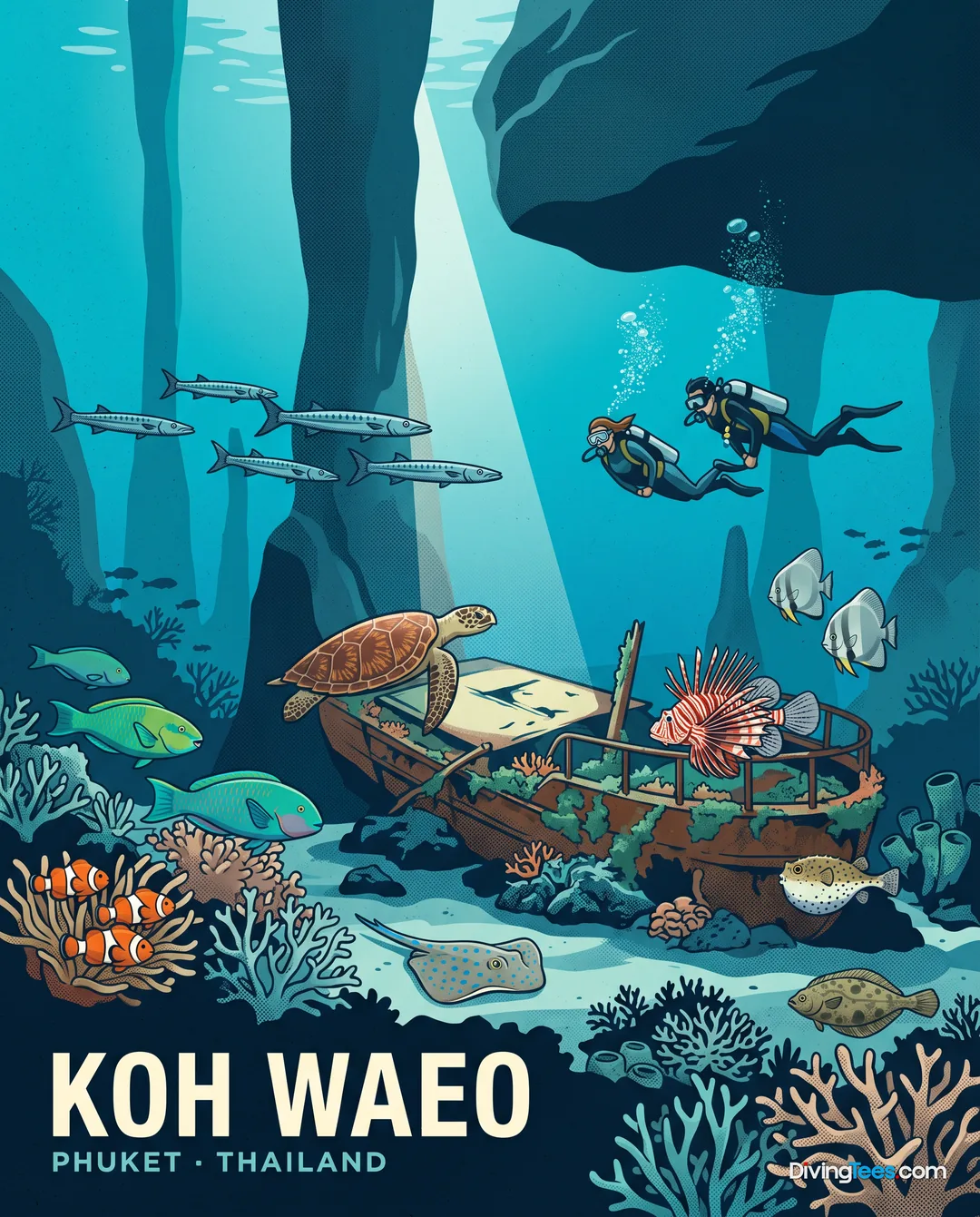
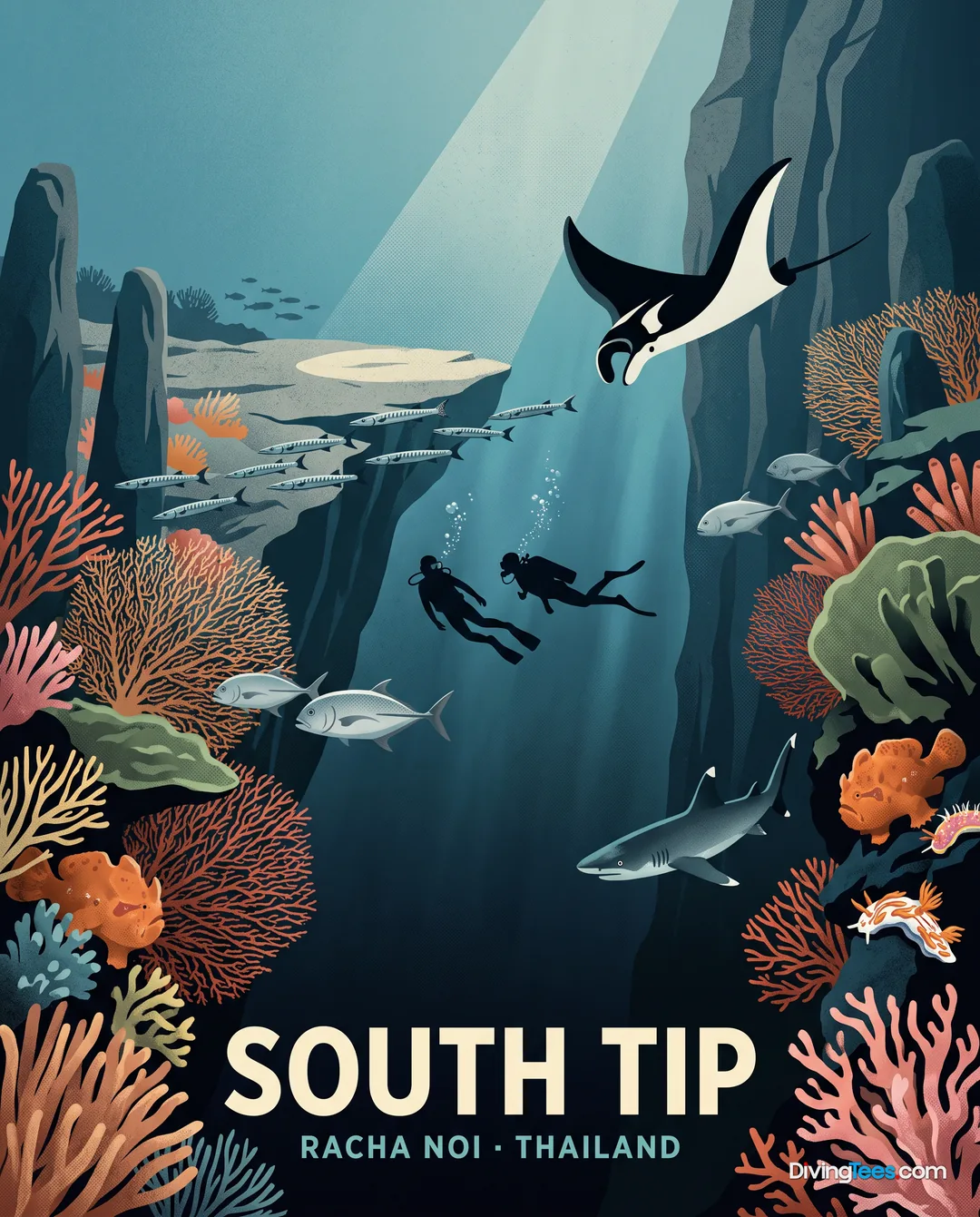
The Phuket-area site notes give the route its range. At Racha Noi, currents move divers through water where manta rays, whale sharks, reef fish and stingrays may pass. Koh Doc Mai is a limestone wall with macro life, varied corals and caves, with a maximum depth of -32m. Koh Waeo stays shallower, to -12m, combining protected coral gardens, reef fish and a local tin-mine wreck near Sirinat National Park. South Tip reaches a maximum of -70m and places converging currents over a soft-coral reef where pelagic animals may appear. Recorded departures include Lipe, running 5 days and 4 nights from Pak Ba Ra back to Pak Ba Ra, and South Andaman, also 5 days and 4 nights from Asia Marina Pier in Phuket. Conditions and itinerary flexibility matter here: the reason to choose the boat is access to several different kinds of site, not one repeated underwater view.
Itineraries, dates and prices
Prices per person. Each month shows its lowest price: click a month, or pick an itinerary.
Next departures · 55 departuresfrom £548$732€654
November 2026
December 2026
See dates and prices
If you click these links and make a purchase on the partner site, DivingDeal may earn a commission, at no extra cost to you.
Dates and prices taken from liveaboard.com, updated 24 October 2026
What you’ll meet underwater
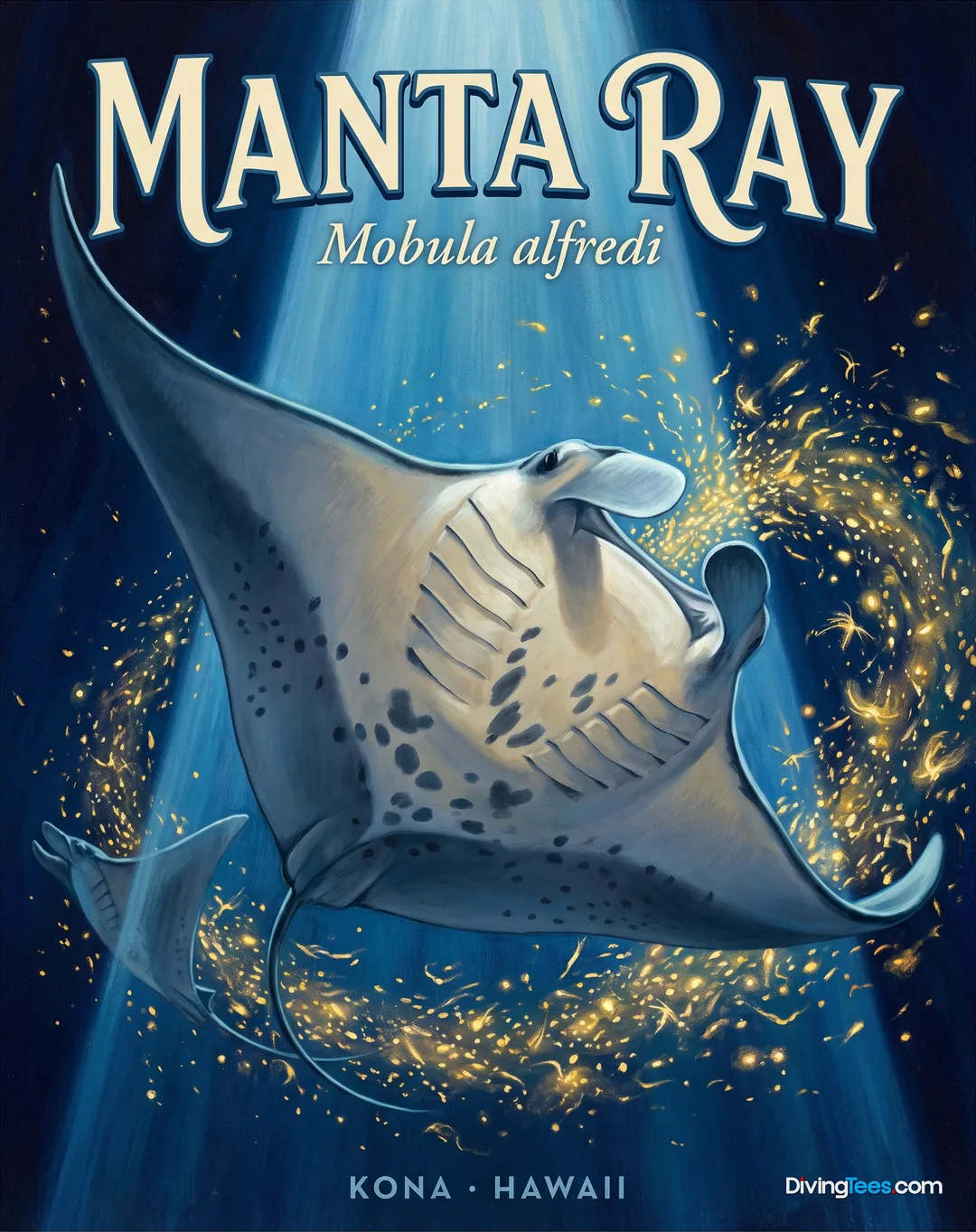
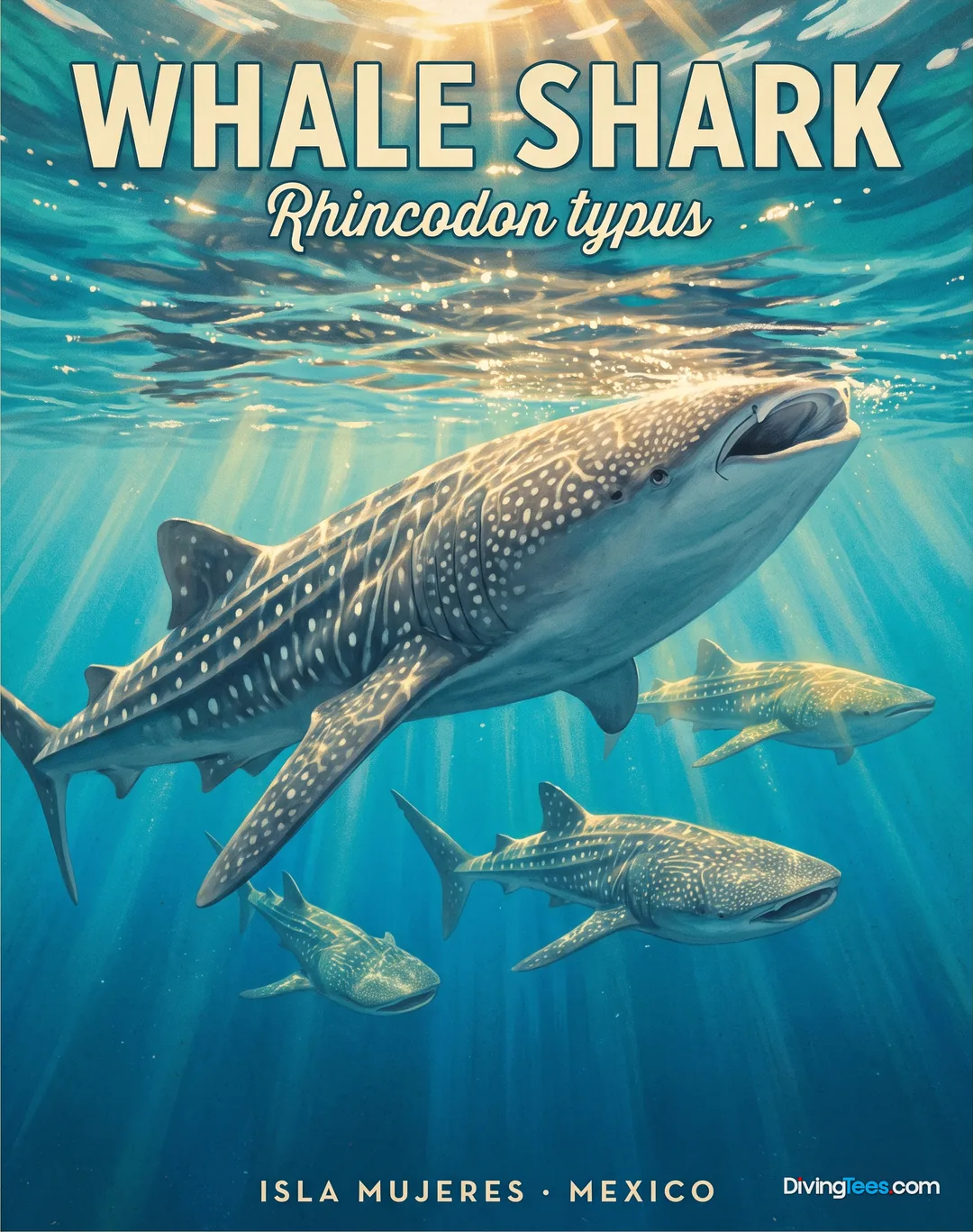
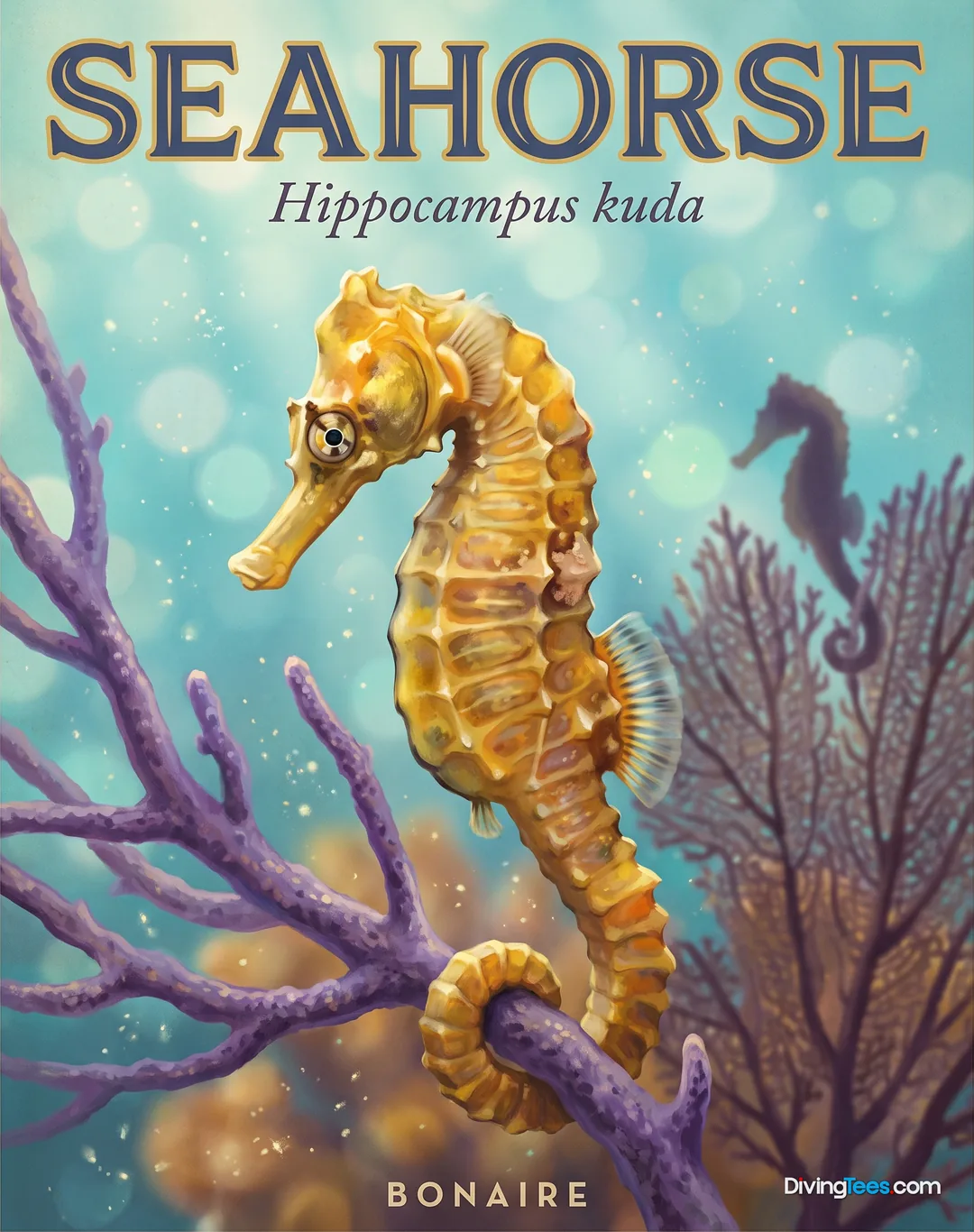
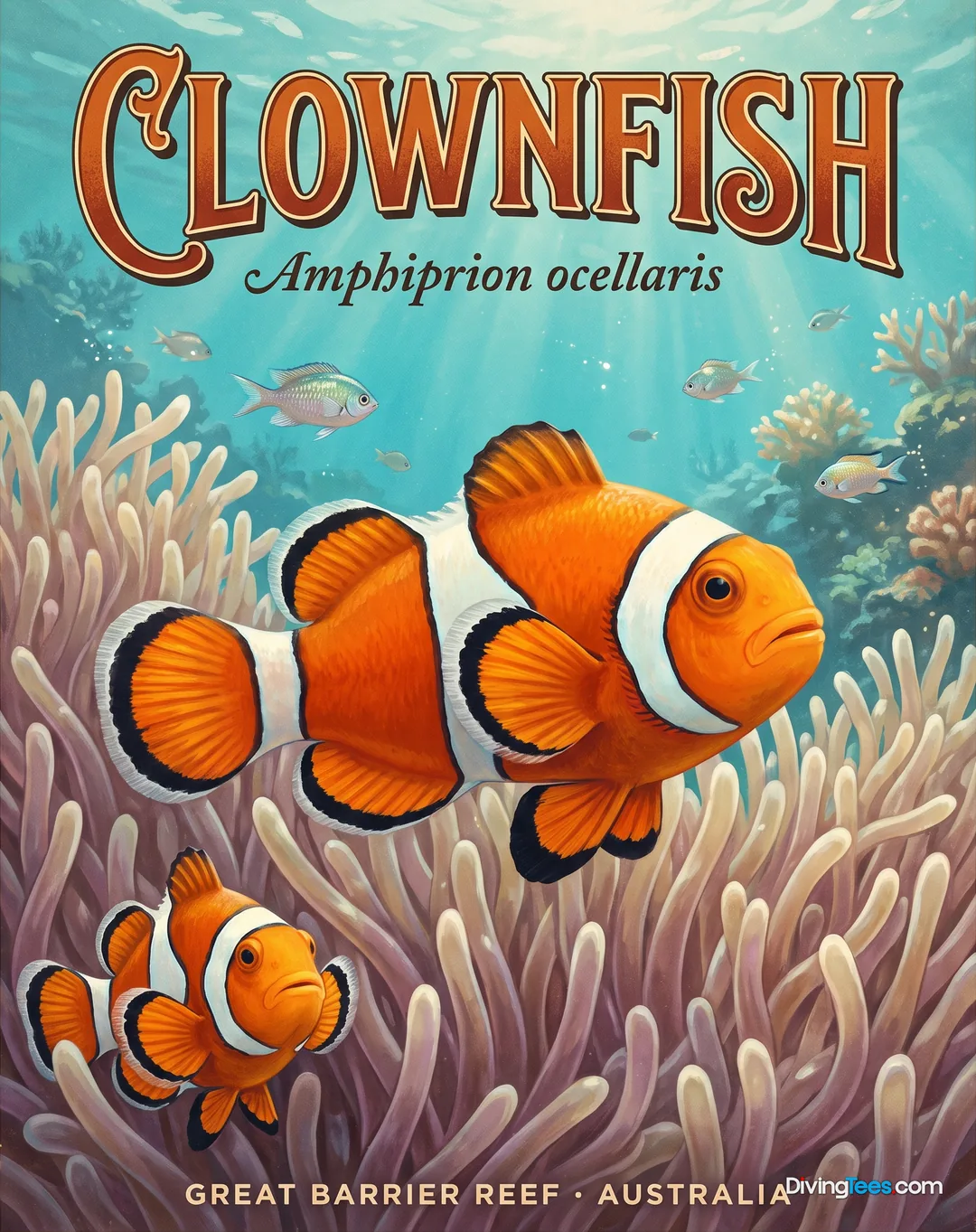
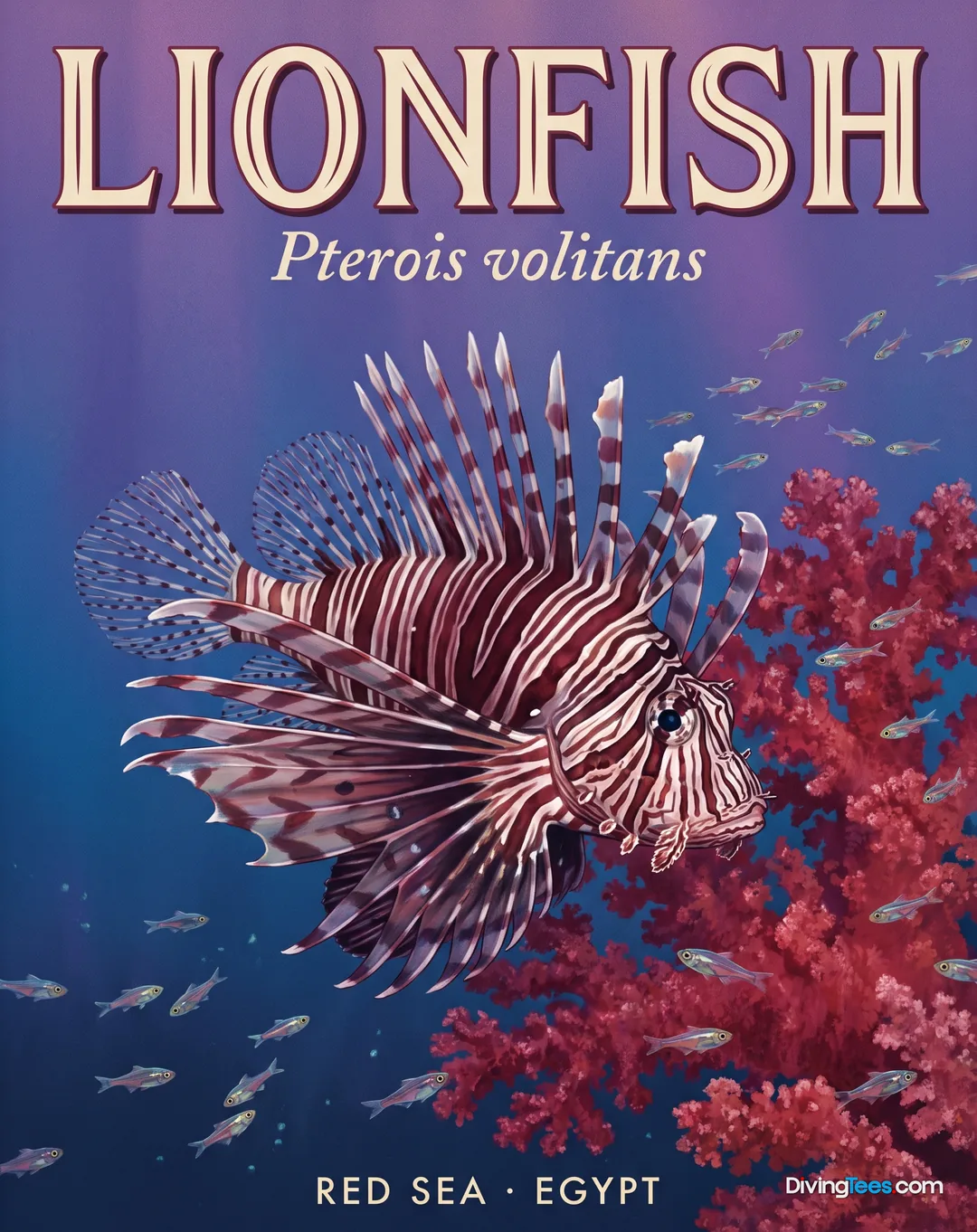
Barracuda are recorded across all four sites, while leopard sharks and trevally occur across much of the route. The larger encounters belong to particular places. Racha Noi is the site associated with grey reef sharks, garden eels and groupers, as well as the chance of manta rays and whale sharks in moving water. Koh Doc Mai is the place for reef sharks, tuna, seahorses, ornate ghost pipefish, frogfish, tiger-tail seahorses and cleaner shrimp among the wall and macro life. South Tip brings the strongest soft-coral and current combination, with anemones, triggerfish, damselfish and soft corals recorded there. Koh Waeo is the shallower reef-and-wreck option, with turtles, clownfish, lionfish, parrotfish and blue-spotted rays. None of these animals is guaranteed; the site, current and timing decide what appears.
Who puts you in the water
Krishna 3 carries a ten-person crew, including instructors, cruise directors and divemasters from the wider Divemate team. Thai and English are spoken among the crew, while some team members speak Thai only, so divers should make their language needs clear when booking. The boat supports certified divers and Divemate runs Open Water, Advanced Open Water, nitrox and Divemaster training. Safety equipment includes radar, GPS, sonar, VHF and SSB radio, life rafts, life jackets, fire systems, emergency beacons, oxygen and first-aid kits. The crew is trained in first aid.
The dive deck and the gear
The dive deck is equipped for standard recreational diving as well as more specialised setups. Krishna 3 carries aluminium scuba tanks with yoke valves, and DIN adapters are available. An electric Bauer Mariner M II E compressor fills to 3,500 psi; weights and belts are provided, while full rental equipment is available separately. Nitrox is available separately, and the boat also supports technical diving, sidemount and rebreathers. Divers return through a dedicated platform, with a 4-metre support tender powered by a 30 HP Yamaha outboard handling water transfers. There are shaded work areas, rinse tanks and a separate camera-rinse tank. Oxygen, first-aid kits and two DAN portable oxygen units are on board. The setup is broad enough for a mixed group without pretending that every diver is using the same system.
Between dives
Between dives, the shaded dive space is the useful refuge: it keeps tanks, cameras and divers out of the strongest sun while equipment is prepared for the next entry. The air-conditioned indoor saloon is there when the heat becomes tiring, and the terrace and observation deck offer the better place to dry off and watch the sea. A separate camera rinse lets photographers keep their equipment away from the general gear flow. There is also an outdoor dining area and a barbecue space, but the value of the open decks is more basic: room to sit without being in the way of the next dive group. Internet is available for those who want contact with shore.
A day on board
A day on Krishna 3 is built around repeated entries into the water rather than a sightseeing schedule. The cycle starts with a briefing, equipment preparation and the first dive, then returns to food, drinks, shade and a surface interval before the next site. The tender supports transfers when the boat is positioned away from the site, and the boat's platform gives divers a direct place to regroup after surfacing. Meals and snacks punctuate the gaps, with the air-conditioned saloon useful when the heat builds. Night dives are included in the program, so the final entry changes the character of the day: torches replace daylight and the reef's smaller nocturnal life takes over. Between sites, the boat can adjust its itinerary, which is valuable on a current-dependent Andaman route.
What you eat aboard
Meals are served buffet-style, with local and Western dishes alongside vegetarian and vegan options. Non-alcoholic drinks, drinking water, tea, coffee and snacks are available, with snacks offered throughout the day. That matters on a dive boat: food has to be easy to take between briefings and equipment changes, not a long formal event that delays the next dive. Local cooking gives the menu a Thai edge, while the broader choice works for a mixed group with different diets. The table is part of the recovery cycle—eat, drink, cool down, check the next plan, then prepare to dive again.
Nights at sea
The cabins are the practical side of Krishna 3: every one has a private bathroom, air conditioning and hot and cold showers. The choices cover VIP, upper-deck double and twin rooms, main-deck twin cabins, bunk arrangements and a four-person bunk room. That gives couples, friends travelling together and divers accepting a simpler shared space a way to fit the same boat and route. Fresh linen and daily shower supplies are provided, and standard windows bring daylight into the cabins. The main-deck cabins are the sensible choice for anyone who prefers shorter trips between bunk, saloon and dive deck. At night, the important difference is not decoration but having a private shower and a cool room after repeated dives.
VIP
Upper Deck Double
Upper Deck Twin
Main Deck Twin Bunk
Main Deck Twin
Main Deck Bunk Bed
What to know before boarding
Lipe trips depart from Pak Ba Ra and return to Pak Ba Ra. South Andaman trips depart from Asia Marina Pier in Phuket and return there. Airport transfer is included for the Phuket departure; hotel transfers within Phuket can be arranged separately. Arrive in the departure area the night before, rather than tying the boat to a flight or road journey on the same day.
- Year built
- 2025
- Length
- 26 m
- Beam
- 6.5 m
- Maximum number of passengers
- 24
- Number of cabins
- 11
- Number of bathrooms
- 12
- Engines
- Hino 345 hp 2000 RPM MARINE × 2
- Cruising speed
- 9 knots
- Website
- divematescubaclub.com ↗
Hello, I'm Marina, DivingDeal.com's AI assistant. I answer in detail about hotels, dive centres and liveaboards.
Thinking about the whole trip and the flights? Talk it over with Edith →
Marina is an AI. Some links are affiliate links: DivingDeal may earn a commission, at no extra cost to you. Bookings are made with the partner.