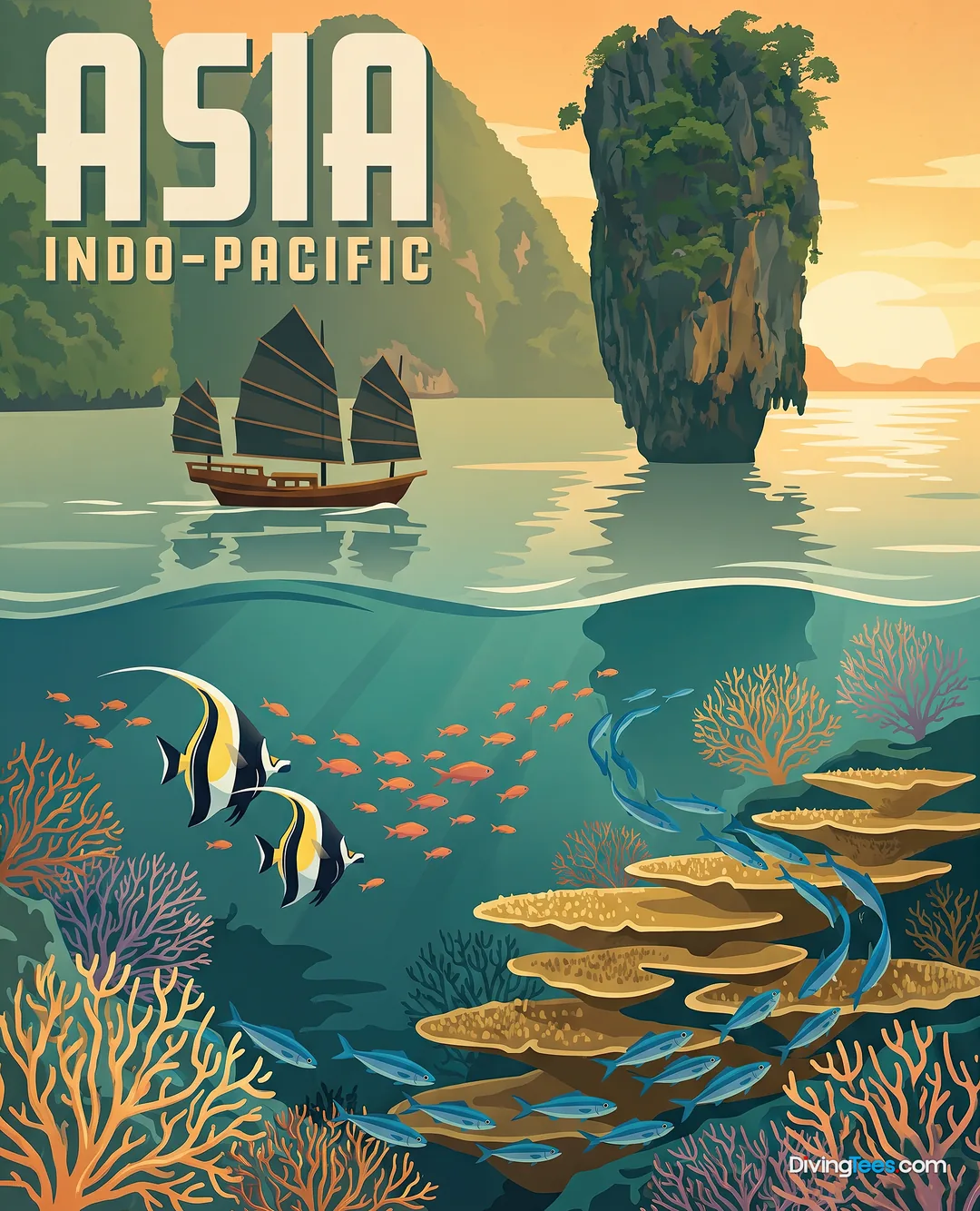
Liveaboards · Thailand
Manta Queen 6 — a compact Andaman dive boat built around the diving
What makes this boat unique
- Manta Queen 6 carries up to 12 passengers in seven air-conditioned twin-bunk shared cabins.
- The five-day, four-night cruise runs from Phuket through the southern Andaman islands.
- The shaded dive deck has DIN adapters, rinse tanks, camera rinse facilities and Nitrox.
- Food is served buffet-style, with local dishes plus vegetarian and vegan options.
- Non-divers and snorkellers are welcome aboard.
For subtitles in English: start the video firstthen click the gearat the top right of the video, select “Subtitles/CC”, then “Auto-translate” and choose “English”.
The invitation
Manta Queen 6 suits divers who put the water first and want a small group rather than a floating resort. The boat carries up to 12 passengers, with the dive deck, the route and the crew's working rhythm taking priority over private space. That scale matters: briefings stay close, equipment remains easy to find and the people sharing the trip become familiar quickly. The reason to book is the southern Andaman itinerary, where wrecks, limestone walls, pinnacles and coral reefs sit within one liveaboard journey. Nitrox courses and SSI training are available on board, so the boat also works for divers who want to use the trip to extend their skills rather than simply collect dives.
Boarding
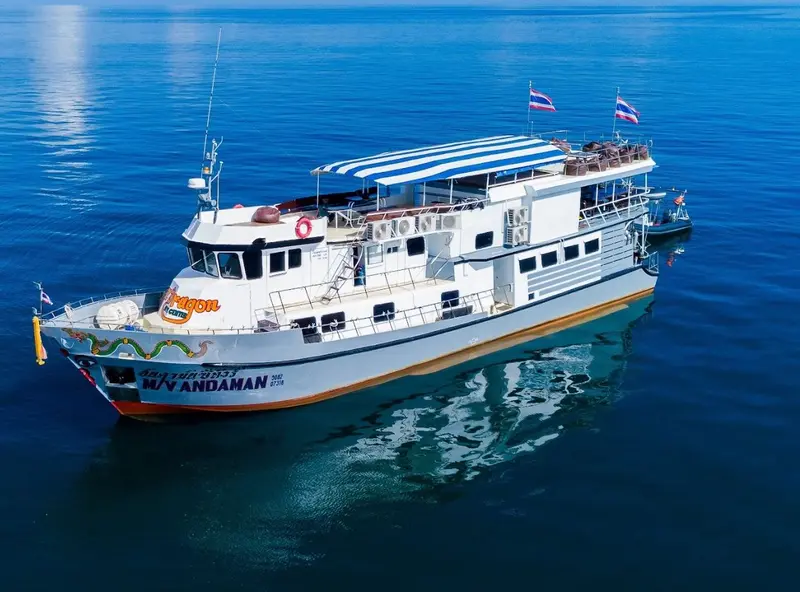
From the dock, Manta Queen 6 presents as a working dive boat rather than a luxury yacht. Its spaces are arranged for movement: cabins on the main deck, a dedicated dive area, shaded space for gearing up and an outdoor terrace for the hours when nobody needs to be underwater. The boat is designed specifically for diving, so tanks, rinse facilities and charging points are part of the daily layout rather than afterthoughts. Internet, audio and video entertainment and outdoor dining soften the practical character, but the centre of gravity remains the dive platform. This is a boat for people who measure it by how simply it gets them ready and back into the water.
The atmosphere on board
The atmosphere is shaped less by polish than by the people running the boat. Passenger feedback places the crew well above the vessel itself, with food and diving also scoring strongly; that points to a boat whose local and international staff make the experience work. English, Dutch, German, Spanish and Italian are spoken. With a maximum of 12 passengers, the group is small enough for the crew to learn who needs help with a tank, who wants a camera rinse and who prefers to stay quiet after a dive. Evenings are simple: food, shared dive stories and the next day's plans, rather than a resort programme.
The sites you’ll dive
The recorded five-day, four-night Phuket-to-Phuket route runs through Koh Haa, Hin Daeng, Hin Muang, Koh Phi Phi, King Cruiser Wreck and Shark Point. The site descriptions also show the range available around the southern Andaman islands. Shark Point drops to -25m across vibrant pinnacles, with schooling fish, soft corals and the possibility of a leopard shark. The Kled Geaw Wreck reaches -27m and now works as an artificial reef beneath schools of fish. Around Koh Phi Phi Ley, limestone formations and underwater landscapes continue down to -35m; Koh Phi Phi Don reaches -30m at Hin Dot's sheer rock towers. Hin Klang is shallower at -15m, with a central hard- and soft-coral reef, while Hin Klai slopes to -25m through soft corals and passages. Racha Noi brings current-led pelagic encounters, and Boonsung Wreck, at -18m, is an old tin dredger so thick with fish that the surface can disappear from view. Routes and sites may vary by departure.
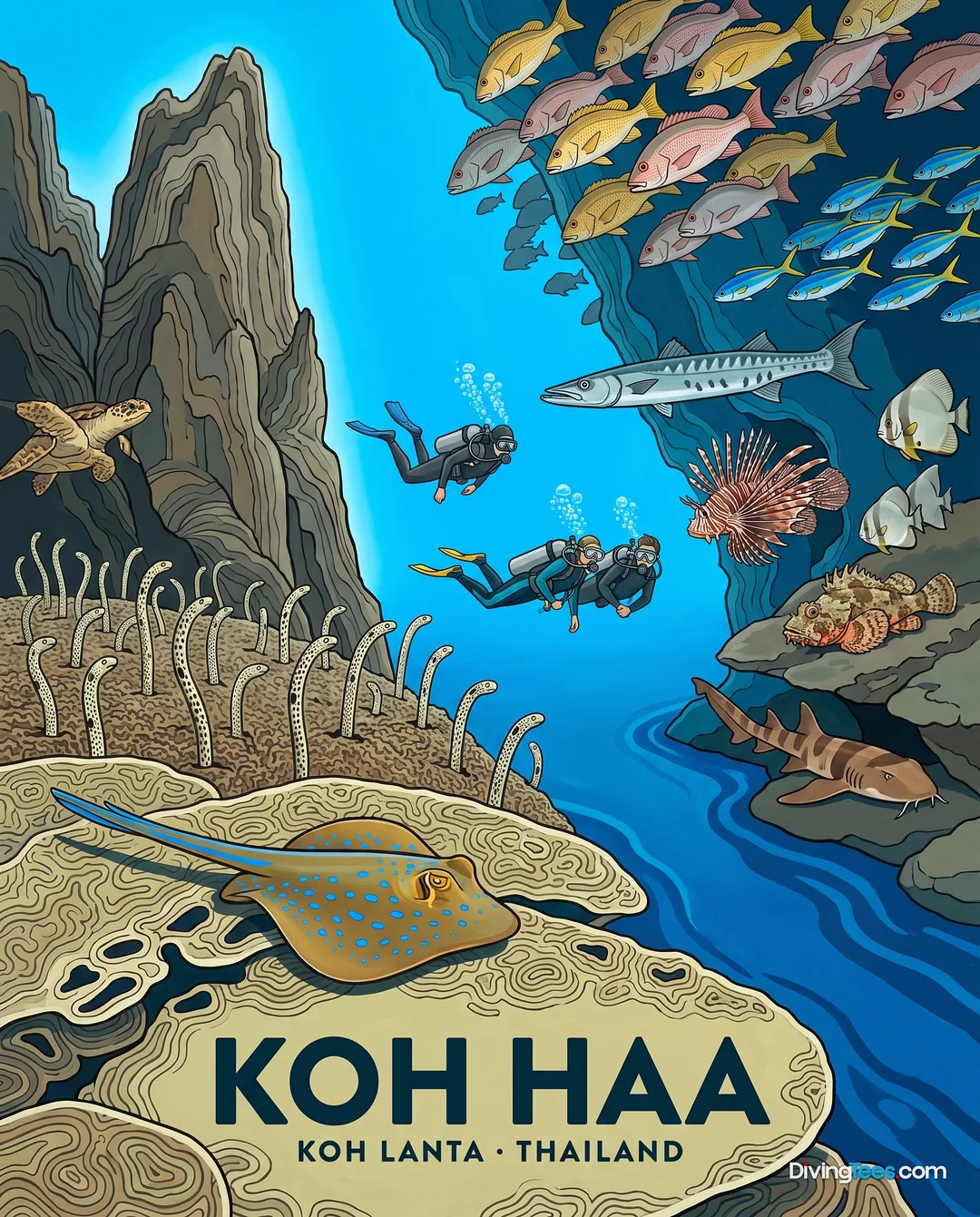
Koh Haa →
Max. depth · 40 m
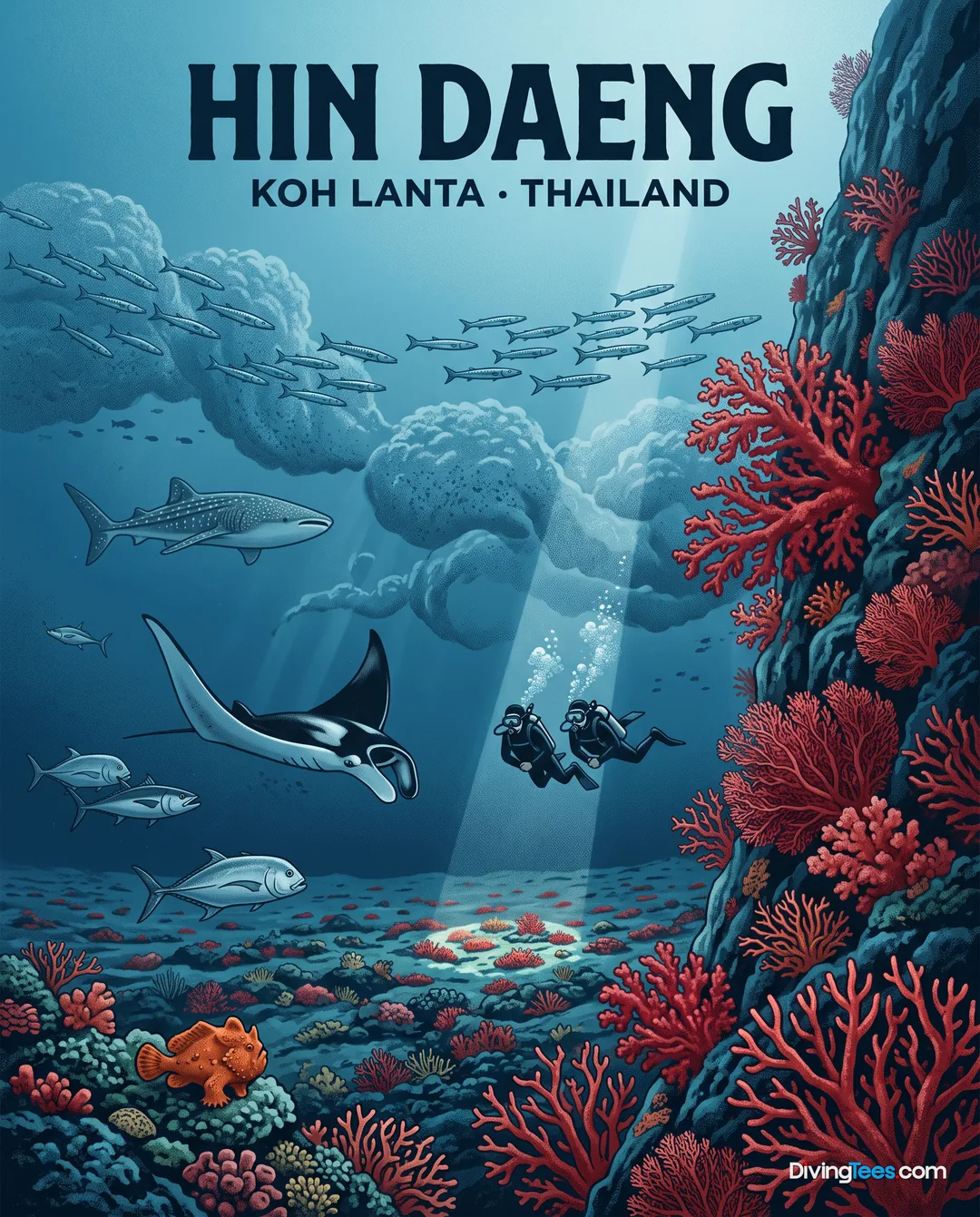
Hin Daeng →
Max. depth · 65 m
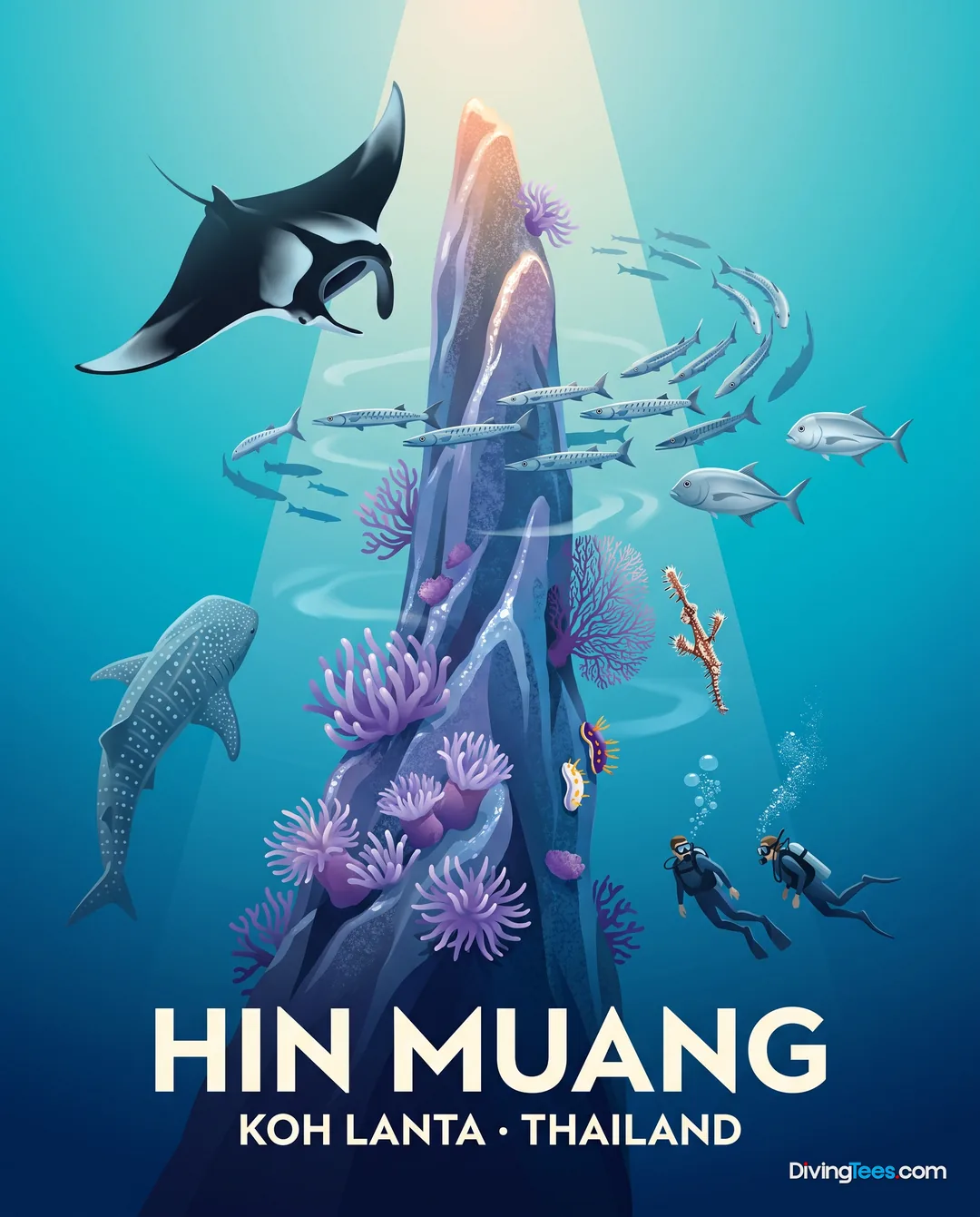
Hin Muang →
Max. depth · 67 m
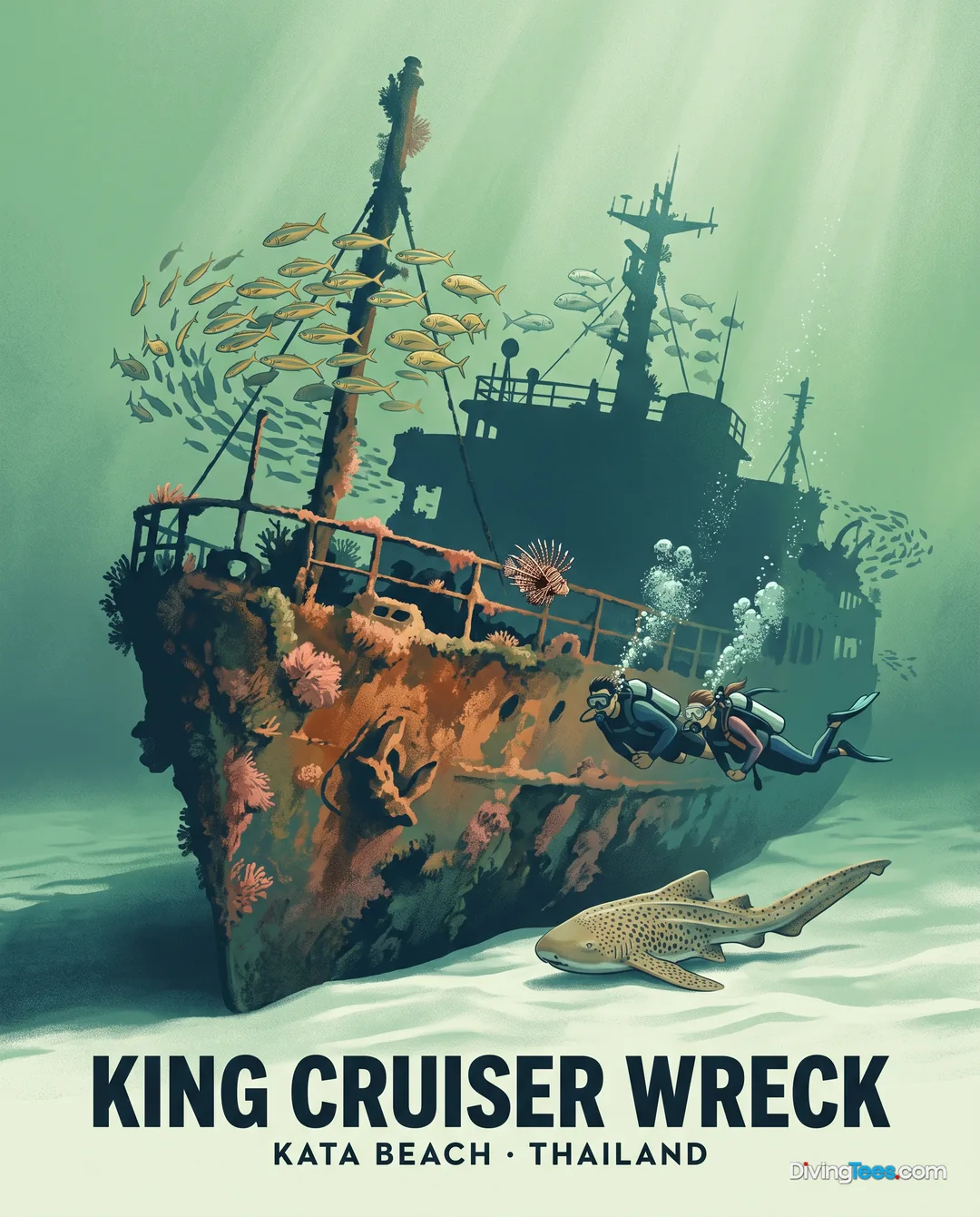
King Cruiser Wreck →
Max. depth · 35 m
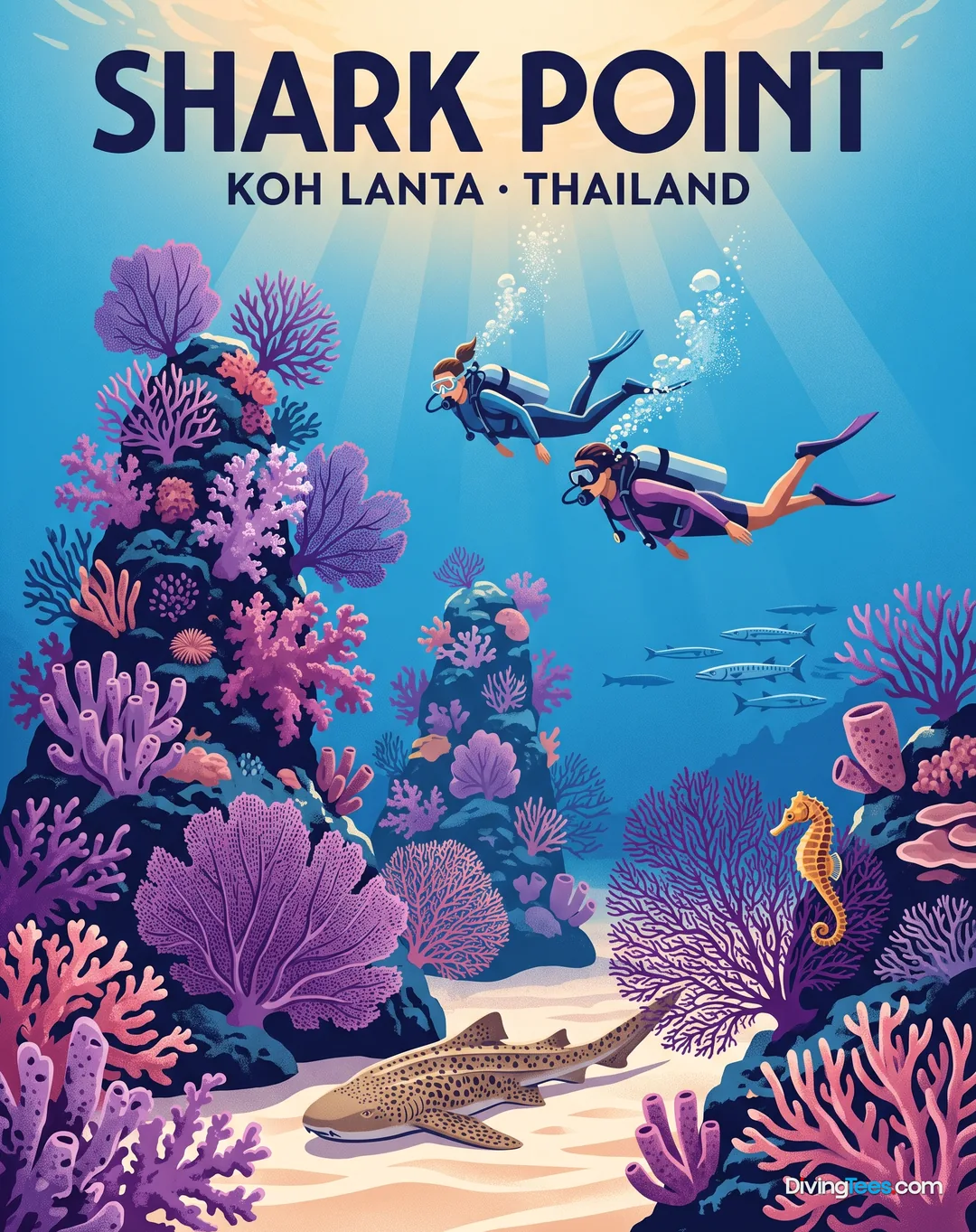
Shark Point →
Max. depth · 25 m
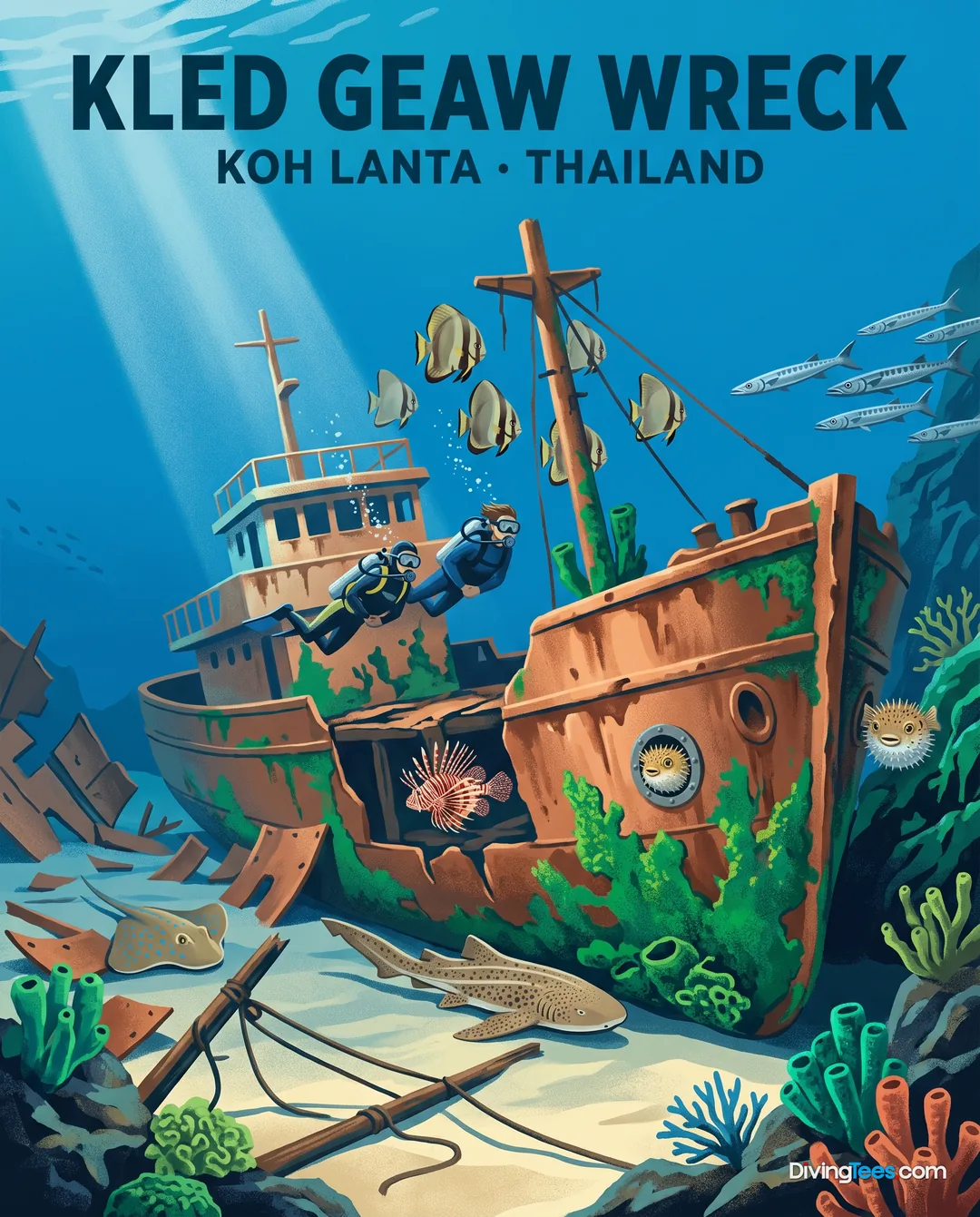
Kled Geaw Wreck →
Max. depth · 27 m
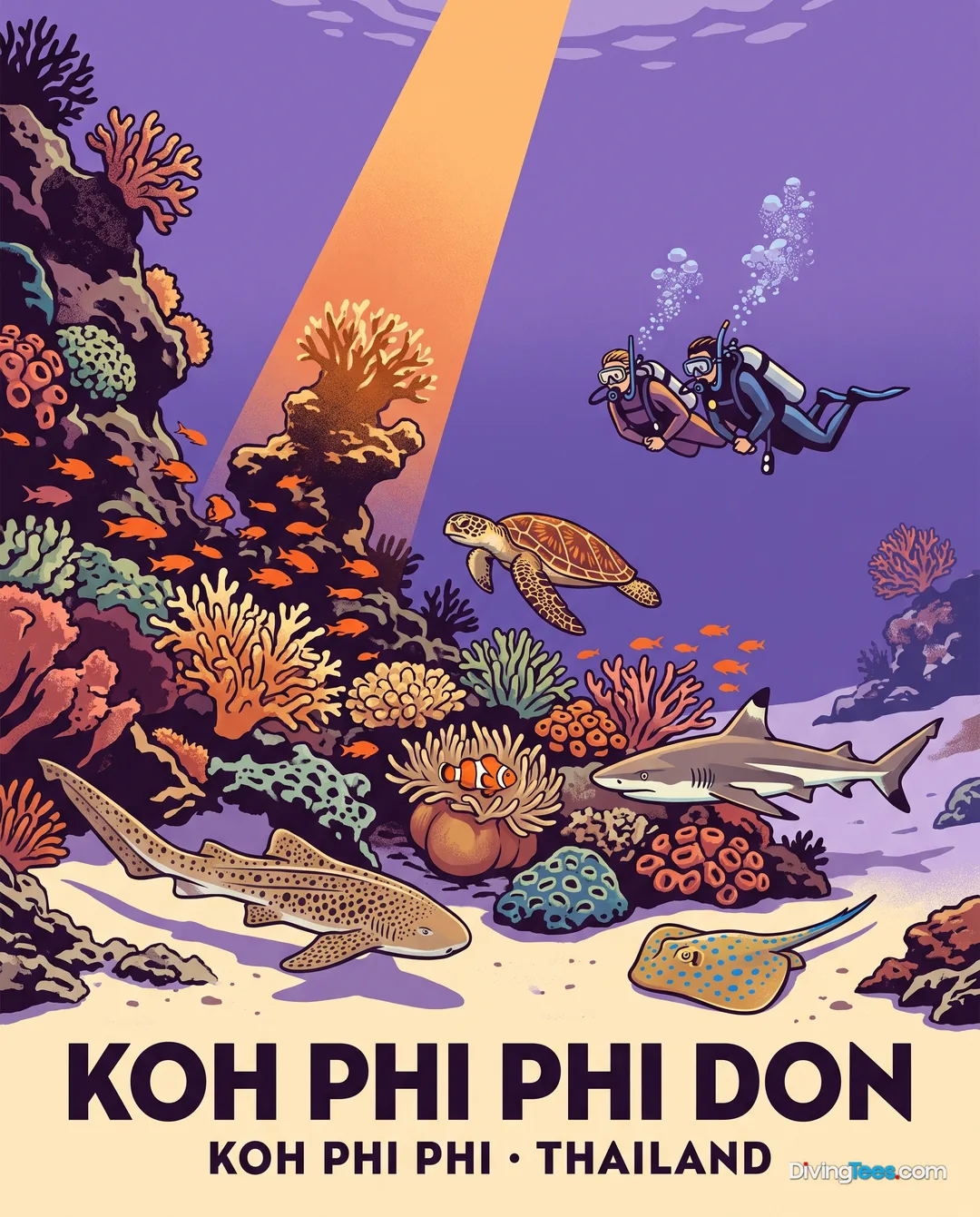
Koh Phi Phi Don →
Max. depth · 30 m
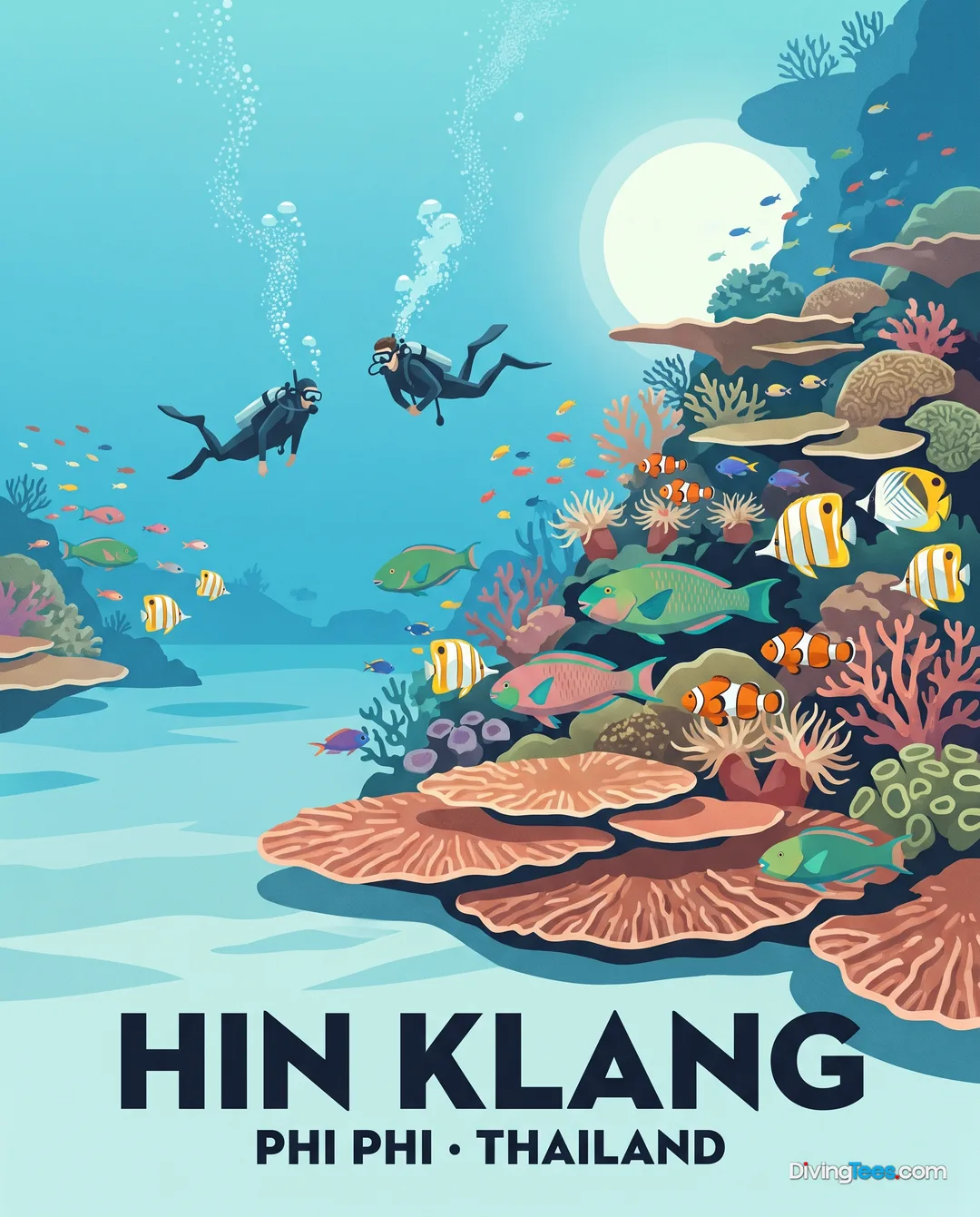
Hin Klang →
Max. depth · 15 m
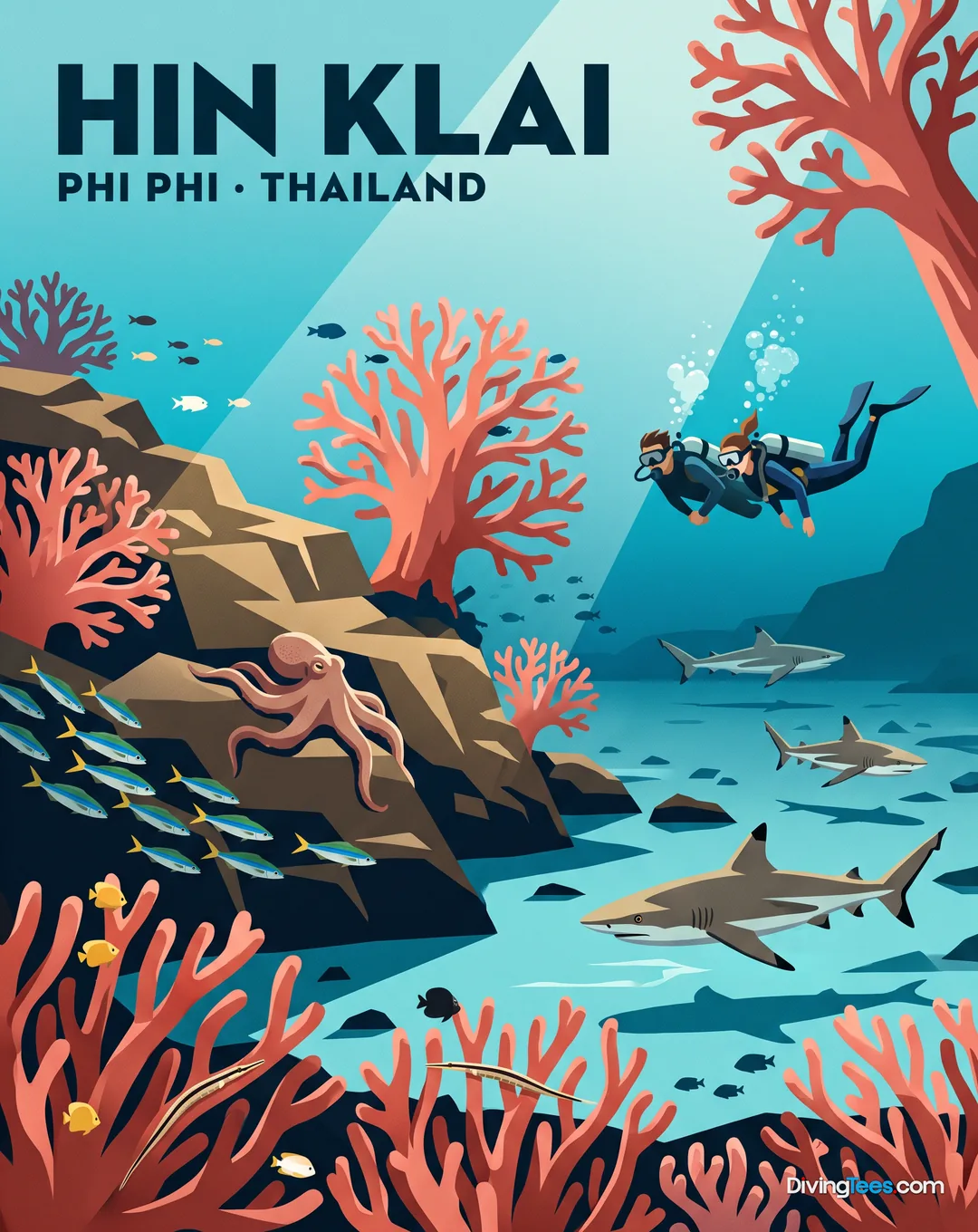
Hin Klai →
Max. depth · 25 m
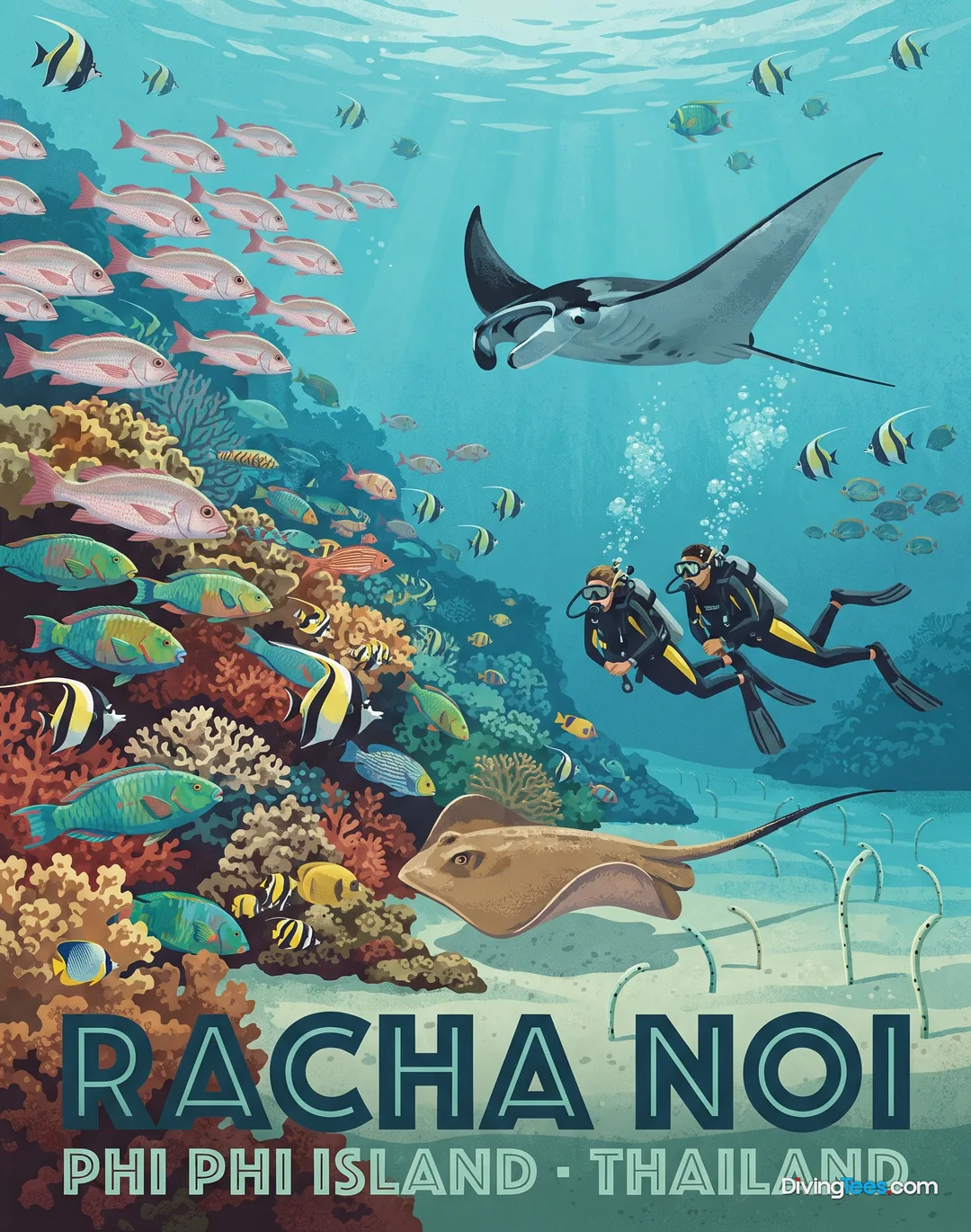
Racha Noi →
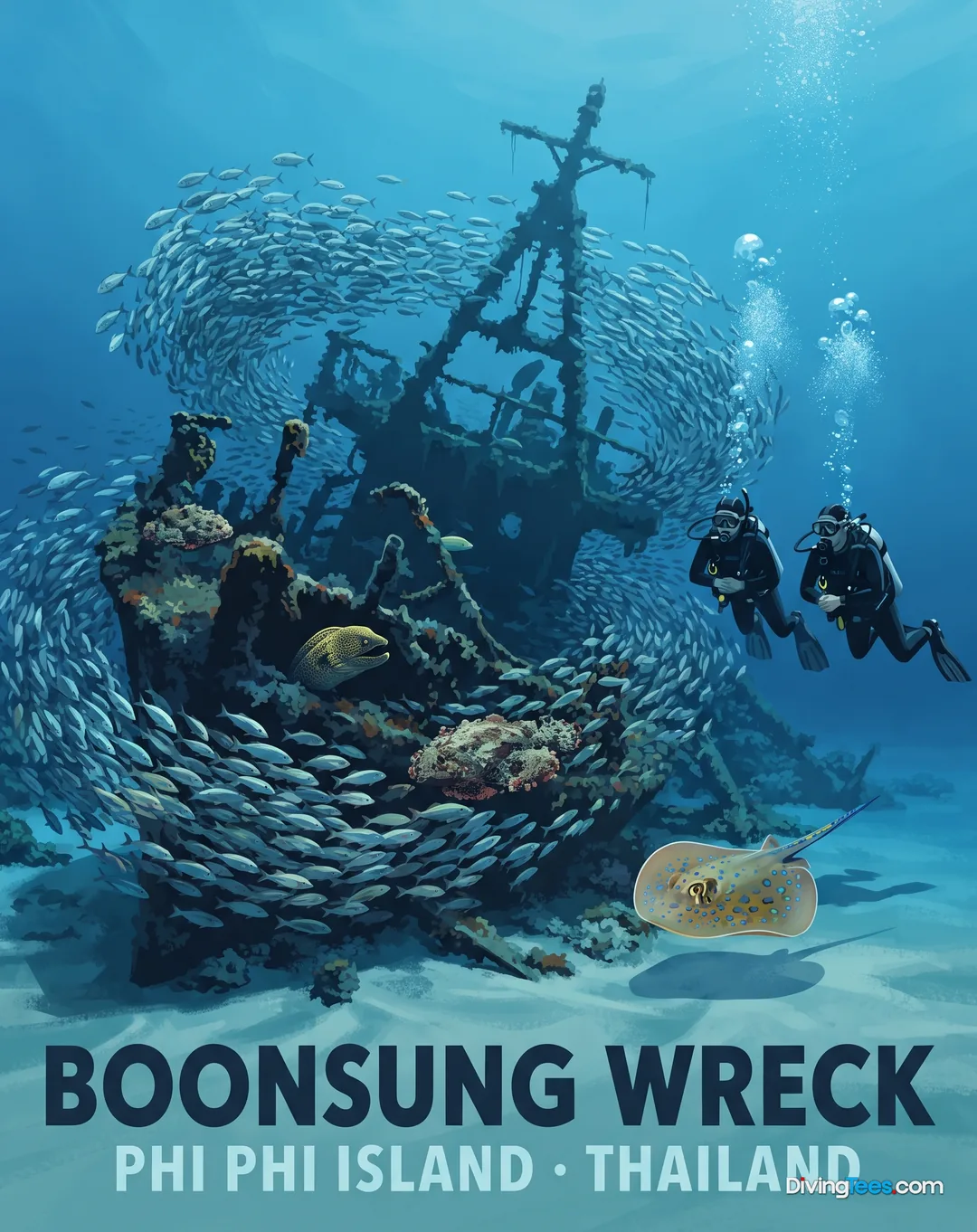
Boonsung Wreck →
Max. depth · 18 m
Itineraries, dates and prices
Prices per person. Each month shows its lowest price: click a month, or pick an itinerary.
Next departures · 28 departuresfrom £622$832€743
October 2026
November 2026
December 2026
See dates and prices
If you click these links and make a purchase on the partner site, DivingDeal may earn a commission, at no extra cost to you.
Dates and prices taken from liveaboard.com, updated 26 October 2026
What you’ll meet underwater
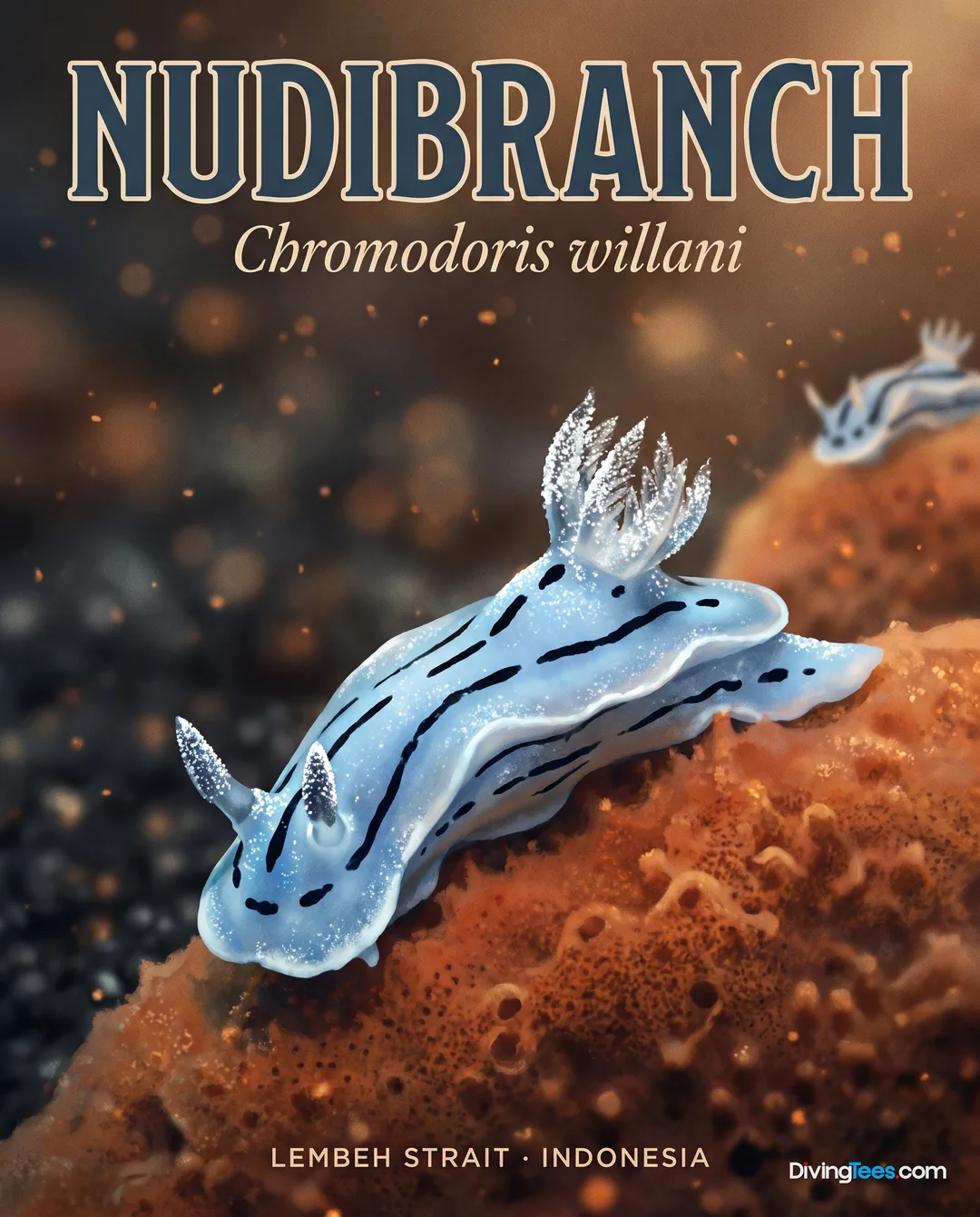
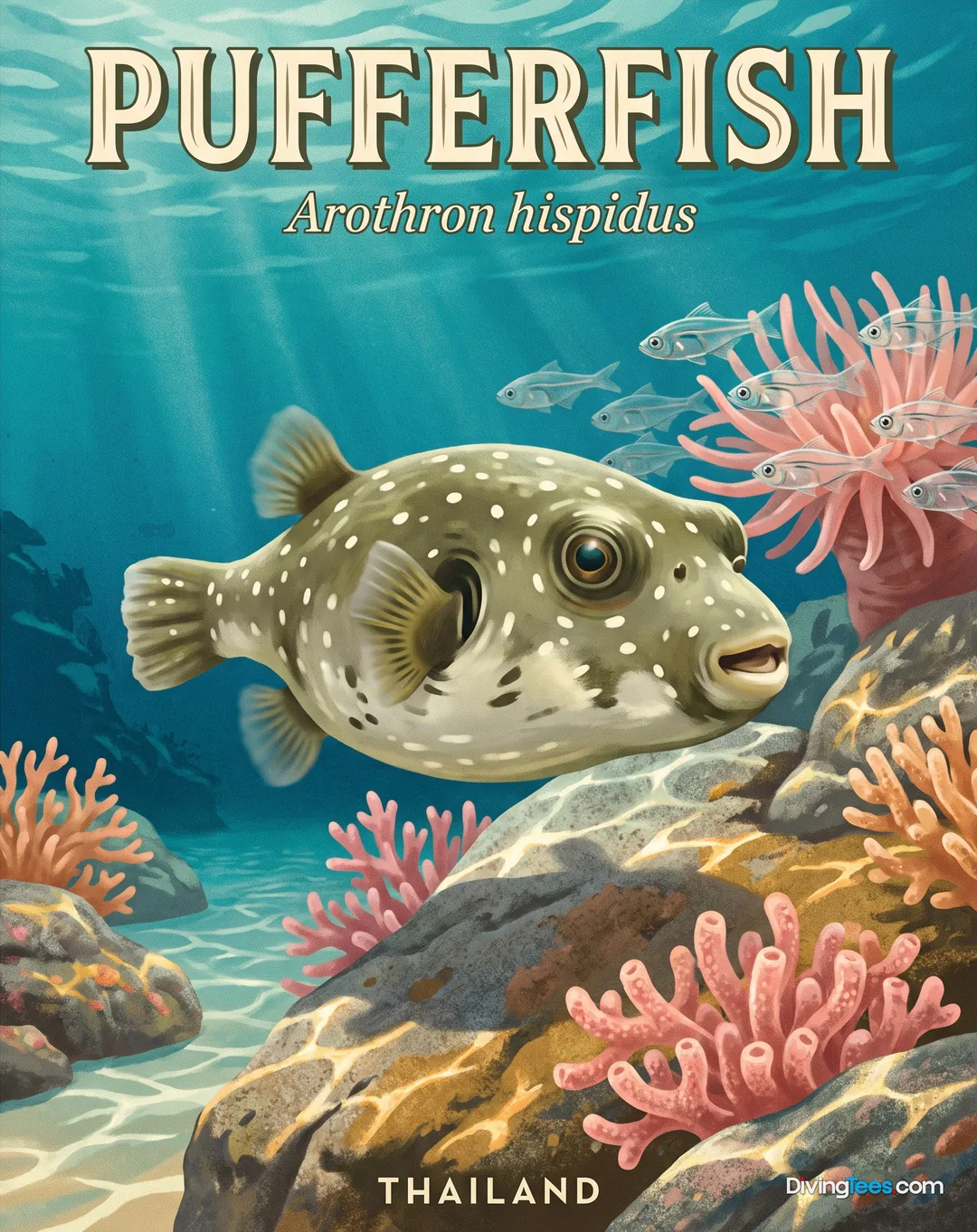
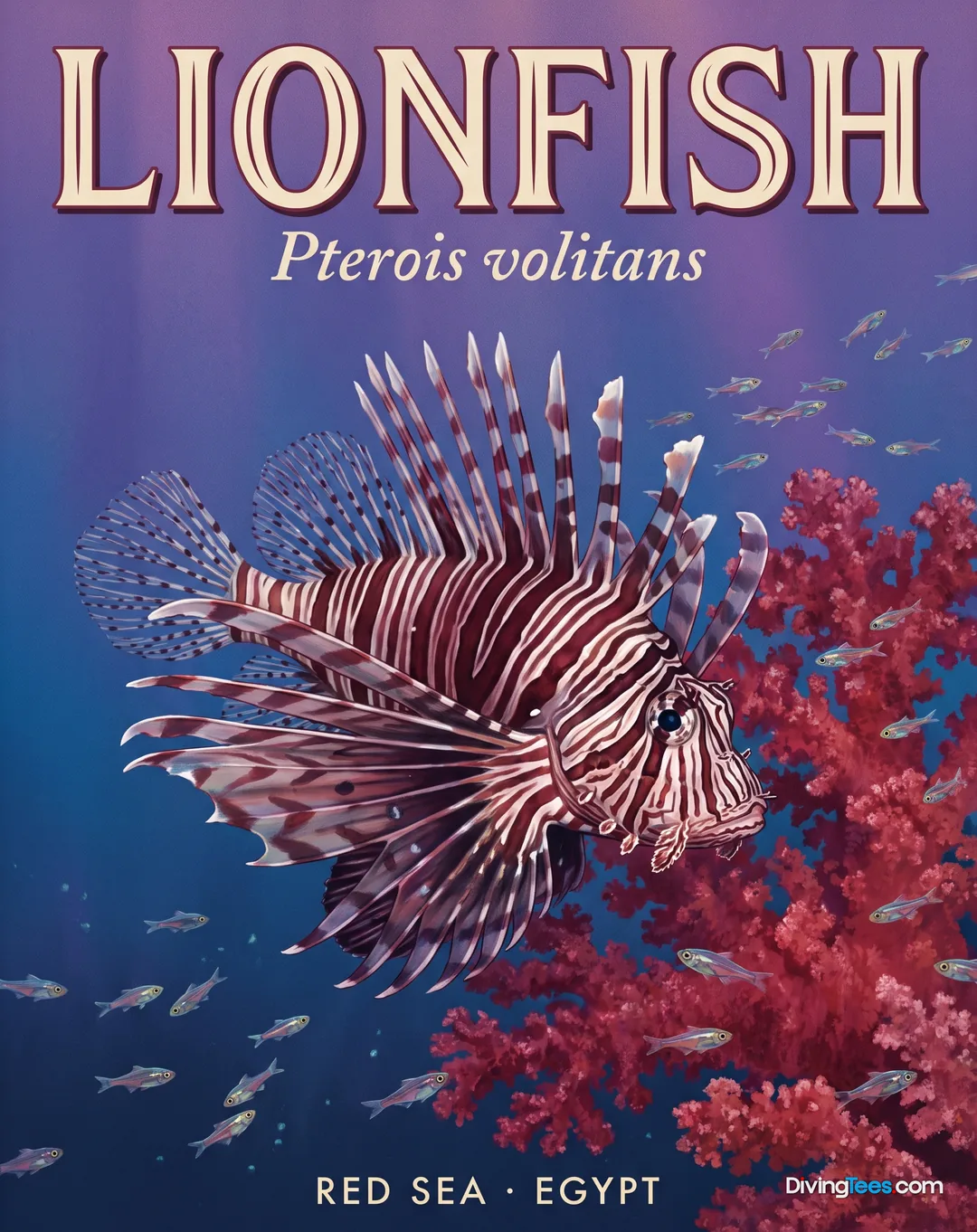
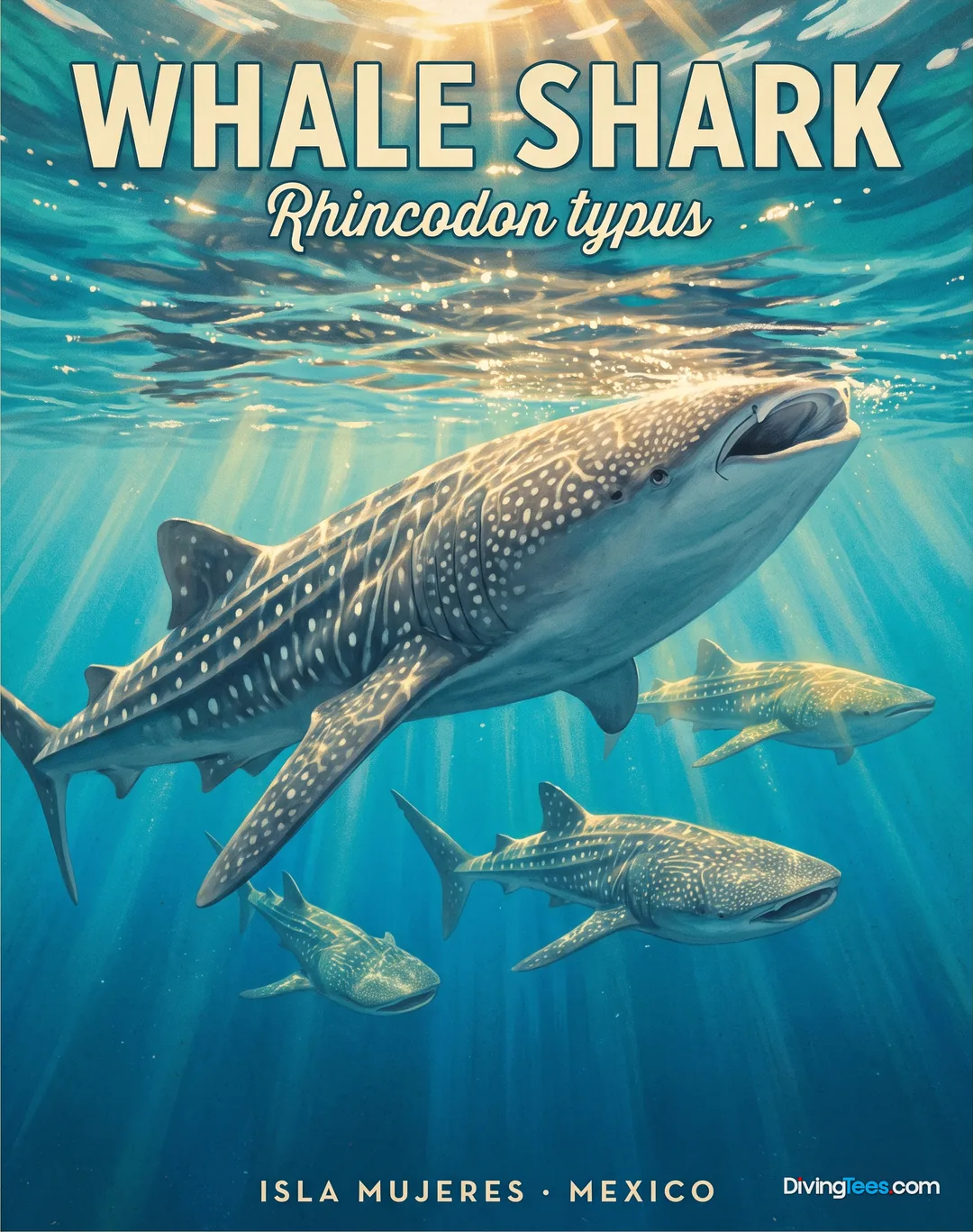
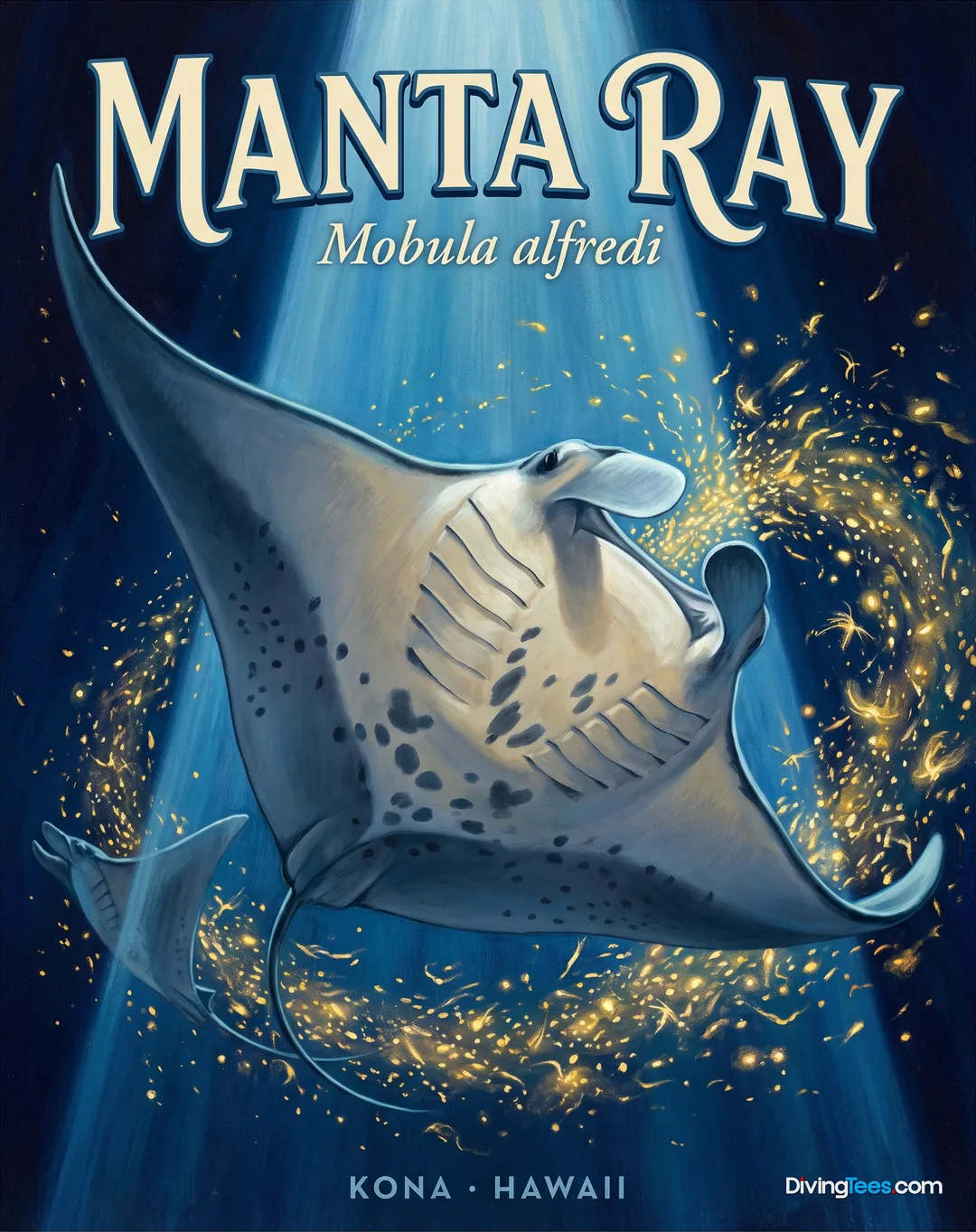
Barracuda, moray eels, snappers, nudibranchs and pufferfish are recurring characters on this route, joined by scorpionfish, angelfish, butterflyfish, parrotfish, lionfish, cuttlefish and bigeye trevally. Leopard sharks, whale sharks and sea turtles are recorded across several sites, but none should be treated as guaranteed sightings. The point of staying at a site is often the species that appears nowhere else in the route records: Shark Point is the place associated with reef sharks, oceanic whitetips, tuna, eels and anthias. Racha Noi is the site for whitetip reef sharks, grey reef sharks and garden eels, as well as manta rays and whale sharks. Nui Rocks is where a green turtle is recorded. Bida Islands can produce a triggerfish, Koh Phi Phi Don a squid, and Laem Thong House Reef a crab. At Boonsung Wreck, dense schools and honeycomb morays fill the old dredger's structure; at Shark Point, the pinnacles and soft corals give schooling fish a three-dimensional stage.
Who puts you in the water
The crew includes multilingual dive professionals and instructors, with English, Dutch, German, Spanish and Italian available for briefings and daily help. The programme includes Nitrox and SSI courses on board, while PADI training is also available through the fleet, including Open Water, Advanced Open Water, Deep, Wreck, Rescue and underwater photography courses. The boat carries oxygen, first-aid kits, fire equipment, life rafts, lifejackets, sonar, GPS and VHF/DSC/SSB radio. Fish-finding equipment and mobile and satellite phones add to the operational kit.
The dive deck and the gear
The dive deck is shaded and set up for repeated use, with a boarding platform, tank rinse basins, DIN adapters and a separate rinse area for cameras. Standard tanks are 12-litre aluminium tanks with DIN and INT valves; 15-litre tanks and double sets can be arranged as paid extras. Nitrox is available as an extra, and a Nitrox course can be taken during the trip. Rental equipment comes from Scubapro, including BCDs and regulators; short 3 mm wetsuits, dive computers, prescription masks and other pieces can also be rented. The deck has hot and outdoor showers, so divers can rinse salt and sand away before settling in.
Between dives
Between dives, the shaded dive area is the practical refuge: gear can be left ready, cameras can be rinsed separately and divers can sit without being exposed to the full sun. The terrace and outdoor dining area offer the change of scene when the boat is under way, while the saloon's audio and video setup gives non-divers and tired divers somewhere indoors to settle. Charging stations and Wi-Fi are useful during surface intervals, although signal at sea is never the reason to book a liveaboard. Snorkellers are welcome too, so the quiet hours do not belong only to certified divers.
A day on board
A day follows the needs of the diving rather than a hotel timetable. Divers wake for the first briefing, prepare tanks and enter the water before breakfast or around the first meal, then return to food, shade and the next equipment check. Further dives punctuate the day, with snacks and fruit filling the short gaps and the boat moving when the itinerary requires it. The useful part of this rhythm is its simplicity: dive, eat, rinse cameras or gear, rest, then listen to the next briefing. By evening, the group has usually traded the day's sightings across the outdoor dining area before sleep resets the cycle.
What you eat aboard
Meals are served buffet-style, with local cooking at the centre and full-board service covering breakfast, lunch, dinner and snacks between dives. Vegetarian and vegan options are available, while fruit and other light food keep the gap between getting out and gearing up short. On a diving trip, that matters more than a long menu: food arrives in a form the group can take quickly, return to later or eat in the outdoor dining area. The table is part of the dive rhythm, not a separate event. Everyone comes back hungry, talks through the last dive and checks the next plate before the next briefing.
Nights at sea
The seven cabins are air-conditioned twin-bunk shared cabins on the main deck, with standard windows rather than panoramic glass. Five bathrooms serve the boat, so the accommodation is functional and shared rather than hotel-like. Nights are about having a clean, cool place to sleep between dives, with the compact layout keeping the boat's activity close by. A cabin on the main deck also means less separation from the working life of the vessel: tanks, footsteps and conversation belong to the same small world. Divers who need a private suite or a large quiet room should choose accordingly; those happy with a bunk and a practical base get more of the boat's limited space devoted to diving.
Twin Bunk Shared Cabins
What to know before boarding
Manta Queen 6 departs from and returns to Phuket on the recorded five-day, four-night itinerary. Airport and hotel transfers are included. Arriving in Phuket the night before is sensible, leaving a margin for travel delays before boarding.
- Length
- 25 m
- Beam
- 5 m
- Maximum number of passengers
- 12
- Number of cabins
- 7
- Number of bathrooms
- 5
- Engines
- 2 × Hino 450 hp, 10 cylinders
- Website
- mantaqueen.com ↗
Hello, I'm Marina, DivingDeal.com's AI assistant. I answer in detail about hotels, dive centres and liveaboards.
Thinking about the whole trip and the flights? Talk it over with Edith →
Marina is an AI. Some links are affiliate links: DivingDeal may earn a commission, at no extra cost to you. Bookings are made with the partner.