Liveaboards · Thailand
Manta Queen 7 — a working dive boat where the crew makes the difference
What makes this boat unique
- Manta Queen 7 is a 27-metre wooden liveaboard for up to 24 divers, with 10 air-conditioned cabins and 8 bathrooms.
- The North Andaman itinerary runs from Khao Lak to Khao Lak over 5 days and 4 nights, visiting the Similan Islands, Koh Bon, Koh Tachai, Richelieu Rock and Boonsung Wreck.
- The dive operation uses 12-litre aluminium tanks with DIN and yoke valves; 15-litre tanks and rental equipment are available as paid extras.
- A shaded dive deck, separate camera rinse tank, charging stations, photo space and a single Yamaha 40 HP tender keep the boat focused on diving.
- Passenger feedback is strongest for the crew, food and diving: 8.9, 9.6 and 9.1 respectively, against 7.4 for the boat itself.
For subtitles in English: start the video firstthen click the gearat the top right of the video, select “Subtitles/CC”, then “Auto-translate” and choose “English”.
The invitation
Manta Queen 7 suits divers who choose a route and a well-run dive operation over the newest finish on the fleet. The boat rating is 7.4, below the scores for crew, food and diving; that is the honest trade-off. In return, the crew scores 8.9, the diving 9.1 and the food 9.6. The reason to step aboard is the North Andaman circuit: granite islands, pelagic cleaning stations and several artificial reefs, tied together by a crew passengers remember for keeping the operation organised. It is a boat for people who want to spend the trip in the water, then eat well and sleep in air conditioning without pretending they booked a luxury yacht.
Boarding
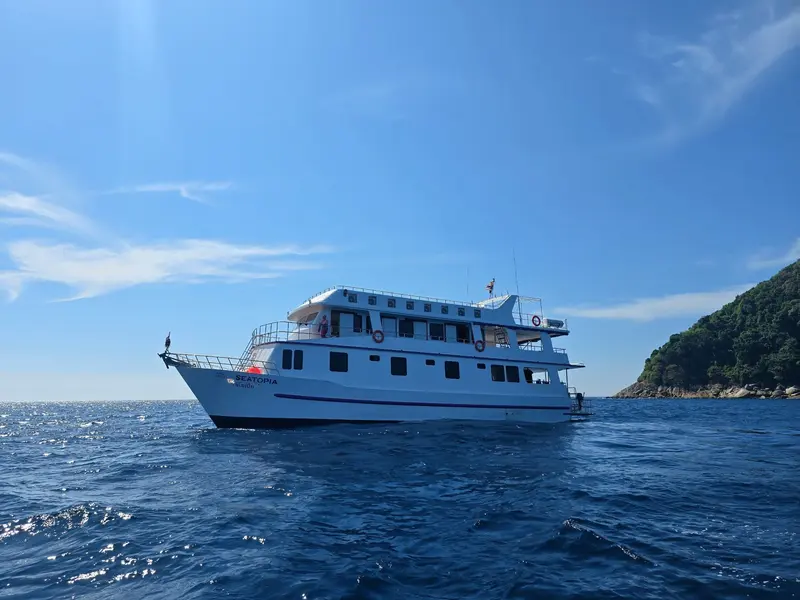
From the dock, Manta Queen 7 presents as a substantial wooden dive vessel rather than a floating boutique hotel. The 2015 renovation gives the boat a more recent working life without changing its basic character. Once aboard, the layout is easy to read: cabins on the main deck, an indoor air-conditioned saloon, dining outside and a large sundeck above. The dive deck is the centre of gravity, with tanks, rinse facilities and a direct route to the platform. Twenty-four guests is a full boat, but the operation is built around diving rather than decorative space. The result feels practical: divers move from cabin to deck, from deck to tender, and back again without having to search for the next part of the routine.
The atmosphere on board
The atmosphere is shaped less by the boat's finish than by the people running it. Five dive staff and six boat crew handle a maximum group of 24, and the crew score of 8.9 reflects the practical result: briefings, meals, tanks and transfers are kept moving without making the guest manage the operation. English, Dutch, German, Spanish and Italian are spoken. By the second day, divers tend to know the guide, the person handling the tender and the crew member who appears with the next plate of food. Evenings are simple: showers, cameras, the saloon or the sun deck, then sleep before the next dive sequence. The boat's strongest character is competent hospitality rather than ceremony.
The sites you’ll dive
The recorded North Andaman trip runs 5 days and 4 nights from Khao Lak to Khao Lak, linking the Similan Islands, Koh Bon, Koh Tachai, Richelieu Rock and Boonsung Wreck. The Similan Islands combine coral reefs with granite boulder formations and reach a maximum depth of -40m. Koh Bon is the pelagic stop: walls lead to a cleaning station where manta rays may glide in, sometimes with other open-water hunters. Koh Tachai adds submerged pinnacles and coral gardens to -40m, with barracudas and the possibility of a hawksbill turtle. Boonsung Wreck is an old tin dredger transformed into an artificial reef, with dense fish life down to -18m. Other Manta Queen 7 site records include Elephant Head Rock, a maze of arches and caverns to -60m, and Anita's Reef, where coral gardens slope to sand to -35m. The wreck portfolio extends to Kled Geaw Wreck at -27m, Kled Kaew Wreck at -26m, Sattakut Wreck at -30m, King Cruiser Wreck at -35m, Hardeep Wreck at -28m and HTMS Khram Wreck at -30m.
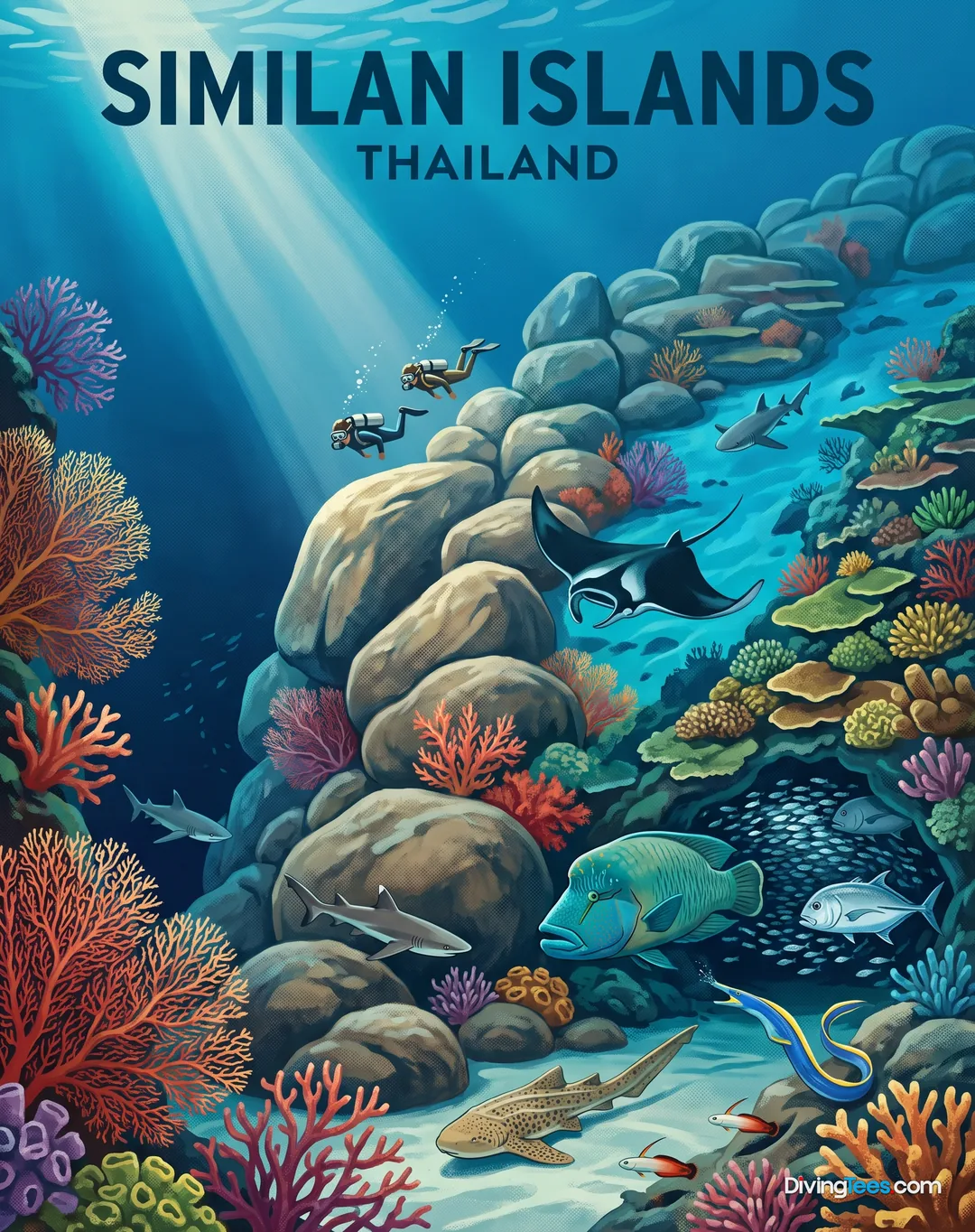
Similan Islands →
Max. depth · 40 m
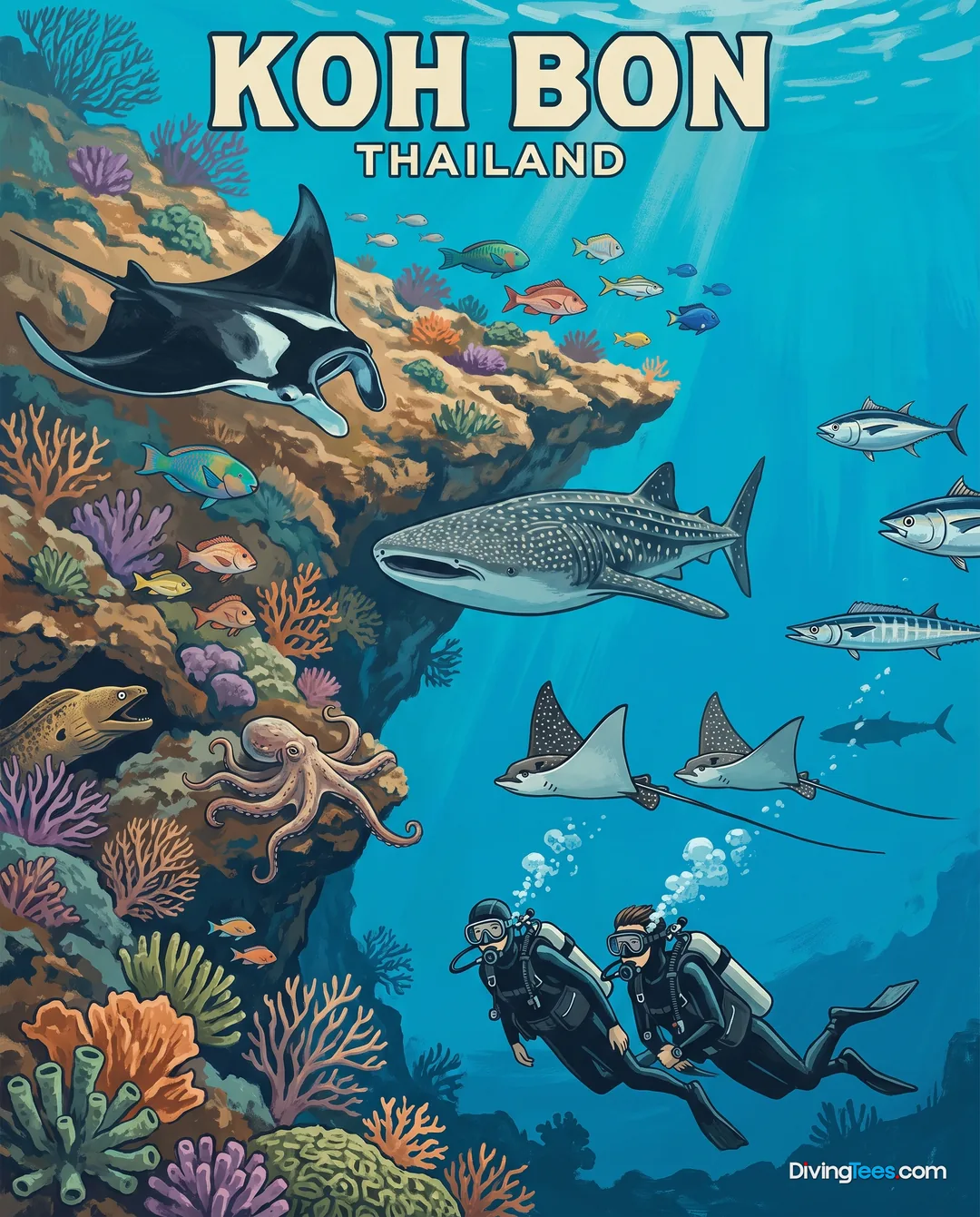
Koh Bon →
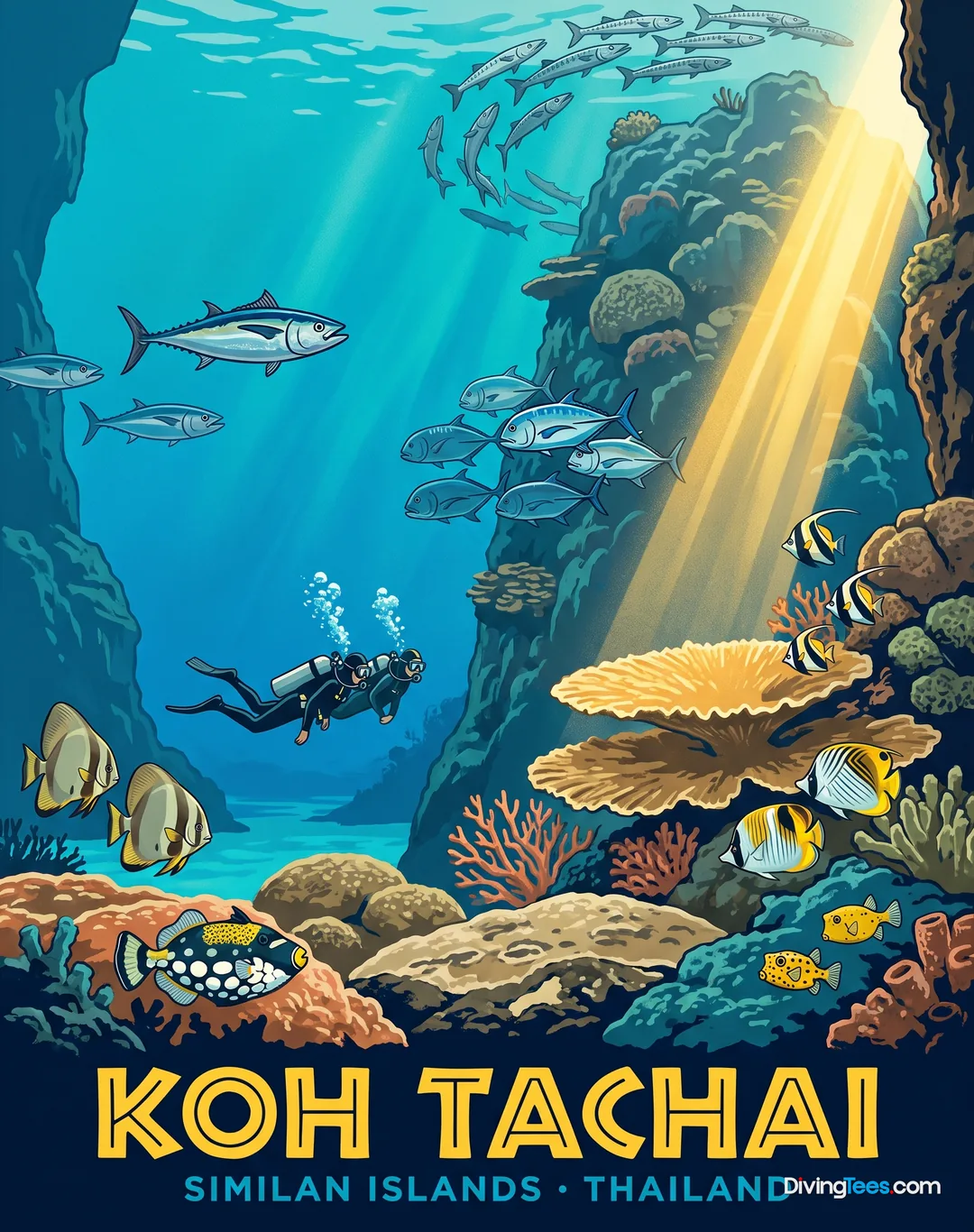
Koh Tachai →
Max. depth · 40 m
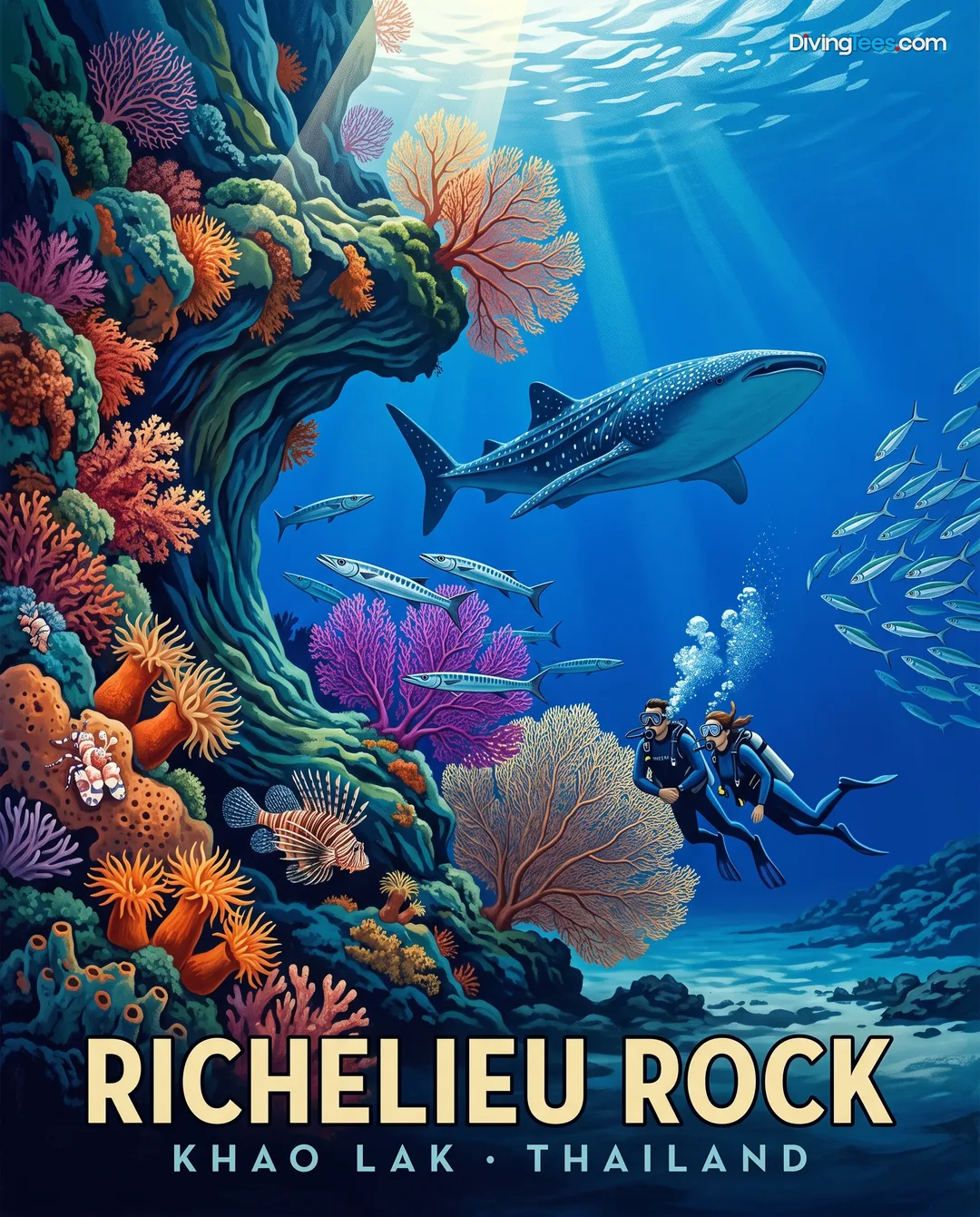
Richelieu Rock →
Max. depth · 35 m
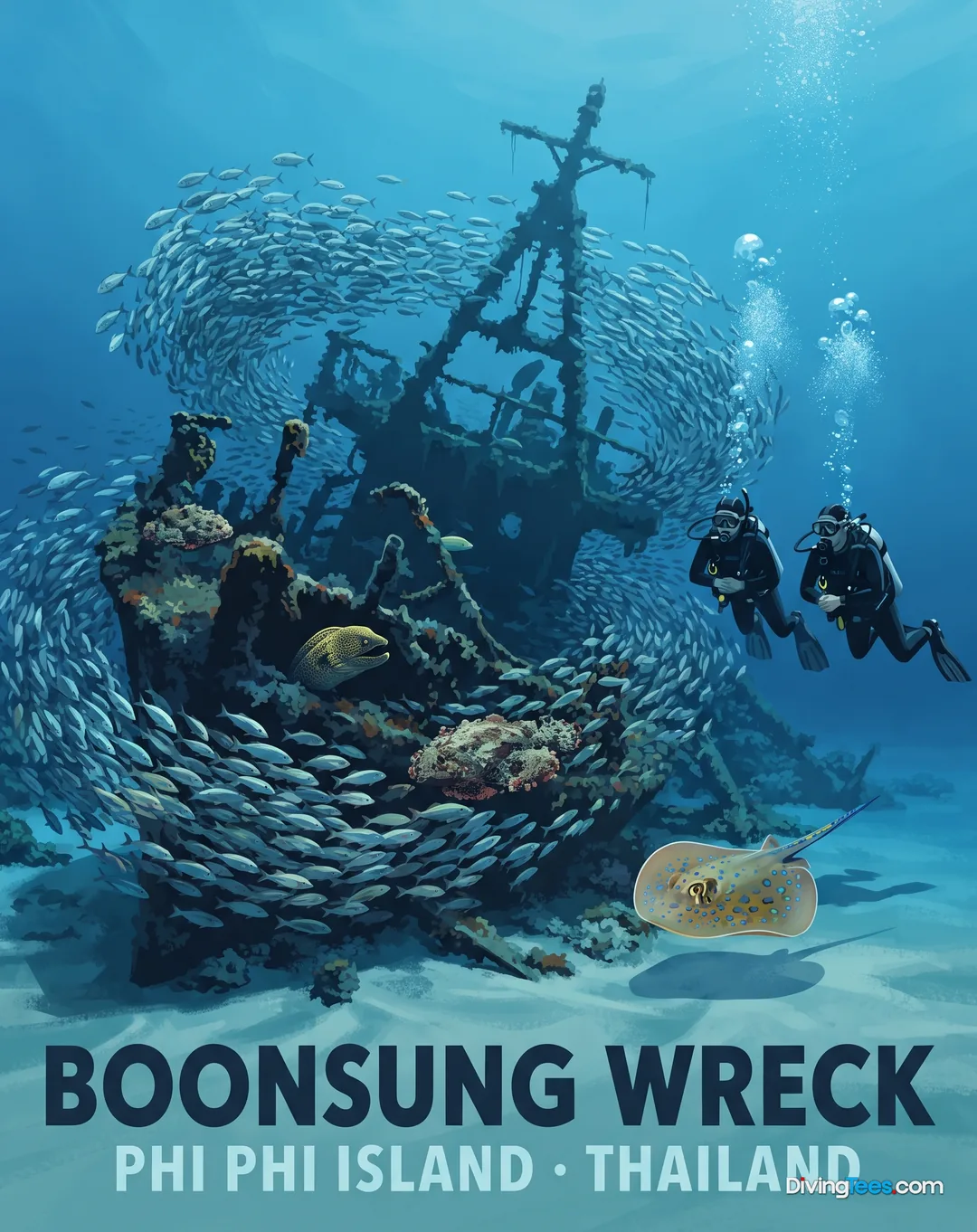
Boonsung Wreck →
Max. depth · 18 m
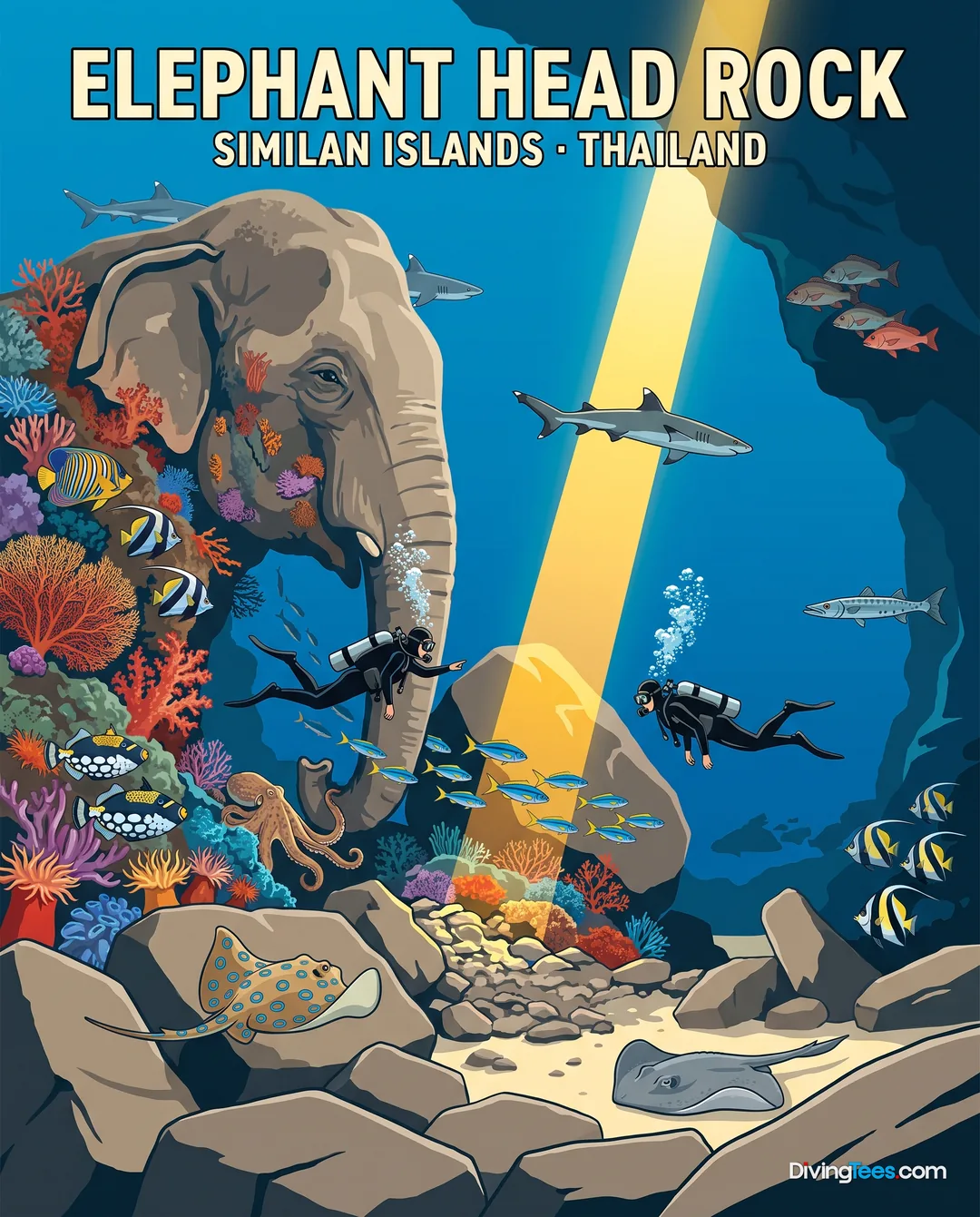
Elephant Head Rock →
Max. depth · 60 m
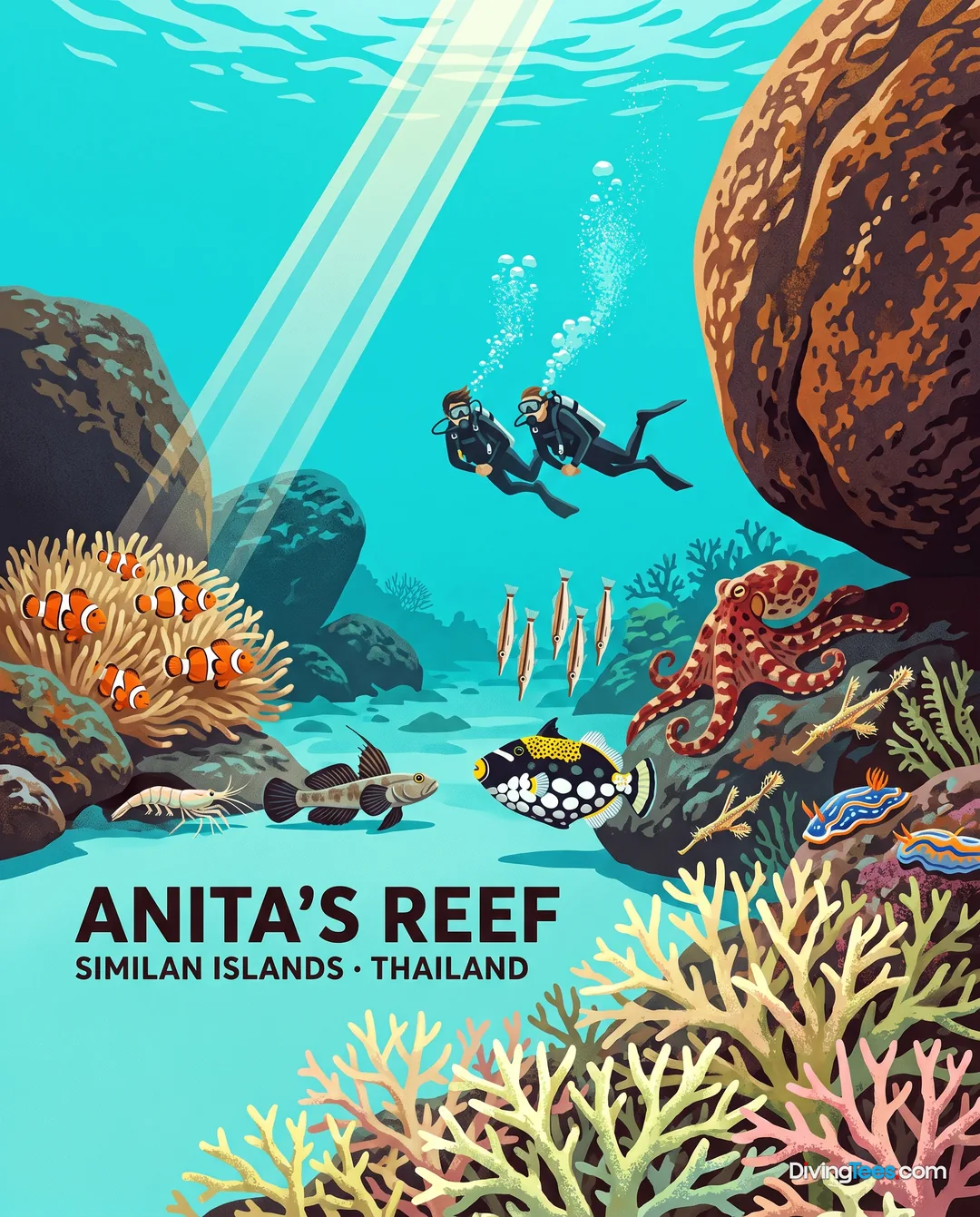
Anita's Reef →
Max. depth · 35 m
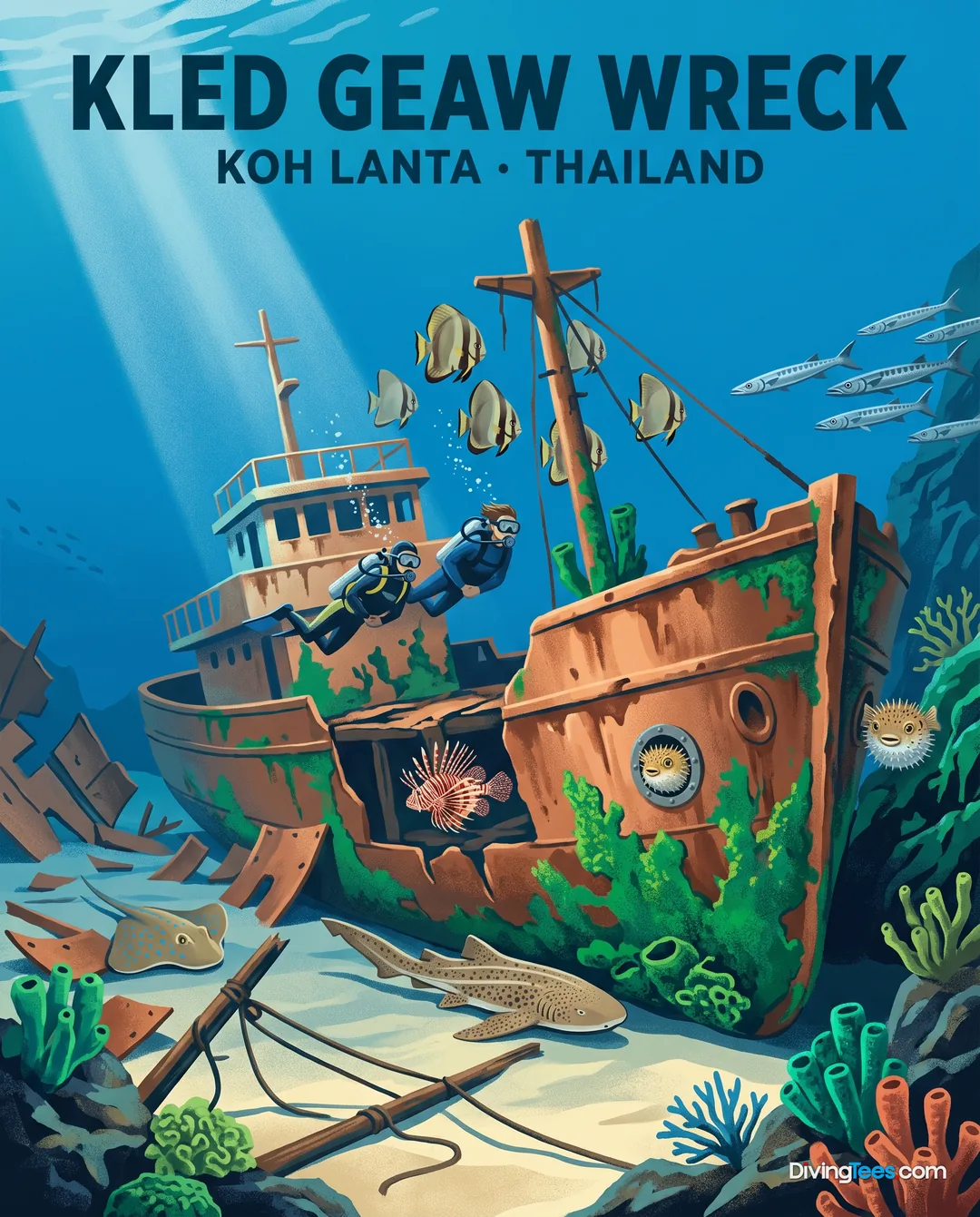
Kled Geaw Wreck →
Max. depth · 27 m
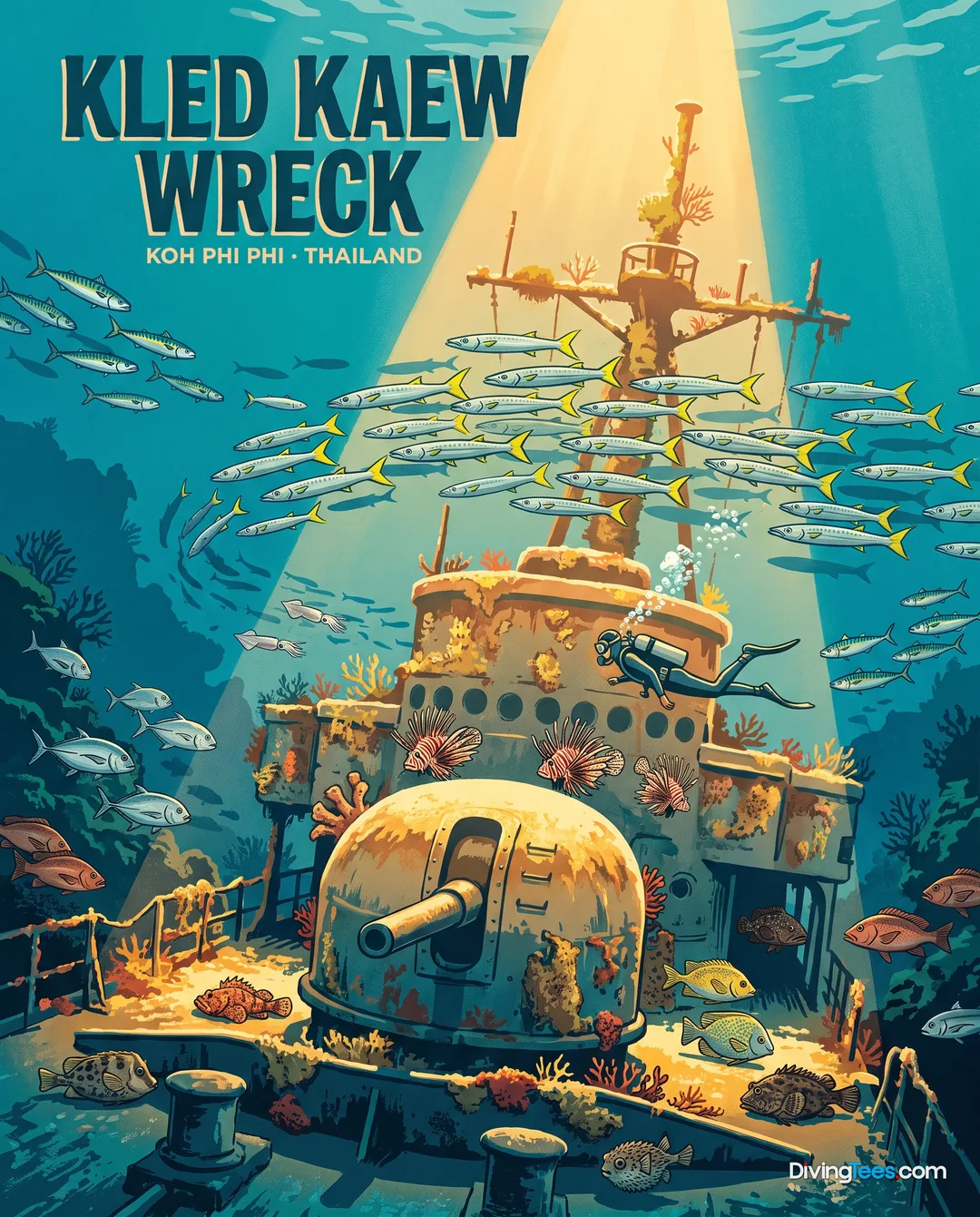
Kled Kaew Wreck →
Max. depth · 26 m
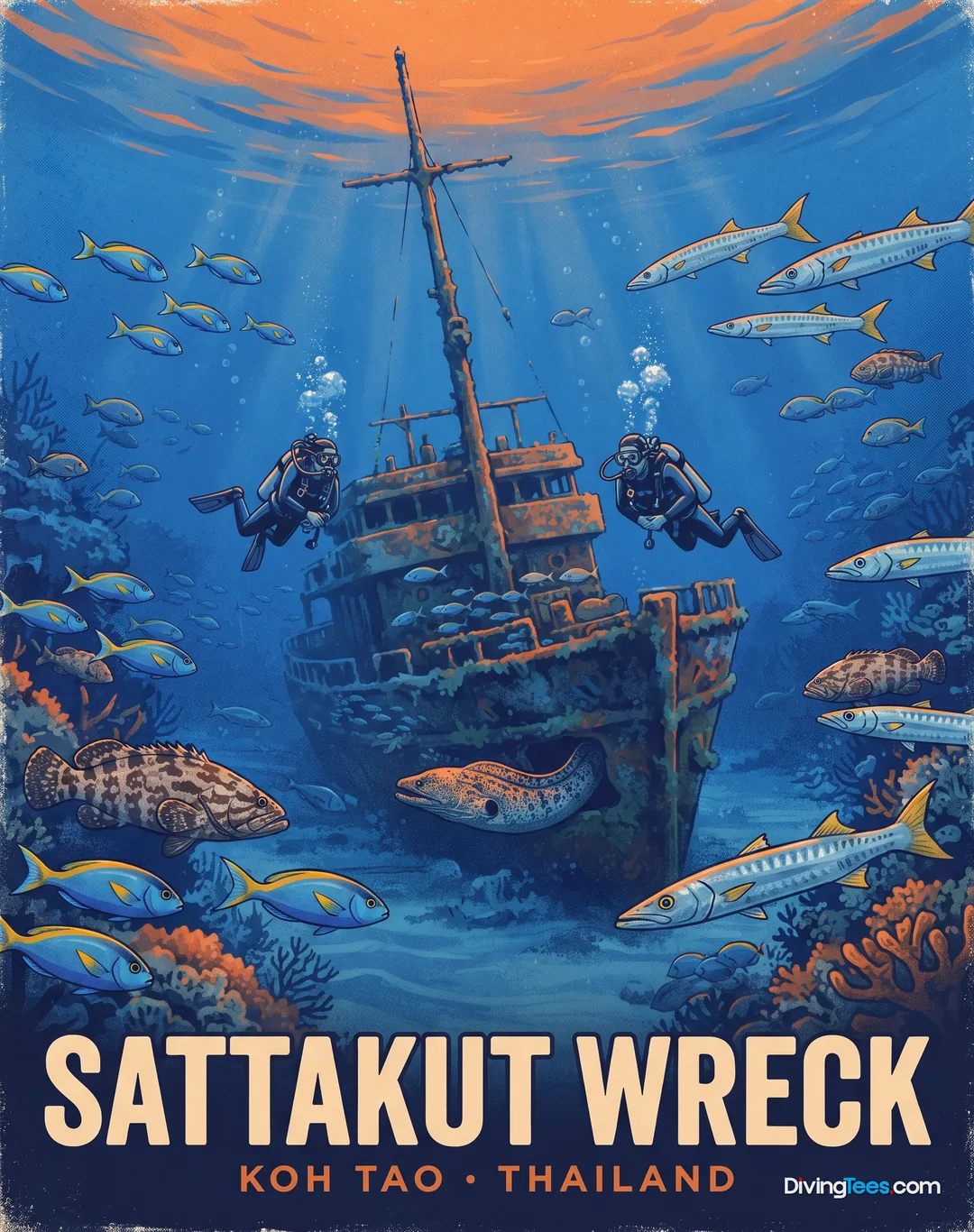
Sattakut Wreck →
Max. depth · 30 m
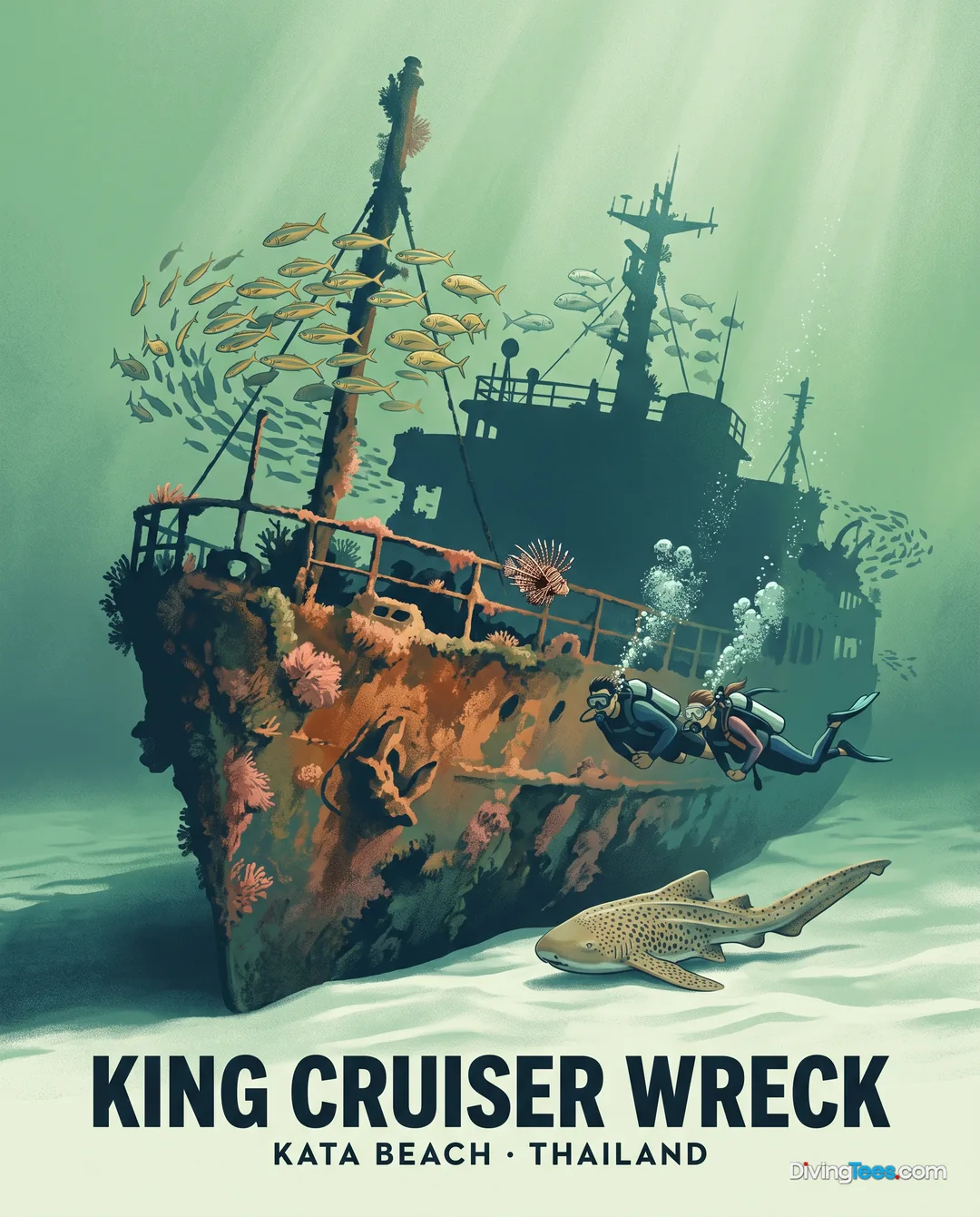
King Cruiser Wreck →
Max. depth · 35 m
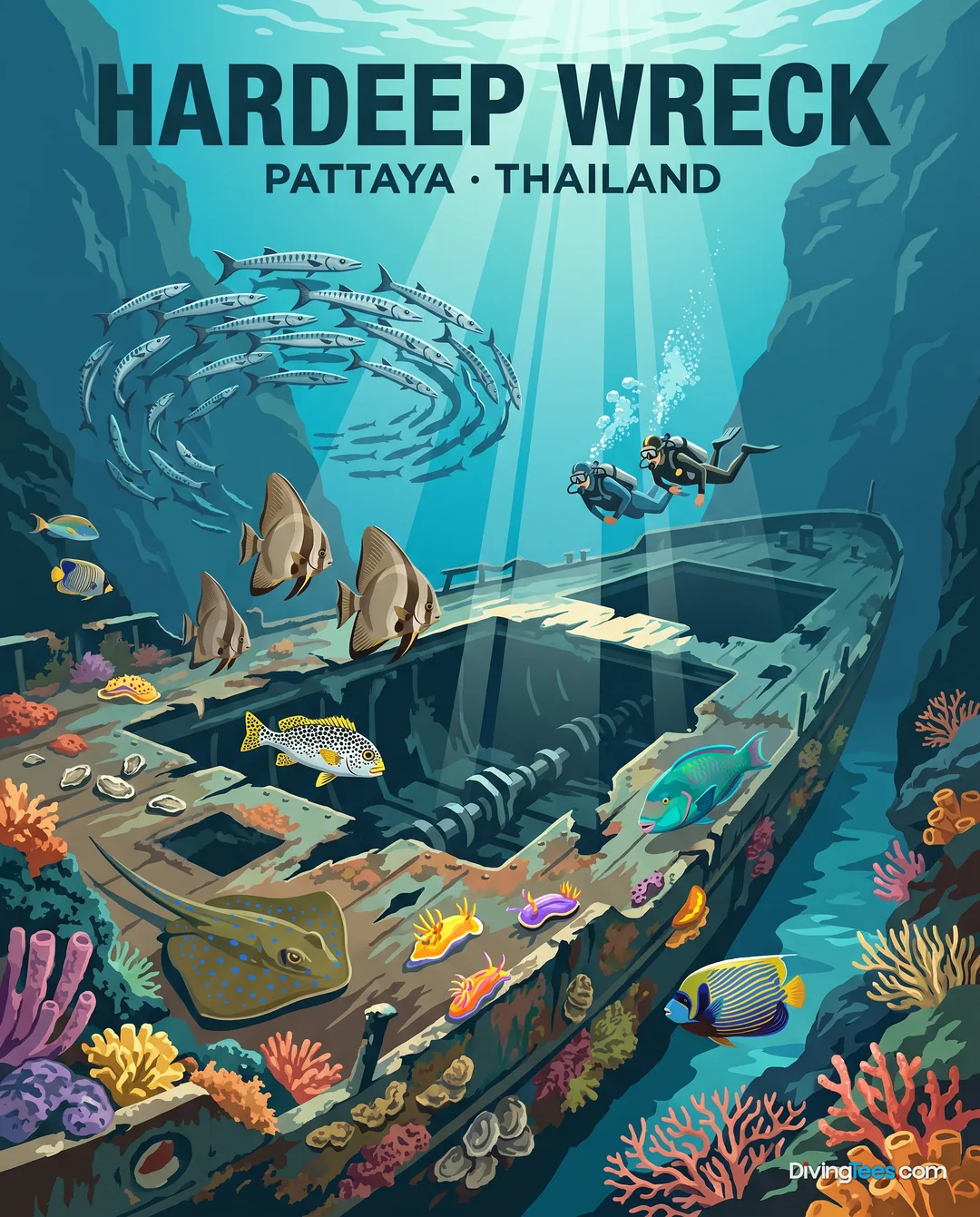
Hardeep Wreck →
Max. depth · 28 m
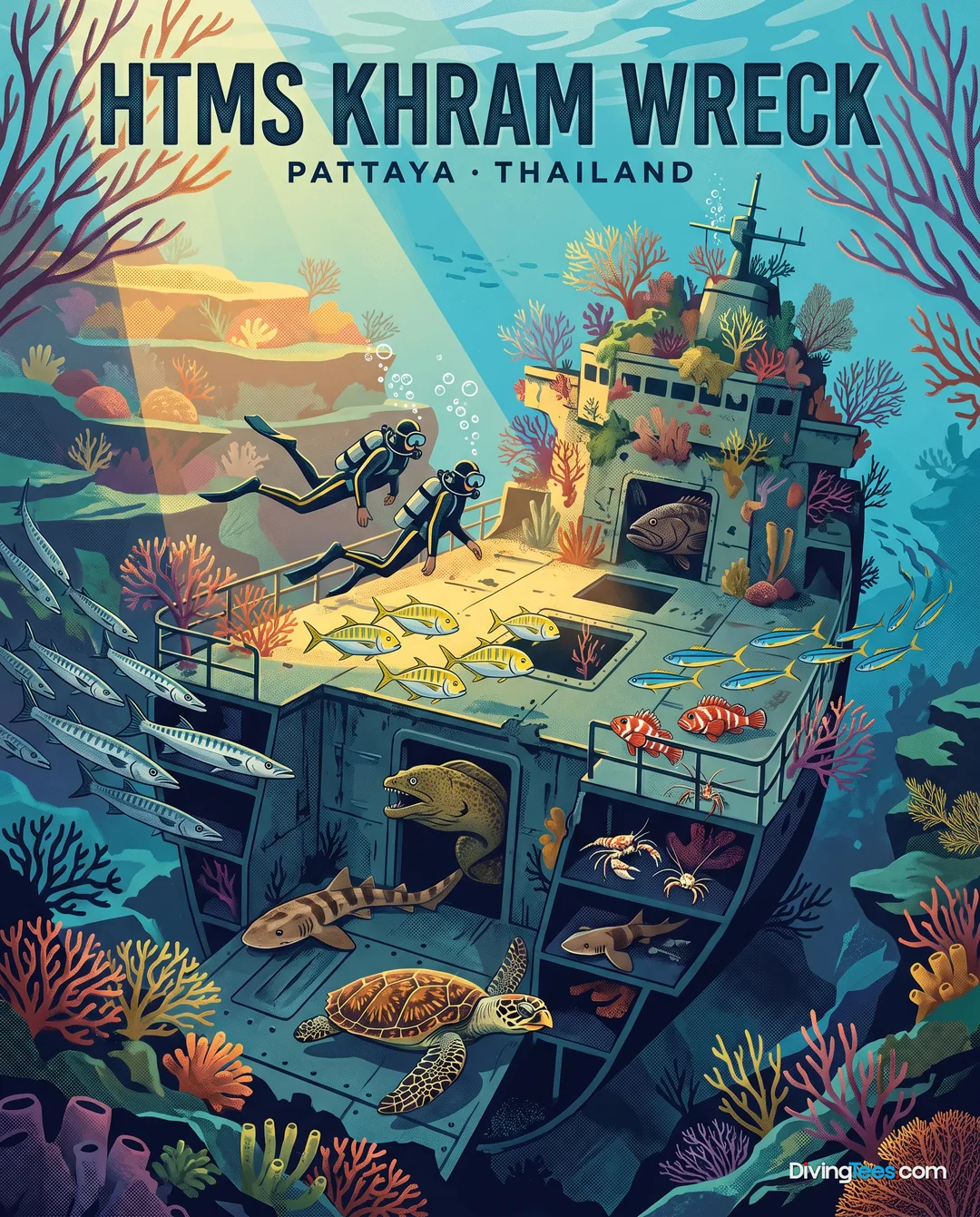
HTMS Khram Wreck →
Max. depth · 30 m
Itineraries, dates and prices
Prices per person. Each month shows its lowest price: click a month, or pick an itinerary.
Next departures · 42 departuresfrom £499$667€596
October 2026
November 2026
December 2026
See dates and prices
If you click these links and make a purchase on the partner site, DivingDeal may earn a commission, at no extra cost to you.
Dates and prices taken from liveaboard.com, updated 22 October 2026
What you’ll meet underwater
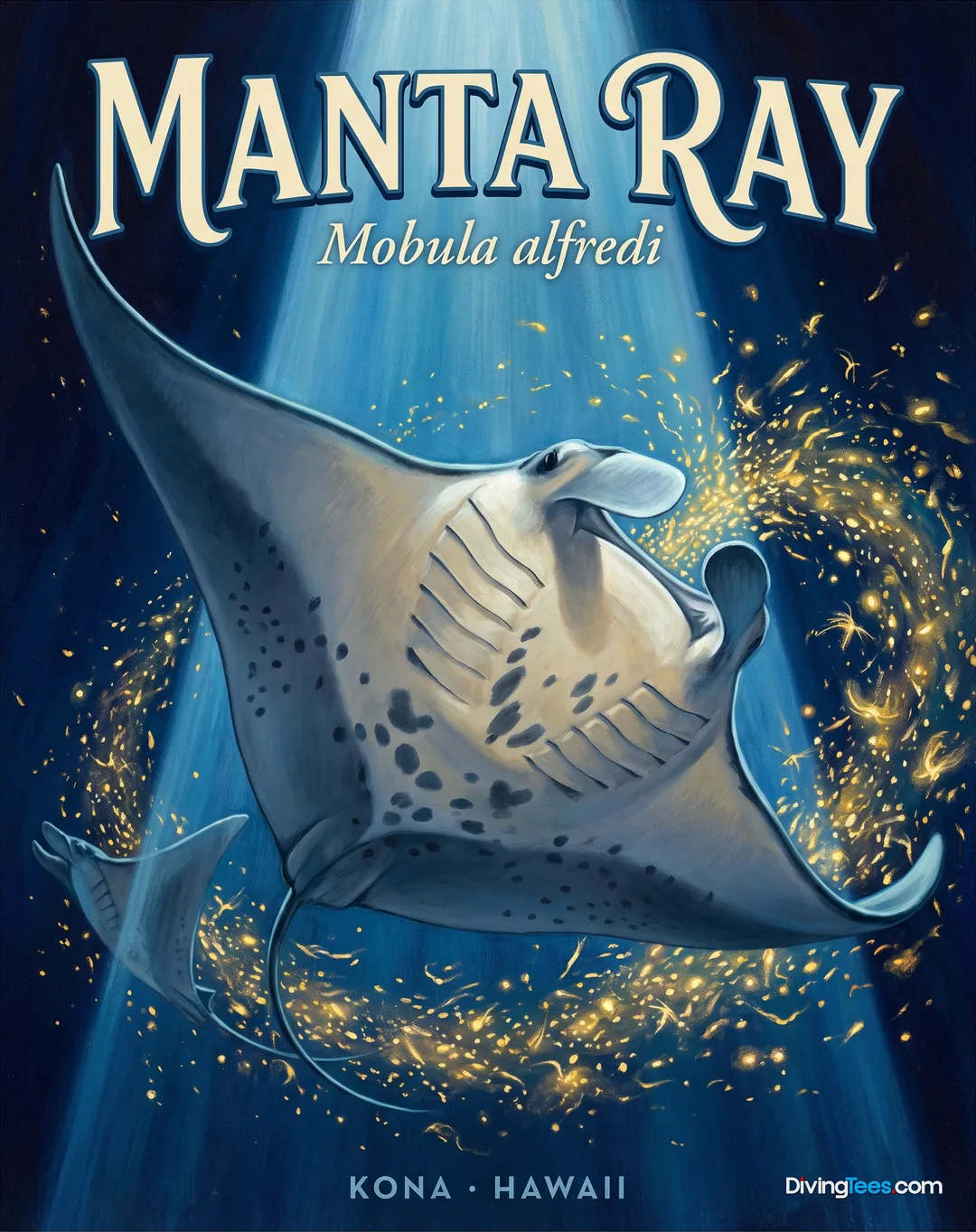
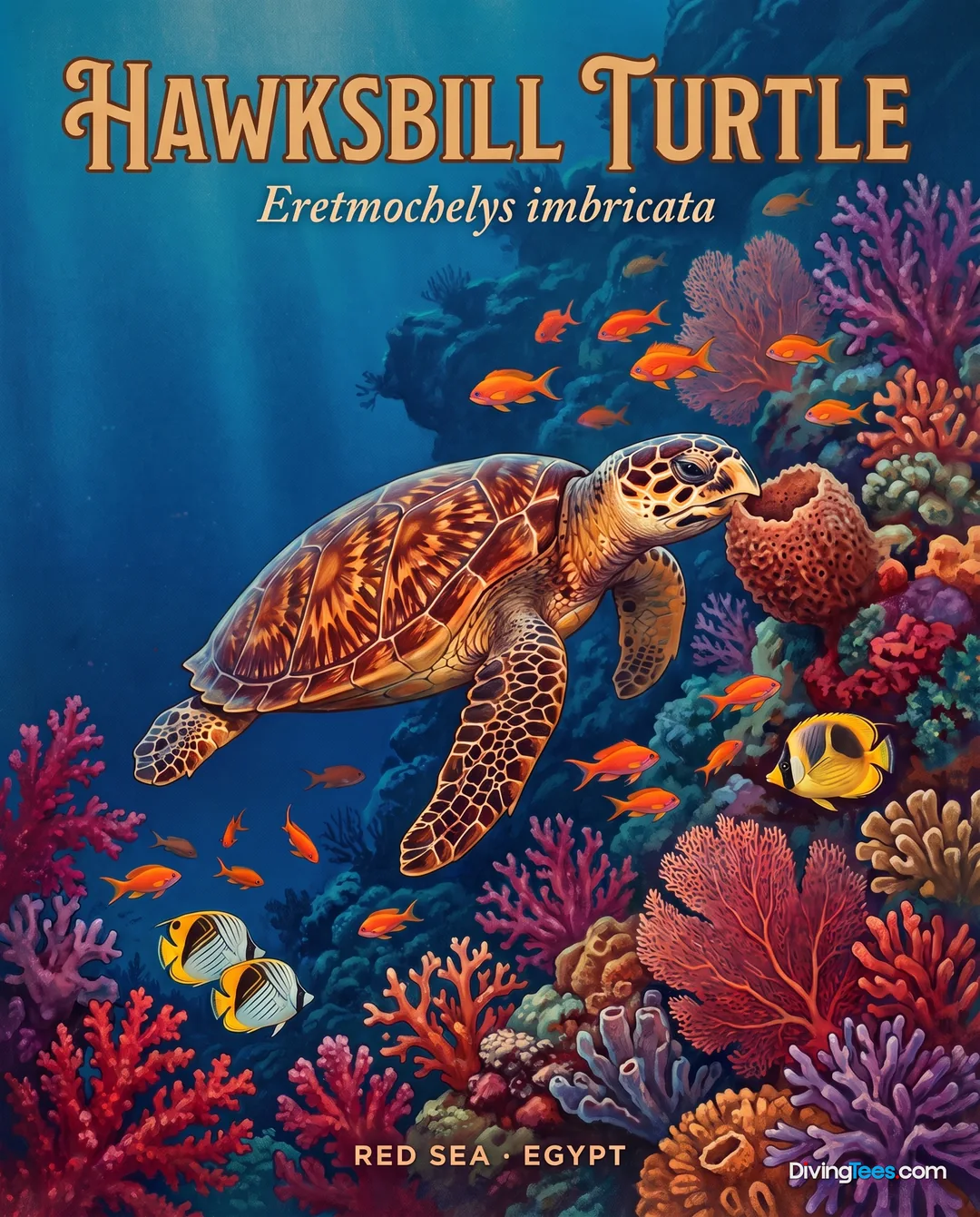
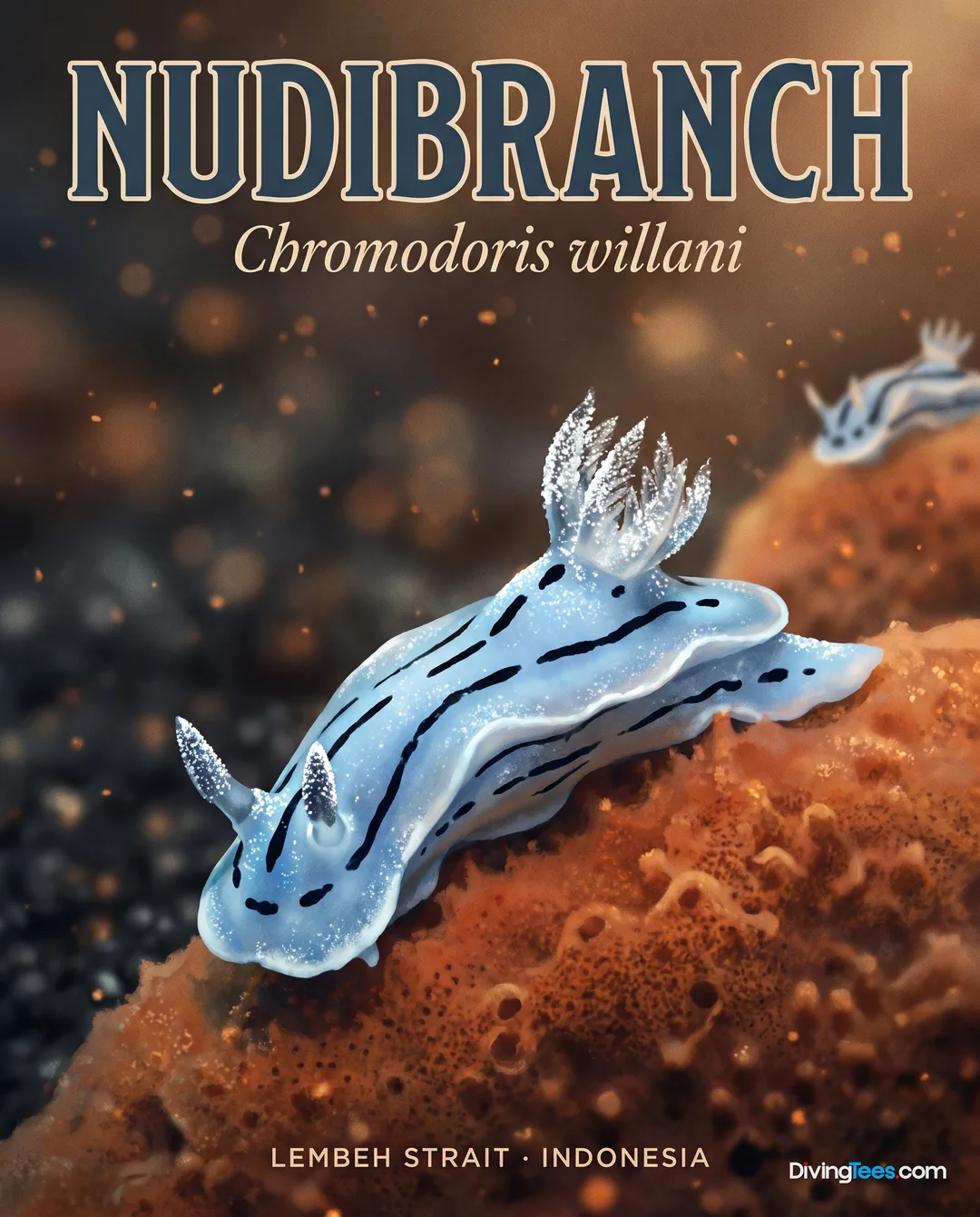
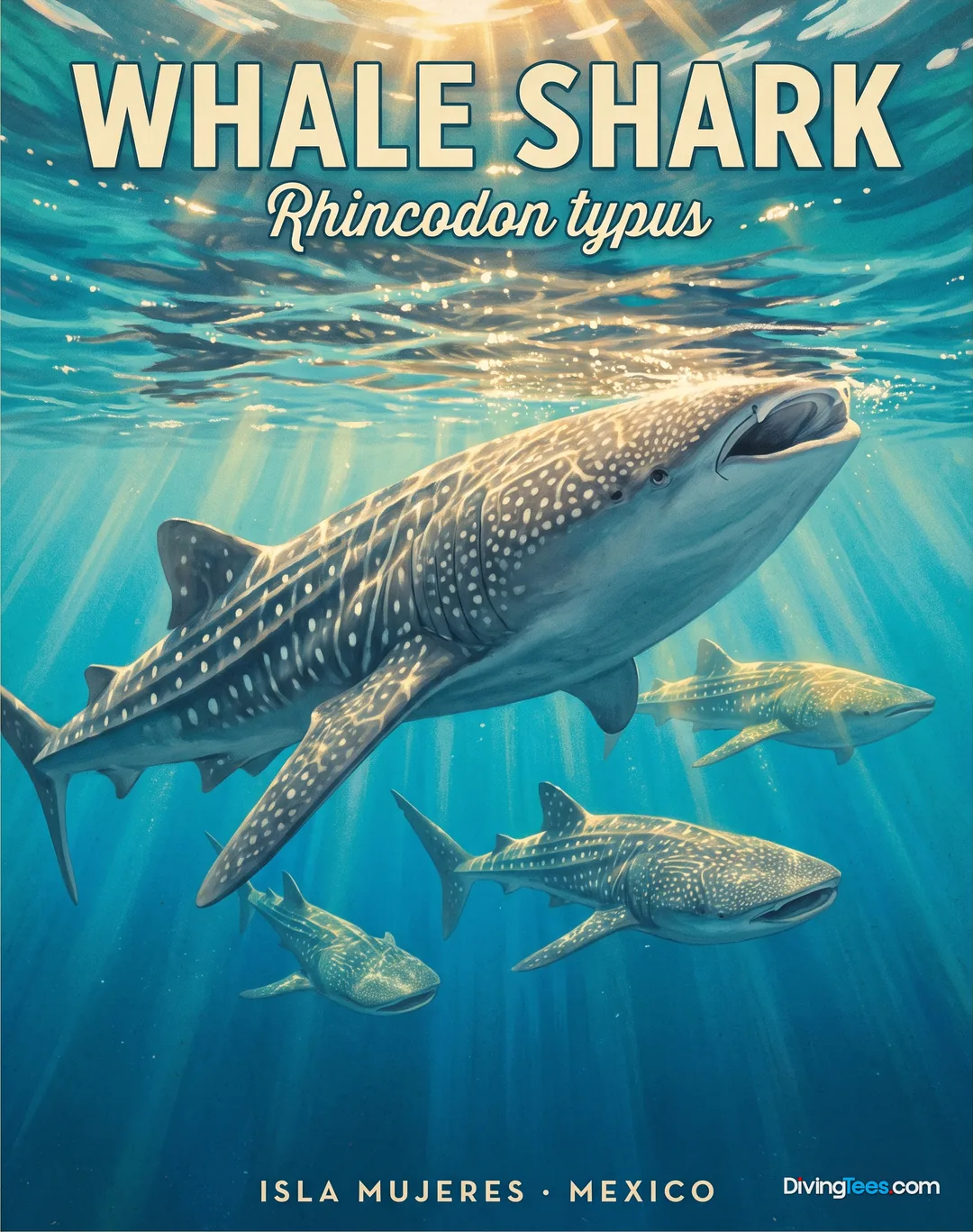
Barracuda, nudibranchs, trevally, fusiliers and moray eels are the recurring cast of this route, with groupers, reef sharks, whale sharks, turtles, manta rays and tuna recorded across several sites. The big encounters are conditional, not promised: Koh Bon's cleaning station is the place to watch for manta rays and passing pelagics, while the Similan Islands can bring whale sharks, manta rays and reef sharks among the granite formations. Each wreck has its own smaller reason to linger. A giant grouper is recorded only at HTMS Khram Wreck; a stonefish only at Boonsung Wreck; a humphead parrotfish only at Surin Islands; and a hawksbill turtle and flatworm only at Koh Tachai. Elephant Head Rock is the specific site for a balist, while Kled Kaew Wreck is the one associated with squid and damselfish. The route rewards slow looking as much as scanning the blue.
Who puts you in the water
Five dive staff work with the boat's guests, and the dive guides and instructors are PADI-certified. Dive groups are kept small at four divers, a useful number on a wreck or when a guide is holding a group together in current. The multilingual team speaks English, Dutch, German, Spanish and Italian. Manta Queen 7 can host PADI training, including Open Water, Advanced Open Water, Rescue, Emergency First Response, Enriched Air Nitrox, Deep, Digital Underwater Photography and other specialties offered by the operator. The boat carries oxygen, first-aid kits, fire alarms and extinguishers, life rafts and lifejackets, and the crew is trained in first aid.
The dive deck and the gear
The dive deck is shaded and leads to a dedicated platform, with a single Yamaha 40 HP tender used to carry divers to and from the sites. Standard tanks are 12-litre aluminium cylinders fitted with both DIN and yoke valves; 15-litre tanks can be arranged as a paid extra. Nitrox is available as a paid extra, and Nitrox courses run through the operator. Rental equipment is available, using Scubapro BCDs and regulators; short 3 mm wetsuits and dive computers are among the rental options. DIN adaptors, separate camera rinse facilities, charging stations and an underwater photo area cover the practical needs of photographers. A buddy check is mandatory before entering the water. Oxygen, first-aid kits, fire equipment, radios, GPS and sonar are carried for the parts of the operation that happen above the reef.
Between dives
Between dives, most people will choose between the shaded dive area, the air-conditioned saloon and the broad sundeck. The saloon has audio and video entertainment, but the more useful habit is likely to be downloading photographs, charging batteries or simply lying still after a deep or current-affected dive. Cameras have their own rinse area and there is a dedicated photo space, so wet gear does not have to share every surface with personal equipment. When the itinerary allows it, the tender can take guests to a beach. That gives non-divers and snorkellers something to do away from the dive platform, while divers have a straightforward place to dry out and prepare for the next entry.
A day on board
A day begins with the first briefing before the first entry, then follows the familiar liveaboard cycle: dive, eat, recover, prepare, dive again. Breakfast and hot drinks come before the opening water work; lunch and snacks fill the gap afterward, with dinner waiting once the later diving is finished. The exact sequence changes with the site, current and travel between islands, but the boat is organised around repeated dives rather than long sailing intervals. A night dive is supported by the boat's torches and dive setup. Between entries, divers return to the shaded deck, rinse cameras, review photographs or sleep in the saloon. By evening, the last task is usually simple: rinse gear, check the next cylinder, eat, and get horizontal before the compressor and the next briefing start the cycle again.
What you eat aboard
The galley serves freshly cooked buffet meals, with Western and local dishes, full-board meals, fruit and snacks spread between them. Vegetarian and vegan options are available. That matters on a dive boat because food is not an event reserved for the evening; it is the recovery system between dives. A plate appears, gets eaten, and the diver is back on the deck checking exposure protection or camera batteries. Dining can take place outside, and the crew keeps drinks, tea and coffee available throughout the day. The food score of 9.6 is the clearest signal here: meals are one of Manta Queen 7's strongest parts, not an afterthought to the diving.
Nights at sea
The cabins are air-conditioned and sit on the main deck, with standard windows and some sea views. Manta Queen 7 offers twin bunk cabins without an ensuite bathroom, four-bed shared cabins, twin bunk ensuite cabins and double ensuite cabins. Eight bathrooms serve ten cabins, so not every room has its own bathroom; the cabin category matters when booking. A night here is therefore about a cool, private place to recover between dives rather than hotel-scale space. The saloon provides an indoor retreat when the heat builds, while the sundeck gives those who prefer open air somewhere to sleep or sit. Bring the cabin choice into the decision early, especially if sharing a room is not part of the plan.
Twin Bunk Cabin (non ensuite)
Quad Cabin
Twin Bunk Ensuite Cabins
Double Ensuite Cabins
What to know before boarding
The trip departs from Khao Lak and returns to Khao Lak. Airport and hotel transfers are included, with the airport and hotel transfer arrangements handled through the operator. Arriving in Khao Lak the night before is the sensible choice, leaving room for a delayed flight without putting the boat's departure at risk.
- Year built
- 2010
- Year renovated
- 2015
- Length
- 27 m
- Beam
- 6 m
- Maximum number of passengers
- 24
- Number of cabins
- 10
- Number of bathrooms
- 8
- Engines
- 2 × Hino 450 hp, 10 cylinders
- Cruising speed
- 8-9 knots
- Tenders
- 1 × Yamaha 40 hp
- Website
- mantaqueen.com ↗
Hello, I'm Marina, DivingDeal.com's AI assistant. I answer in detail about hotels, dive centres and liveaboards.
Thinking about the whole trip and the flights? Talk it over with Edith →
Marina is an AI. Some links are affiliate links: DivingDeal may earn a commission, at no extra cost to you. Bookings are made with the partner.